
Extreme weather events are increasing in frequency and intensity, forcing B2B developers to reconsider traditional roofing specifications. In high-wind zones, the primary cause of structural failure is often the “lifting force” that strips tiles or shingles from the roof deck. Traditional clay and concrete tiles rely on gravity for stability, which makes them vulnerable to hurricane-force gusts. Conversely, Stone Coated Steel Panels are engineered to be part of the building’s structural integrity. By utilizing an advanced interlocking system, these panels can withstand winds exceeding 200km/h. This guide explains the physics behind wind resistance and why mechanical fastening is superior to gravity-based systems.
The Aerodynamics of High-Wind Resistant Roofing
Wind damage occurs when high-velocity air creates a pressure differential between the exterior and interior of the roof. Traditional tiles often have large gaps that allow wind to enter underneath the material. Consequently, the wind creates an upward lift that can easily dislodge heavy tiles. Stone Coated Steel Panels utilize a low-profile design that minimizes aerodynamic drag. Therefore, the air flows smoothly over the surface rather than catching the edges. This aerodynamic efficiency is a critical factor for buildings located on coastlines or open plains where wind speeds are consistently high.
Pressure Equalization and Surface Texture
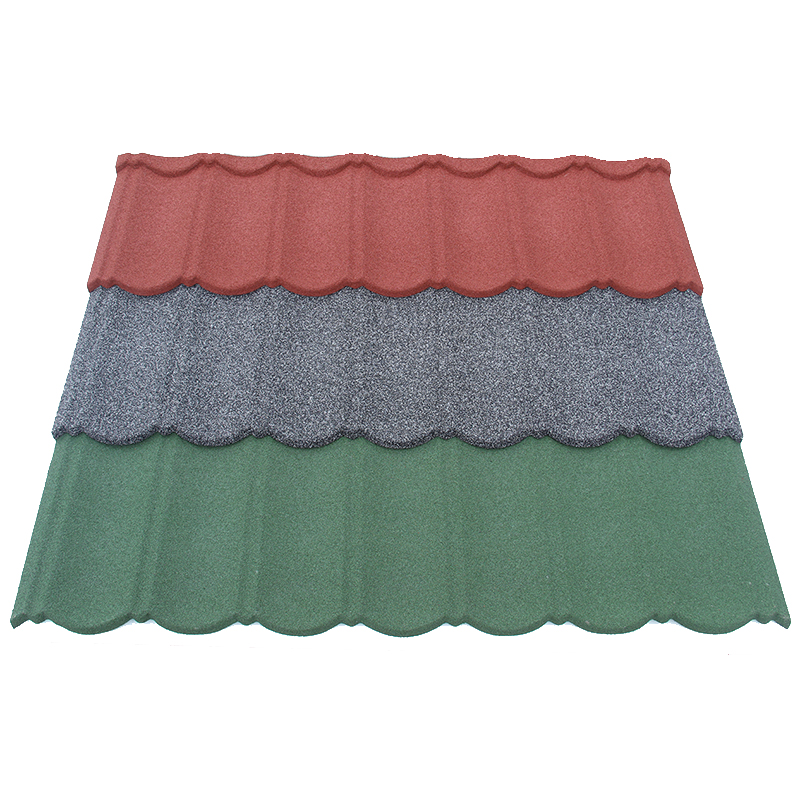
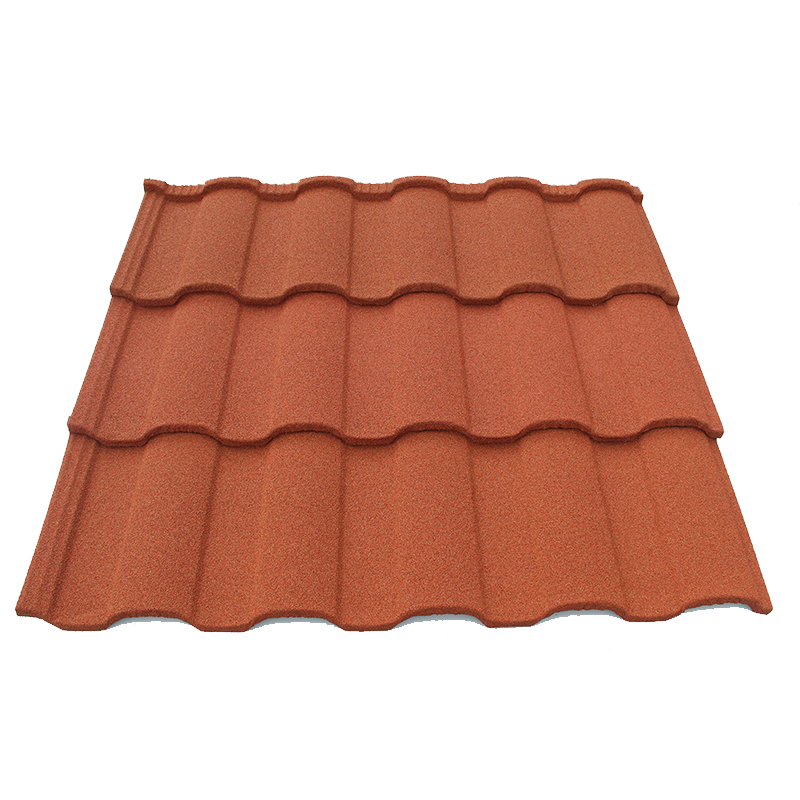
The textured stone surface of the panels plays a vital role in breaking up the laminar flow of wind. Specifically, the volcanic granules create micro-turbulence on the surface. Because of this, the wind does not form a cohesive “suction” force across the roof. Furthermore, the Milano Tile profile is engineered with specific curves that help equalize pressure. This prevents the formation of vacuum pockets that would otherwise pull the roofing material away from the deck. For instance, commercial warehouses in typhoon-prone regions use this technology to ensure the roof remains intact during prolonged storms.
Lateral Force Resistance in Extreme Gusts
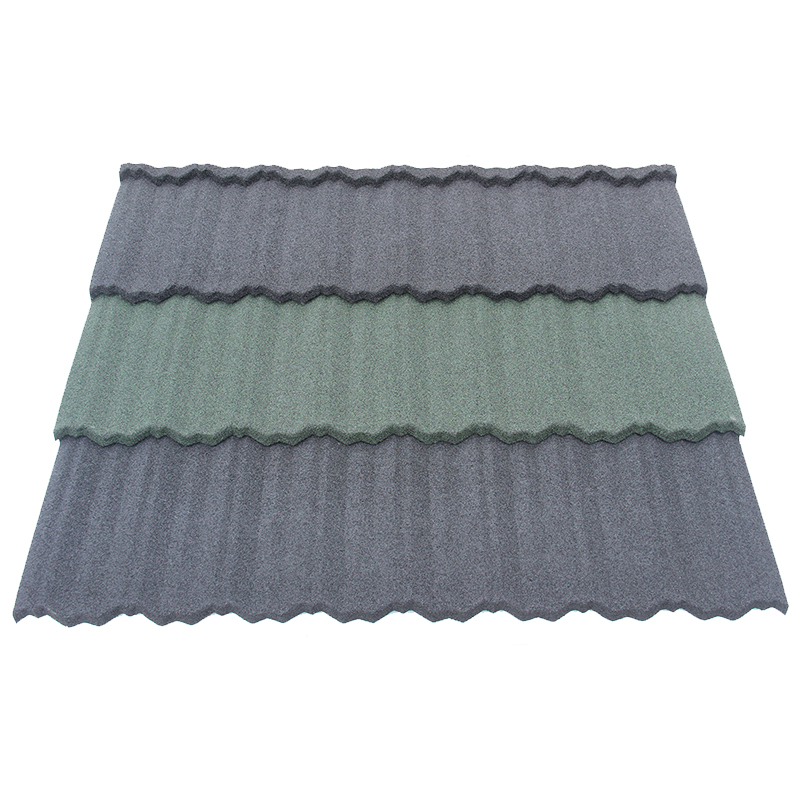
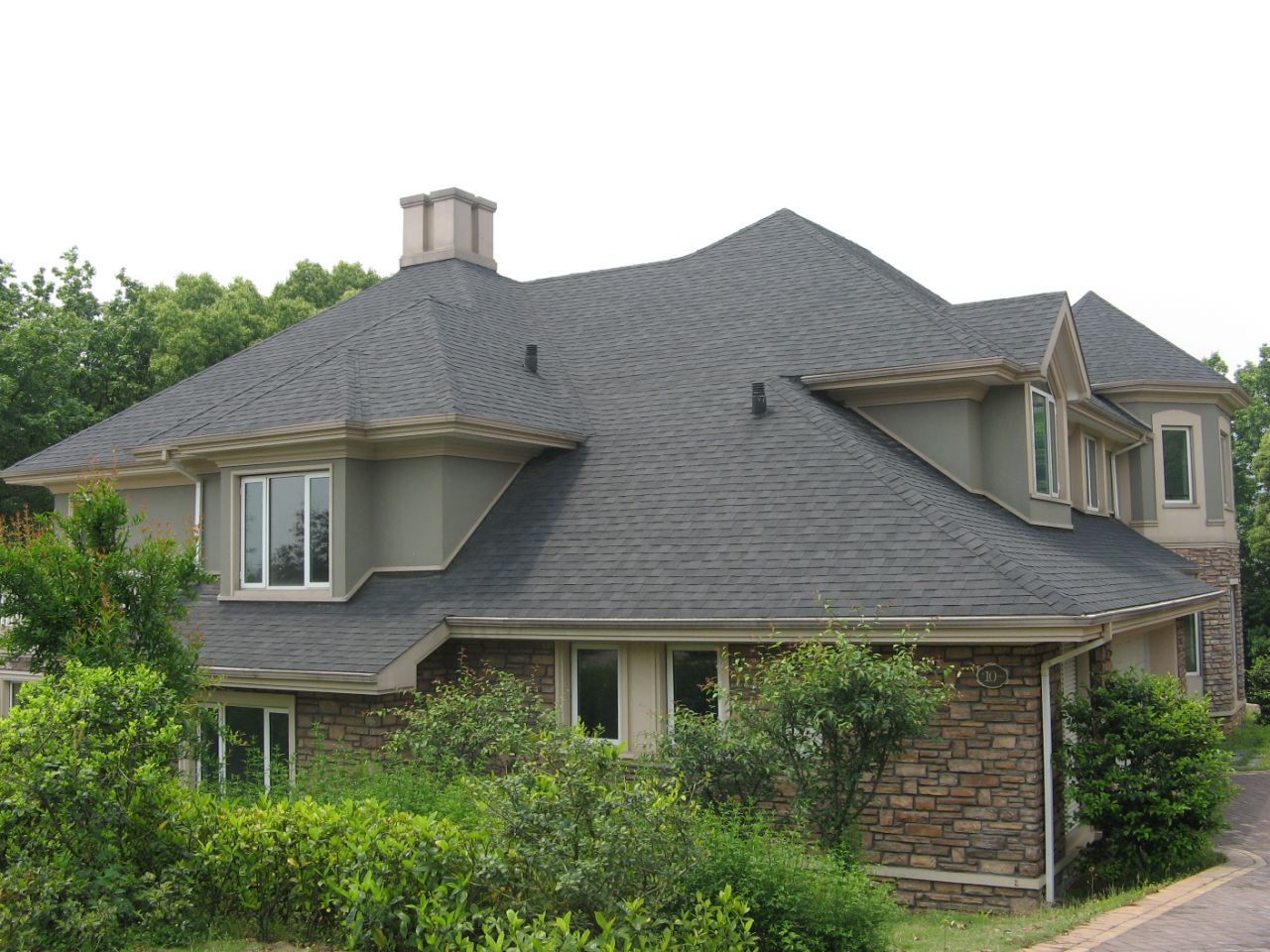
During a storm, the roof must handle not only upward lift but also lateral (sideways) pressure. Traditional shingles are often prone to “tab-uplift,” where the wind peels back individual sections. Because stone-coated panels are larger and interlocked, they distribute the wind load across the entire roof surface. Specifically, the Bond Tile provides a structural rigidity that prevents individual panels from vibrating or flapping. Consequently, the fastening points experience less fatigue over time. This structural cohesion is why metal systems are rated for the highest wind speeds in the industry.
Advanced Interlocking and Mechanical Fastening Systems
The secret to surviving a 200km/h wind lies in how the panels are attached to the building. Conventional roofing materials are often nailed vertically through the top, which is the weakest direction for wind resistance. Stone Coated Steel Panels employ a horizontal fastening system. Installers drive fasteners into the side of the batten at a 90-degree angle to the lifting force. Consequently, the wind would have to shear the steel fasteners to remove the panel. This mechanical advantage provides a level of security that gravity-based systems simply cannot match.
The “Hurricane-Proof” Interlocking Design
- Eight-Point Fastening: Each panel is typically secured at eight different points across the roof deck.
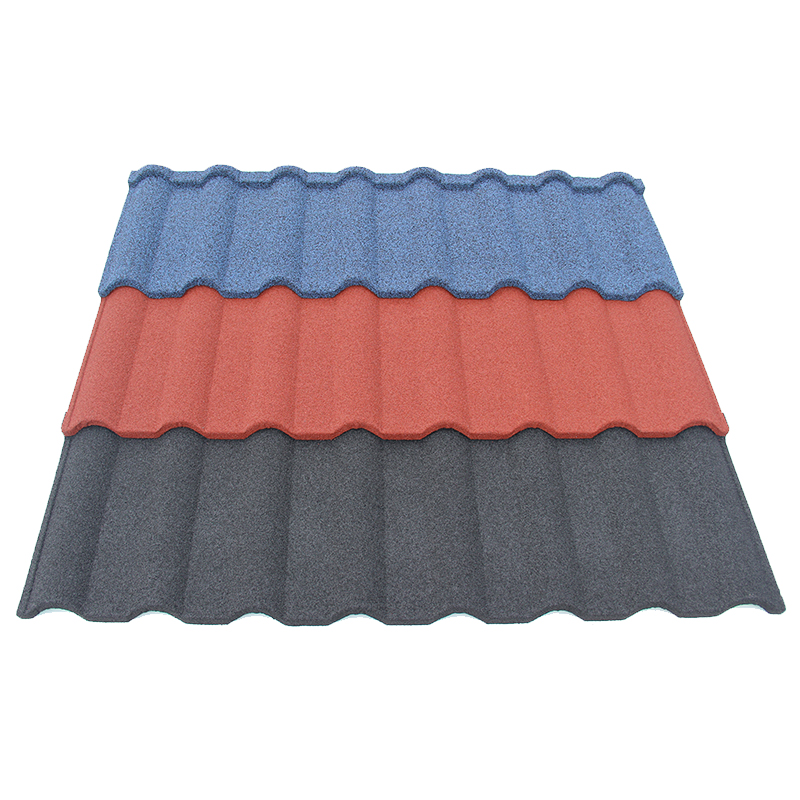
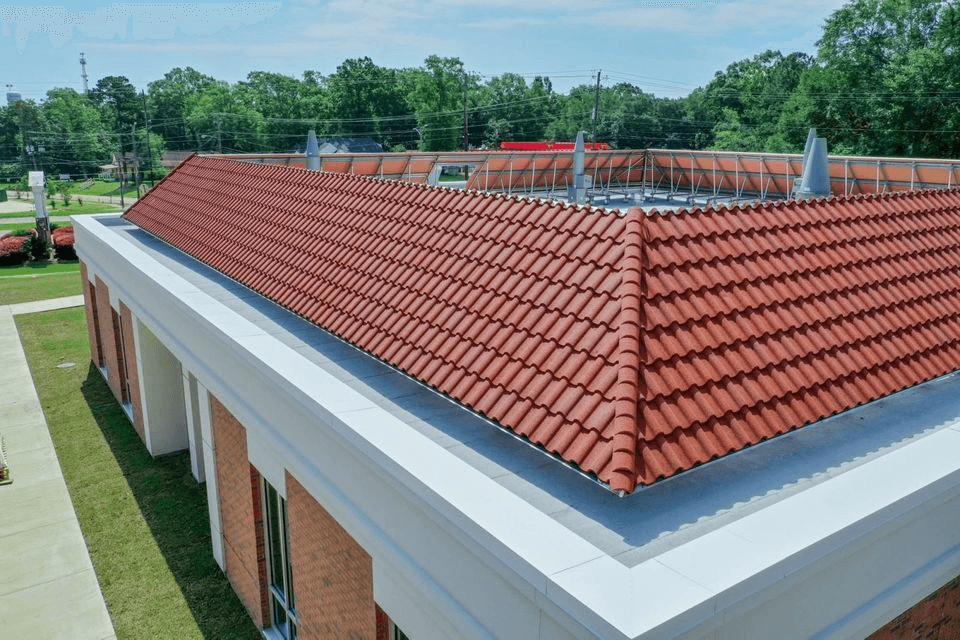
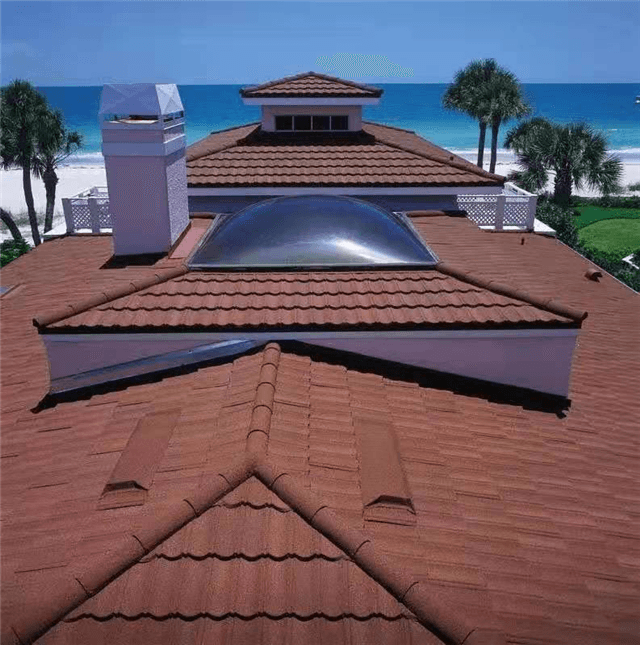
- Overlap Protection: The Roman Tile profile features a deep overlap that prevents wind-driven rain from being pushed upward into the attic.
- Shear Strength: Horizontal fastening utilizes the full shear strength of the screw or nail, resisting uplift forces of several tons.
- System Integrity: Because panels lock into each other on all four sides, they create a unified structural shield.
Comparison of Fastening Methods for Storm Resilience
| Feature | Traditional Shingles/Tiles | Stone Coated Steel Panels |
|---|---|---|
| Fastening Direction | Vertical (Weak against lift) | Horizontal (Resistant to lift) |
| Attachment Type | Adhesive or Gravity | Mechanical Interlock |
| Wind Rating | 90 – 120 km/h | Up to 200+ km/h |
| Debris Impact | High risk of cracking | Dented but remains watertight |
Protection Against Wind-Driven Rain and Debris
High winds are almost always accompanied by torrential rain and flying debris. A roof that stays attached but allows water to enter is still a failure in an engineering context. Stone Coated Steel Panels are designed to be watertight under extreme pressure. The interlocking edges act as a series of dams that block water from being forced underneath the sheets. Furthermore, the steel core provides an “impact-resistant” barrier against flying branches or hail. Consequently, the interior of the building remains dry and protected even when the exterior conditions are catastrophic.
Capillary Break and Moisture Management
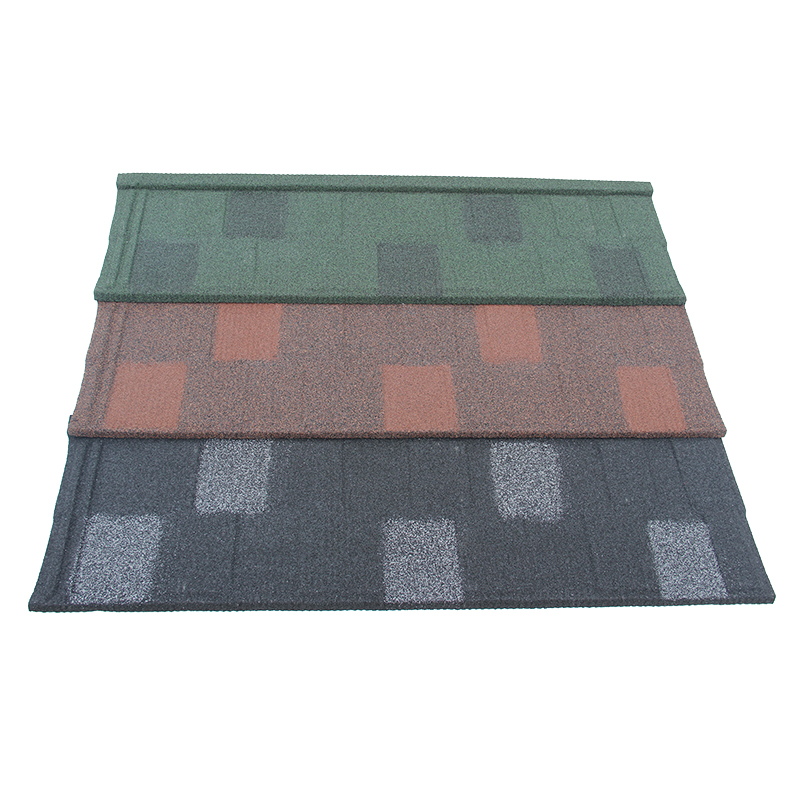
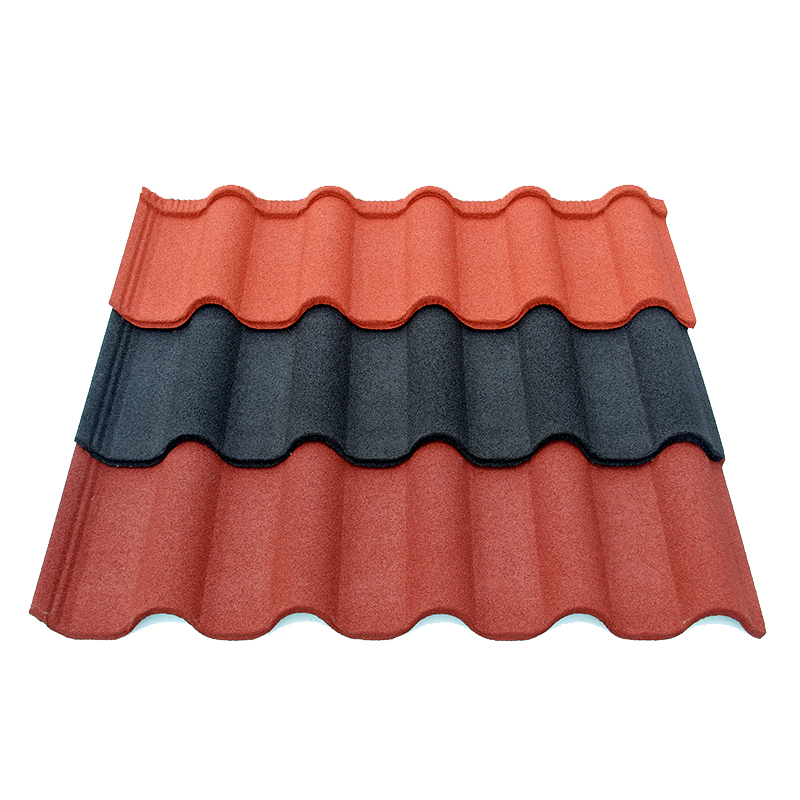
In a standard roof, wind can push water uphill under the tiles, a phenomenon known as wind-driven rain. Metal panels are engineered with a “capillary break” in the overlap. Specifically, the Shingle Tile profile includes a hidden channel that captures and redirects any water that manages to bypass the primary seal. Therefore, the underlying wooden structure stays dry, preventing rot and mold. This moisture management is essential for the long-term ROI of commercial properties, as it avoids expensive interior repairs after every major storm season.
Impact Resistance during Storm Events
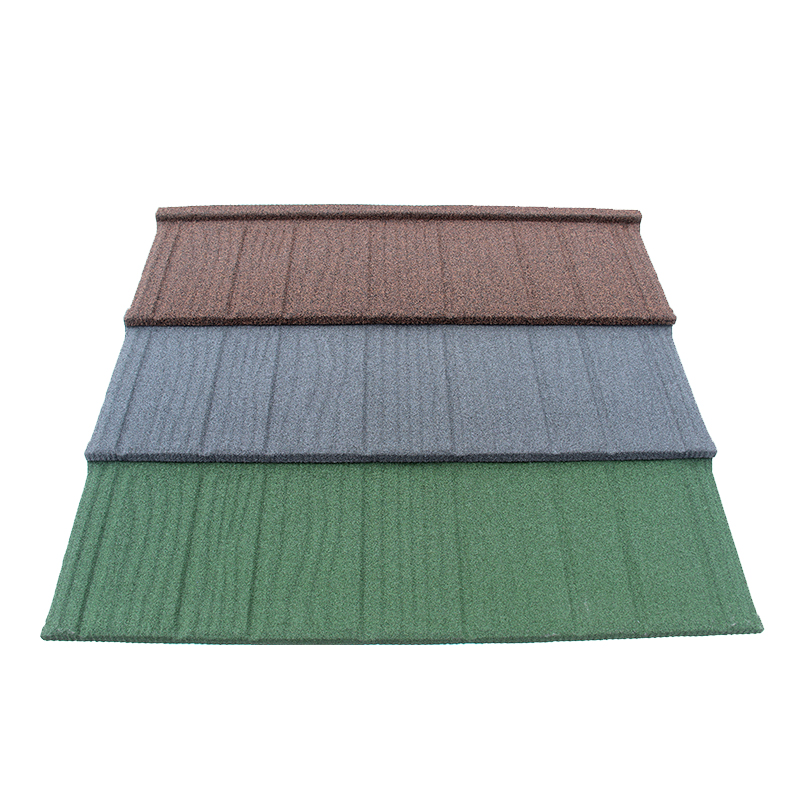
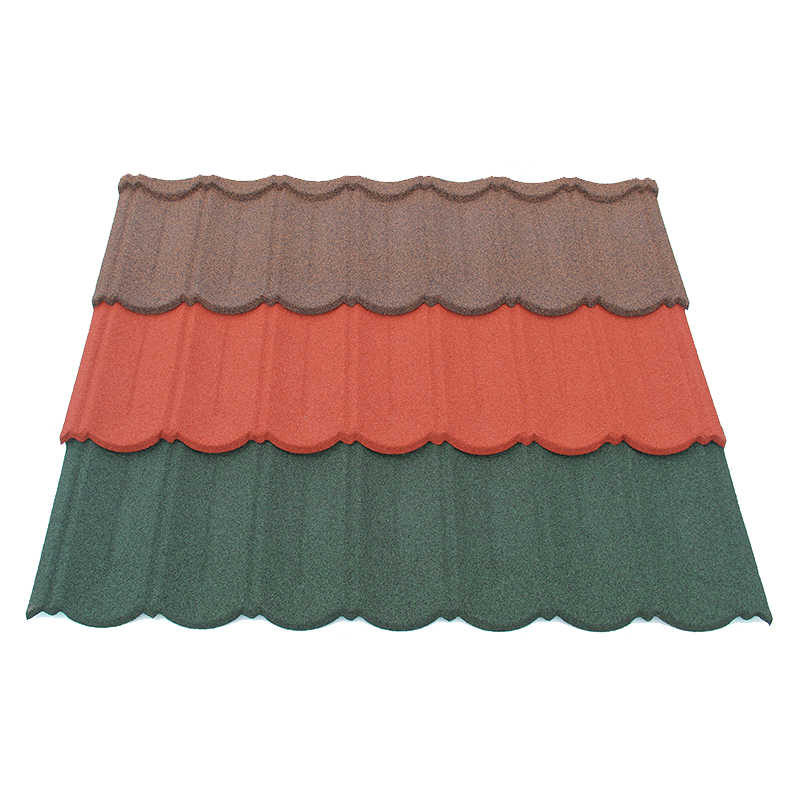
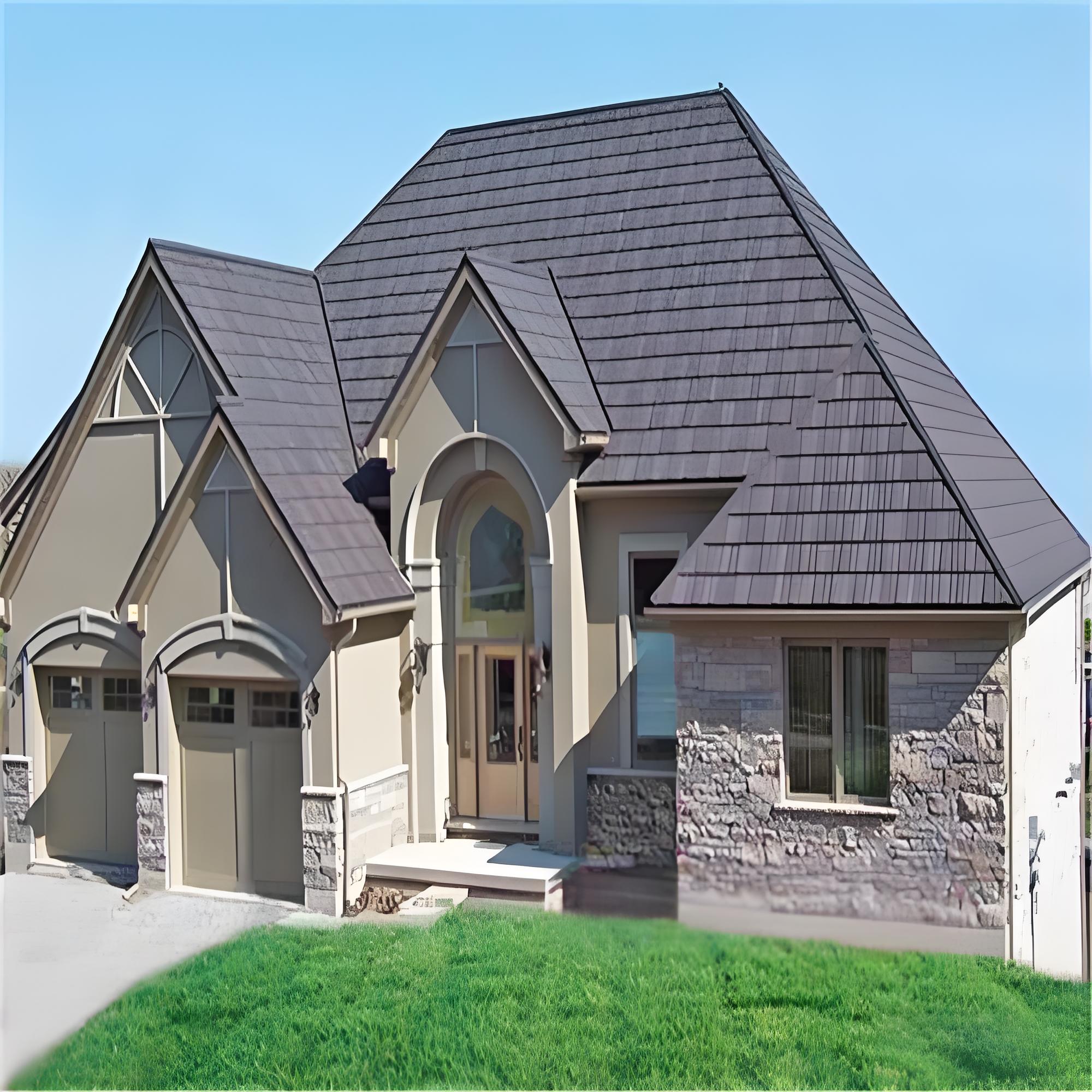
Flying debris is a major cause of roof breach during high winds. Clay and concrete tiles are brittle; a single falling branch can shatter multiple tiles, creating an entry point for rain. Steel panels are “ductile,” meaning they may dent but will not crack or break. The Shake Tile, for instance, offers a rugged aesthetic with the toughness of structural steel. Consequently, the building envelope remains sealed. This impact resistance is a key reason why insurance companies often offer lower premiums for buildings with stone-coated metal roofs.
B2B Procurement: Ensuring Quality for Storm-Prone Areas
When sourcing for projects in hurricane or typhoon zones, procurement officers must verify that the Stone Coated Steel Panels have undergone rigorous wind-tunnel testing. Not all manufacturers provide the same level of security. High-quality production involves specialized mold precision to ensure the interlocking points fit perfectly. Any gap in the interlock can become a failure point during a 200km/h gust. Therefore, auditing the factory’s quality control and testing documentation is a non-negotiable step in the B2B buying process.
Technical Standards for Wind Performance
Always request UL 580 or TAS 125 test results, which are the gold standards for wind uplift resistance. Specifically, verify that the JCROOF products you are sourcing are rated for the specific wind speeds of your project location. Furthermore, ensure that the installation team is trained in the specific horizontal fastening techniques required for these panels. Proper installation is just as important as the material itself. A professional supplier will provide detailed installation manuals and technical support to ensure the roof performs exactly as engineered under extreme conditions.