
For B2B procurement managers and property developers, storm damage represents one of the most significant unpredictable risks to real estate assets. Hailstorms, specifically, cause billions of dollars in property damage annually by shattering brittle roofing materials. Traditional asphalt shingles and clay tiles often fail during high-velocity impacts, leading to immediate water ingress and structural compromise. Consequently, Stone Coated Steel has emerged as the definitive solution for hail-prone regions. This material combines the structural ductility of industrial-grade metal with a protective stone buffer, creating an impact-resistant shield that protects the building envelope from even the largest hailstones.
The Physics of Impact Resistance in Metal Roofing
Understanding how a roof survives hail requires an analysis of kinetic energy absorption. When a hailstone strikes a brittle surface like clay or concrete, the material cannot deform to absorb the energy; instead, it cracks or shatters. Stone Coated Steel behaves differently due to its metallic core. Steel is a ductile material, meaning it can absorb significant energy by microscopic deformation without losing its structural integrity. Therefore, while a massive hailstone might cause a small dent, it will not breach the surface. This ensures the building remains watertight even after a severe weather event.
The Role of Volcanic Stone as a Kinetic Buffer
The exterior layer of the roof serves as the first line of defense against mechanical impact. The stone granules on Stone Coated Steel are not just decorative; they act as an energy-dispersing “armor.” When hail strikes, the granules break up the point of impact and spread the force across a wider area of the steel substrate. Manufacturers like JCROOF use high-performance acrylic resins to ensure these granules remain bonded even under the most violent mechanical stress. Consequently, the roof maintains its protective layer through multiple storm seasons without significant granule loss.
Ductility versus Brittleness in Material Performance
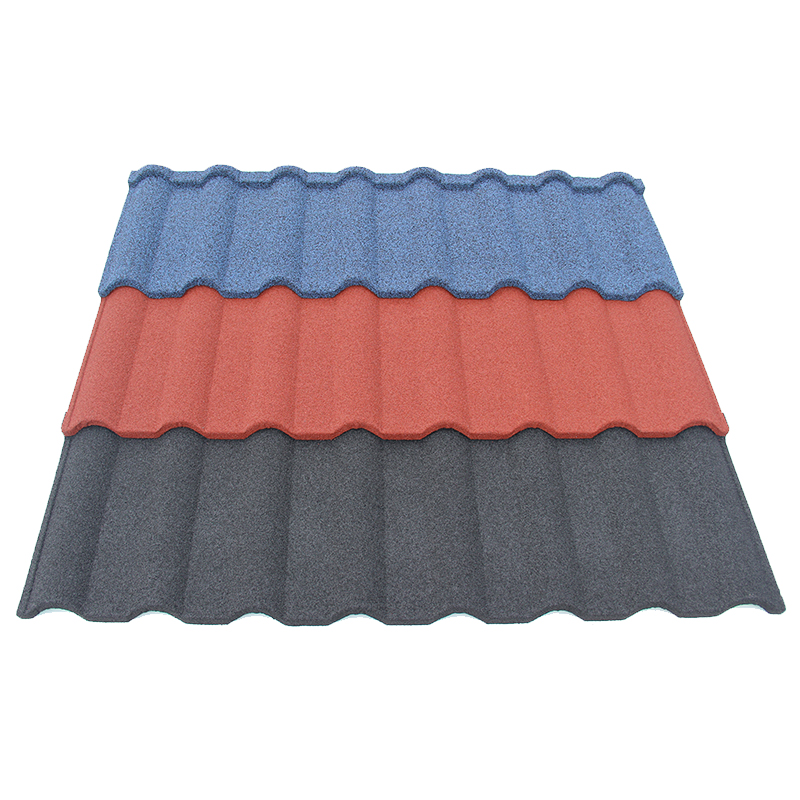
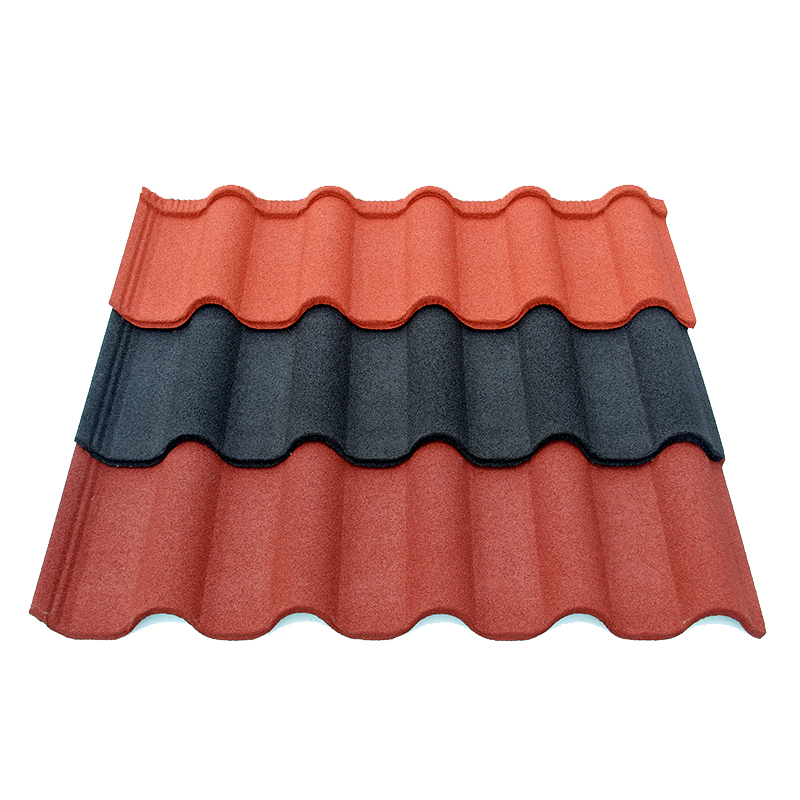
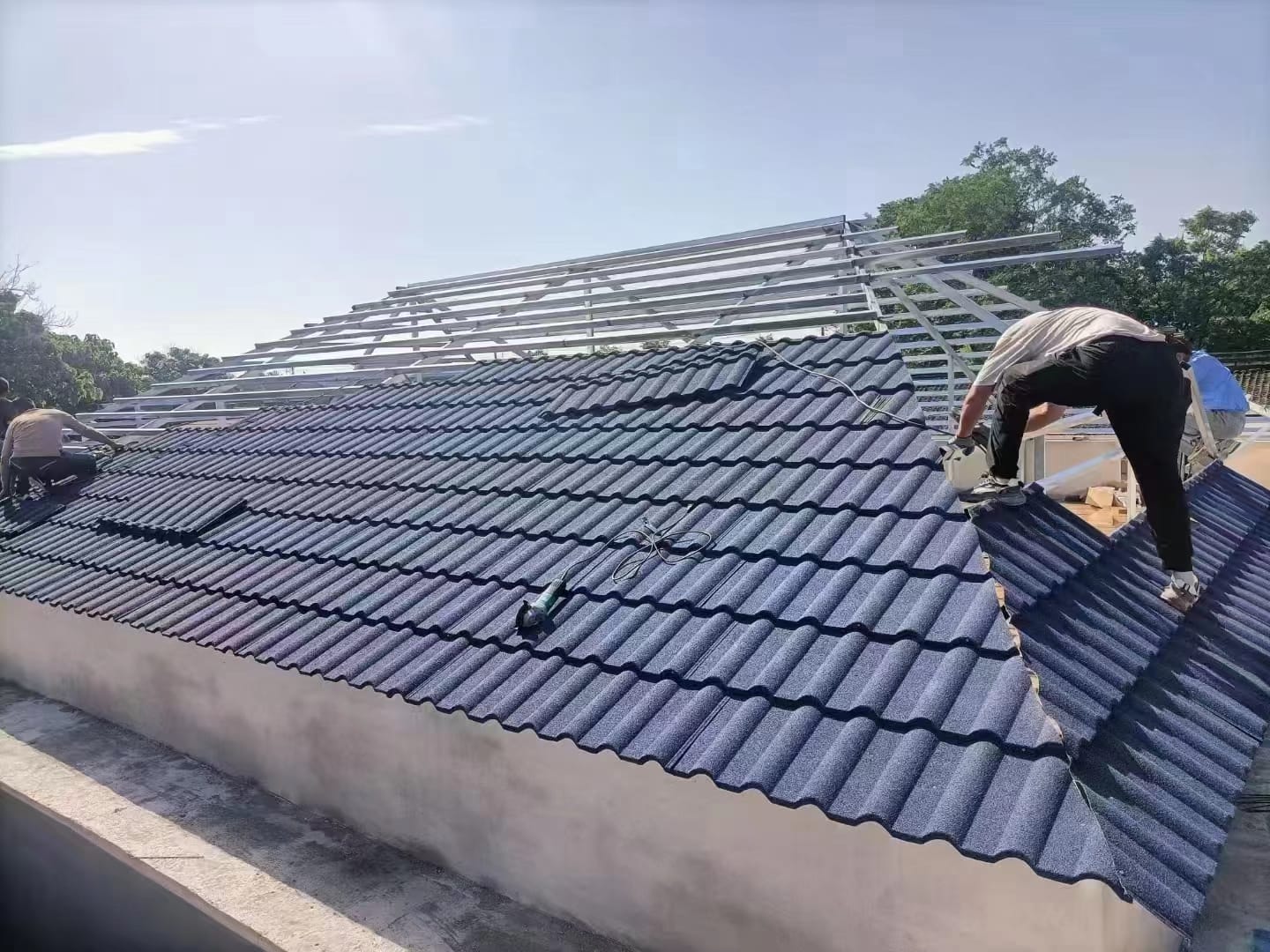
In engineering terms, the superiority of metal lies in its “yield strength.” Brittle materials reach their breaking point almost instantly upon impact. In contrast, the steel used in the Bond Tile profile is designed to withstand high-pressure molding, which also gives it the resilience to survive falling debris. Specifically, the profile’s curved geometry adds a spring-like quality to the sheet. Because of this, the roof can flex slightly under the weight of an impact and then maintain its shape. This mechanical resilience is why metal roofing consistently receives the highest Class 4 Impact Ratings in laboratory testing.
Total Cost of Ownership and Insurance Advantages
The financial justification for sourcing impact-resistant roofing goes beyond the initial construction budget. In many regions, insurance companies offer significant premium discounts for buildings that utilize Class 4 rated materials. Consequently, the choice of Stone Coated Steel can lead to thousands of dollars in annual insurance savings for commercial property owners. Furthermore, avoiding the cost of a full roof replacement after a single hailstorm ensures a much higher ROI. For B2B buyers, this translates to a more stable asset with lower long-term operational risks.
Comparing Repair and Replacement Cycles
- Zero Breach Policy: Unlike shingles, which tear and leak after hail, metal panels remain watertight even if aesthetically dented.
- Reduced Liability: The Milano Tile system prevents the “cascading failure” often seen when broken clay tiles slide off a roof.
- Lifecycle Reliability: A single metal roof survives dozens of storms that would destroy three cycles of traditional asphalt roofing.
- Market Value: Properties with documented hail-proof systems carry higher resale values in storm-prone geographic corridors.
Comparative Impact Resistance and Post-Storm Integrity
| Roofing Material | Class 4 Impact Rating | Post-Hail Condition | Repair Necessity |
|---|---|---|---|
| Asphalt Shingles | Rarely Achieved | Torn/Punctured | Immediate Replacement |
| Clay/Concrete Tile | No (Brittle) | Shattered/Cracked | Critical/Immediate |
| Stone Coated Steel | Standard Requirement | Structurally Sound | None to Minimal |
Architectural Versatility in High-Risk Zones
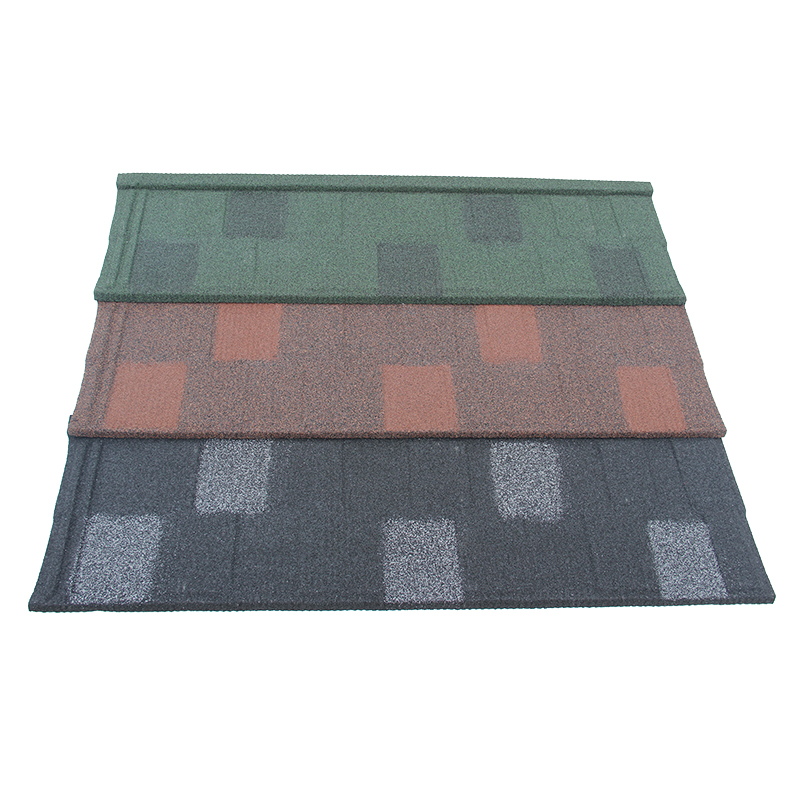
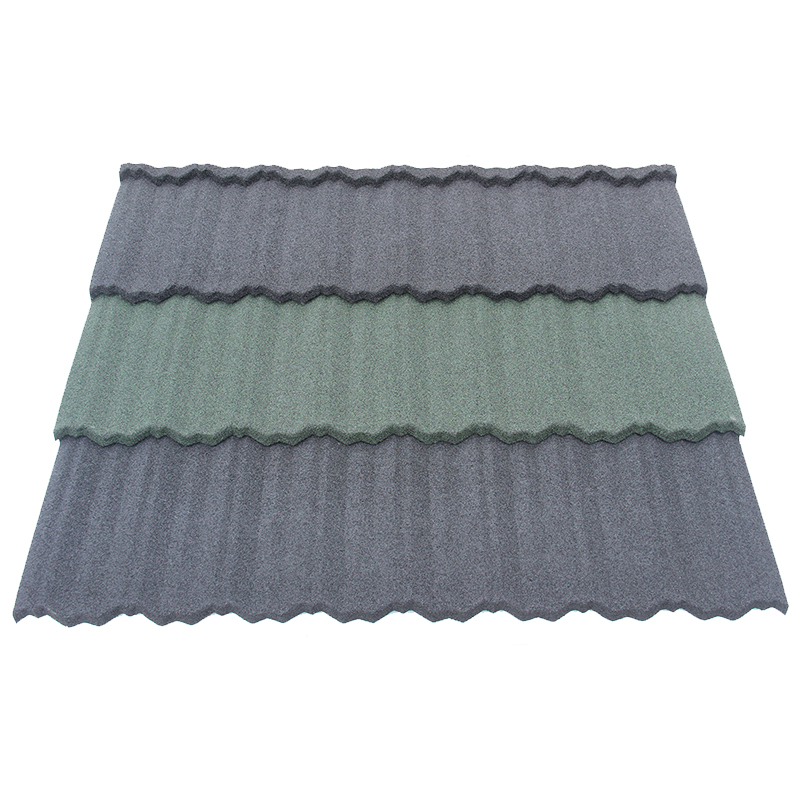
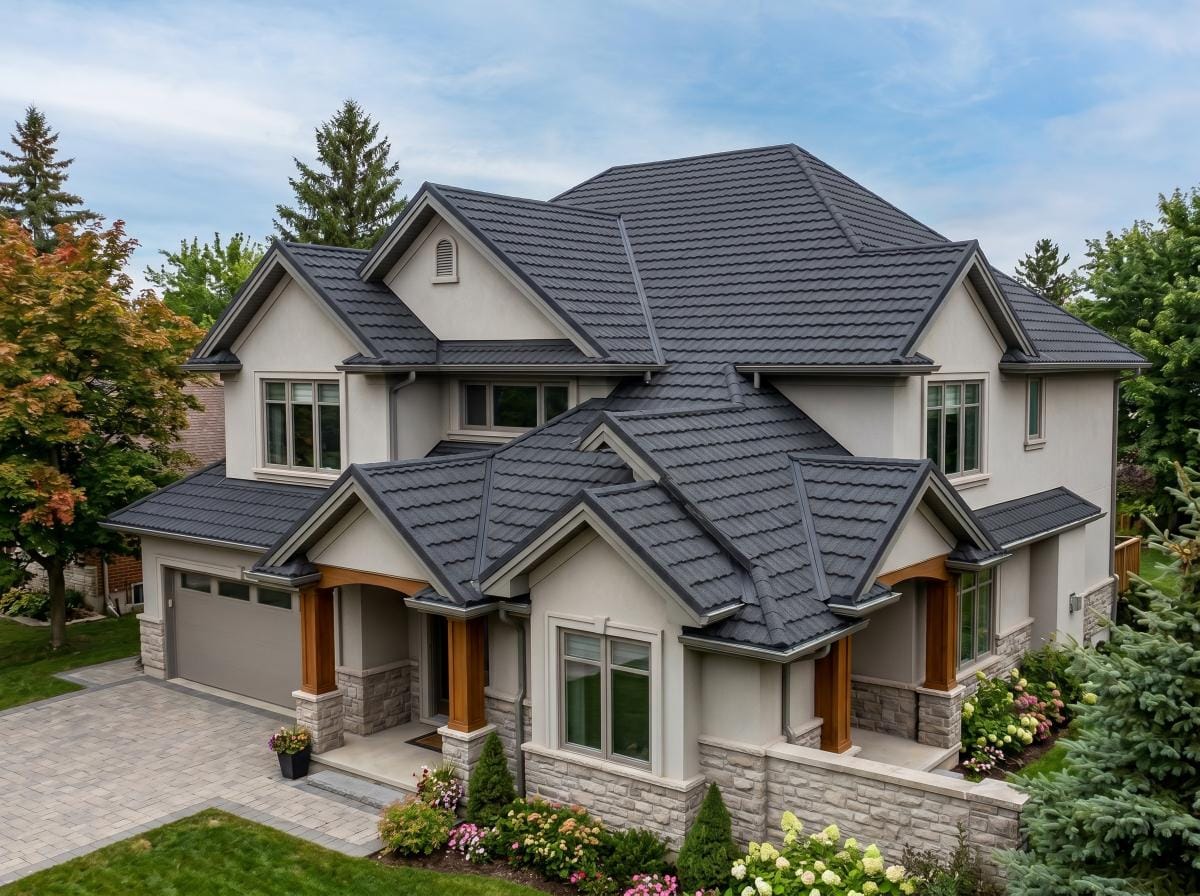
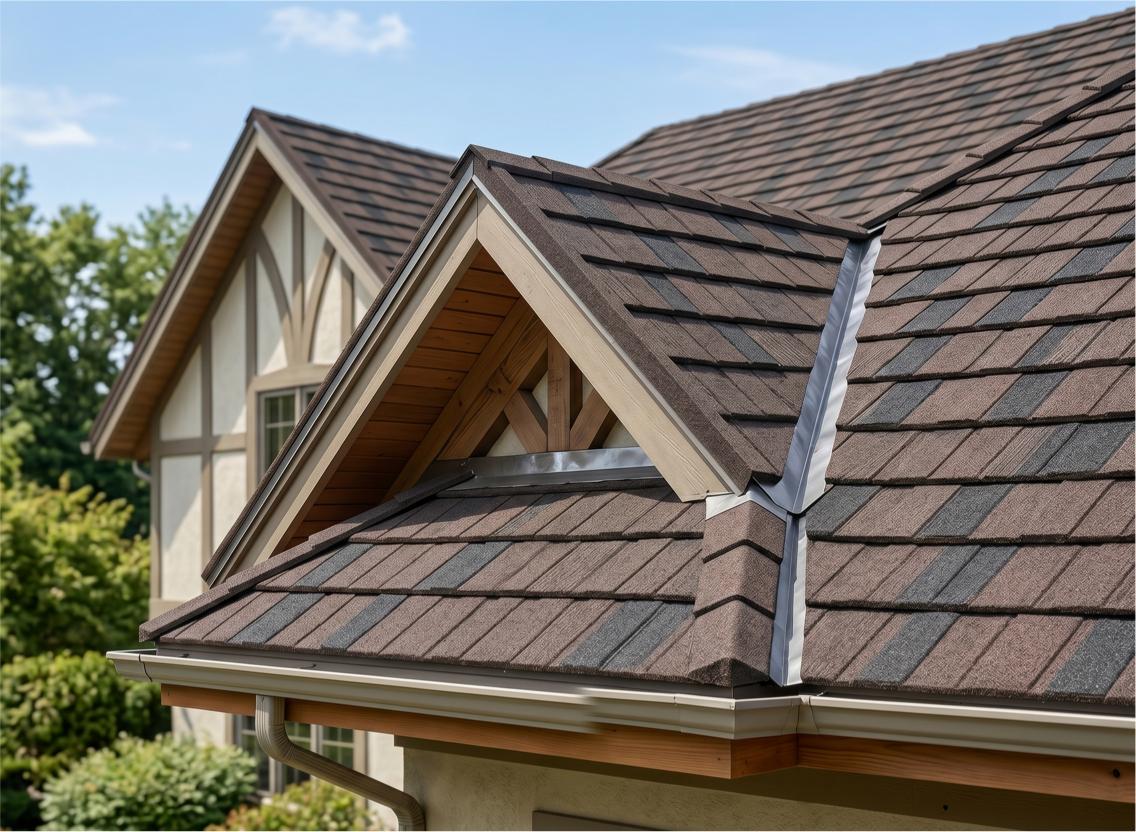
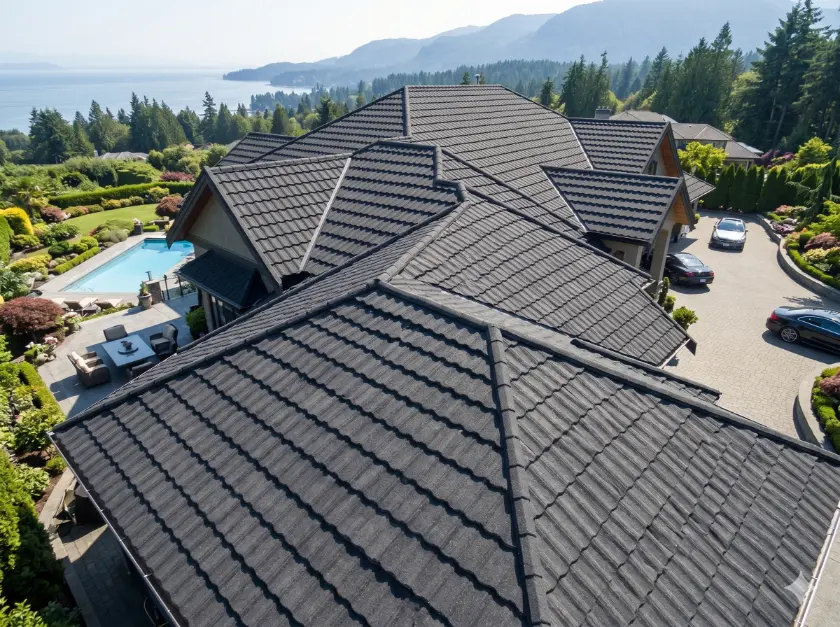
Project managers often worry that “heavy-duty” roofing will look industrial or unattractive. Stone Coated Steel eliminates this concern by providing profiles that replicate premium architectural styles. The Shingle Tile, for example, offers a sophisticated, flat aesthetic that is perfect for modern office complexes or high-end residential developments. Because it is interlocked and fastened at multiple points, it provides elite impact protection without the bulky look of traditional heavy-duty. This allows architects to prioritize safety without compromising the visual identity of the project.
Rustic Aesthetics with Industrial Strength
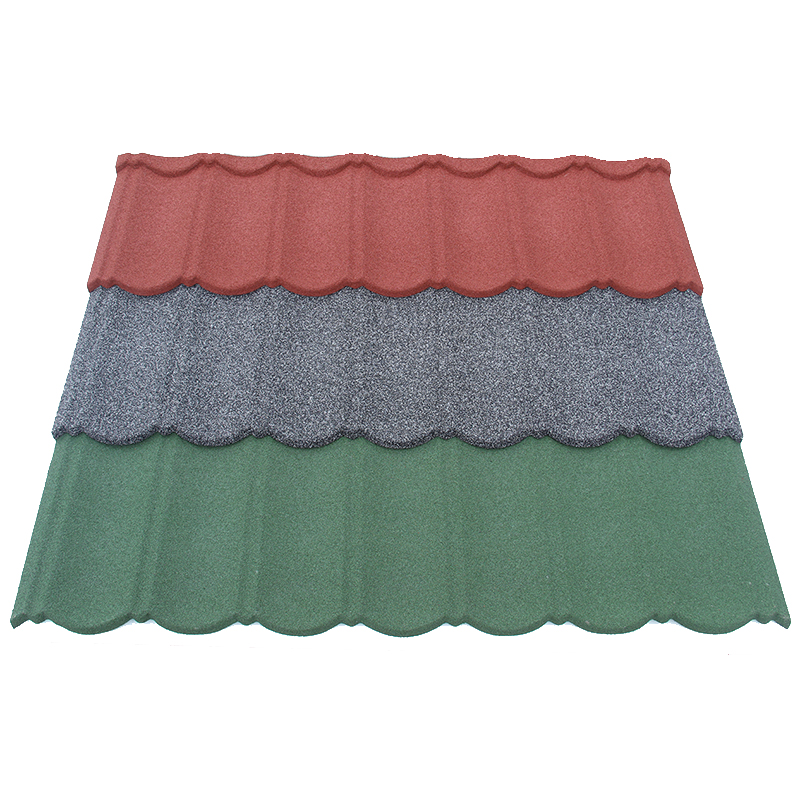
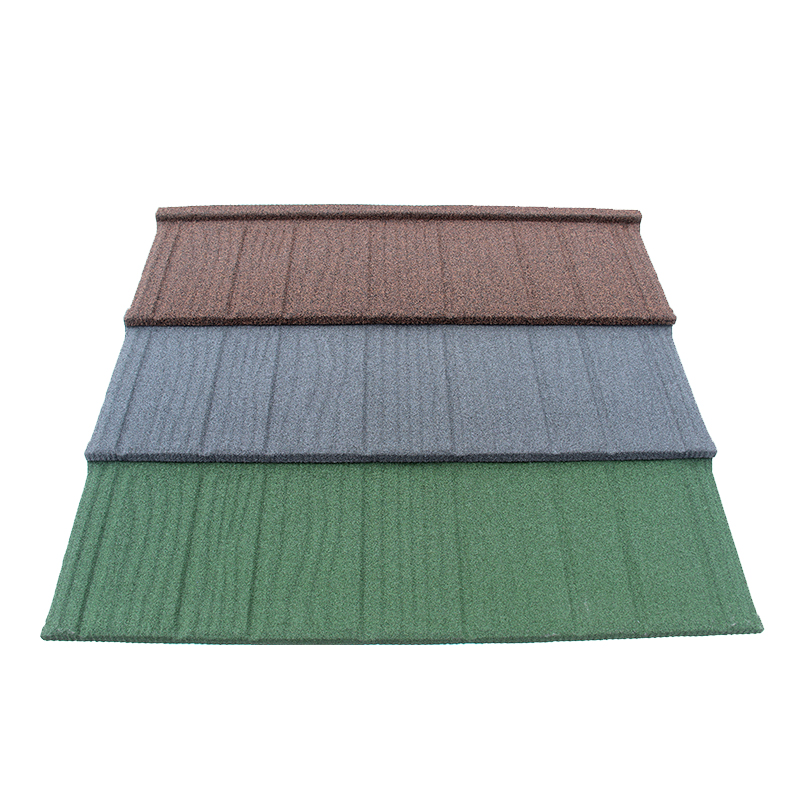
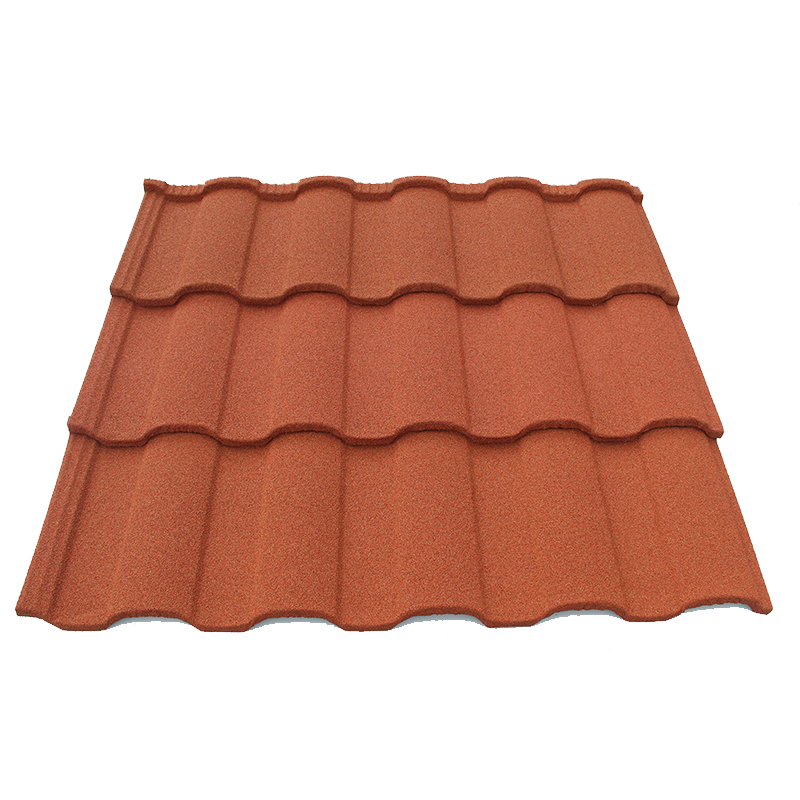
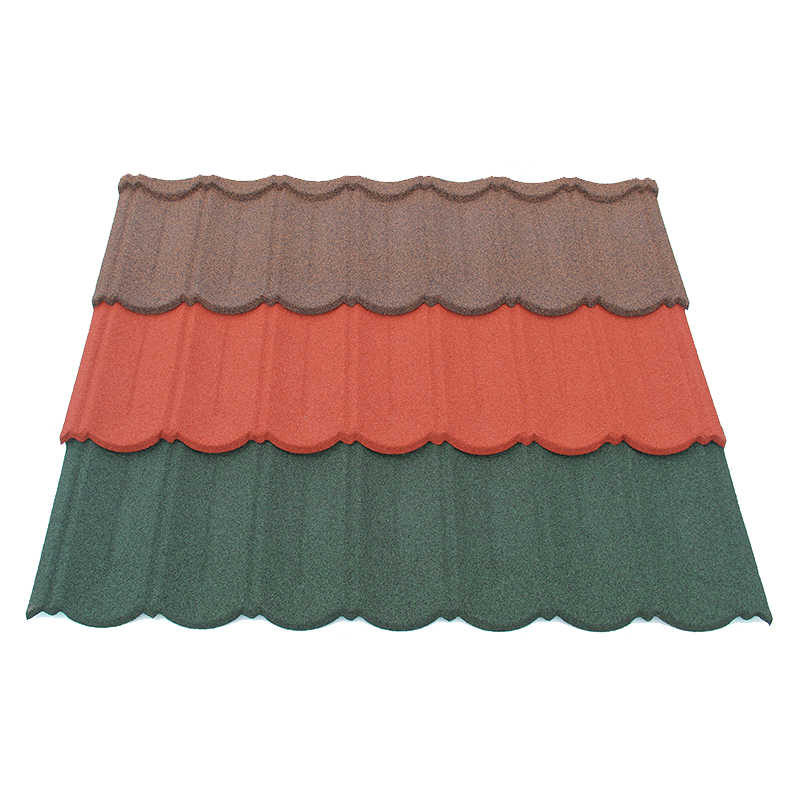
For projects in rural or mountain areas, the Shake Tile profile provides the rugged look of hand-split wood but with the “hail-proof” security of steel. Real wood shakes are extremely vulnerable to hail, as the impacts can split the aged grain and lead to immediate leaks. Specifically, the stone-coated version is immune to this type of degradation. Furthermore, the Roman Tile offers a high-profile Mediterranean look that is surprisingly tough. Its deep undulations provide additional structural rigidity, making it one of the most dent-resistant profiles available for B2B procurement in storm-heavy regions.
Strategic Procurement and Quality Verification
When sourcing Stone Coated Steel for projects in “hail alley” or other high-risk areas, procurement officers must verify the UL 2218 Class 4 certification. This test involves dropping steel balls from specific heights to simulate the impact of large hail. Not all metal roofs meet this standard. High-quality production requires specific steel thicknesses—typically between 0.40mm and 0.50mm—to ensure the panels do not deform excessively. Therefore, auditing the factory’s technical data sheets is a critical step in the B2B buying journey to ensure the product meets the project’s safety requirements.
Evaluating the Bonding Agent and Surface Integrity
The durability of the impact resistance also depends on the quality of the base coat. If the acrylic binder is too brittle, a hail strike could cause the stone granules to “pop” off, even if the steel doesn’t dent. High-end manufacturers utilize specialized additives to keep the resin flexible over decades of UV exposure. Specifically, check the technical specifications for the bonding agents used by your supplier. By investing in a complete system that includes impact-resistant flashings and ridge caps, B2B buyers can ensure the building remains a secure, maintenance-free asset for its entire 50-year lifespan.