
Global real estate developers face massive engineering challenges today. They must construct buildings that endure wildly fluctuating climate conditions. Consequently, material selection completely determines the long-term survival of the asset. Extreme temperatures destroy conventional roofing materials very rapidly. For example, severe cold shatters clay tiles easily. Likewise, tropical heat melts asphalt adhesives constantly. Therefore, B2B procurement managers require a universal building solution. Climate-Adaptive Metal Roofing provides this exact engineering versatility. These advanced systems conquer both blistering desert sun and sub-zero arctic blizzards effortlessly. This guide explores the complex material science behind this extraordinary thermal resilience.
The Thermodynamics of Extreme Temperature Survival
Building materials constantly expand and contract due to severe temperature changes. This relentless thermal movement tears weak roofs apart completely. Specifically, inferior materials suffer from massive structural fatigue over a single decade. Climate-Adaptive Metal Roofing eliminates this mechanical failure entirely. Manufacturers engineer the steel core to possess remarkable physical elasticity. As a result, the roof absorbs massive thermal shocks without cracking. Therefore, developers use these panels to secure buildings in highly volatile climates. Engineers study these thermal dynamics closely to prevent catastrophic asset loss.
Managing Thermal Expansion and Contraction
Roofs in desert regions experience freezing nights and boiling days. This rapid temperature swing creates tremendous kinetic energy within the building envelope. Consequently, rigid concrete tiles frequently snap under this intense daily pressure. Metal roofing systems handle this kinetic energy through intelligent mechanical design. Installers leave microscopic gaps within the interlocking panel joints intentionally. Therefore, the steel panels slide slightly against each other during peak expansion. This controlled movement dissipates the structural stress completely. As a result, the entire roof deck remains perfectly flat and secure. Furthermore, this elasticity prevents the mounting screws from tearing out of the wooden battens. Thus, the property avoids the hidden water leaks that plague cheap desert constructions. Engineers rely on this dynamic flexibility to prevent microscopic metal fatigue. Property owners appreciate this zero-maintenance durability deeply.
Defeating the Freeze-Thaw Cycle
Cold climates introduce the destructive reality of the freeze-thaw cycle. Water penetrates the tiny pores of traditional masonry roofing materials easily. Subsequently, this trapped water freezes and expands at night. This internal ice expansion shatters clay and concrete from the inside out. Climate-Adaptive Metal Roofing bypasses this catastrophic physical process completely. The protective aluminum-zinc alloy forms a completely non-porous exterior shield. Consequently, water cannot enter the core structure of the panels at all. Therefore, the steel remains impervious to ice expansion damage. Moreover, the acrylic overglaze repels standing water efficiently. This ensures the roof survives decades of harsh winters without degrading. Traditional asphalt shingles become extremely brittle in sub-zero weather. A minor hailstorm easily shatters these frozen shingles completely. In contrast, the steel core of metal panels retains its high ductility. It bends slightly upon impact but never snaps or breaks. Consequently, the roof survives brutal winter hailstorms effortlessly. This impact resistance lowers commercial building insurance premiums significantly.
Arctic Engineering and Heavy Snow Load Management
Sub-zero environments punish commercial buildings without any mercy. Snow accumulation creates massive dead loads on the fragile roof trusses. Furthermore, melting snow refreezes at the eaves to form destructive ice dams. These heavy ice dams force liquid water backward into the building envelope. Climate-Adaptive Metal Roofing prevents this disastrous water ingress completely. The interlocking steel design creates a flawless structural barrier. Consequently, the internal insulation and expensive drywall remain perfectly dry all winter. Facility managers drastically reduce their seasonal repair budgets by deploying these systems.
Shedding Snow Safely and Predictably
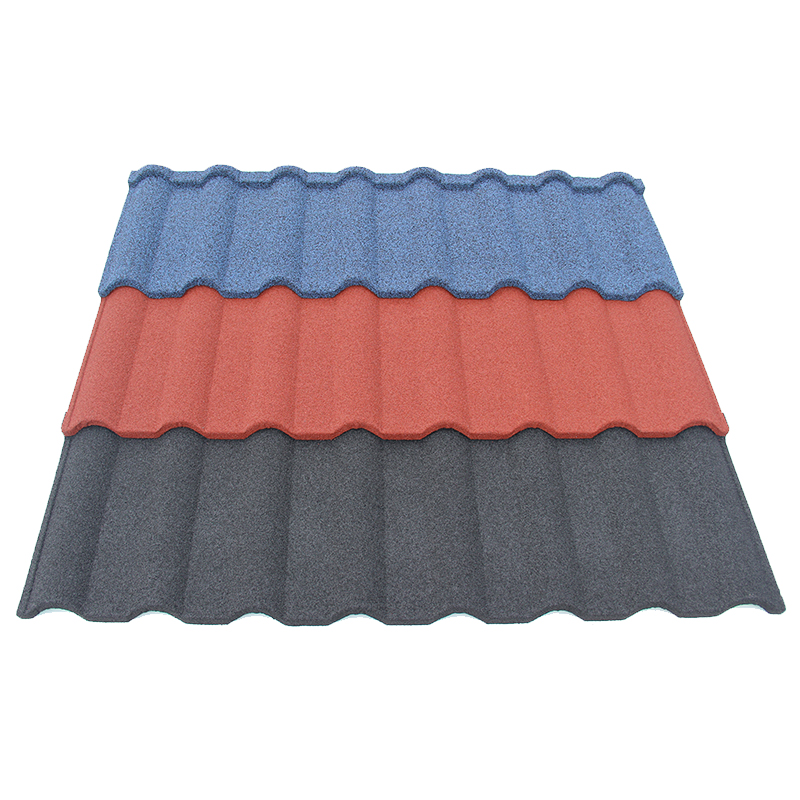
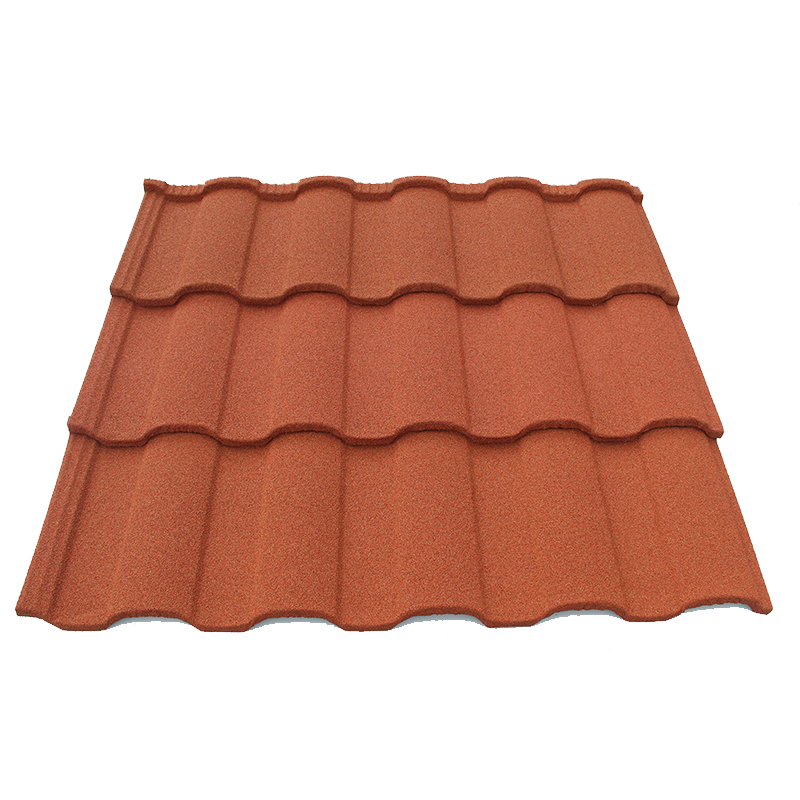
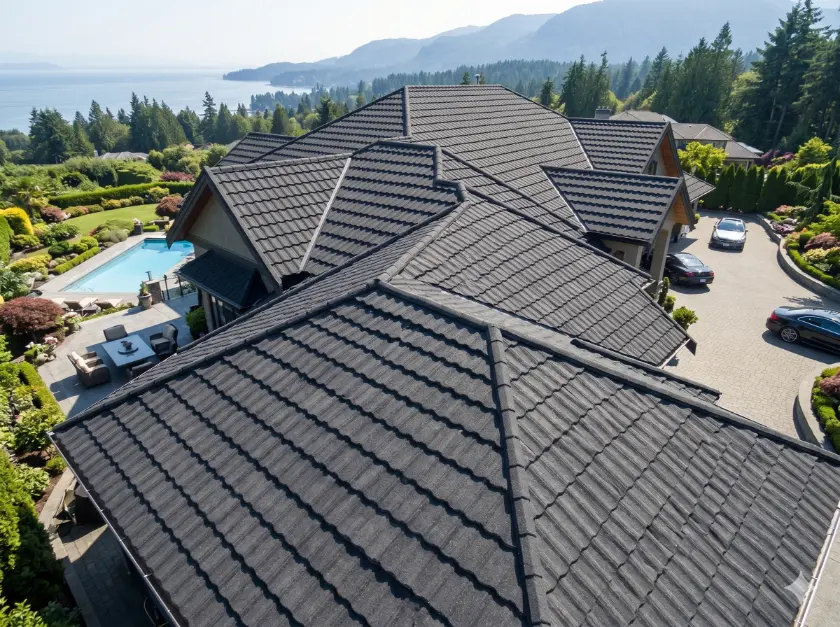
Massive snowdrifts threaten the structural integrity of large commercial warehouses. If the roof cannot shed the snow, the building might collapse entirely. Standard asphalt shingles possess a rough texture that grips snow aggressively. In contrast, metal panels manage this extreme snow load highly efficiently. Specifically, the deep valleys of the Roman Tile profile channel melting snow downward rapidly. The structural ridges break up massive ice sheets before they slide off. Consequently, the building sheds its dangerous winter weight safely and predictably. Furthermore, this controlled shedding protects pedestrians walking below the roofline. Therefore, procurement officers prioritize these profiles for major alpine developments. Snow acts like a massive thermal blanket on a building. However, this heavy blanket crushes weak structural support columns. Architects must calculate this dead weight precisely during the blueprint phase. Using lightweight metal panels reduces the total roof load drastically. Therefore, the building safely supports much heavier layers of winter snow. Engineers save massive amounts of money on structural steel framing.
The Role of the Batten System in Winter
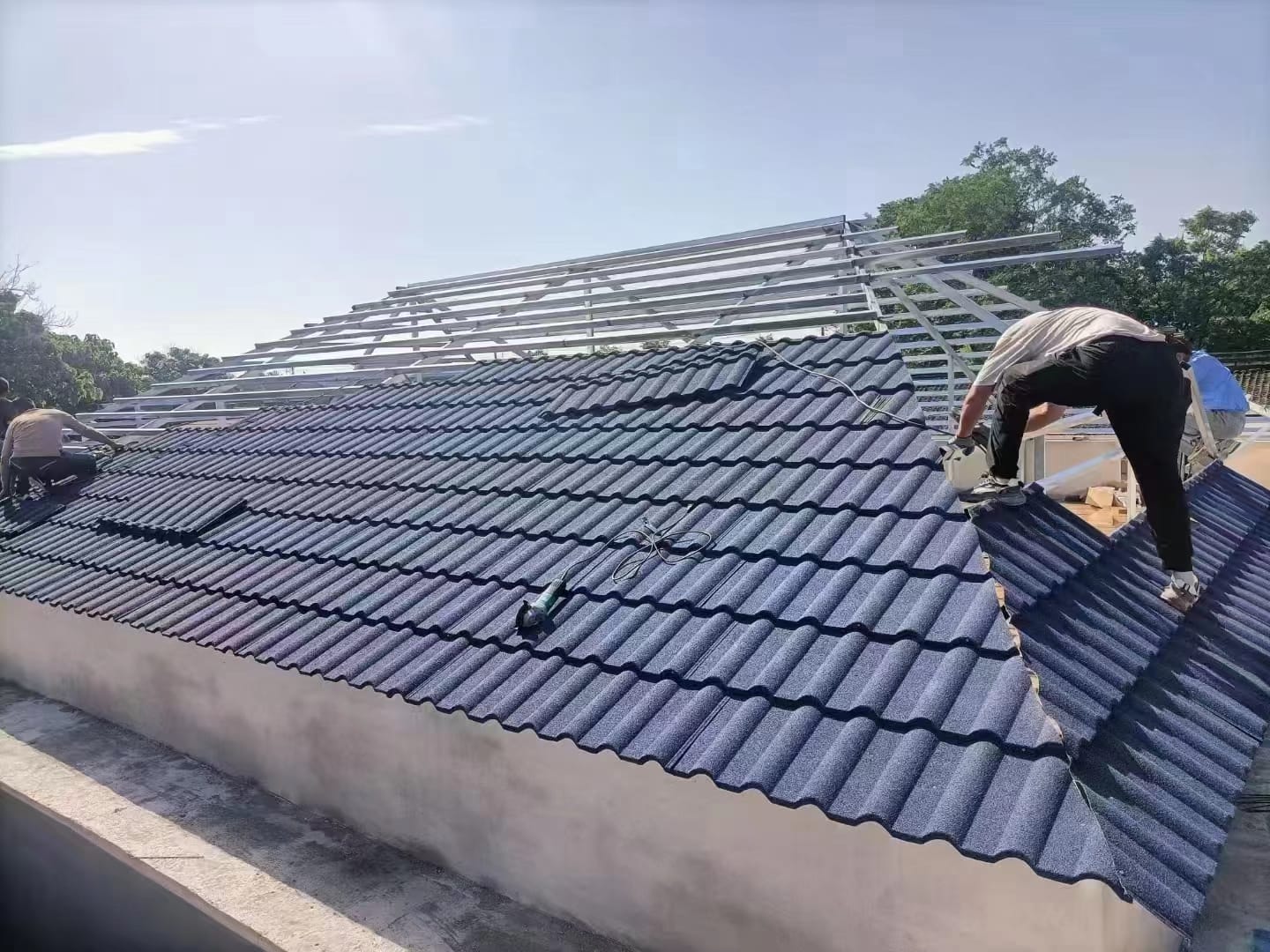
Proper winter roofing requires excellent ventilation beneath the exterior surface. Engineers install these metal panels on a raised batten grid system. This specific installation method creates a continuous, insulating air gap. Consequently, the cold exterior air flows freely beneath the steel panels. This airflow keeps the entire roof surface at a consistent, freezing temperature. Therefore, the snow does not melt unevenly across the roof deck. This thermal consistency prevents the formation of deadly ice dams entirely. As a result, the building avoids catastrophic winter leaks completely. Furthermore, this ventilation keeps the underlying wooden rafters dry and rot-free. The batten grid also provides a safe walking platform. Maintenance crews must inspect commercial roofs occasionally during the winter. The structural battens support the weight of these workers safely. Consequently, the steel panels do not dent under heavy work boots. This structural support prevents accidental damage during routine HVAC servicing. Thus, facility managers maintain their buildings safely all year long.
Surviving Tropical Heat and High Humidity
Tropical environments introduce a completely different set of structural threats. Relentless solar radiation cooks the commercial building exterior daily. Consequently, the internal HVAC systems work overtime. This consumes massive amounts of expensive electricity rapidly. Furthermore, tropical humidity breeds aggressive fungal growth on porous surfaces. Climate-Adaptive Metal Roofing combats these tropical hazards actively. The reflective exterior surface bounces radiant heat back into the atmosphere efficiently. Thus, property managers drastically reduce their monthly operational cooling expenses. Building owners achieve massive financial returns by optimizing their exterior thermal shields.
Solar Reflectance and Heat Emissivity
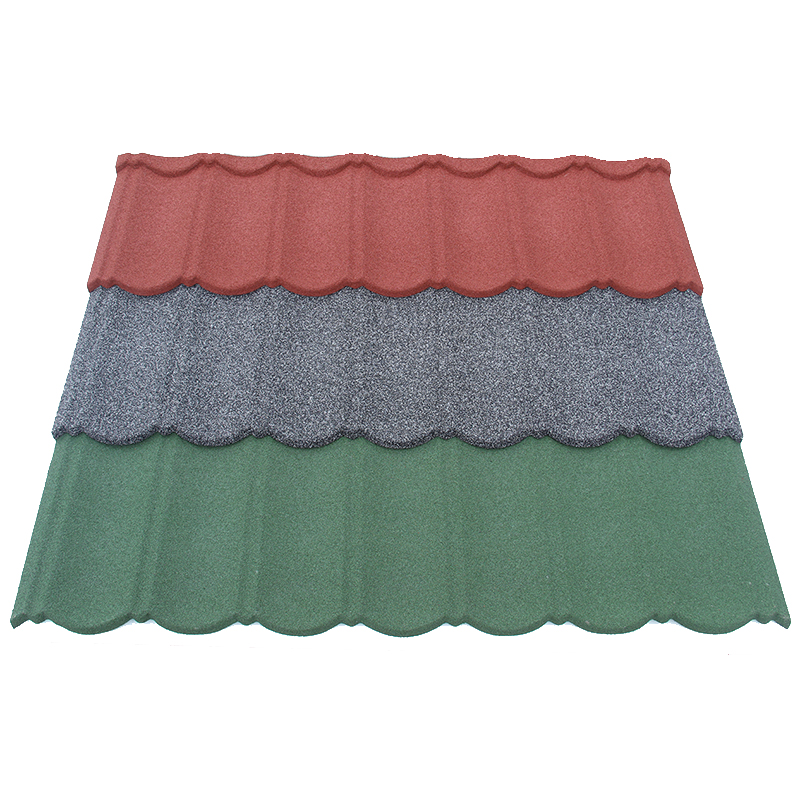
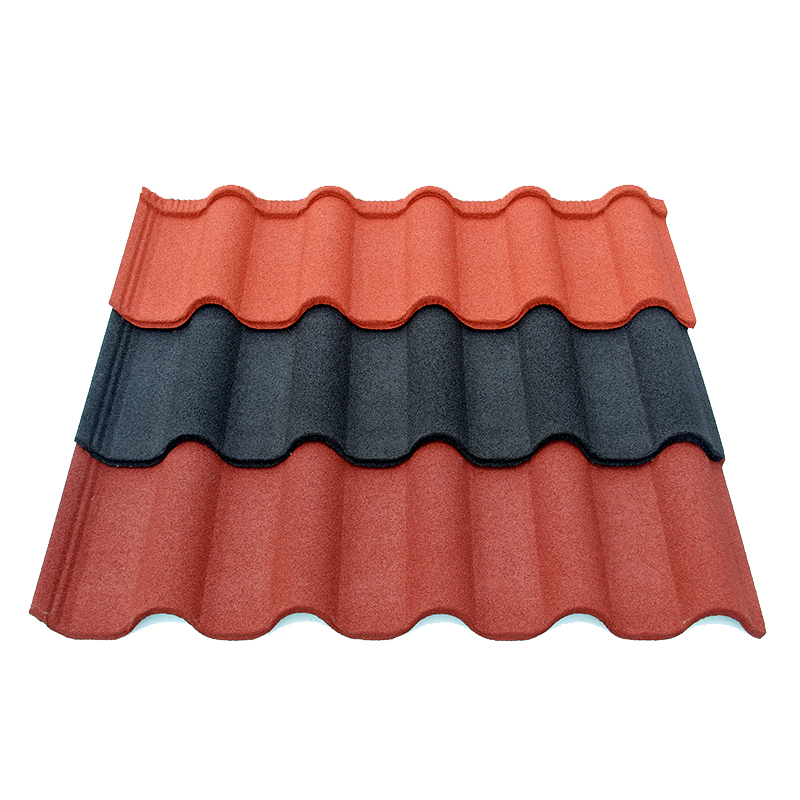
Cooling costs consume a huge portion of commercial facility budgets. Traditional dark roofs absorb solar heat and radiate it downward constantly. Metal systems utilize specialized stone coatings to reflect this infrared energy. Specifically, the Milano Tile profile increases the surface area available for heat dissipation. The elegant curves allow gentle breezes to pull heat away from the building. Consequently, the attic temperature drops by several degrees during peak afternoon sun. This thermal decoupling reduces the strain on commercial air conditioning units significantly. Therefore, the mechanical equipment lasts longer and requires less frequent maintenance. B2B developers leverage this energy efficiency to achieve lucrative green building certifications. Urban heat islands trap hot air over major cities constantly. Dark commercial roofs contribute heavily to this dangerous environmental problem. Reflective metal roofs mitigate this localized warming effect actively. They bounce the sun’s energy harmlessly back into space. Consequently, the surrounding neighborhood experiences slightly cooler ambient temperatures. City planners frequently mandate these cool roofs for new urban developments.
Preventing Fungal Growth and Salt Corrosion
Coastal tropics bombard buildings with hot saltwater spray continuously. This saline moisture destroys standard galvanized steel in just a few years. However, premium manufacturers like JCROOF utilize advanced chemical protections. They coat the high-tensile steel with an impenetrable aluminum-zinc alloy. Furthermore, they embed the stone granules in powerful, anti-fungal acrylic resins. Consequently, the roof resists both aggressive rust and unsightly algae growth simultaneously. The building maintains a clean, professional appearance without expensive chemical pressure washing. Therefore, resorts and coastal hotels protect their aesthetic brand value effortlessly. Algae growth degrades the solar reflectance of a roof completely. A dirty roof absorbs heat rapidly, ruining the energy efficiency. The anti-fungal properties of the acrylic resin prevent this degradation. Rainstorms wash the smooth stone surface clean naturally. Consequently, the roof functions at peak thermal efficiency permanently. Building owners never pay for dangerous chemical roof cleaning services.
Structural Flexibility for Multi-Climate Developments
Multinational engineering firms often standardize their procurement lists across various regions. Consequently, they need a single roofing technology that works everywhere. Specifying different materials for different countries complicates the global supply chain immensely. Climate-Adaptive Metal Roofing streamlines this international procurement strategy perfectly. Buyers simply adapt the local installation method to match specific climate demands. Therefore, architects maintain a consistent visual brand identity worldwide. This consistency improves corporate real estate valuations and portfolio appeal significantly. Standardization remains the key to massive B2B operational efficiency.
| Extreme Climate Threat | Traditional Roof Vulnerability | Engineered Metal Solution |
|---|---|---|
| Sub-Zero Freeze Cycles | Porous tiles shatter from ice expansion. | Non-porous steel core blocks moisture entry. |
| Hurricane Wind Speeds | Gravity shingles blow off easily. | Mechanical fasteners lock panels securely. |
| Intense Desert Solar Heat | Asphalt melts and loses structural shape. | Mineral surfaces reflect infrared radiation safely. |
| Heavy Coastal Salt Spray | Galvanized steel rusts rapidly. | Advanced alloy halts chemical corrosion perfectly. |
Specifying Profiles for High-Wind Hurricanes
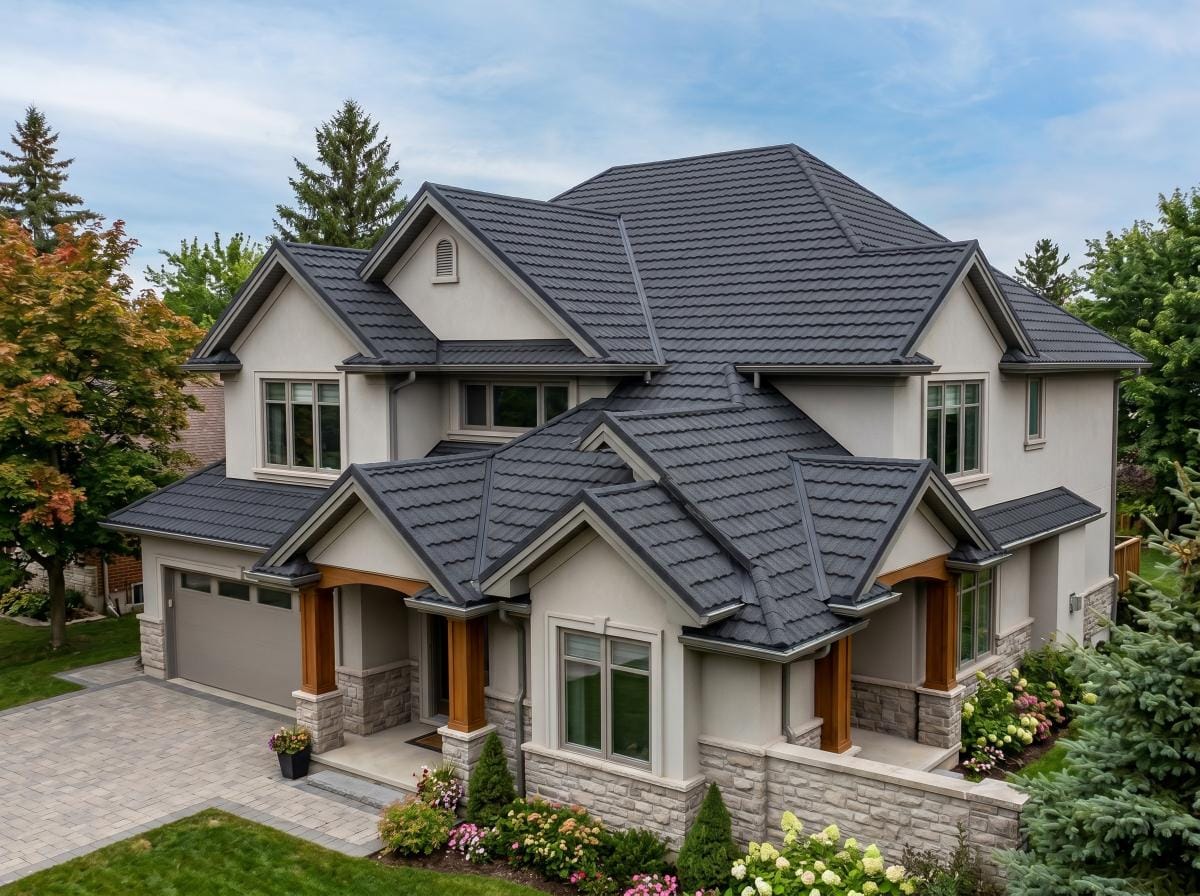
Tropical climates frequently experience devastating hurricane-force wind events. These violent storms rip traditional shingles right off the wooden decking. Structural engineers require a roofing system that defies extreme aerodynamic lift. Specifically, they utilize the Shingle Tile profile for its exceptionally low wind resistance. Installers secure this flat profile using a hidden fastening technique. Consequently, the wind cannot access any loose edges or exposed screw heads. The panels interlock tightly to form a unified, aerodynamic armor. Therefore, the building survives extreme tropical cyclones without losing its waterproof shield. Coastal building codes mandate extremely strict wind uplift testing. Inspectors check every structural fastener during the construction phase. The side-nailing technique passes these strict inspections easily. The hidden screws anchor deeply into the heavy wooden battens. Consequently, the roof achieves the highest possible wind resistance ratings globally. Developers secure their occupancy permits much faster using these systems.
Rustic Aesthetics in Alpine Regions
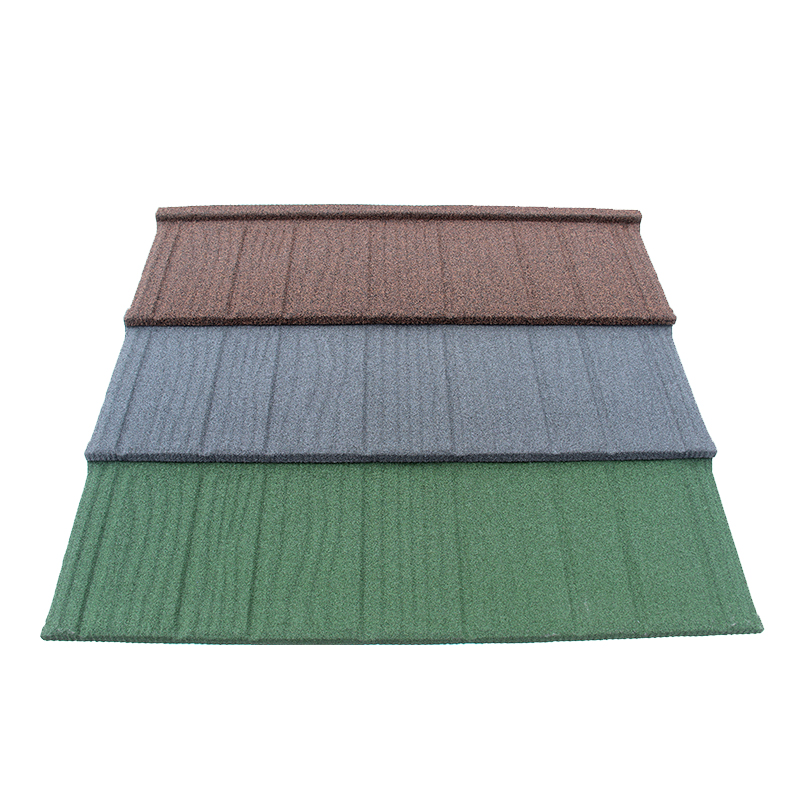
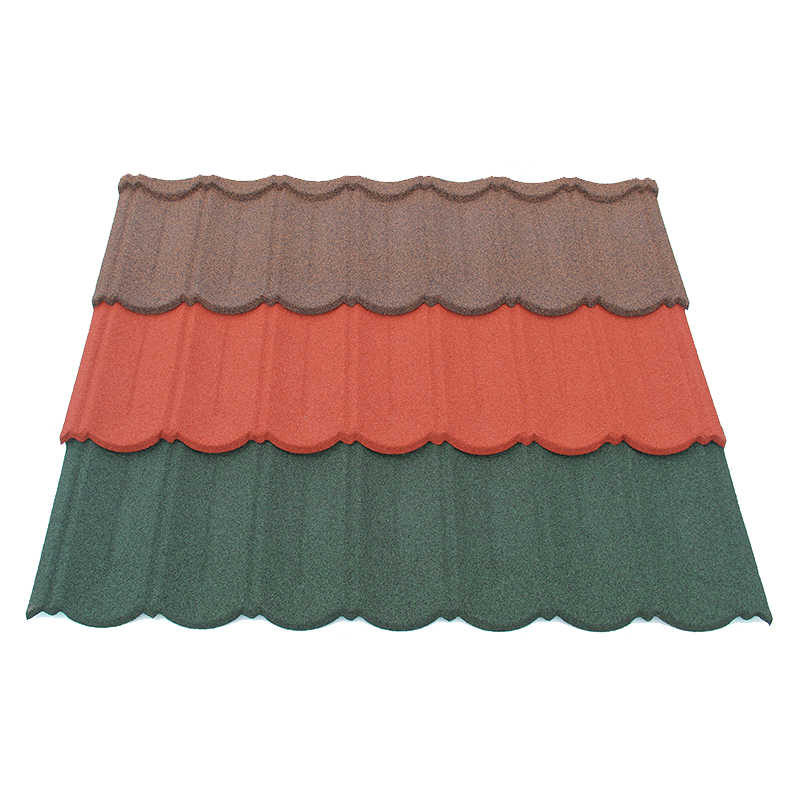
Mountain resorts demand a specific, natural architectural aesthetic constantly. Developers often want the beautiful look of natural timber roofs. However, real wood shakes pose a massive fire hazard in dry climates. Furthermore, wood rots quickly during heavy spring rainstorms. The Shake Tile profile provides the perfect engineering compromise. It delivers a stunning, rugged timber appearance visually. Yet, it provides the absolute fire safety of industrial-grade steel. Consequently, developers meet strict local fire codes without sacrificing their artistic vision. Thus, this profile dominates luxury alpine construction projects globally. The textured coating dampens the sound of heavy rain brilliantly. Natural wood roofs sound very loud during severe mountain thunderstorms. The granular surface of the metal panel breaks up the acoustic energy. Consequently, hotel guests sleep peacefully through violent alpine weather events. This acoustic comfort defines a true luxury hospitality experience.
Common B2B Procurement Errors in Climate Sourcing
Ignorant procurement decisions destroy commercial building budgets very quickly. Buyers often select cheap materials based solely on the initial price tag. Consequently, these inferior roofs fail during their very first major weather event. Extreme climates expose manufacturing shortcuts with brutal efficiency. Procurement officers must demand comprehensive environmental testing documentation before buying. Verifying technical specifications protects the engineering firm from massive liability claims later. Therefore, thorough vetting is the absolute most critical step in commercial construction. Smart developers never compromise on exterior building envelope quality.
The Danger of Inferior Acrylic Resins
The adhesive resin holds the entire weatherproofing system together. Cheap manufacturers use low-grade glues that fail under extreme thermal stress. Consequently, the protective granules wash away during heavy monsoon rains. This balding effect exposes the bare steel to direct ultraviolet radiation. The exposed steel then rusts rapidly, causing catastrophic structural roof leaks. B2B buyers must demand panels coated with UV-stabilized, premium acrylic polymers. These advanced resins never crack, blister, or lose their grip on the substrate. Therefore, the roof maintains its extreme weather defense for its entire lifespan. The manufacturing curing process dictates the final resin quality. High-end factories bake the panels in long, precision-controlled industrial ovens. This slow curing process polymerizes the acrylic glue perfectly. Consequently, the bond becomes virtually unbreakable. Cheap manufacturers rush this baking process to save money. Therefore, their inferior panels shed granules immediately after installation.
Systemic Accessories and Weather-Tight Seals
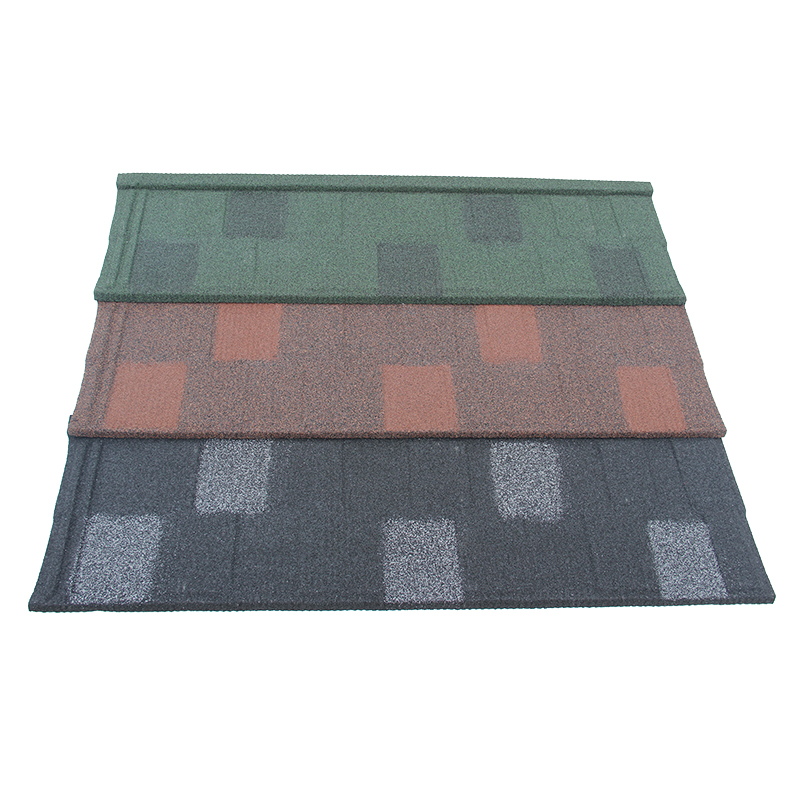
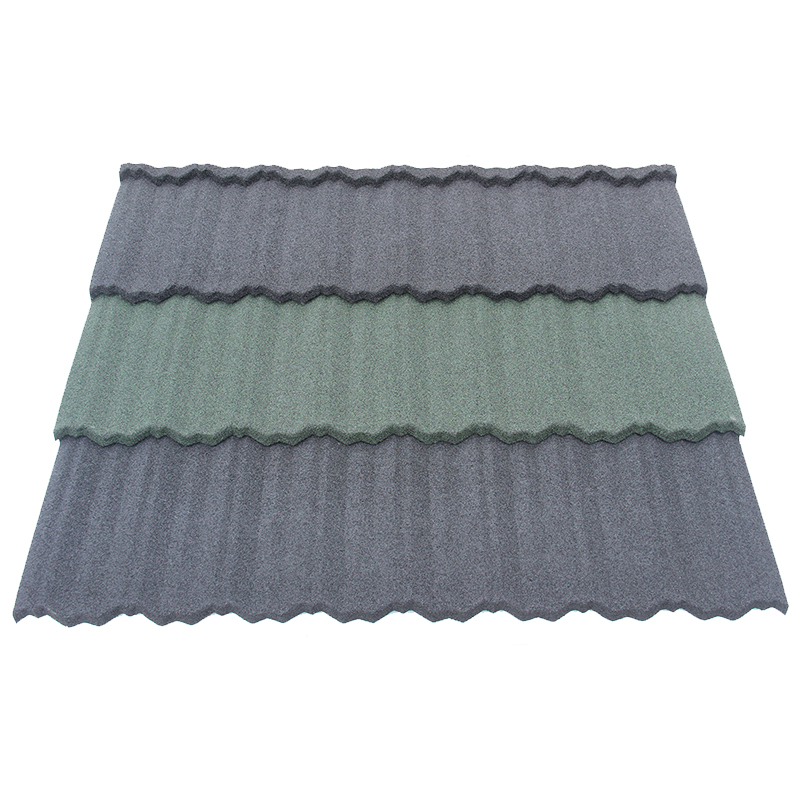
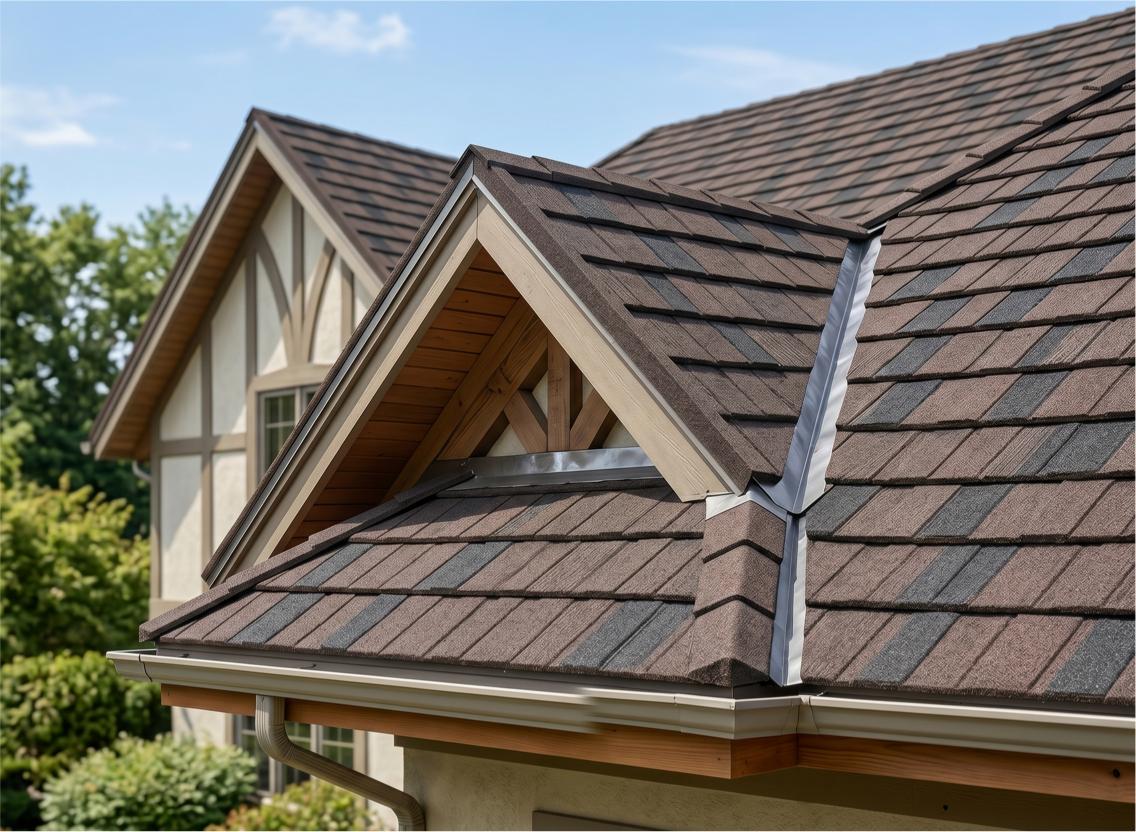
A roof functions as a complex, integrated waterproofing system. The primary panels represent only one component of this defense grid. The valleys, ridge caps, and flashings must withstand the exact same weather extremes. Using generic, incompatible accessories guarantees massive water leaks eventually. For instance, the Bond Tile requires perfectly matched, factory-engineered ridge caps to function correctly. If contractors use cheap substitute flashing, the wind will drive rain right into the attic. Consequently, smart procurement managers order complete roofing kits from a single reliable supplier. This unified sourcing strategy guarantees flawless installation and permanent climate protection. Complex roof designs feature many valleys and intersecting angles. These critical transition zones experience the highest volumes of rushing water. Proper interlocking valley trays direct this water safely to the gutters. The interlocking edges prevent any side-spill into the dry attic. Consequently, the complex architectural geometry remains completely watertight. Professional builders refuse to install a roof without these critical matching components.