
Commercial real estate development requires absolute precision during execution constantly. Therefore, procurement teams invest massive capital into premium exterior cladding globally. Preserving these high-end materials during installation is absolutely vital for success. Substandard cutting techniques destroy premium roofing products instantly. Consequently, careless installers ruin massive commercial investments overnight. Specifically, improper cutting damages the protective mineral coatings heavily. As a result, the underlying metal core rusts rapidly. Developers specify Stone Coated Steel Tiles to guarantee long-term durability. However, this highly advanced material requires highly specialized cutting protocols. Thus, B2B buyers must enforce strict installation guidelines on-site. This technical guide explains how to cut these advanced panels safely. Furthermore, it outlines the exact tooling required for professional results. Ultimately, proper cutting techniques preserve the fifty-year structural warranty completely. Consequently, developers protect their real estate portfolios efficiently. Indeed, mastering these techniques guarantees a highly profitable commercial project.
The Metallurgy of the Cut: Protecting the Aluzinc Substrate
Cutting metal alters its fundamental physical structure immediately. Therefore, installers must understand the underlying metallurgy completely before beginning. Advanced metal panels utilize a complex aluminum-zinc alloy core always. Consequently, this core provides massive resistance against harsh atmospheric corrosion. However, aggressive cutting generates extreme friction and destructive heat quickly. As a result, this thermal shock melts the protective chemical layers rapidly. Thus, preventing heat generation is the primary engineering goal onsite. Furthermore, preserving the adjacent stone coating ensures continuous weather resistance permanently. Indeed, maintaining a cold core is absolutely essential for long-term survival. Consequently, contractors must ban friction-based tools from the roof entirely. Therefore, commercial success relies on precise, temperature-controlled metal shearing.
The Threat of Thermal Degradation
High temperatures destroy pure acrylic resin glue instantly. Consequently, the heavy basalt stone chips detach from the metal core quickly. Therefore, installers must avoid any tool that generates excessive heat. Heat burns away the protective aluminum-zinc alloy completely and irreversibly. As a result, the exposed steel edge becomes highly vulnerable to aggressive oxidation. Furthermore, this localized rust spreads rapidly across the entire roofing panel. Thus, cold-cutting methods are absolutely mandatory for all commercial applications.
Thermal degradation voids massive manufacturer warranties immediately and permanently. Therefore, property managers must supervise cutting stations with extreme technical prejudice. Consequently, thermal control prevents disastrous cosmetic and structural building failures. Furthermore, compromised adhesives allow moisture to penetrate the core directly. As a result, the entire interlocking panel system weakens under severe weather stress. Thus, educating roofing crews on thermal limits is a strict B2B procurement necessity. Indeed, protecting the adhesive layer secures the fifty-year lifespan flawlessly.
Cathodic Protection and Self-Healing Edges
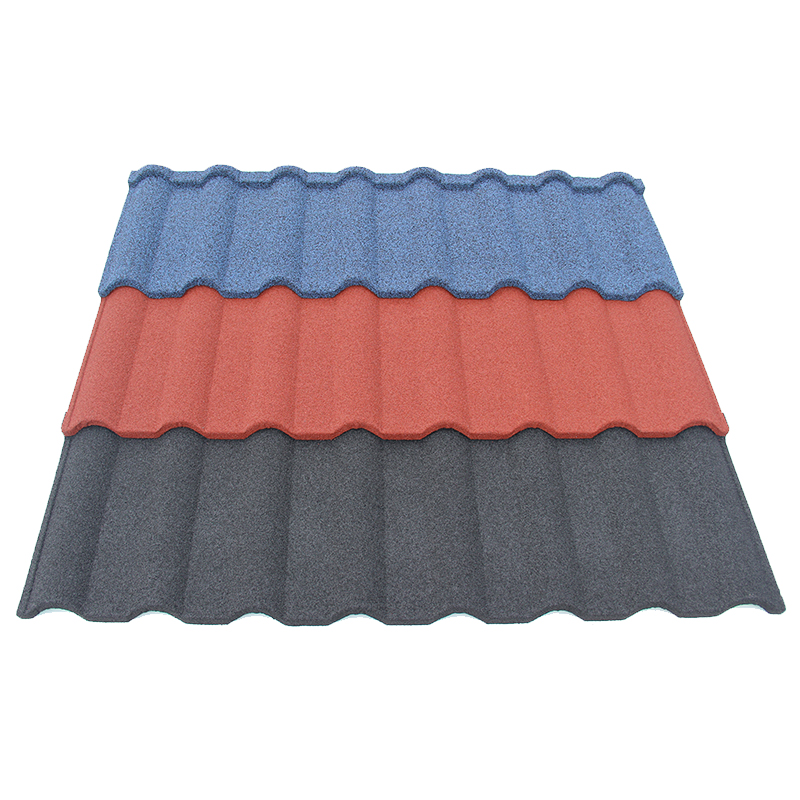
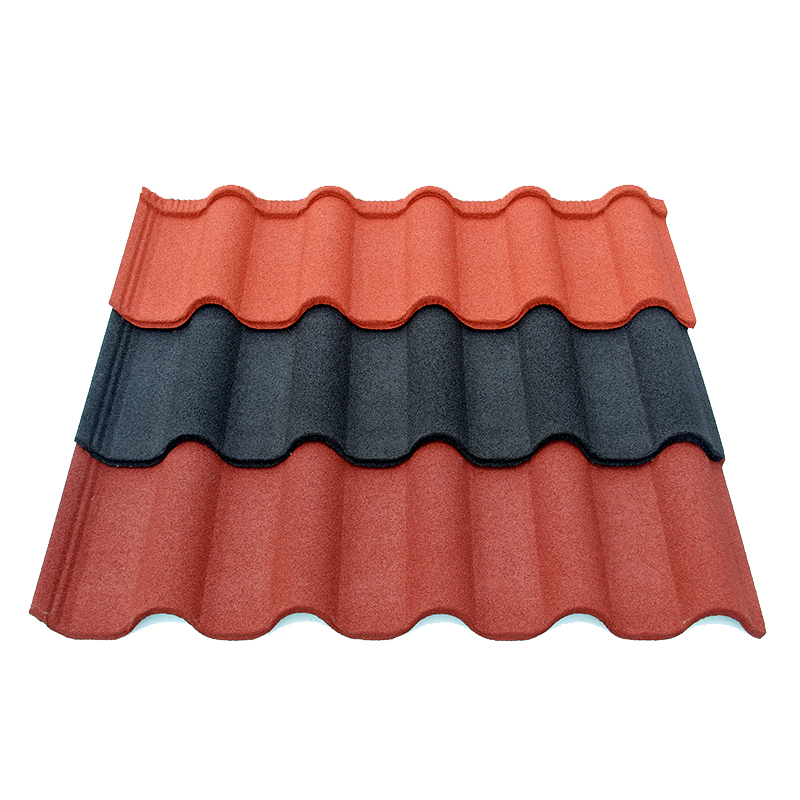
A properly cold-cut edge retains a microscopic layer of zinc safely. Consequently, this zinc provides active cathodic protection to the exposed steel. Therefore, it chemically sacrifices itself to prevent aggressive red rust. However, this brilliant self-healing process fails completely if the edge is burned. As a result, maintaining a clean, cold cut is structurally vital. Specifically, a heavy-duty Bond Tile relies heavily on this precise cathodic action. Its deep architectural grooves require complex cuts around ventilation pipes frequently. Thus, clean cuts ensure the geometric integrity remains perfectly intact over time.
The active zinc prevents moisture from penetrating the underlying batten grid perfectly. Consequently, the commercial building envelope remains completely secure and dry. Furthermore, this chemical sacrifice extends the operational life of the cut section dramatically. Therefore, installers must never paint over a fresh cold cut with unapproved sealants. Unapproved chemicals interact poorly with the raw zinc layer. As a result, the self-healing process stops functioning correctly. Thus, understanding basic metallurgy improves the final installation quality massively.
Tool Selection for Modifying Stone Coated Steel Tiles
Tool selection dictates the final quality of the commercial roof entirely. Therefore, general contractors must equip their crews properly before construction begins. Cheap, incorrect tools cause catastrophic damage to the building envelope instantly. Consequently, B2B procurement managers must mandate specific cutting equipment explicitly. Thus, the installation process remains highly controlled and highly standardized globally. Furthermore, proper tools increase daily labor efficiency massively for the roofing crews. As a result, the massive roofing phase finishes strictly on schedule. Indeed, capital expenditure on correct tooling yields massive operational dividends. Therefore, avoiding substandard equipment eliminates huge financial liabilities entirely.
Industrial Metal Shears and Nibblers
Professional installers utilize heavy-duty metal shears exclusively for straight cuts. Consequently, these tools slice through the tough steel without generating any heat. Therefore, the protective acrylic resin and stone granules remain perfectly intact. Furthermore, electric nibblers provide exceptional maneuverability for complex, curved roof cuts. As a result, workers navigate around massive chimneys and large skylights effortlessly. Specifically, these cold-cutting tools leave a clean, factory-quality edge consistently.
The interlocking metal seams fit together perfectly without dangerous structural gaps. Consequently, the roof deflects high-velocity hurricane winds highly effectively. Therefore, sourcing premium shears is a non-negotiable procurement requirement. Furthermore, manual aviation snips are perfect for tiny, intricate flashing modifications. As a result, contractors execute fine architectural details with ultimate precision. Thus, the correct tool inventory separates professional B2B installations from amateur attempts entirely. Indeed, proper shearing guarantees absolute watertight security globally.
The Extreme Danger of High-Speed Angle Grinders
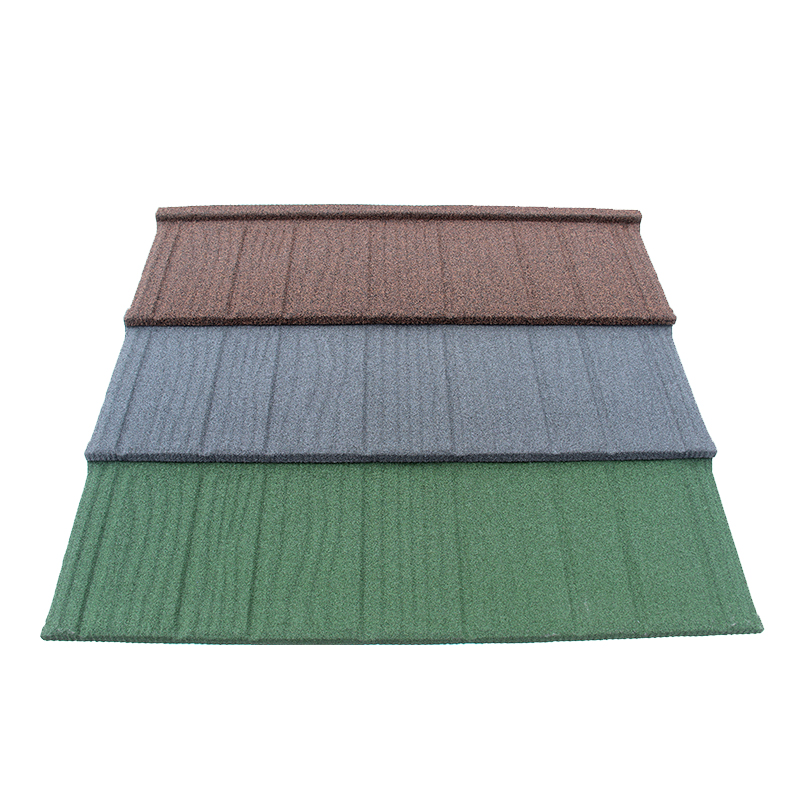
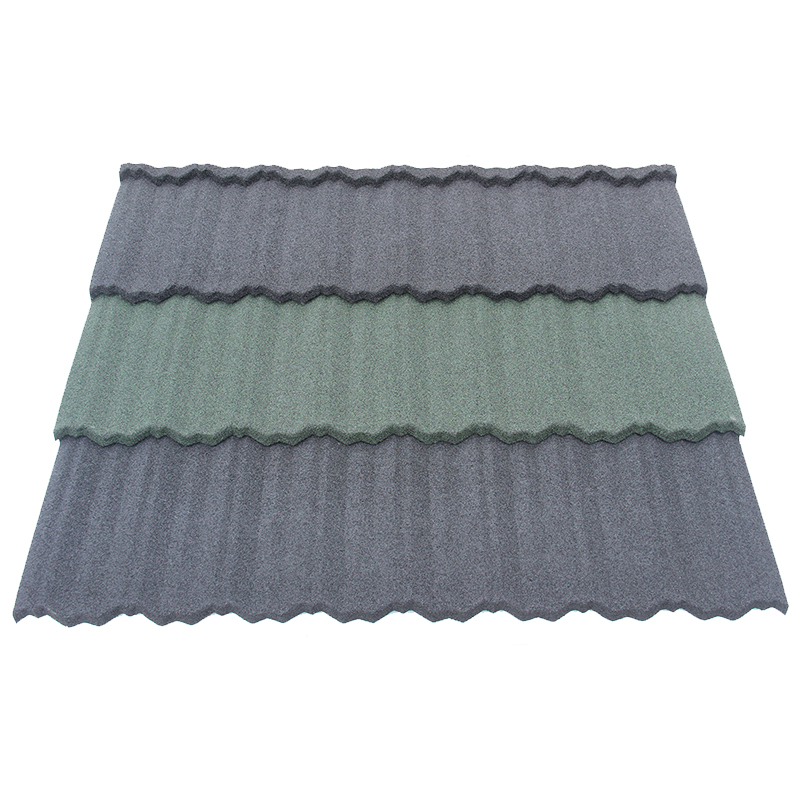
Abrasive angle grinders are the absolute worst tool for this job. Consequently, they spin at incredibly high speeds, generating massive, uncontrollable friction. Therefore, the abrasive disc burns the protective acrylic coating completely away. As a result, the stone granules fly off, leaving a bare, scorched edge. Furthermore, the intense heat destroys the Aluzinc alloy’s vital cathodic healing properties. A highly textured Shake Tile loses its rustic aesthetic instantly under a grinder. Thus, property managers must ban angle grinders from the active job site completely.
Grinder damage is completely irreversible and incredibly expensive to repair. Consequently, catching a contractor using a grinder warrants immediate site dismissal. Furthermore, grinders shoot hot sparks across the finished roof deck violently. As a result, these sparks melt tiny holes in the adjacent synthetic underlayment. Thus, the building envelope suffers hidden, catastrophic water leaks later. Therefore, strict B2B auditing must outlaw these abrasive tools strictly. Indeed, enforcing tool bans protects the massive real estate investment perfectly.
Navigating Profile Geometry and Precision Shearing Techniques
Different structural geometries require vastly different cutting approaches on the active site. Therefore, installers must adapt their techniques to the specific panel profile accurately. Flat profiles cut much differently than deeply corrugated architectural shapes obviously. Consequently, understanding these geometric nuances prevents expensive raw material waste. Thus, training crews on profile-specific cutting is an absolute daily necessity. Furthermore, careful planning ensures all roof valleys integrate perfectly together. As a result, the commercial building easily survives severe tropical monsoons annually. Indeed, geometric awareness separates elite contractors from amateur residential roofers completely. Therefore, architectural mapping must precede any physical steel cutting.
Managing Deep Corrugations and Valley Flashing
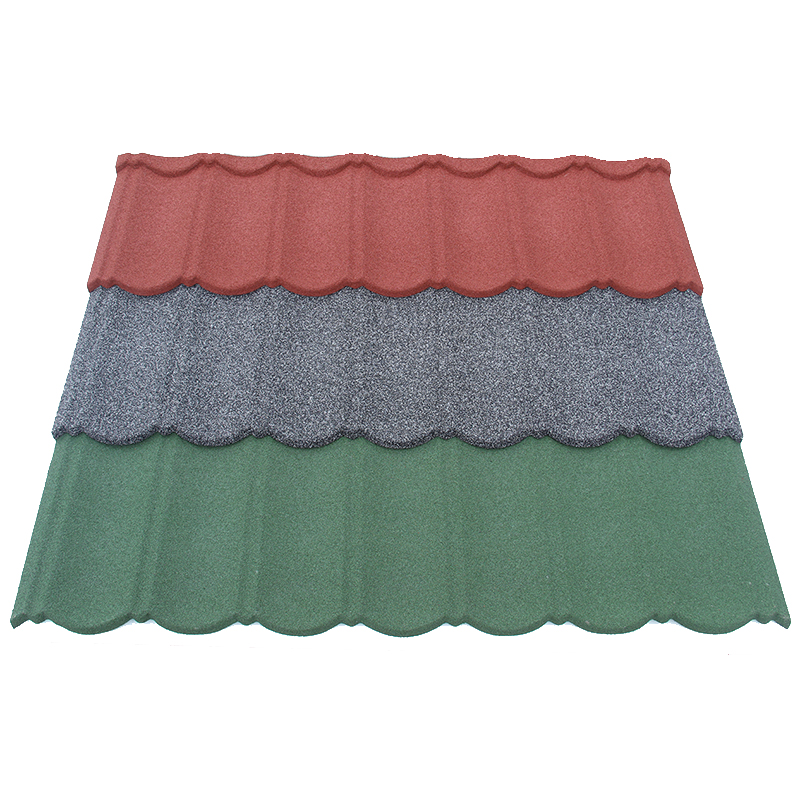
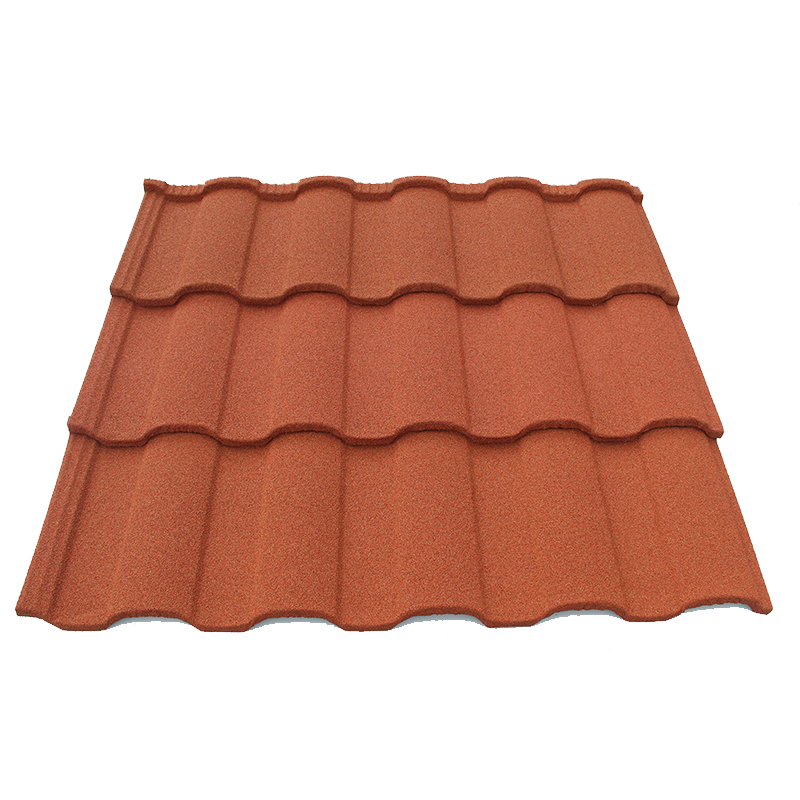
Deeply channeled profiles channel massive volumes of water rapidly downward. Consequently, cutting these panels requires extreme patience and laser precision. Installers must cut the valleys from the underside of the panel frequently. Therefore, they avoid crushing the exterior stone coating with heavy hand tools. The sweeping Mediterranean curves of a Milano Tile demand this careful approach exclusively. Its elevated arches can flatten permanently if cut aggressively from the top down. As a result, workers must trace the cut line meticulously before shearing.
The hydraulic channels remain fully open and structurally sound permanently. Consequently, massive volumes of rainwater evacuate the roof deck safely. Furthermore, bending the cut edges down into the valley pan is mandatory. Therefore, this prevents lateral water movement underneath the overlapping tiles completely. As a result, the internal commercial attic space stays perfectly dry continuously. Thus, proper valley cutting requires advanced sheet metal expertise. Indeed, precise execution at these transition points prevents massive structural liabilities.
Achieving Flush Interlocking Joints on Flat Profiles
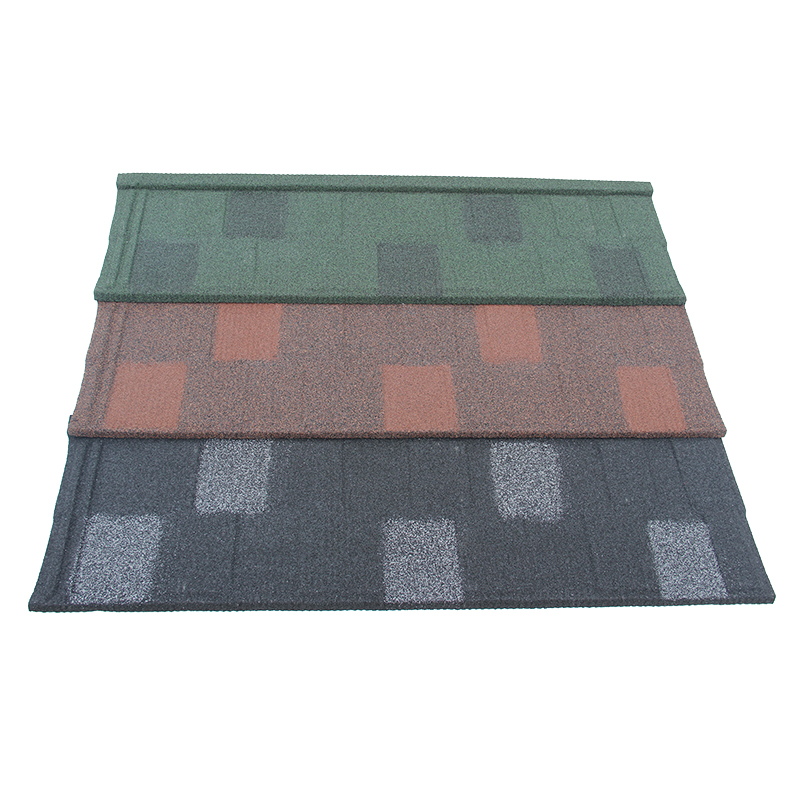
Flat architectural designs demand absolute mathematical perfection during the installation phase. Consequently, any jagged cuts will ruin the sleek corporate aesthetic entirely. Therefore, installers use specialized guillotine cutters for straight, horizontal edge cuts. A premium Shingle Tile relies heavily on this exact, flush geometric fitment. Its concealed fastening system fails completely if the edges are cut unevenly. As a result, straight shears guarantee perfect alignment across the entire roof deck.
Clean edges prevent dangerous capillary water action during heavy rainstorms beautifully. Thus, precision cutting secures the massive interior real estate investment definitively. Furthermore, guillotine cutters operate manually without any electrical power requirements. Consequently, roofing crews maintain high production speeds safely and quietly. Therefore, equipping crews with these mechanical cutters optimizes labor costs significantly. As a result, B2B buyers experience rapid project completion times consistently. Indeed, leveraging mechanical leverage beats motorized friction every single time.
Post-Cut Hygiene and Edge Sealing Protocols
The cutting process generates highly destructive metallic waste immediately upon execution. Therefore, contractors must manage this debris aggressively on the job site. Ignoring this waste leads to severe cosmetic and structural failures later. Consequently, site foremen must enforce strict daily cleaning protocols constantly. Thus, the pristine architectural aesthetic remains completely unblemished over time. Furthermore, treating the exposed cut edges properly provides maximum weather protection. As a result, the commercial roof achieves a true fifty-year operational lifespan reliably. Indeed, post-cut management is just as critical as the physical cut itself. Therefore, hygiene on the roof deck prevents massive corporate liabilities.
Removing Metallic Swarf to Prevent Surface Rust
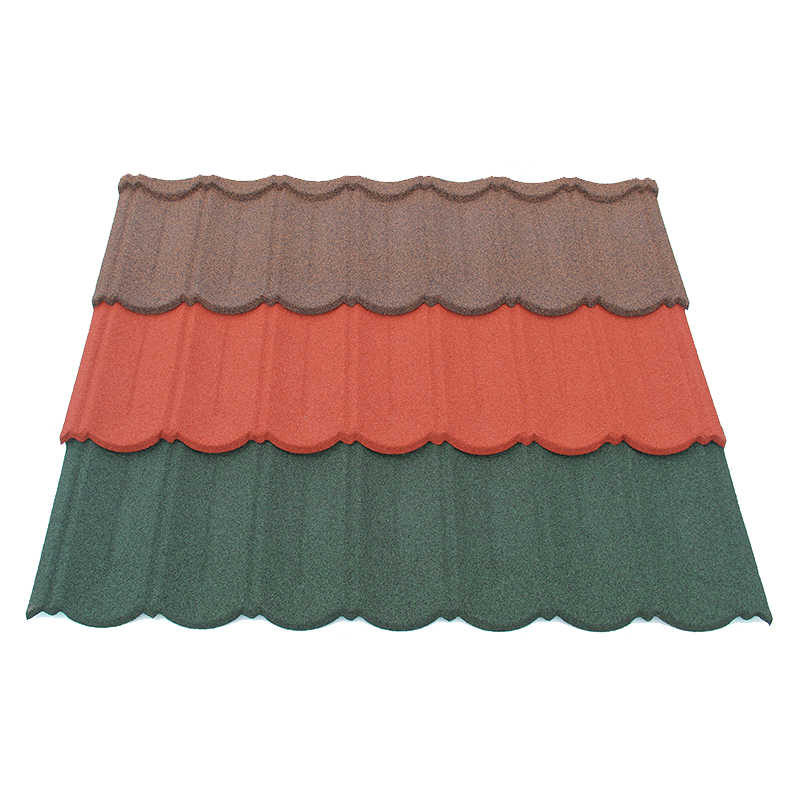
Cutting metal generates thousands of microscopic steel shavings instantly. Consequently, this raw iron dust settles heavily across the finished roof deck. If left uncleaned, this dust rusts completely overnight due to heavy morning dew. Therefore, workers must use high-powered blowers to clear the roof entirely. A deeply grooved Roman Tile traps these dangerous shavings incredibly easily. Thus, meticulous sweeping prevents massive, ugly rust stains from forming visually. As a result, the building maintains its luxurious, high-end curb appeal flawlessly.
Clearing the swarf prevents installers from tracking sharp metal on their boots. Consequently, the protective stone coating avoids unnecessary abrasive damage completely. Furthermore, magnetic brooms capture errant shavings efficiently and quickly. Therefore, property managers must mandate daily magnetic sweeping in their contracts. As a result, the surrounding commercial landscaping remains free of dangerous metallic debris. Thus, a clean job site reflects elite professional standards perfectly. Indeed, rigorous cleaning protects both the product and the premises.
Utilizing Professional Edge Sealing Touch-Up Kits
Even with careful cold cutting, a raw steel edge is exposed briefly. Consequently, manufacturers provide specialized touch-up kits for ultimate, permanent weather protection. Therefore, installers apply a matched acrylic base coat directly to the fresh cut. Furthermore, they sprinkle original sintered stone granules over the wet adhesive immediately. As a result, the cut edge becomes completely invisible and structurally sealed. Thus, developers avoid any weak points in the continuous exterior building envelope.
Proper edge sealing separates amateur work from elite commercial craftsmanship globally. Consequently, applying the touch-up kit preserves the massive B2B warranty fully. Therefore, procurement officers must order these kits with every bulk purchase. Furthermore, these kits repair minor scuffs sustained during heavy transport logistics. As a result, every installed panel looks absolutely factory-perfect. Thus, standardizing the touch-up process ensures total client satisfaction upon completion. Indeed, sealing the edges finalizes the comprehensive weatherproofing system completely.
Enforcing Supply Chain Rules for Stone Coated Steel Tiles
Standardizing the installation process begins during the initial procurement phase entirely. Therefore, B2B buyers must source materials from highly professional industrial manufacturers. A reliable factory provides comprehensive technical cutting manuals with every bulk order. Consequently, procurement officers can bind their general contractors to these strict standards legally. Thus, developers eliminate rogue, unauthorized installation practices completely. Furthermore, buying factory-direct guarantees that the protective coatings can actually withstand professional cutting. As a result, the global supply chain supports the final structural engineering perfectly. Indeed, smart sourcing guarantees a flawless, watertight commercial installation.
Sourcing from Elite Factory-Direct Partners
Low-quality panels utilize cheap PE paint instead of pure acrylic resin. Consequently, these inferior panels shatter and peel instantly when cut with shears. Therefore, sourcing premium materials is absolutely critical for long-term structural success. An elite factory-direct exporter like JCROOF uses strictly 100% pure acrylic glue. Furthermore, they utilize extremely ductile AZ150 Aluzinc steel cores exclusively. As a result, their panels cut cleanly without microscopic fracturing or massive granule loss. Thus, partnering with established industrial experts eliminates catastrophic material failures entirely.
B2B buyers must audit their overseas suppliers rigorously before purchasing. Therefore, demanding high-grade adhesives guarantees a clean, professional cut onsite. Furthermore, elite factories package their panels securely to prevent transport damage. Consequently, the material arrives ready for immediate, precise modification. As a result, roofing crews avoid working with pre-stressed or bent metal entirely. Thus, reliable B2B sourcing remains the cornerstone of massive commercial development. Indeed, high-quality materials respond predictably to professional cutting tools.
Standardizing the On-Site Tooling Requirements
B2B buyers must specify the approved cutting tools directly in the purchase contracts. Consequently, roofing crews arrive on-site fully equipped for professional cold cutting immediately. Therefore, developers avoid nasty arguments over damaged panels and voided structural warranties. Furthermore, standardized tooling accelerates the massive installation timeline significantly for everyone. As a result, the commercial property opens on schedule and generates corporate revenue faster. Thus, proactive procurement management guarantees a highly profitable real estate development globally.
| Tooling Category | Thermal Impact Assessment | B2B Engineering Directive |
|---|---|---|
| Manual Metal Snips | Zero thermal generation. Completely cold. | Approved for intricate flashing details. |
| Electric Hand Shears | Zero thermal generation. Completely cold. | Mandatory for long horizontal panel modifications. |
| Electric Nibblers | Zero thermal generation. Completely cold. | Ideal for navigating deep valleys safely. |
| Abrasive Angle Grinder | Extreme friction and destructive heat. | Strictly prohibited. Voids warranty instantly. |
| Guillotine Cutter | Zero thermal generation. Completely cold. | Excellent for mass-producing straight cuts perfectly. |
Controlling the installation methodology maximizes the ultimate return on investment definitively. Therefore, buyers must write tool specifications into all construction bids clearly. Furthermore, regular site audits enforce these rules effectively. Consequently, the building facade remains technically sound and aesthetically flawless. Thus, strict adherence to cold-cutting protocols guarantees fifty years of absolute weather protection.