
Commercial real estate development faces constant, severe financial budget constraints continuously. Upgrading massive commercial roofs often triggers massive hidden expenses for corporate investors. Specifically, older institutional buildings feature highly fragile, aging timber rafters natively. Installing heavy traditional roofing materials requires incredibly expensive structural reinforcement to support the new weight safely. Consequently, developers actively seek advanced engineering solutions to minimize initial Capital Expenditure (CAPEX). Procuring stone coated tiles provides the ultimate structural and financial solution globally. These advanced metallurgical materials offer an incredibly lightweight architectural profile inherently. Therefore, they eliminate the need for costly rafter reinforcement entirely and permanently. Understanding this fundamental weight advantage empowers B2B procurement officers immensely. Ultimately, you can upgrade massive corporate facilities safely, rapidly, and highly profitably.
1. The Engineering Mechanics of Roof Dead Loads
Structural engineering relies on calculating precise load-bearing capacities constantly and accurately. Roof loads are categorized cleanly into live loads and permanent dead loads. Live loads include temporary environmental factors like heavy snow or severe wind. Conversely, dead loads represent the permanent, crushing physical weight of the building materials. Therefore, traditional heavy cladding places a massive permanent burden on wooden rafters. Understanding this mechanical relationship is absolutely crucial for lean commercial procurement strategies. It dictates the entire structural survival of your commercial real estate asset.
Calculating the Extreme Weight Differential
Traditional clay, dense concrete, and heavy slate are incredibly heavy materials natively. Consequently, they often weigh up to ten pounds per square foot easily. This immense dead weight crushes older, unreinforced timber framing predictably over time. In stark contrast, modern stone coated tiles weigh approximately 1.5 pounds per square foot. This represents an astonishing 85% reduction in the permanent structural dead load globally. Therefore, the existing wooden rafters can support the new advanced roof effortlessly.
Preventing Catastrophic Timber Sagging
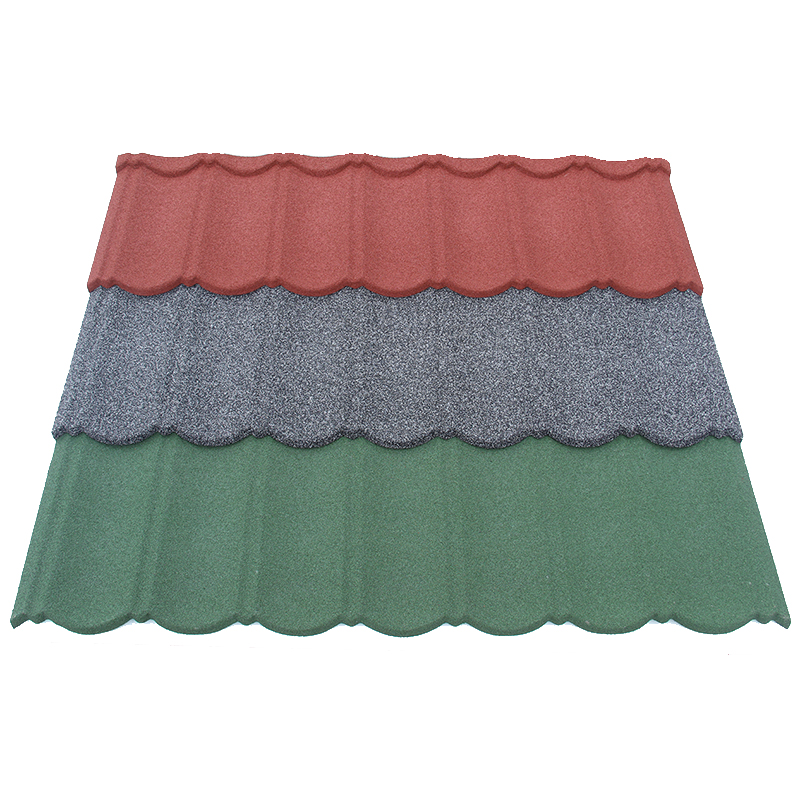
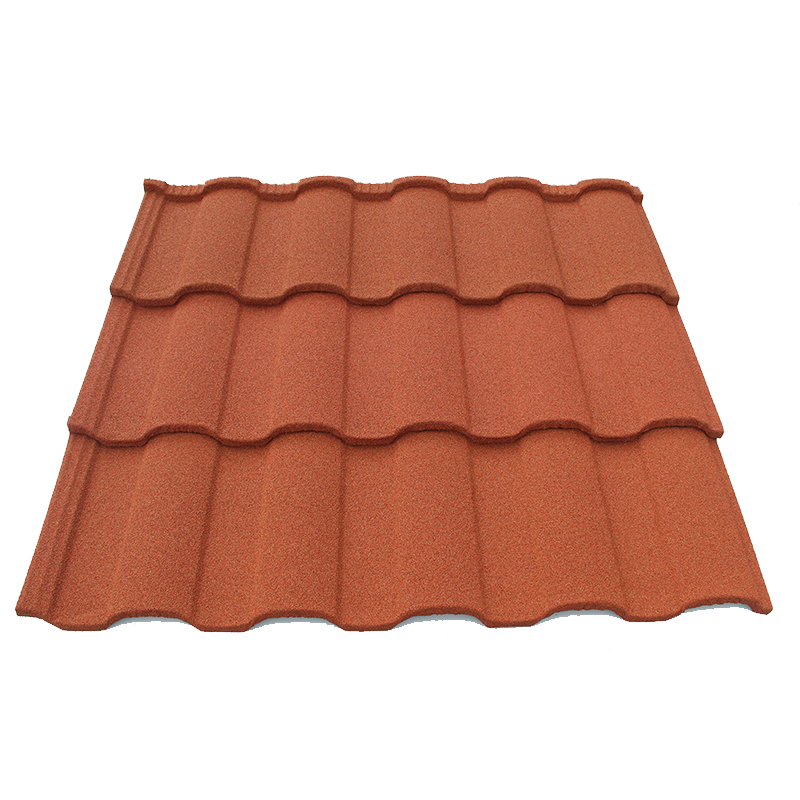
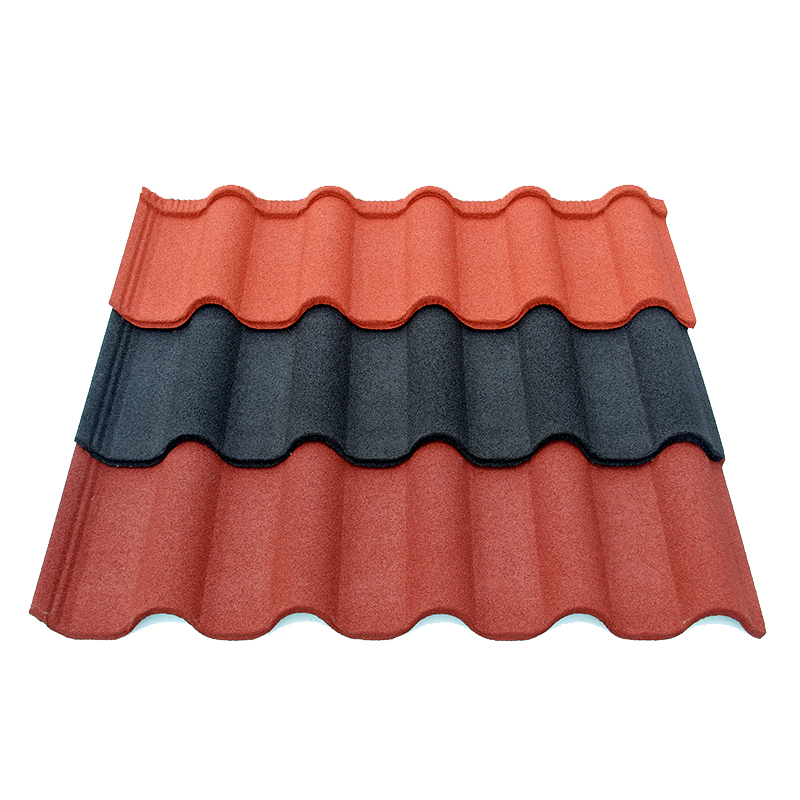
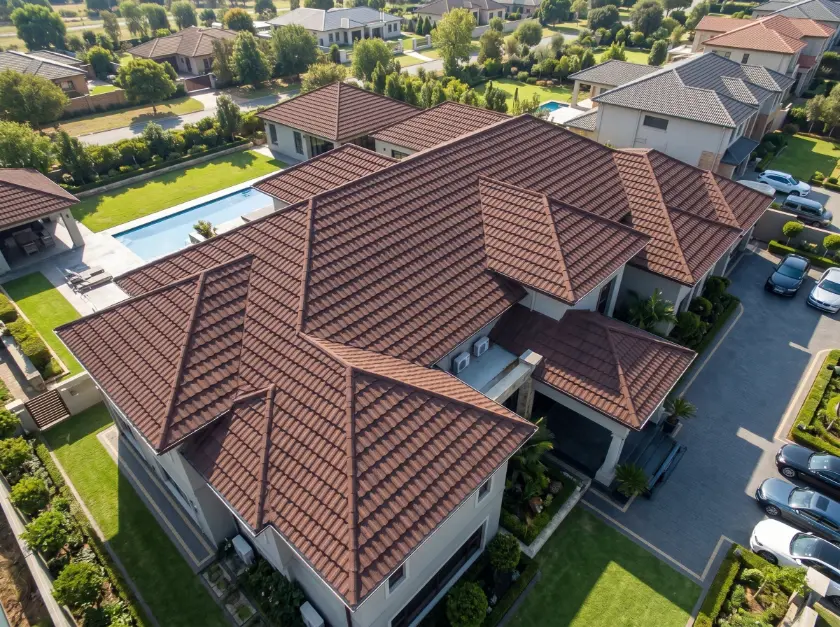
Overloading a commercial roof deck causes severe timber sagging eventually and inevitably. If rafters bow under immense weight, the entire building envelope compromises itself. Consequently, facility managers face catastrophic interior water damage and severe safety liabilities. You can prevent this structural nightmare completely by specifying lightweight steel cladding. For example, a sweeping Milano Tile provides the classic, heavy Mediterranean aesthetic perfectly. However, its lightweight steel core never burdens the underlying structural timber rafters.
2. Capital Expenditure (CAPEX) Savings in Procurement
Eliminating mandatory structural upgrades transforms the financial calculus of any commercial project. Reinforcing a massive commercial roof deck is an incredibly expensive endeavor always. It requires massive quantities of new lumber and highly specialized framing labor. Furthermore, it creates massive logistical delays that frustrate corporate investors and tenants. Therefore, choosing a lightweight architectural system protects your lean corporate budget entirely. This strategic material choice accelerates your overall return on investment significantly and safely.
Eliminating Heavy Timber and Framing Costs
Sistering old rafters or replacing entire roof trusses destroys procurement budgets instantly. Contractors must literally rebuild the upper half of the commercial facility completely. Consequently, labor costs skyrocket as the project timeline stretches into unexpected months. Specifying stone coated tiles bypasses this expensive framing phase completely and permanently. Installers simply secure the lightweight steel panels directly over the existing, structurally sound deck. Therefore, you eliminate the massive lumber and framing labor CAPEX entirely.
Accelerating Commercial Construction Timelines
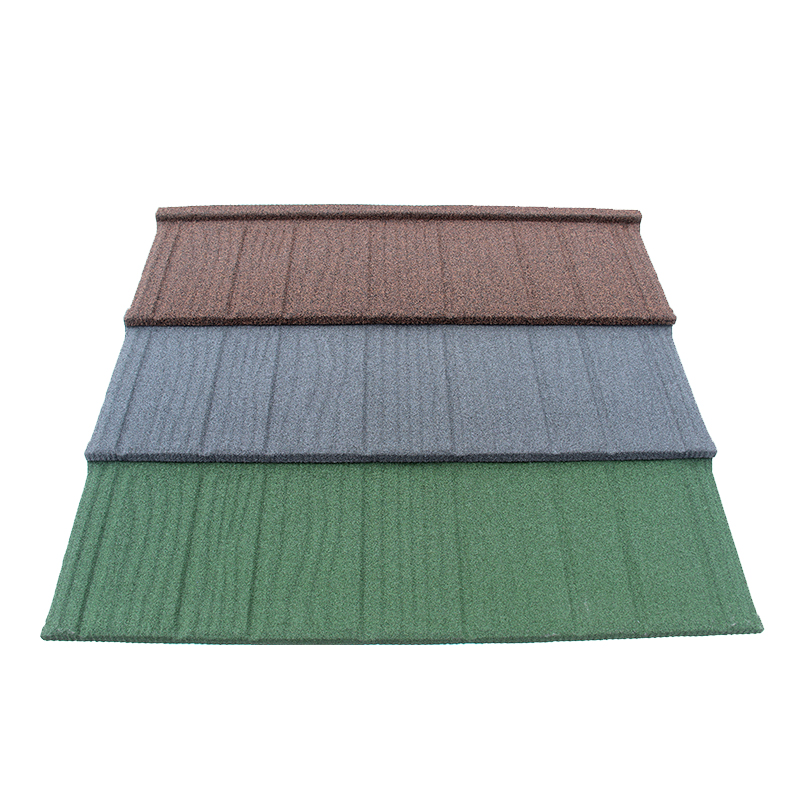
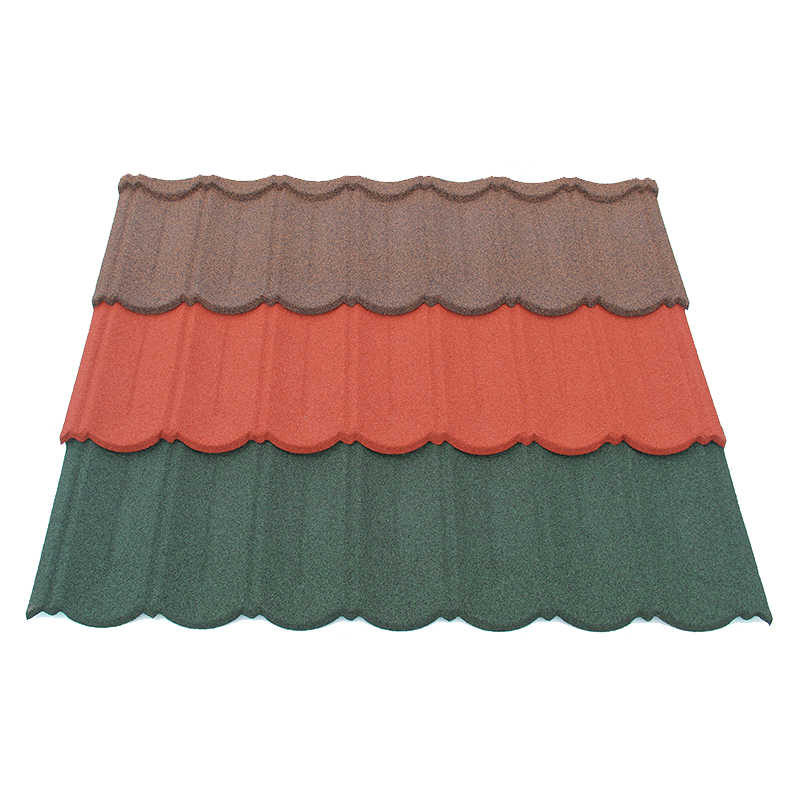
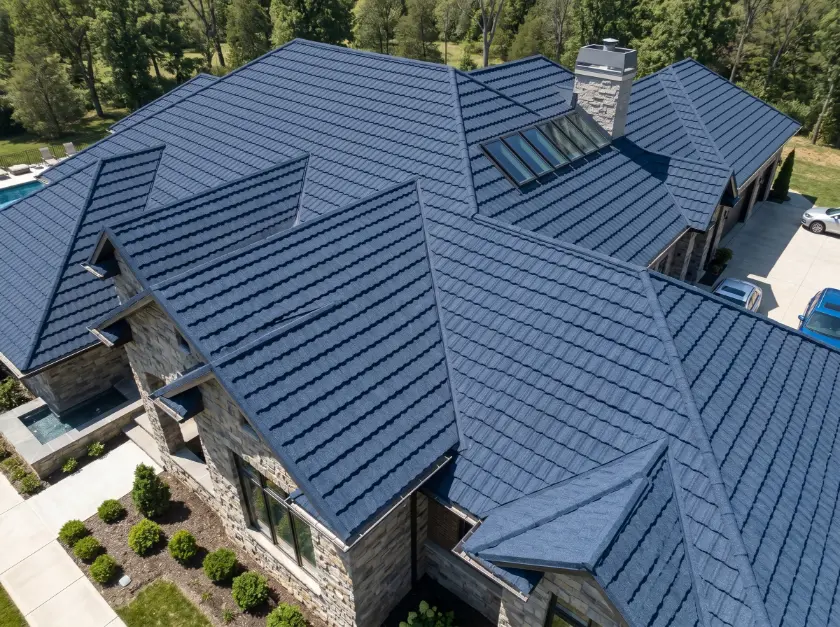
Time is the ultimate currency in commercial real estate development globally. Faster installation protocols mean faster tenant occupancy and immediate corporate revenue generation. Heavy masonry requires slow, meticulous mortar installation to ensure kinetic stability always. Conversely, lightweight steel panels install incredibly rapidly using structural batten grids. For sleek corporate campuses, utilizing a flat Shingle Tile accelerates deployment massively. Installers cover massive square footage daily, accelerating the overall project completion timeline dramatically.
3. Strategic Application and Architectural Selection
B2B procurement requires matching specific materials to distinct architectural challenges carefully. Different commercial facilities demand vastly different aesthetic and structural performance metrics continually. Lightweight steel panels offer incredible versatility across diverse corporate real estate portfolios. Therefore, you must select the precise profile to maximize structural efficiency safely. Understanding these practical applications ensures highly successful, risk-free commercial roof upgrades. Ultimately, precision procurement prevents catastrophic mechanical failures down the line.
Retrofitting Aging Hospitality Assets
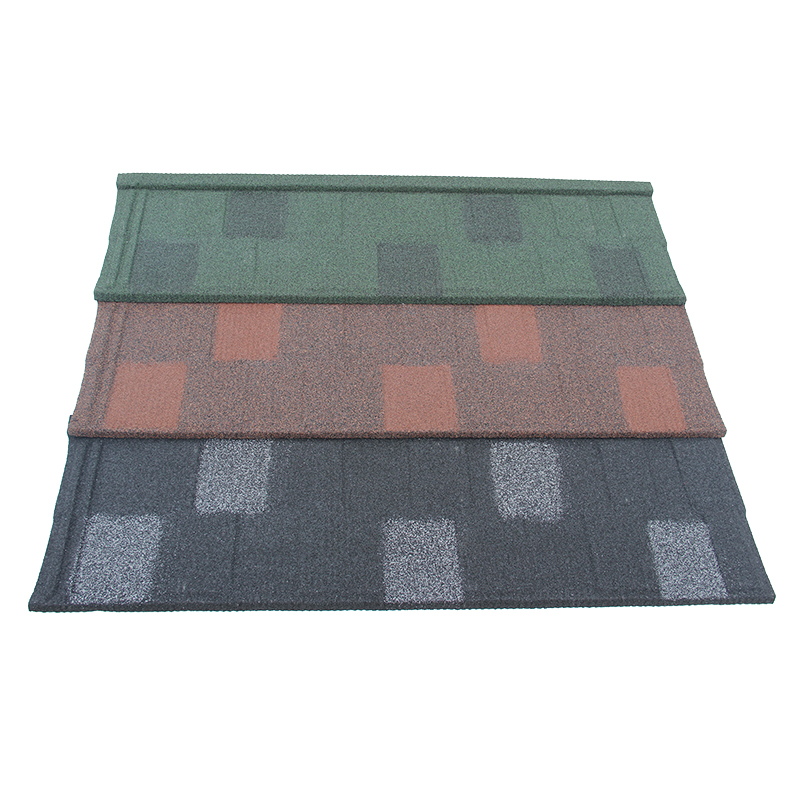
Luxury alpine resorts often require extensive renovations to maintain premium lease rates. However, their older timber frames cannot support heavy modern concrete tiles safely. Upgrading with lightweight stone coated tiles solves this specific engineering dilemma perfectly. Specifically, a heavily textured Shake Tile mimics natural, heavy hand-split wood flawlessly. It provides breathtaking rustic beauty without threatening the fragile, aging timber rafters. Therefore, developers achieve visual prestige while ensuring absolute structural safety permanently.
Heavy-Duty Industrial Warehouse Applications
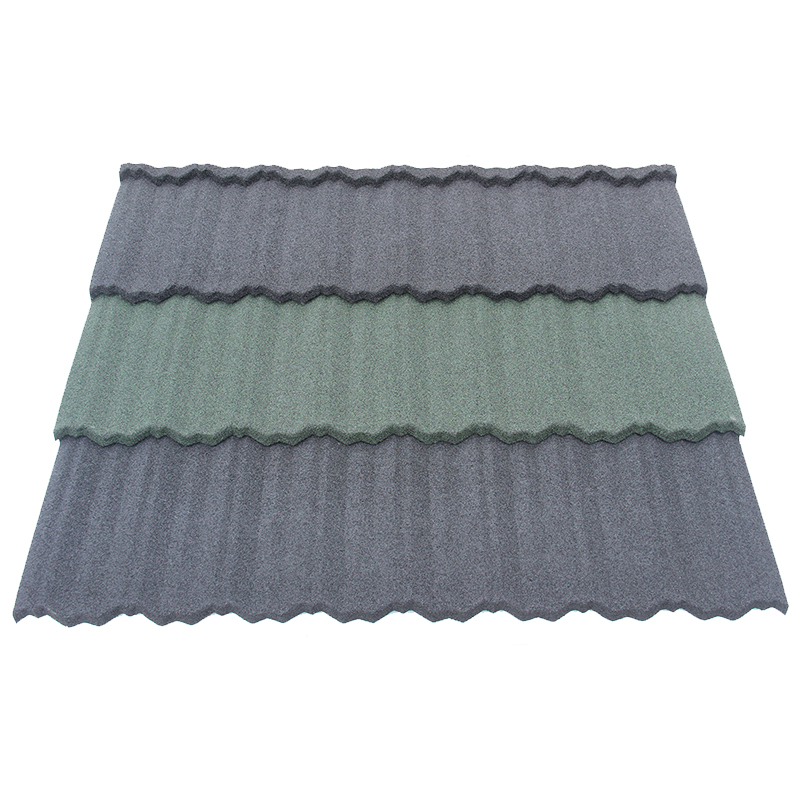
Massive agricultural and industrial warehouses feature incredibly wide structural roof spans naturally. These massive open spans rely on highly engineered, minimal steel truss systems natively. Therefore, adding heavy cladding to these wide spans is physically dangerous and impossible. You must specify lightweight materials to maintain structural integrity across the warehouse. A robust Bond Tile provides extreme kinetic rigidity for these massive industrial applications. It secures the facility against severe weather without overwhelming the minimal truss framework.
Managing High-Volume Tropical Water Evacuation
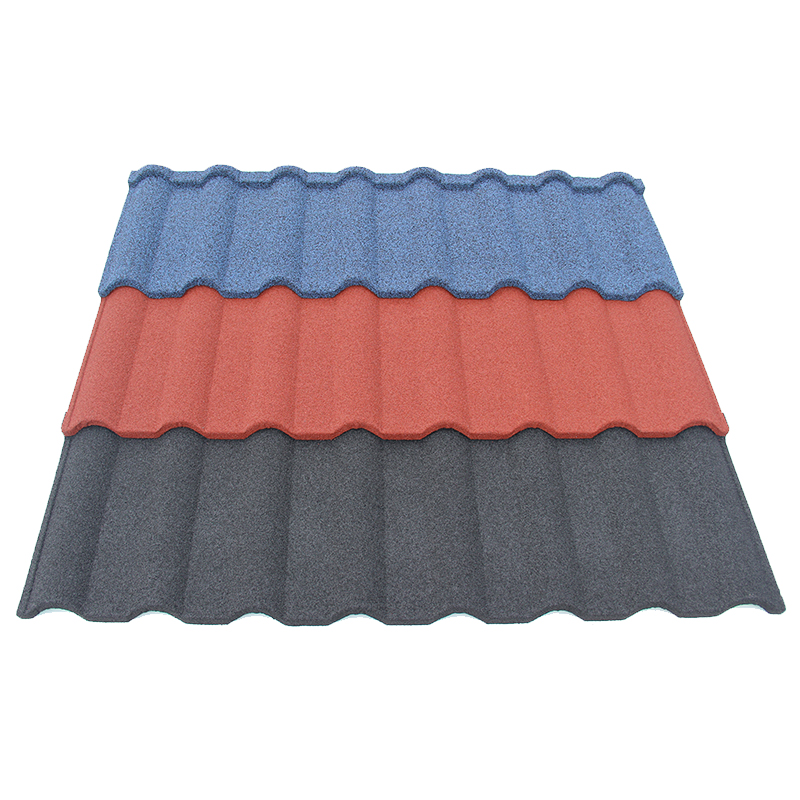
Coastal developments face sudden, incredibly violent tropical downpours frequently and disastrously. The architectural profile must route massive water volumes downward highly efficiently always. A deeply channeled Roman Tile handles this specific hydraulic requirement exceptionally well. Its deep valleys evacuate massive water volumes rapidly during severe seasonal monsoons. Furthermore, despite its deep structural channels, it remains incredibly lightweight natively. Therefore, the tropical resort handles heavy rain without needing reinforced structural supports.
4. Vetting Global Suppliers for Lightweight Metallurgy
Not all lightweight metal roofing materials deliver the required commercial durability globally. Opportunistic trading brokers frequently sell dangerously thin, uncertified steel to unsuspecting buyers. This cheap steel bends easily and rusts rapidly under harsh environmental conditions. Therefore, procurement officers must audit their international supply chains with extreme prejudice. Securing premium metallurgy ensures your lightweight roof survives for fifty years easily. Ignorance in the procurement phase guarantees massive structural liabilities later.
The Mandatory AZ150 Aluzinc Requirement
To remain lightweight yet indestructible, the steel core requires advanced chemical engineering. You must demand authentic AZ150 Aluzinc steel strictly during global wholesale procurement. This specific aluminum-zinc alloy provides massive native resistance against aggressive red rust. Furthermore, it allows the steel to remain incredibly thin and exceptionally lightweight safely. Therefore, you must reject any supplier pushing cheap, heavy galvanized steel alternatives entirely. Strict metallurgical auditing protects your corporate assets definitively.
Auditing Factory-Direct Manufacturing Capabilities
Large-scale commercial developments demand absolute structural perfection and verified batch consistency constantly. Therefore, B2B buyers must partner directly with proven industrial facilities globally. Specifically, JCROOF operates precisely in this highly professional B2B export tier. Operating from a massive 10,000-square-meter facility, they manufacture flawless lightweight steel systems seamlessly. They maintain an incredibly reliable weekly production capacity of 140,000 pieces natively. Trusting an established industrial expert eliminates massive quality control risks entirely.
5. Common Pitfalls and FAQ in Structural Roofing
Procurement teams often encounter internal skepticism when proposing lightweight roofing upgrades initially. General contractors accustomed to heavy masonry often raise unwarranted structural concerns constantly. Facility managers worry about wind uplift, acoustic noise, and routine mechanical maintenance. Therefore, B2B buyers must understand the exact engineering answers to these common questions. Educating your corporate team ensures smooth project approval and flawless execution. Let us address these specific structural myths definitively and scientifically.
Addressing Extreme Hurricane Wind Uplift
A common myth assumes lightweight roofs simply blow away during violent storms. However, advanced stone coated tiles utilize a highly secure horizontal fastening system. Installers drive fasteners through the front nose directly into the structural battens. Consequently, this interlocking technique creates a singular, aerodynamic shield across the facility. This specific installation method resists Category 4 hurricane uplift effortlessly and safely. Therefore, the lightweight nature becomes an aerodynamic advantage, not a structural liability.
The Myth of Interior Rain Noise
Another frequent concern involves the acoustic performance of lightweight metal roofs natively. Uncoated agricultural steel panels certainly amplify rain noise significantly during heavy downpours. However, premium panels feature a thick layer of high-temperature sintered basalt chips. This dense mineral coating acts as an incredible acoustic dampener natively. It physically absorbs and disperses the kinetic energy of falling raindrops instantly. Consequently, interior noise levels remain whisper-quiet, ensuring complete corporate tenant satisfaction globally.
| Architectural Cladding Material | Average Weight (lbs per sq. ft.) | Rafter Reinforcement Requirement |
|---|---|---|
| Heavy Concrete Tiles | 9.0 to 11.0 lbs/sq. ft. | Absolutely Mandatory. Requires massive timber and truss upgrades. |
| Authentic Clay Barrel Tiles | 8.0 to 10.0 lbs/sq. ft. | Highly Likely. Severe risk of rafter sagging over time. |
| Traditional Asphalt Shingles | 2.5 to 4.0 lbs/sq. ft. | Sometimes Required. Multiple layers burden old structures heavily. |
| Stone Coated Tiles (Metal) | 1.4 to 1.6 lbs/sq. ft. | Never Required. Safely installs over existing, standard timber framing. |