
Commercial real estate procurement requires absolute factual accuracy constantly. Indeed, believing Commercial metal roofing myths destroys corporate budgets rapidly. Many procurement officers hesitate to upgrade aging facilities based on these rumors. Consequently, they base their multi-million dollar decisions on outdated residential gossip. However, modern architectural cladding operates on highly advanced industrial metallurgy today. Therefore, B2B buyers must separate strict engineering facts from widespread fiction immediately. Understanding the truth prevents catastrophic financial miscalculations globally. Furthermore, debunking these myths empowers developers to specify superior materials safely. Ultimately, this secures a massive return on investment for the entire property. Let us examine and dismantle these top five industrial fallacies completely.
1. Myth 1: Acoustic Amplification and Severe Rain Noise
The most pervasive fallacy suggests that steel roofs amplify rain noise dreadfully. Critics often compare them to cheap, uninsulated agricultural sheds. Consequently, hotel developers fear angry complaints from their high-paying luxury guests. However, this assumption completely ignores advanced commercial acoustic engineering natively. Therefore, we must analyze how modern materials actively suppress kinetic sound waves globally. Understanding acoustic physics eliminates this widespread procurement hesitation entirely.
The Acoustic Dampening of Sintered Basalt
Premium cladding utilizes a thick exterior layer of mineral granules. Specifically, high-temperature sintered basalt chips cover the steel entirely. This dense mineral barrier acts as an incredible acoustic dampener natively. When heavy raindrops hit the surface, the textured stones absorb the kinetic energy. Consequently, they shatter the water droplet and disperse the sound instantly. Therefore, the interior of the building remains whisper-quiet during heavy monsoons. Ultimately, facility managers receive zero noise complaints from their corporate tenants.
Timber Grids and Airspace Insulation
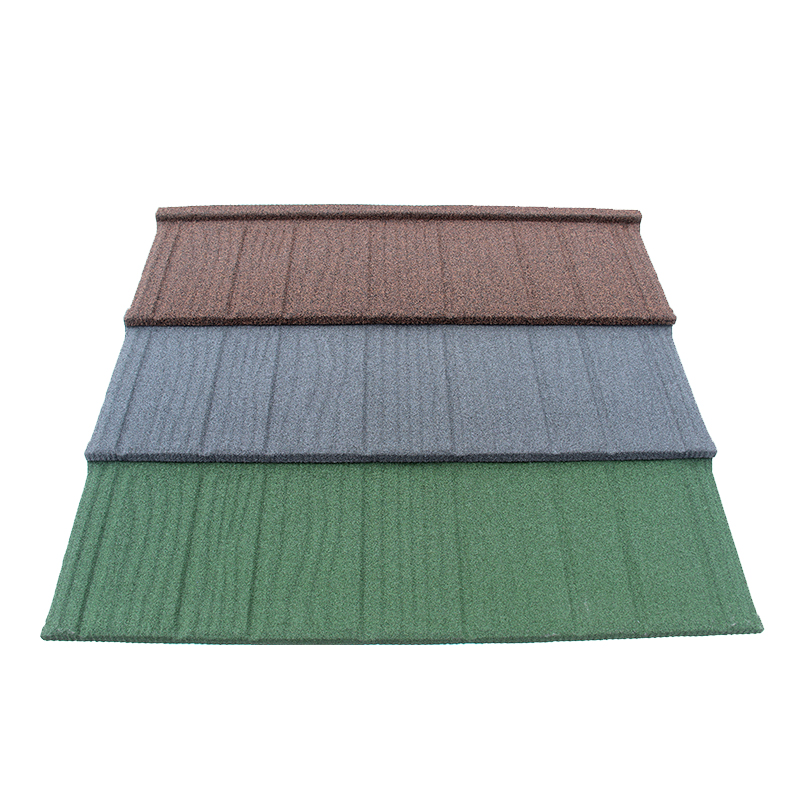
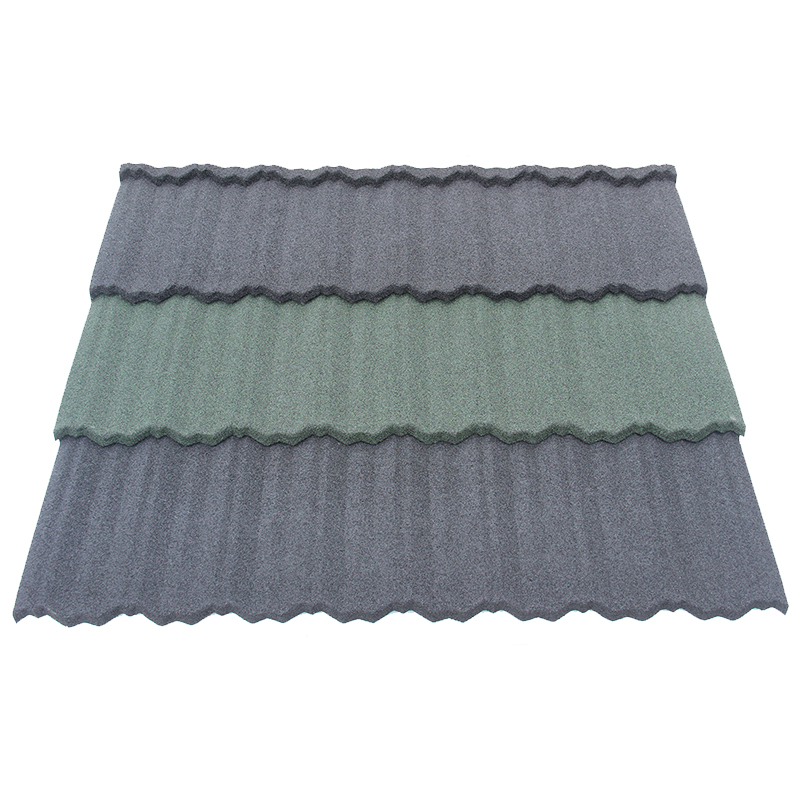
Furthermore, installation mechanics play a crucial role in sound mitigation globally. Modern systems never sit directly flat against the structural plywood deck. Instead, professional installers mount the panels onto raised horizontal timber grids. For example, a rustic Shake Tile uses this framework to create deep visual shadows. Moreover, this underlying batten system creates a highly insulated dead airspace. Indeed, this empty airspace traps and neutralizes residual acoustic vibrations perfectly. Therefore, airborne noise simply cannot penetrate the commercial building envelope.
2. Myth 2: Lightning Attraction and Catastrophic Fire Hazards
Another widespread misconception involves extreme weather and electrical vulnerability globally. Many developers assume that installing massive steel panels transforms buildings into lightning rods. Furthermore, they worry about fire safety in heavily wooded corporate retreats. However, these fears directly contradict fundamental thermodynamic and electrical physics natively. Therefore, evaluating the actual safety metrics of these materials is crucial for B2B buyers. Specifying the wrong material creates massive corporate liability issues.
Electrical Conductivity and Safe Dissipation
First, metal absolutely does conduct electricity effectively and efficiently. However, it does not actively attract lightning strikes from the atmosphere natively. Lightning seeks the highest physical point in the immediate geographical area constantly. If a strike does occur, steel cladding is actually the safest material available. Specifically, it safely disperses the electrical energy across the entire non-combustible surface. Consequently, it prevents concentrated heat from igniting the underlying wooden trusses. Therefore, the commercial facility survives severe electrical storms completely unscathed.
Achieving Absolute Class A Fire Resistance
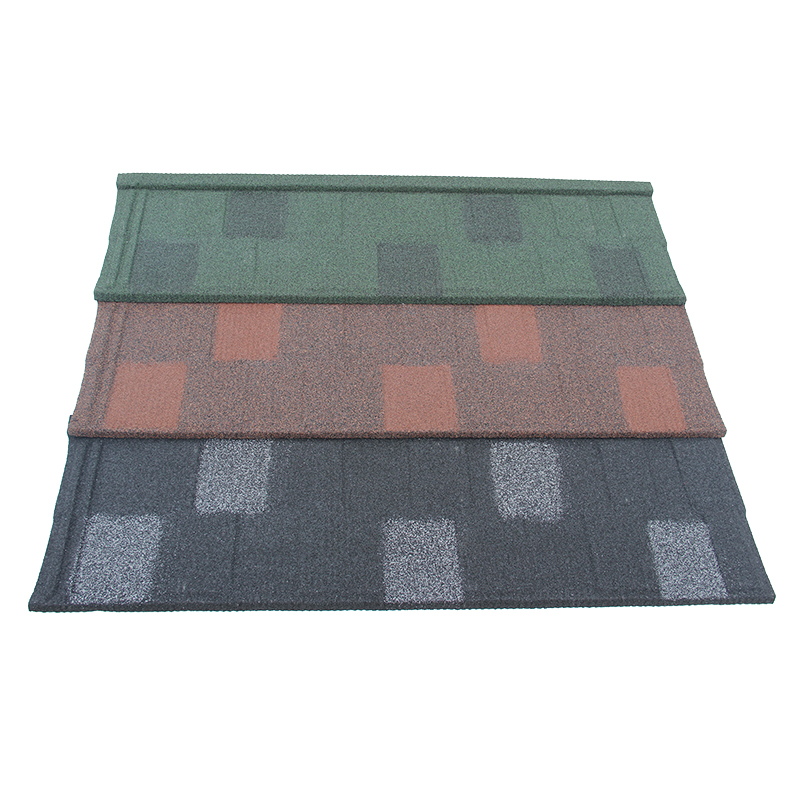
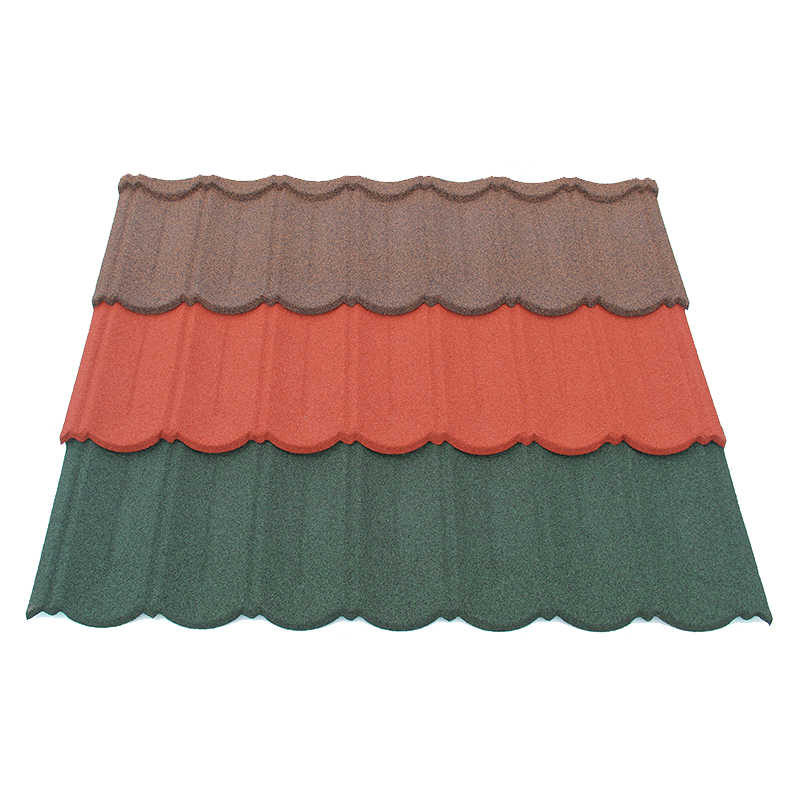
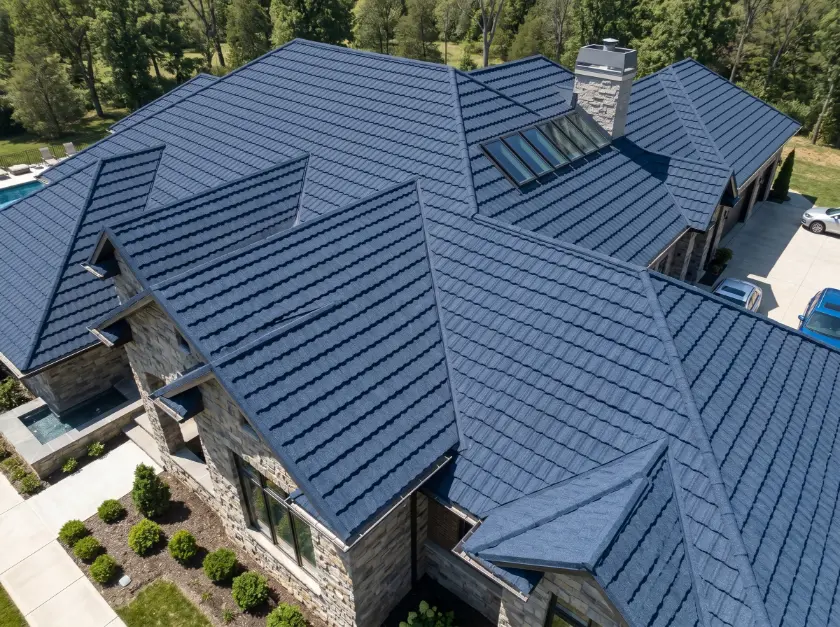
Moreover, fire underwriters heavily penalize buildings using combustible exterior materials today. Traditional cedar shakes represent a massive and unacceptable corporate fire liability globally. Conversely, steel panels provide an absolute Class A fire resistance rating inherently. For instance, a sleek Shingle Tile delivers a classic residential aesthetic completely safely. It provides beautiful geometric alignment without utilizing highly flammable petrochemicals or timber. Therefore, corporate insurance premiums drop significantly when developers specify these safe materials.
3. Myth 3: Extreme Temperatures and Thermal Inefficiency
Critics frequently argue that steel roofs trap heat during peak summer months. They assume the metal absorbs solar radiation and bakes the corporate interior. Conversely, they claim it turns facilities into iceboxes during the freezing winter. Consequently, procurement teams worry about skyrocketing seasonal HVAC operational expenditures. However, advanced thermodynamic engineering proves these assumptions are completely backwards. Let us explore how these advanced systems actually slash energy costs natively. Intelligent procurement leads directly to massive operational savings.
The Power of Above-Sheathing Ventilation (ASV)
Proper thermal management relies entirely on intelligent structural ventilation natively. As mentioned previously, modern panels utilize a raised structural batten grid. This specific installation method creates a continuous, flowing corridor of air. Engineers call this critical feature Above-Sheathing Ventilation, or ASV. When the sun heats the metal, the hot air rises and escapes the ridge. Therefore, the severe heat never transfers down into the corporate facility. Ultimately, the building regulates its internal temperature effortlessly.
Reflectivity and Cooling Cost Reductions
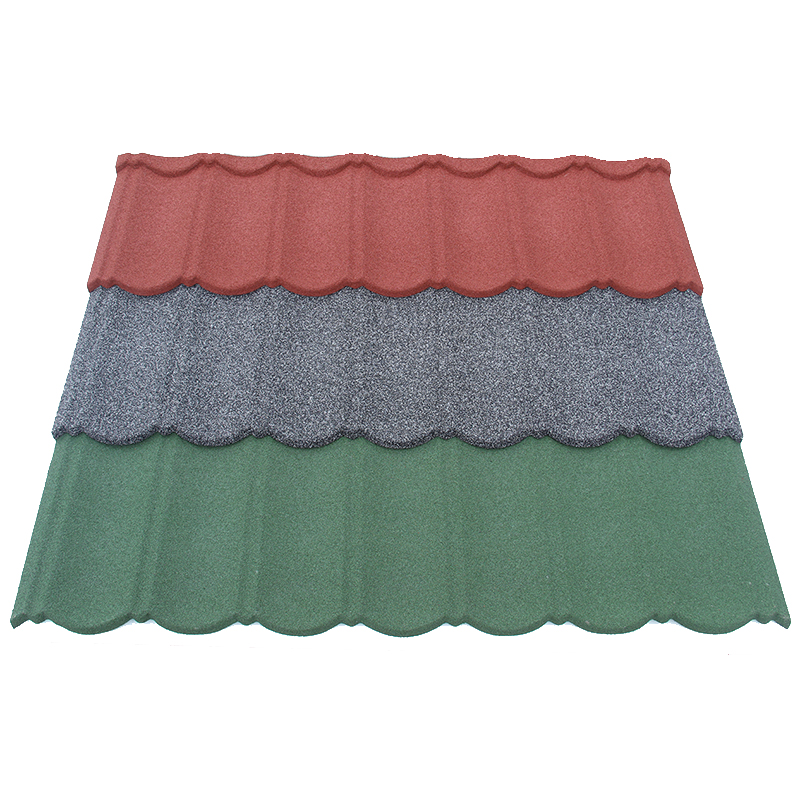
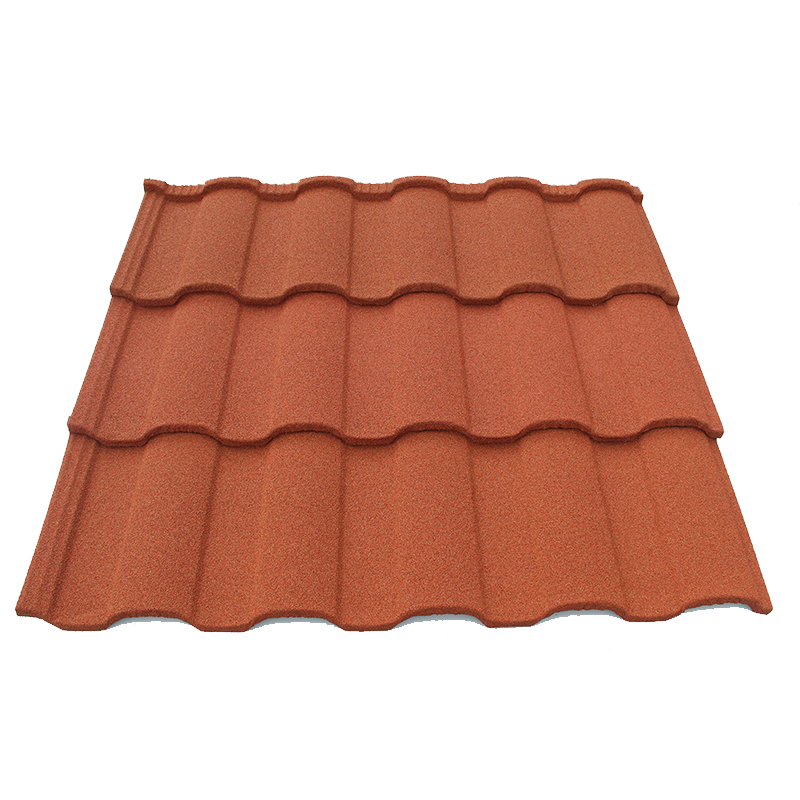
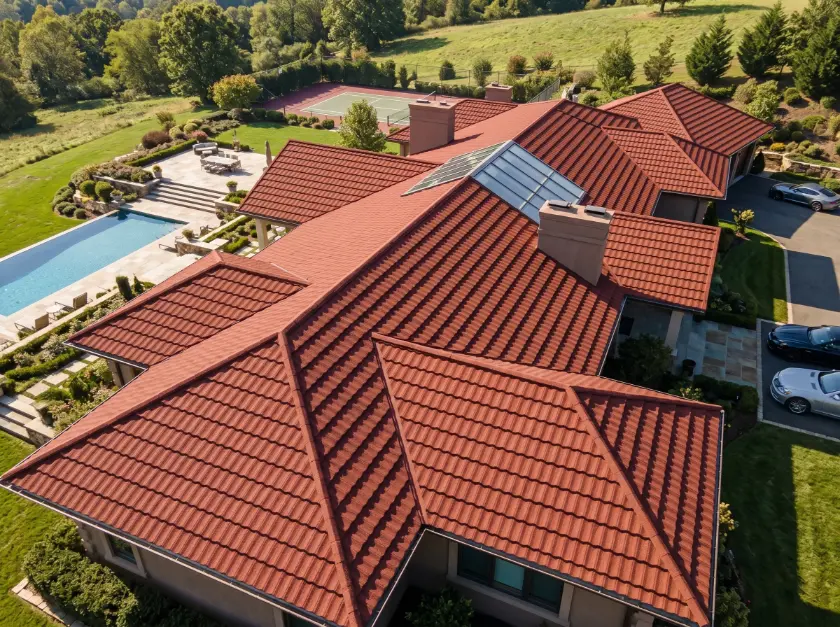
Furthermore, the specific exterior coating actively reflects aggressive solar radiation outward. Traditional dark asphalt absorbs heat, turning roofs into massive thermal radiators natively. However, premium steel panels feature highly reflective chemical glazes natively. For example, a deeply channeled Roman Tile evacuates both heat and water efficiently. Its complex geometry casts micro-shadows that cool the exterior surface continuously. Consequently, facility managers experience massive reductions in their summer cooling bills immediately.
4. Myth 4: Inevitable Susceptibility to Rust and Corrosion
Many property managers believe that all metal will eventually rust and fail. They base this belief entirely on experiences with cheap, untreated corrugated iron. Consequently, they fear installing metal near aggressive coastal saltwater environments globally. However, modern commercial metallurgy has evolved significantly past basic iron and zinc. Therefore, understanding advanced chemical alloys is mandatory for successful B2B procurement today. Auditing global metallurgy prevents massive long-term structural failures.
The AZ150 Aluzinc Chemical Advantage
The structural survival of modern cladding relies on the specific metallic core. Elite manufacturers strictly utilize authentic AZ150 Aluzinc steel natively. This advanced aluminum-zinc alloy provides incredible native resistance against atmospheric corrosion. Specifically, the zinc chemically sacrifices itself to seal exposed cut edges flawlessly. Therefore, it completely prevents the microscopic oxidation that causes devastating pinhole leaks. Indeed, this specific metallurgy guarantees a fifty-year lifespan even in harsh climates.
Eliminating Exposed Fastener Vulnerabilities
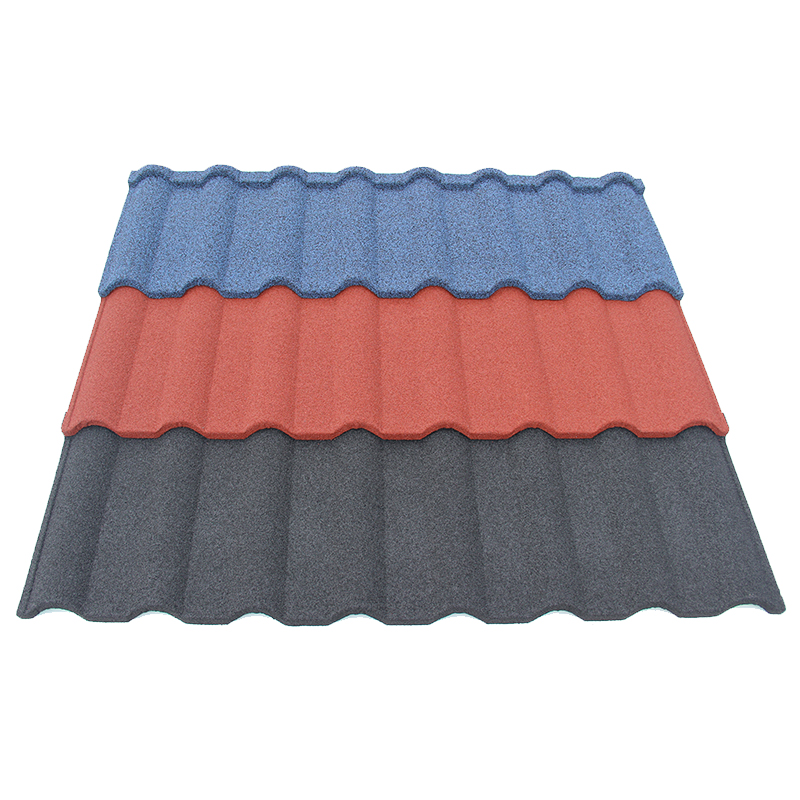
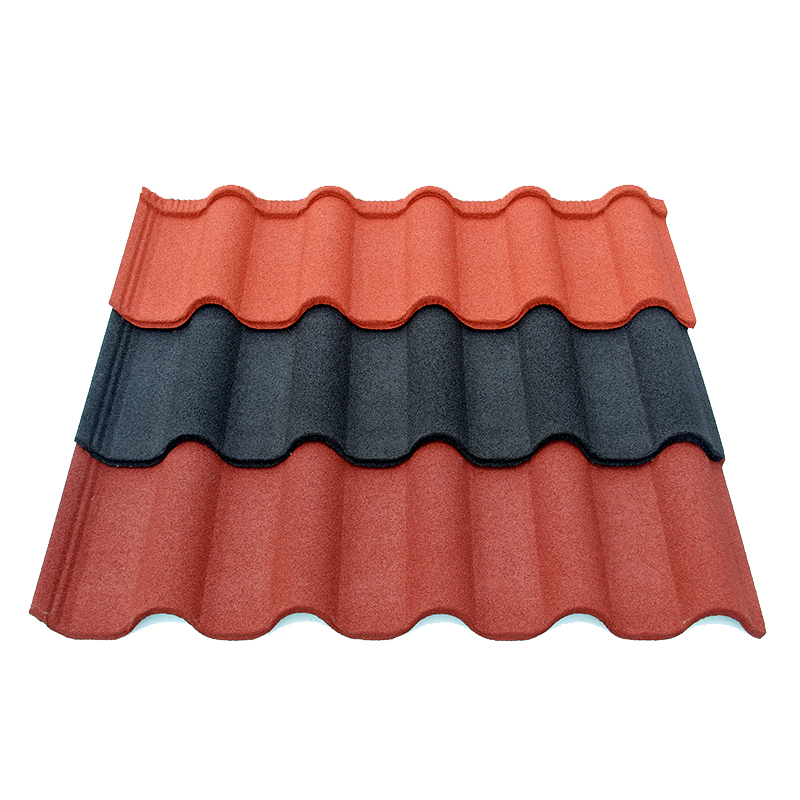
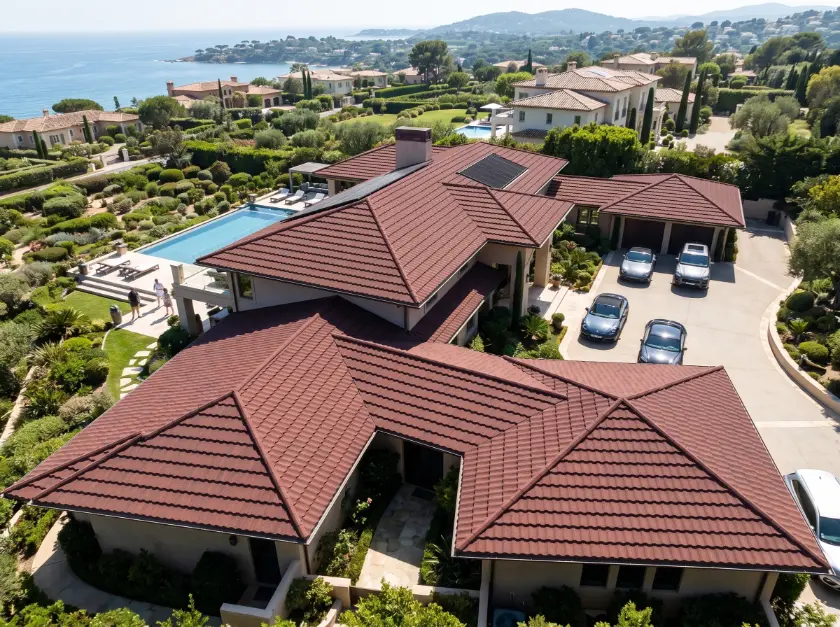
Moreover, rust frequently originates directly at the structural mounting points natively. Cheap systems drive exposed screws directly through the flat metal surface. Over time, these screws loosen, allowing water to pool and rust rapidly. However, advanced systems utilize a completely concealed horizontal fastening technique. For instance, a towering Milano Tile locks into the structural battens seamlessly. The overlapping panel completely hides and protects the structural fasteners beneath it. Therefore, you eliminate the primary vector for water intrusion and rust entirely.
5. Myth 5: Aesthetic Limitations and Industrial Appearance
Finally, the last myth focuses on visual prestige and architectural design globally. Developers often assume metal roofing looks exclusively like cheap industrial warehouses. Consequently, they avoid it for luxury resorts, historic renovations, and corporate headquarters. However, advanced hydraulic stamping technology has revolutionized exterior building aesthetics globally. Therefore, you can achieve any architectural vision without sacrificing structural steel strength. Engineering versatility defines modern architectural cladding.
Mimicking Traditional Architectural Profiles
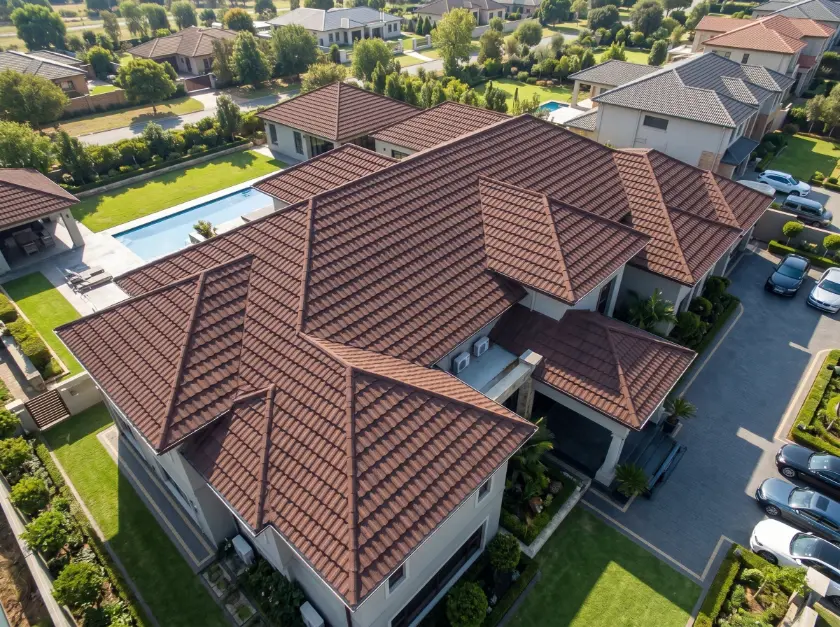
Modern manufacturing presses steel into highly complex, three-dimensional geometric shapes accurately. Therefore, you no longer have to settle for flat, shiny standing seam panels. You can perfectly replicate the aesthetic of traditional, fragile building materials natively. For heavy-duty industrial warehouses, specifying a robust Bond Tile delivers a clean, traditional look. It provides extreme kinetic rigidity while matching classic neighborhood zoning requirements flawlessly. Ultimately, you secure the asset without compromising the desired visual curb appeal.
Vetting Premium B2B Supply Chains
Securing these beautiful, highly engineered materials requires strict global procurement auditing. You must bypass unreliable brokers and partner directly with elite manufacturing facilities. Specifically, JCROOF operates flawlessly within this highly professional, direct B2B manufacturing tier. They leverage eleven years of dedicated experience to produce visually stunning cladding. Operating a massive 10,000-square-meter facility, they guarantee absolute batch consistency globally. Therefore, B2B buyers receive premium architectural aesthetics backed by indestructible industrial metallurgy.
| The Widespread Procurement Myth | The Actual Engineering Reality | B2B Financial Benefit |
|---|---|---|
| Metal roofs amplify rain noise. | Sintered stone granules and air gaps deaden sound completely. | Zero acoustic complaints from high-paying commercial tenants. |
| Metal roofs attract lightning strikes. | They disperse electrical energy safely and are completely non-combustible. | Massive reductions in corporate property insurance premiums. |
| Metal roofs make buildings too hot. | Above-Sheathing Ventilation (ASV) and reflective glazes block heat. | Significant reduction in summer HVAC operational expenditures (OPEX). |
| Metal roofs rust and fail quickly. | AZ150 Aluzinc steel provides active cathodic protection against corrosion. | Secures a permanent 50-year asset lifespan with zero replacement costs. |
| Metal roofs look cheap and industrial. | Hydraulic stamping mimics premium wood, clay, and slate perfectly. | Maintains high property valuations and luxurious aesthetic curb appeal. |