
Commercial real estate valuations depend heavily on uncompromising visual prestige and strict structural integrity globally. However, facility managers face a relentless, silent enemy that destroys both of these critical metrics simultaneously: biological growth. Heavy ambient moisture, intense tropical humidity, and nearby foliage create perfect breeding grounds for destructive organic spores continuously. Consequently, black algae, aggressively spreading moss, and fungal rot attack commercial building envelopes with devastating efficiency. These biological intrusions do not merely ruin the corporate aesthetic; they physically consume and degrade traditional architectural cladding. As a result, property developers suffer massive financial liabilities, funding endless cycles of highly expensive chemical pressure-washing and premature roof replacements. To eliminate these severe operational expenditures (OPEX), B2B procurement officers must engineer their buildings with advanced material science. Specifying Stone coated steel roofing provides the ultimate, impenetrable biological defense for massive corporate assets globally. This highly advanced industrial metallurgy utilizes pure chemical glazes to ensure destructive algae simply cannot survive. Understanding this specific biochemical resistance empowers procurement teams to protect their massive capital investments flawlessly and permanently.
1. The Biological Vulnerability of Traditional Cladding
Understanding how advanced metallurgy defeats algae requires analyzing exactly why traditional building materials fail so miserably globally. Biological growth requires three fundamental elements to thrive: airborne spores, sustained moisture, and a porous surface to anchor into. Traditional commercial roofing materials inadvertently provide all three of these requirements natively, essentially inviting structural rot. Heavy clay, concrete masonry, and natural timber act as massive, inefficient sponges during heavy seasonal rainstorms continuously. Therefore, B2B buyers must recognize that specifying these outdated materials guarantees massive future maintenance liabilities. Eliminating porosity is the absolute first step in defending a commercial real estate portfolio from biological destruction.
Porosity in Concrete and Clay Masonry
Authentic clay barrel tiles and heavy concrete panels project an aura of historical luxury natively. However, on a microscopic level, these dense masonry materials are incredibly porous and highly vulnerable. During severe tropical monsoons or heavy winter fogs, they absorb massive volumes of ambient atmospheric moisture continually. Consequently, airborne algae spores land on these damp, rough surfaces and anchor their microscopic roots deep into the porous material. Once anchored, the algae spreads rapidly across the commercial roof deck, creating repulsive black streaks that destroy curb appeal. Facility managers are then forced to deploy highly toxic, expensive chemical treatments to kill the embedded fungal networks.
The Rapid Decay of Organic Materials
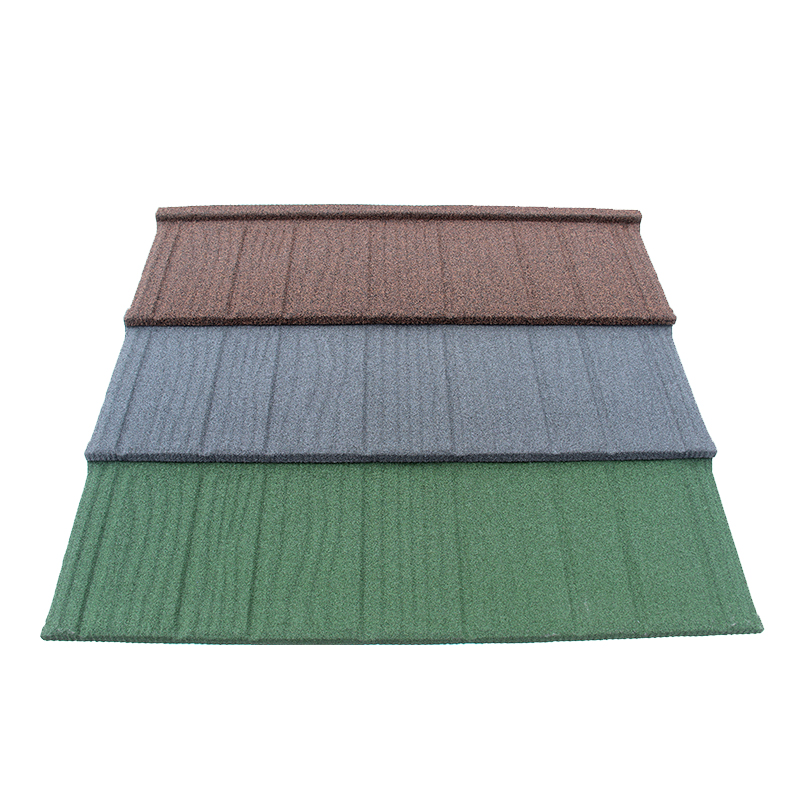
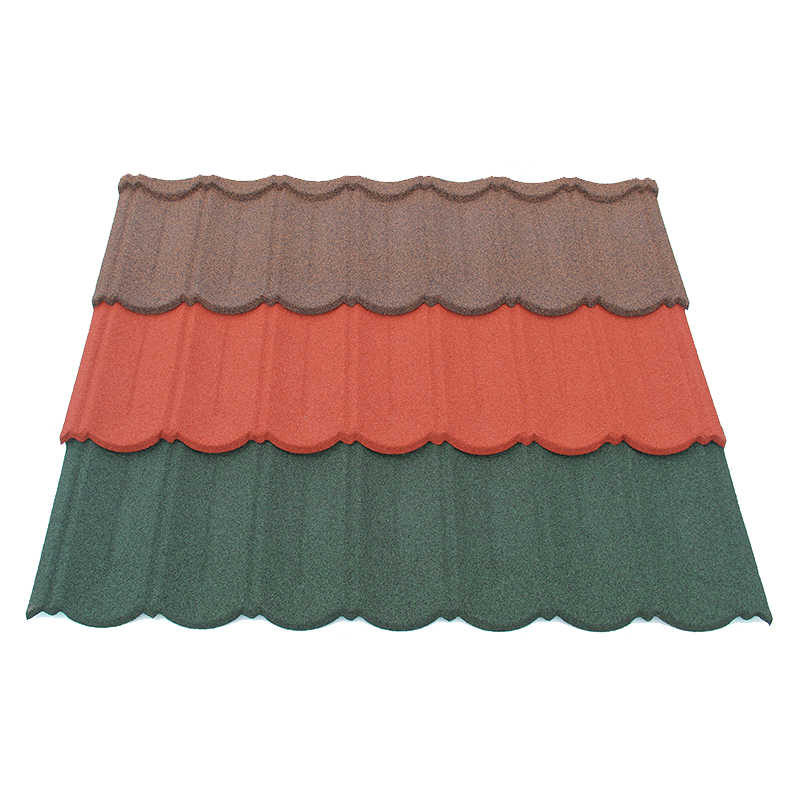
Furthermore, luxury forest retreats often demand rustic, highly organic architectural aesthetics to attract premium international tourism. Historically, developers specified natural cedar timber to achieve this specific visual branding natively. Unfortunately, natural wood provides both a porous anchor and a direct food source for aggressive fungal rot. Wood absorbs heavy moisture continuously, allowing destructive moss to completely dissolve the roof structure within a decade. Today, intelligent developers specify a heavily textured Shake Tile instead to achieve this exact look safely. This advanced steel profile mimics natural hand-split timber beautifully while providing a completely non-porous, sterile metallic foundation natively. Therefore, developers secure breathtaking organic beauty without inviting catastrophic biological degradation.
2. The Chemical Engineering of Pure Acrylic Resin
Modern architectural cladding relies on advanced chemical engineering to completely neutralize biological threats globally. The most critical component of this defense system is the transparent chemical glaze applied during the final manufacturing stage. This specialized polymer serves as the ultimate environmental shield, locking the entire architectural system together perfectly. Furthermore, it completely alters the surface tension and microscopic topography of the commercial roof deck. Therefore, procurement officers must demand specific chemical formulations to guarantee absolute biological resistance natively. Understanding this polymer science allows B2B buyers to prevent incredibly expensive cosmetic failures effectively.
Creating a Sterile, Non-Porous Shield
Elite industrial manufacturers specify 100% pure, UV-stabilized acrylic resin exclusively for their production lines natively. This transparent polymer physically locks the colored mineral layer directly to the underlying heavy-duty steel substrate permanently. More importantly, this pure acrylic creates a completely non-porous, highly sterile exterior surface across the commercial building envelope globally. Consequently, when airborne algae spores land on the roof, they find an impenetrable, glass-like chemical barrier natively. The spores absolutely cannot anchor their microscopic roots into the surface, rendering them completely harmless and isolated. Ultimately, this sterile chemical barrier starves the algae, preventing any biological colonies from establishing themselves on the property.
Self-Cleaning Hydrological Mechanics
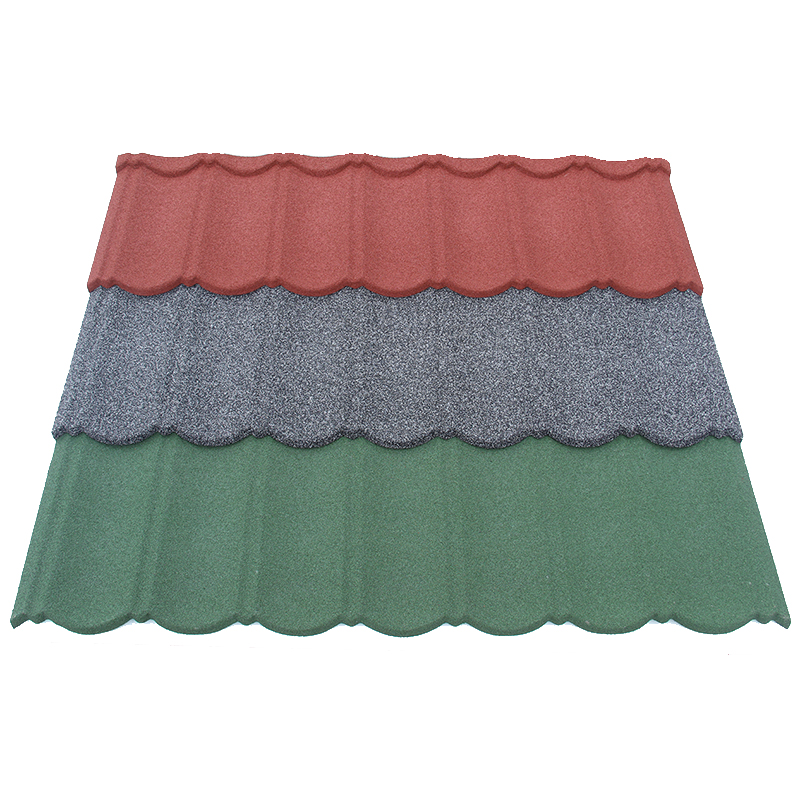
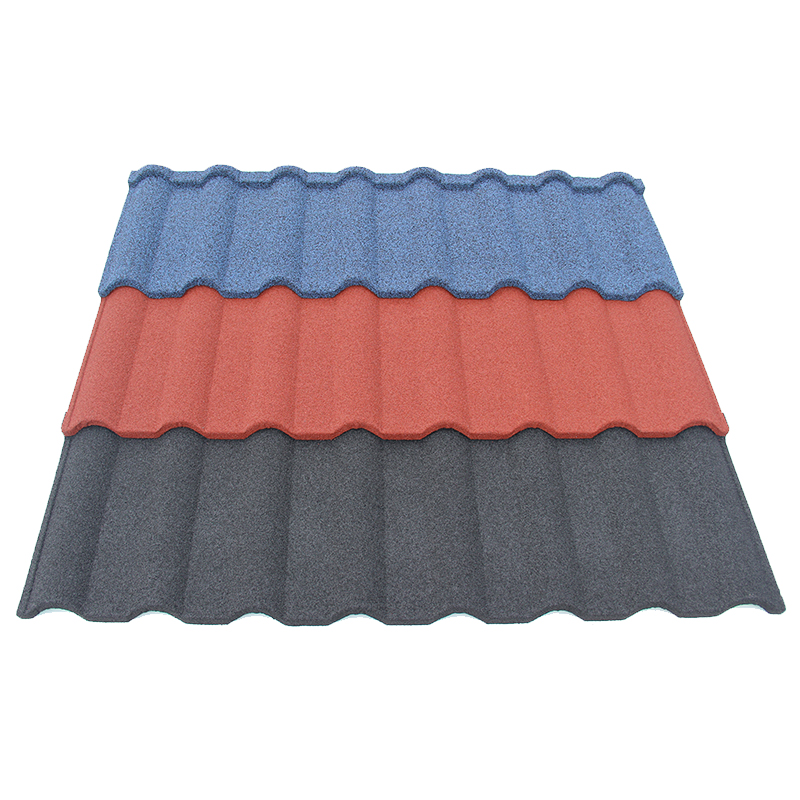
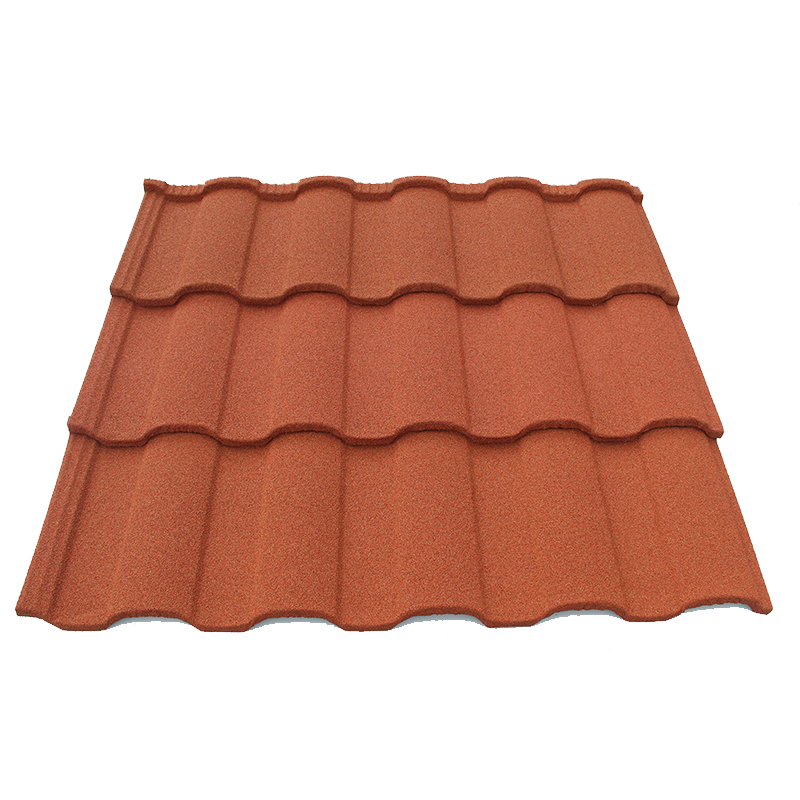
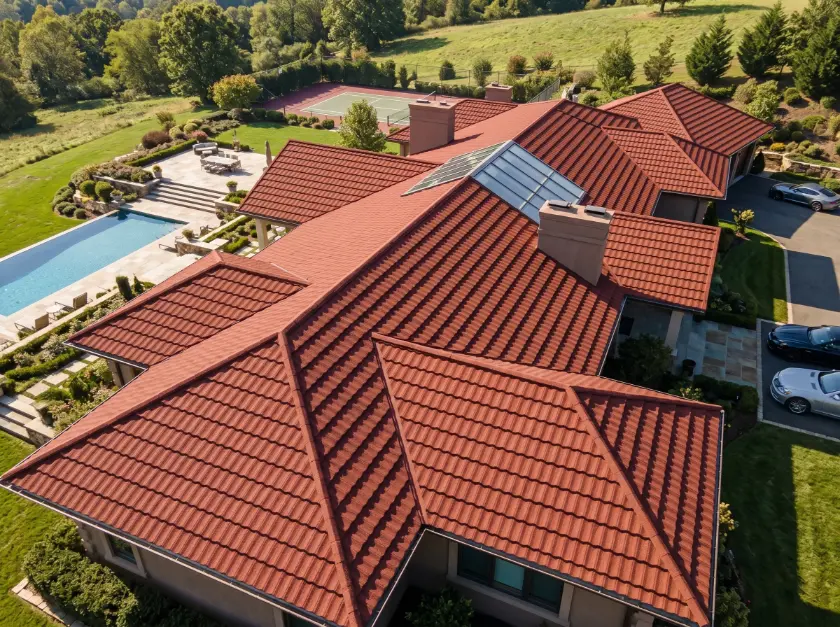
Because the acrylic glaze creates an incredibly smooth, non-porous surface, the roof becomes inherently self-cleaning globally. When algae spores and airborne dirt settle on the panels during dry seasons, they remain completely unattached natively. Consequently, normal seasonal rainfall washes this loose surface debris away instantly and effortlessly. To maximize this self-cleaning effect, architects specify profiles engineered for high-volume water evacuation natively. For example, a deeply channeled Roman Tile routes massive tropical monsoons downward highly efficiently globally. Its deep structural valleys utilize gravity and high-velocity water to flush any potential biological contaminants into the gutter system instantly. Therefore, the commercial facility utilizes natural rainfall to maintain a pristine, algae-free corporate aesthetic automatically.
3. High-Temperature Sintered Basalt vs. Fungal Spores
Beneath the clear acrylic glaze lies a thick, highly protective layer of architectural mineral granules globally. B2B buyers often assume these stones exist purely for aesthetic coloration, but they serve a vital biological defense purpose natively. Cheap roofing manufacturers frequently use organic dyes or substandard aggregates that algae can feed upon directly. However, premium metallurgical systems utilize advanced geological materials that offer absolutely zero nutritional value to biological spores natively. Therefore, auditing the specific origin and treatment of these mineral granules is a strict B2B procurement mandate. Superior mineral selection guarantees the commercial roof remains a hostile environment for algae for fifty decades.
Inorganic Minerals Deflect Organic Growth
Advanced architectural systems utilize high-temperature sintered basalt chips strictly for their protective colored layer natively. Industrial kilns fire inorganic chemical pigments directly into these natural volcanic rocks at extreme temperatures globally. Because these basalt chips are entirely inorganic and encased in pure acrylic, they provide absolutely no biological sustenance natively. Consequently, even if a fungal spore somehow survives on the surface, it will literally starve to death instantly. Algae cannot consume rock or pure acrylic resin, stopping the biological lifecycle completely. Therefore, this inorganic material science ensures the massive corporate asset remains perfectly sterile and structurally secure continuously.
Maintaining Pristine Corporate Aesthetics
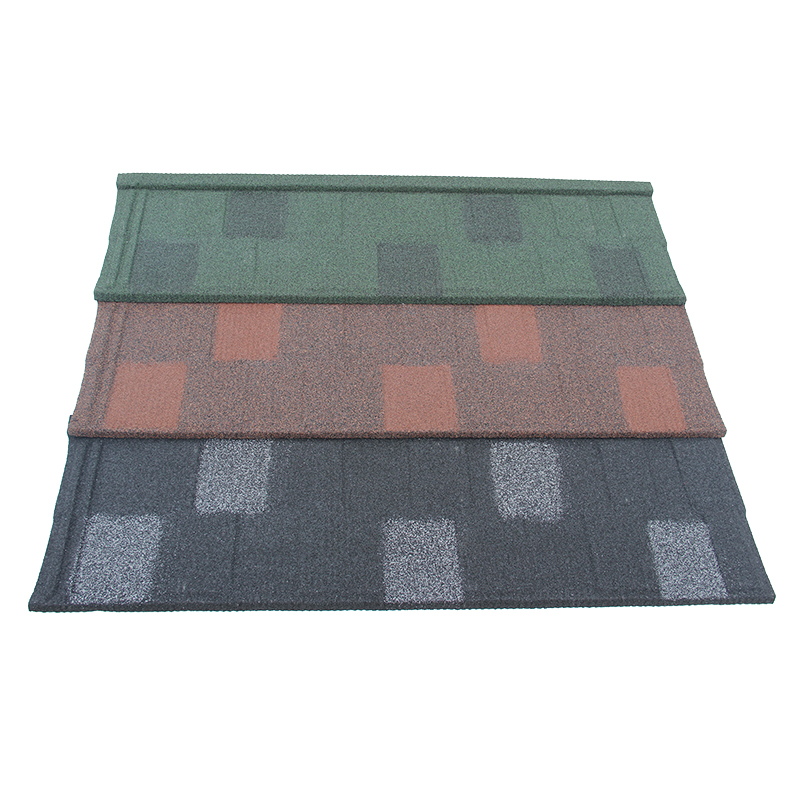
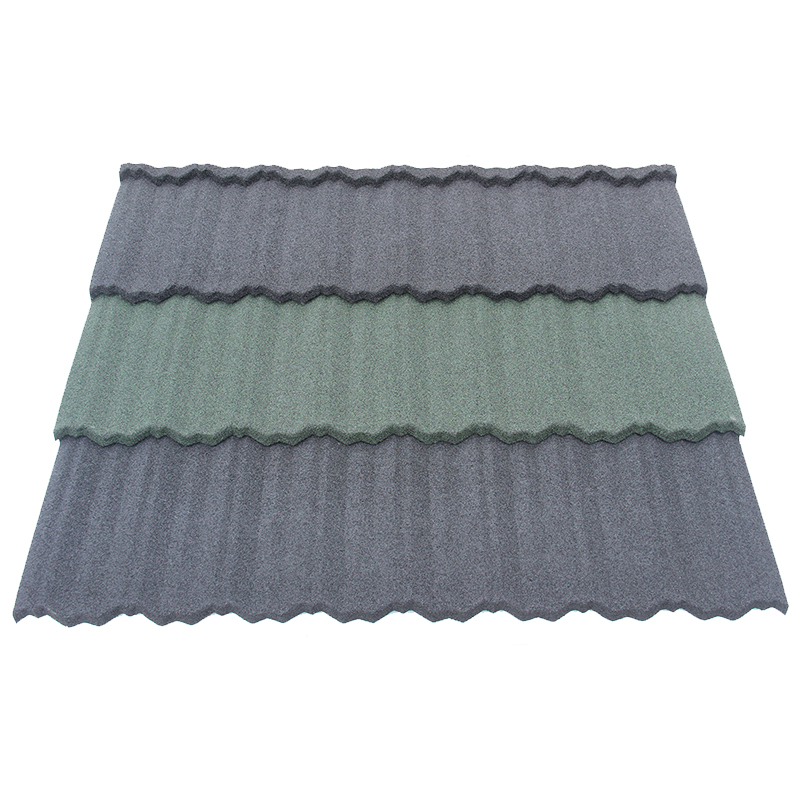
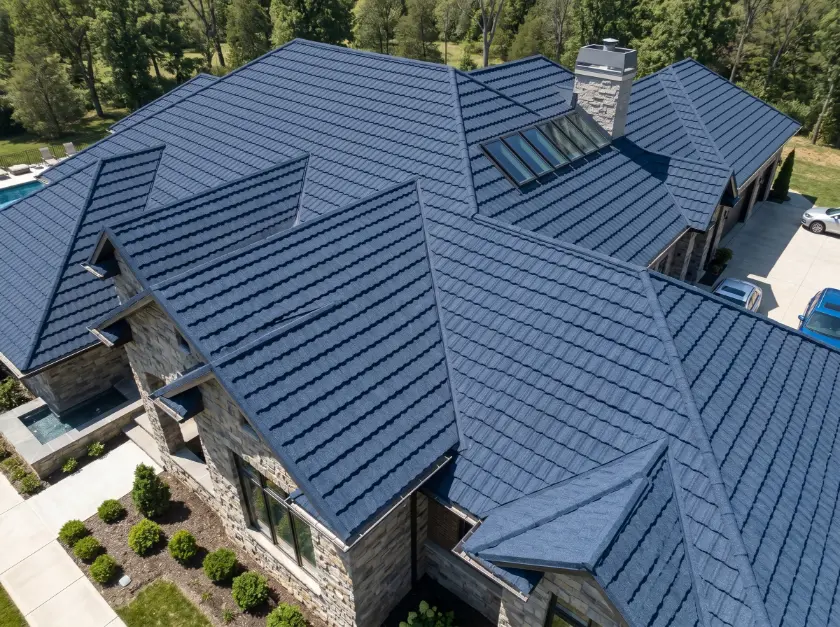
Modern tech parks and corporate headquarters rely heavily on sharp, clean, and highly geometric structural lines continually. For these sleek urban environments, specifying a flat Shingle Tile delivers flawless flush architectural alignment natively. Because this specific profile is relatively flat, any biological growth or dark algae streaks would be immediately highly visible globally. Therefore, the combination of sintered basalt and pure acrylic resin is absolutely mandatory for these minimalist designs natively. The sterile surface ensures that the flat, geometric panels remain perfectly clean, vibrant, and professional for decades. Ultimately, this advanced chemical defense protects the elite visual branding of the property management company flawlessly.
4. Eliminating Costly Reactive Maintenance Cycles
For B2B procurement officers, the true value of biological resistance lies in massive long-term financial savings globally. Traditional porous roofs trap property managers in a vicious, highly expensive cycle of reactive cosmetic maintenance natively. Hiring specialized commercial pressure-washing crews to blast algae off massive roofs destroys lean operational budgets rapidly. Furthermore, these aggressive cleaning techniques severely damage traditional building materials, accelerating inevitable structural failure globally. Therefore, specifying a sterile, algae-resistant roof transforms public and private real estate economics completely natively. Smart procurement eliminates massive maintenance expenditures, directly increasing the Net Operating Income (NOI) of the commercial facility.
Slashing Chemical Washing Budgets
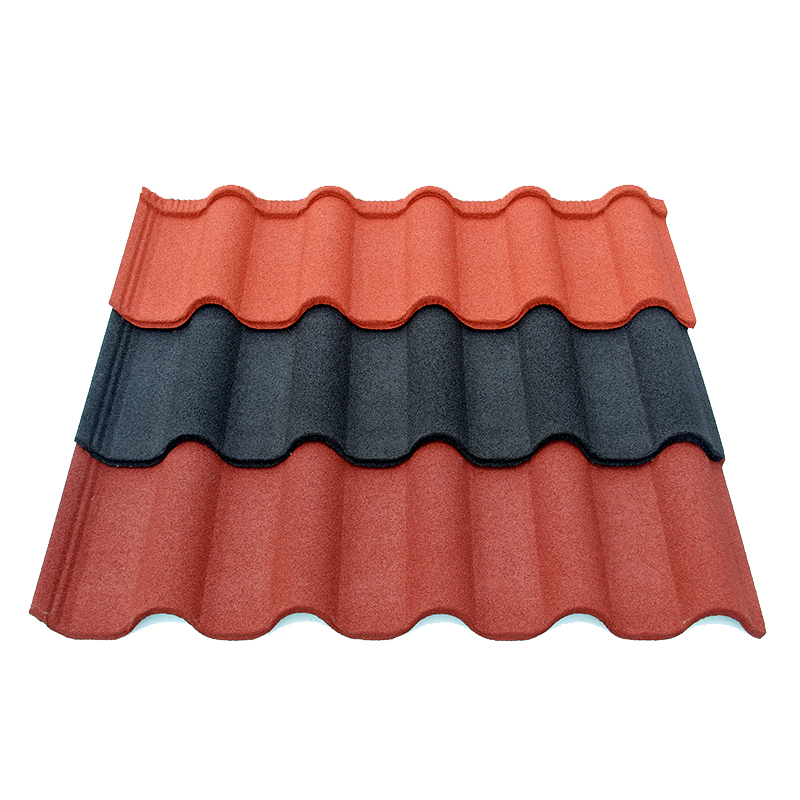
Massive agricultural and industrial warehouses frequently feature incredibly wide, expansive structural roof spans natively. Keeping these vast square footages clean using manual labor or highly toxic chemical sprays is financially impossible globally. Specifically, developers must specify a heavy-duty Bond Tile for these massive industrial applications to ensure absolute kinetic rigidity natively. Because this heavy-duty profile utilizes the sterile acrylic glaze, facility managers never need to deploy power-washing crews. The industrial warehouse remains visually pristine and biologically secure without requiring a single dollar of cosmetic maintenance CAPEX natively. This massive operational saving allows industrial corporations to reinvest their capital directly into their core business.
Preserving High-End Coastal Prestige
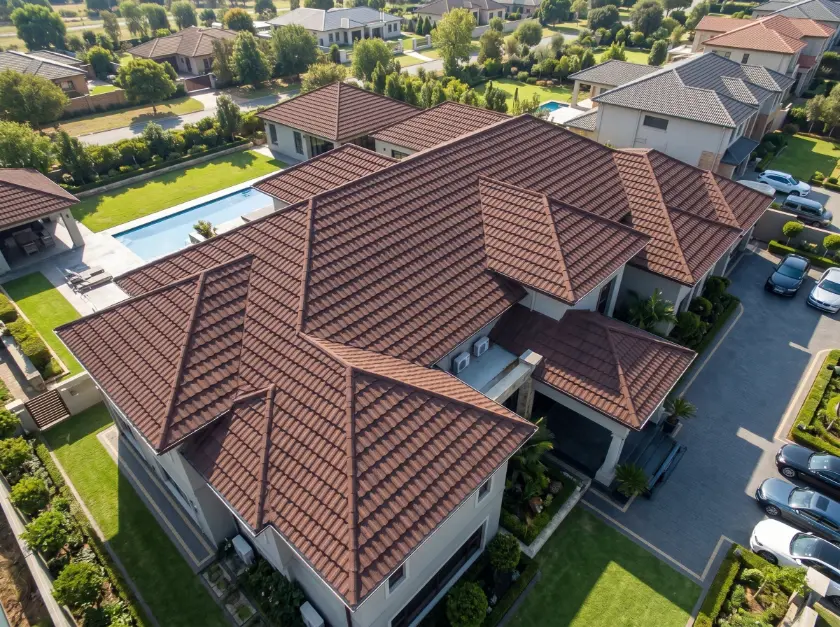
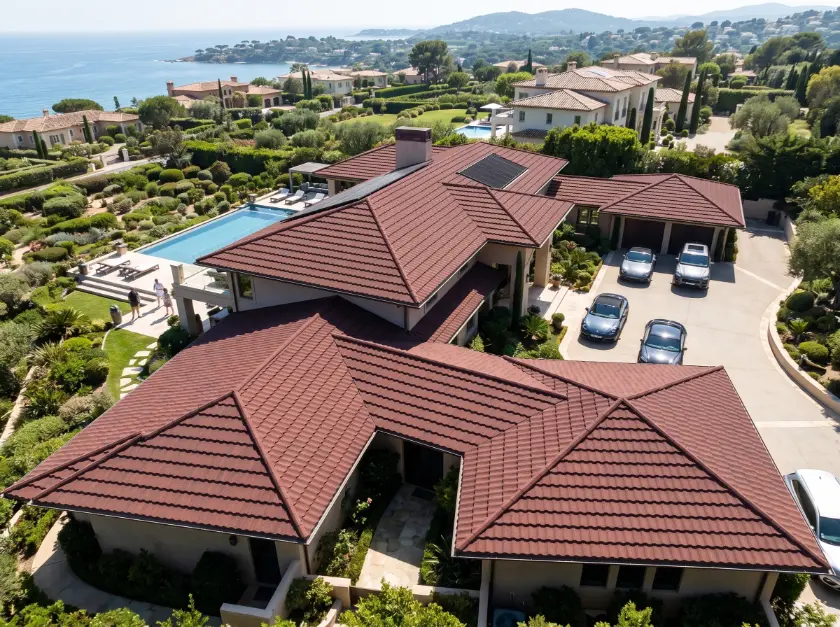
Suburban luxury developments and exclusive seaside resorts require specific historical aesthetics to justify premium international lease rates globally. A sweeping Milano Tile projects massive Mediterranean prestige and historic wealth effortlessly across luxury coastal estates natively. However, these coastal environments feature immense ambient humidity, creating the highest possible risk for severe algae infestations globally. By utilizing advanced metallurgy, developers deploy these sweeping Mediterranean curves without inheriting the disastrous coastal algae problem natively. The pure acrylic coating deflects the heavy coastal moisture seamlessly, ensuring the deep terracotta colors never turn green or black. Consequently, developers secure massive Mediterranean prestige while completely eliminating highly expensive coastal maintenance contracts.
5. Strategic B2B Procurement for Biological Defense
Preventing commercial roof failure and biological infestations begins entirely in the initial B2B global sourcing phase. Corporate buyers cannot simply trust glossy marketing brochures or empty verbal promises from opportunistic overseas vendors natively. You must audit the metallurgical and chemical engineering standards of your potential manufacturing partners rigorously and continuously globally. Cheap, uncertified manufacturers frequently utilize highly diluted resins that delaminate quickly, destroying the biological defense layer instantly. Identifying elite manufacturing partners secures your massive long-term capital investment effortlessly and legally natively. Intelligent financial planning transforms your procurement strategy into a competitive corporate advantage globally.
Auditing Chemical Coating Quality
You must demand independent laboratory testing documents verifying the exact chemical purity of the transparent glaze strictly natively. Substandard suppliers cut manufacturing costs by utilizing cheap polyethylene (PE) or highly diluted styrene blends natively. Consequently, these inferior glazes become porous quickly under intense tropical ultraviolet radiation, allowing algae to anchor deeply. Therefore, B2B buyers must explicitly demand 100% pure, UV-stabilized acrylic resin in all wholesale procurement contracts globally. Rejecting diluted chemical polymers is the only way to guarantee a permanently sterile, non-porous architectural surface natively.
Partnering with Elite Manufacturing Facilities
Large-scale commercial developments demand absolute structural perfection, advanced chemical engineering, and verified batch consistency constantly natively. Therefore, B2B buyers must bypass unreliable retail brokers and partner directly with proven, factory-direct industrial facilities globally. Specifically, JCROOF operates precisely in this highly professional, elite B2B export manufacturing tier reliably and consistently. They leverage exactly 11 years of dedicated manufacturing experience to perfect their advanced, sterile acrylic glazes natively. Operating a massive 10,000-square-meter facility with 140,000 pieces of weekly capacity, they guarantee flawless global fulfillment continuously. Trusting an established industrial expert eliminates massive quality control risks and guarantees your roof remains algae-free permanently.
| Biological Defense Metric | Traditional Porous Materials (Clay/Wood) | Advanced Stone Coated Steel Roofing |
|---|---|---|
| Surface Porosity | Highly porous. Acts as a massive sponge, allowing algae spores to anchor deep roots. | Completely sterile and non-porous. Pure acrylic resin blocks all microscopic root anchors. |
| Moisture Retention | Retains massive ambient humidity, providing the critical water source for fungal growth. | Highly hydrophobic. Sheds heavy rainwater instantly, preventing sustained biological moisture. |
| Nutritional Value for Spores | Natural wood provides direct food; cheap dyes provide organic sustenance for rapid growth. | 100% inorganic. Sintered basalt chips provide zero food, starving the algae instantly. |
| Required Maintenance OPEX | Astronomical. Requires frequent, highly toxic chemical treatments and abrasive power washing. | Zero chemical maintenance. Natural seasonal rainfall washes the smooth surface perfectly clean. |
| Aesthetic Longevity | Degrades rapidly into repulsive black streaks, destroying premium corporate property valuations. | Maintains pristine, vibrant architectural colors flawlessly for a legally binding 50-year lifespan. |