
Global commercial real estate development faces severe, relentless atmospheric threats continuously. Among these threats, intense solar radiation presents a massive, compounding financial liability for corporate property portfolios. Specifically, prolonged exposure to harsh sunlight degrades traditional building materials at a catastrophic molecular level globally. Consequently, the visual prestige of a luxury commercial facility can vanish completely within a few short years. For developers, a faded, chalky building envelope destroys market valuation and limits premium tenant lease rates natively. Therefore, B2B procurement officers must prioritize advanced material science when sourcing exterior architectural cladding globally. Understanding the long-term stability of color pigments in high UV areas is an absolute engineering mandate today. Upgrading to advanced stone-coated steel roofing provides the ultimate, indestructible defense against severe aesthetic degradation. This sophisticated industrial metallurgy utilizes completely inorganic chemistry to lock in vibrant corporate aesthetics permanently. Ultimately, mastering this specific chemical engineering knowledge empowers procurement teams to protect massive capital investments flawlessly.
1. The Physics of Ultraviolet Degradation on Commercial Roofs
The electromagnetic spectrum continuously delivers massive amounts of invisible, highly destructive kinetic energy to the earth. Specifically, Ultraviolet-A (UV-A) and Ultraviolet-B (UV-B) radiation attack the exterior building envelope every single day natively. These specific radiation wavelengths possess enough sheer kinetic energy to violently sever the microscopic chemical bonds of traditional building materials. Consequently, when procurement officers specify cheap petrochemical paints or dyed aggregates, they guarantee premature aesthetic failure globally. The sun literally disassembles the molecular structure of the architectural cladding, leading to massive visual degradation. Therefore, engineering absolute resistance against this solar radiation requires highly specialized, fundamentally different chemical approaches natively. Facility managers must understand exactly how the sun destroys their assets to prevent it effectively.
Organic vs. Inorganic Pigment Chemistry
The fundamental distinction in aesthetic survival lies in the microscopic chemistry of the architectural pigments natively. Traditional asphalt shingles and cheap metal roofs utilize organic, carbon-based pigments to achieve their exterior colors. Unfortunately, carbon bonds are inherently weak and highly susceptible to violent severing by persistent UV radiation globally. Consequently, organic reds, blues, and browns bleach out incredibly rapidly, turning into a dull, visually repulsive gray. Conversely, premium architectural materials utilize completely inorganic pigments derived exclusively from stable heavy metal oxides natively. These inorganic metal oxides possess incredibly dense, secure molecular bonds that completely ignore massive ultraviolet bombardment. Therefore, utilizing inorganic chemistry is the only mathematically sound way to secure true aesthetic permanence globally.
The Protective Role of the Acrylic Binder
However, indestructible inorganic pigments cannot survive if they are simply glued to the roof using cheap, temporary adhesives natively. Low-tier manufacturers utilize highly diluted styrene or polyethylene binders that degrade into a powdery white residue rapidly globally. This specific catastrophic chemical failure is known in the construction industry as “chalking,” which destroys corporate curb appeal completely. Therefore, elite metallurgical systems utilize a 100% pure, highly engineered, UV-stabilized acrylic resin glaze natively. This pure acrylic acts as an impenetrable, transparent sunscreen, locking the inorganic pigments securely to the steel substrate globally. Consequently, this premium molecular shield deflects radiation and prevents chalking entirely, ensuring the roof remains permanently vibrant and shiny.
2. Sintering: The Core Principle of Color Permanence
Simply mixing inorganic pigments into a liquid paint does not provide the massive durability required for fifty-year commercial warranties globally. Liquid paints eventually peel, crack, and blister under the severe thermal expansion generated by the equatorial sun natively. Therefore, B2B procurement officers must demand a vastly superior method of applying color to architectural steel panels globally. Advanced stone-coated metal roofing utilizes a complex, high-energy geological process called sintering to achieve absolute color permanence natively. This massive industrial process fundamentally alters the raw materials, creating an indestructible aesthetic barrier against the harsh environment. Understanding the mechanics of industrial sintering guarantees B2B buyers never fall victim to cheap, dyed imitations globally.
Achieving Absolute Molecular Stability
The sintering process begins with raw, highly durable, natural volcanic basalt rock excavated from deep quarries natively. In massive industrial facilities, engineers coat these basalt chips with a thick slurry of pure inorganic metal oxide pigments globally. Subsequently, the coated stones enter massive rotary kilns and are subjected to temperatures exceeding 800 degrees Celsius natively. This extreme thermal energy literally melts the metal oxides directly into the porous surface of the basalt rock globally. Consequently, the color is not merely a superficial paint layer; it becomes a permanent, integrated part of the stone itself natively. Therefore, this extreme vitrification process guarantees the long-term stability of color pigments in high UV areas completely and safely.
Eliminating Chemical Fading and Discoloration
Because the color is permanently fused into the volcanic rock, it cannot be bleached, washed away, or degraded chemically natively. During torrential monsoons and blistering summer heatwaves, the sintered basalt chips remain completely inert and structurally unbothered globally. Furthermore, these inorganic stones actively reflect massive amounts of solar radiation away from the underlying steel core natively. Consequently, this thermal reflection actively reduces the overall cooling load of the commercial facility, dropping HVAC operational expenditures significantly globally. Ultimately, the high-temperature sintering process serves dual engineering purposes: absolute aesthetic preservation and massive corporate energy efficiency natively. Procurement teams secure a highly profitable, permanent aesthetic asset by mandating sintered basalt chips strictly.
3. Architectural Selection for High-Solar Climates
B2B procurement requires matching highly specific visual aesthetics to exact environmental engineering needs seamlessly across massive global portfolios natively. Different geographical regions impose vastly different atmospheric punishments on commercial building envelopes continuously and predictably globally. Therefore, selecting the correct architectural profile is critical for maximizing the aesthetic longevity of the corporate real estate asset natively. Fortunately, advanced hydraulic stamping presses heavy steel into highly complex geometric shapes accurately, without sacrificing chemical integrity globally. Strategic material selection protects both the lean corporate construction budget and the specific visual architectural brand perfectly natively. Customizing the tropical skyline requires highly precise B2B procurement choices globally.
Modernizing Sun-Drenched Corporate Campuses
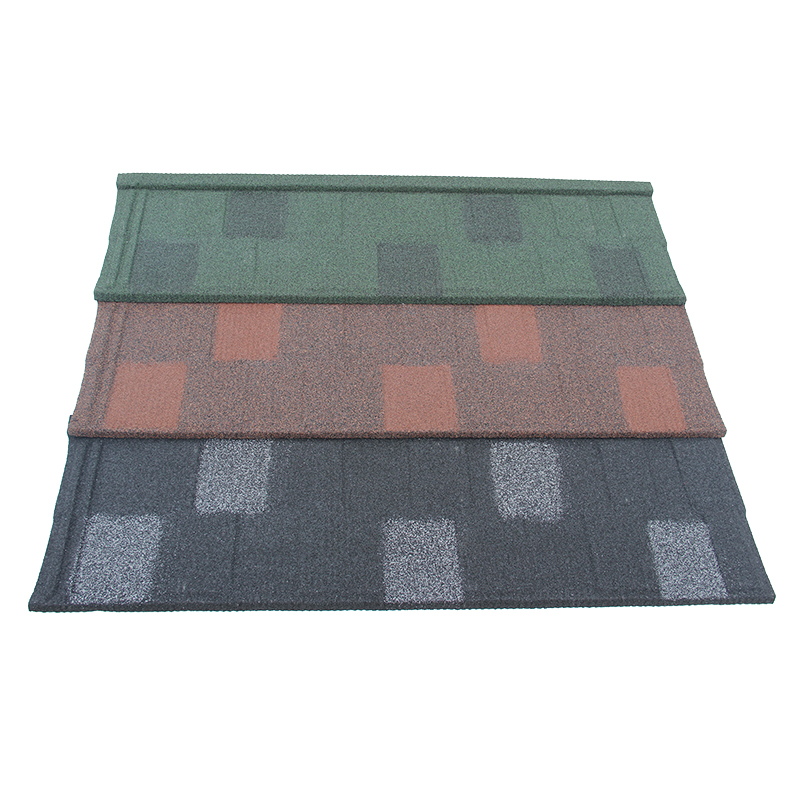
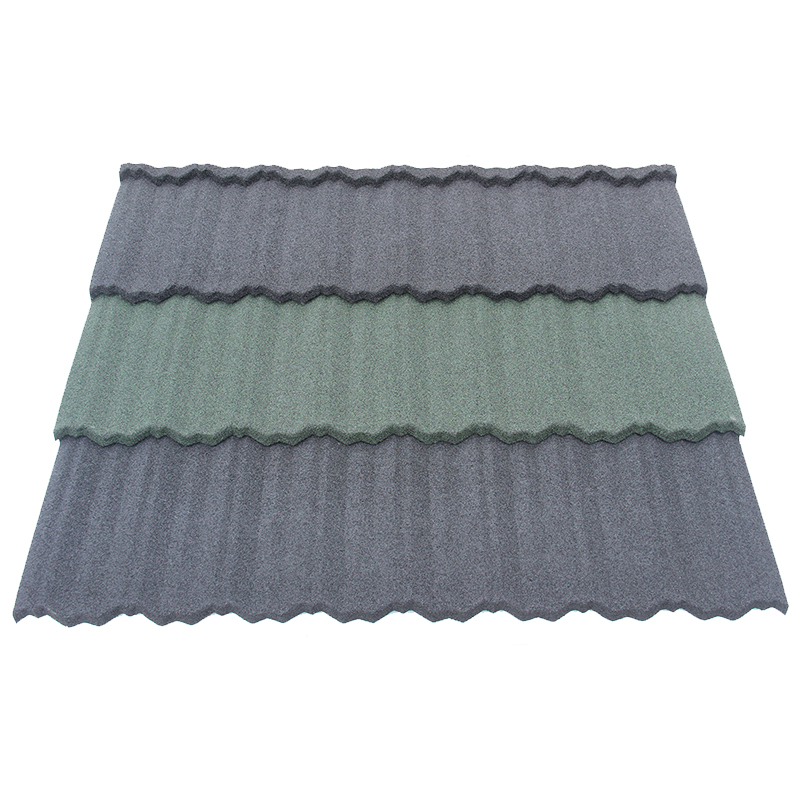
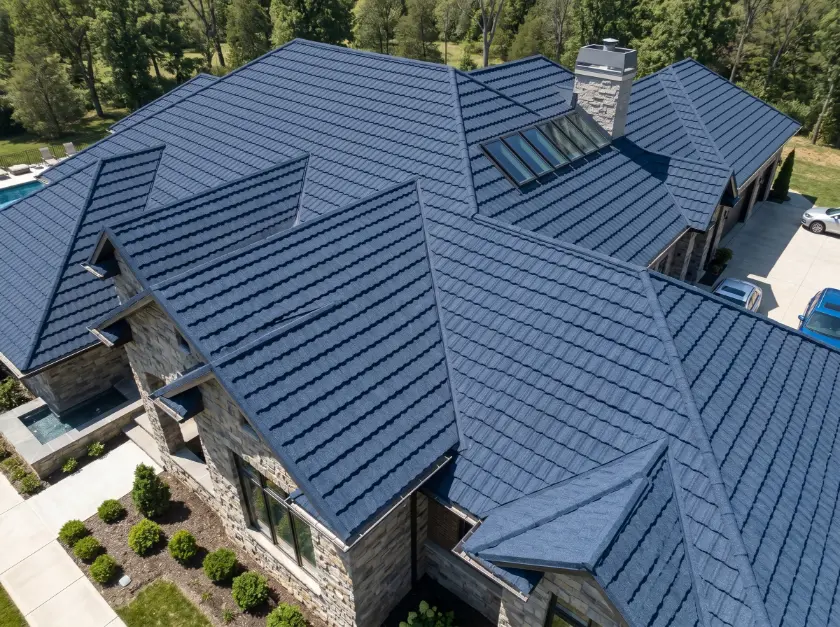
Modern corporate architecture relies heavily on sharp, clean, and highly geometric structural lines continually globally. For these sleek, sun-drenched urban environments, specifying a flat Shingle Tile delivers flawless flush architectural alignment natively. Because this specific profile is relatively flat, any massive solar fading or chemical chalking would be immediately highly visible globally. Therefore, the combination of sintered basalt and pure acrylic resin is absolutely mandatory for these minimalist corporate designs natively. The sterile, UV-resistant surface ensures that the flat panels remain perfectly clean, highly vibrant, and professional for decades natively. Ultimately, this advanced chemical defense protects the elite visual branding of the property management company flawlessly.
Securing Tropical Coastal Estates
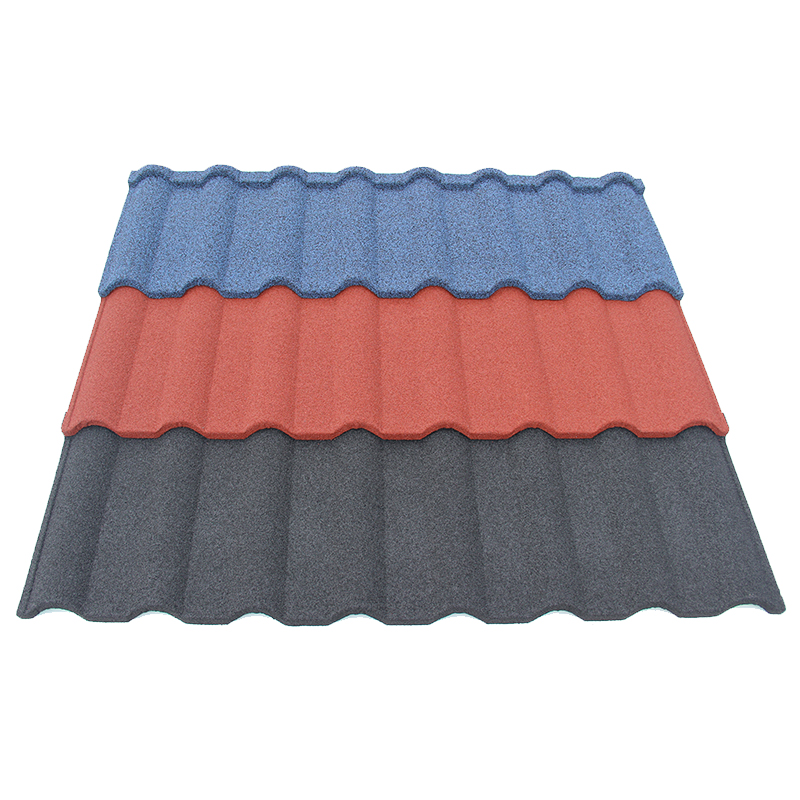
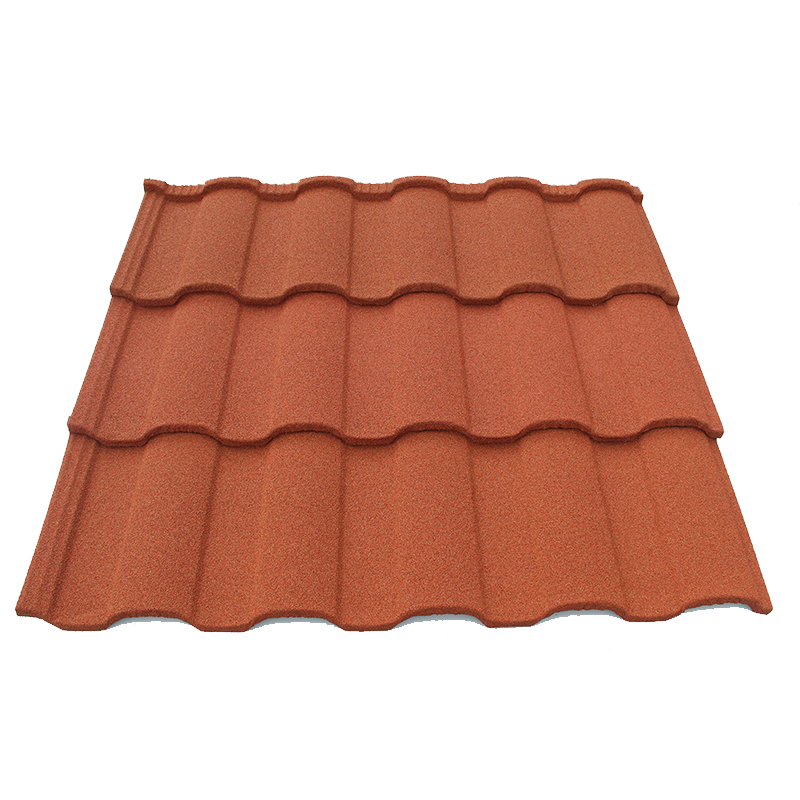
Coastal commercial properties face sudden, highly violent downpours frequently, combined with blistering, magnified coastal sunlight natively. A deeply channeled Roman Tile routes massive tropical monsoons downward highly efficiently for these luxury resorts globally. Its exaggerated geometric curves evacuate severe volumes of rainwater safely away from the building interior natively. However, these deep channels also cast intense, focused shadows and catch concentrated sunlight at aggressive angles globally. Therefore, the inorganic sintered pigments ensure that the deep drainage valleys do not fade unevenly under focused coastal radiation natively. The complex profile maintains absolute color uniformity, ensuring the resort looks pristine from every visible angle continuously.
Preserving Mediterranean Prestige
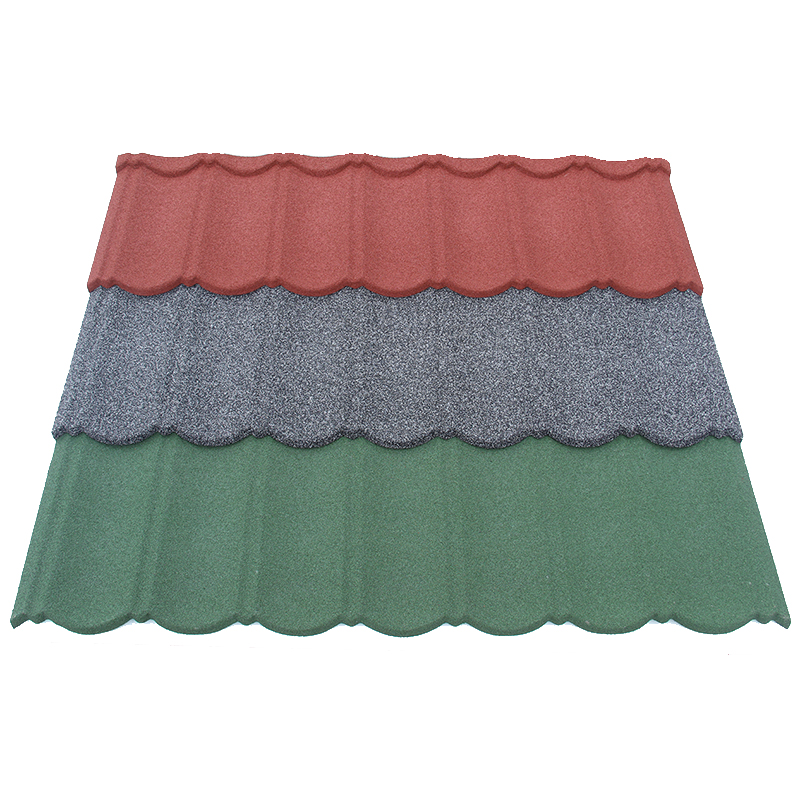
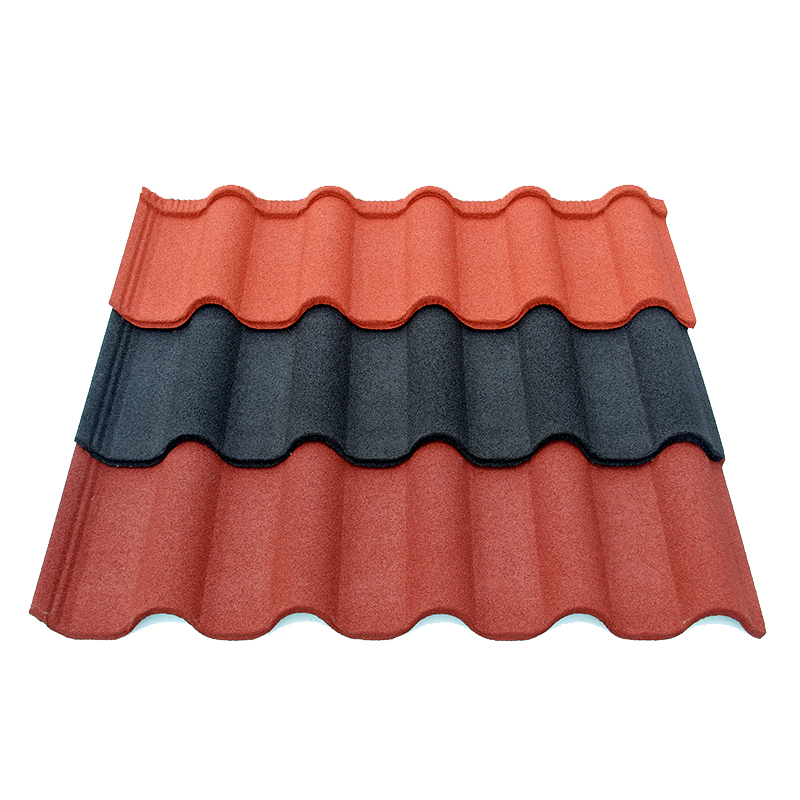
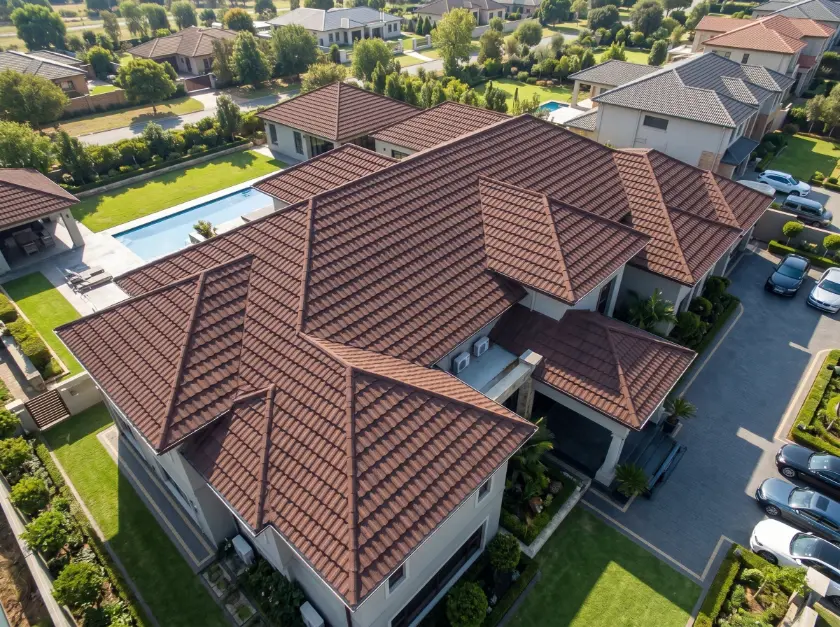
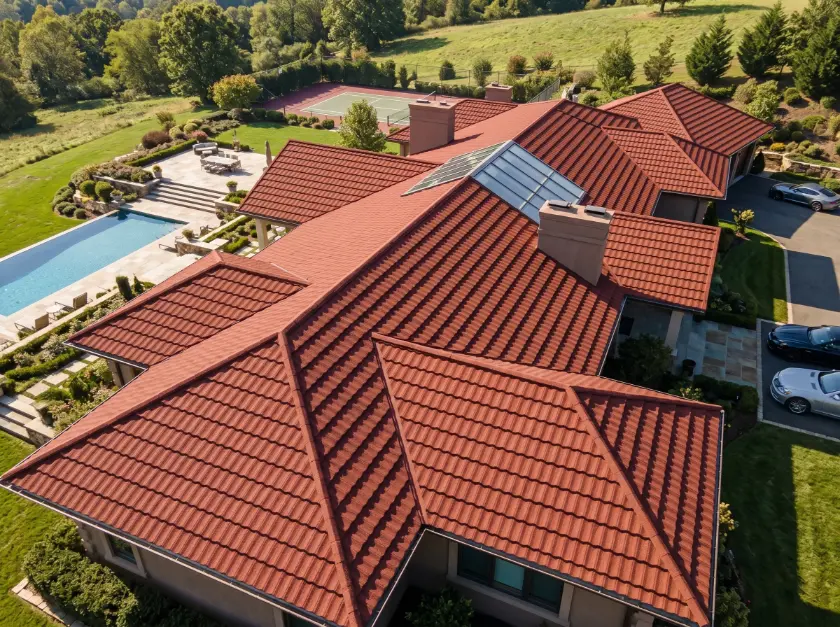
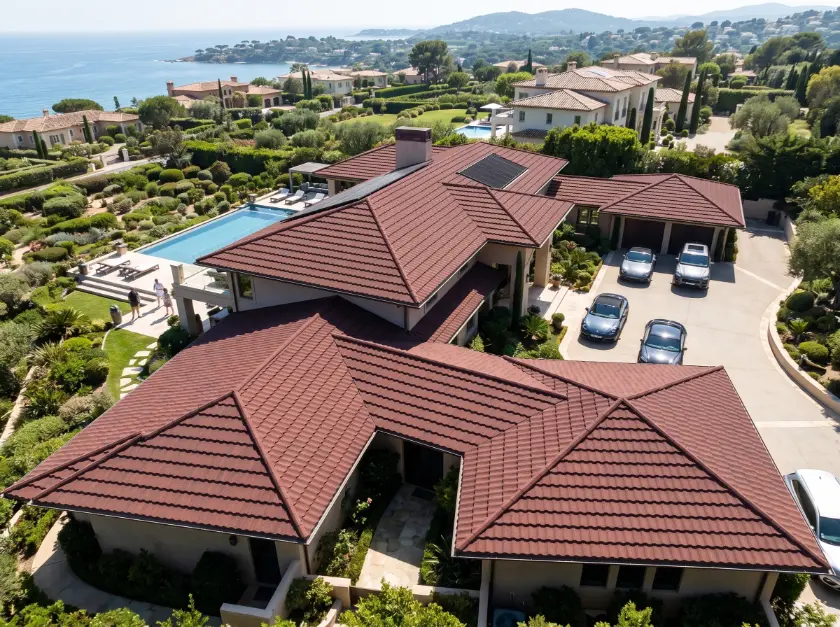
Suburban luxury developments require specific historical aesthetics to justify premium international corporate lease rates globally. A sweeping Milano Tile projects massive Mediterranean prestige and historic wealth effortlessly across luxury coastal estates natively. Historically, deep terracotta and rich reds are the most difficult colors to stabilize against ultraviolet degradation globally. Organic reds absorb blue and green light aggressively, leading to incredibly rapid, destructive molecular breakdown natively. By utilizing exclusively inorganic iron oxides during the high-temperature sintering process, these deep Mediterranean reds remain perfectly stable globally. Consequently, developers secure breathtaking historical prestige without the massive risk of premature, highly ugly roof fading natively.
Eco-Resorts in Harsh Alpine Sunlight
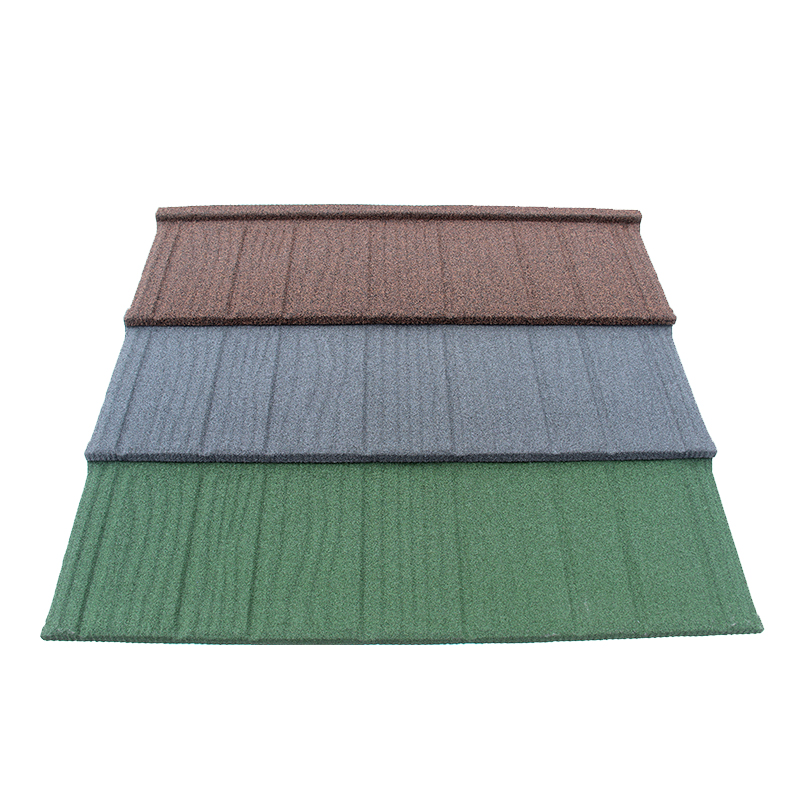
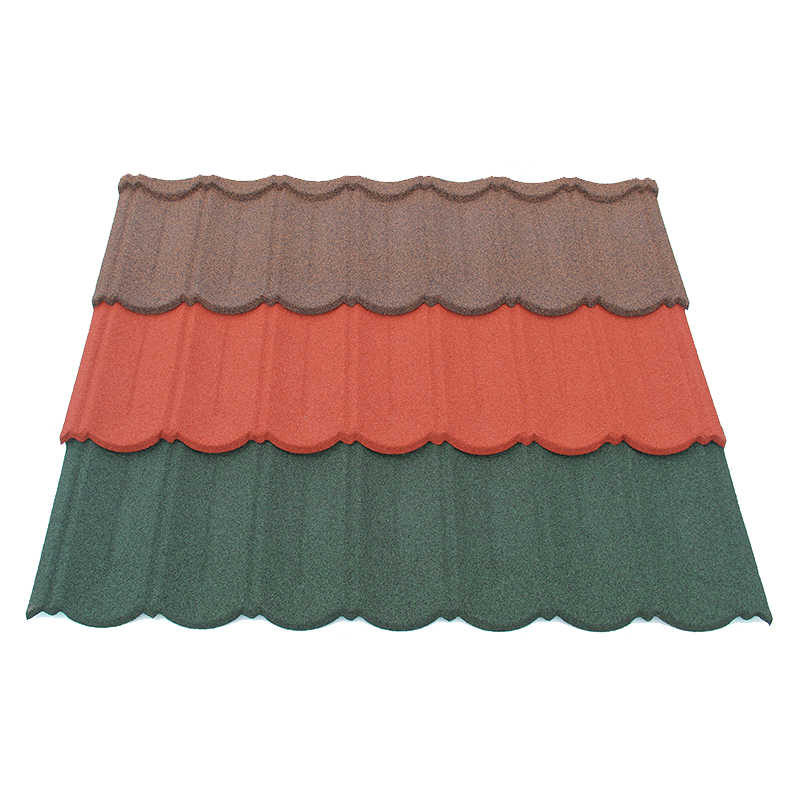
Luxury forest eco-lodges frequently demand rustic, organic appearances to attract premium international tourism continuously in remote high-altitude locations natively. High-altitude environments possess thinner atmospheres, leading to exponentially higher, more aggressive levels of ultraviolet radiation globally. A heavily textured Shake Tile mimics natural hand-split timber safely and highly efficiently without bleaching under this extreme UV load natively. This specific profile completely eliminates the massive biological rot and severe sun-bleaching associated with raw, untreated cedar wood globally. Therefore, developers secure breathtaking organic textures while maintaining absolute color stability and Class A fire resistance natively.
4. Supply Chain Auditing for Authentic Pigmentation
Securing absolute color permanence requires highly rigorous B2B procurement auditing and strict global supply chain management natively. The international construction market features many highly unreliable, opportunistic trading brokers who routinely lie about their chemical specifications globally. These shadowy entities frequently substitute high-performance sintered basalt with cheap, chemically dyed river sand to cut costs natively. Consequently, developers who fail to audit their global supply chain purchase guaranteed cosmetic failures for their commercial portfolios globally. Therefore, intelligent procurement strategies demand exhaustive factory verification to protect massive corporate capital investments completely natively. You must interrogate the chemical origins of your architectural cladding relentlessly to ensure long-term B2B success globally.
Identifying Fake Dyed Sand Substitutes
Chemically dyed river sand looks visually acceptable on the factory floor but fails catastrophically in the real world natively. Cheap manufacturers mix organic dyes with basic adhesives, coating standard sand quickly without utilizing expensive, high-temperature kilns globally. Consequently, when exposed to boiling water or intense artificial UV testing chambers, this cheap dye bleeds and washes away instantly natively. B2B procurement officers must demand accelerated UV testing certificates from independent, third-party global laboratories natively. Furthermore, dropping a sample panel into boiling water onsite acts as a rapid, highly effective quality control test globally. If the water turns the color of the roof, you have exposed a fraudulent, highly dangerous B2B supplier natively.
Partnering with Verified Industrial Experts
Large-scale commercial developments demand absolute aesthetic perfection, advanced chemical engineering, and verified batch consistency constantly natively. Therefore, B2B buyers must bypass unreliable retail brokers entirely and partner directly with proven, factory-direct industrial facilities globally. Specifically, JCROOF operates precisely in this highly professional, elite B2B export manufacturing tier reliably and consistently globally. Leveraging exactly 11 years of dedicated manufacturing experience, they strictly utilize authentic high-temperature sintered basalt chips natively. For massive agricultural and industrial warehouses, their heavy-duty Bond Tile delivers extreme kinetic rigidity while maintaining flawless color under blistering sun. Trusting an established industrial expert eliminates massive cosmetic risks entirely, ensuring your corporate assets remain vibrant for decades globally.
5. Common B2B Procurement Questions on UV Defense (FAQ)
Procurement teams often encounter internal skepticism and highly complex financial hurdles when proposing advanced architectural materials natively. General contractors and corporate investors frequently ask detailed questions regarding the true mechanics of aesthetic warranties globally. Consequently, B2B buyers must understand the precise chemical and metallurgical realities of advanced solar defense natively. Educating your corporate procurement team ensures smooth project approval and flawless customized execution continuously globally. Avoiding common bespoke procurement pitfalls accelerates your commercial real estate development massively natively. Let us address these specific environmental and chemical challenges definitively to protect your assets completely.
Do dark architectural colors fade faster than light colors in high UV zones?
This is a widespread, highly pervasive myth derived entirely from experiences with cheap, organically painted building materials natively. With traditional paints, dark colors absolutely absorb more massive solar energy, leading to rapid, highly destructive thermal fading globally. However, because premium stone-coated panels utilize inorganic, high-temperature sintered basalt chips, this traditional rule does not apply natively. Inorganic black, deep charcoal, and rich terracotta possess the exact same massive molecular stability as lighter grays or whites globally. Therefore, commercial architects have absolute freedom to specify dark, dramatic corporate colors without fearing premature aesthetic degradation natively.
How does the AZ150 Aluzinc core interact with the color layer?
The aesthetic longevity of the commercial roof relies heavily on the structural integrity of the underlying metal natively. If the steel core rusts, it will physically blister and push the beautiful stone granules completely off the panel globally. Therefore, authentic AZ150 Aluzinc steel is an absolute requirement for long-term aesthetic survival natively. This advanced aluminum-zinc alloy provides active cathodic protection, preventing the microscopic red rust that causes massive cosmetic delamination globally. Consequently, the pure acrylic glaze, the sintered basalt chips, and the Aluzinc core operate as a singular, highly synergistic defense system natively. You cannot maintain color permanence if the structural foundation degrades.
| Aesthetic Survival Metric | Cheap Dyes and Organic Paints | High-Temperature Sintered Basalt |
|---|---|---|
| Pigment Chemistry | Organic, carbon-based pigments. Highly susceptible to violent UV molecular severing globally. | 100% Inorganic metal oxides. Features indestructible molecular bonds that ignore UV radiation. |
| Application Method | Cold-mixed with weak adhesives. Easily bleeds, runs, and washes away during heavy tropical rain natively. | Fired in kilns at 800°C. Color is permanently melted and fused directly into the natural volcanic rock. |
| Resin Binder Integrity | Diluted styrene or cheap PE. Breaks down rapidly into an ugly, powdery white “chalk” globally. | 100% pure, UV-stabilized acrylic. Acts as a permanent, clear sunscreen preventing all chalking natively. |
| Thermal Efficiency | Absorbs massive thermal heat, transferring it directly into the corporate facility interior natively. | Actively reflects intense solar radiation, dropping corporate HVAC operational expenditures globally. |
| Visual Longevity | Guarantees severe, uneven fading within 3 to 5 years, destroying corporate market valuations natively. | Secures a legally binding 50-year warranty, ensuring absolute, permanent corporate aesthetic prestige. |