
When property developers and wholesale distributors ask if premium roofs are expensive, the answer requires deep financial context. The initial stone coated metal roofing tile cost is undeniably higher than standard asphalt shingles. However, viewing this solely as a raw material expense is a significant procurement mistake. B2B buyers must meticulously evaluate the complete structural lifecycle, specialized installation labor, and ongoing maintenance realities. This comprehensive guide breaks down the true financial impact of these advanced roofing systems for the modern supply chain. We will thoroughly explore complex manufacturing expenses, global supply chain logistics, and long-term return on investment. Ultimately, this detailed analysis helps contractors and building material suppliers make highly profitable, data-driven purchasing decisions.
Demystifying the Initial Upfront Investment
The immediate sticker shock associated with premium metal systems often deters budget-conscious residential builders. Wholesale buyers must thoroughly understand exactly what drives these initial factory prices higher to explain it to clients. The complex manufacturing process requires high-grade steel, advanced chemical binders, and naturally mined stone granules. Furthermore, specialized installation labor significantly inflates the final project bid for the end user. Breaking down these core elements helps procurement teams correctly justify the premium price tag.
Raw Material Sourcing and Manufacturing Complexity
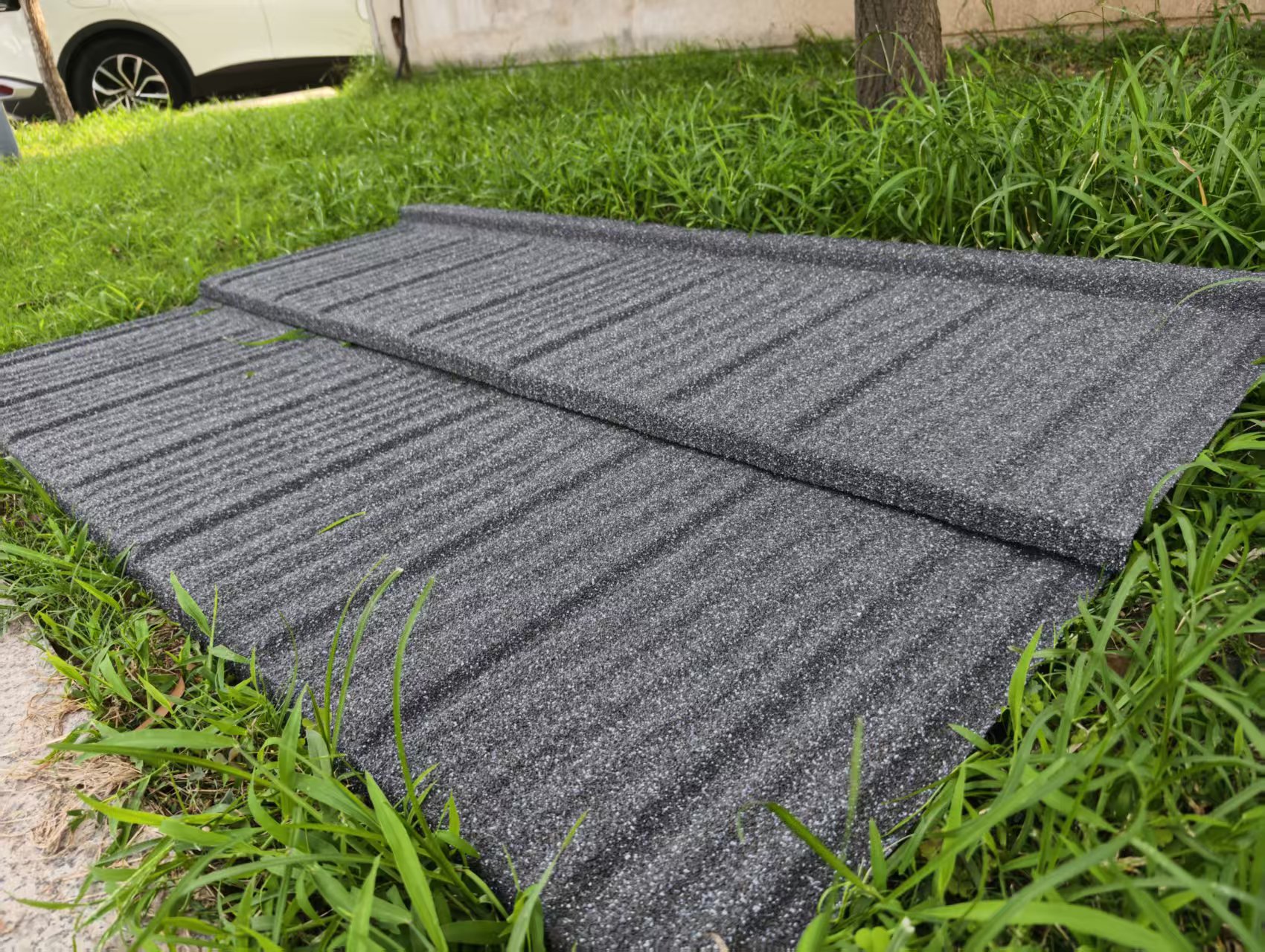
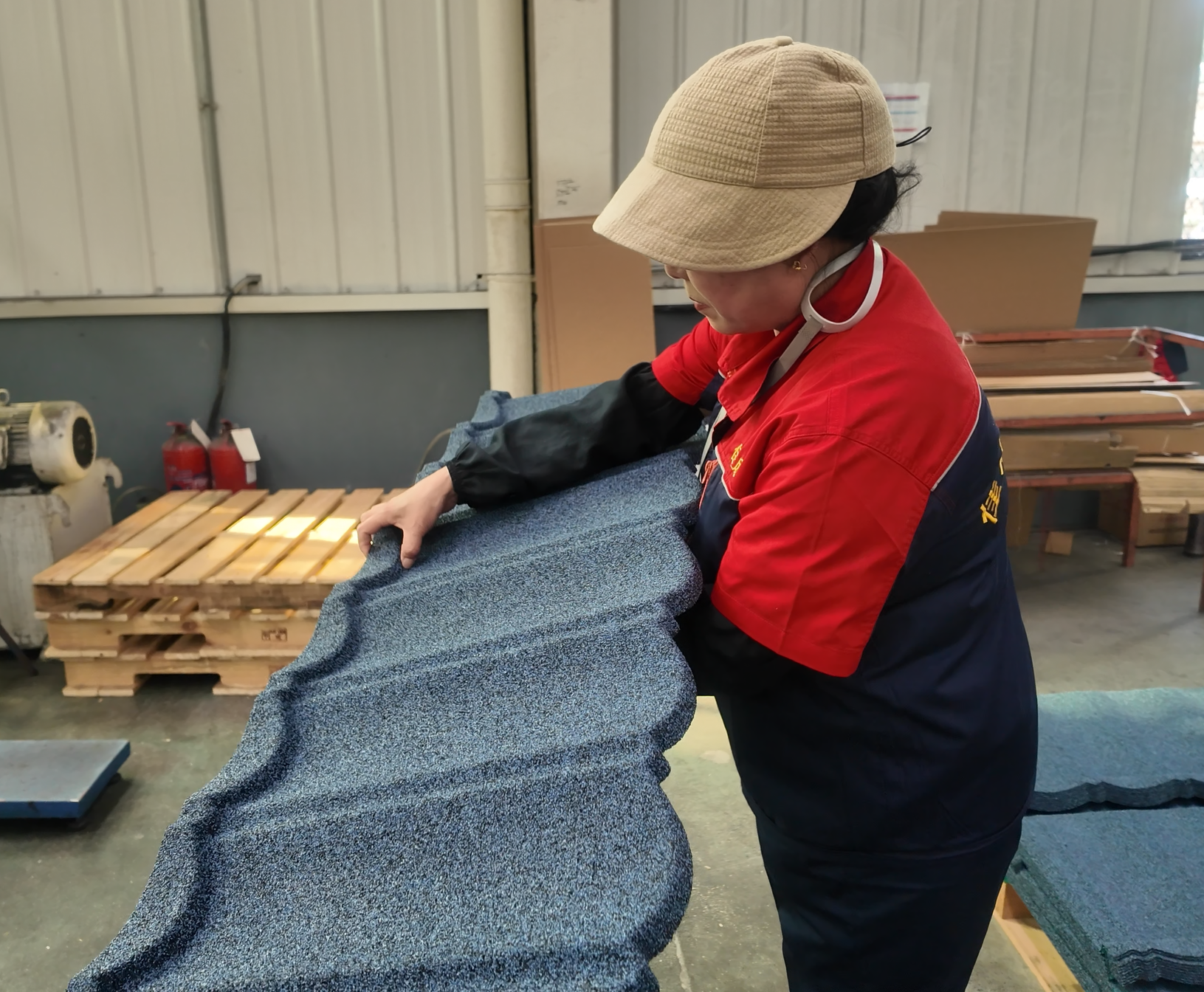
Producing these durable panels is far more complex than stamping out basic asphalt sheets. The core consists of highly durable structural steel, which dictates the base commodity price. This steel is not standard metal; it is hot-dipped in an advanced zinc-aluminum alloy to prevent catastrophic rust. Next, factories apply a specialized, UV-resistant acrylic base coat. This primer is absolutely crucial for the next major production step. Finally, deeply colored natural stone granules are permanently baked into the surface. After the stone is applied, a final clear acrylic overglaze seals the panel completely. These multi-layered production steps require expensive, highly automated factory machinery. Furthermore, strict factory quality control protocols add to the overhead. Consequently, the wholesale pricing of stone coated metal roofs reflects this intense manufacturing sophistication.
The Cost of Specialized Installation Labor
Material expenses represent only one half of the initial financial equation. Applying interlocking steel panels requires highly trained and specialized roofing contractors. Workers must carefully measure, manually bend, and precision-cut the heavy steel around complex architectural features. They absolutely cannot use abrasive power saws, as flying sparks will instantly ruin the protective zinc coating. Instead, they must use specialized manual snips and heavy-duty guillotines. Furthermore, many systems require the tedious installation of a complex wooden batten grid beforehand. This crucial ventilation framework adds substantial time and expensive labor costs to the project. Installers must also use premium, color-matched pneumatic fasteners instead of cheap roofing nails. Because standard asphalt roofers lack these specific metalworking skills, certified installers consistently command premium daily rates.
Upgrading from Traditional Asphalt Aesthetics
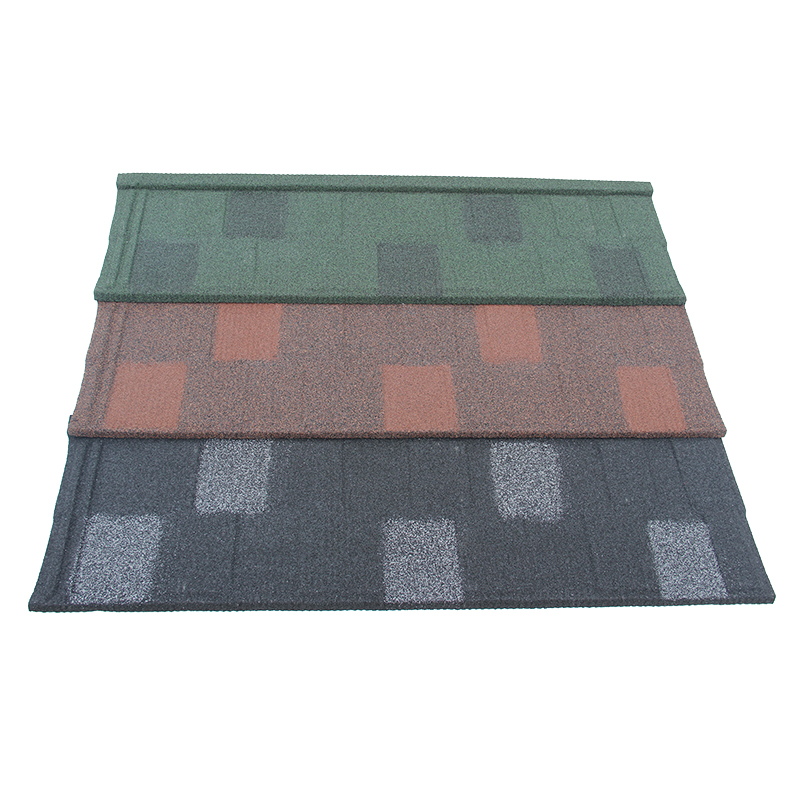
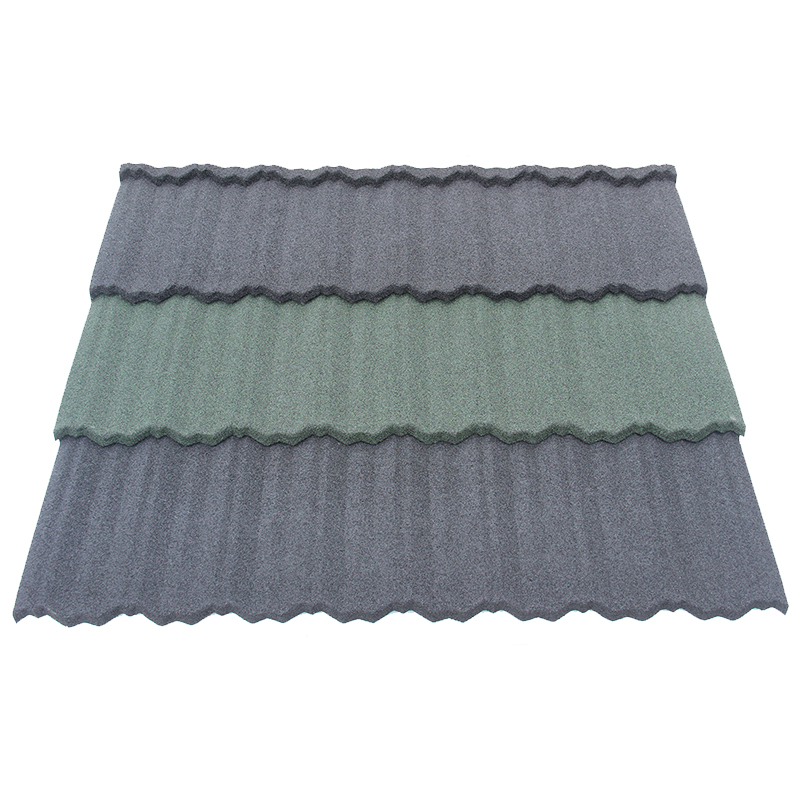
Many ambitious property developers actively seek to upgrade their standard residential tracts to increase sale values. Upgrading to a durable Shingle Tile provides the familiar low-profile look of asphalt but with massive steel strength. Many buyers ask: are stone coated metal roofs expensive compared to asphalt? While the upfront material cost might be double that of traditional asphalt, the structural integrity is vastly superior. B2B distributors can aggressively leverage this specific aesthetic upgrade when pitching to high-end housing developers. The initial capital outlay is certainly higher, but the premium curb appeal allows builders to increase final property sales prices. Therefore, the higher initial cost directly translates into higher real estate profit margins.
Calculating the Long-Term Lifecycle ROI
Evaluating building materials based solely on the day-one invoice is a deeply flawed procurement strategy. Commercial developers must strictly analyze the total cost of ownership over a fifty-year project timeline. When stretched across decades, the financial narrative of premium metal completely flips in favor of the buyer. Reduced routine maintenance, extreme weather resistance, and completely eliminated replacement cycles generate massive financial savings. Therefore, understanding this commercial roofing ROI is crucial for long-term real estate investment portfolios.
Eliminating Decades of Replacement Cycles
A standard asphalt roof typically fails and requires complete replacement within fifteen to twenty years. In harsh, sun-baked environments, this expected lifespan can shrink to just a single decade. The extreme UV radiation bakes the essential oils out of the asphalt, causing it to crack and curl prematurely. Over a fifty-year building lifecycle, a property owner will effectively purchase, tear off, and install three separate asphalt roofs. Each tear-off process incurs massive manual labor costs and incredibly high landfill disposal fees. Conversely, high-quality steel panels easily endure for half a century without experiencing structural failure. By eliminating these multiple, expensive replacement cycles, the metal roof lifecycle cost drops dramatically. The initial high capital investment is effectively amortized over five decades of flawless performance.
Mitigating Fire and Weather Damage Risks
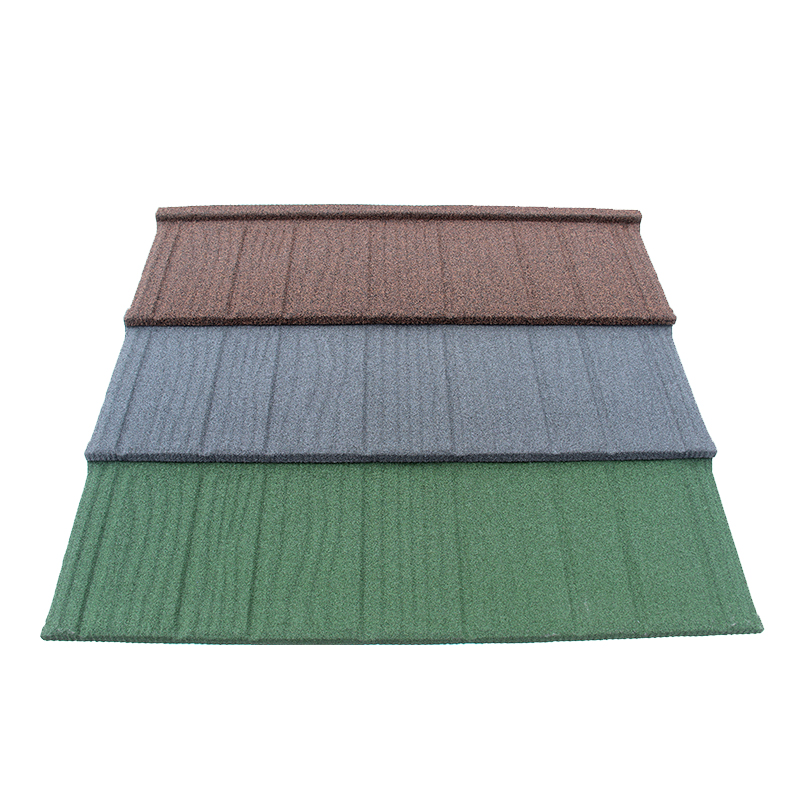
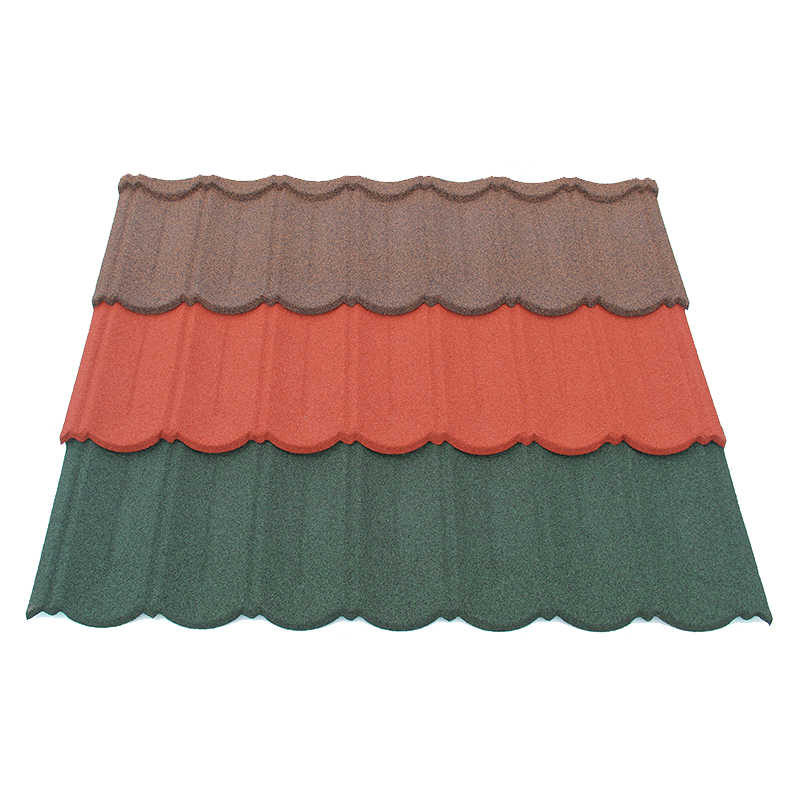
Commercial insurance premiums represent a massive ongoing operational cost for large commercial properties and remote luxury resorts. Combustible roofing materials present a severe liability in dry, wildfire-prone geographic regions globally. Airborne embers can easily ignite standard wooden shingles from several miles away. Choosing an interlocking Shake Tile delivers the rustic beauty of natural wood without the catastrophic fire hazard. The strict Class-A fire rating of steel frequently qualifies property owners for substantial insurance premium discounts. Furthermore, the immense structural hail resistance prevents costly deductible payouts after severe regional storms. The steel core simply dents under extreme ice impact, rather than fracturing and leaking internally. Over time, these consistent insurance savings heavily offset the initial procurement expenses.
Reducing Ongoing Maintenance Overhead
Property management firms heavily despise unpredictable structural maintenance and constant exterior emergency repairs. Traditional clay and heavy concrete tiles crack easily under minimal foot traffic or moderate hail impacts. Replacing broken clay tiles requires constant skilled labor and ongoing, highly tedious inventory management. Stone-coated panels, however, will never shatter, crack, or warp under normal environmental stress. This incredible durability practically eliminates routine maintenance, preserving vital cash flow for other commercial property needs. Therefore, facility managers can confidently allocate their yearly maintenance budgets elsewhere.
Supply Chain and Wholesale Procurement Factors
For global building material distributors, sustained profitability relies heavily on highly efficient supply chain management. Navigating international ocean freight, warehouse storage optimization, and precise demand forecasting directly impacts overall business margins. Sourcing exceptionally heavy materials often burns through logistics budgets incredibly quickly. However, lightweight steel panels offer unique, highly profitable advantages for smart B2B inventory managers. Optimizing these hidden procurement factors directly lowers the landed cost per square meter.
Freight Optimization and Container Loading
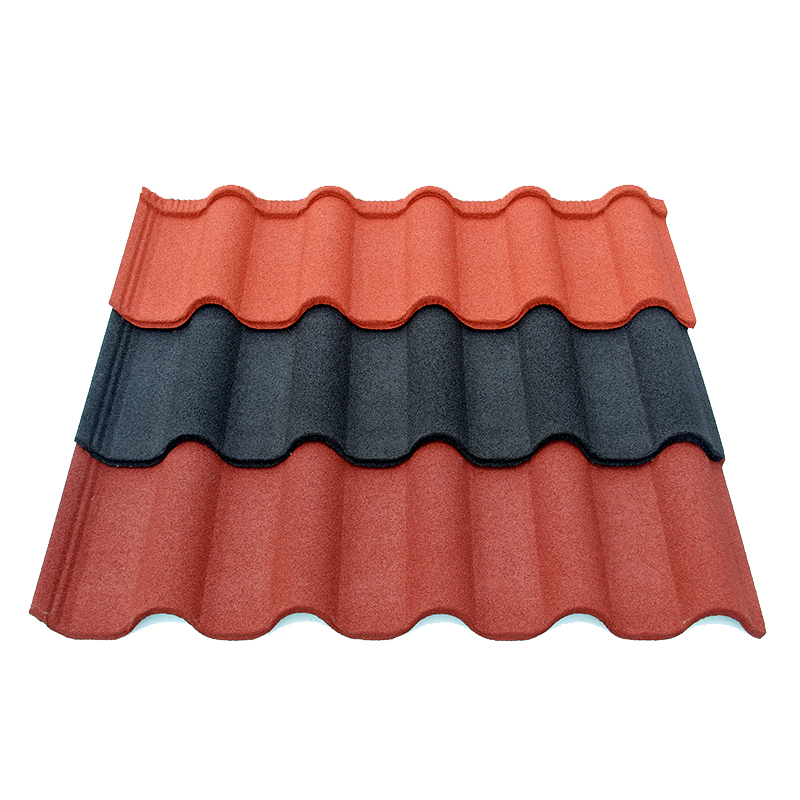
Shipping heavy construction materials across the globe is a highly expensive logistical endeavor. Heavy concrete and fragile clay tiles severely limit how much product a standard twenty-foot shipping container can hold. Because they are exceptionally heavy, containers quickly reach their legal road weight limits before being physically full. This unfortunately results in paying for shipping empty air inside the container. Lightweight steel changes this dynamic entirely, allowing wholesale buyers to maximize interior volume without exceeding strict weight restrictions. Ordering a high-volume container of the highly popular Bond Tile maximizes freight efficiency beautifully. The panels nest tightly together, allowing thousands of square meters per single shipment. This strategic container loading significantly reduces the landed shipping cost per individual panel.
Partnering with a Reliable Manufacturer
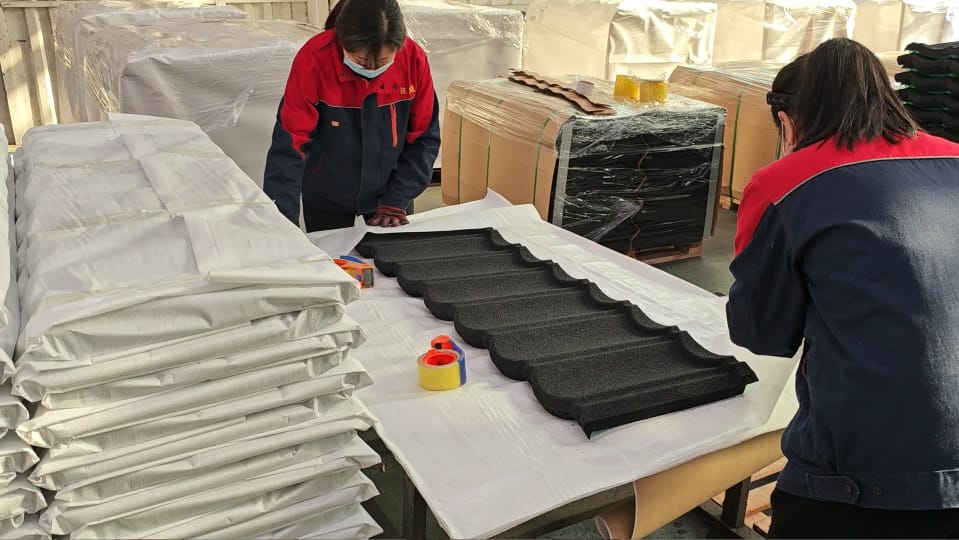
The global wholesale market is unfortunately flooded with cheap, generic, and highly inferior roofing products. Unscrupulous factories often use thin, substandard steel to artificially lower their quoted export prices. Purchasing from unverified factories guarantees poor granule adhesion and rapid, catastrophic panel rusting within months. These cheap products ultimately destroy your local business reputation and incur massive warranty replacement costs. Therefore, partnering directly with a proven, premium manufacturer like JCROOF is absolutely critical for long-term survival. A reliable factory partner provides consistent material quality, highly predictable manufacturing lead times, and comprehensive technical support. They stand behind their extensive warranties with real, actionable B2B customer service. This operational stability completely protects your capital investment and ensures exceptionally high customer satisfaction rates.
Managing Inventory and Warehouse Space
Building material wholesalers must meticulously manage their expensive commercial warehouse floor space. Stacking heavy, fragile materials requires specialized racking systems and delicate forklift handling. Steel panels are incredibly durable and nest together perfectly on standard wooden shipping pallets. This highly efficient stacking density allows distributors to store massive product quantities in a surprisingly small footprint. Consequently, optimizing warehouse space directly reduces overhead holding costs and dramatically improves overall business profitability. Fast-moving inventory requires far less capital tied up in dead storage.
Structural Value and Architectural Versatility
The underlying framework of a building heavily dictates what materials can be safely installed above. Older commercial buildings often lack the robust structural engineering required to support massive, modern weight loads. Retrofitting these older structures to hold heavy tiles is an incredibly expensive engineering nightmare. Lightweight steel provides a brilliant, highly cost-effective solution for these complex renovation projects. The architectural versatility of these panels opens up highly profitable new commercial sales channels.
Avoiding Expensive Structural Reinforcements
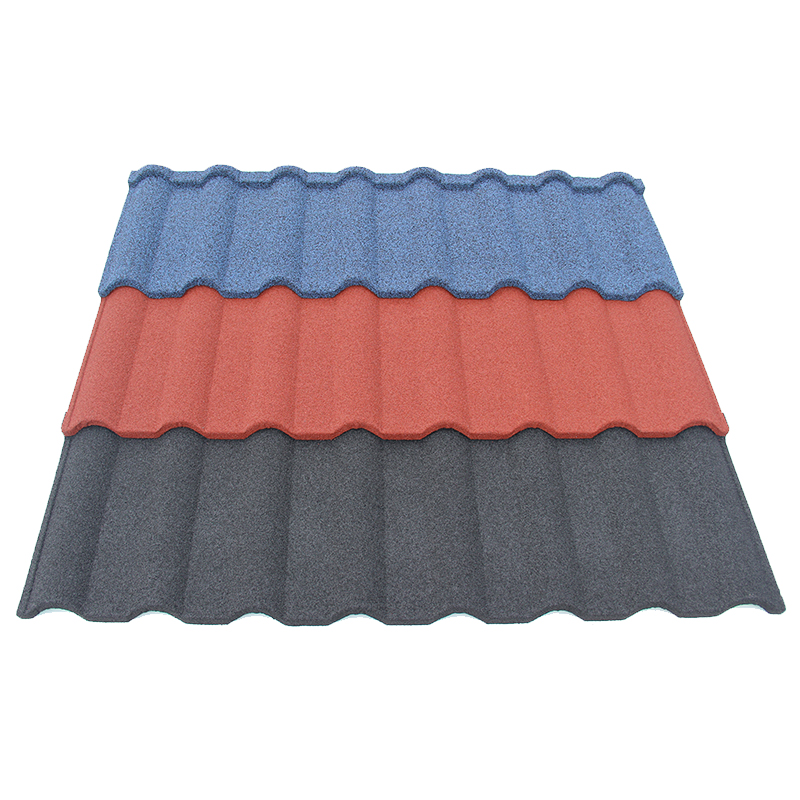
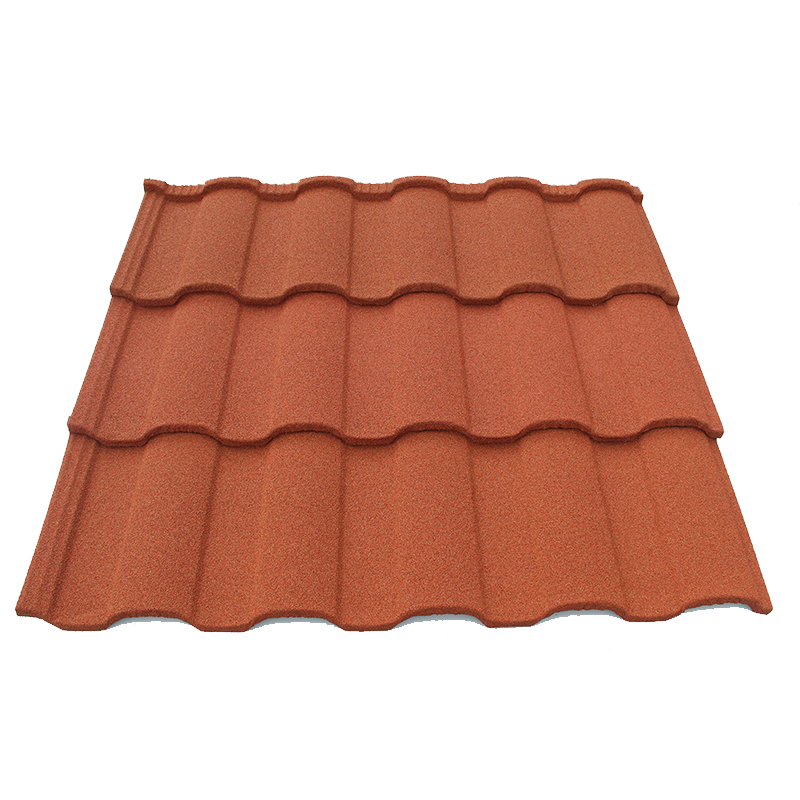
Traditional concrete and authentic terra cotta roofs are excessively heavy, weighing up to ten times more than steel. When replacing a lightweight asphalt roof with clay, general contractors must heavily reinforce the existing wooden trusses. They must immediately install thicker plywood decking and heavy-duty structural supports to prevent collapse. This mandatory structural retrofitting adds thousands of dollars to the initial construction budget. Utilizing a lightweight Roman Tile provides the exact same Mediterranean aesthetic without the crushing structural weight. Therefore, buyers completely bypass the expensive structural engineering requirements, saving massive amounts of capital immediately.
Expanding Architectural Design Possibilities
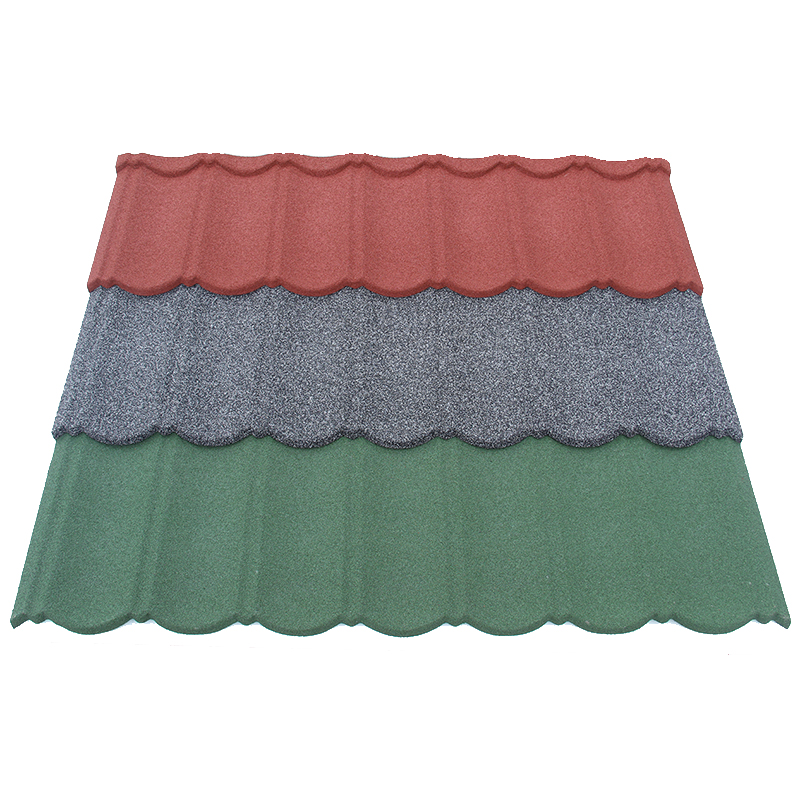
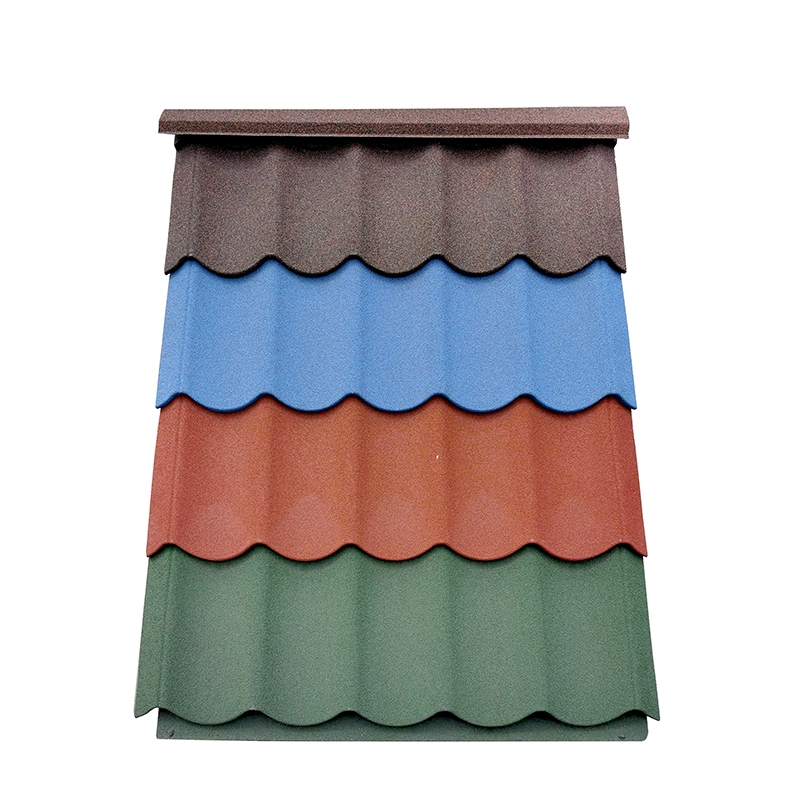
Commercial architects constantly search for versatile materials that fulfill specific, demanding creative visions. Modern luxury resorts, bespoke commercial centers, and upscale residential developments require distinct, premium exterior aesthetics. Steel panels are effortlessly stamped into numerous architectural profiles and finished in dozens of vibrant, naturally mined colors. Supplying an elegant Milano Tile perfectly complements classic European and traditional Spanish-style building designs. The deep, sweeping curves create beautiful architectural shadows that property developers absolutely love. This extensive design versatility allows wholesale distributors to successfully bid on a much wider variety of commercial projects. Consequently, stocking a diverse range of profiles directly increases your overall wholesale market share.
Energy Efficiency and Thermal Performance
In tropical and desert climates, extreme heat absorption drives up commercial air conditioning costs tremendously. Traditional dark asphalt absorbs intense solar radiation, pushing extreme heat directly into the building’s attic space. Premium stone-coated systems utilize specialized batten grids that create a vital, continuous thermal air gap. This above-sheathing ventilation naturally blocks conductive heat transfer into the building interior. Consequently, commercial building owners save significant money on monthly cooling utilities. Over decades, this intense energy efficiency further improves the product’s incredible long-term financial ROI.
Comprehensive B2B Cost Analysis Summary
Making a final, highly confident procurement decision requires a clear, objective comparison of all operational factors. Distributors must proactively educate their contractor clients on the vast, fundamental difference between initial price and long-term value. Without this vital education, clients will naturally default to the cheapest available roofing option. To assist in this critical B2B sales process, we have compiled a quick reference guide below. This definitive data clearly illustrates exactly why premium steel dominates the commercial lifecycle.
Material Investment Matrix
The following table thoroughly outlines the comparative financial performance of standard wholesale roofing categories. It details the true cost of ownership over a typical commercial building lifecycle.
| Material Category | Initial Upfront Cost | Expected Lifespan | Maintenance Cost | 50-Year ROI Value |
|---|---|---|---|---|
| Asphalt Shingles | Low ($) | 15 – 20 Years | Moderate (Curling/Wind Damage) | Low (Requires 2-3 full replacements) |
| Concrete Tiles | Moderate ($$) | 30 – 50 Years | High (Constant Cracking) | Moderate (High structural reinforcement cost) |
| Stone Coated Steel | Medium-High ($$$) | 50+ Years | Very Low | Exceptional (One-time, permanent investment) |
Final Procurement Recommendations
So, are these premium steel panels genuinely expensive? The initial purchase order will certainly be much higher than basic, entry-level asphalt alternatives. However, the immense operational savings, completely eliminated replacements, and drastically reduced freight costs completely offset the upfront premium. For wholesale distributors and large-scale commercial builders, cheap materials represent a massive long-term financial liability. Every premature roof failure damages your brand reputation and eats into your future profits. Investing in premium steel is a highly strategic, profit-protecting decision for any serious wholesale construction professional. By focusing on wholesale pricing of stone coated metal roofs for contractors, you build immense trust. Choose proven longevity, aggressively reduce your structural risk, and consciously build for the future.