

When residential developers, roofing contractors, and wholesale distributors evaluate modern building materials, the primary concern always centers on overall project financing and long-term value. One of the most common questions posed by property owners is how to accurately calculate the metal roofing installation cost for a standard residential property. For example, estimating the exact cost to put a metal roof on a 1,200 sq ft house requires a deep understanding of fluctuating commodity prices, regional labor rates, and specific material profiles. In 2026, the global roofing market has seen significant shifts, moving away from temporary asphalt solutions toward highly durable, structurally superior metal systems. Consequently, B2B procurement professionals must master these intricate cost dynamics to provide accurate, competitive bids to their clients. This comprehensive guide thoroughly deconstructs the financial mechanics behind modern metal roofing. We will explore the precise breakdown of materials versus labor, the impact of architectural complexity, and the undeniable long-term return on investment. Ultimately, this detailed industry knowledge empowers contractors to scale their businesses and helps distributors optimize their complex global supply chains.
Understanding the Baseline Metal Roofing Installation Cost
Accurately quoting a roofing replacement project requires moving beyond simple, localized guesswork. The baseline metal roofing installation cost is heavily influenced by a combination of global steel commodity indexes, localized supply chain efficiency, and the availability of highly skilled installation labor. Consequently, contractors cannot simply offer a flat rate without first evaluating the specific parameters of the residential structure. Variables such as the existing roof condition, the geographical location of the property, and the required structural underlayments radically alter the final invoice. Therefore, procurement managers and project estimators must meticulously break down each specific cost center to maintain healthy business profit margins. Understanding these foundational elements prevents dangerous underbidding and completely disastrous commercial stockouts.
National Averages and Square Footage Calculations
In the 2026 construction market, the national average for a complete metal roof replacement generally falls between $7.00 and $18.00 per installed square foot for standard materials. However, premium metals like copper or zinc easily push this metric well beyond $30.00 per square foot. When quoting a project, it is absolutely critical to understand that a home’s interior square footage does not equal the actual roof surface area. A standard 1,200 square foot house typically possesses a roof area of approximately 1,400 to 1,500 square feet, depending heavily on the architectural overhangs and the specific pitch angle. Thus, multiplying the actual roof square footage by the chosen material’s installed rate provides the true baseline estimate. Accurate measurement completely prevents contractors from ordering insufficient material quantities from their wholesale suppliers.
Material vs. Labor Cost Breakdown
A common misconception among residential homeowners is that the raw physical materials dictate the vast majority of the project price. In reality, highly specialized installation labor typically accounts for roughly 50% to 60% of the total invoice. Installing interlocking metal panels or standing seam systems requires a completely different skill set than nailing down basic asphalt shingles. Professional crews must carefully measure, manually bend, and precision-cut heavy steel around complex architectural features. Furthermore, specialized safety equipment and extended project timelines directly increase the daily labor overhead. Therefore, wholesale building material distributors must help their contractor clients secure highly reliable, cost-effective product lines. Utilizing systems engineered for faster, more intuitive installation directly reduces these massive labor expenses securely.
How Roof Pitch and Complexity Affect Pricing
The physical geometry of the residential property drastically alters both the material waste factor and the labor difficulty. A simple, walkable gable roof with a low pitch requires significantly less time and minimal specialized safety harnessing. Conversely, a highly complex, multi-level roof with steep pitches, multiple dormers, and intricate valley intersections is incredibly tedious to navigate. Contractors must physically install extensive custom metal flashing and utilize advanced fall-arrest systems continuously. This severe architectural complexity sharply reduces daily crew productivity and substantially increases the required volume of accessory materials. Consequently, estimators must always apply a specific difficulty multiplier to the base metal roofing installation cost when bidding on complex custom homes. Failure to account for steep pitches routinely destroys projected profit margins.
Evaluating Specific Metal Roofing Material Types
Not all metal roofs are engineered equally, and the specific metallic composition heavily dictates the final wholesale procurement price. B2B buyers must strategically stock a diverse portfolio of materials to satisfy various regional contractor demands and specific environmental building codes. For instance, budget-conscious developers might prefer simple exposed fastener panels, while high-end residential builders demand the sleek aesthetics of hidden fastener systems. Consequently, understanding the vast performance differences and exact price points of these specific categories is absolutely vital for inventory managers. Selecting the correct material perfectly balances immediate project affordability with necessary long-term structural durability.
Corrugated Steel (Exposed Fastener)
Corrugated or ribbed steel panels represent the absolute most economical entry point into the metal roofing sector. These thin, large-format sheets are relatively inexpensive to manufacture and incredibly fast to install over large, uninterrupted surface areas. Typically, the total installed cost ranges from $7.00 to $12.00 per square foot. However, this system relies heavily on thousands of exposed rubber-washer screws directly penetrating the outer metal surface. Over a decade of intense thermal expansion and severe ultraviolet exposure, these specific rubber washers completely degrade and eventually fail. Therefore, exposed fastener roofs require highly vigilant, ongoing maintenance to prevent insidious water leaks. While excellent for agricultural buildings or tight residential budgets, they lack the permanence required for premium custom homes.
Standing Seam Panels (Concealed Fastener)
Standing seam metal roofing is widely considered the modern architectural standard for high-end residential and commercial applications. This advanced system utilizes continuous vertical steel or aluminum panels with highly secure, completely concealed interlocking fasteners. Because the metal is never physically punctured on the weathering surface, the risk of catastrophic water intrusion drops to virtually zero. Furthermore, the thick-gauge steel effortlessly accommodates severe thermal expansion securely. Consequently, the installed price naturally reflects this premium engineering, typically ranging between $12.00 and $22.00 per square foot. Wholesale distributors heavily favor standing seam due to its massive popularity among elite residential architects. However, the installation demands incredibly precise roll-forming equipment and highly specialized manual labor.
Premium Stone-Coated Steel (The Optimal Choice)
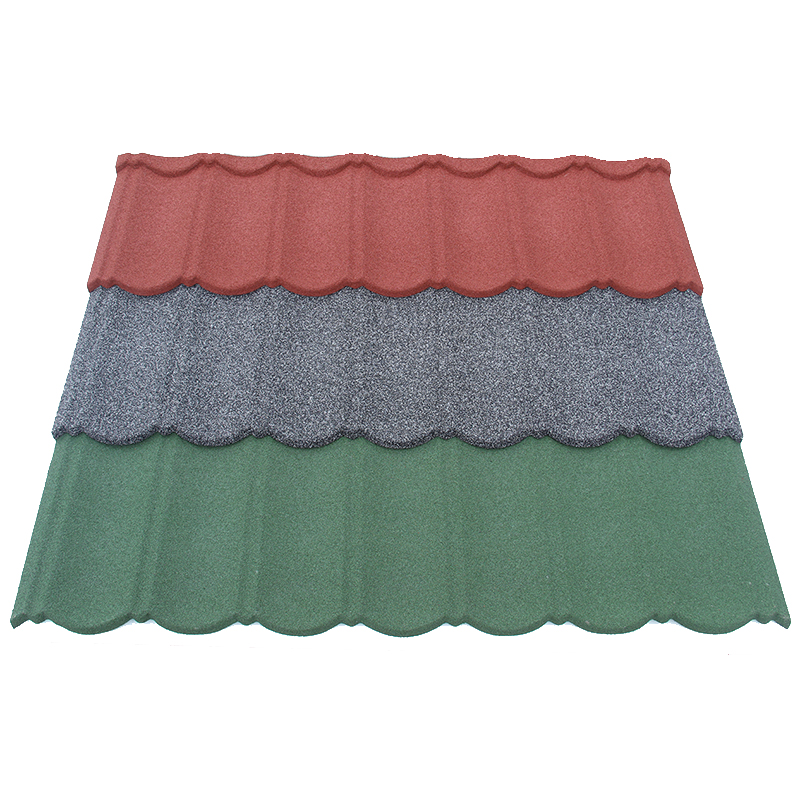
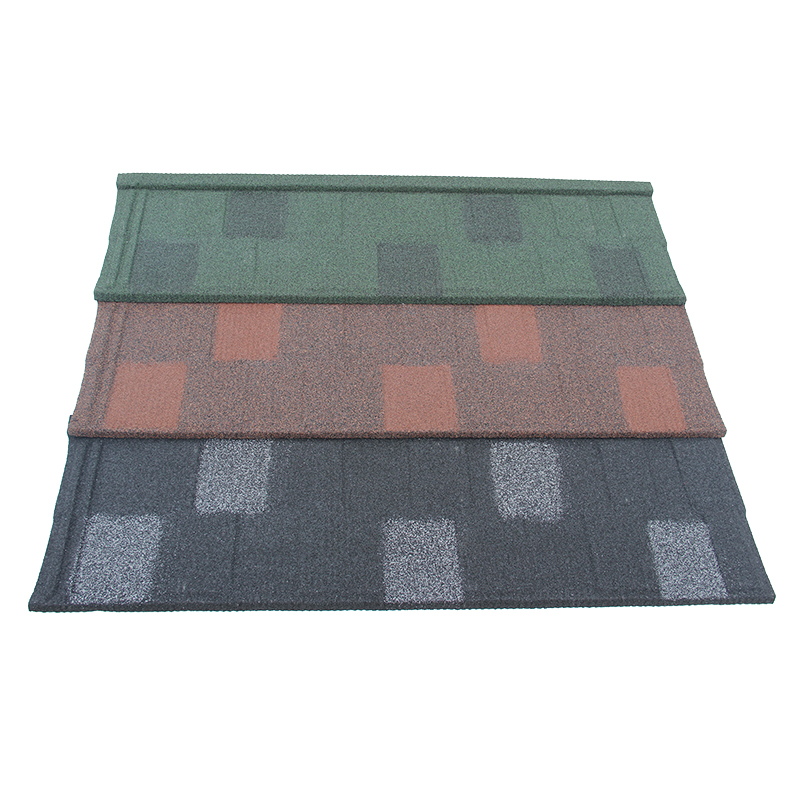
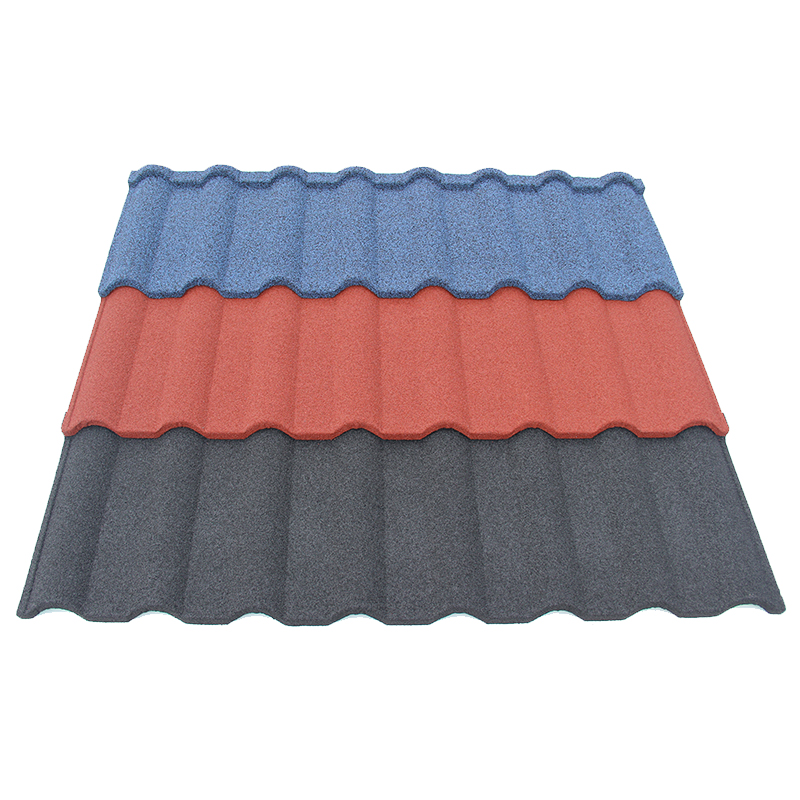
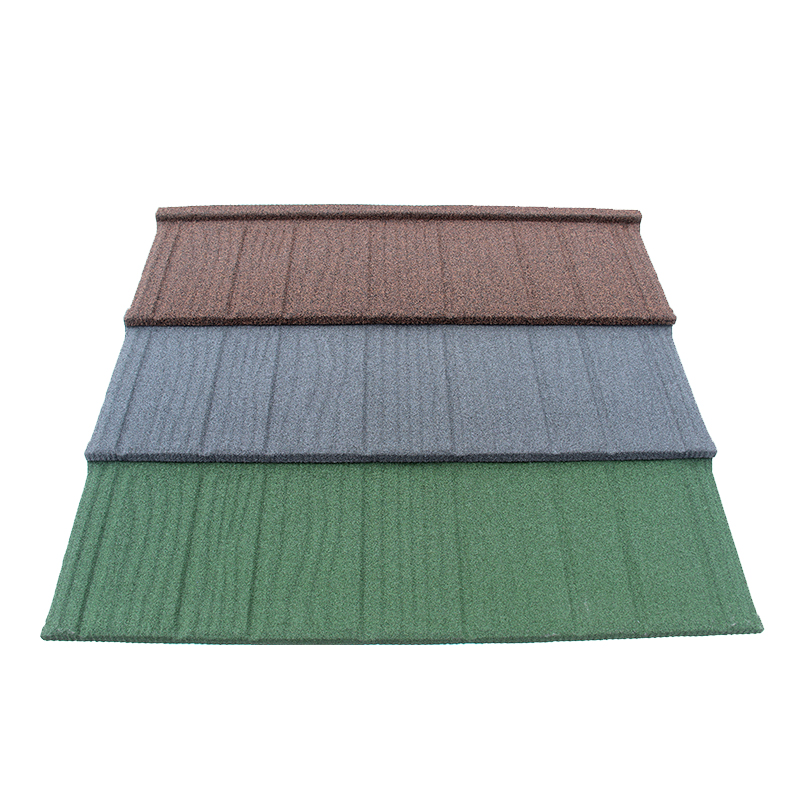
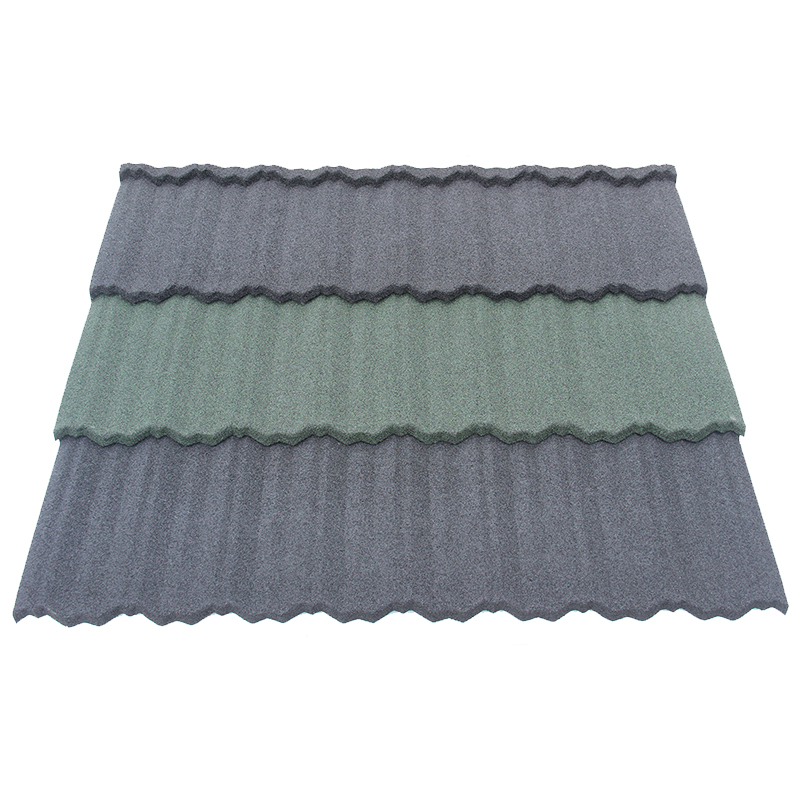
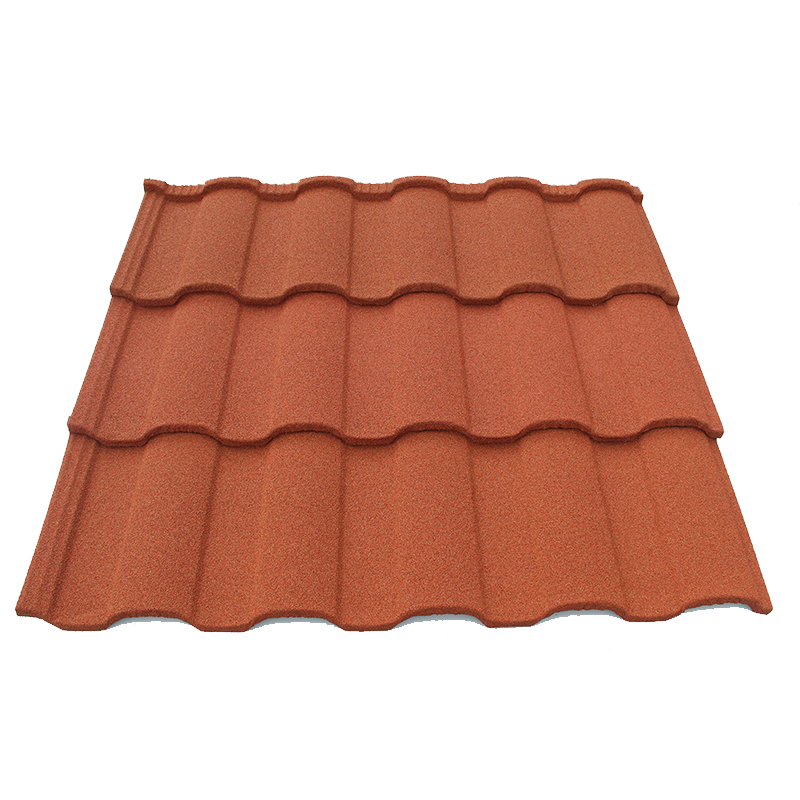
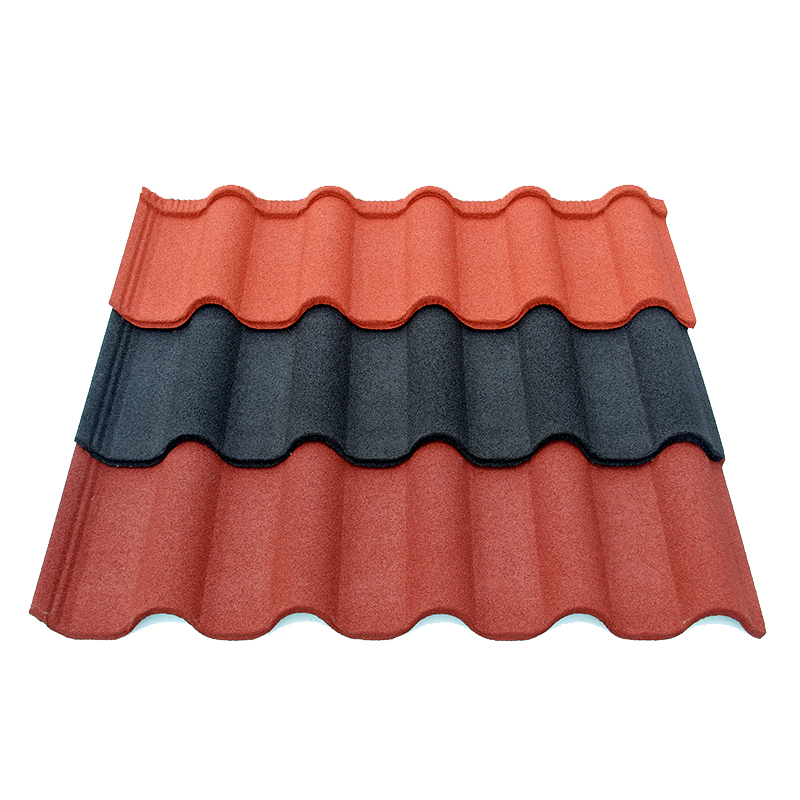
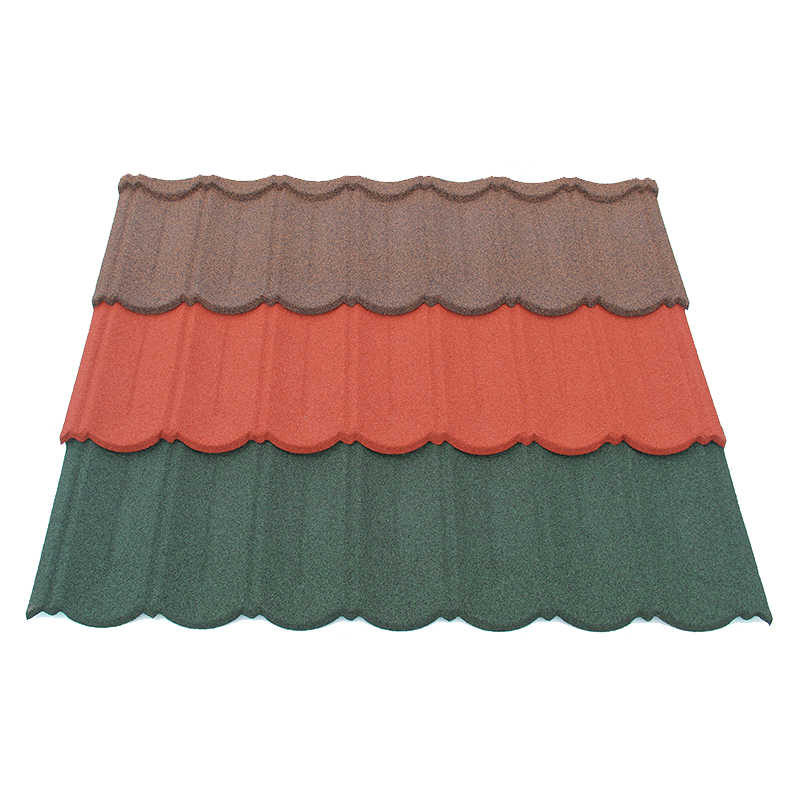
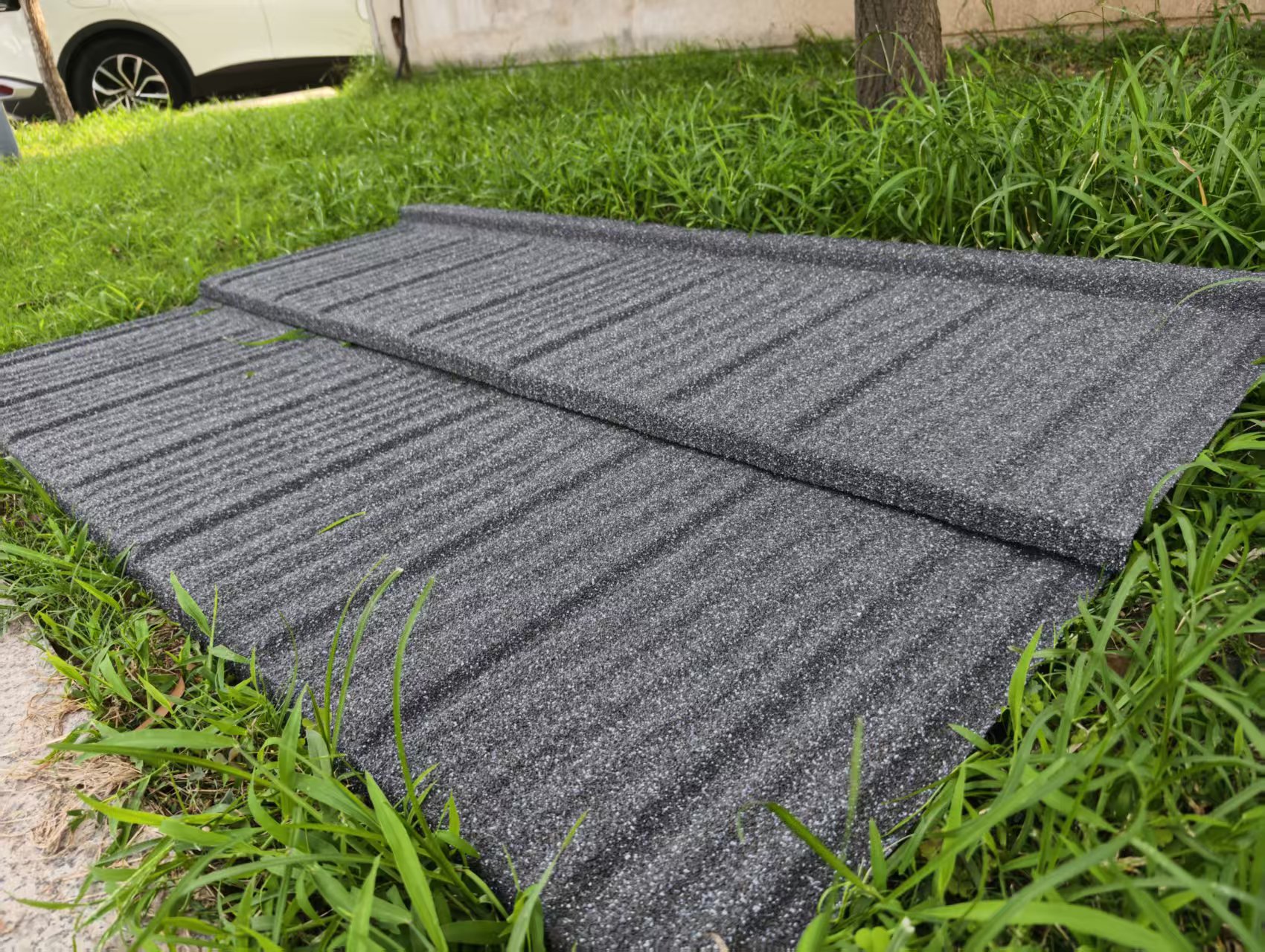
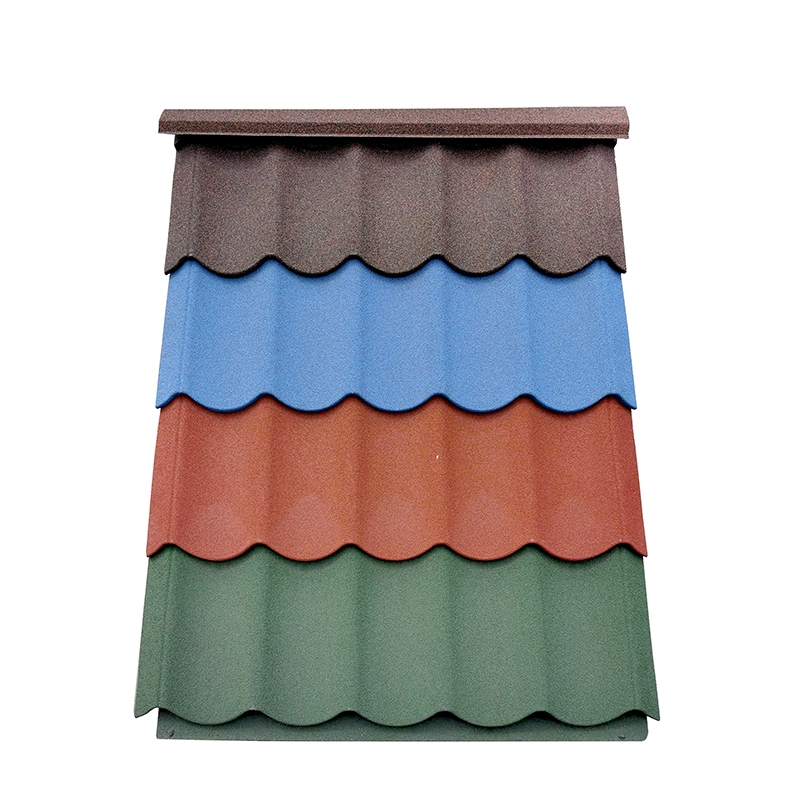
For builders seeking the ultimate combination of traditional aesthetics and extreme metallic durability, stone-coated steel dominates the premium market segment. These highly engineered panels feature a tough structural steel core, protected by advanced zinc-aluminum alloys, and heavily coated in naturally mined stone granules. This specific manufacturing process creates a beautiful, deeply textured profile that perfectly mimics classic clay tiles, rustic wood shakes, or architectural shingles. The average installed cost usually falls strictly between $12.00 and $18.00 per square foot. When sourcing these advanced materials globally, partnering with a proven, top-tier manufacturer like JCROOF ensures completely consistent granule adhesion and massive structural longevity. Ultimately, this premium category offers wholesale buyers incredibly high profit margins and massive contractor satisfaction rates globally.
Cost Estimate for a 1,200 Square Foot House
When a client asks exactly how much it costs to put a metal roof on a 1,200 sq ft house, professional contractors must carefully guide them through a structured calculation. Providing a single, flat number completely ignores the highly complex reality of residential construction. Instead, estimators must meticulously calculate the exact roof footprint, factor in necessary structural tear-offs, and apply the specific material tier pricing. Consequently, this highly analytical approach completely protects the contractor from unexpected overhead and builds massive trust with the property owner. For B2B suppliers, understanding these specific residential calculations perfectly aids in precise regional demand forecasting.
Calculating the True Roof Area
As previously established, the living space footprint does not equal the roofing surface. To accurately determine the true surface area of a 1,200 square foot home, contractors utilize a standard pitch multiplier. Assuming a standard moderate roof pitch and typical structural overhangs, the multiplier is generally around 1.25. Therefore, 1,200 multiplied by 1.25 equals precisely 1,500 square feet of actual workable roof area. In the professional roofing industry, materials are universally sold in “squares” (one square strictly equals 100 square feet). Thus, this specific residential project requires a minimum of 15 squares of metal material, plus an additional 10% strictly reserved for necessary waste and complex architectural cutting.
Expected Budget Ranges for Standard Materials
Using the calculated 1,500 square foot parameter, we can completely accurately project the total residential metal roofing installation cost for 2026. If the client selects a highly affordable corrugated steel system ($8.00/sq ft installed), the total project invoice hovers around $12,000. Upgrading to a highly durable, beautifully textured stone-coated steel system ($14.00/sq ft installed) pushes the total completely realistic budget to approximately $21,000. Finally, opting for a highly premium, architectural standing seam roof ($18.00/sq ft installed) requires a total capital investment of $27,000. These specific, highly realistic ranges allow property developers and regional wholesale distributors to confidently project their quarterly financial budgets safely.
The Hidden Costs: Tear-Off, Underlayment, and Permits
The base material and installation rates rarely cover the complete, entirely comprehensive scope of the renovation project. General contractors must legally account for highly specific hidden costs that easily inflate the final bid. Firstly, completely removing and safely disposing of heavy, degraded asphalt shingles typically adds $1.50 to $3.00 per square foot in pure labor and landfill fees. Secondly, premium metal systems legally require highly advanced, synthetic high-temperature underlayment to completely prevent internal condensation issues. Thirdly, many older homes completely require extensive wooden deck repairs before the heavy new steel can be safely applied. Finally, local municipal building permits and mandatory structural inspections add several hundred dollars to the overhead. Thus, procurement teams must carefully verify if these specific line items are correctly included in contractor estimates.
Long-Term ROI: Comparing Metal to Traditional Asphalt
A massive hurdle in B2B roofing sales is repeatedly overcoming the initial sticker shock associated with premium metal systems. When completely compared to cheap, three-tab asphalt shingles, the initial metal roofing installation cost appears exceedingly high to uneducated buyers. However, evaluating structural building materials based purely on the day-one invoice is a massive, highly catastrophic financial procurement error. Smart commercial property developers strictly analyze the total cost of ownership over a highly realistic fifty-year building lifecycle. Consequently, the financial narrative completely and aggressively flips heavily in favor of premium steel. By thoroughly understanding this massive long-term return on investment (ROI), wholesale distributors successfully justify premium product pricing.
Eliminating Decades of Costly Replacements
Standard asphalt shingles inherently possess a highly disappointing, incredibly short operational lifespan globally. In harsh, sun-baked environments, intense UV radiation completely bakes the essential oils out of the asphalt within just 15 years. Over a fifty-year timeline, a property owner will effectively purchase, tear off, and completely reinstall three separate asphalt roofs. Each subsequent replacement cycle incurs massive manual labor costs and incredibly high environmental disposal fees. Conversely, high-quality steel panels easily and safely endure for 50 to 70 years without experiencing any catastrophic structural failure. By completely eliminating these multiple, highly expensive replacement cycles, the total lifecycle cost of metal drops dramatically below asphalt.
Energy Efficiency and Utility Savings
Modern home buyers aggressively prioritize sustainable building materials that actively reduce monthly operational overhead. Traditional dark asphalt shingles act as massive thermal heat sinks, aggressively absorbing intense solar radiation and pushing extreme heat directly into the home’s attic. Conversely, highly advanced metal systems utilize highly reflective surface coatings that physically bounce solar energy completely away from the structure. Furthermore, specific systems utilize a raised wooden batten grid, creating a highly vital, continuous thermal air gap directly beneath the metal. This natural ventilation drastically reduces the daily operational load on expensive residential air conditioning units. Ultimately, these consistent, massive monthly energy savings heavily offset the initial high procurement expenses.
Insurance Premium Discounts and Property Valuation
Combustible roofing materials present a severe, highly expensive liability in dry, heavily wildfire-prone geographic regions globally. Consequently, major insurance carriers frequently penalize homeowners utilizing standard wooden shakes or basic asphalt. Premium metal panels boast a strict Class-A fire rating, meaning they absolutely cannot physically ignite from airborne embers. This incredible safety profile frequently qualifies property owners for highly substantial, permanent annual homeowner insurance premium discounts. Furthermore, the immense structural hail resistance completely prevents highly costly deductible payouts after severe regional ice storms. Finally, a pristine metal roof significantly increases the overall real estate resale value, making the home highly attractive to future buyers.
Strategic Procurement Advice for Roofing Contractors
For modern B2B wholesale distributors and large-scale roofing contractors, sustained profitability absolutely relies on highly efficient, strategic supply chain management. Successfully navigating unpredictable international ocean freight, heavy warehouse storage optimization, and incredibly precise regional demand forecasting is vital. Furthermore, sourcing exceptionally heavy construction materials often burns through global logistics budgets incredibly quickly. Therefore, actively implementing highly intelligent procurement strategies directly lowers the landed material cost per square meter safely. Ultimately, this specific operational efficiency completely transforms inherent logistical challenges into a massive competitive business advantage.
Partnering with Reliable Wholesale Suppliers
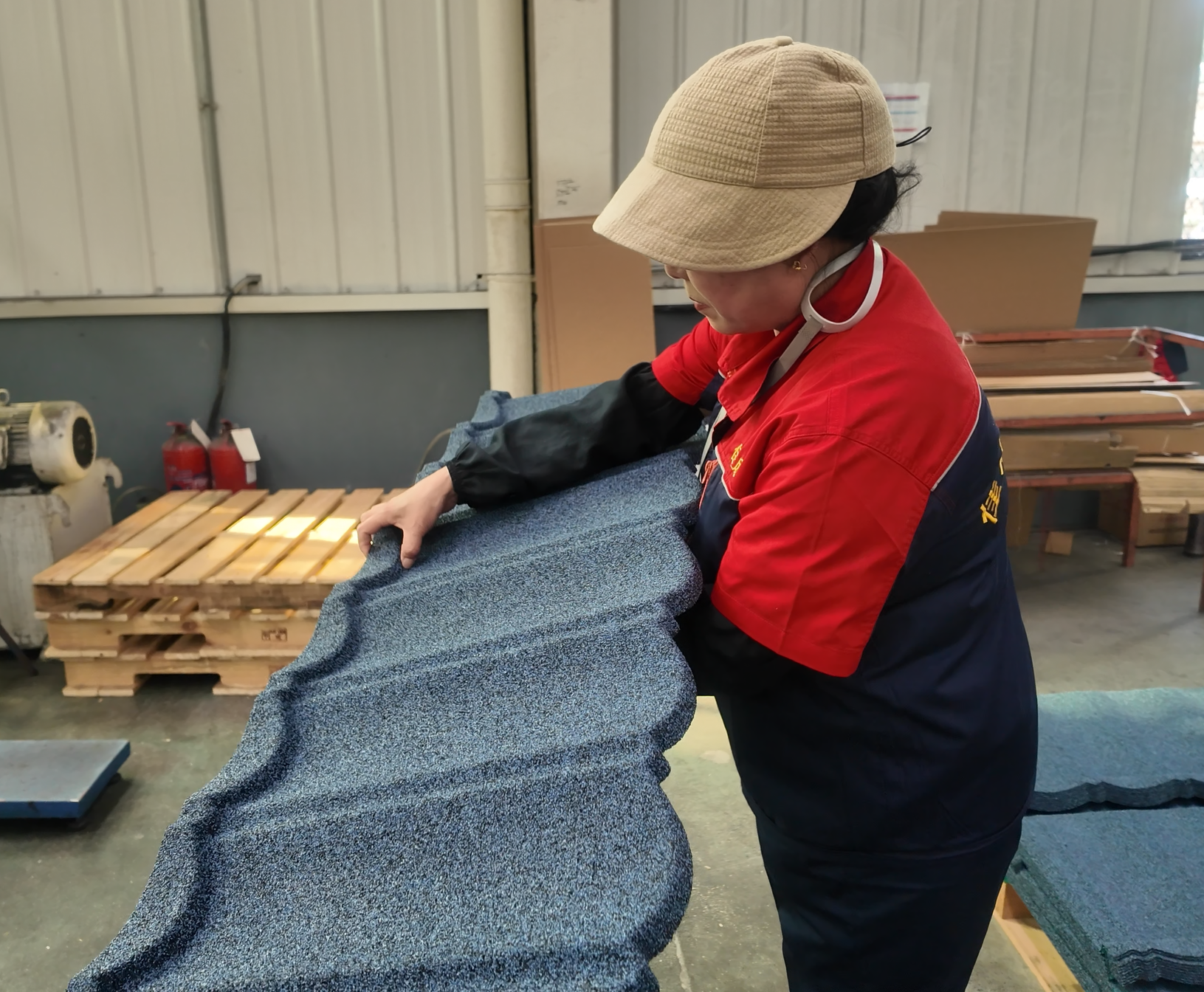
The highly competitive global wholesale market is unfortunately completely flooded with exceptionally cheap, generic, and inferior roofing products. Unscrupulous factories often utilize dangerously thin, completely substandard steel to artificially lower their quoted export prices. Purchasing from these completely unverified suppliers practically guarantees rapid, catastrophic panel rusting and severe aesthetic failure within months. Therefore, establishing deep, highly strategic vendor relationships with proven, elite manufacturers is completely critical for long-term survival. Reliable factories consistently provide exceptional material quality, highly predictable manufacturing lead times, and massively comprehensive technical support globally. This operational stability perfectly protects your business capital investment.
Bulk Purchasing and Container Optimization
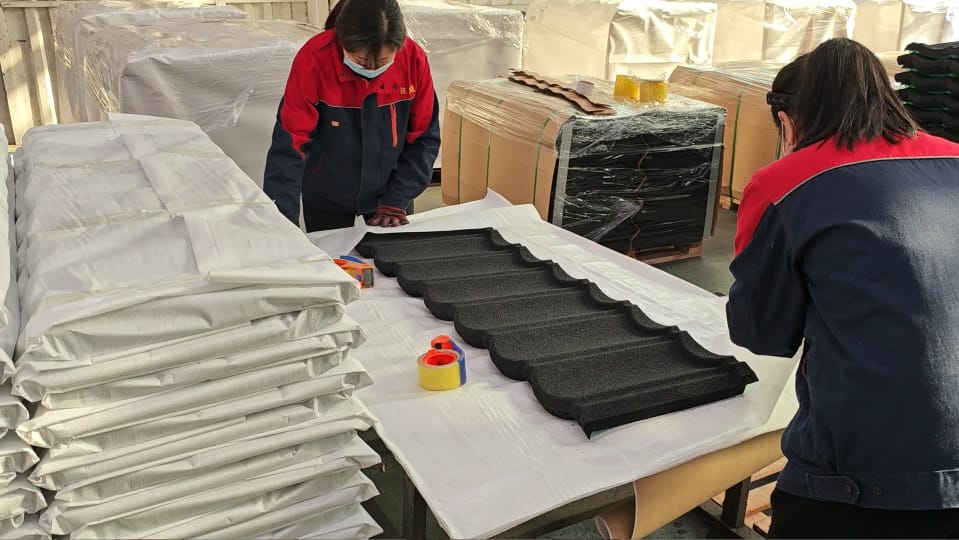
Shipping heavy construction materials across the globe is a highly expensive, extremely complex logistical endeavor. Because standard clay tiles are exceptionally heavy, shipping containers rapidly reach their maximum legal road weight limits long before being physically full. Lightweight steel changes this frustrating dynamic entirely, allowing highly clever wholesale buyers to completely maximize interior container volume. The specific steel panels naturally nest extremely tightly together on standard wooden pallets. This highly strategic, brilliant container loading significantly and aggressively reduces the exact landed shipping cost per individual panel safely. Ultimately, maximizing freight efficiency heavily protects wholesale profit margins.
Mitigating Labor Shortages with Advanced Training
The global construction industry is currently suffering from a massive, highly critical shortage of truly skilled installation labor. Therefore, finding highly qualified, deeply experienced metal roofing crews is exceptionally difficult and highly expensive. Wholesale distributors can actively solve this massive industry problem by aggressively providing extensive, value-added installation training programs directly to their clients. By strictly teaching contractors highly efficient, completely safe installation techniques, distributors actively create a fiercely loyal customer base. Furthermore, highly trained crews complete complex residential projects much faster, effectively lowering the overall metal roofing installation cost for the end consumer.
Summary: 2026 Residential Roof Cost Comparison Matrix
To directly assist B2B procurement managers and roofing estimators globally, below is a highly detailed comparative financial matrix. This specific structural table clearly illustrates the average total installed cost for a standard 1,500 square foot roof area.
| Roofing Material System | Average Cost per Sq. Ft. (Installed) | Estimated Total Cost (1,500 Sq. Ft. Roof) | Expected Structural Lifespan |
|---|---|---|---|
| Standard Asphalt Shingles | $4.00 – $8.00 | $6,000 – $12,000 | 15 – 25 Years |
| Corrugated Steel (Exposed Fastener) | $7.00 – $12.00 | $10,500 – $18,000 | 30 – 45 Years |
| Stone-Coated Steel Panels | $12.00 – $18.00 | $18,000 – $27,000 | 40 – 70 Years |
| Standing Seam Metal Roof | $12.00 – $22.00 | $18,000 – $33,000 | 50 – 70+ Years |
| Premium Copper / Zinc | $25.00 – $40.00+ | $37,500 – $60,000+ | 70 – 100+ Years |