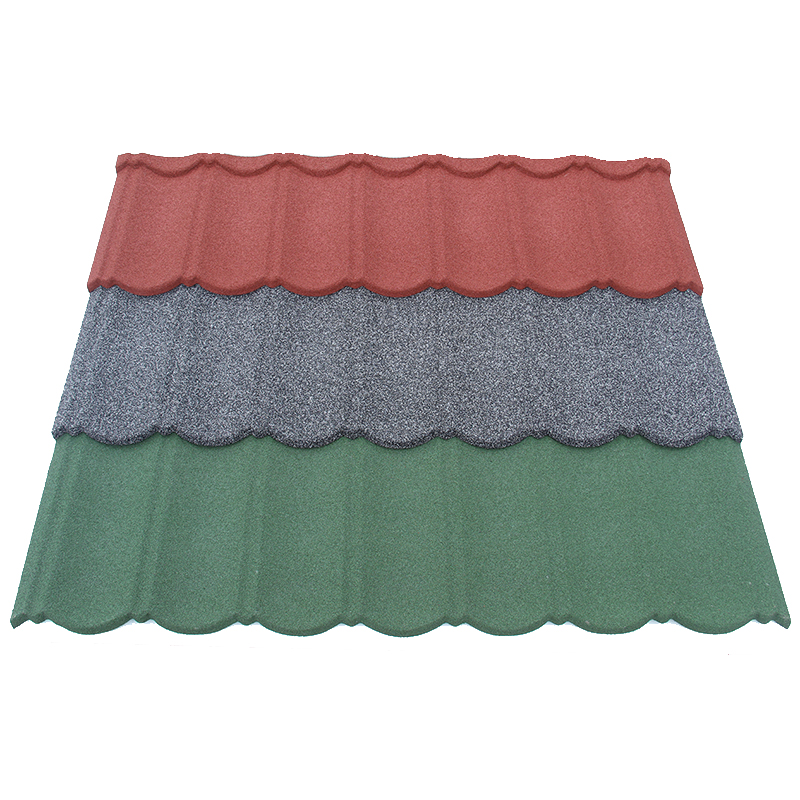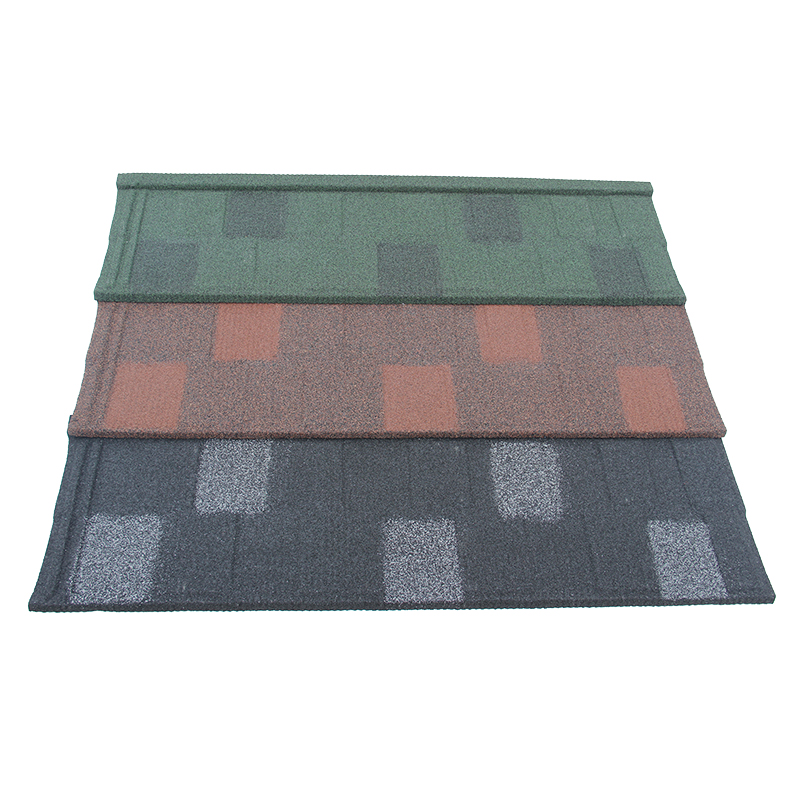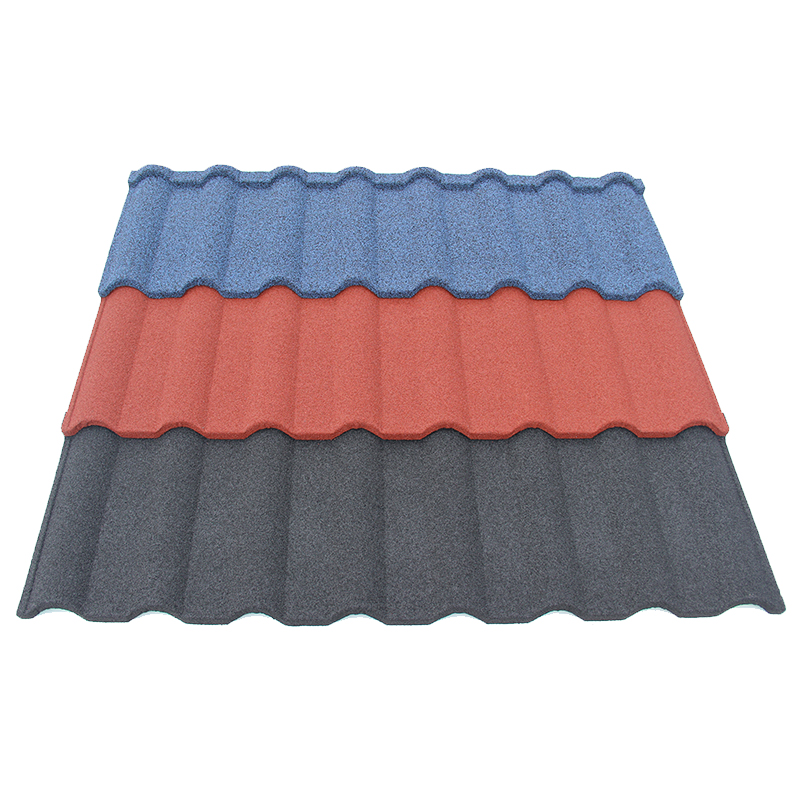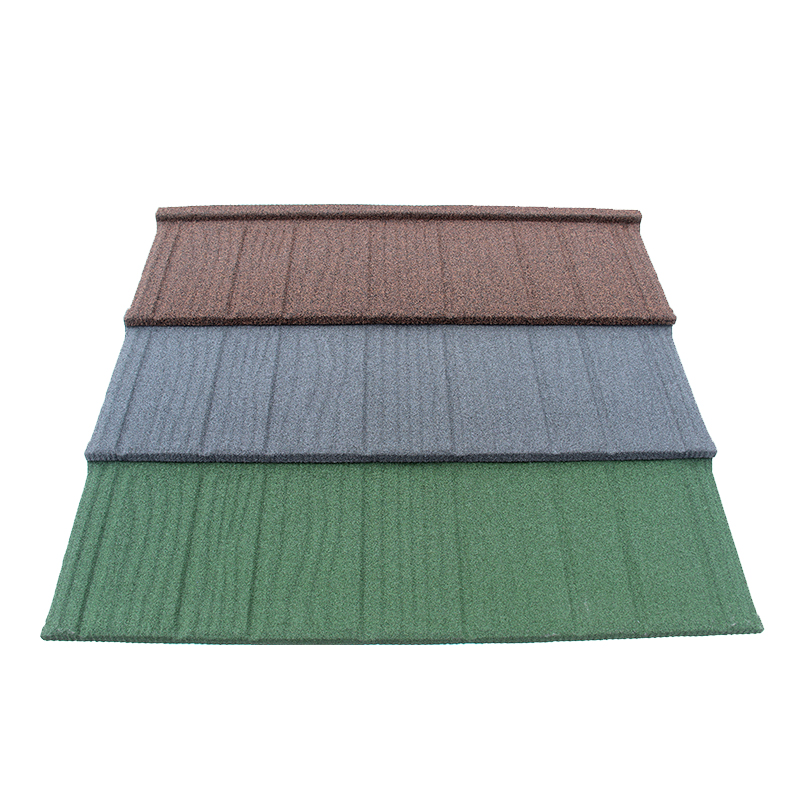

China stone coated roof tile suppliers should be evaluated against a defined order, not a numbered ranking alone. This factory-audit guide uses ten named candidates to show which evidence buyers should request before approving materials, production and shipment. It complements the company comparison page with a practical verification process.
Define the Factory Audit Before Reviewing Suppliers
First, identify what you need the audit to establish. A company introduction, a product sample and a site photograph each answer only part of the question. The buyer needs to connect the legal seller, manufacturing site, proposed specification and shipment documentation.
Factory audit and product acceptance are different tasks
A factory audit reviews the identified site’s processes and relevant capabilities within its agreed scope. Product acceptance checks whether the supplied material meets the order requirements. An acceptable site visit does not automatically accept every later batch, and a satisfactory sample does not establish the whole production process.
The publisher supplies roofing and appears in the candidates below. The list is not an independent quality ranking or proof that each company manufactures every quoted component. Official public pages provide starting references. Verify the legal and manufacturing arrangements for the actual order before relying on a website description.
Write the requirement before the visit
Record the profile, drawings, material requirements and destination. Identify the production steps and quality records that the audit must review. This makes the visit relevant to the purchase rather than a general tour of attractive equipment. Agree who will review findings and authorize the next step.
Ten Candidate Suppliers and Their Priority Verification Questions
Next, use the official references to prepare an enquiry. The table focuses on evidence, not market share or unsupported capacity figures. A public stone coated product listing does not independently establish the location of the factory that will supply your shipment.
| Candidate | Official reference | Audit priority |
|---|---|---|
| Shandong Jiacheng | Publisher company information | Identify the company, production site and actual order documents. |
| WITOP Steel | Company product information | Separate steel supply from the manufacturing arrangement for the finished tile. |
| Sangobuild | Company product information | Confirm which facility and product line will fulfill the quoted tile order. |
| Hebei Hollyland | Company product information | Match the finished profile, material and accessory schedule to the quotation. |
| Shandong Yisheng | Company product information | Identify the contracting entity and scope of the finished tile documentation. |
| Fuda Roofing | Company product information | Confirm packing, accessories and inspection access for the proposed shipment. |
| Shandong Jianxin | Company product information | Obtain the current drawing, production address and batch references. |
| Shandong Jinhu Aluminum Group | Company product information | Identify which group company produces, invoices and warrants the tiles. |
| Sengu (Shandong) New Materials | Company product information | Verify the actual production arrangement and supporting product evidence. |
| Shandong Kexin New Material | Company product information | Confirm whether finished tiles come from its own plant or another producer. |
Link the business identity to the plant
Ask the seller to identify the factory, relevant legal company and order responsibilities. Where a group or trading company coordinates supply, ask which entity manufactures, invoices and issues any warranty. These arrangements can be legitimate, but they need a clear contract and inspection plan.
For broader company descriptions, read the China manufacturer comparison guide. Keep that shortlist separate from the acceptance of an actual factory or batch. A named entry in an article does not replace an audit finding.
How China Suppliers Compare With the Global Leaders
Every manufacturer ranking in the top search results puts the same name first: DECRA. It scores 9.4/10 on QuackQuack (the only stone-coated steel manufacturer in its top 5), leads the Prestige and SourcifyChina lists, and is profiled as the pioneer — 60+ years in the market — on the Hoffman Weber contractor page. Use it as the benchmark when you evaluate a China supplier:
| Manufacturer | What the rankings cite | Warranty | Wind / fire |
| DECRA | Ranked #1 everywhere; original stone-coated steel manufacturer; 8 profile styles | 50-year limited | 120 mph; Class 4 impact; Class A fire |
| Gerard | Long-established global brand; 8–10% market share | 50-year limited (typical) | Class 4 impact; Class A fire |
| Tilcor | 70+ years; origins 1942; Ross Roof Group | 50-year limited (typical) | Class 4 impact; Class A fire |
| Roser | Proven in 75+ countries since 1978 | 50-year limited (typical) | Class 4 impact; Class A fire |
| Boral / Unified Steel (Westlake Royal) | Major US brand; 6–8% market share | 50-year limited, transferable | 120+ mph; Class 4 impact; Class A fire |
Ask a China supplier to match the benchmark in writing, not in a brochure: a warranty of the same length with the issuing entity named; wind and fire test reports for the exact profile (not a generic certificate); and the profile range available from its own production. A 50-year warranty claim is the industry norm on paper — the difference is whether the supplier can show the test reports and the claims history behind it. For installed pricing context, US stone-coated steel roofing runs about $9–$14 per sq ft installed (QuackQuack, 2026); see our stone coated steel roofing cost guide for the full breakdown.
Review Materials, Traceability and Process Records
Furthermore, ask the auditor to connect the approved specification with the production records. Identify how the factory records coil or material references, production batches and inspection results. Review the parts of the process relevant to your product instead of assuming automation alone establishes quality.
Material verification
- Identify base metal thickness, steel definition and agreed tolerance.
- State the metallic coating standard, designation and units.
- Match the finished profile with the accepted drawing.
- Record the agreed color and surface sample.
- Ask how the factory identifies a batch and handles changes.
The AZ coating guide explains why similar notation can mislead a quotation comparison. Ask the supplier to state the full requirement rather than accepting an isolated grade number. Inspection instructions should refer to the agreed specification and method.
Review inspection and nonconformity handling
Ask how the site checks dimensions, finish and other agreed requirements. Identify who releases the batch and records the result. Review how the factory separates or corrects a nonconforming product. Do not infer the strength of this process from an unused laboratory machine or a report covering another product.
Check finished-product evidence separately
A quality-management certificate does not establish a wind or fire rating. Request the actual product report and verify the specimen, assembly, issuer and scope. Ask the responsible project professional to review whether the proposed use fits the evidence. Do not treat CE, a laboratory name and an import document as interchangeable approvals.
Sourcing Risks to Check Before You Order
The sourcing-audit literature (SourcifyChina, 2026) lists seven recurring risks when buying stone coated steel roofing from China. Check each one explicitly — none of them is caught by a certificate alone:
- Trading company presented as a factory. Verify the business license, the factory address, and the production records for the quoted product. A group or trading arrangement can be legitimate, but the manufacturing entity, the invoicing entity, and the warranty issuer must all be named in the contract.
- Origin and supply-chain misrepresentation. Ask where the steel coil, the coating, and the stone granules actually come from, and require batch traceability that connects the shipment to those sources.
- Counterfeit or IP-infringing products. Confirm the profile is the supplier’s own tooling or a licensed design, and check that the brand markings on the product match the contracted manufacturer.
- Coating and adhesive quality. Stone granule adhesion is the most common hidden failure: ask for the granule source and the adhesion test method, and check retained samples after the batch is produced.
- Assuming all stone granules are equal. Granule grade, size, and colour fastness vary between suppliers; a cheaper quotation often reflects a lower granule grade. Record the agreed granule specification in the order.
- Warranty claims history. A warranty length tells you nothing about how claims are handled. Ask how past claims were resolved and who paid for them before you accept the warranty as a risk control.
- Skipping on-site or third-party inspection. A factory video, a certificate, and a good sample do not replace an inspection of the actual batch. Budget for it in the order, not as an afterthought.
Connect Audit Findings With the Purchase Contract
However, an audit report cannot enforce a requirement that the order leaves undefined. Translate accepted findings into the technical schedule, inspection plan and commercial terms. Record any outstanding action and who must close it before production or shipment proceeds.
Approve the product and accessories together
For Bond Tile or Shingle Tile, identify effective coverage, accessories and the installation reference. A sample panel without the matching components cannot define a complete roof order. Ask the contractor to review the proposed system and quantities.
- Attach the accepted drawings and material requirements.
- Define inspection timing, sampling and acceptance criteria.
- Identify panel and accessory quantities and packing.
- State payment stages and the agreed shipping scope.
- Record how discrepancies, substitutions and claims will be handled.
Check the shipment against the accepted order
Before dispatch, compare the batch references, packing list and inspection result with the purchase documents. Ask who will resolve a discrepancy before the goods move. Retain the evidence needed to connect the loaded shipment to the inspected material. A factory tour months earlier cannot establish that connection by itself.
MOQ, Lead Time, and OEM Terms
Commercial terms vary widely between China suppliers, so get them in writing for your exact profile and quantity. Published examples from one manufacturer (Sango Cailin, 2026): minimum order quantity 2 units, lead time 7–10 days, OEM/ODM with 10+ colours, thicknesses 0.45/0.5/0.55 mm, custom packaging and logo printing, and payment of 30% deposit with 70% before shipment. Treat those as an example of what a complete quotation looks like, not as a market standard — and ask every candidate supplier for the same four items:
- Minimum order quantity for your profile, and whether it changes with colour or gauge.
- Lead time from confirmed order to dispatch, and what extends it (profile, gauge, quantity, season).
- OEM/ODM scope: colours, thicknesses, packaging, logo printing, and who owns the tooling.
- Payment stages tied to evidence (deposit, production inspection, pre-shipment inspection) rather than to calendar dates alone.
A very low MOQ is not a quality signal, and a short lead time is not a capacity proof. Both should be checked against the production records and the inspection plan in the sections above.
Questions About Auditing China Roofing Tile Suppliers
Finally, choose a process that fits the risk and actual purchase. A useful audit answers defined questions and leaves a record of evidence; it does not replace the buyer’s technical and contractual decisions.
Does a factory video prove a supplier manufactures the order?
Not by itself. Identify the site and relevant companies, connect the proposed product to that facility, and agree access to the evidence needed for your audit and inspection scope.
Should every supplier provide the same certificates?
Ask which documents apply to the actual product, destination and project. Different documents answer different questions. Do not demand a familiar acronym as a substitute for identifying the requirement.
Can I accept a batch because the sample looked good?
A reference sample supports approval but does not accept a whole shipment. Use the agreed specification and inspection process to check the production batch and preserve traceability.
What if the factory changes a material?
Require a written proposal and the relevant technical review before production uses the change. Record any revised sample, drawing, specification and acceptance decision with the order.
Which manufacturer is ranked first by the comparison sites?
DECRA, in every top-ranking comparison: 9.4/10 on QuackQuack, #1 on Prestige and SourcifyChina, and profiled as the pioneer with 60+ years on the Hoffman Weber page. Its published benchmark is a 50-year limited warranty, 120 mph wind rating, Class 4 impact, and Class A fire. Use those figures as the standard a China supplier should match in writing.
How do I know if a supplier is a factory or a trading company?
Check the business license, the factory address, and the production records for the quoted product, and confirm them with an audit or a third-party inspection. A trading or group arrangement can be legitimate, but the manufacturing entity, the invoicing entity, and the warranty issuer must be named in the contract — if the seller cannot name all three, treat that as an open risk, not a detail.
What warranty should I expect from a China supplier?
A 50-year limited warranty is the global benchmark, but the length alone proves nothing. Ask what it covers (material, coating, granule adhesion, wind), who issues it, how past claims were handled, and whether the warranty survives if the supplying entity changes. Get the warranty document with the order, not as a brochure line.
Retain the record for future orders
Keep the audit scope, accepted findings and outstanding actions with the final contract. On a repeat order, confirm that the production site, specification and supporting documents remain current. If a supplier changes a plant or material source, identify what needs fresh review rather than assuming the earlier audit covers the new arrangement.
Set a clear audit closeout process
For each finding, record the requirement, observed evidence and action needed. Identify who will review the response and what evidence will close the item. A general statement that the factory promises to improve does not establish whether a specific order can proceed under the agreed conditions.
Separate a documentary gap from a product nonconformity and a commercial disagreement. These can need different owners and remedies. Keep the final decision with the evidence rather than hiding unresolved questions in a long visit report. The buyer should know which issues remain open before committing the next payment or release stage.
Prepare the inspection provider before the goods are ready
Send the accepted product schedule, drawings and relevant test or measurement requirements to the inspection provider. Explain the batch and shipment references that need to appear in its report. Confirm the agreed sampling and access arrangement with the factory so the visit can examine the material relevant to the order.
If an inspection cannot check a requirement, record that limitation explicitly. Do not describe the batch as fully verified when a material parameter or hidden process remains outside the scope. Ask the responsible buyer or project professional to decide whether additional evidence is needed before acceptance.
Keep payment decisions connected to evidence
Agree payment milestones in the contract and identify the records relevant to each stage. An audit finding, production photograph and shipment inspection serve different purposes. Review the agreed evidence for the actual milestone rather than treating any recent supplier update as proof that the order has met every requirement.
JCROOF publishes product information for trade enquiries. Request the documents for the exact roof system and destination before approving an order.
Compare the stone coated metal roofing range and include the selected profile, project location and quantity in your enquiry.