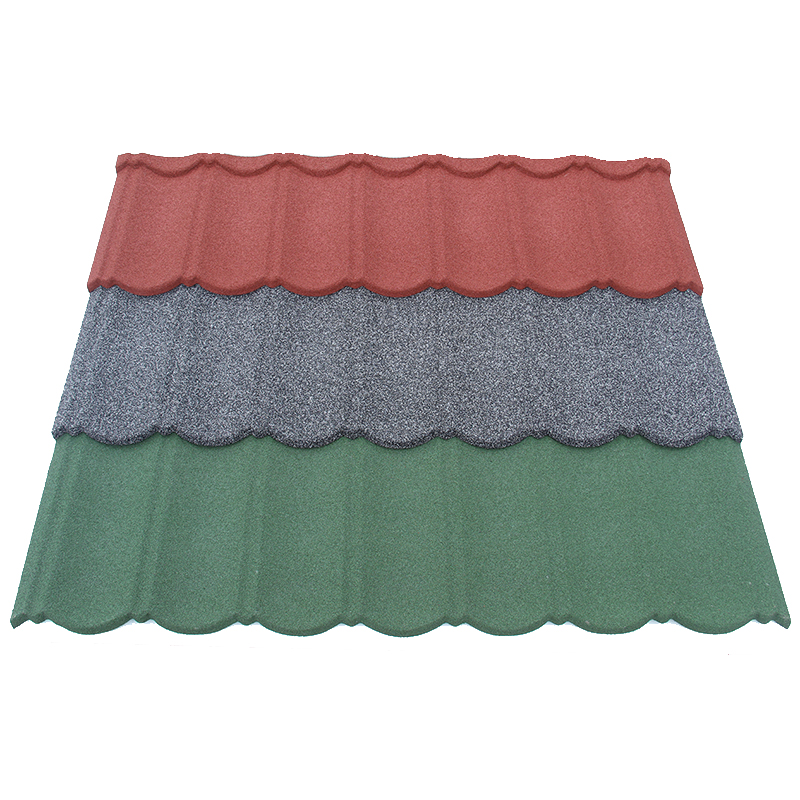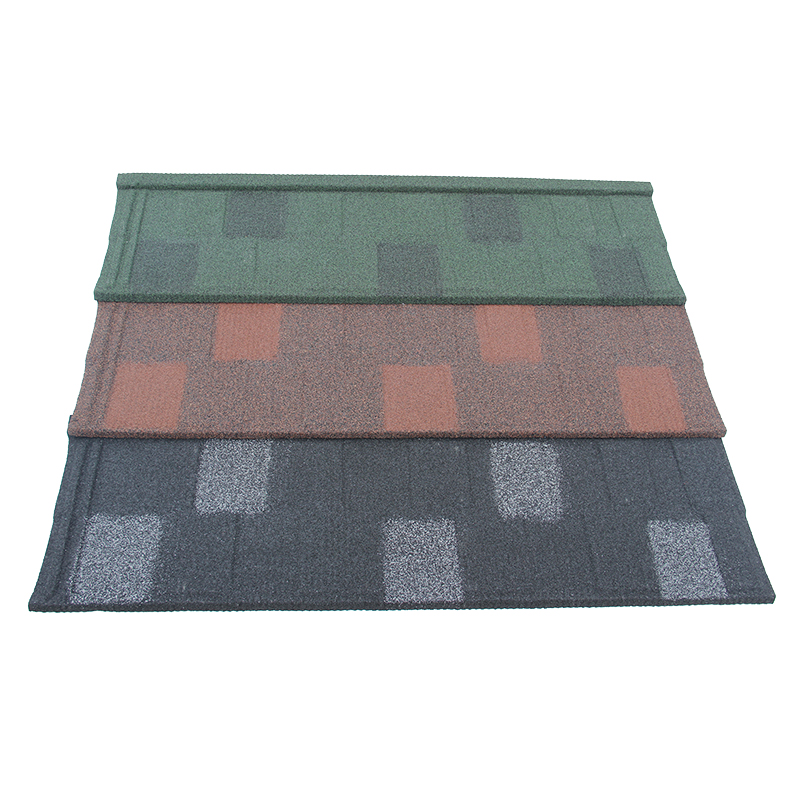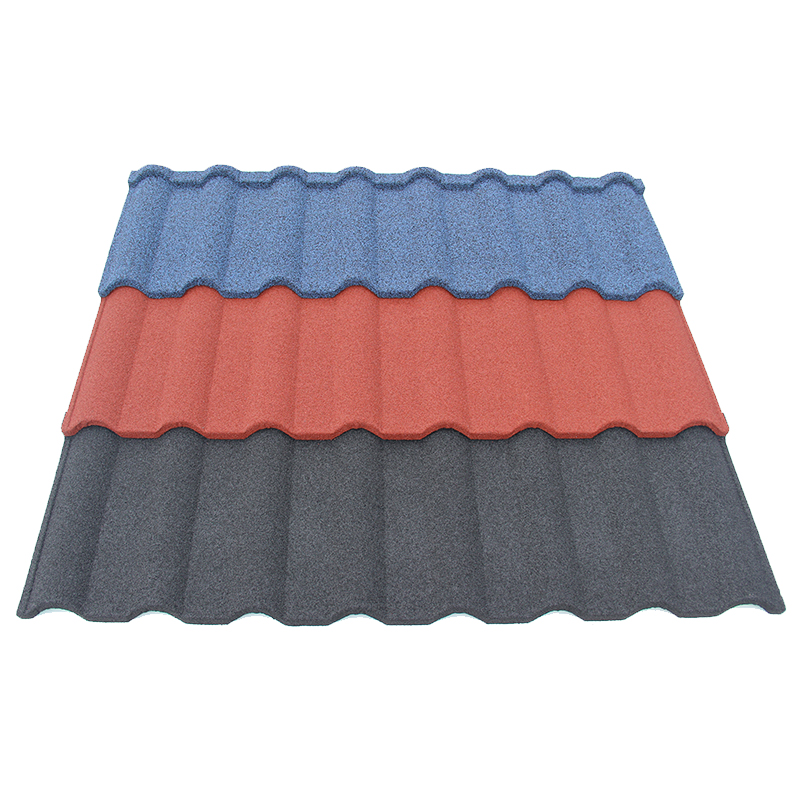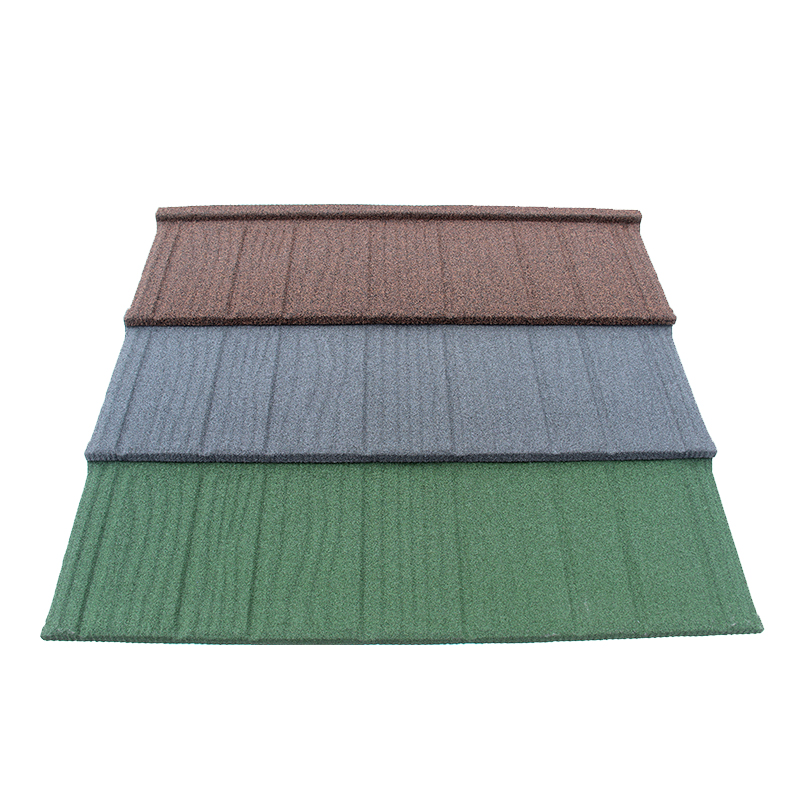


Build stone coated roof tiles quote comparison Southern Africa around a matched product list and a named delivery point. Ask each seller to identify the tile, accessories, selling units, and services behind its price. Then add the missing costs needed to reach the same stage of supply.
For Botswana, Mauritius, Namibia, and Malawi, a local materials price and a China export quote cover different work. A contractor may also quote the roof with labour and site costs included. Record those scopes before comparing totals. The buying decision should show what the team will pay to receive the roof package it needs.
Set the Basis for Stone Coated Roof Tiles Quote Comparison Southern Africa
Start with the roof plan or the distributor’s stock schedule. Give every bidder the same profile, finish, quantity, and delivery address. Ask whether the seller quotes existing stock or a planned import. The Southern Africa sourcing guide helps buyers define the importer and the proposed supply route.
Create a line for each quoted product and service. Mark each cost as included, separately priced, or still open. Give an owner to each open item and record when the team expects an answer. Keep the quote date and validity beside the price so later changes are easy to trace.
Identify where the seller’s price ends
For a China export quote, request the trade term, version, and named place. Ask which packing, loading, and transport tasks it includes. Give the forwarder the same details for its estimate of the remaining route. Record the handoff point and the party that pays at each stage.
For a local material offer, ask whether the price includes delivery and unloading. Confirm the quantity actually offered and the source of matching trims. A small roof may need loose pieces from packs, so ask how the seller prices them. Include any collection trip or second delivery the buyer must arrange.
For an installed offer, ask for a separate list of materials and site work. Have the contractor show what it includes for support, underlayment, trims, access, and waste handling where relevant. Let the project team check that scope against the drawing. Add any required work that the contractor has excluded.
Match Effective Cover, Finish, and Accessory Quantities

Ask each bidder to state the model, drawing reference, steel thickness basis, coating, and finish code. Keep those fields in the comparison sheet. The specification comparison guide helps buyers identify material differences before they rank prices.
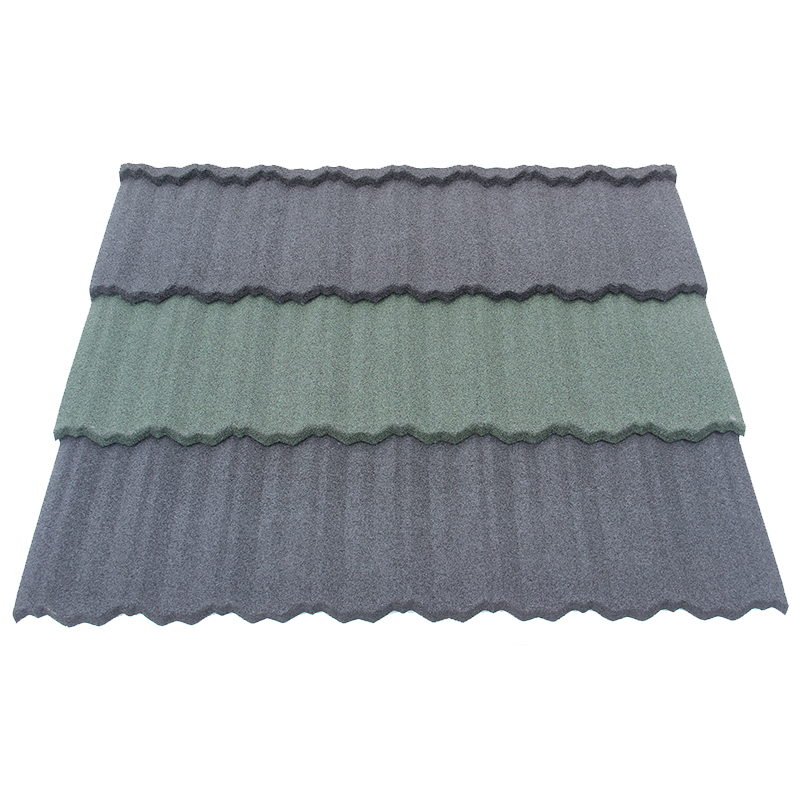
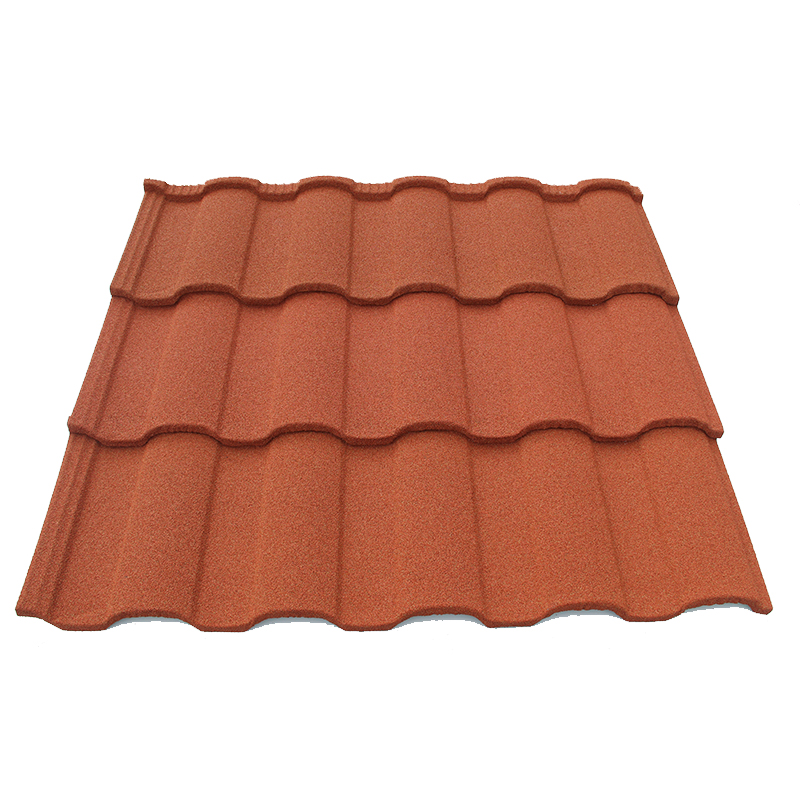
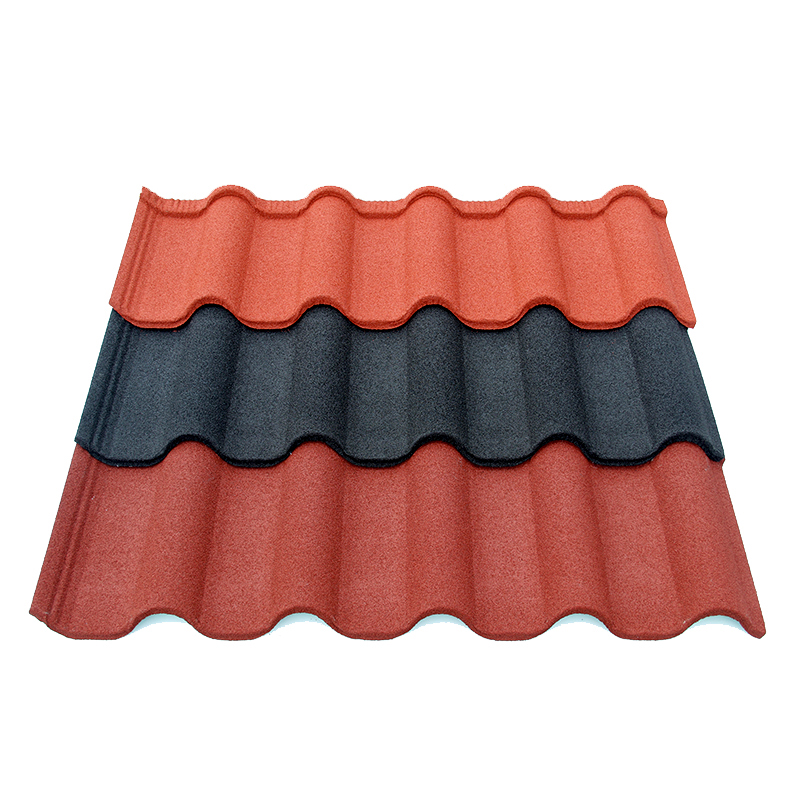
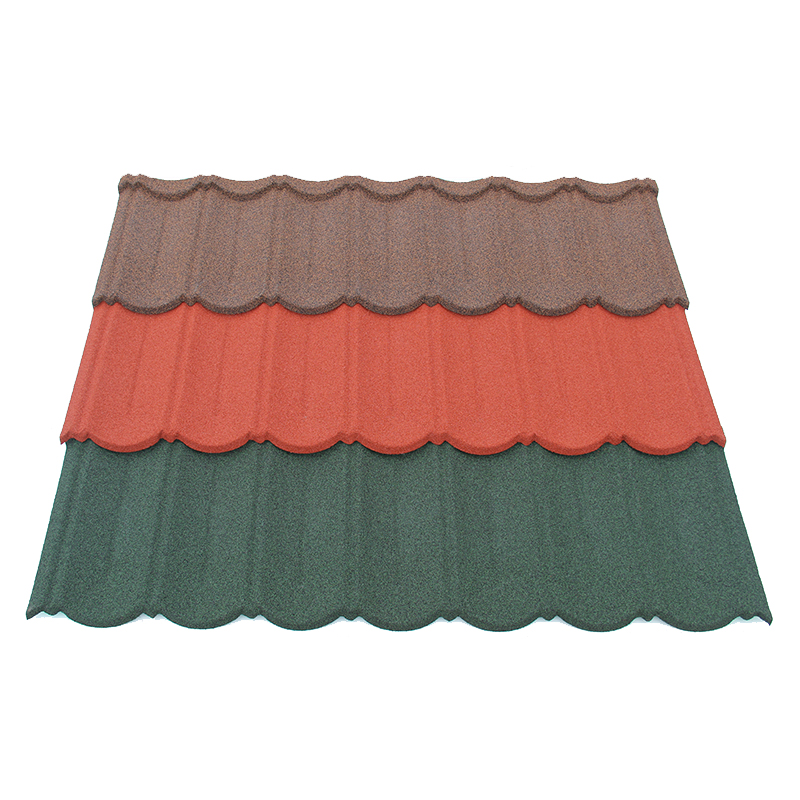
For a proposed Shingle Tile order, request the current coverage and packing information for that exact profile. Ask JCROOF which specification and finish it can quote for the order. Give the project reviewer those records with the sample reference.
Check the area behind each unit price
A price per tile needs a documented coverage figure before comparison with a price per square meter. Ask whether the stated area is the full panel area or effective installed cover. Use the supplier’s current figure for the offered product. Keep the figure and its source beside the calculation.
Have the takeoff owner explain the tile count used in the order. Show planned cuts, spares, and pack rounding separately from the roof area. If an offer uses another area unit, show the conversion in the sheet. Ask a second buyer to check the unit and count before approval.
Price the mix the buyer must purchase
List the ridges, hips, valleys, edge pieces, and other parts required by the agreed roof details. Give each a code, selling unit, quantity, and finish reference. Ask which items share the main shipment and which need a separate order. Include their packing and transport costs in the relevant lines.
Compare the cost of full packs with a seller’s price for loose pieces. For a small job, the direct-import order may leave spare stock. Record that stock and where it will be kept. Ask the team whether the next planned job can use the same model and finish.
Review Country Costs Before Converting the Quotes
Botswana
Botswana Unified Revenue Service describes transaction value as the primary customs-valuation basis, subject to the applicable adjustments and conditions. Ask the importer’s agent which value and costs it uses for the actual goods. Give it the invoice scope and route before requesting an estimate. BURS valuation guidance
Ask how the proposed China shipment enters Botswana and where any transit work takes place. Request an itemized estimate through to the final town or site. If a regional seller quotes delivery from another country, ask which border tasks it includes. Compare both offers using the same receiving point.
Record the invoice currency and the date used for the buyer’s payment budget. Ask the seller to identify any tax already included in its local price. Keep the agent’s estimated border charges on their own lines. Recheck open amounts when the final shipment details are available.
Mauritius
Mauritius Revenue Authority explains that customs value is expressed in Mauritian rupees using the applicable rate at entry. Its guidance also describes weekly customs exchange rates. Ask the broker to identify the period and basis used in its estimate. MRA commercial-importer guidance
Keep that customs conversion separate from the bank rate used to budget supplier payments. Ask the broker to confirm the product classification and current charges for the actual order. Request the port, clearance, and local-delivery scope in the estimate. Compare a local seller’s rupee price at that same endpoint.
If a seller offers an installed package, ask the contractor to separate the materials and site work. Confirm who receives the shipment and who moves the packs to the work area. Put any handling equipment or extra delivery trip into the comparison.
Namibia
Namport describes Walvis Bay as a container port linked with road, rail, and regional transport corridors. Ask the forwarder to quote the chosen port and the onward leg to the named Namibian destination. A quote ending at the port needs those later costs. Namport route context
Ask whether the local seller’s price is for collection or delivery to the site. Record the invoice currency clearly, including whether an offer uses Namibian dollars or rand. Use one dated comparison currency while retaining each original price. Ask the seller which costs may change before dispatch.
For orders serving several sites, request separate pack marks and delivery charges for each stop. Compare that arrangement with one warehouse delivery and later local distribution. Include unloading and storage in the option that requires them.
Malawi
The Malawi trade guide describes access through neighboring countries’ ports and onward inland distribution. Ask the forwarder to name its proposed port, transit route, and final delivery location. Request current transport and clearance costs for that complete route. Malawi distribution guide
Ask who handles each border step and where the goods could wait between legs. Confirm the delivery assumptions for the season and final site access. Keep any storage or second-truck allowance visible in the estimate. Compare those items with the local seller’s written delivery terms.
If the buyer plans a later top-up, request a separate estimate for that smaller load. Ask whether the seller can supply matching parts at that time and on what terms. Use the answer to compare a larger first order with the cost of two deliveries.
Test Currency, Freight, and Payment Assumptions

Choose a reporting currency for the comparison and save the rate source and date. Retain the original invoice currency beside every converted figure. Ask the bank to estimate payment charges for the proposed arrangement. Keep these charges linked to the payment milestones in the offer.
Ask each seller what happens if the quantity, finish mix, or dispatch date changes. Request a revised quote where the change affects price. Give the forwarder the same revised pack list and weights. Mark the accepted revision so everyone works from the current figures.
Review the costs that remain estimates
Run a second comparison using another freight or payment-conversion assumption supplied by the relevant provider. Change one input at a time to see its effect. Keep the assumption beside the result. Ask the buyer to decide which open costs need confirmation before order release.
Trace one tile line from its quote through quantity, conversion, freight, and final delivery. Then trace one accessory line in the same way. Check that shared charges enter the total once. State the basis used to allocate freight across different parts of the load.
Approve the Complete Offer and Track Actual Costs
Have the technical reviewer check the model, sample, and supporting documents. The buyer should check the total cost and trade terms. For a supply-and-fit contract, have the contractor confirm the site scope and material schedule. Record the decisions together with the accepted quote revision.
Use the quote scope guide to review packing, documents, payment, delivery, and changes. Put the final product codes and quantities in the purchase order. Ask the supplier to confirm those references in its reply.
Give the receiving team the expected pack list and the agreed reporting process for shortages or damage. Replace estimates with actual bills as they arrive. Compare the final landed and delivery costs with the approved sheet. Keep the differences for the next quote request and repeat order.
Need help comparing a Southern Africa roof tile quote? Contact us with your profile, quantity, destination, and delivery scope. Our team can reply and help clarify the proposed product and quote details.