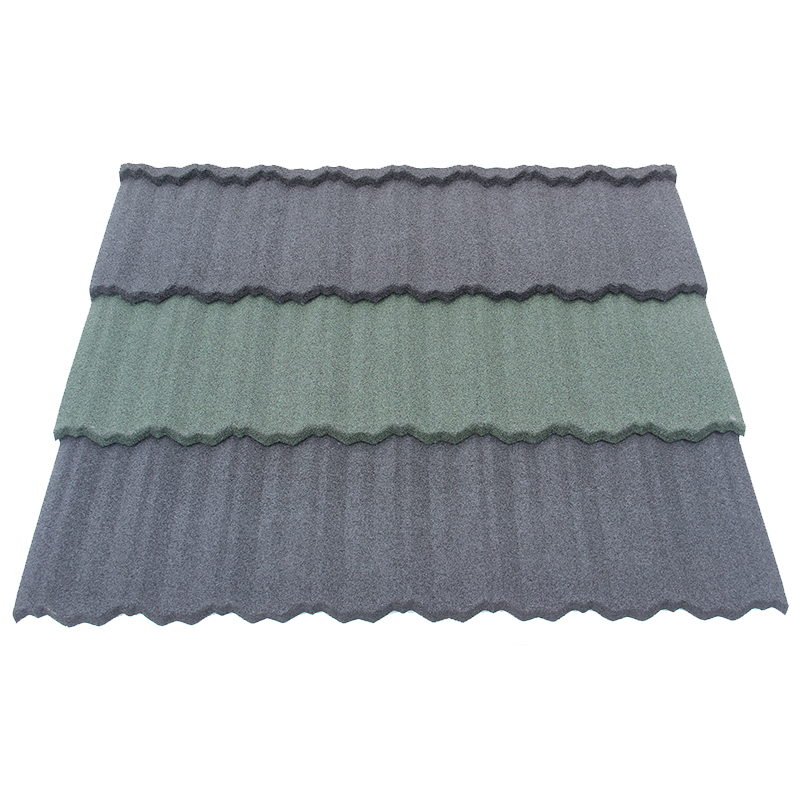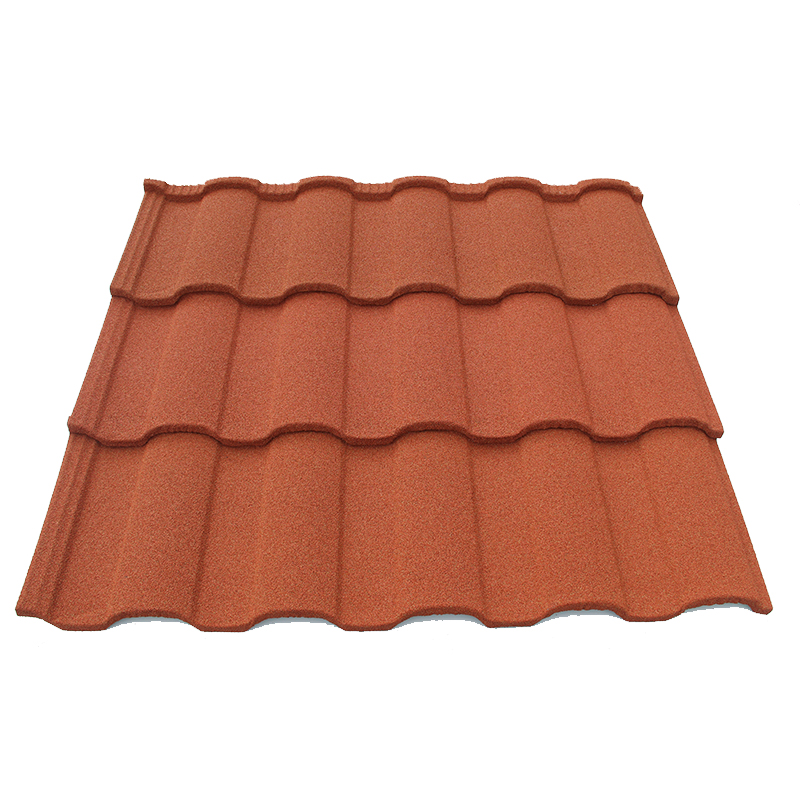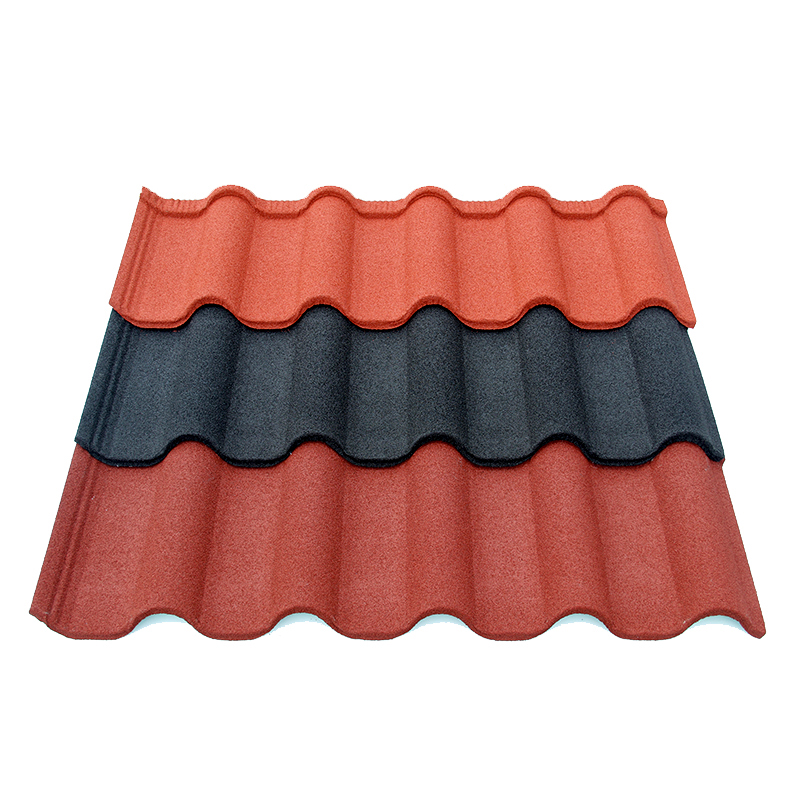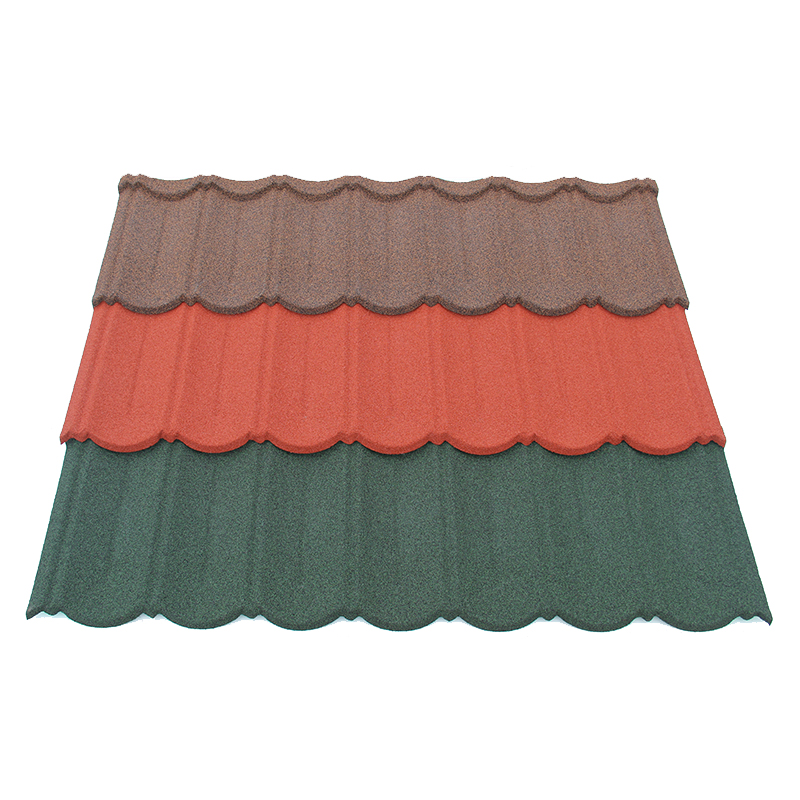


Request a CIF quote by destination port for stone coated roof tiles with the exact port and Incoterms edition. Give the seller the same tile, trim, and pack list for each port option. Ask it to show the included freight and insurance. Then ask your local agent to price the work after arrival.
A port quote helps you compare the part of the route the seller pays for. For a purchase decision, take each offer through to the same warehouse or site. Keep both totals in view. Ask the agent which extra charges are firm and which depend on the final booking.
Set up a CIF quote by destination port for stone coated roof tiles

Put the named port of destination and Incoterms 2020 on each request. Name the expected loading port and ask when the seller will confirm it. List the delivery address separately for the inland quote. Keep the product codes, quantities, and currency visible at the top of the pricing sheet.
Confirm when the shipping risk passes
Under CIF Incoterms 2020, the seller pays for carriage and insurance to the named destination port. Risk passes when the goods go on board at the shipment port. The ICC Academy guide to C rules explains the location difference. Ask the seller to name both ports so the records stay clear.
For packed containers, ask the forwarder to map the actual handover. If the seller hands the container to a carrier before loading, ask whether CIP fits that arrangement better. The ICC term selection checklist discusses how container and multimodal transport can affect the choice. Have both parties record the term they agree.
Check the insurance and cargo details
Ask which policy or certificate the seller will provide and where its cover begins and ends. Check the insured amount, currency, exclusions, and how to make a claim. The ICC Incoterms 2020 overview identifies Institute Cargo Clauses C as the default CIF cover. Ask about any extra cover your shipment needs.
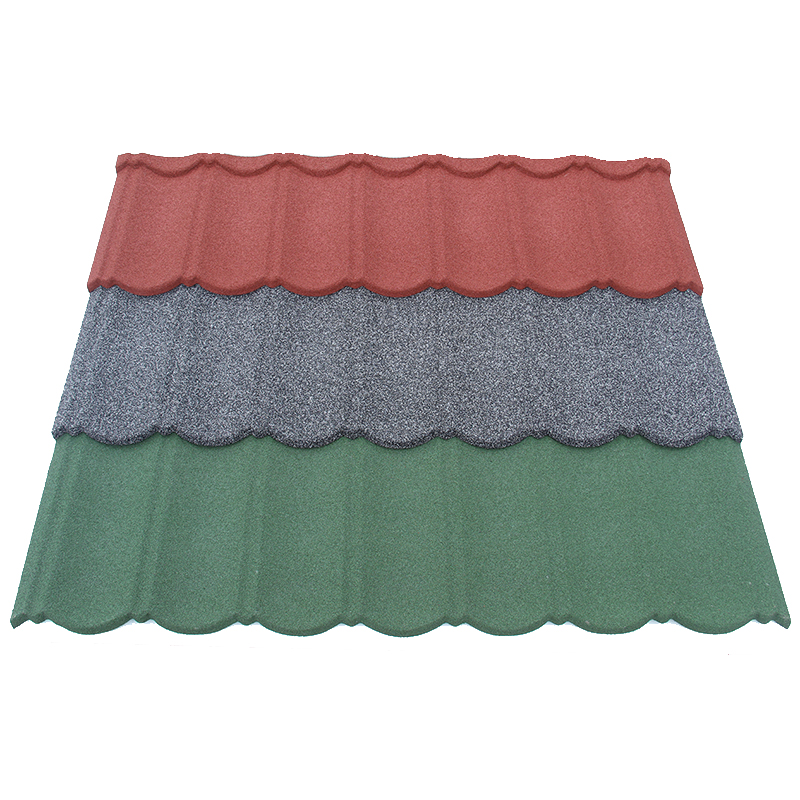
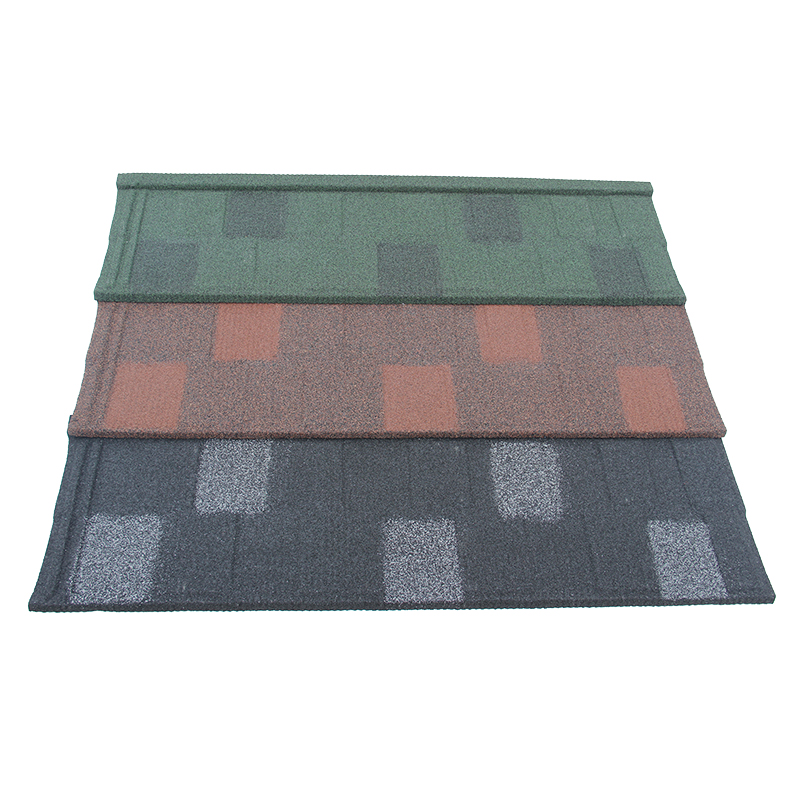
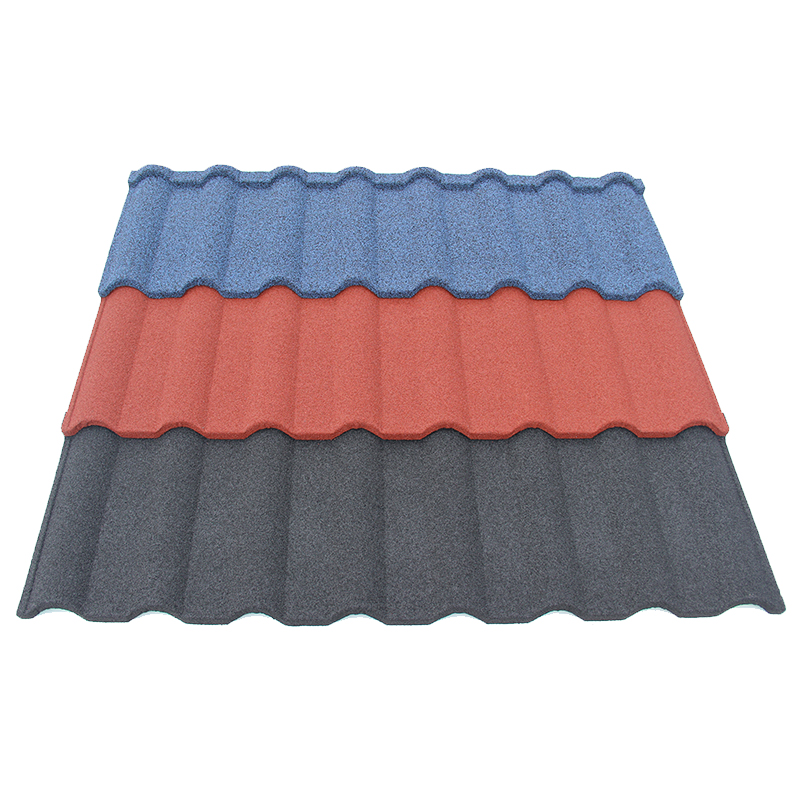
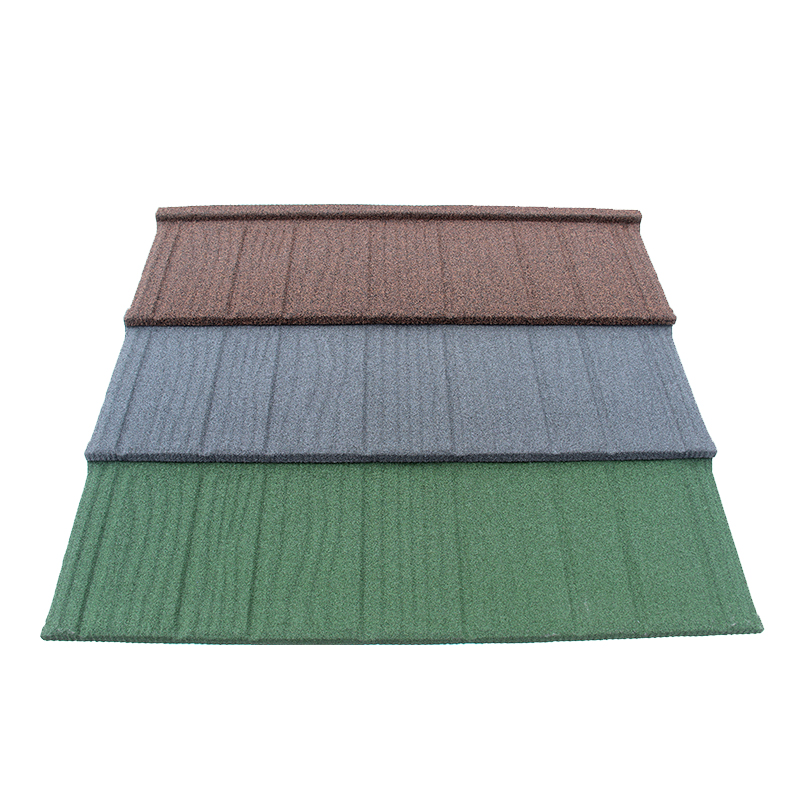
For a planned Bond Tile order, send the exact panel and finish codes. List the trim and spare quantities on separate lines. Ask for a load plan showing package counts, gross weights, dimensions, and the proposed container. Have the forwarder check the actual load against its route and equipment limits.
The roof tile quotation guide explains how to keep the product and price basis clear. Ask the seller to use the same package list on each offer. If one port option needs a different pack plan, request a revised list. Compare the cost after accounting for that change.
Check each destination before you compare prices
Use a separate row for every destination that the forwarder will price. Ask for the booking’s named port and expected terminal when available. Have the buyer’s local agent confirm the collection point. A city name can leave the terminal and handling scope open.
Manila
Ask the forwarder which terminal it expects for the Manila option. The operator identifies Manila International Container Terminal as a specific facility between the North and South Harbors. Ask the agent to match the collection quote to the expected terminal. Record where the buyer will return the empty container.
Dar es Salaam
The Dar es Salaam Maritime Gateway Project describes container facilities at the port. Ask for the expected discharge and release point on the proposed quote. If the goods will move inland or cross a border, request a separate onward price. Name the final town or site before comparing routes.
Tema
The Ghana Ports and Harbours Authority describes port and nearby logistics services at Tema. Ask whether the local quote assumes collection at the discharge terminal or another clearance point. Request the transfer and handling costs that the agent expects for your shipment. Keep those charges with the final delivery address.
Durban
Ask the Durban agent to name the terminal and confirm the release steps for your carrier. Use the Transnet Port Terminals site for operator context. Have the agent state the pickup and empty return assumptions on its quote. Price the haul to the buyer’s warehouse on a separate line.
Apapa and other Lagos quotes
Nigeria’s Bureau of Public Enterprises identifies Apapa Container Terminal by name. If an offer says only Lagos, ask the seller to confirm whether it means Apapa. Ask the agent to price clearance and transport from the named terminal. Update those lines if the seller changes the port.
Mombasa
The Kenya Ports Authority describes inland depots and onward arrangements from Mombasa. Ask whether your forwarder quotes collection at the port or movement to an inland depot. Record where the transport document shows release and where the buyer takes the goods. Ask which part of the onward work still needs a separate price.
Compare the full charge list at one endpoint

Ask the seller and agent to fill in the same charge list. Make each party identify what it includes and what it expects the buyer to pay. Use a stated currency and quote date on every line. Request a new price when a route changes or an offer expires.
| Cost or record | What to confirm |
|---|---|
| Goods and packing | Exact product codes, quantities, pack list, and load basis. |
| Freight and insurance | Named destination, quote validity, policy scope, and excluded charges. |
| Destination handling | Which unloading and terminal charges the carriage price covers. |
| Entry and release | Broker scope, expected duties or taxes, and required records. |
| Inland work | Collection point, final address, offload, and empty return where relevant. |
| Time-based charges | Who pays, when free time starts, and when daily charges can begin. |
Check whether the carrier’s freight terms include any destination charges. Ask the agent to show where those charges appear on the local quote. Review this before adding a second charge for the same service. Ask both parties to explain unclear descriptions. Keep unconfirmed costs marked as open.
The guide to full and shared containers explains how shipment size affects packing and consolidation decisions. Compare the effective roof coverage and the complete package before you compare freight per tile. Confirm that the accepted order includes matching trim and spares. Price any separate shipment the buyer would need.
Put two offers on a common basis
Suppose you have two offers for the same tile package and delivery address. The first names a closer port but leaves inland delivery unpriced. The second names a farther port and includes a freight estimate from the port to your site. Ask both agents to quote the same endpoint and offload scope. Mark each estimate with its expiry date. Compare the offers again once both lists cover the same work.
Keep the quote in its original currency and add a separate column for the converted amount. Use one reference date when you compare offers in different currencies. Ask the broker which rate will apply when it files the entry. Keep that estimate separate from your internal comparison. If either rate changes, you can see which part of the total moved.
Repeat the comparison for the roof area the order will cover. Use the same coverage basis, trim schedule, and spare allowance for both options. Ask whether a change in profile affects pieces per pack or packs per container. Ask the installer which parts it expects to source locally. Enter those costs beside the imported package before you compare the installed scope.
Freeze the quote scope before releasing the order
When asking JCROOF about a proposed shipment, share the named port, requested term, product list, and timing needs. Ask which costs and documents the offer includes. Give the local agent the same scope and package details. Put both replies beside the order record.
Ask for an updated offer if the port, finish, pack count, or delivery term changes. Review the proposed shipment documents and the insurance before the parties release the goods. Have the buyer agree which dates the forwarder will confirm. Retain the final version for arrival and any claim.
If a route includes a transfer between ships, ask where the insurance cover applies during that leg. Ask who will send arrival notices and who will collect the release documents. Agree how the buyer will record missing or damaged packs at arrival. This gives the receiving team a clear contact list.
Ask the broker which records it can review before the container departs. Share the packing list, invoice, and proposed transport document through your agreed channel. Match package counts and product codes across those records. If the agent finds a mismatch, assign someone to obtain a correction. Confirm where the agent will expect the final version.
Before booking, ask the insurer which documents it needs for a claim. Have the receiving team record the seal condition where it can safely inspect it. Ask them to keep dated photos and note shortages on the receiving record. Share the notice procedure before the goods arrive. Confirm who will notify the insurer and who will keep the original records.
Need help preparing a destination port quote? Send us an inquiry with the port, tile list, and required parts. Our team will reply and help you review the available quote details.