
For distributors, importers, contractors, and project developers, delivery speed has become just as important as product quality. Delayed roofing materials can postpone construction schedules, increase labor costs, and even lead to contractual penalties. As a result, choosing fast delivery roofing manufacturers is now a key procurement strategy rather than simply a logistical preference.
While many suppliers advertise quick production, actual lead times depend on multiple operational factors, including manufacturing capacity, inventory management, automation, raw material availability, and export experience. The fastest supplier is not necessarily the one with the largest factory, but the one with the most efficient production and supply chain management.
This guide explains how professional buyers evaluate roofing manufacturers with fast delivery capabilities and what factors truly influence production lead times in today’s global roofing industry.
Why Fast Delivery Has Become a Competitive Advantage in Global Roofing Procurement
Construction projects operate under strict timelines. Every delayed shipment affects installers, contractors, developers, and project owners. Unlike standard building materials, roofing products are often installed during the final stages of construction, meaning delays can postpone project completion and occupancy.
For distributors, faster delivery also improves inventory turnover and reduces warehouse costs. Instead of maintaining excessive stock, they can replenish products more frequently, improving cash flow and responding quickly to market demand.
Shorter Lead Times Improve Customer Satisfaction
Customers increasingly expect shorter project timelines. Manufacturers capable of delivering products quickly help distributors meet these expectations while strengthening customer relationships.
Reliable lead times also reduce uncertainty when planning future projects and inventory purchases.
Fast Delivery Supports Growing Markets
Rapidly developing regions such as Africa, Southeast Asia, and the Middle East often experience seasonal construction booms. Roofing manufacturers with efficient production planning are better positioned to support distributors during these high-demand periods.
Speed Should Never Replace Quality
Although delivery speed is important, professional buyers understand that rushing production without proper quality control creates long-term risks. The ideal manufacturer balances efficient production with strict inspection procedures.
What Determines the Delivery Speed of Roofing Manufacturers?
Delivery performance depends on far more than factory size. Leading manufacturers optimize every stage of production—from raw material procurement to container loading—to shorten lead times while maintaining consistent quality.
Understanding these operational factors allows buyers to compare suppliers more effectively and identify manufacturers capable of meeting demanding project schedules.
Production Capacity and Manufacturing Efficiency
Factories operating multiple automated production lines can process larger orders simultaneously. This flexibility helps prevent production bottlenecks during peak seasons and improves overall scheduling efficiency.
However, capacity should always be evaluated together with production planning. Even a large factory may experience delays if its production schedule is already fully booked.
Raw Material Inventory Management
Manufacturers maintaining stable inventories of steel coils, stone chips, coatings, and accessories can begin production immediately after order confirmation. Suppliers that purchase materials only after receiving orders often require significantly longer lead times.
| Operational Factor | Impact on Delivery Time |
|---|---|
| Multiple Production Lines | Higher production flexibility |
| Raw Material Inventory | Faster production start |
| Automation | Higher daily output |
| Export Experience | Quicker documentation and shipping |
| Warehouse Management | Faster container loading |
Standardized Product Lines Reduce Production Time
Manufacturers with mature product portfolios typically produce their most popular profiles continuously. This shortens manufacturing cycles and improves delivery reliability.
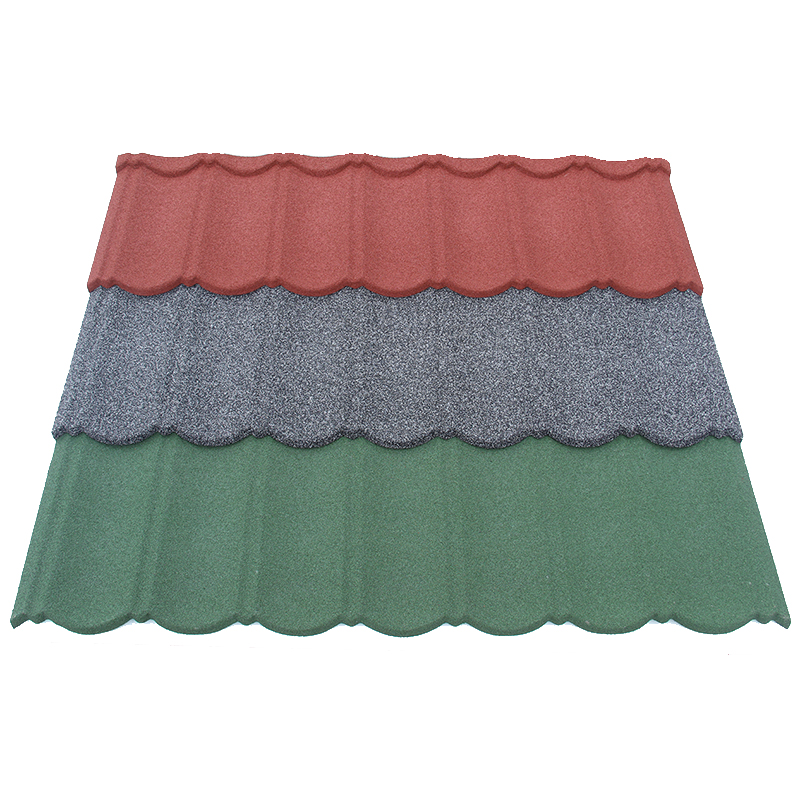
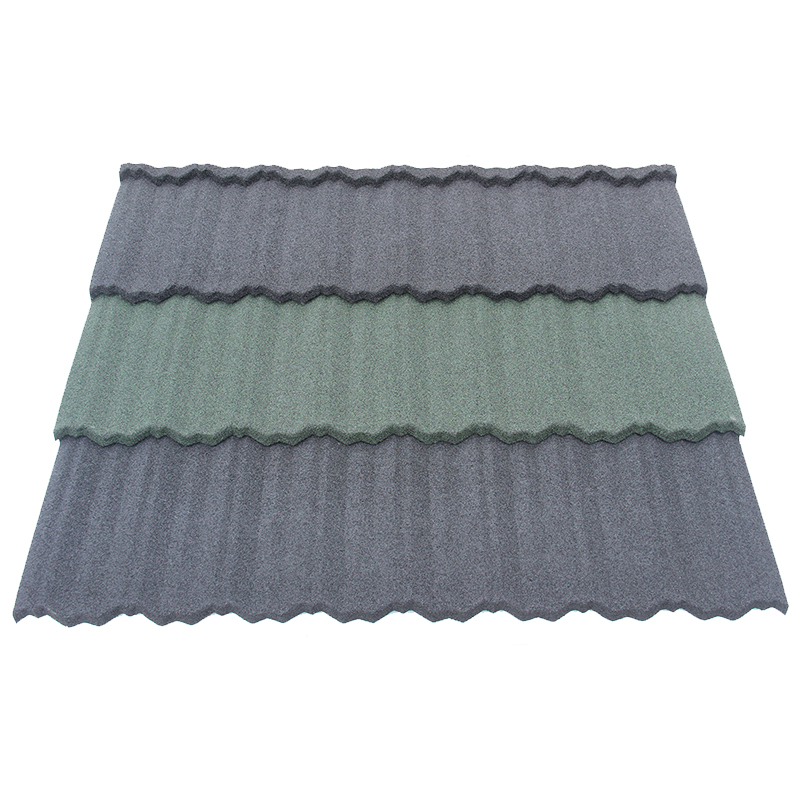
For example, many distributors sourcing residential roofing systems choose Bond Tile because its standardized production process allows manufacturers to respond quickly to repeat orders while maintaining consistent quality.
How to Identify Roofing Manufacturers That Can Deliver on Time
Many suppliers promise fast production, but experienced buyers know that quotations alone cannot guarantee reliable delivery. Before selecting a manufacturer, importers should evaluate the supplier’s operational capability, production planning, inventory strategy, and export experience. These factors determine whether promised lead times can actually be achieved.
Professional procurement teams typically conduct supplier assessments before placing large orders. Factory audits, production schedules, quality management systems, and communication efficiency all provide valuable insight into a manufacturer’s ability to deliver consistently.
Review Average Production Lead Times
Instead of asking for the fastest possible delivery, buyers should request the supplier’s normal production lead time for standard orders. Reliable manufacturers usually provide realistic schedules based on production capacity rather than optimistic estimates designed to win orders.
Consistent delivery performance is often more valuable than occasional rush production because it allows distributors to plan inventory and customer deliveries with confidence.
Evaluate Export and Logistics Experience
Fast production means little if export documentation and logistics are inefficient. Manufacturers with extensive international experience typically maintain standardized export procedures, reducing delays caused by customs documentation, container booking, or cargo handling.
Experienced export teams also understand destination market requirements, minimizing the risk of shipment interruptions.
Assess Production Planning Systems
Factories with organized production planning can balance multiple customer orders without creating scheduling conflicts. Buyers should ask how orders are prioritized during peak construction seasons and whether additional production capacity is available when demand increases.
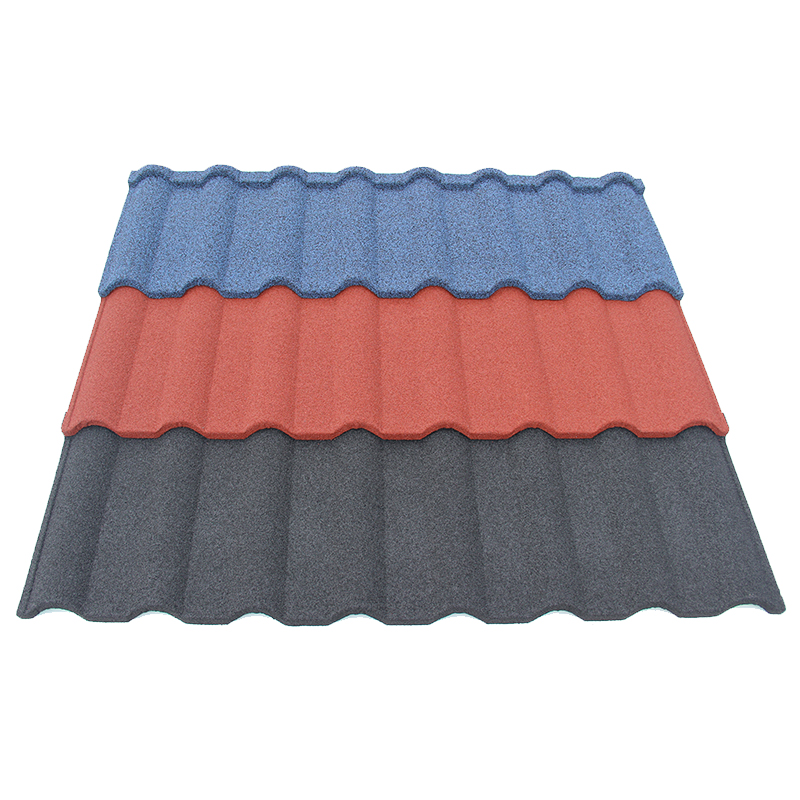
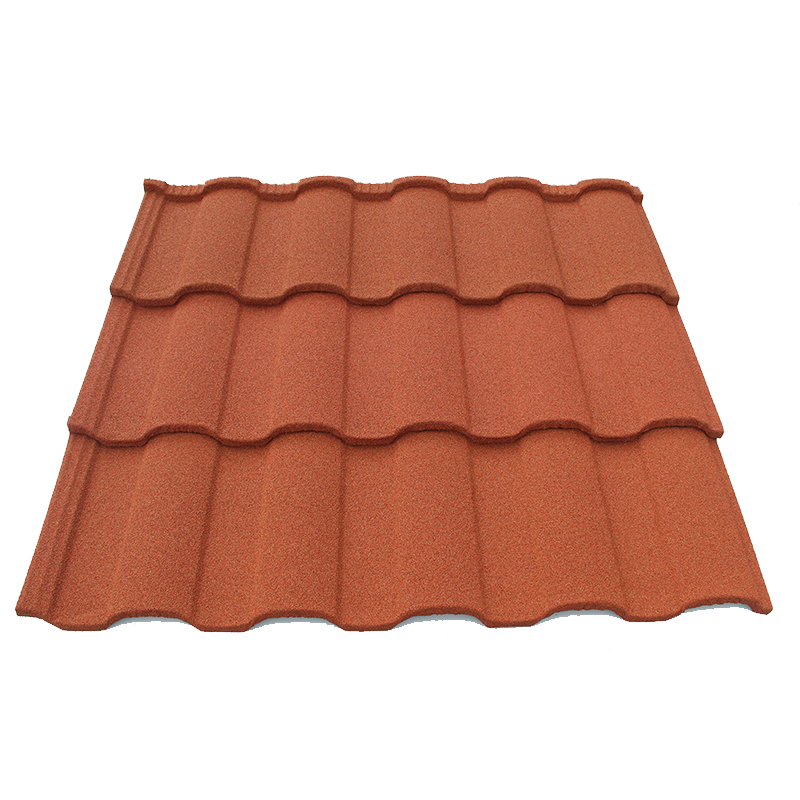
For large residential developments, many distributors choose Roman Tile because it is widely supported by established production lines, allowing manufacturers to maintain predictable lead times even for repeat orders.
Questions Buyers Should Ask Before Ordering
- What is your standard production lead time?
- How many production lines are currently operating?
- Do you maintain inventory of major raw materials?
- How many export containers do you ship each month?
- Can production capacity increase during peak seasons?
- What quality inspections are completed before shipment?
- Can production progress be shared during manufacturing?
Common Reasons Roofing Orders Are Delayed
Even experienced manufacturers occasionally experience production delays. However, understanding the root causes helps buyers distinguish between unavoidable market conditions and poor factory management. Reliable suppliers proactively communicate potential delays and implement contingency plans to minimize their impact.
Recognizing these risks before signing a purchase agreement allows distributors to build more resilient supply chains and avoid unnecessary project disruptions.
Raw Material Shortages
Steel coils, stone granules, and coating materials are essential components of stone coated roofing production. Manufacturers relying on short-term purchasing often experience delays when raw material availability becomes limited or prices fluctuate sharply.
Factories maintaining strategic inventories are generally better equipped to maintain stable production schedules throughout the year.
Overloaded Production Schedules
Large factories are not always the fastest suppliers. Some operate near maximum capacity for extended periods, leaving little flexibility to accommodate new orders. Buyers should evaluate production utilization rather than assuming larger factories always deliver faster.
A well-managed medium-sized manufacturer with available production capacity may outperform a larger factory with a fully booked schedule.
Inefficient Internal Management
Production delays often result from weak planning rather than limited manufacturing capacity. Poor communication between purchasing, production, quality control, and shipping departments can create bottlenecks that extend delivery times.
Manufacturers with integrated management systems typically coordinate these departments more efficiently, reducing unnecessary delays.
Incomplete Export Documentation
Incorrect invoices, packing lists, certificates of origin, or customs documents can delay shipments even after production has been completed. Export-oriented factories usually maintain experienced documentation teams to ensure smooth customs clearance.
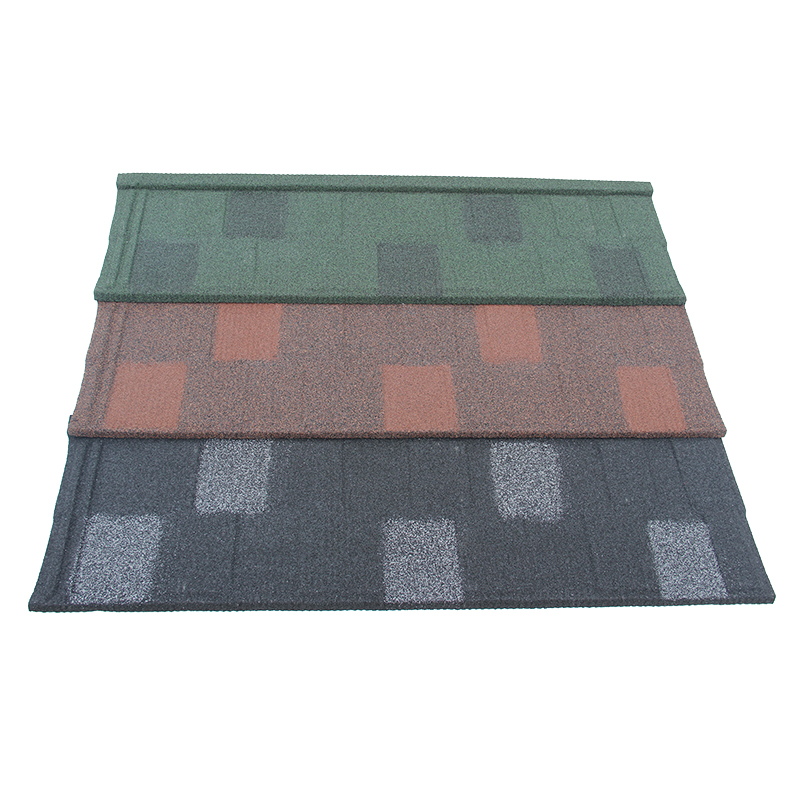
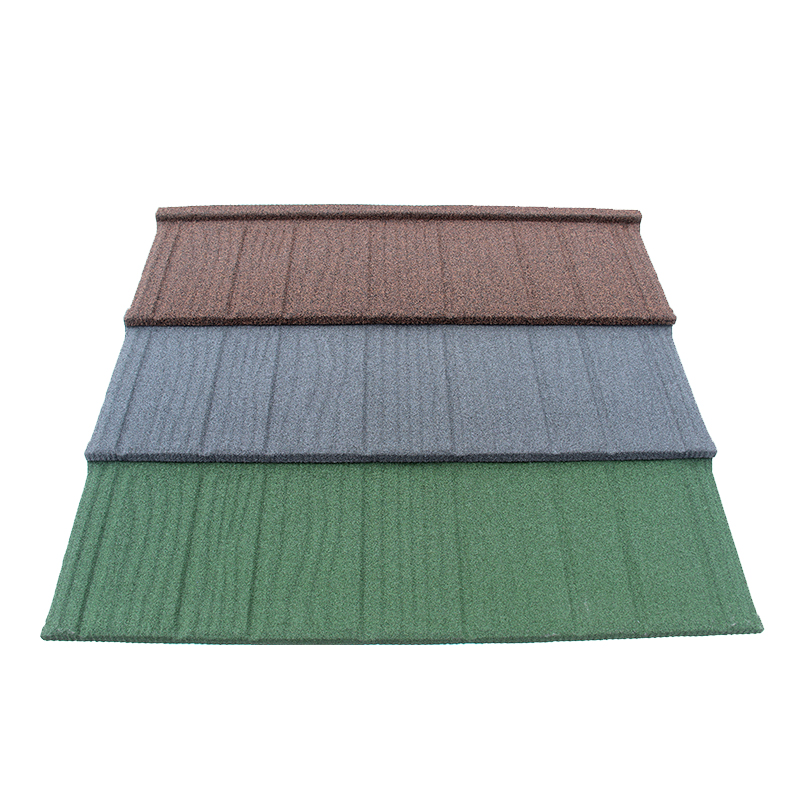
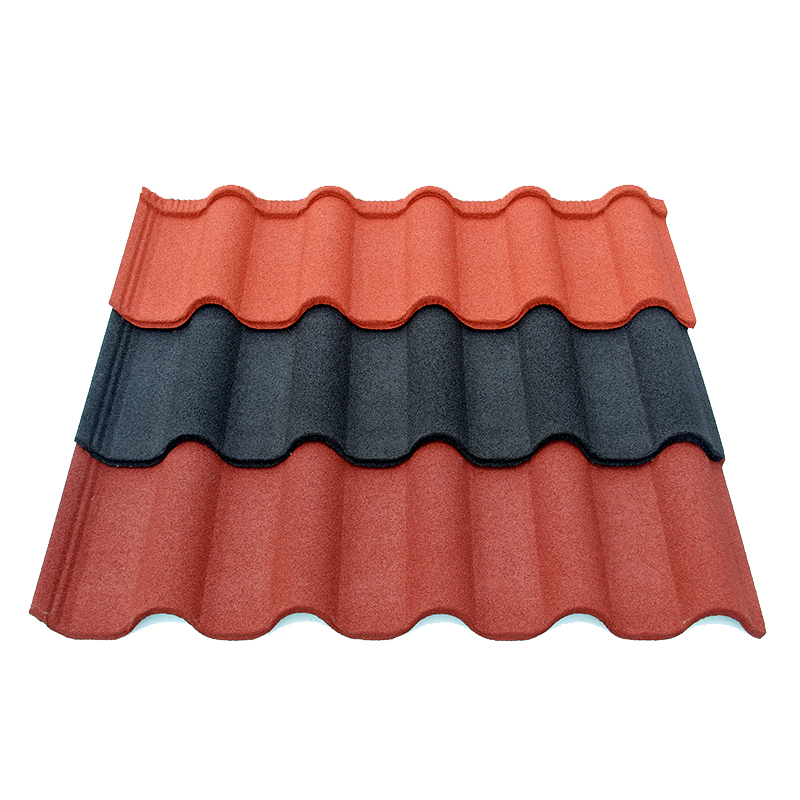
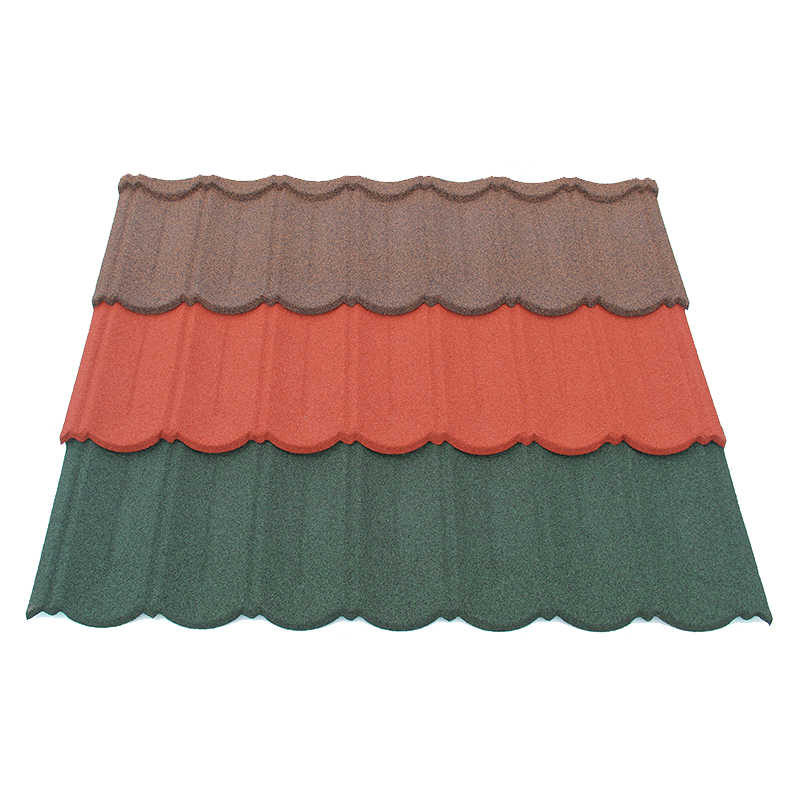
Distributors supplying mainstream residential housing frequently include Shingle Tile in their inventory because standardized product specifications simplify export documentation and recurring production planning. Likewise, premium housing projects often specify Milano Tile profiles, making accurate scheduling and logistics coordination even more important for high-value shipments.