
In today’s global roofing market, many distributors and construction material importers prefer working directly with OEM factories. This allows them to build private-label brands, control product specifications, and improve profit margins. Therefore, understanding how an OEM stone coated roofing manufacturer operates is essential for long-term sourcing success.
Unlike trading companies, OEM manufacturers are responsible for full production control, quality assurance, and customization. However, not all suppliers offer the same level of OEM capability. This guide explains what importers should know before choosing a partner.
1. What OEM Means in Stone Coated Roofing Production
OEM (Original Equipment Manufacturer) refers to factories that produce roofing products according to a buyer’s specifications, branding, and packaging requirements.
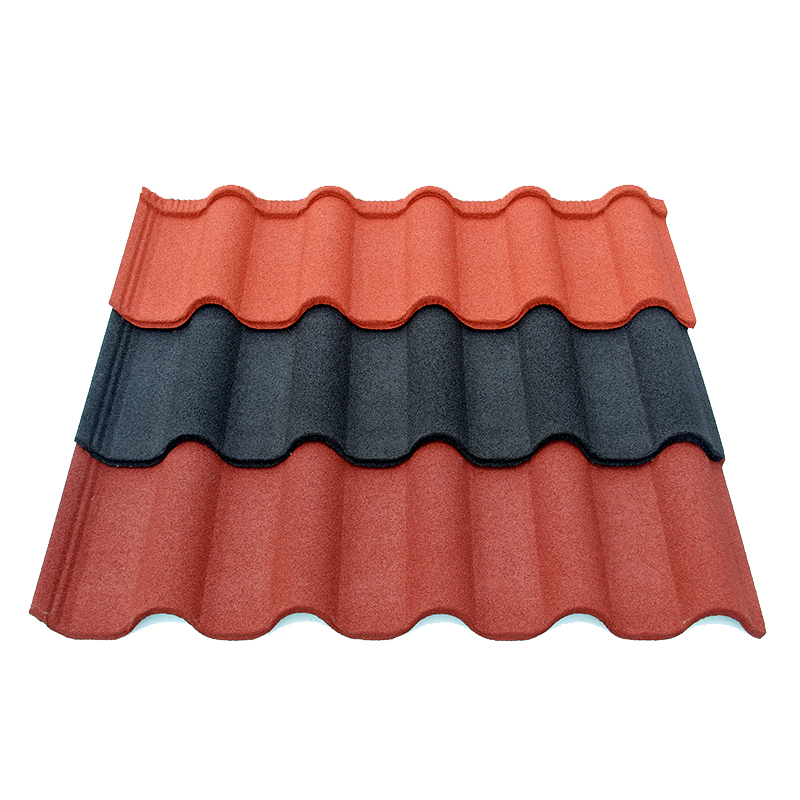
In stone coated roofing, OEM services typically include color customization, tile profile selection, branding, and packaging design.
Why OEM matters for importers
OEM cooperation allows importers to build their own brand in local markets. As a result, they can differentiate from competitors and increase long-term customer loyalty.
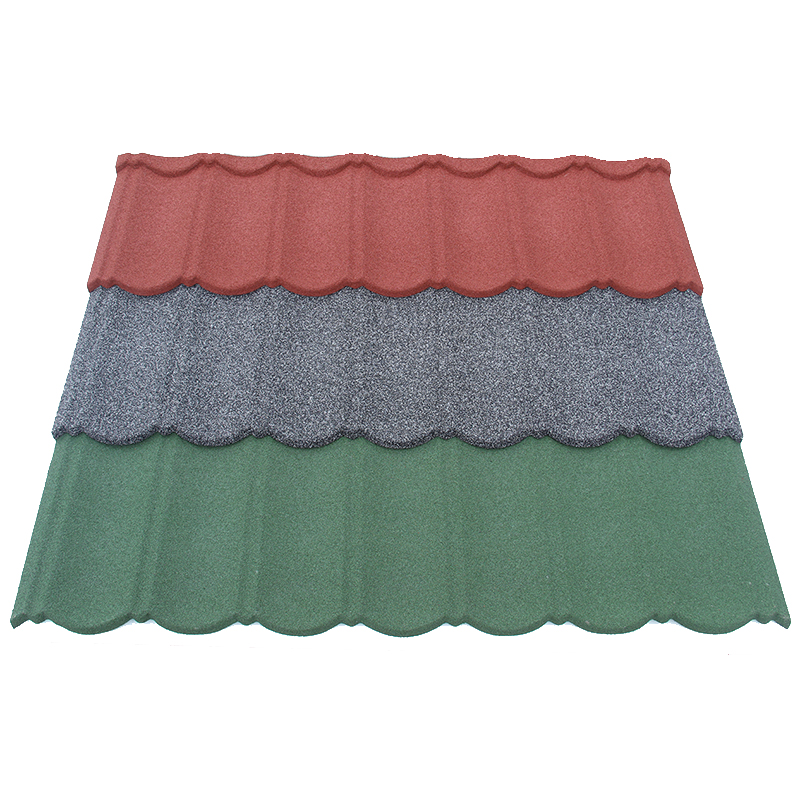
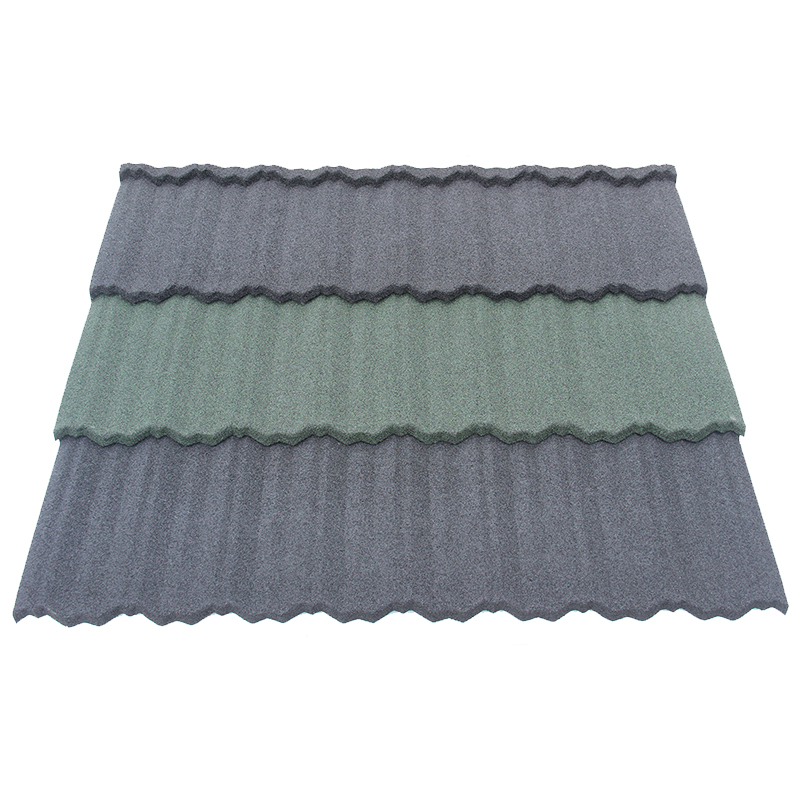
For example, customized roofing profiles such as Bond Tile are often used by distributors who want to create a recognizable product line in their region.
2. Core Capabilities of a Reliable OEM Manufacturer
A professional OEM stone coated roofing manufacturer should have strong production capabilities and stable quality systems. Therefore, buyers should evaluate both technical and operational strength.
Production capacity
Large-scale factories can handle bulk orders efficiently while maintaining consistent product quality. This is especially important for long-term distribution contracts.
Customization flexibility
Reliable OEM factories offer flexible options for tile shapes, colors, and packaging designs. In addition, they can adjust specifications based on different regional requirements.
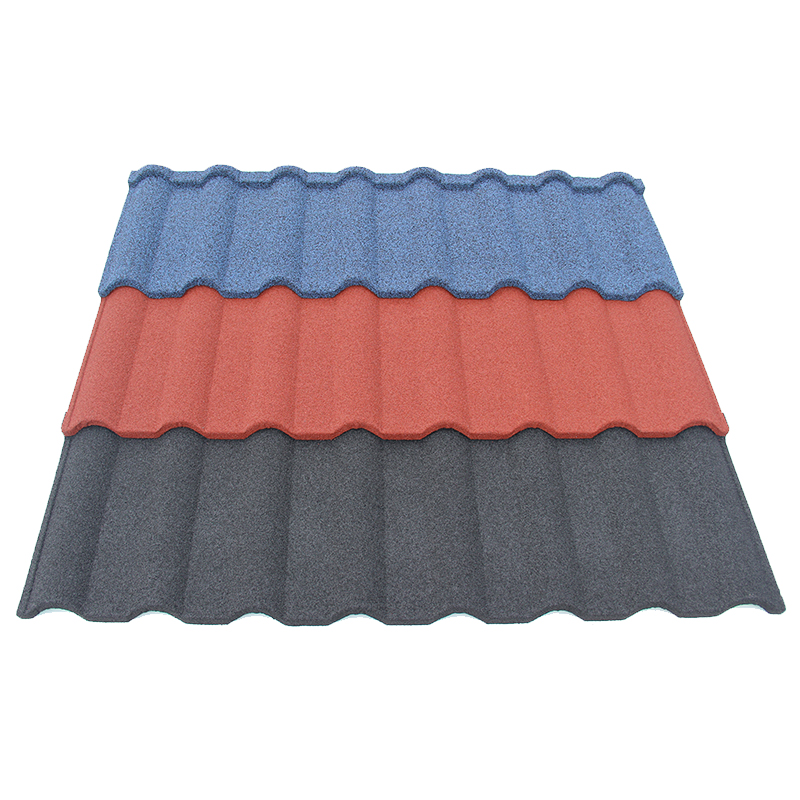
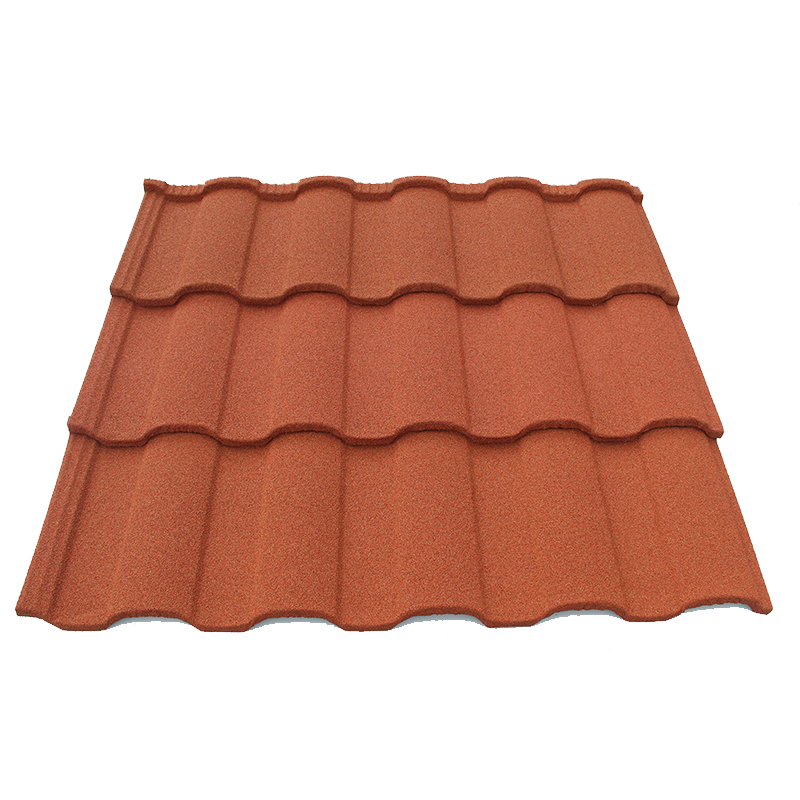
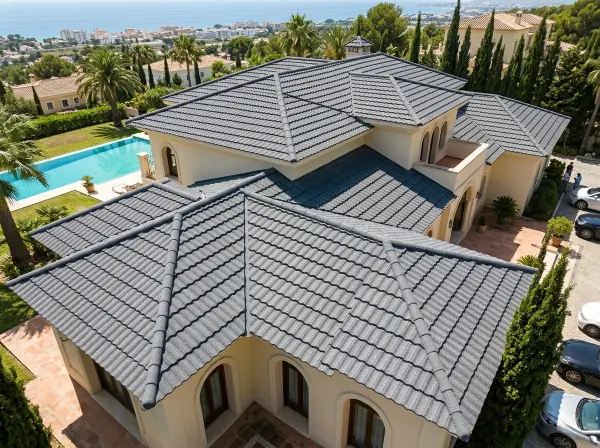
Architectural profiles such as Roman Tile are often customized for Mediterranean and Middle Eastern markets due to their strong visual appeal.
3. OEM Quality Control System
Quality control is the foundation of any successful OEM partnership. Without strict QC systems, customized products may suffer from inconsistent performance.
Multi-stage inspection process
A reliable manufacturer conducts inspections at every stage, including raw materials, production line monitoring, coating process, curing, and final packaging.
Consistency in mass production
OEM orders often involve large quantities. Therefore, maintaining consistent color, thickness, and coating quality is essential to avoid market complaints.
4. OEM Material and Coating Standards
The performance of stone coated roofing depends heavily on steel quality and surface coating technology. Therefore, OEM manufacturers must ensure stable material sourcing and processing standards.
Steel base selection
Most OEM factories use galvanized or galvalume steel to ensure corrosion resistance and long-term durability.
Stone granule and resin system
High-quality stone granules provide UV protection and aesthetic consistency. Meanwhile, acrylic resin ensures strong bonding between layers.
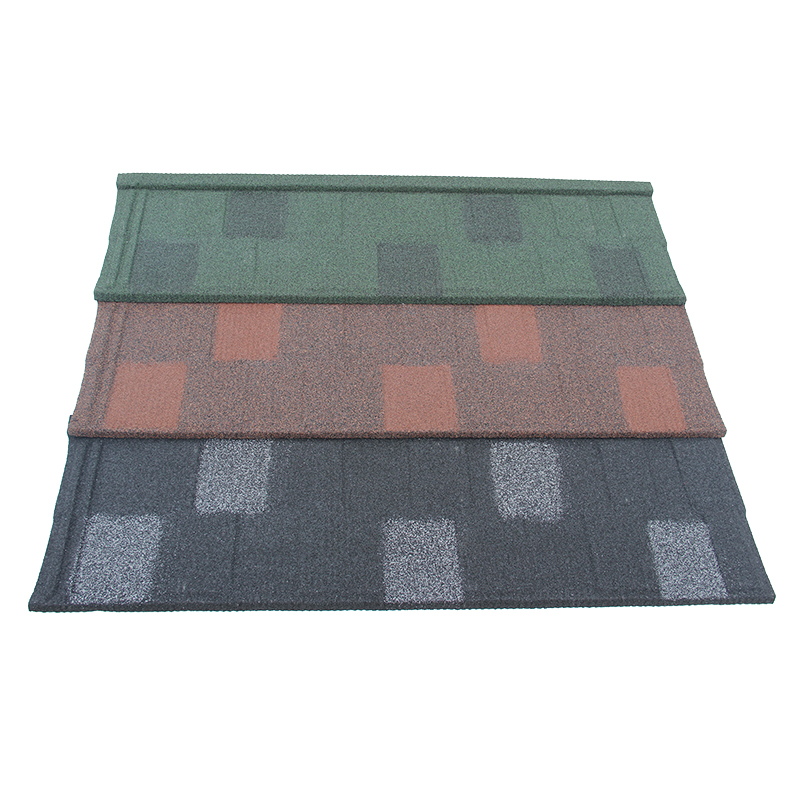
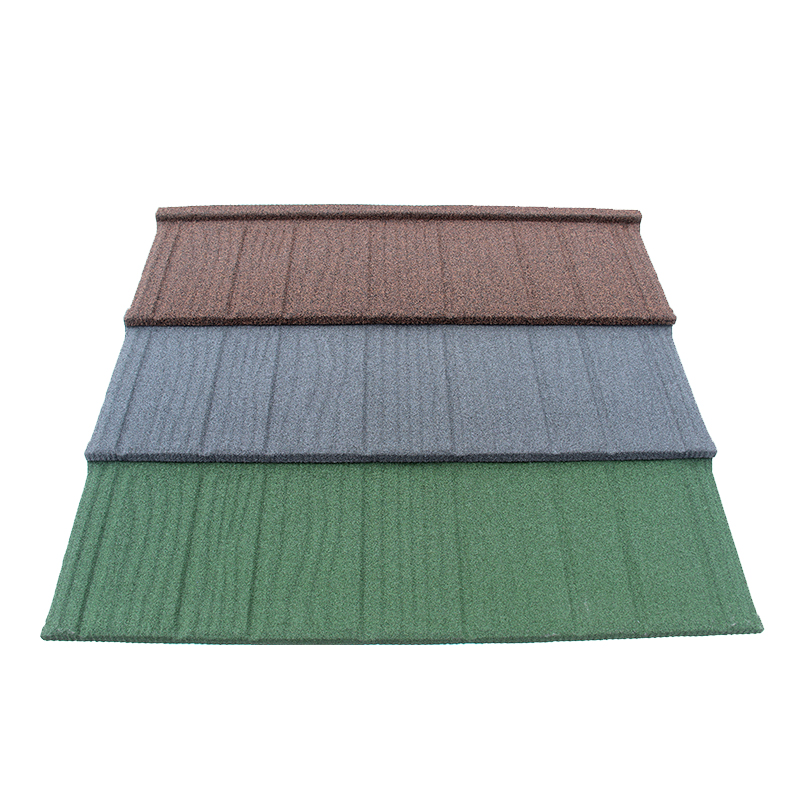
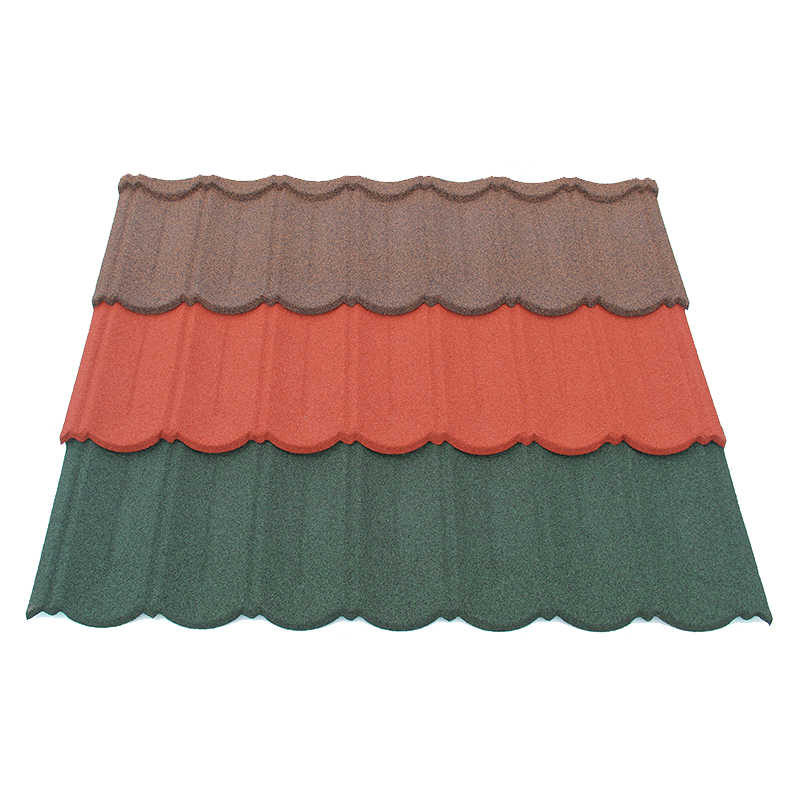
Products such as Shingle Tile rely heavily on coating precision to maintain their uniform appearance in large-scale roofing projects.
5. OEM Packaging and Branding Options
Packaging is an important part of OEM roofing production. It not only protects products during transportation but also reflects brand identity in local markets.
Common OEM packaging features
- Custom logo printing
- Private label packaging design
- Reinforced export pallets
- Waterproof protection layers
Proper packaging reduces damage risks and improves customer experience upon delivery.
6. OEM Export Experience and Logistics Support
Experienced OEM manufacturers understand international shipping requirements, documentation, and customs procedures. Therefore, they can reduce delays and simplify import processes.
For example, distributors in Africa and the Middle East often require stable shipping schedules and moisture-resistant packaging due to long-distance transport conditions.
7. Choosing the Right OEM Roofing Partner
Importers should evaluate multiple factors before selecting an OEM supplier. These include production capacity, quality control systems, customization ability, and export experience.
Manufacturers such as JCROOF provide OEM and ODM services for global distributors, offering flexible customization and stable production for long-term partnerships.
8. Common Mistakes Importers Should Avoid
Many importers make sourcing mistakes that affect product quality and business performance. Therefore, careful evaluation is necessary.
Focusing only on price
Choosing suppliers based only on low price can lead to inconsistent quality and higher long-term costs.
Ignoring factory verification
Without proper factory audits, buyers risk working with trading companies that lack production control.
Conclusion
OEM stone coated roofing manufacturing provides importers with strong opportunities to build private-label brands and expand market share. However, success depends on choosing the right partner with stable production systems, strict quality control, and strong export experience.
By working with experienced manufacturers, importers can ensure consistent product quality, reliable delivery, and long-term business growth.