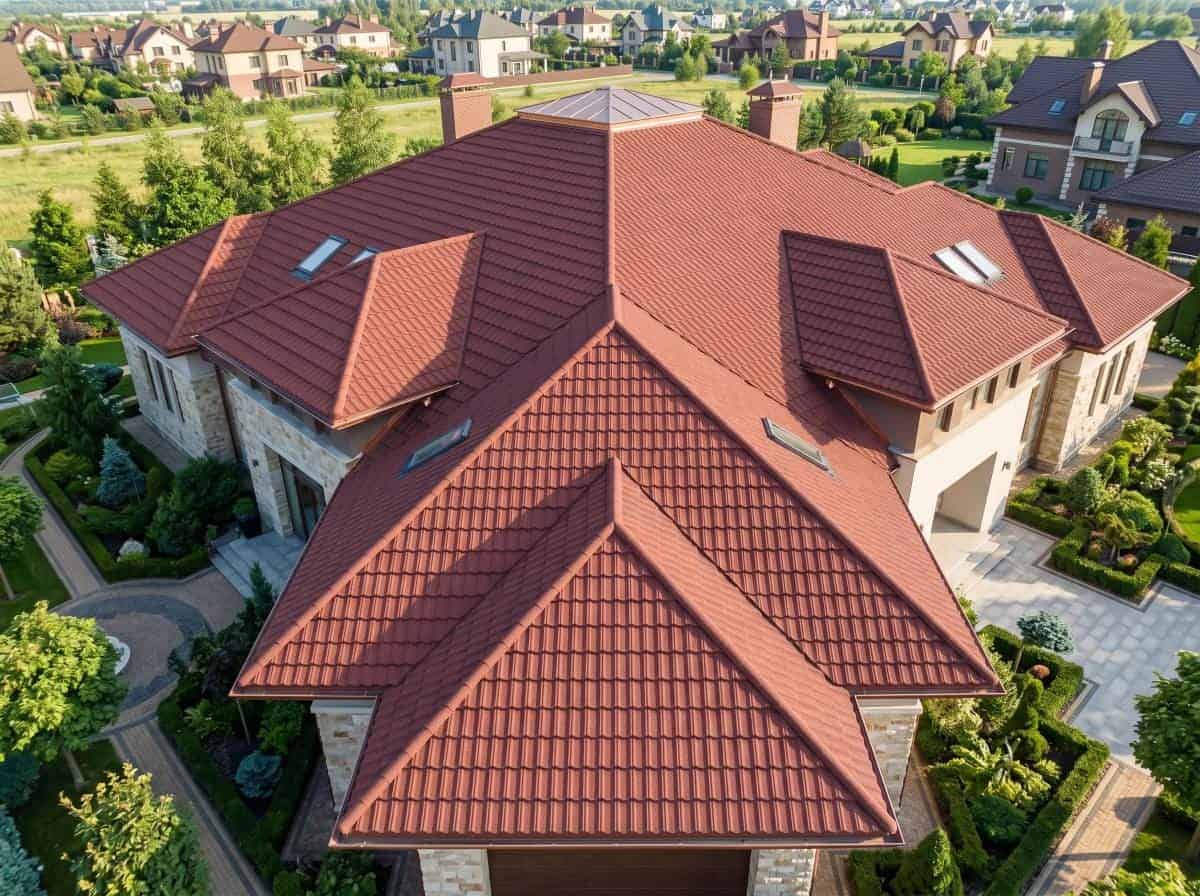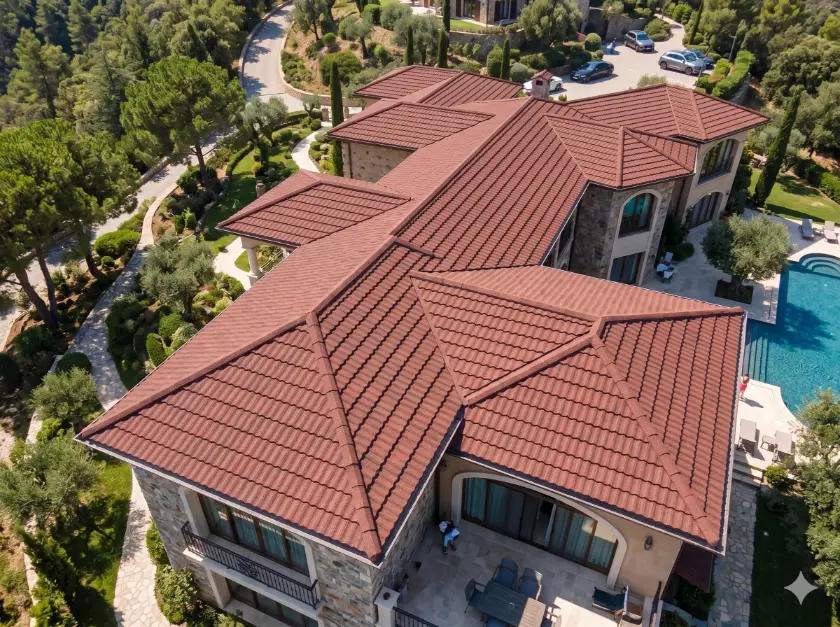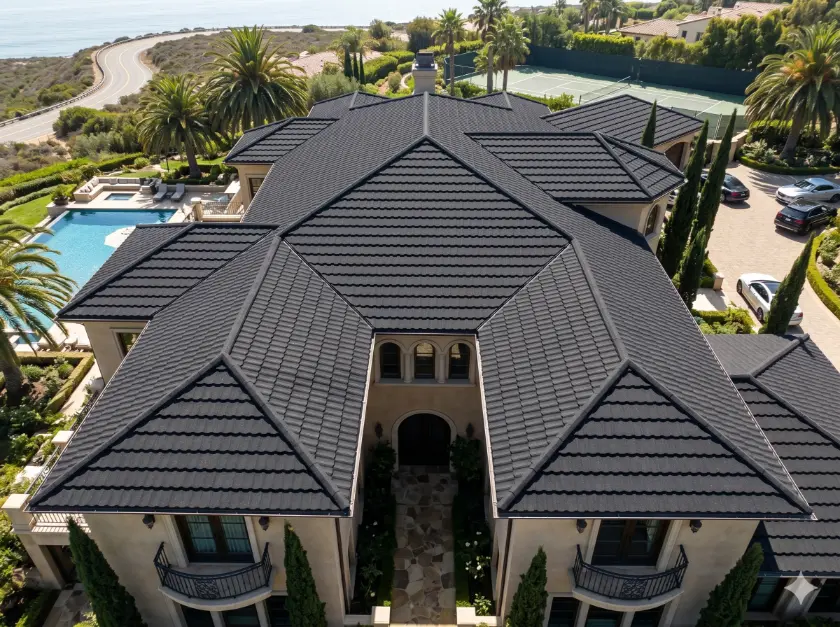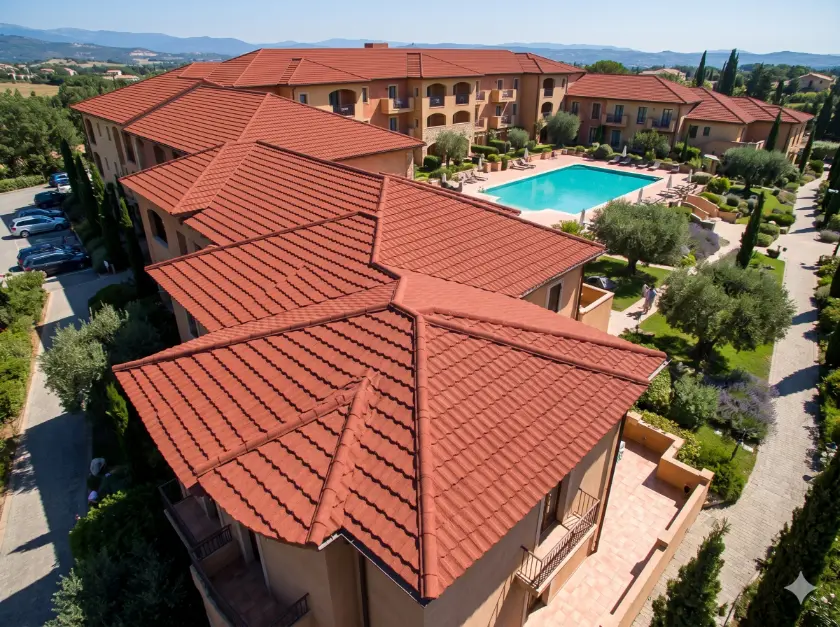

Building or renovating commercial and industrial facilities demands roofing solutions that offer more than just basic shelter. These projects require materials engineered for longevity, extreme durability, energy efficiency, and low lifecycle costs. Stone coated metal roof benefits for commercial and industrial projects are increasingly recognized as a superior choice, providing a robust blend of aesthetic appeal and unparalleled performance. This advanced roofing system combines the strength of steel with the natural beauty of stone, offering a compelling alternative to traditional roofing materials like asphalt shingles, concrete tiles, or even standard metal panels. Understanding its core principles and material composition is crucial for making informed procurement and engineering decisions.
Understanding Stone Coated Metal Roofing for Commercial Applications
Stone coated metal roofing represents a sophisticated evolution in roofing technology, specifically designed to meet the rigorous demands of commercial and industrial environments. It consists of high-quality steel panels, typically G-90 galvanized or Galvalume (a zinc-aluminum alloy coating), which provides exceptional corrosion resistance. These steel panels are then coated with an acrylic primer, followed by a layer of granular stone chips, which are finally sealed with a clear acrylic overglaze. This multi-layered construction is engineered for maximum protection and aesthetic versatility.
The fundamental principle behind this roofing system is the fusion of metal’s structural integrity with stone’s natural resilience. The steel core offers unparalleled strength against impacts, wind uplift, and fire, while the stone coating provides a protective barrier against UV radiation, hail, and extreme temperatures. Furthermore, the granular surface enhances sound dampening and mimics the appearance of traditional roofing materials, allowing for architectural flexibility without compromising performance. This combination results in a roof that is not only durable but also visually appealing, capable of enhancing the curb appeal and long-term value of any commercial property.
Core Components and Material Science
The performance of stone coated metal roofing hinges on its carefully engineered material composition. Each layer plays a vital role in the overall system’s integrity and longevity.
- Steel Core: The foundation is typically 26-gauge or 24-gauge steel, protected by either a G-90 galvanized (zinc) coating or a Galvalume (zinc-aluminum) alloy coating. Galvalume offers superior corrosion resistance, especially in harsh coastal or industrial environments, due to the barrier protection of aluminum and the sacrificial protection of zinc.
- Acrylic Base Coat: Applied over the metal, this layer acts as an adhesive for the stone granules and provides an initial layer of protection against corrosion and UV degradation.
- Stone Granules: These are crushed natural stone chips, often basalt, which are ceramically colored and bonded to the base coat. They are primarily responsible for the roof’s aesthetic finish, UV resistance, and impact absorption. The texture also helps to dissipate rainwater effectively.
- Acrylic Overglaze: A clear, durable acrylic finish seals the stone granules, protecting them from fading, shedding, and environmental wear. This topcoat also contributes to the roof’s self-cleaning properties and resistance to moss or algae growth.
Understanding these layers helps in appreciating the system’s inherent strengths. The combination creates a barrier that can withstand significant environmental stressors, making it a reliable choice for commercial and industrial buildings facing diverse weather challenges.
Manufacturing Process and Quality Control
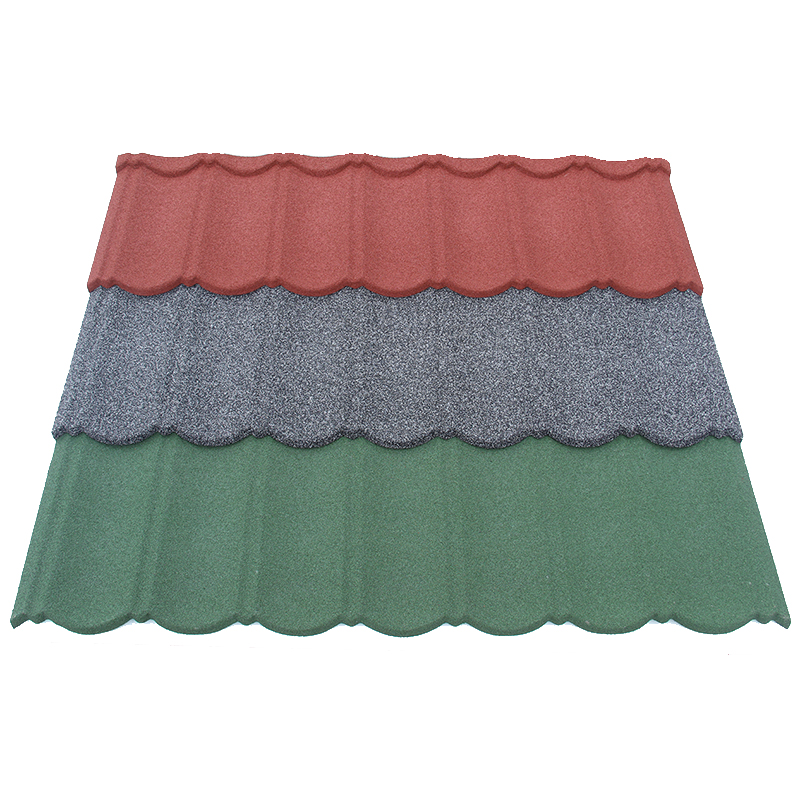
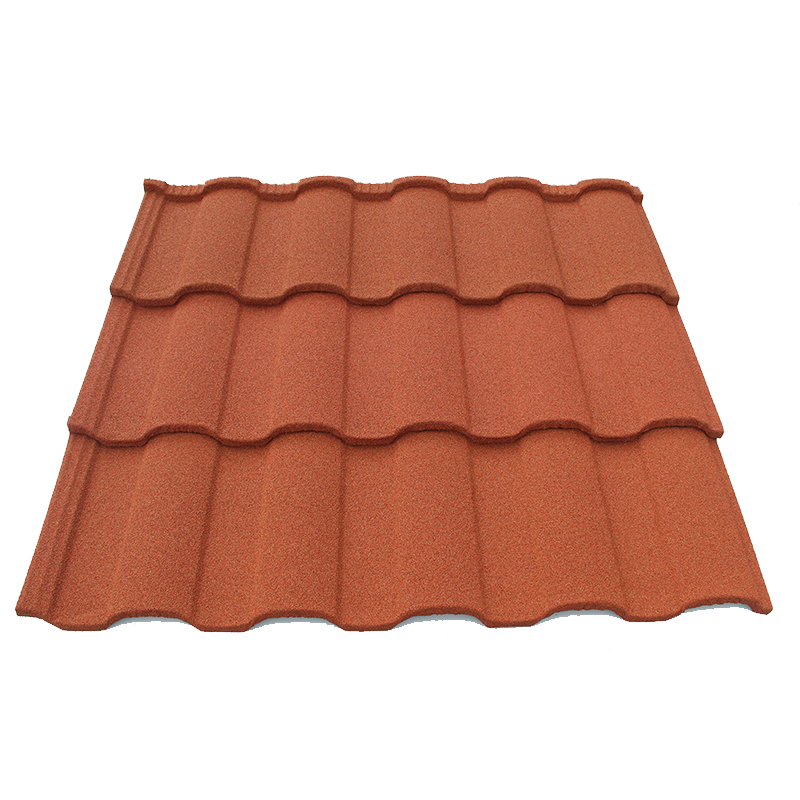
The manufacturing of stone coated metal tiles involves a precise, multi-stage process to ensure consistent quality and performance. High-speed roll-forming machines shape the steel into various profiles, followed by the meticulous application of the protective coatings. Strict quality control measures are implemented at each stage, from raw material inspection to final product testing. This includes adhesion tests for the stone coating, corrosion resistance tests, and dimensional accuracy checks. Such rigorous processes ensure that each tile meets industry standards and the specified performance criteria for commercial installations. For instance, the interlocking design of a Bond Tile ensures superior water shedding and wind resistance, a direct result of precise manufacturing tolerances.
Key Performance Advantages for Industrial and Commercial Projects
The decision to specify stone coated metal roofing for commercial and industrial projects is often driven by its demonstrable performance advantages over alternative materials. These benefits translate directly into reduced operational costs, enhanced safety, and extended asset life for property owners and managers.
One of the most compelling aspects is the system’s exceptional durability. Unlike asphalt shingles that degrade under UV exposure and temperature fluctuations, or clay tiles that can be brittle, stone coated metal maintains its integrity for decades. This resilience is critical for buildings that house valuable equipment, sensitive operations, or require continuous uptime. Furthermore, the inherent strength of steel, combined with the protective stone layer, provides a formidable barrier against common commercial roofing challenges, from severe weather to potential fire hazards.
Unrivaled Durability and Longevity
Durability is paramount for any commercial roofing investment. Stone coated metal roofs are designed to last 50 years or more, significantly outperforming most conventional roofing materials. This extended lifespan translates into fewer replacements, less disruption to business operations, and substantial long-term savings on maintenance and material costs.
- Weather Resistance: These roofs are engineered to withstand extreme weather conditions, including high winds (up to 120 mph or more), heavy snow loads, and significant hail impacts. The interlocking panel design and robust fastening systems prevent uplift and detachment during severe storms. The granular surface also helps to dissipate the energy of hailstones, protecting the underlying steel.
- Corrosion Resistance: The G-90 galvanized or Galvalume steel core, combined with the multi-layered coating system, offers superior protection against rust and corrosion, even in corrosive industrial environments or coastal areas.
- Fire Resistance: Stone coated metal roofs are non-combustible, typically carrying a Class A fire rating, the highest classification. This provides crucial protection for commercial buildings, reducing the risk of fire spread and potentially lowering insurance premiums.
- Impact Resistance: The strength of steel combined with the stone coating provides excellent resistance to impacts from falling debris or vandalism, which can be a concern for accessible commercial roofs.
Energy Efficiency and Sustainability
Energy consumption is a significant operational cost for commercial and industrial facilities. Stone coated metal roofing contributes positively to energy efficiency and aligns with sustainability goals.
- Cool Roof Properties: The granular stone surface, especially in lighter colors, reflects a significant portion of solar radiant heat, preventing it from entering the building. This “cool roof” effect reduces the demand on HVAC systems, particularly during hot months, leading to lower cooling costs.
- Thermal Break: When installed over a battens system, an air gap is created between the roof deck and the metal panels. This air space acts as a thermal break, further insulating the building and reducing heat transfer.
- Recyclability: Metal roofing is one of the most sustainable building materials available. At the end of its exceptionally long service life, stone coated metal roofing is 100% recyclable, minimizing landfill waste and supporting circular economy principles.
These features not only reduce utility bills but also contribute to LEED certification points and demonstrate a commitment to environmental stewardship, which can be a significant advantage for corporate branding and public perception. For example, a Roman Tile profile, with its inherent elevation, can enhance the natural airflow and cooling properties when installed with appropriate ventilation, further contributing to energy savings.
Enhanced Safety and Security
Safety is a critical consideration for commercial and industrial properties, both during construction and throughout the operational life of the building. Stone coated metal roofing offers several benefits in this regard.
- Lightweight: Despite its robust appearance, stone coated metal roofing is considerably lighter than traditional clay or concrete tiles. This reduces the structural load on the building, potentially allowing for lighter framing and foundations, and simplifying seismic design.
- Foot Traffic Resilience: While not designed for constant foot traffic, the panels are strong enough to support maintenance personnel safely, provided appropriate pathways and safety protocols are followed.
- Low Maintenance: The inherent durability and resistance to biological growth (moss, algae) mean less frequent and less intensive maintenance activities, reducing the risks associated with roof access.
The combination of fire resistance, impact resistance, and structural benefits contributes to a safer overall environment for occupants and assets. This peace of mind is invaluable for facility managers and property owners.
Design Flexibility and Aesthetic Impact in Commercial Roofing
While performance is paramount, the aesthetic contribution of a commercial roof should not be overlooked. The roof often constitutes a significant portion of a building’s visible exterior, influencing its overall architectural character and brand image. Stone coated metal roofing excels in offering a wide array of design options, allowing architects and developers to achieve specific visual goals without compromising on durability or efficiency.
The ability to replicate the look of traditional roofing materials, combined with a vast palette of colors, makes it a versatile choice for diverse architectural styles. From modern industrial complexes to commercial buildings aiming for a more classic or regional aesthetic, stone coated metal can seamlessly integrate. This design flexibility ensures that the roof not only functions optimally but also enhances the perceived value and appeal of the commercial property, making it a strategic asset rather than just a functional necessity.
Architectural Versatility and Profiles
Stone coated metal tiles are available in a variety of profiles that emulate the appearance of other roofing materials, offering significant design freedom.
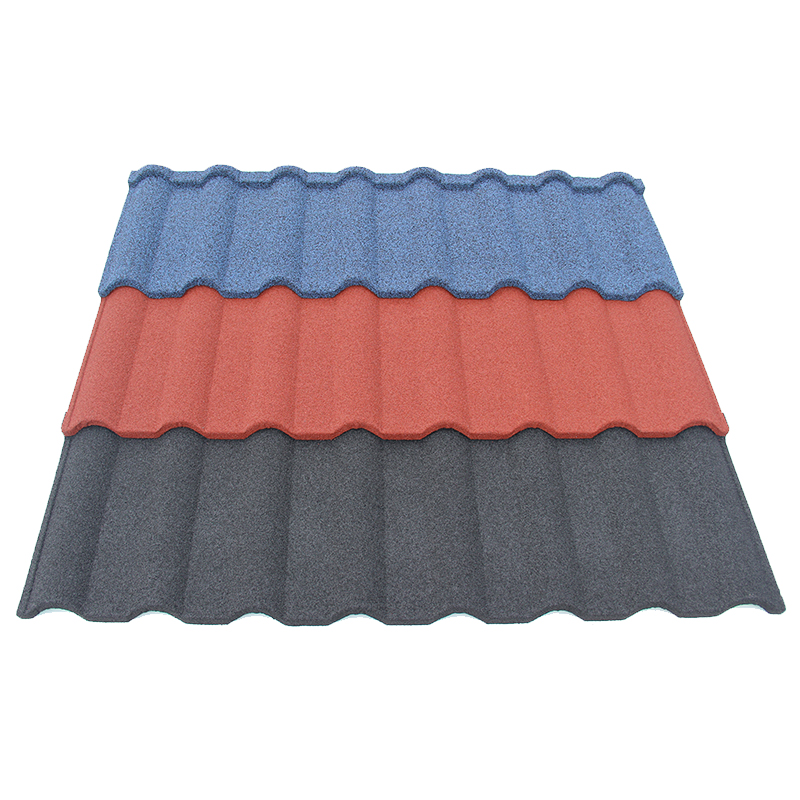
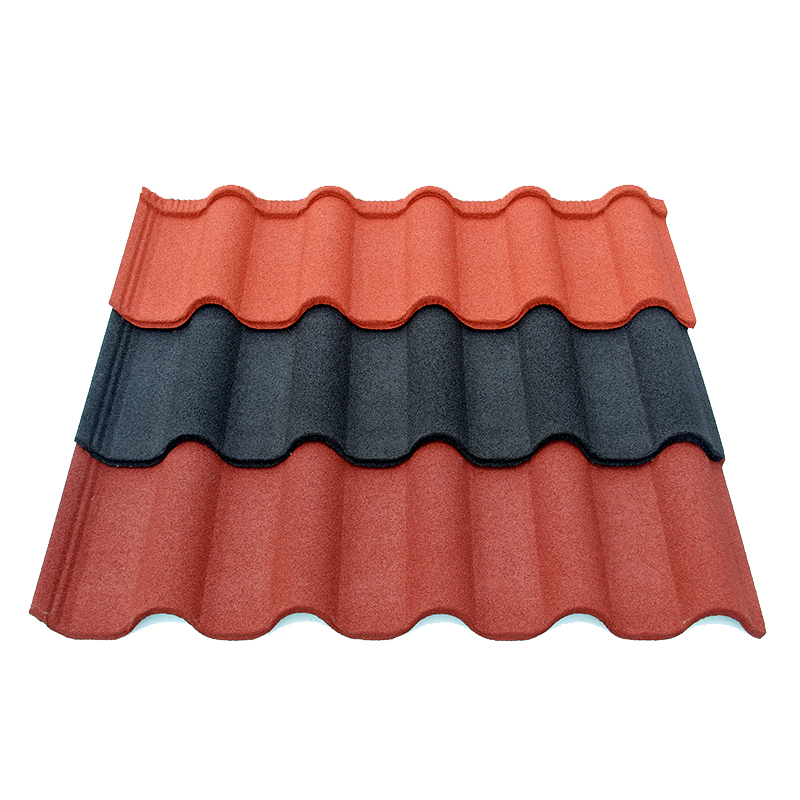
- Tile Profiles: Mimicking the classic Mediterranean or Spanish tile look, these profiles add a distinctive architectural element.
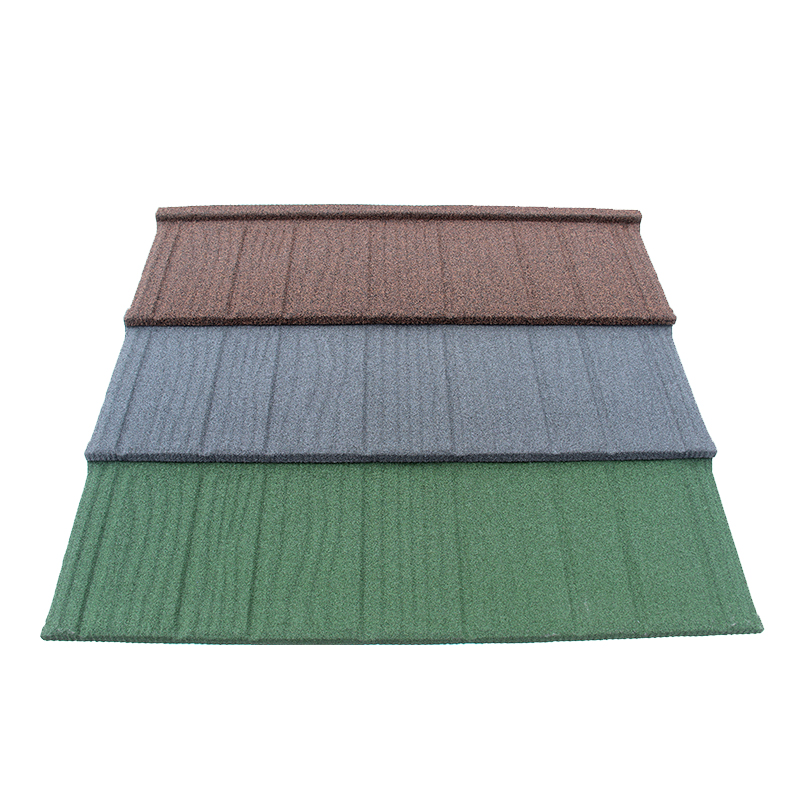
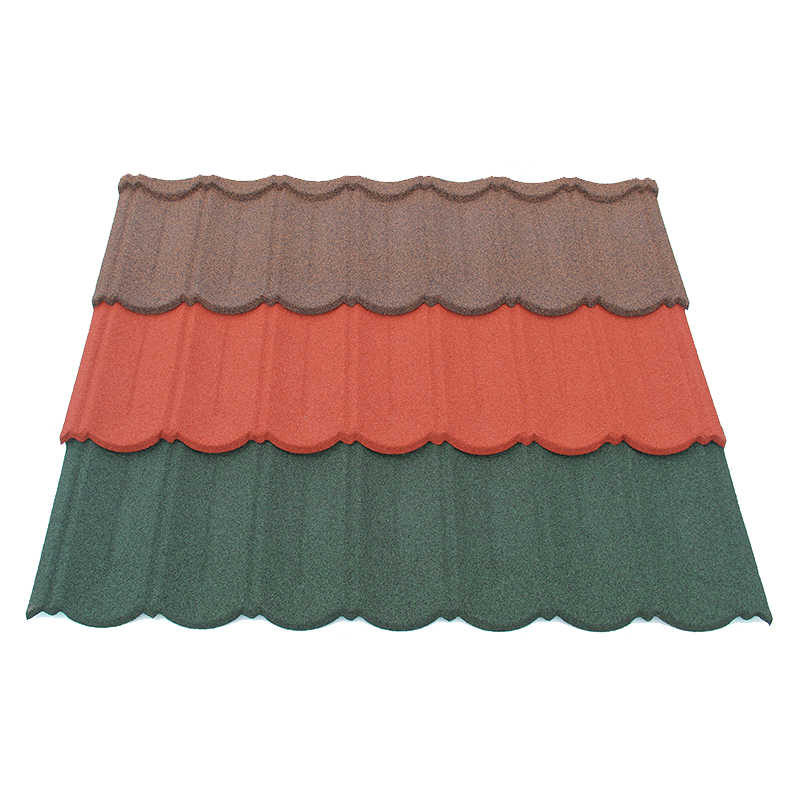
- Shake Profiles: Replicating the rustic charm of wood shakes, but without the associated maintenance, fire risk, or susceptibility to rot. A Shake Tile, for example, offers this natural aesthetic with superior performance.
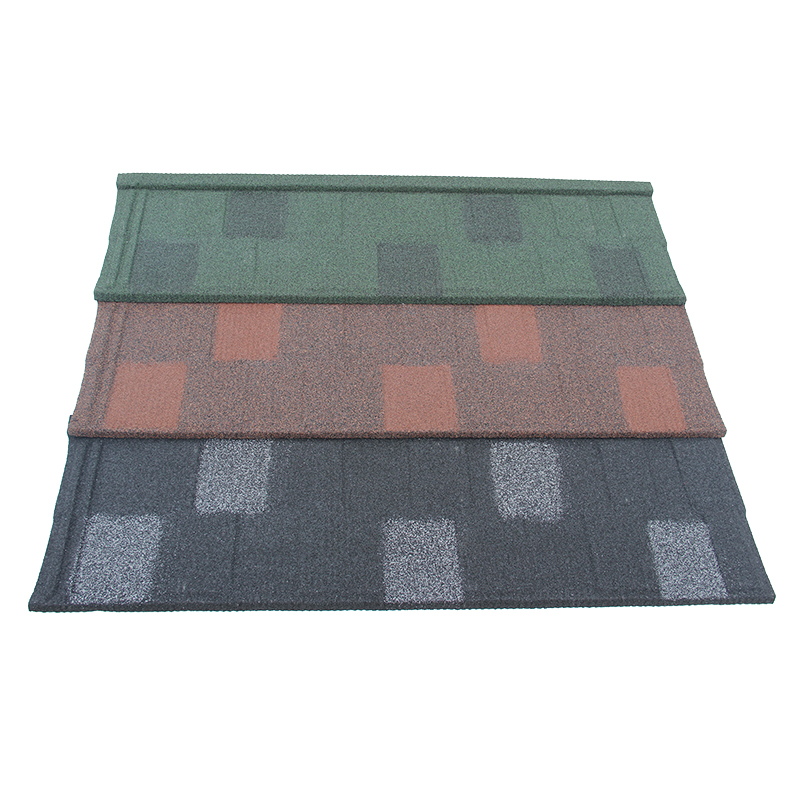
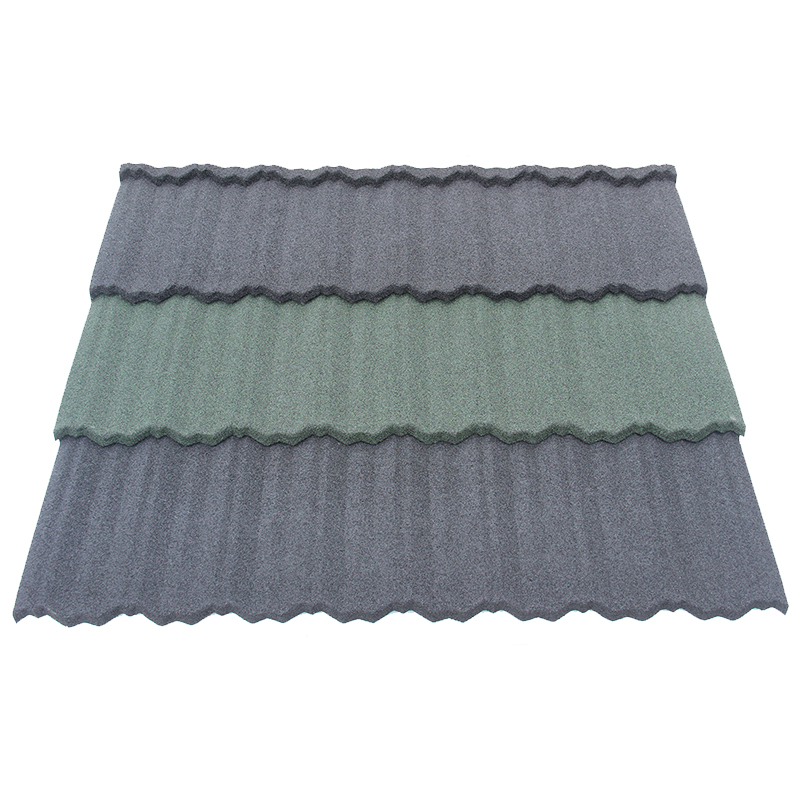
- Shingle Profiles: Providing the clean lines of traditional asphalt shingles or slate, ideal for contemporary or colonial architectural styles. The Shingle Tile offers a flat, sleek profile that suits many modern commercial designs.
This versatility allows designers to specify a high-performance metal roof system that complements the building’s architectural intent, whether it’s a retail center, an office complex, or a manufacturing plant. The consistent appearance across large roof expanses further enhances the professional look of commercial properties.
Color Options and Finishes
Beyond profiles, the range of available colors and finishes adds another layer of customization. Stone granules can be ceramically colored to achieve virtually any hue, from earthy tones to vibrant blues and greens. This extensive color palette allows for:
- Brand Alignment: Matching corporate colors or integrating with specific brand guidelines.
- Regional Aesthetics: Harmonizing with local architectural traditions or environmental surroundings.
- Energy Performance: Lighter colors enhance solar reflectivity for improved energy efficiency, a key factor in cool roof initiatives.
The textured, non-glossy finish of the stone granules provides a natural, understated elegance that resists glare and maintains its color integrity over decades, ensuring the building retains its intended aesthetic appeal for its entire lifespan. For projects requiring a distinctive European aesthetic combined with exceptional wind resistance, the Milano Tile offers both style and performance.
Strategic Selection and Installation Considerations
Selecting and installing a stone coated metal roof for a commercial or industrial project requires careful planning and a thorough understanding of the system’s requirements. While the benefits are numerous, maximizing their impact depends on informed decision-making during the procurement, design, and construction phases. This includes evaluating project-specific needs, understanding potential pitfalls, and ensuring proper installation techniques are employed.
A strategic approach ensures that the chosen roofing system aligns perfectly with the project’s long-term operational goals, budgetary constraints, and aesthetic vision. It is not merely about purchasing a product but investing in a comprehensive solution that will perform reliably for decades. Engaging with experienced suppliers and installers early in the project lifecycle is crucial for success.
Project Suitability and Selection Criteria
Identifying whether stone coated metal roofing is the right fit for a commercial or industrial project involves assessing several key criteria. This goes beyond just cost and aesthetics, delving into long-term performance and operational impact.
Factors to Consider:
- Building Type and Usage: Is it a warehouse, office building, retail center, educational institution, or a specialized industrial facility? The functional requirements of the building often dictate the necessary roofing performance.
- Climate and Environmental Conditions: Projects in areas prone to extreme weather (hurricanes, heavy snow, intense UV, hail) will benefit significantly from the inherent durability of stone coated metal.
- Long-Term Investment Horizon: For owners looking for a roof that will last 50+ years with minimal maintenance, the higher initial cost is often justified by lower lifecycle costs.
- Aesthetic Requirements: Does the project require a specific architectural look that can be achieved with the various profiles and colors?
- Sustainability Goals: Is energy efficiency, cool roof compliance, or recyclability a priority for the project’s environmental footprint?
A comprehensive evaluation against these criteria will help determine the optimal stone coated metal profile and finish, ensuring it meets both immediate and future needs. For example, a project aiming for high energy efficiency might prioritize lighter-colored granular finishes to maximize solar reflectivity.
Common Mistakes and Mitigation Strategies
While stone coated metal roofing offers significant advantages, certain common mistakes during selection or installation can undermine its performance. Awareness of these pitfalls allows for proactive mitigation.
Mistake 1: Underestimating the Importance of Substrate Preparation.
- Analysis: A clean, dry, and properly fastened roof deck is critical. Inadequate preparation can lead to issues with panel alignment, fastening integrity, and overall system performance.
- Solution: Conduct a thorough inspection of the existing deck. Ensure all fasteners are secure, replace any damaged sheathing, and verify proper underlayment installation.
Mistake 2: Improper Fastening Techniques.
- Analysis: Using incorrect fasteners, spacing, or torque can compromise wind uplift resistance and lead to panel movement or detachment.
- Solution: Adhere strictly to manufacturer specifications for fastener type, size, and spacing. Utilize trained and certified installers familiar with stone coated metal systems.
Mistake 3: Neglecting Proper Ventilation.
- Analysis: Insufficient attic or roof cavity ventilation can lead to moisture buildup, heat accumulation, and reduced energy efficiency, even with a cool roof.
- Solution: Integrate adequate intake and exhaust ventilation systems into the roof design. This helps manage moisture and heat, enhancing the overall performance and longevity of the roof and the building envelope.
Mistake 4: Disregarding Manufacturer’s Installation Guidelines.
- Analysis: Deviating from recommended installation procedures for flashing, trim, and panel overlaps can create vulnerabilities for water intrusion.
- Solution: Always follow the detailed installation manuals provided by the manufacturer. Ensure installers are experienced with JCROOF products and have the necessary training. Proper detailing around penetrations, valleys, and eaves is paramount for watertight integrity.
Avoiding these common errors through diligent planning and professional execution ensures that the full benefits of stone coated metal roofing are realized, providing a durable, high-performance solution for commercial and industrial projects.
Return on Investment and Lifecycle Cost Analysis
For commercial and industrial projects, the initial capital expenditure for a roofing system is just one part of the financial equation. A comprehensive lifecycle cost analysis often reveals the true economic advantage of stone coated metal roofing.
Key ROI Factors:
- Extended Lifespan: A 50-year-plus lifespan means fewer replacements over the building’s operational life, saving significant material and labor costs.
- Reduced Maintenance: The inherent durability and resistance to common issues like moss, rot, and cracking translate into lower ongoing maintenance expenses compared to asphalt shingles or even some membrane systems.
- Energy Savings: The “cool roof” properties and thermal break effect lead to measurable reductions in heating and cooling costs, providing continuous operational savings.
- Insurance Benefits: The Class A fire rating and high wind/hail resistance can potentially lead to lower property insurance premiums.
- Increased Property Value: A high-quality, long-lasting, and aesthetically pleasing roof enhances the overall value and marketability of the commercial property.
When considering the total cost of ownership over several decades, stone coated metal roofing often presents a more favorable financial profile than cheaper, less durable alternatives. It is an investment that pays dividends through reduced expenses and enhanced asset value.