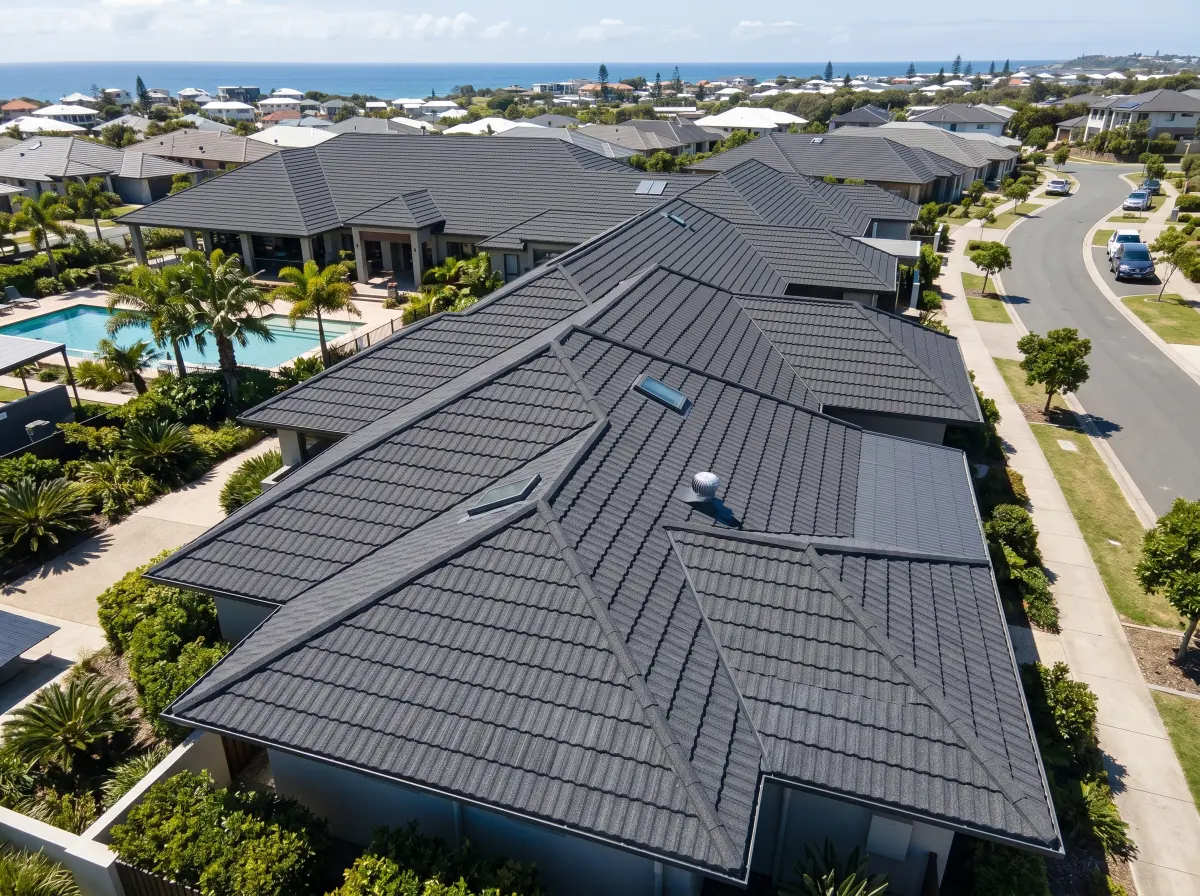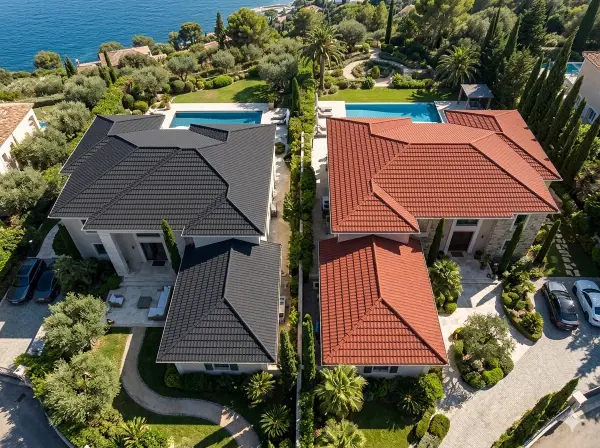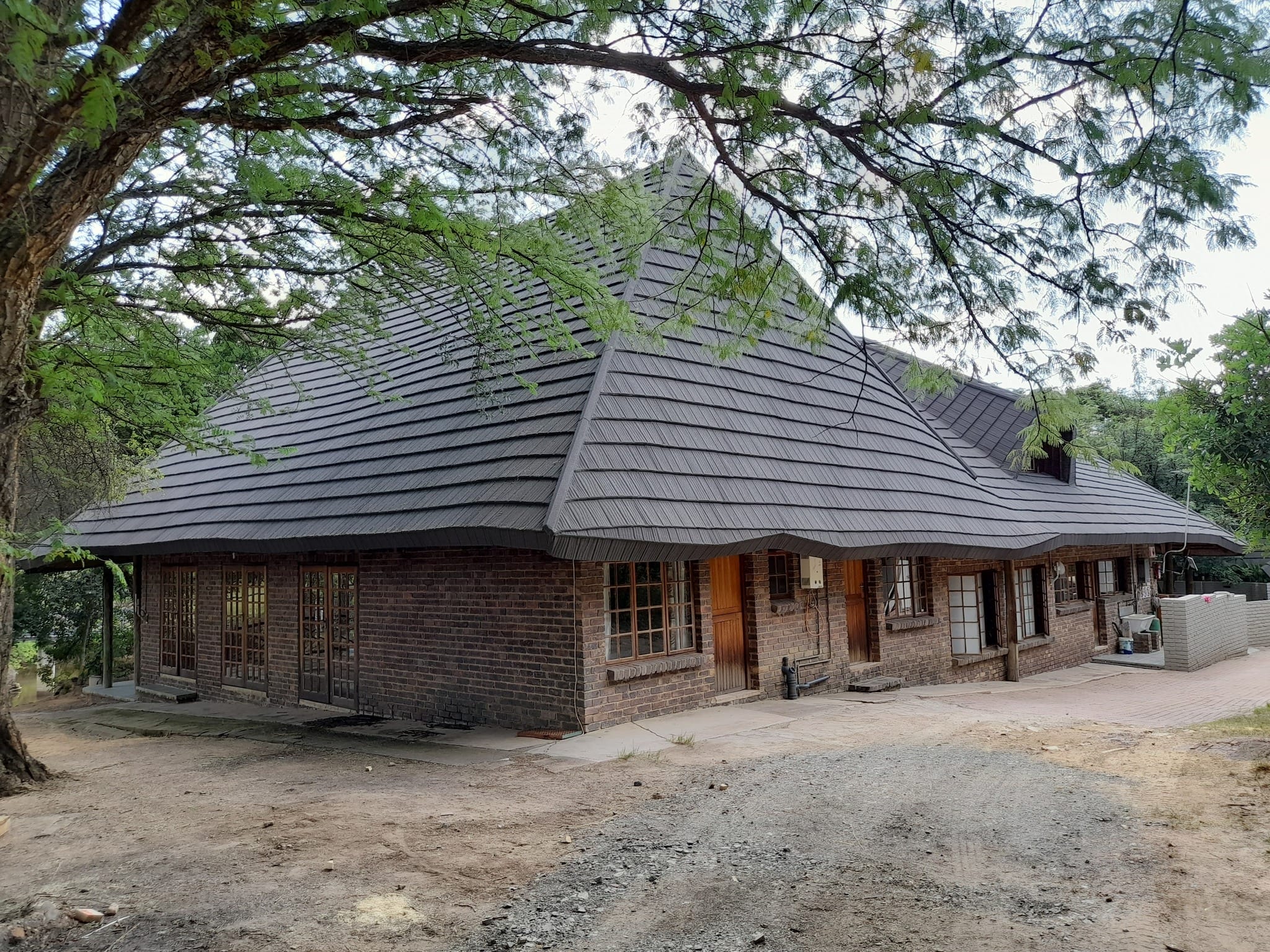


Stone coated roof tiles in Kenya face a demanding mix of conditions. Intense equatorial sun beats down for most of the year. Heavy seasonal rains follow close behind, often arriving with real force. Coastal storms add wind stress that inland regions rarely see. This guide breaks down which performance factors actually matter for Kenya’s climate, and how to choose roofing that holds up through all three challenges at once.
Why Kenya’s Climate Demands a Different Roofing Standard
Many roofing materials get rated for a single climate stress at a time. Kenya rarely offers that luxury. A roof here needs strong heat reflection, reliable water shedding, and enough structural integrity to handle sudden storms. Materials built for milder, single-season climates often struggle once installed under these combined pressures. Buyers who understand this upfront can avoid a costly mismatch.
Heat Exposure Changes the Coating Requirements
Sustained UV exposure breaks down weaker coatings faster than most buyers expect. A roof that fades or chalks within a few years was never built for this level of sun. Strong coating technology matters more here than in temperate climates.
Seasonal Rain Tests Drainage Design Directly
Heavy rainy seasons push far more water across a roof surface than occasional showers ever would. Poor drainage design shows its weaknesses quickly under these conditions. A roof that performs fine in a dry test can still fail during the first real storm.
Breaking Down the Performance Factors That Matter Most
Four factors determine how well a roofing material handles Kenya’s combined climate stress. These are heat reflection, water drainage design, wind and storm resistance, and long-term coating durability. The table below compares how common roofing materials perform across these factors.
| Material Type | Heat Reflection | Rain Drainage Performance | Storm and Wind Resistance |
|---|---|---|---|
| Standard Asphalt Shingle | Poor, absorbs and retains heat | Moderate, degrades faster under heavy rain | Weak, prone to lifting in strong wind |
| Clay Tile | Good in dry heat | Good if properly sealed | Moderate, can crack under storm impact |
| Corrugated Iron Sheet | Poor without reflective coating | Fast runoff but noisy under heavy rain | Moderate, depends on fastening quality |
| Stone Coated Metal Roofing Tile | Strong with reflective granule coating | Strong, interlocking profile channels water efficiently | Strong, coated steel resists storm impact |
Heat Reflection and Coating Technology
A granule-coated steel surface reflects more heat than bare metal or dark asphalt. This reduces surface temperature and slows coating breakdown over time. Buyers should ask for documented UV resistance data specific to tropical conditions.
Water Drainage and Interlocking Design
An interlocking tile profile channels heavy rain away from the roof deck efficiently. This matters far more during Kenya’s rainy season than in drier climates. Gaps or poor overlap in cheaper systems become obvious the first time real volume hits the roof.
Wind Resistance for Coastal and Storm-Prone Areas
Coastal regions near Mombasa see stronger, more frequent storm winds than inland areas. A roofing system needs documented wind uplift performance for these conditions specifically. General durability claims are not enough on their own.
How Stone Coated Tiles Perform Across Different Kenyan Regions
Kenya’s climate varies significantly by region, from coastal humidity to highland rainfall to hot lowland heat. The right specification shifts depending on where the project sits. The following examples show how this plays out in practice.
Coastal Areas Near Mombasa
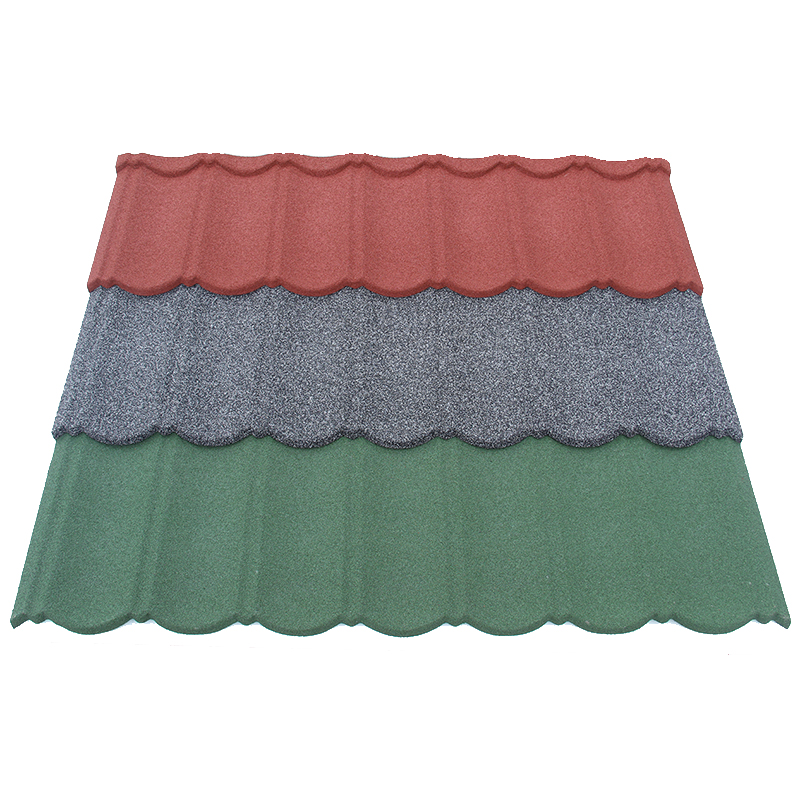
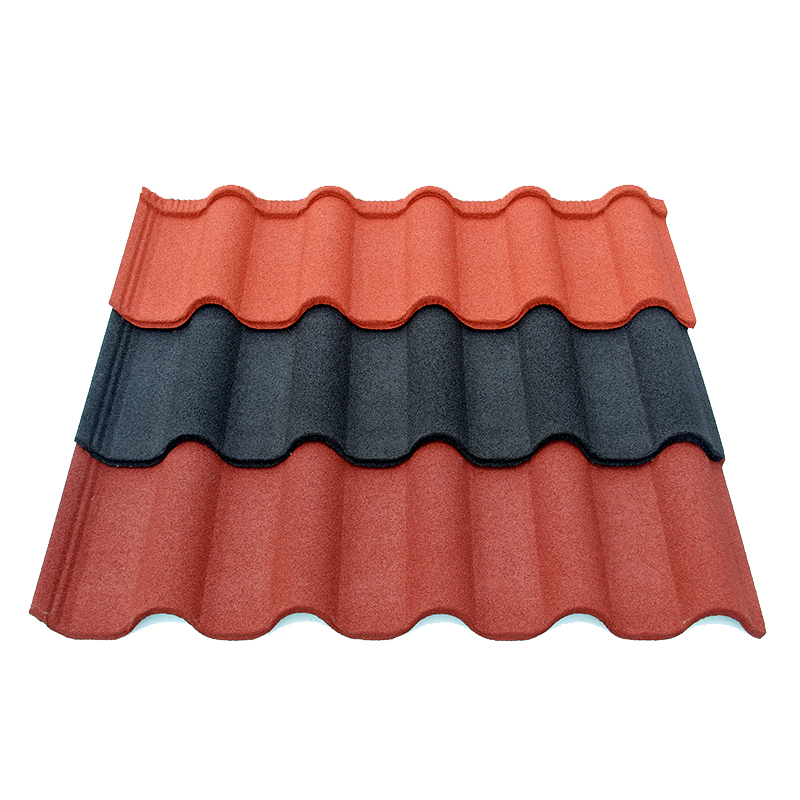
Coastal construction needs strong wind resistance and corrosion protection against salt air. A Bond Tile profile fits this well, combining an interlocking design with coating built for sustained wind and humidity exposure.
Highland Regions With Heavy Seasonal Rain
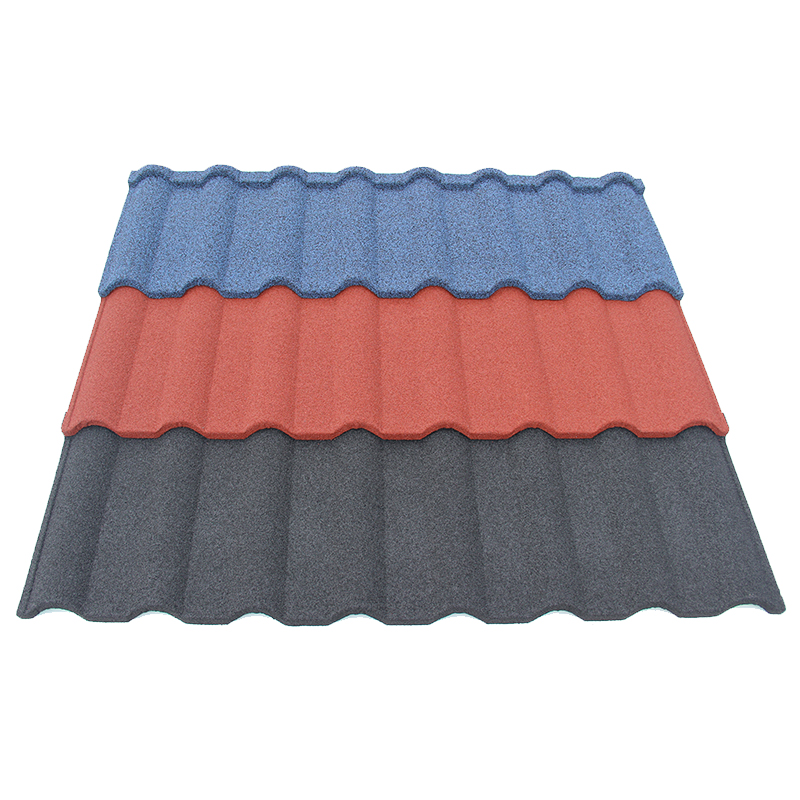
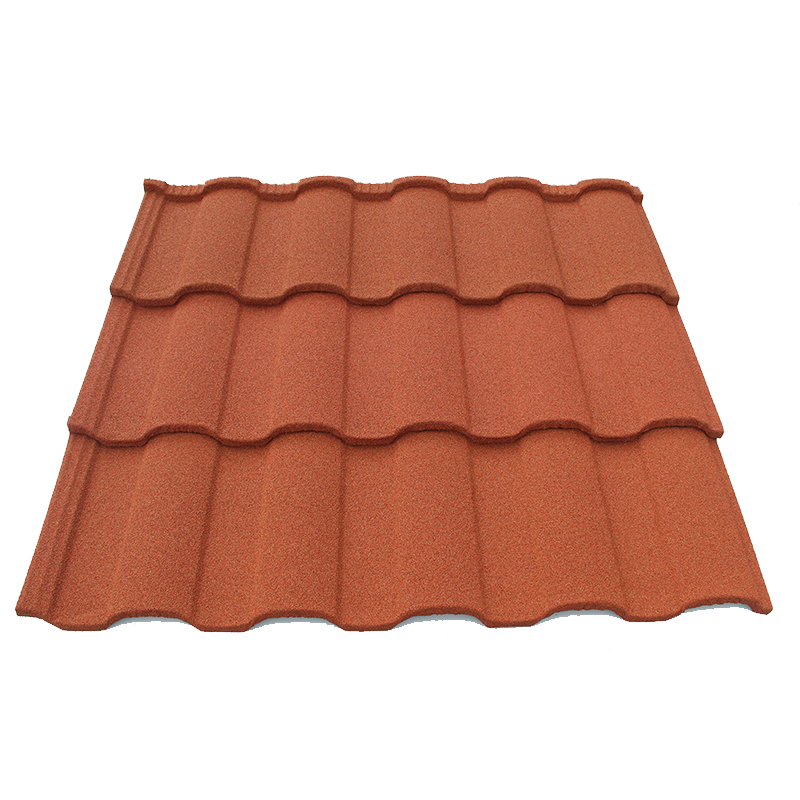
Highland areas around Nairobi see intense rainy seasons each year. A Roman Tile profile handles this volume efficiently, thanks to its steeper silhouette and reliable water channeling.
Hot, Low-Altitude Regions
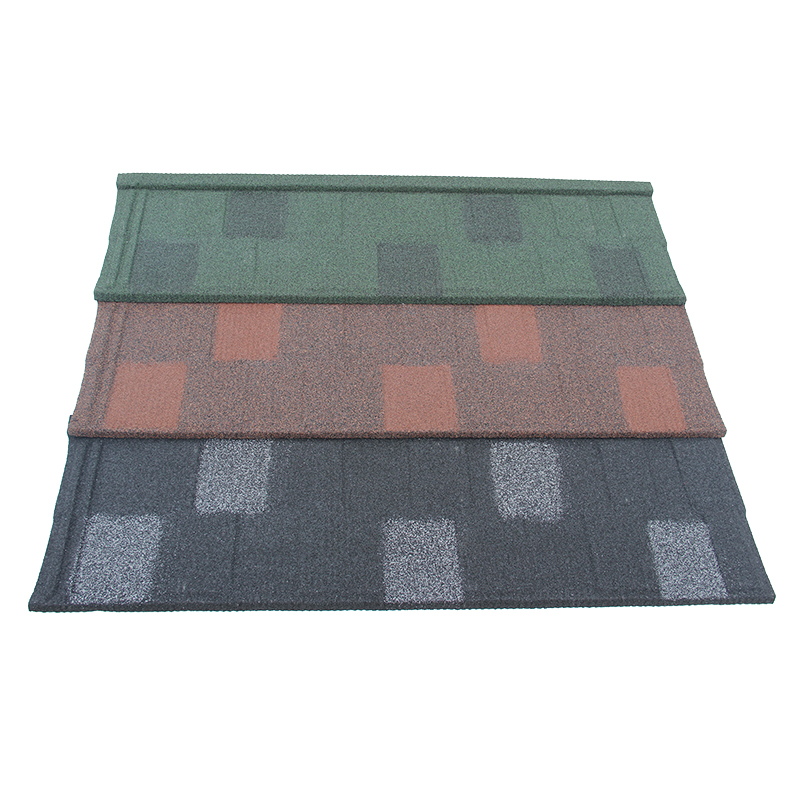
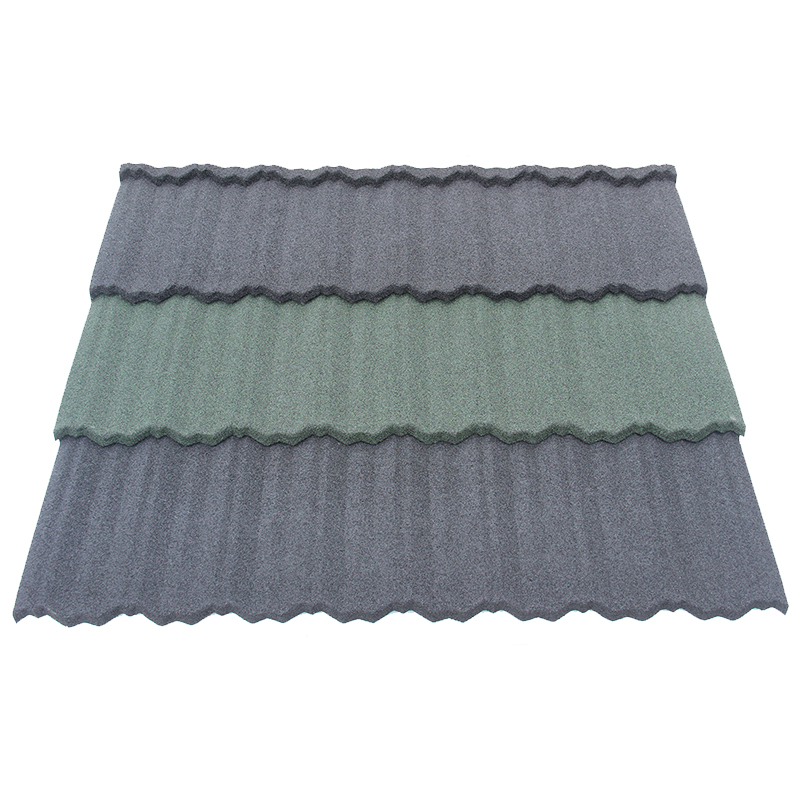
Lower altitude areas face intense, sustained daytime heat. A Shingle Tile profile with reflective coating helps reduce indoor heat buildup, while still offering the durability standard asphalt cannot match in this climate.
Urban Residential and Commercial Renovation Projects
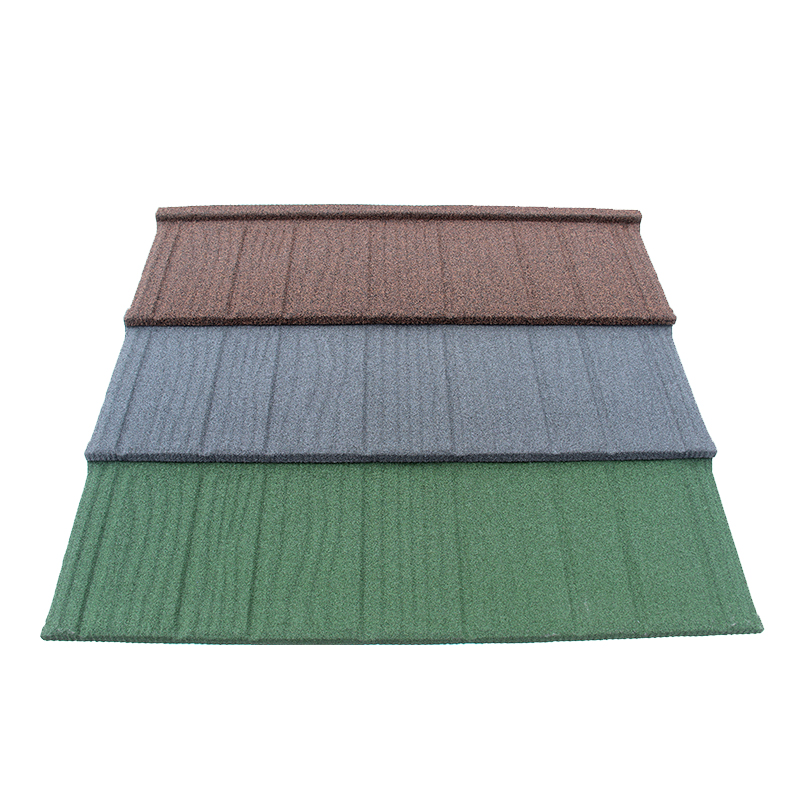
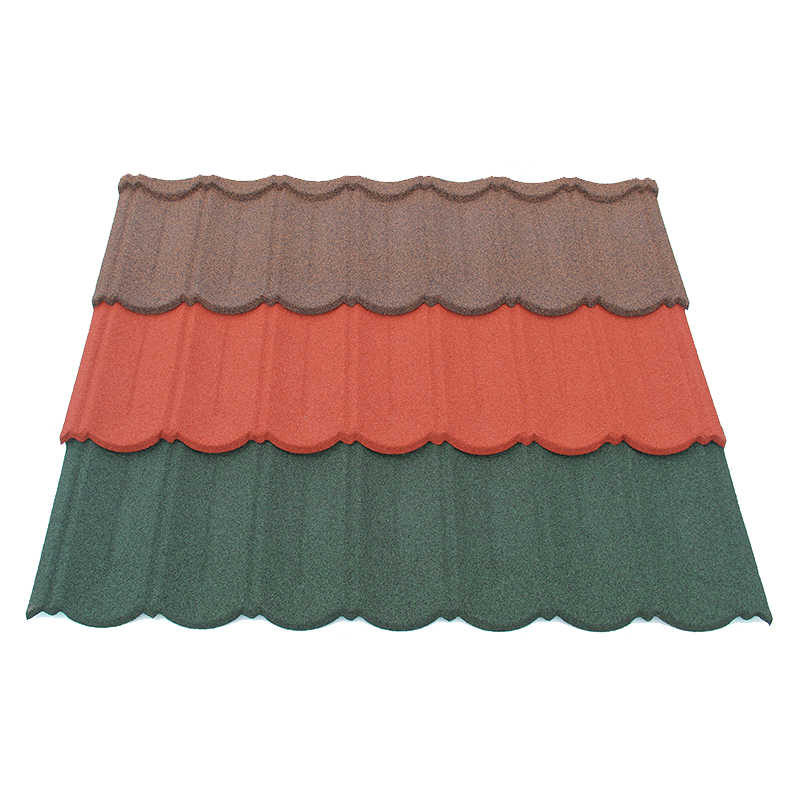
Renovation projects in growing urban areas often want a modern look alongside strong performance. Suppliers such as JCROOF often guide these projects toward a Milano Tile profile, balancing a contemporary appearance with the climate performance the region demands. Rural or traditional-style builds sometimes choose a Shake Tile profile instead, gaining a natural wood-look texture without the rot risk real wood would face in this climate.
Common Mistakes When Choosing Roofing for This Climate
Buyers in this region tend to repeat a few avoidable mistakes. Recognizing these early helps avoid costly repairs after the first full rainy season.
Choosing Based on Upfront Cost Alone
A cheaper roof often fails faster under Kenya’s combined heat, rain, and storm stress. The true cost only becomes clear after a few seasons of real exposure.
Ignoring Regional Wind Data During Coastal Projects
Some buyers apply inland assumptions to coastal construction. This mismatch often surfaces only after the first major storm tests the roof directly.
Overlooking Ventilation in Hot, Low-Altitude Areas
Poor ventilation traps heat beneath the roofing surface. This accelerates material breakdown and increases indoor discomfort, even with a strong roofing material installed above.
- Request UV and heat performance data specific to tropical conditions
- Confirm wind ratings for coastal or storm-prone project locations
- Verify drainage design handles heavy seasonal rainfall volume
- Plan ventilation according to the region’s specific heat exposure
- Compare lifecycle cost, not just the initial material price
Making the Right Roofing Choice for Kenya’s Conditions
Choosing roofing for Kenya means weighing heat reflection, rain drainage, and storm resistance together. No single factor tells the full story on its own. Buyers who evaluate all three consistently end up with a roof built for the region’s real conditions.
Questions to Ask Before Choosing a Roofing Material
Ask for documented UV and wind performance data specific to your exact region. Confirm drainage design has been tested under heavy rainfall conditions, not just general climate claims.
Kenya’s climate tests roofing materials harder than many buyers expect. Stone coated roofing tiles built with strong coating technology and interlocking drainage design consistently hold up better across heat, rain, and storm conditions than standard alternatives.