
Anyone sourcing roofing materials for a Philippine project eventually runs into the same search term: stone coated metal roofing philippines, and for good reason. Between annual typhoon exposure, heavy monsoon rainfall, and tropical heat that pushes surface temperatures past 60°C, the local market has very specific demands that standard imported roofing catalogs often ignore. This guide walks through what actually matters when specifying, importing, or installing stone coated metal tiles for residential, resort, or commercial projects across the archipelago.
Why Stone Coated Metal Roofing Fits the Philippine Climate
Roofing decisions in the Philippines cannot be made using specs written for temperate markets. Wind load, saltwater exposure, and prolonged UV intensity all push traditional materials toward premature failure, which is exactly why stone coated systems have gained traction with developers and OFW homeowners building back home. Understanding the climate drivers first makes every later sourcing decision easier to justify to a client or project owner.
Typhoon and Wind Load Performance
With an average of 20 typhoons making landfall each year, wind uplift resistance is non-negotiable. Stone coated steel tiles, when properly fastened with a full interlocking system, typically hold up against sustained winds well above 120 mph, a threshold that most clay and asphalt products struggle to match once fasteners age.
Heat and Humidity Resistance
Constant humidity accelerates rust, mold, and algae growth on porous roofing materials. Because the steel core sits underneath a sealed acrylic and stone granule layer, moisture never penetrates the surface the way it does with clay or concrete, which keeps mold and staining to a minimum even during the wet season.
Key Material and Performance Factors Buyers Should Check
Not every product labeled “stone coated” is built the same way, and this is where buyers in the Philippines often get burned by cheaper import batches. Coating thickness, substrate grade, and granule bonding quality vary widely between suppliers, so a proper spec check before ordering a container load saves headaches years later when tiles start chalking or corroding at the edges.
Steel Substrate and Coating Quality
A reliable tile uses a Galvalume or aluminum-zinc coated steel base rather than plain galvanized steel, since the added aluminum content resists corrosion far better in coastal and high-salinity environments common across island provinces.
Stone Chip Bonding and Color Retention
The acrylic resin bonding the stone granules to the steel must cure fully under controlled heat. Poorly cured batches shed granules within a few years, exposing bare metal to rain and accelerating rust in exactly the spots buyers trusted to be protected.
Weight and Roof Structure Compatibility
At roughly 1.5 to 2 pounds per square foot, stone coated tiles are light enough to install over most existing truss systems without reinforcement, which matters a great deal for renovation projects on older Philippine homes originally built for lighter GI sheet roofing.
| Consideration | Why It Matters in the Philippines |
|---|---|
| Wind Uplift Rating | Frequent typhoon exposure across most regions |
| Coastal Corrosion Resistance | High salt exposure in island and coastal provinces |
| Weight Per Square Foot | Compatibility with older or lighter truss structures |
| Heat Reflectivity | Reduces indoor cooling load during peak summer months |
Cost, Sourcing, and Logistics for the Philippine Market
Price comparisons on a spec sheet rarely reflect the real landed cost of a roofing material once shipping, duties, and installation labor are added. For distributors and contractors bringing in stone coated tiles from overseas manufacturers, understanding the full logistics chain is just as important as understanding the product itself.
Import and Freight Considerations
Because stone coated tiles ship lighter and stack more densely than concrete or clay alternatives, container utilization is generally more efficient, which lowers per-unit freight cost for importers bringing in bulk orders through Manila or Cebu ports.
Local Installation Costs vs Traditional Materials
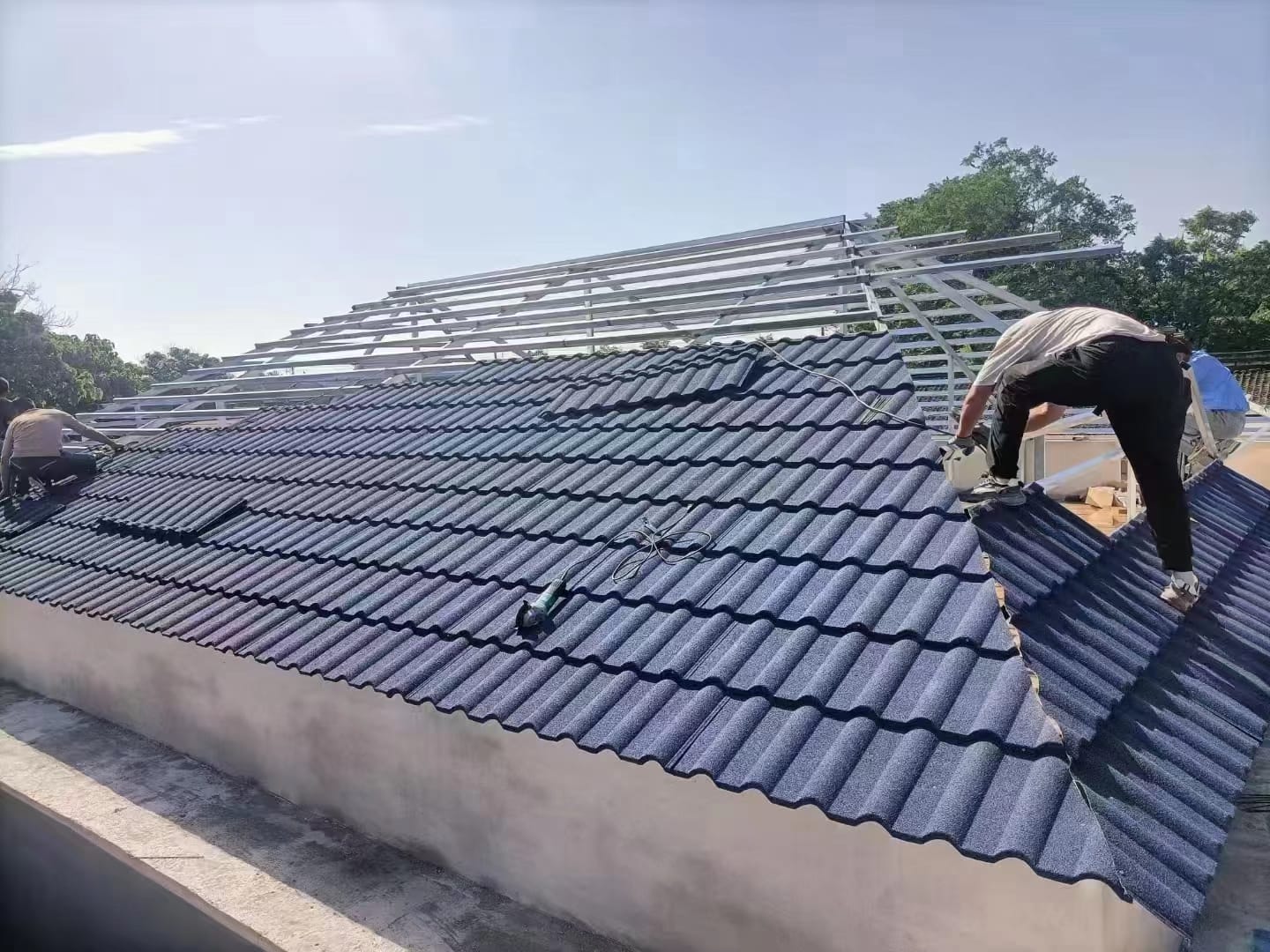
Local roofing crews familiar with GI sheet installation typically adapt quickly to stone coated panel systems, since the interlocking method requires fewer specialized tools than clay tile work, keeping labor costs closer to metal roofing rates rather than tile roofing rates.
Working with Overseas Suppliers and MOQs
Distributors should confirm minimum order quantities, container lead times, and after-sales technical support before committing to a supplier relationship, since roofing warranty claims are far harder to resolve across borders without a responsive manufacturer partner.
Choosing the Right Profile for Philippine Projects
Product selection in the Philippine market tends to follow project type more than personal preference, since climate exposure and architectural style both narrow the realistic options quickly. Matching the right profile to the right build keeps both performance and aesthetics on track.
Residential Subdivisions and Housing Developments
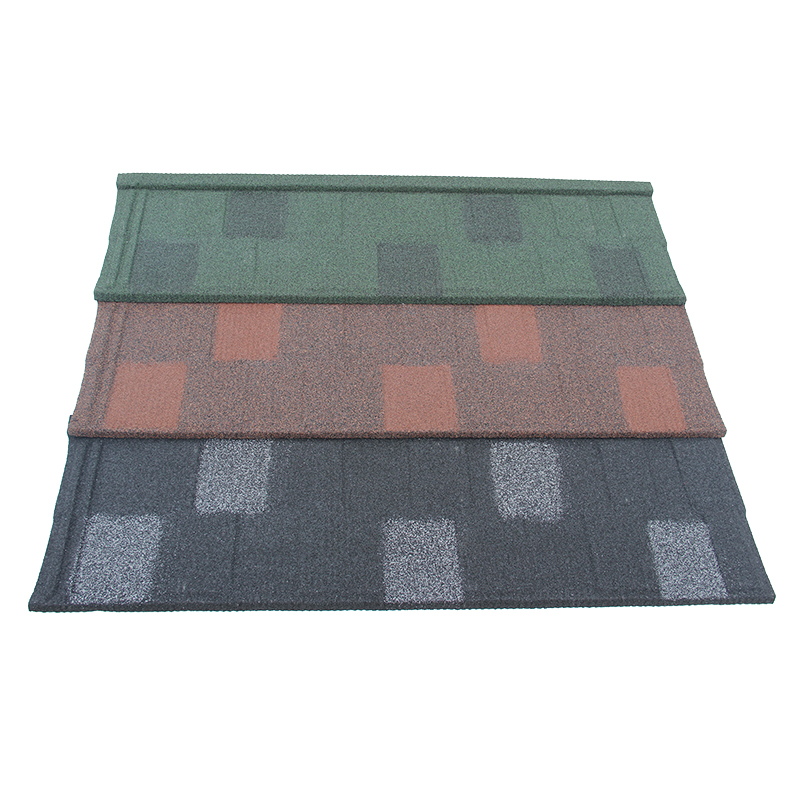
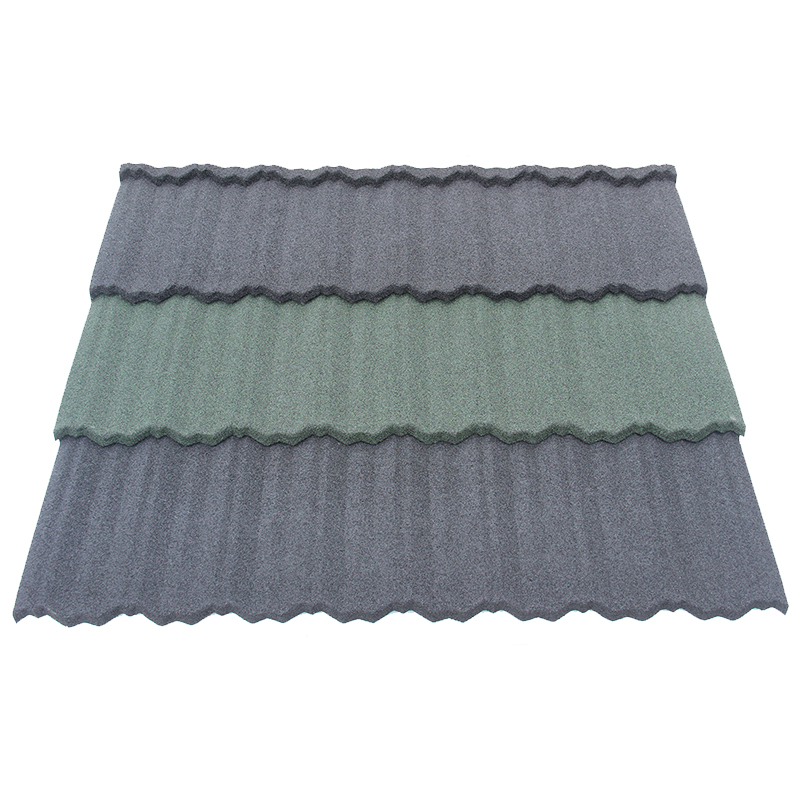
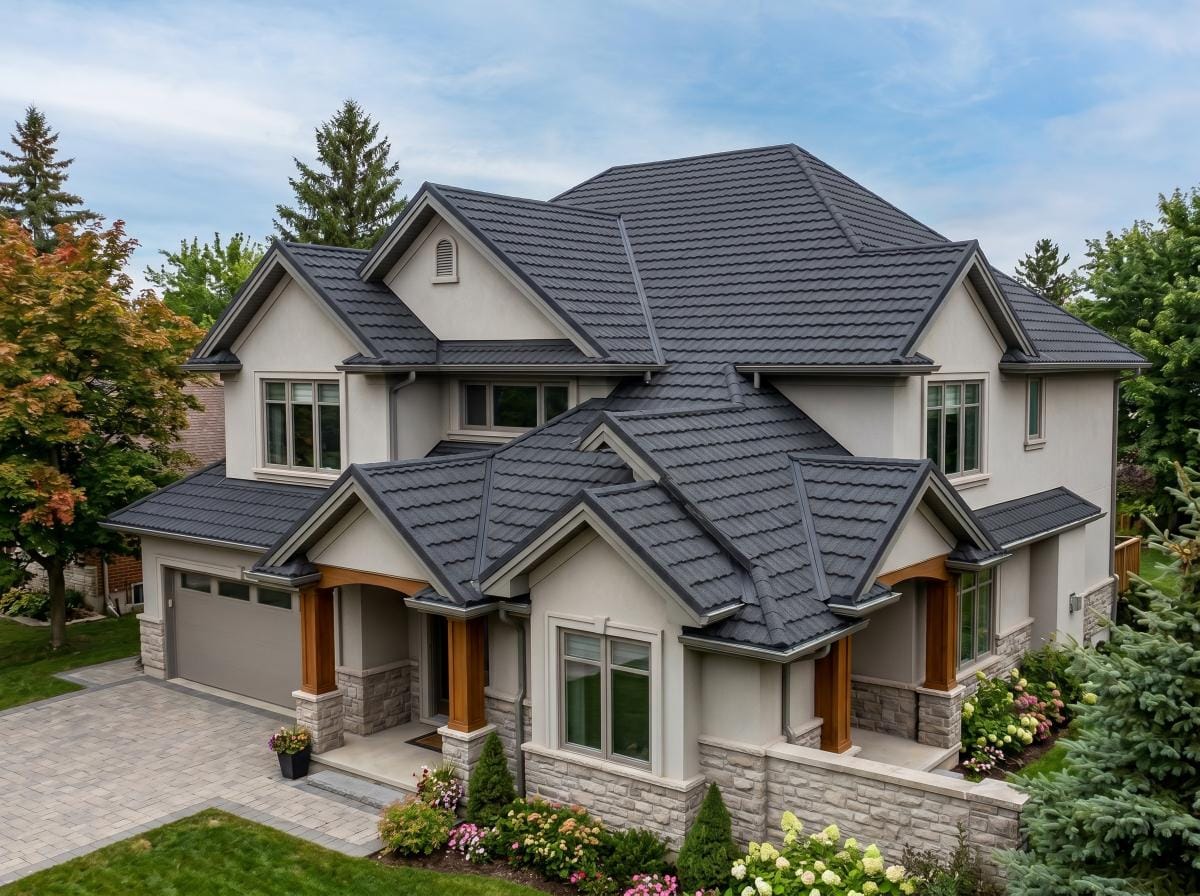
Mid-range subdivisions and OFW-funded home builds frequently specify a Shingle Tile profile, since it mimics the familiar asphalt shingle look at a fraction of the weight and with far better typhoon performance.
Coastal and Resort Properties
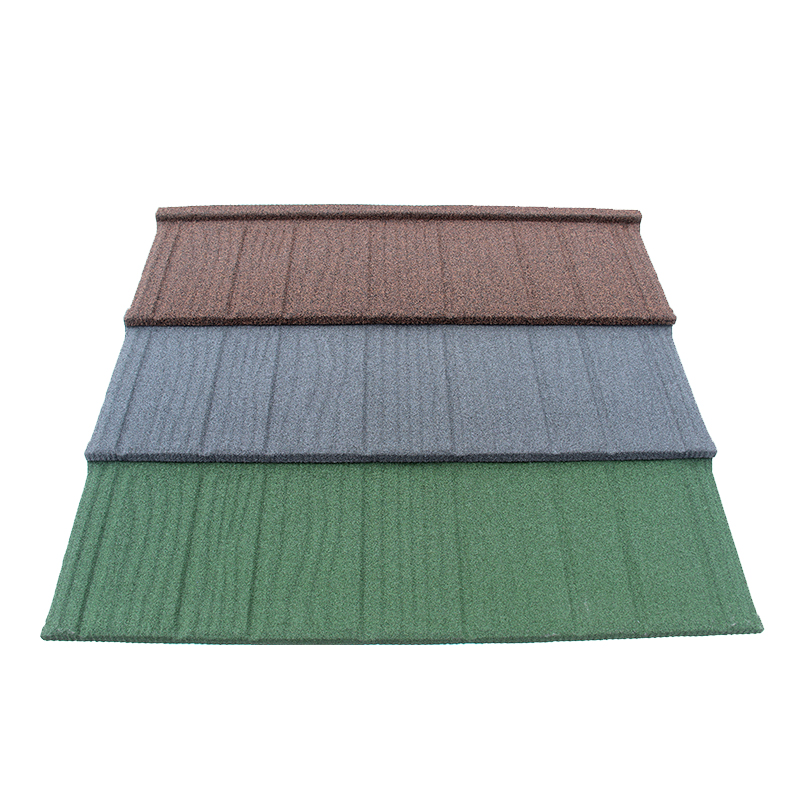
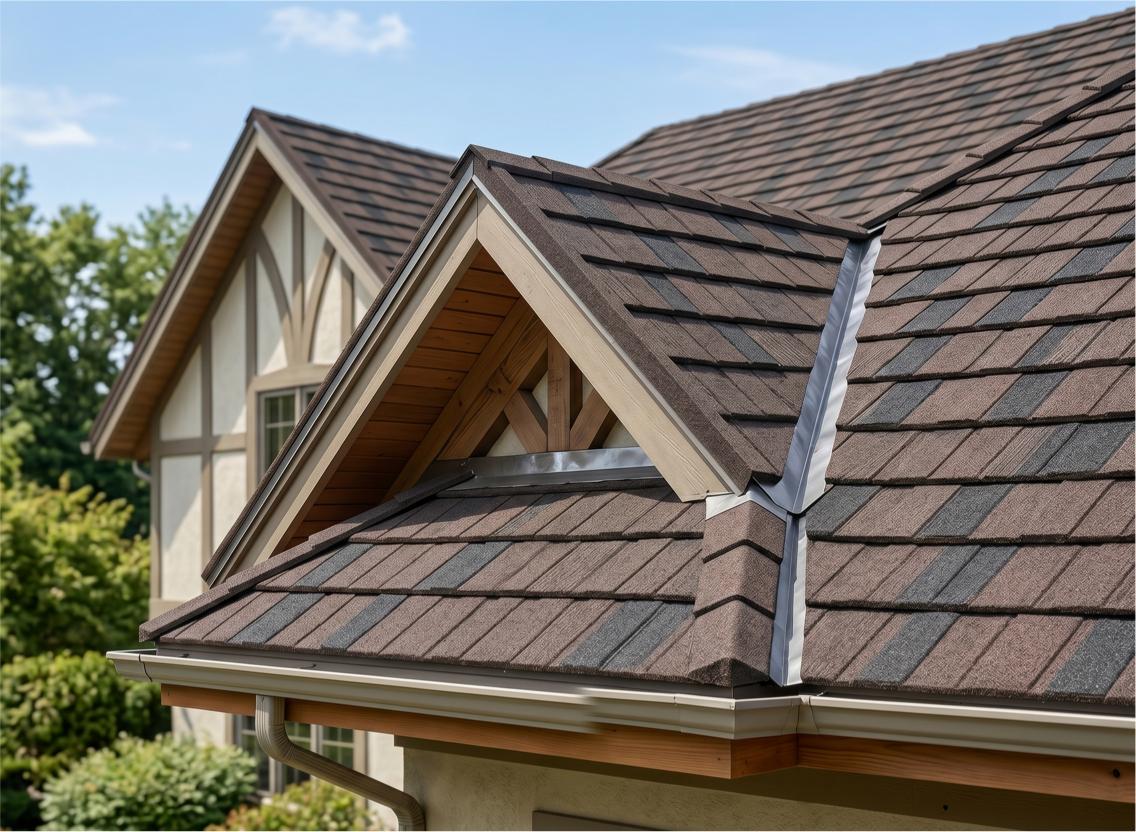
For beachfront resorts and island properties where saltwater exposure is constant, a Shake Tile profile delivers a natural, textured look that suits tropical resort architecture without the corrosion risk of untreated wood shakes. Suppliers like JCROOF have supported this segment with corrosion-resistant coatings developed specifically for high-salinity environments.
Commercial and Mixed-Use Buildings
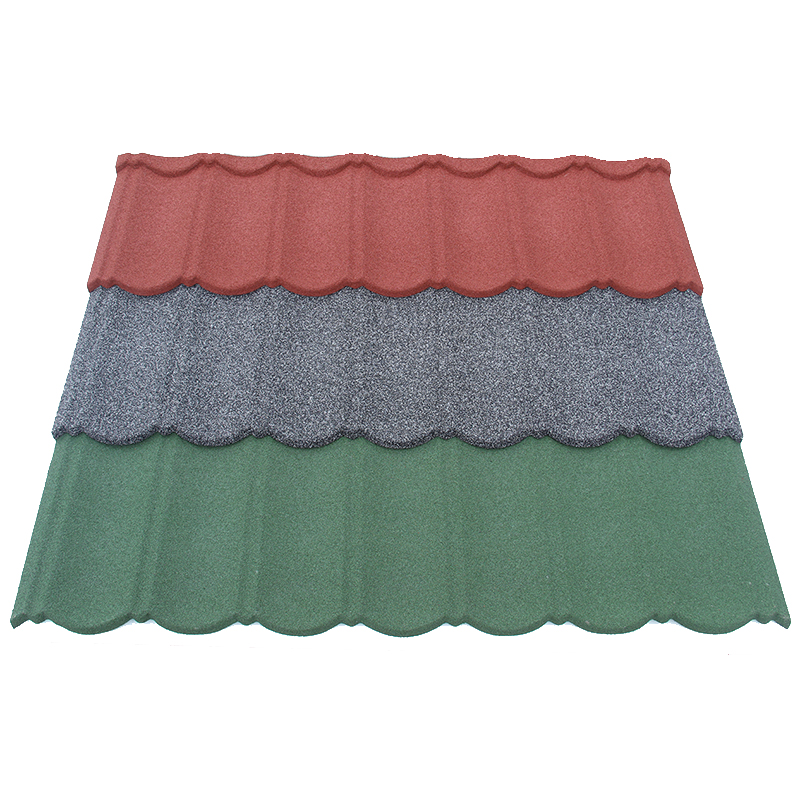
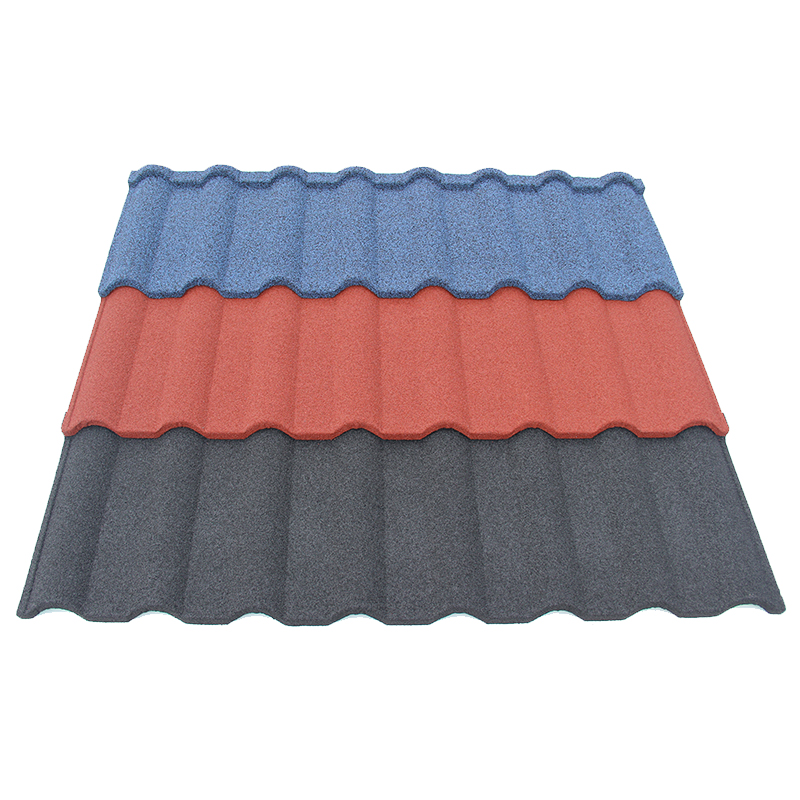
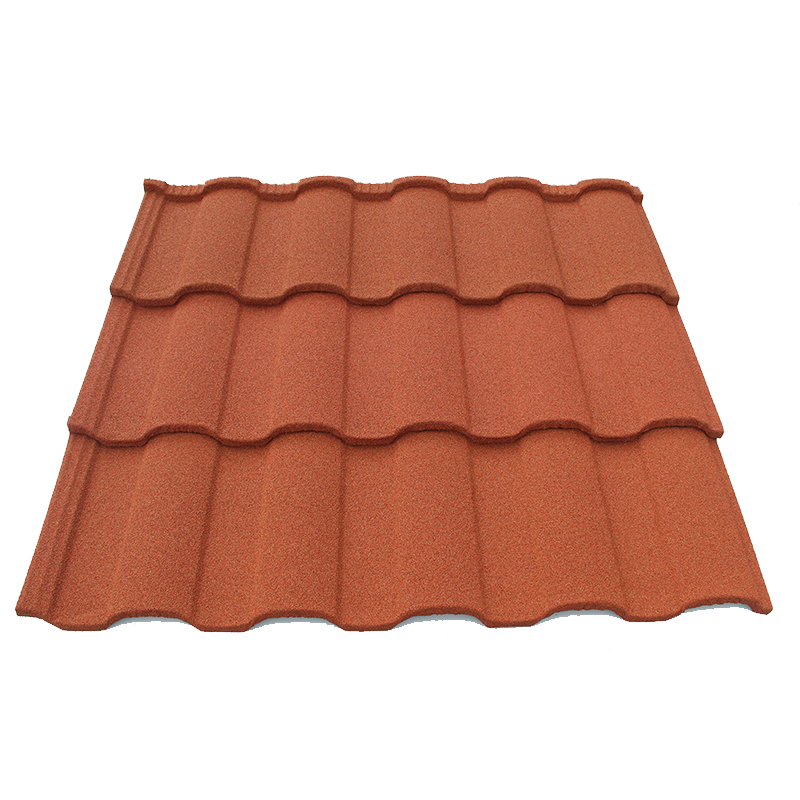
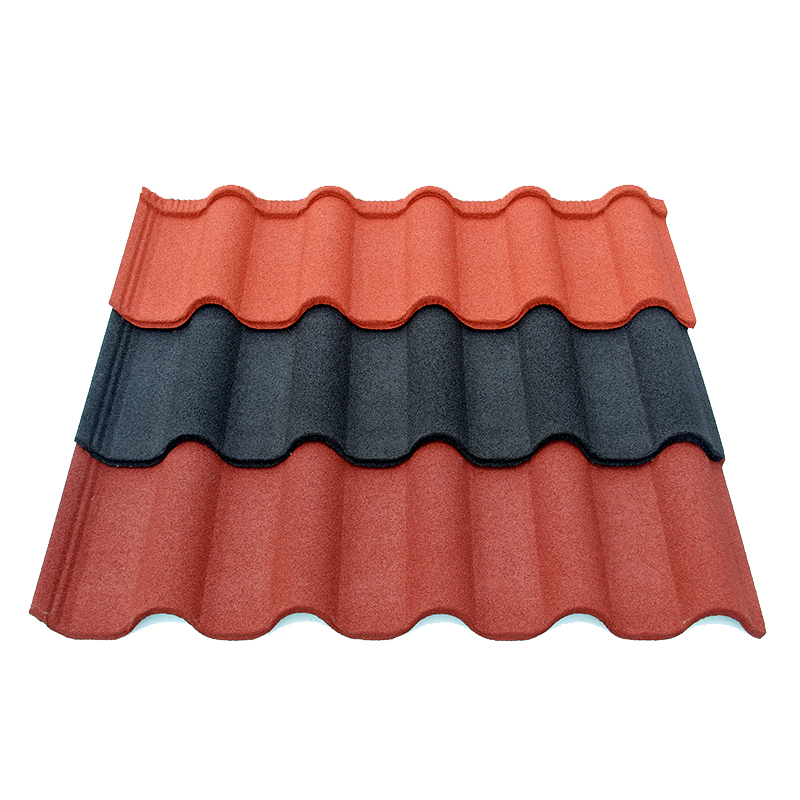
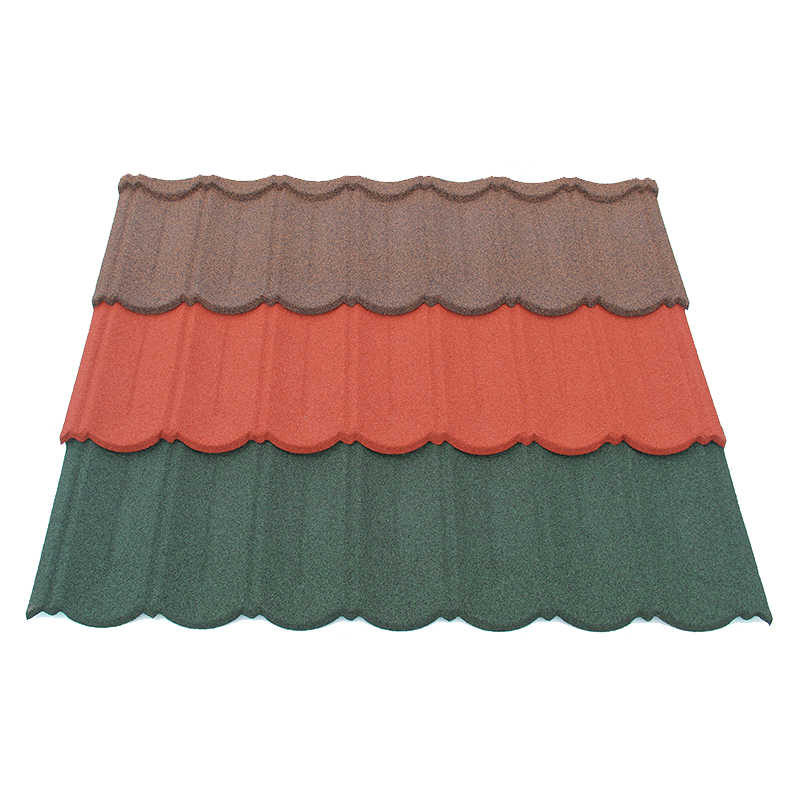
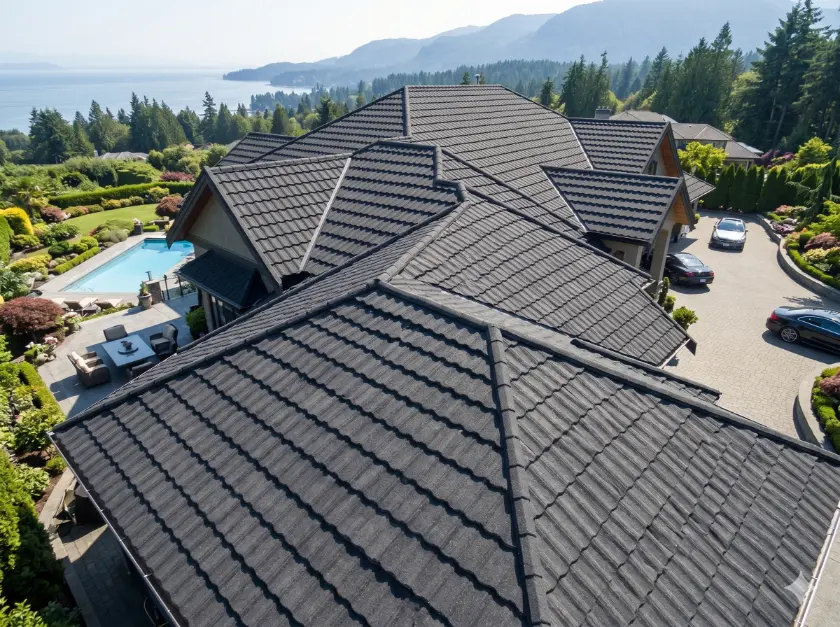
Commercial developments in cities like Cebu and Davao often lean toward a Bond Tile for its clean, modern lines, while boutique hotels and Mediterranean-influenced builds sometimes prefer a Roman Tile for its curved, classic silhouette. Heritage-style restorations and European-inspired villas, meanwhile, tend to specify a Milano Tile for its layered, refined finish.
Common Mistakes and FAQs When Sourcing Stone Coated Roofing in the Philippines
Even experienced buyers run into avoidable problems when sourcing this material for the first time, usually because they focus on unit price without checking the supplier’s technical documentation. The following points cover the mistakes that come up most often, along with the questions buyers ask most frequently.
Common Sourcing Mistakes
- Choosing a supplier based on price alone without checking coating thickness or corrosion warranty terms.
- Overlooking wind uplift certification, which matters far more in typhoon-prone regions than in the supplier’s home market.
- Failing to confirm container lead times before committing to a project schedule.
- Assuming all stone coated products use the same substrate grade, when quality varies significantly between manufacturers.
Frequently Asked Questions
Is stone coated metal roofing suitable for typhoon-prone areas in the Philippines?
Yes, when installed with proper fastening and interlocking, most stone coated systems meet or exceed wind resistance requirements for typhoon zones.
How does stone coated roofing compare to GI sheet roofing in cost?
Material cost is higher upfront, but longer lifespan and lower maintenance often make total cost of ownership more competitive over a 20 to 30 year period.
Can stone coated tiles handle the heat in tropical provinces?
The stone granule surface reflects more solar heat than bare metal sheeting, which helps reduce indoor temperatures compared to uncoated roofing.
What should distributors check before signing with an overseas supplier?
Coating specifications, minimum order quantities, container shipping timelines, and the supplier’s track record with after-sales technical support.