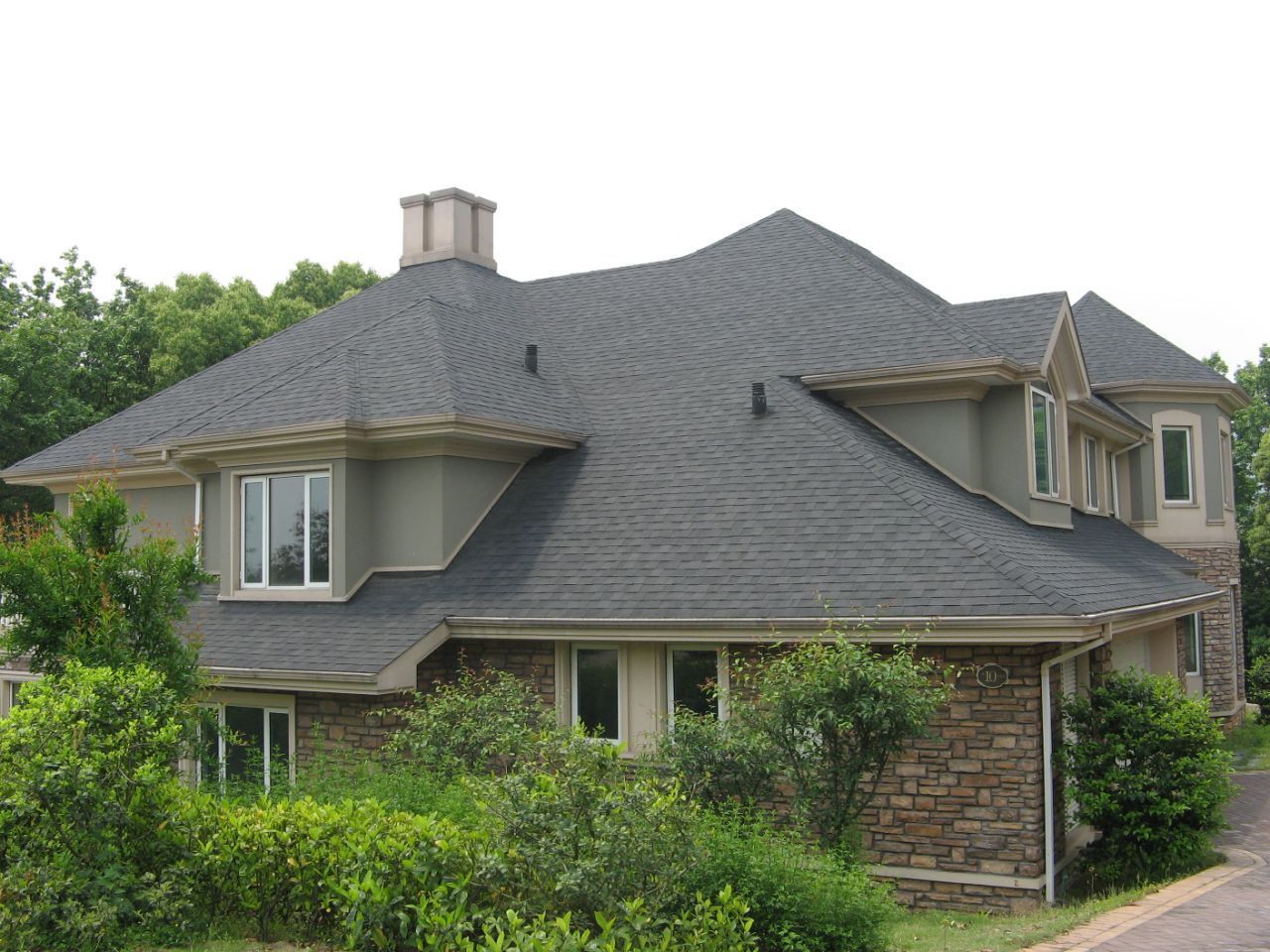
A Milano roof tile color mockup helps buyers judge the main tone, blend, and edge finishes across several rows. Build the review around full panels in the proposed finish. Then view the group from the positions that matter on the building.
Start with the buyer’s shade shortlist and the exterior finishes that will stay. Use samples from the actual offer and record their codes. The accepted display can then serve as a reference for the purchase and later checks.
Ask the project team which views should guide the choice. A street view can show the overall tone. A closer view can show the stone texture, accent colors, and the join between panels and trim.
Plan a Milano roof tile color mockup for the building
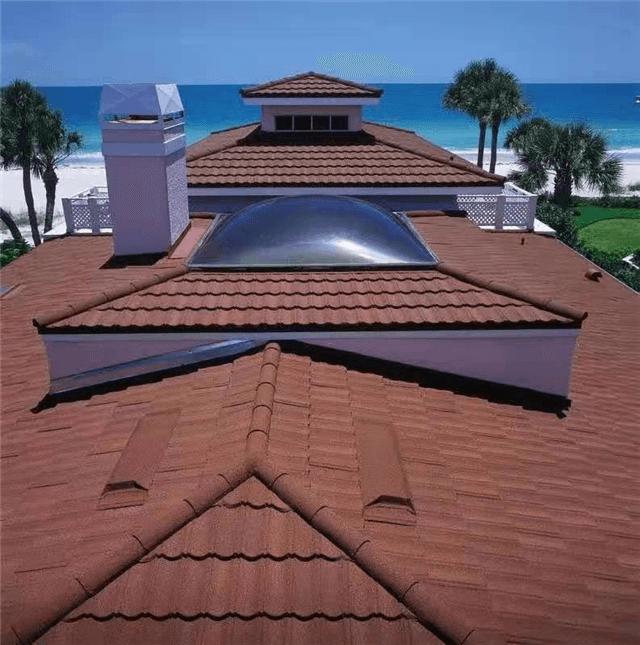
First, decide which color question the display should answer. The owner may want a warm roof beside pale walls. A distributor may want to check how much contrast dealers will see in a new blend.
Write down the shortlist with the profile and finish code for each option. Ask whether the samples came from regular stock, a trial, or a display kit. Keep the supplier’s explanation with the sample list.
For the Milano Tile, ask for samples in the specific finishes under review. Request the current product drawing so the display can show the visible face of each panel. Confirm the finishes on the quote before building a review around them.
Keep the building finishes close at hand
Bring samples of the walls, trim, and any stone or brick the project will keep. View them beside the roof panels in the same light. Check which color stands out first when you see the group.
If the walls are still under review, mark the wall sample as a pending choice. Compare it with the roof options that are available now. Then agree which roof and wall pair the buyer wants to assess next.
For a series of homes, ask which wall and trim colors will repeat. List any elevations with a different finish. The buyer can use that list to decide which combinations need a separate view.
Use screen views to narrow the options
Ask the dealer for current shade images before you request panels. A roof visualizer can help you see broad color choices beside the walls. Record which colors it helped you put on the shortlist.
GERARD’s Milano page shows named shades and links to a roof visualizer for its own product. The manufacturer asks buyers to confirm current color availability with its local team. GERARD Milano colors and visualizer
Follow the shortlist with a physical sample review for the offer you plan to buy. Ask the supplier to name the panel and finish shown in each sample. Keep screen views with the early design records.
Build a display that shows the roof field and its edges
Use full panels across several rows when the buyer needs to see how a blend reads over a wide area. Ask the supplier and project team to agree the display layout. Include the parts that will sit beside the panels in the chosen view.
Put a label near each panel group. Show the profile, finish, and sample reference. If two groups use the same shade from different batches, mark the batch details where the supplier can confirm them.
Decide how much of the roof the mockup represents. A display can focus on a broad field, a visible edge, or the way two finishes meet. The project team can set the size for the decision at hand.
Show the visible surfaces that affect the choice
Ask which parts of the panels will remain visible after they lap. Look at the shape of the curve and the lower edge. Shadows on those features can affect how dark the finish seems.
If the project needs matching ridges or edge trims, put the offered parts into the review. Record where each part will sit and which finish code it carries. Ask the technical team to check the fitting details separately.
Keep the sample group tied to a clear review scope. The same method can help you plan a mockup for a different roof profile. Guide to planning a stone coated roof mockup
Match the setup for each shade
Give the shade options the same angle and about the same area in the display. Move them into the same light when you compare them. If one group has a larger or darker trim, record that change.
Give the groups simple labels that reviewers can use in their notes. Ask each person to name the group they mean before they describe a difference. This helps the supplier identify the right panel when they read the comments.
Check the main tone and blend in the same light
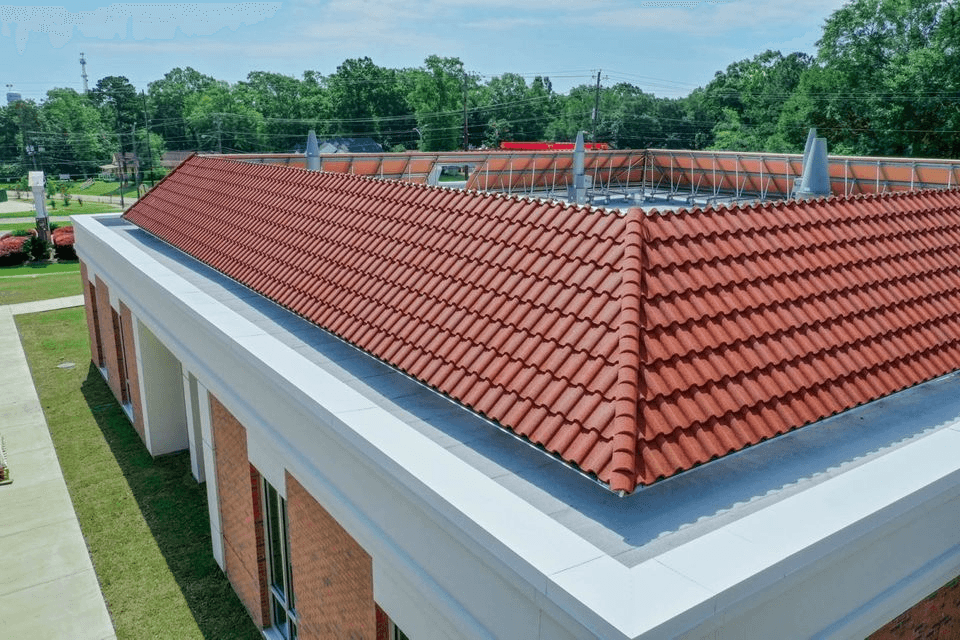
Begin with the view the owner will see most often. Look at the whole display before you move closer. Note whether the roof reads as one broad tone or shows distinct patches across the rows.
Next, check the samples from close range. Describe the main shade and any flecks that stand out. Look at the curve as you change your view to see whether a dark patch follows the shadow.
Choose a second light condition if the buyer expects the roof to look different during the day. Move the full set together and note the time and position. Keep the main and second views clear in the record.
Give reviewers the same fields to check
| Review field | What to record |
|---|---|
| Overall tone | Name the main shade from the agreed distance. |
| Accents | Note the lighter or darker colors seen close up. |
| Blend | Describe how strong the contrast looks across the rows. |
| Edges | Record the trim finish and how it looks beside the panels. |
| Light and view | Note the angle, distance, and light used for the decision. |
Use a short comment for each field. If one person sees a red accent and another sees brown, look again together. Then mark the exact part of the sample that led to the comment.
Take a wide photo and a close photo of the same group. Include the sample label and keep the light conditions in the photo notes. Save the images with the agreed physical reference.
Work through a shade choice
Suppose the buyer likes two brown blends beside a light stone wall. One reads as an even brown from the street. The other has dark accents that stand out once the panels sit across several rows.
Ask the buyer which effect they want from that view. Then check the same options from the side in the same light. A dark line that moves with the shadow may call for another view before the buyer decides.
In the notes, name the sample code and describe the feature that drove the choice. A brief comment such as soft contrast from the street can help the team find the intended effect. Keep that note beside the accepted sample and the wall finish used during review.
Record the finish and samples the buyer approves
When you send your findings to JCROOF, include the panel code, finish, and marked views. Ask the supplier to confirm the finish on the proposed order. Record the reply and the sample codes with the buying decision.
Name the person who can accept the finish. Record the date, the group they reviewed, and the parts that the approval covers. If the buyer wants a change, note the requested tone or level of contrast.
Ask the supplier which panel the buyer can keep and which one the supplier will use. Label each one with its place in the approved group. A shared record helps both sides check what the buyer accepted. Guide to custom roofing color approval
Put the same finish codes on the order
Add the accepted panel and trim codes to the purchase order. Check that the quote lists the same finishes and the intended quantities. If a color needs a separate lead time or charge, ask for those terms in writing.
Send the buyer a final copy with the samples and agreed scope listed. The full buying guide explains how the finish record fits beside drawings, coverage, and accessories. Milano stone coated roof tiles buying guide
Keep the approved panels usable for later checks
Store the samples with their labels where the team can find them. If an edge or face gets damaged, note which part changed. Agree which pieces still represent the finish before you use them for a later check.
At receipt, record the finish and lot marks from the packs. Compare any panel in question with the accepted sample under the agreed light. Keep the pack details and photos together if the supplier needs to review the concern.
For a repeat order, send the accepted sample code and earlier order reference with the new request. Ask the supplier to confirm the current finish and trim codes. Record any new sample decision with that order.
Choosing a Milano finish for your project? Send us an inquiry with your preferred shades and exterior details. Our specialists will reply and help you plan the sample review.