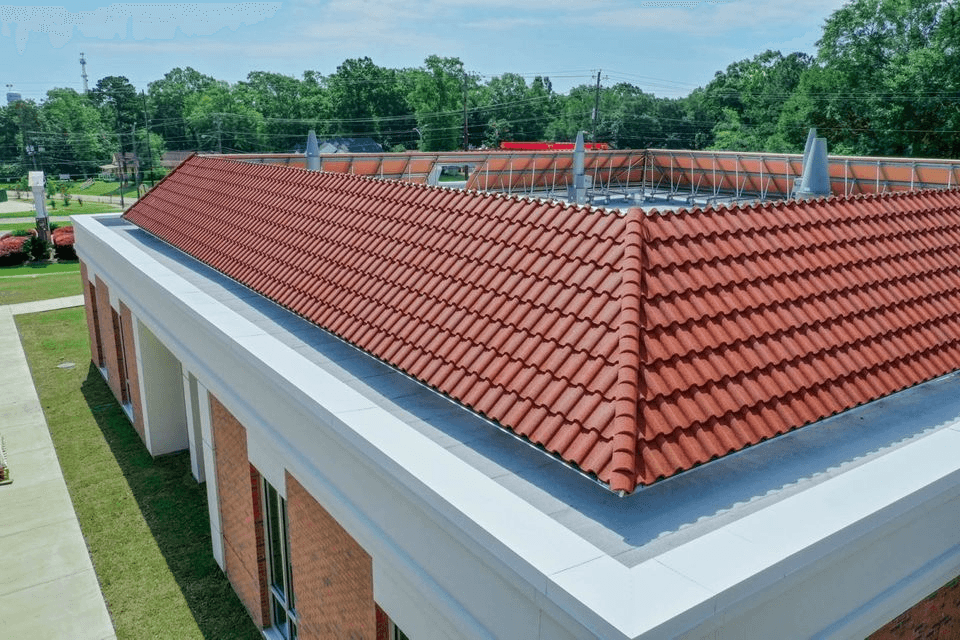
A stone coated shingle roof mockup should answer a stated question before the buyer signs it off. Define whether the review covers appearance, a detail, workmanship, or a planned test. Then record the accepted features and the limits of that decision.
A digital preview and a physical roof section offer different evidence. The first can help compare the broad look on a building. The second can show actual materials and selected connections, depending on how the team builds it.
Neither becomes a complete product or roof approval simply because someone signs a photograph. A useful mockup needs identified products, suitable references, clear review conditions, and a named decision owner. That turns a display into a decision the project team can explain.
Define the stone coated shingle roof mockup purpose
First, write the question the mockup must answer. A buyer may want to compare two finishes across several panels. Another project may need a physical review of a visible roof-to-wall transition.
Those purposes need different mockups. A small appearance board may help assess surface contrast. It cannot demonstrate a wall junction that the board does not include.
Decide which question needs a result before the next project step. Then choose the mockup scope around that decision. Avoid adding unrelated checks merely because the display is available.
Distinguish a preview from a physical section
A digital preview can help people compare the roof with the building exterior. It uses an image or model rather than the actual installed surface. Therefore, its approval should state that visual purpose.
DECRA’s home visualization page describes placing a selected profile and color on photographs of a house. This illustrates a digital selection tool for its products. It does not establish that a rendered image proves physical fit or roof performance.
A physical mockup contains the materials and details that the team actually includes. Its value depends on those choices and the build method. Ask what the proposed section represents before deciding what to approve.
State what remains outside the review
An appearance review does not establish material grade or a tested wind rating. A workmanship review does not automatically approve every detail elsewhere on the roof. List those limits with the review purpose.
If the project needs a performance test, define it separately with the responsible technical team. Agree the method, setup, and acceptance rule before testing. Do not treat an informal demonstration as evidence of a standard test result.
Keep local design and approval requirements within the proper project process. A buyer’s visual signature may be only one part of that process. The mockup record should show which decisions it actually supports.
Specify the products and details to include
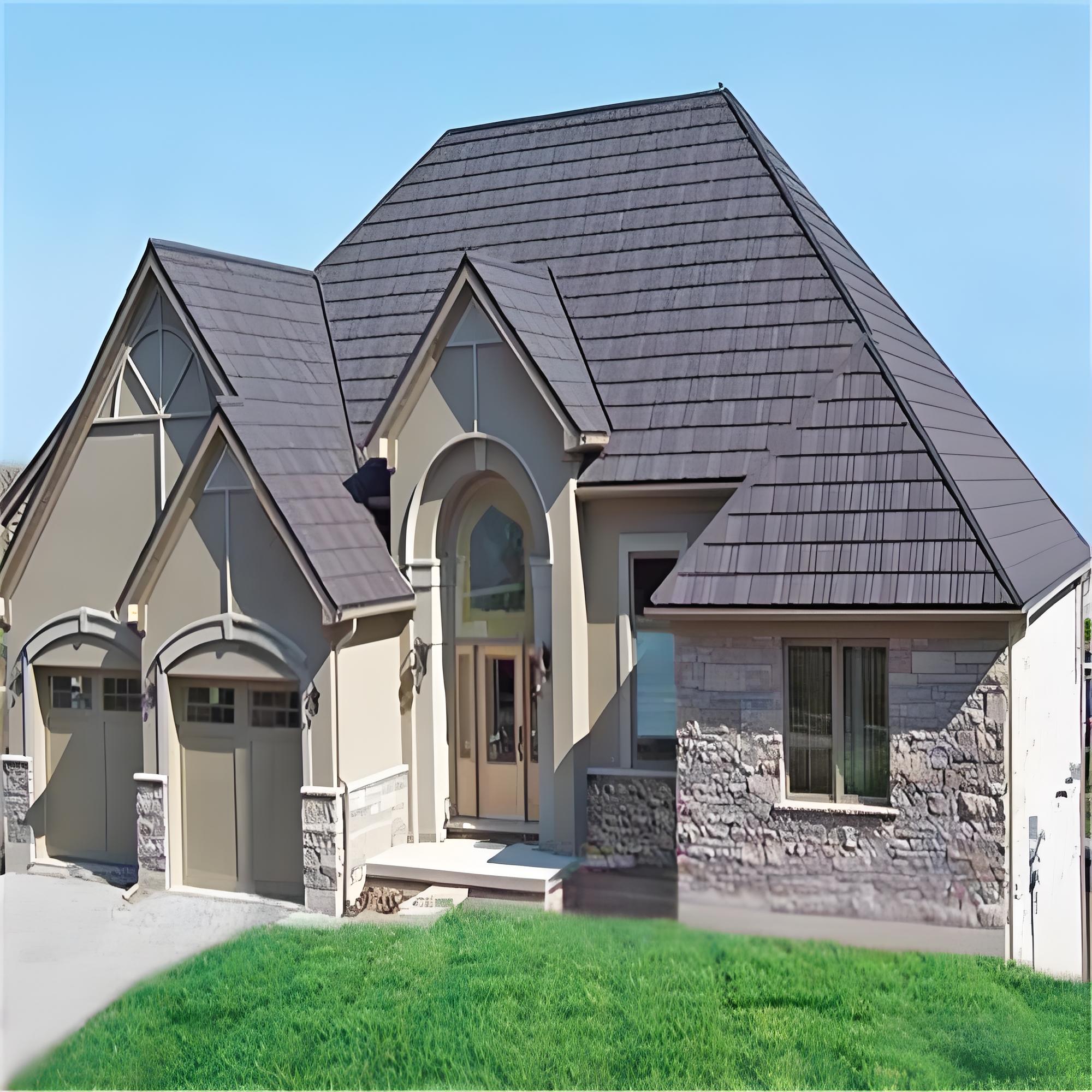
Use the actual proposed panel and finish references. Add the supporting drawings and relevant instructions. A mockup made from an unidentified sample leaves the later comparison open to doubt.
For Shingle Tile, identify the offered product version and accepted finish reference. Then ask which matching parts belong in the proposed section. Do not assume any similarly colored accessory belongs to that system.
The shingle specification guide helps organize the product and evidence needed for a buying decision. Use the same references in the mockup plan. That keeps the display connected to the actual offer.
Select representative features
If the aim is appearance, include enough of the product to show the feature under review. A single chip cannot show the broader effect of repeated panels. Likewise, a wide display may still omit a specific edge detail.
For a detail review, identify the exact junction to include. It may involve an edge, wall, ridge, or other selected condition. The project team should define a suitable section rather than choosing a generic size.
Ask whether the proposed setup leaves out any important layer or connection. Record those omissions clearly. A tidy visible surface can otherwise suggest a more complete assembly than the mockup contains.
Identify substitutions before the build
Sometimes the team proposes temporary backing, supports, or other display materials. Ask whether those changes affect the review question. If they do, revise the mockup or limit what its result can establish.
Do not let a convenient substitute become the accepted project product by accident. Mark temporary or illustrative items in the mockup schedule. Also state which actual items still need review.
When discussing a proposal with JCROOF, send the purpose and product list together. Ask which supplied records support the planned review. Keep project construction and testing decisions with the responsible reviewers.
Agree how the team will review the mockup
Before the build, name the reviewers and their responsibilities. The buyer may decide appearance, while technical staff review a detail. The supplier and installer may need to answer different questions about the same section.
Use a short review plan that states the reference and decision for each area. Then agree how the team will record comments. This reduces conflicting instructions during the meeting.
Match each review area to its evidence
| Review area | Evidence to identify | Decision to record |
|---|---|---|
| Overall appearance | Named profile, finish, and viewing setup. | Accepted visual features and any exceptions. |
| Surface color | Physical reference and comparison method. | Accepted tone and contrast within the agreed scope. |
| Selected detail | Drawing revision and included products. | Findings for that specific connection. |
| Workmanship | Defined checks and relevant instructions. | Accepted work or required corrections. |
| Planned testing | Agreed method, setup, and criteria. | Recorded result within the test scope. |
The table organizes decisions rather than prescribing a roofing standard. Adapt it to the actual project and review purpose. Also identify who may resolve a disputed finding.
Use consistent viewing conditions
For appearance, agree the main viewing positions and conditions. Compare alternatives in a way that does not give one a different light or angle. Also look at the detail the customer actually needs to decide.
The shingle pattern guide separates panel form, surface contrast, and the broader roof field. Use that language to describe visual findings. It helps distinguish an unwanted shape from an unwanted finish effect.
Photograph the full setup and the features that prompted comments. Keep the product labels and revision details in the record. A close photograph without context can be hard for later reviewers to interpret.
Compare physical color with the right reference
A screen image may help explain a preference, but it can display a different shade. DECRA’s shingle page explicitly warns about light and digital display differences for its products. Keep that limitation in mind when using a digital preview alongside physical materials.
The shingle color approval guide explains how to connect shade decisions with identified physical samples. Use the agreed reference during the mockup review. A new photograph should not quietly replace that reference.
If several people review from different locations, state what each person could actually assess. Someone viewing an emailed image has different evidence from someone standing beside the section. Their approval records should reflect that difference.
Record corrections and a bounded approval

Give the mockup a unique identity before recording the decision. Add the project, product references, drawing revisions, and date. Also name the people who reviewed each part.
Use clear findings instead of a broad statement that everything looks fine. State which features meet the agreed requirement. Then list corrections, open questions, and any further evidence needed.
Separate correction from a new preference
A detail that differs from the agreed drawing needs one kind of response. A buyer who now prefers a darker finish creates a new selection question. Keep those situations distinct in the review record.
For each correction, identify the location and required action. Name the responsible person and the evidence needed to close it. Also state whether the team needs to inspect the revised physical work.
If a correction changes another reviewed feature, reopen the affected decision. A new edge treatment may alter the visible appearance, for example. Do not assume an earlier signature covers the revised section automatically.
State what approval allows next
An accepted mockup might establish a reference for specified visual features. Another approval might allow a defined detail to proceed, subject to other project checks. Write that next step plainly.
Avoid treating mockup approval as a release of all products or shipments. The actual goods still need the agreed purchasing and inspection checks. Likewise, work elsewhere on the roof needs the appropriate project review.
Keep the final record with the accepted photographs and controlling documents. Mark earlier versions as superseded when the team changes the reference. People should not have to infer the final decision from a chain of messages.
Preserve the reference through later work
Decide whether the physical mockup will remain available during construction. If so, identify its location, keeper, and permitted use. Protect the features that the team expects to compare later.
If the mockup must be removed, agree how the approved evidence will remain available. Photographs, samples, and records may support later discussion. However, state any comparison that the remaining evidence cannot fully support.
Plan cost, timing, and ownership
Agree the mockup scope and commercial terms before the team builds it. Ask which materials, labor, transport, reviews, and tests the proposal includes. Also clarify who owns the section and what happens after review.
Do not assume a digital preview and a physical mockup have the same cost basis. Likewise, another supplier’s sample service does not establish the terms for this project. Obtain a current offer for the agreed work.
Schedule the review before the decision it must support. Leave the remaining project steps visible if corrections become necessary. A mockup has limited value when the larger order proceeds before anyone reviews it.
Revisit approval when the proposal changes
If the profile, finish, detail, or relevant product changes, check which findings remain valid. Ask whether the existing reference still represents the intended work. Record the answer before reusing the approval.
Also review the reference condition before a later comparison. Damage, dirt, or missing parts can weaken its value. Raise the issue and agree a replacement process instead of quietly changing the standard.
A useful mockup leaves the project with a clear decision and a usable reference. Its value comes from defined scope and careful follow-through. A signature helps only when the team understands exactly what it approves.
Preparing a shingle roof mockup for review? Send us an inquiry with your profile and approval questions. Our team will reply and help you clarify the information needed.