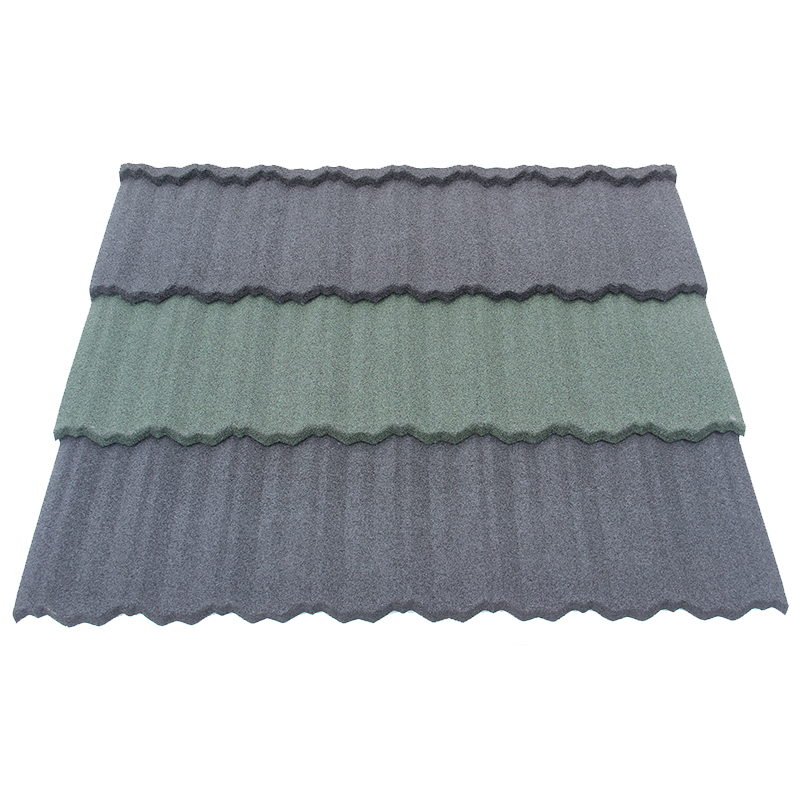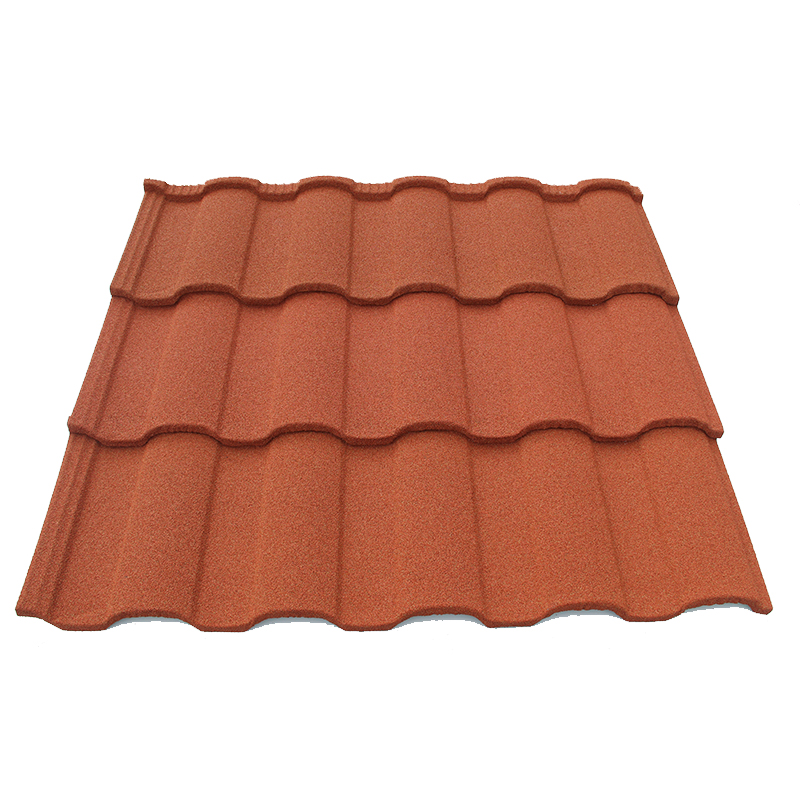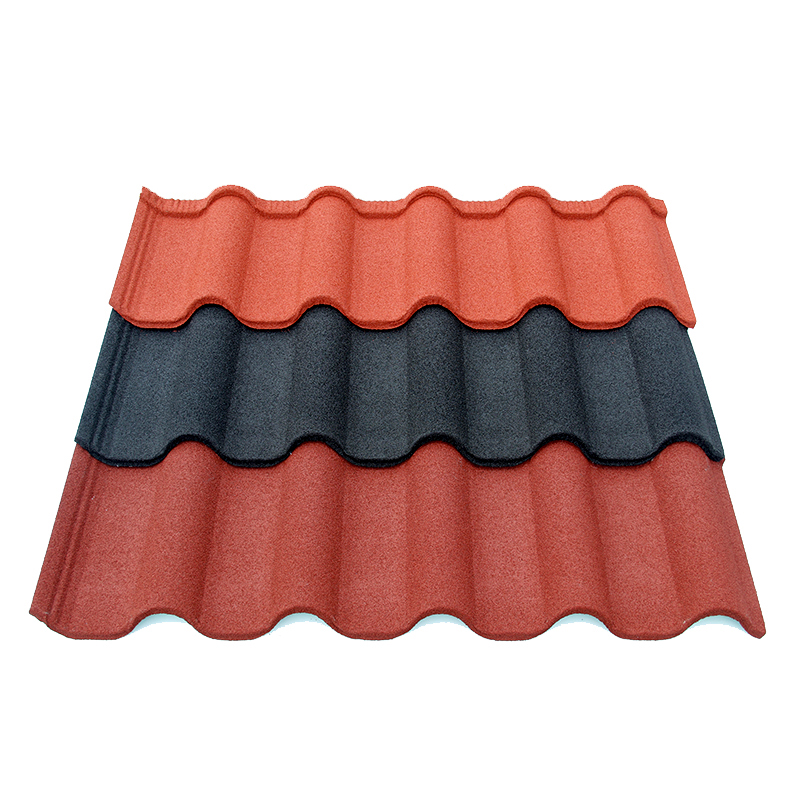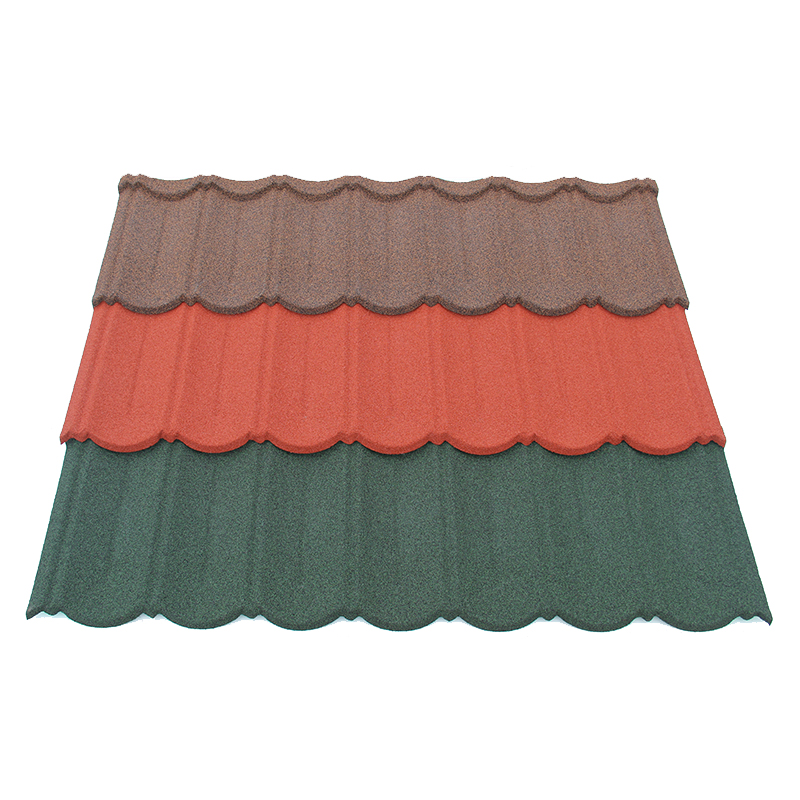

When buying stone coated steel roofing for hail prone areas, ask for impact evidence that names the exact panel. Then check that the evidence covers the roof setup in the project drawings. A material description can tell you what the panel contains. The test report tells you what the lab struck, how it struck it, and what it found.
Build the review around three questions. Does the evidence name the product on the quote? Do its test conditions and limits fit the roof as designed? Finally, will the project reviewer accept that document for this job?
What to Check in Stone Coated Steel Roofing for Hail Prone Areas
Match the panel on the quote to the panel in the report
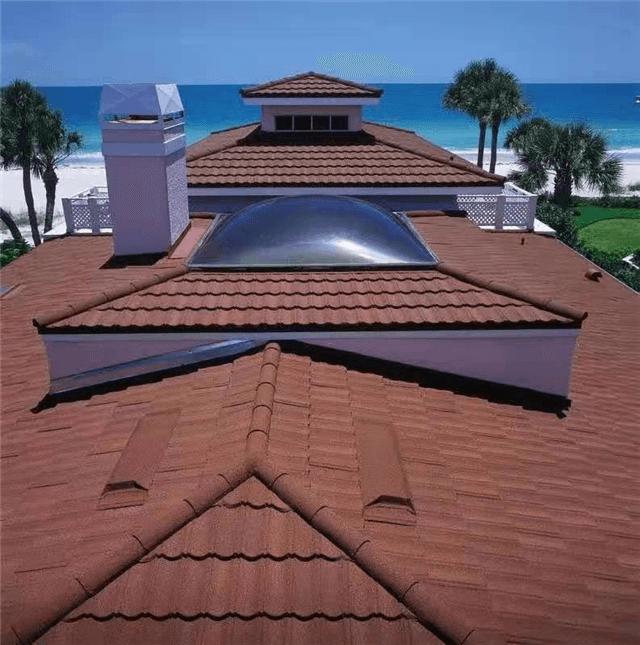
Start with the maker, model code and profile. Compare the quote, product data sheet and sample label with the sample description in the report. Check the steel thickness and its stated basis wherever the report lists it. Also check the report for limits on finish, plant or other details that distinguish one version from another.
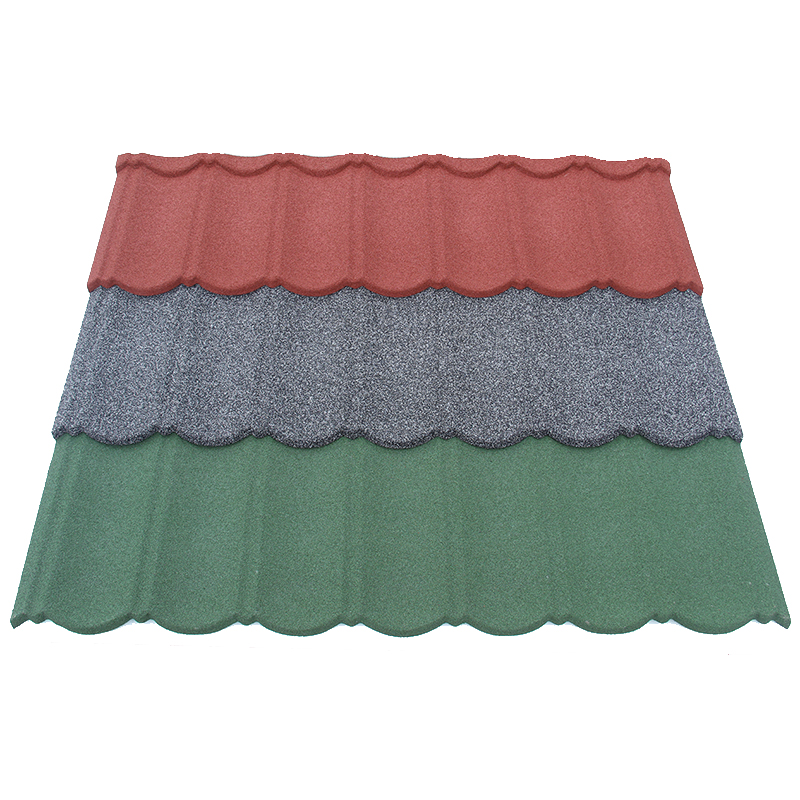
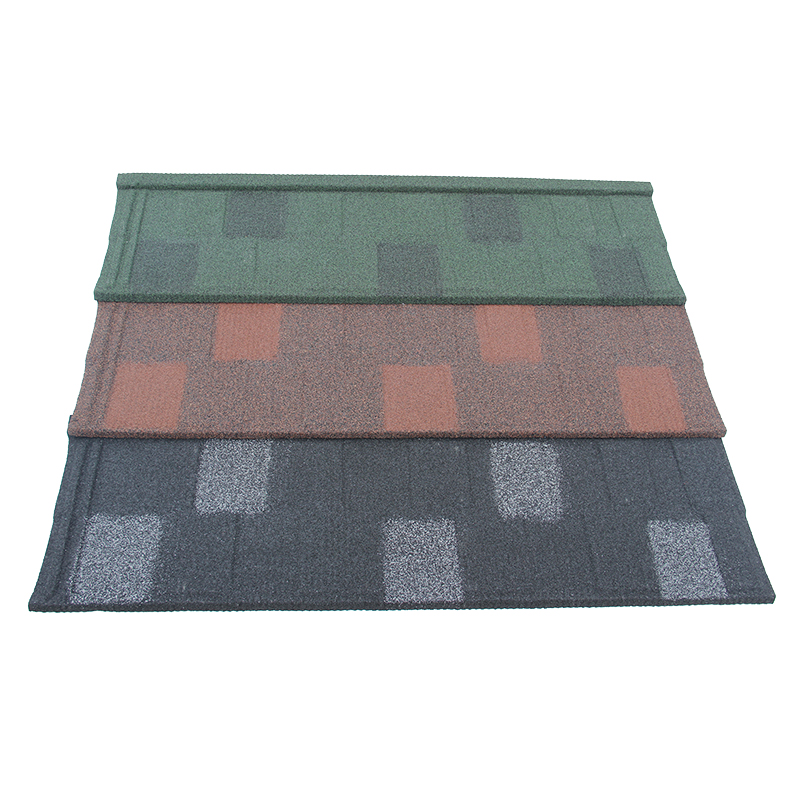
For example, a buyer could shortlist a Shingle Tile from a product page. Ask for the exact code of the panel in the quote before you send the package for review. If the lab uses a different code, ask the supplier to explain the link between them in writing. Where the project calls for a listing, confirm that the listing covers the quoted product.
A trade name can help your team find the right folder. However, several profiles or panel versions may share that name. Ask the supplier to point to the page that links the proposed version to the test evidence. Keep that page with the quote so the reviewer can follow the same trail.
Compare the test setup with the proposed roof
Find the report section that describes how the lab supported and fixed the sample. Then compare those details with the project drawings and current installation guide. The deck, battens, fasteners and panel laps may matter to the scope of the evidence. Check which of those details the report or listing sets as conditions.
For example, a report might show a panel fixed to a solid deck. Your quote might include a version intended for battens. In that case, ask for evidence that covers the proposed setup and give both records to the designer. Apply the same check if a supplier offers a retrofit over an existing roof.
Look for drawings and tables referenced by the report text. A result on the cover page may rely on conditions several pages later. Also check whether the document covers field panels, accessory parts or specific roof details. Use the metal shingle specification guide to keep panel identity and roof design details together during review.
Read the Impact Result Within Its Test Scope
Check what the method measures
Write down the test method and edition before reading the claimed class. For example, UL 2218 uses steel balls to assess the impact response of prepared steep slope roof coverings. UL notes that there is no established direct correlation with results under actual hail impacts. The method also excludes effects such as weathering and aging. UL Standards & Engagement scope
Ask which points on the sample the lab struck and what the pass criteria covered. Then look for the stated result and any observations in the report. Keep the method, class and sample identity on the same line in your review sheet. This helps when bids use a shared label such as Class 4 but cite different test methods.
Photos can help your reviewer locate a strike or see the sample setup. However, the written result and its criteria tell you what the lab counted. If appearance matters to the owner, ask what the test report records about surface marks. Then agree how the project will handle visible dents or granule loss if the method leaves those questions open.
Match the document to the approval request
A lab report records results for the samples it describes. A certification listing identifies products covered by a certification and may state conditions of use. UL Solutions explains that products certified through its UL 2218 program carry a UL Mark. Its certification database lists those products. UL Solutions overview of roofing impact ratings
Check what the buyer, tender or local reviewer actually asks to see. For example, a supplier may submit a test report when the tender calls for a current listing. Ask for the listing reference and check it with the issuer. Then confirm that the product and setup in the listing match the bid.
A hail impact result answers a question about impact under the stated test conditions. Your project might also require separate records for wind, fire or other parts of roof performance. Keep each document with the requirement it supports. This makes it easier to see which parts of the submittal still need work.
Request a Bid Package the Reviewer Can Check
Ask each supplier for the same fields
Send bidders the project location, roof drawings and the impact requirement as written. Include the proposed deck or support, roof pitch and any scope for work over an existing roof. Also share the required document type and identify who will review it. If the tender leaves the method unclear, get the specifier to confirm it before comparing bids.
Use a short bid schedule that shows where to find each answer. Keep a space for the supplier to state limits, missing items and proposed changes. For each point, record the document number, date and page reference where available. Then use the same schedule to raise questions with every supplier.
| Item | What to request |
|---|---|
| Panel identity | Maker, profile, exact model code and quoted version |
| Impact test | Method, edition, report number, date and stated result |
| Test setup | Sample description, support, fixing details and applicable limits |
| Listing | Issuer, reference, covered model and current status, where required |
| Project match | Drawing references and any differences from the documented setup |
| Supply scope | Included roof parts, separate costs and exclusions |
A request to JCROOF can identify the profile and roof setup before asking what documents are available for that model. A complete request gives the supplier a clear basis for answering. For the wider document set, see the metal shingle submittal guide.
Compare cost after checking the supply scope
Set bids against the same roof area and required parts. Check whether each price includes edge trims, ridge pieces, fasteners and other parts in the specification. Also confirm who supplies the deck or battens and who covers any optional checks. If the bid includes freight, record the delivery point and terms.
For example, one bid may include a panel set but leave the roof support to the contractor. Another may include the support that the submitted evidence calls for. Ask both bidders to price against the agreed scope so you can compare the cost of meeting it. Keep the status of the impact evidence visible beside each price.
Confirm Acceptance Before You Release the Order
Record who accepts the evidence
Give the project reviewer the quote, marked drawings and relevant report pages as one set. Ask for a decision that names the accepted panel version and the conditions that apply. For example, a reviewer might accept a listed model only on the support shown in the listing. Copy that condition to the purchase order and the drawing set.
Keep insurance and warranty questions in separate records. Ask the insurer which product documents, labels or installer forms it needs for the specific property. Then read the product warranty for any terms that apply to hail or appearance. Record each answer with the party who gave it, since each decision has a different purpose.
If a document is missing, log the open question and the person who can close it. For example, a dealer may need the maker to confirm which code appears on carton labels. Hold the order for review where the answer could change product identity or project acceptance. After approval, give the receiving team the same code to check against the delivery.
Review proposed changes and keep the approved set
Ask the supplier to flag changes to the panel model or roof setup before shipping. For example, a revised quote might substitute a profile with a similar look and a different product code. Check the revised code against the evidence and send the change back to the project reviewer. Also update the order and packing references once the reviewer approves the change.
Retain the signed review, accepted drawings, product labels and final delivery record together. These records help the owner identify the roof if a later storm leads to a professional inspection. They also give a distributor a clear reference when a buyer requests replacement panels. Keep the supplier’s current instructions with that set so the installer can work from the approved details.
Need help preparing an impact evidence request for your roof project? Send us an inquiry with the panel profile, roof setup and required test documents. Our specialists will reply and help you review the available information.