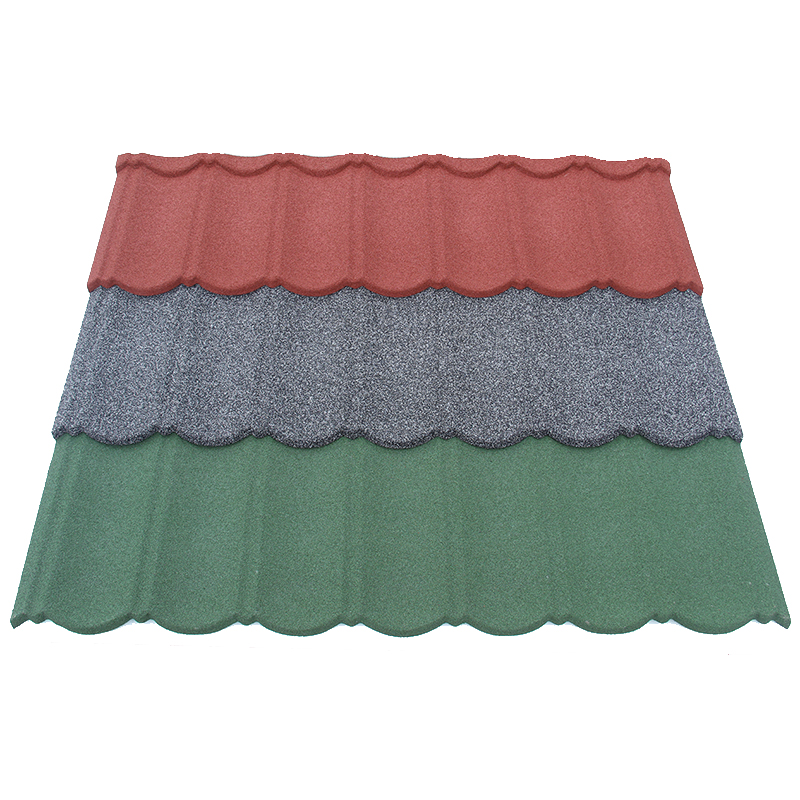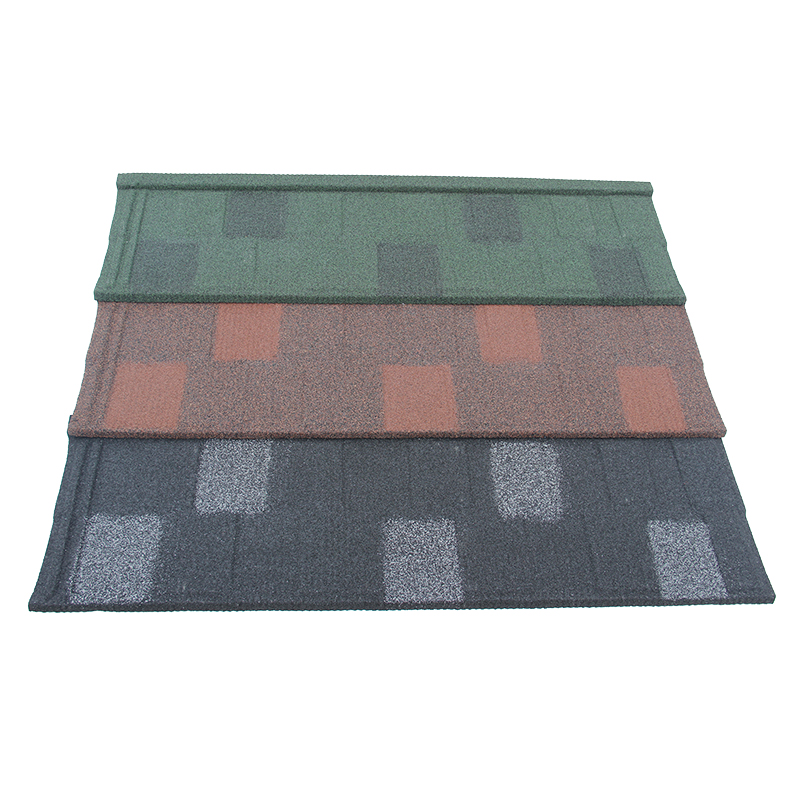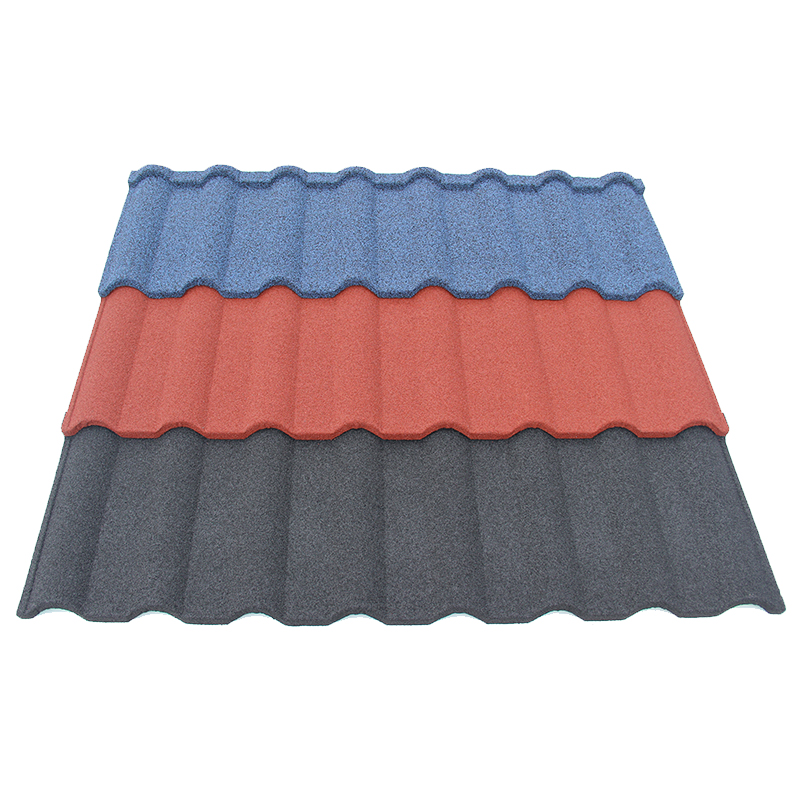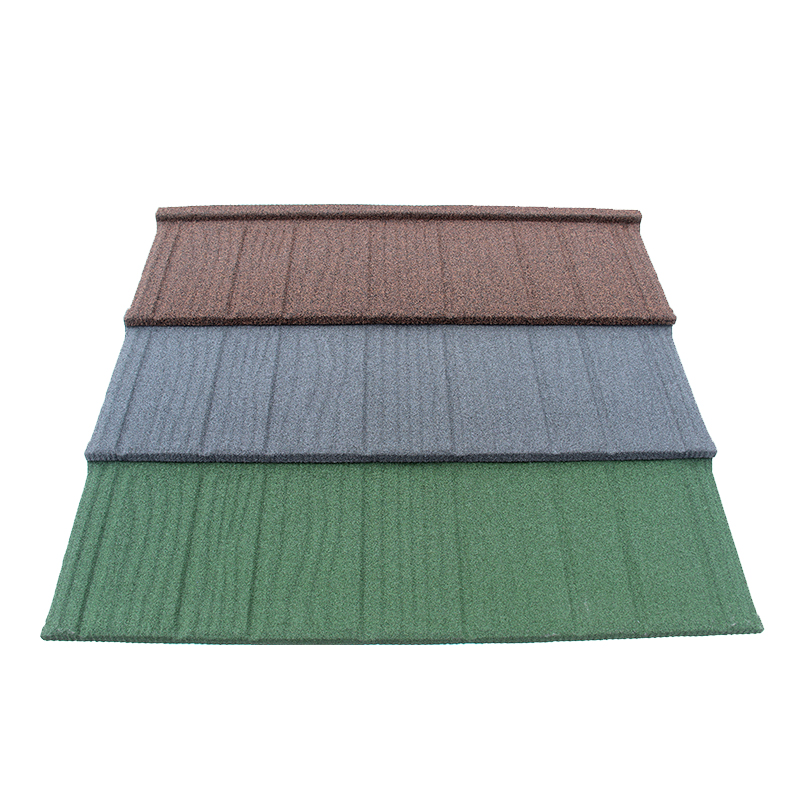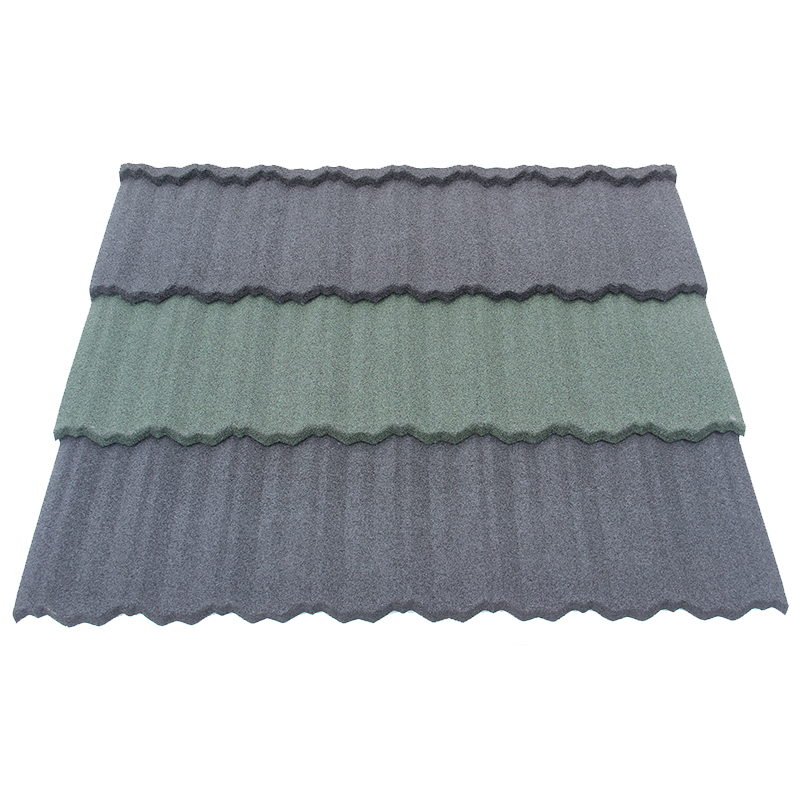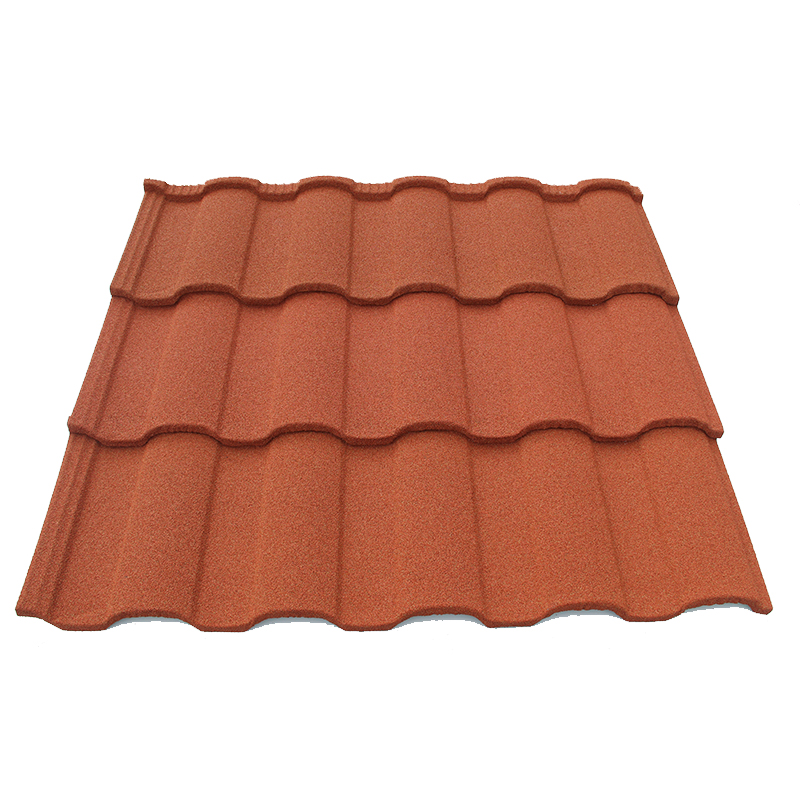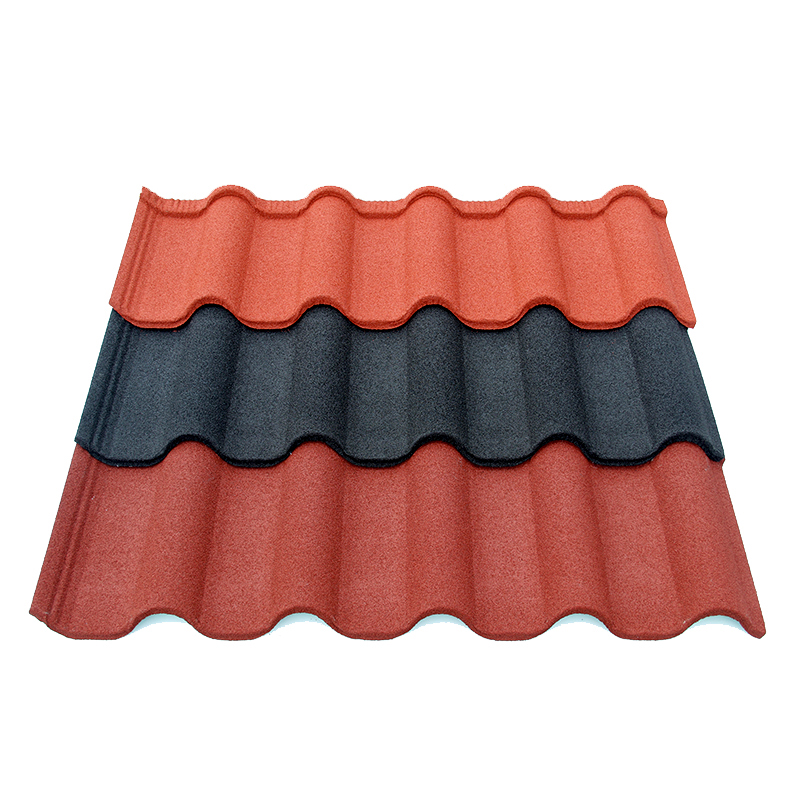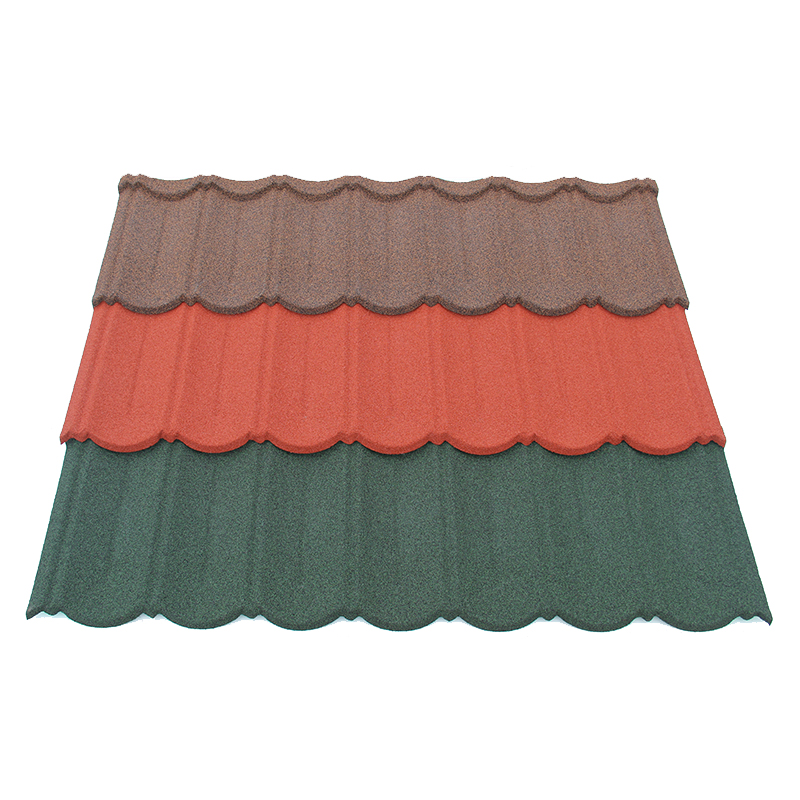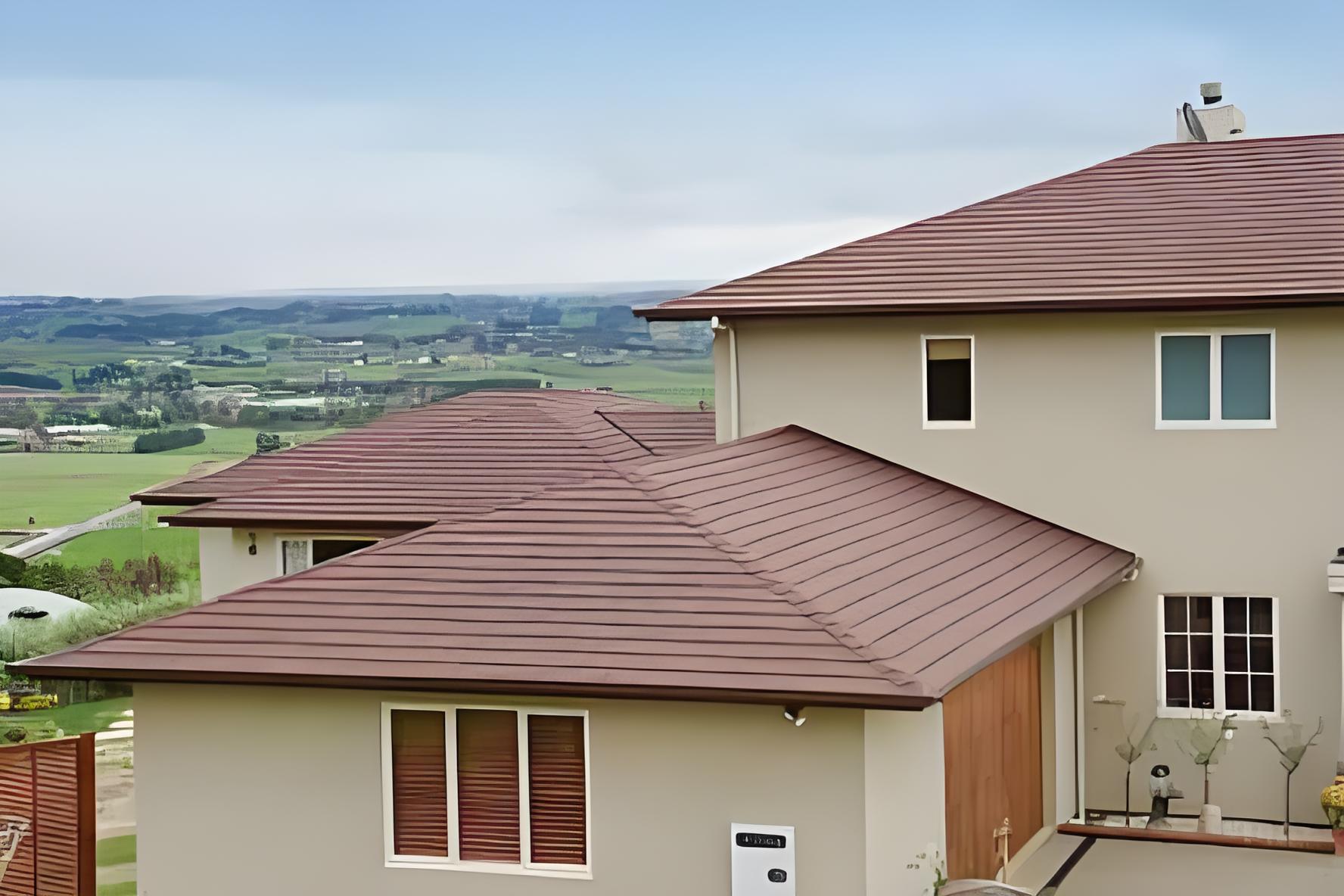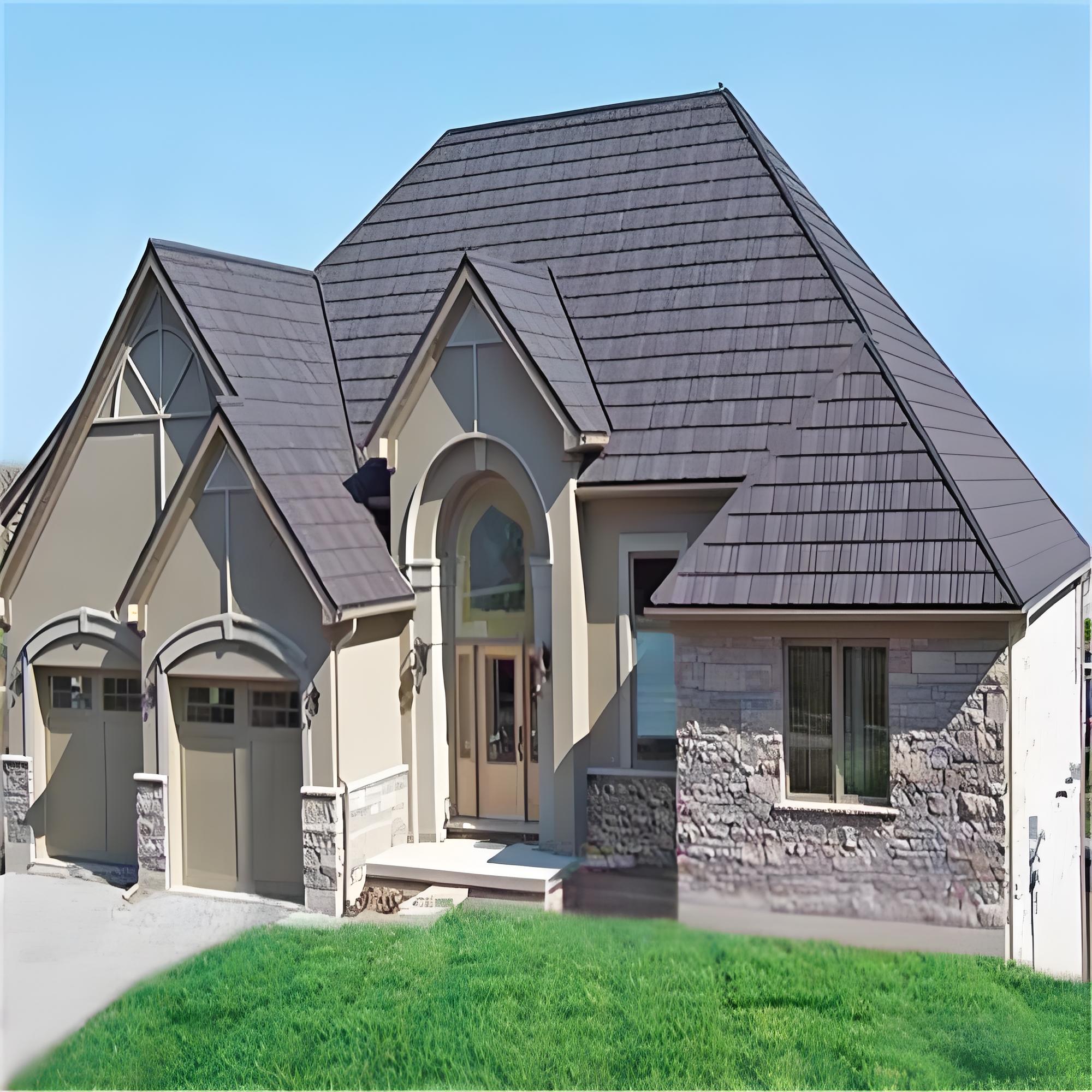


A stone coated metal roof tiles showroom display rack helps customers compare profiles, see finishes up close, and identify samples. Start by deciding what buyers should be able to judge during a visit. Then plan the specimens, labels, and quote references that support those decisions.
Use full tiles where the shape matters, plus color samples that people can study beside the tile. Give each specimen a product reference your team can take straight into a quote. Confirm the fixture details separately with the company that will supply it.
What to put on a stone coated metal roof tiles showroom display rack
Show the main profile shapes side by side
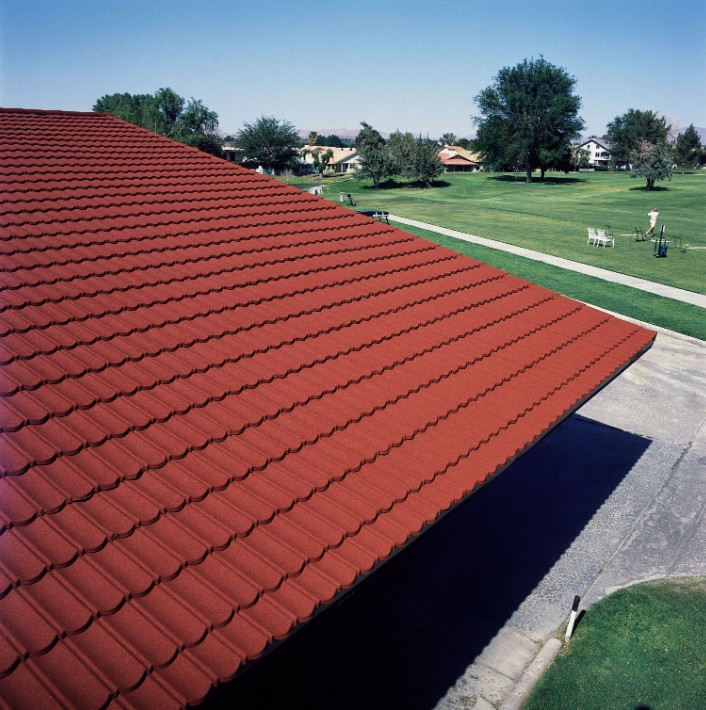
Start with the profiles your team quotes most often or plans to add to the range. Put them close enough for a customer to compare their rise, pattern, and visible edges. Group the range by profile before adding several finishes of the same shape.
Use a Milano tile when buyers want to see a curved profile in person. A Bond tile can give them another formed pattern to compare. Include a Shingle tile if your range includes a shingle-style choice.
Where space is tight, select a few useful comparisons for the main display. Give close alternatives a place in a tray or sample drawer. Add one line to the label so staff can find the matching specimen quickly.
Set the range with the staff who handle quotes. Ask which pairs of profiles buyers request most often and which choices need better visual context. Private label roofing product range guide
Give buyers two ways to view a tile
A full tile shows features that a small piece may miss. A cut sample can help visitors look closely at the surface, or compare several colors at the same time. Label each specimen so buyers know which view they are using.
Set a small group of tiles together when buyers need to see how courses repeat across the roof. Ask the tile supplier what sample arrangement it can help you document. Add a photo of the selected profile on a finished roof if you have one you can identify.
Some visitors start with a photograph and move to the individual samples. Others start by touching a sample and then ask how a full roof might look. Arrange the display so staff can guide either route without moving a fixed panel.
Scudder Roofing describes its own showroom as a place to view full-size displays, small samples, textures, and color boards. Its example gives distributors several specimen types to consider for their own space. Scudder Roofing showroom
Make color and texture easy to compare
Separate profile changes from finish changes
Place the same finish on two profiles if samples are available. Buyers can then see how curves and flat sections catch the light or show shadow. For a finish comparison, offer multiple colors on the same profile or on matching sample boards.
Keep small chips near the full tile, with labels that tie them to the range. Some finishes may be offered on only certain profiles. Ask staff to confirm current choices before they put a color and model together in a quote.
A blended finish can show several shades across one piece. Let customers see a wider sample if the mix matters to their choice. Label which specimen they used, especially if they order the same finish for several buildings.
Give the buyer a second view of the finish
Set out a well-lit spot where customers can place two portable samples side by side. Use the same light and angle when comparing both samples. If practical, take the short list to daylight so customers can see another view of the finish.
Keep an approved color record for orders that depend on a physical match. Write down the product, finish reference, sample code, and approval date. Keep the sample or its record with the order documents. Stone coated roofing color approval guide
Photographs can help staff find the same board or show an option to a remote customer. Record which sample was photographed when the picture becomes part of the quote. Agree how the customer will review the actual finish when the order calls for approval.
Link the display labels to real quote lines
Use the names staff can find
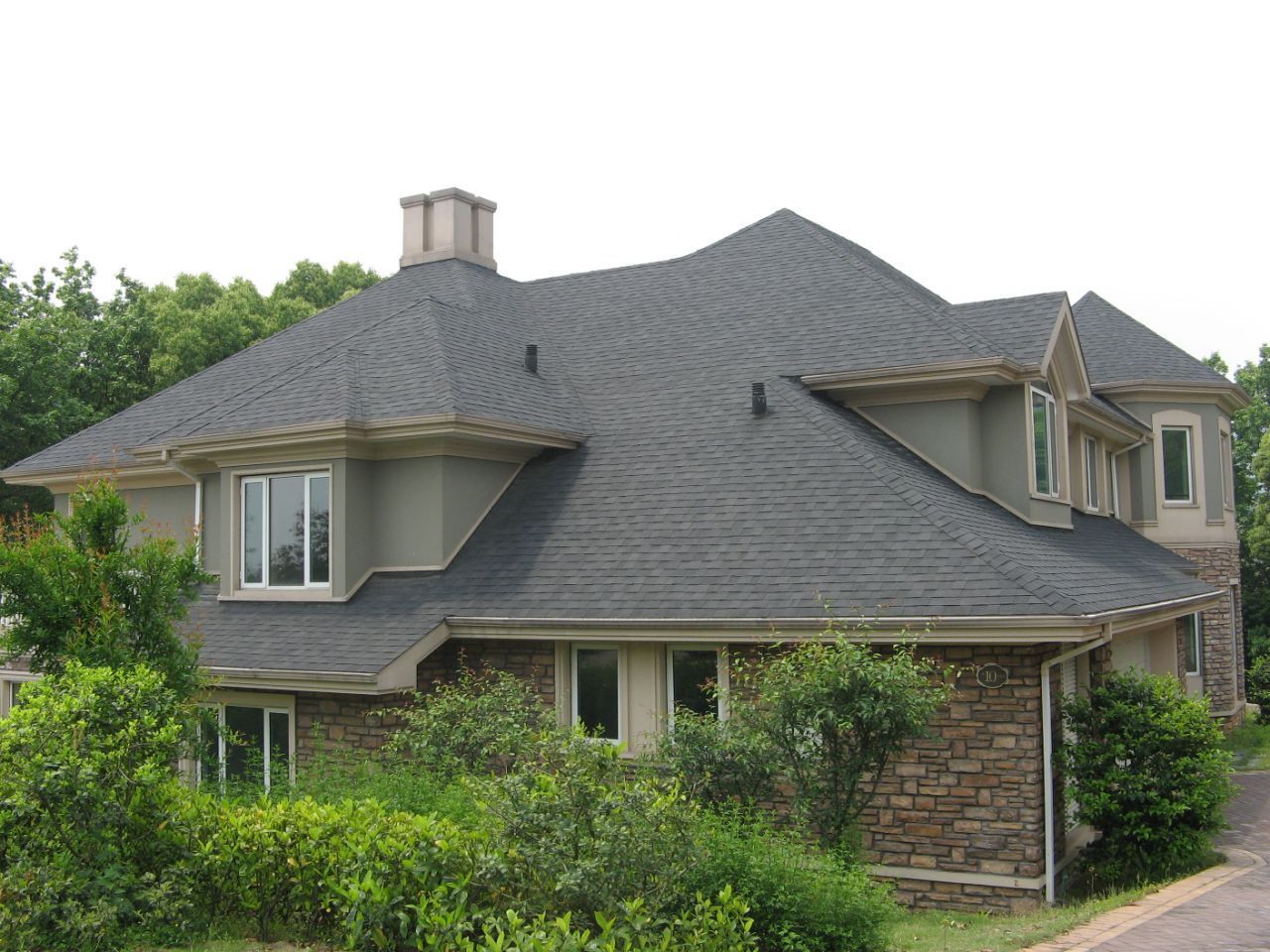
Give each tile a label with its profile, finish, and specimen code. Use the same terms in the sample list, catalog, and quote system. That helps a customer take a photo of the label and refer to the right option later.
You may have several boards called charcoal, brown, or red. Put the finish code where it can be read from the viewing position. If a profile has a second local sales name, keep it on the label with the catalog reference.
For example, a buyer may choose a charcoal specimen on Tuesday and ask for a quote on Friday. The quote should carry the same tile and finish references that the visitor saw. That record lets the buyer check the choice before the order is placed.
Mark what is fixed, portable, or for illustration
Tell the buyer whether a sample can be handled or borrowed. Keep a simple log for pieces that go to a site or a dealer. Give staff a way to locate the matching sample before a review meeting.
Put a short description on any display that shows how a group of tiles looks together. Name the profile, and state which trim or finish is shown if that detail is known. Share the product documents when the visitor asks for details of the roof system.
Staff can use an accessory board when a customer asks about a ridge, an edge, or a visible finish. Label each accessory with its part reference and the profile it is shown beside. Ask the supplier to confirm what is available for the planned order.
Agree on the fixture, specimens, and display upkeep
Confirm who provides each part
Plan the fixture order with a list of actual samples and their sizes. Tell the fixture company which specimens stay in place and which visitors can remove. Ask it to confirm how the proposed fixture holds those samples and where it may be placed.
Some brands offer hardware for their own display programs. For example, ProVia lists a cleat for hanging a roofing panel on a wall. Use that listing as an example of a separate fixture item with a named purpose. ProVia showroom hardware catalog
When you contact JCROOF, share your profile shortlist and the types of specimens you want to display. Ask which tile samples and product materials are available for your project. Confirm with each vendor who supplies the rack, mounting parts, labels, and replacement samples.
Ask the fixture supplier to review the load and sample retention for the proposed configuration. Include actual sample weights when available and tell the supplier how staff expect visitors to handle the samples. Have the parties responsible for the showroom confirm the proposed placement and mounting.
Keep the display aligned with the current range
Assign someone to update labels when the catalog changes. Check the panel code, the finish code, and the sales status before putting a replacement into an existing slot. Add a review date to the showroom sample list.
When a color leaves the active range, decide how to handle the old sample. Staff may still need it to identify an earlier order or speak to a buyer about a replacement. Keep its archived reference easy to find in the quote records.
Review the display after a busy sales period. Ask staff which choices visitors could compare easily and which combinations took time to explain. Adjust labels or sample positions where the same question keeps coming up.
Run through a buyer visit before launch
Ask a colleague to choose a profile and finish with the display and find both in the quoting system. Let them try a second choice with a similar appearance. Record any point where the label, sample, and product reference are hard to match.
Check that a visitor can take away the finish and profile names after a sales meeting. A printed quote, a sample slip, or a copy of the label can do that. Include the product reference in the record when the visitor takes a portable sample away.
Try the same check with a dealer who sees only the sample board and catalog. If the board is meant to travel, give it the same product codes as the main display. Include a contact who can confirm the current range before an order is prepared.
If several branches use the display, keep a master list of the samples assigned to each one. Give staff a clear place to report a missing piece, a worn label, or a code that changed. Before a branch orders a duplicate, check the reference against the current master list.
When a tile is available by request, tell visitors how they can see the sample. A simple note can direct them to a dealer kit or a scheduled appointment. Give staff a way to record interest in that profile for the next display review.
Send us an inquiry with your showroom space, preferred profiles, and planned color range. Ask which tile samples and product references are available for your proposed display.