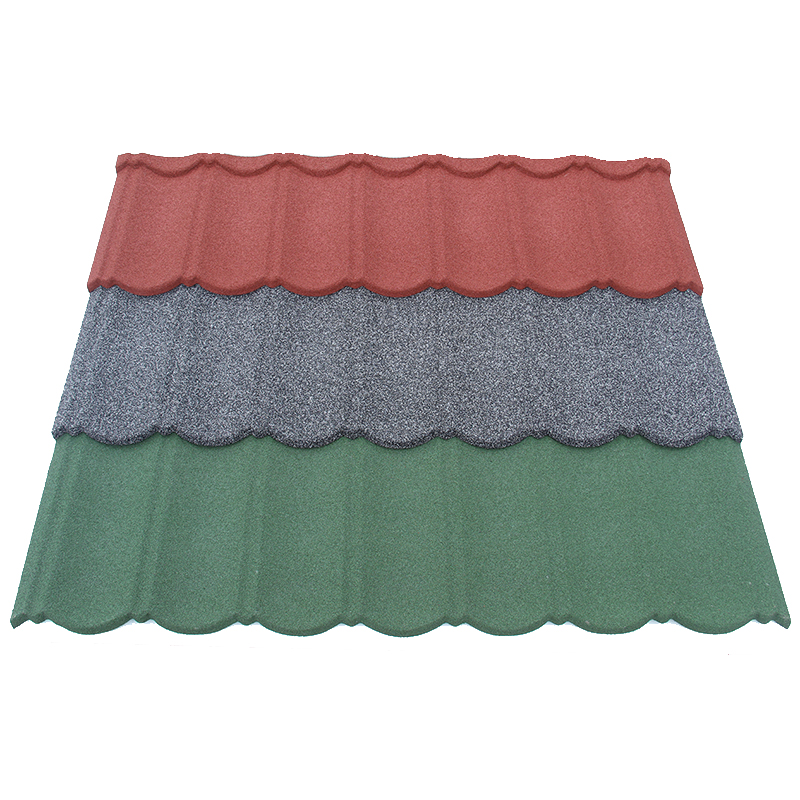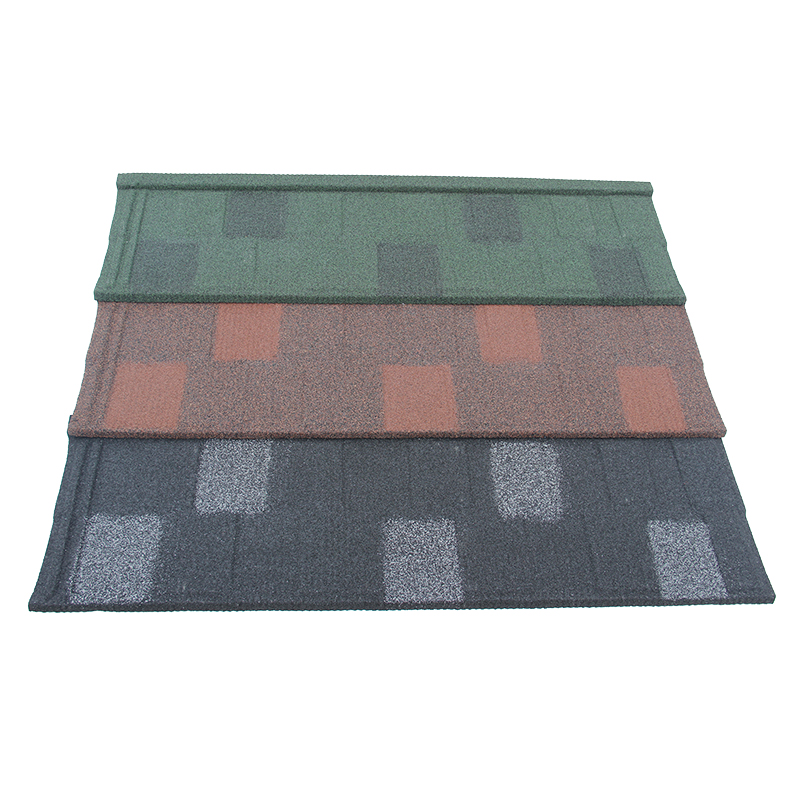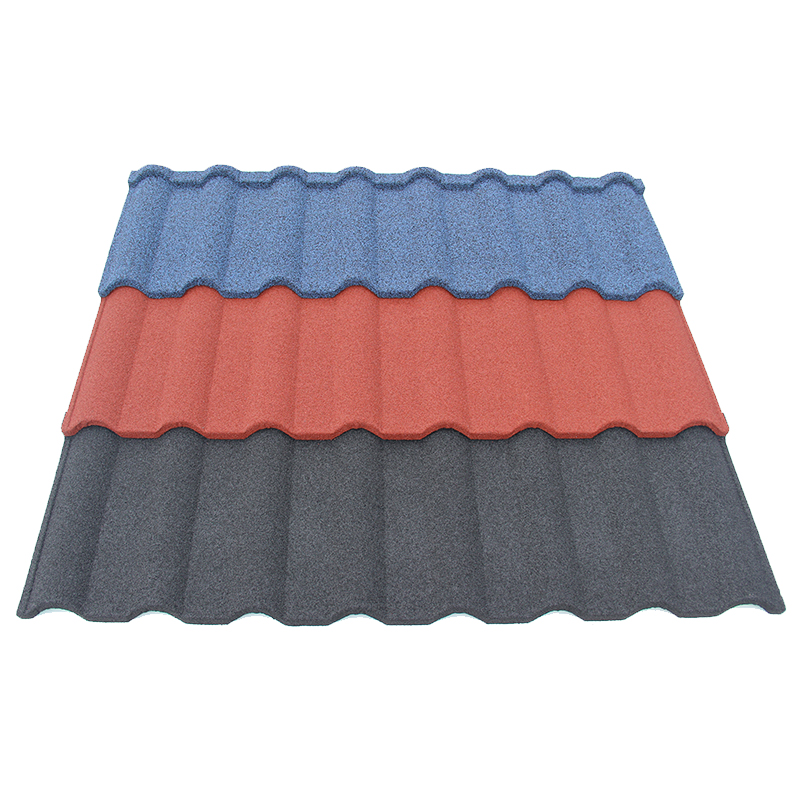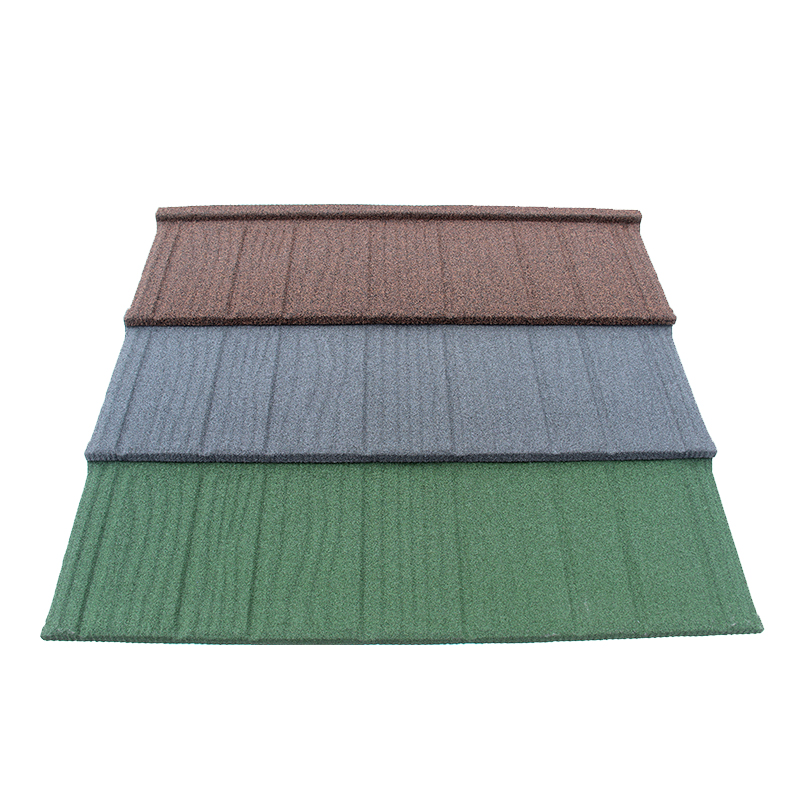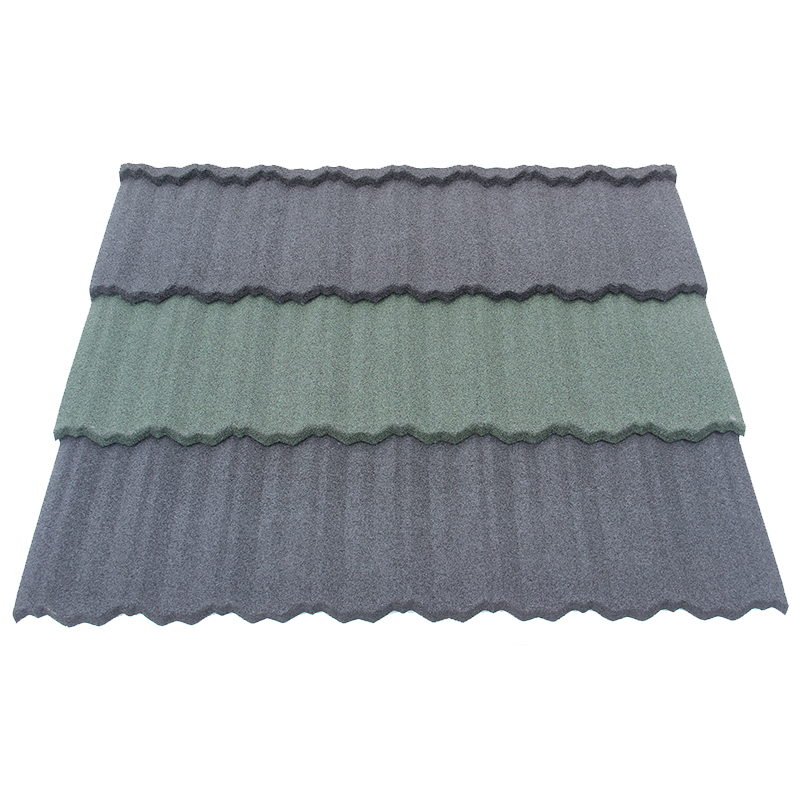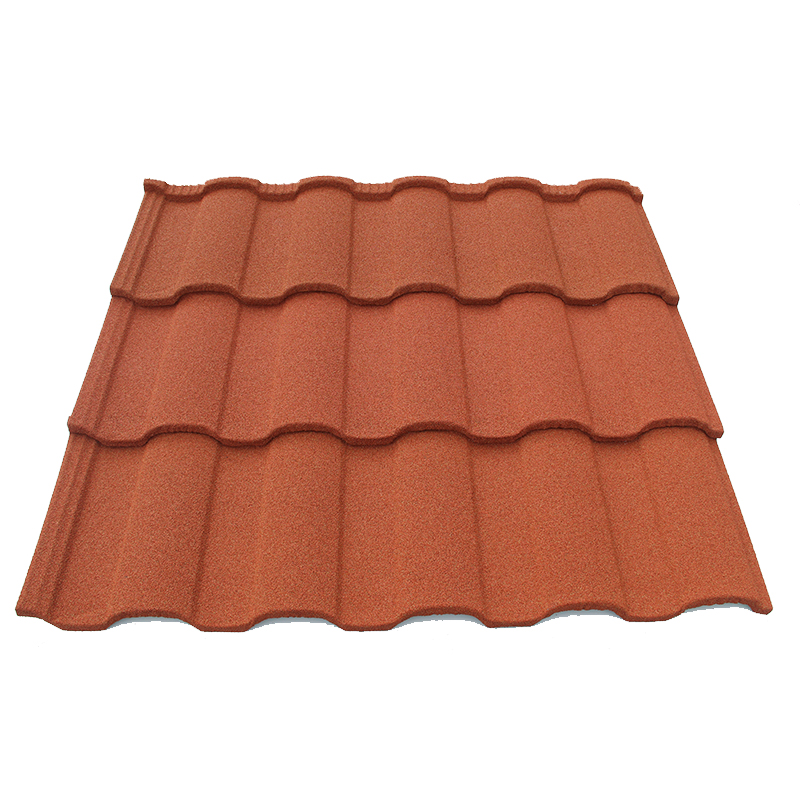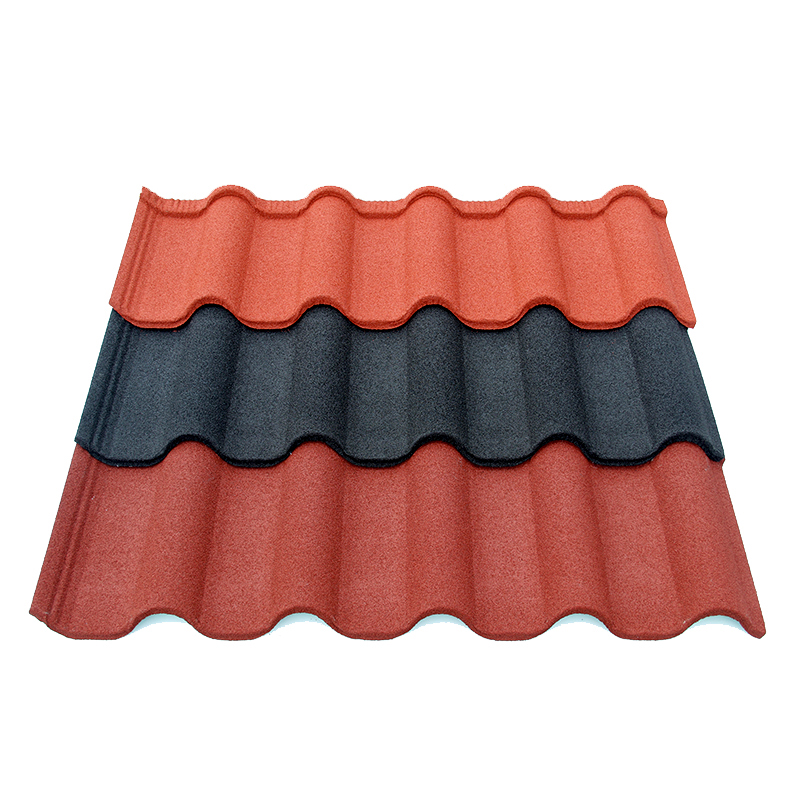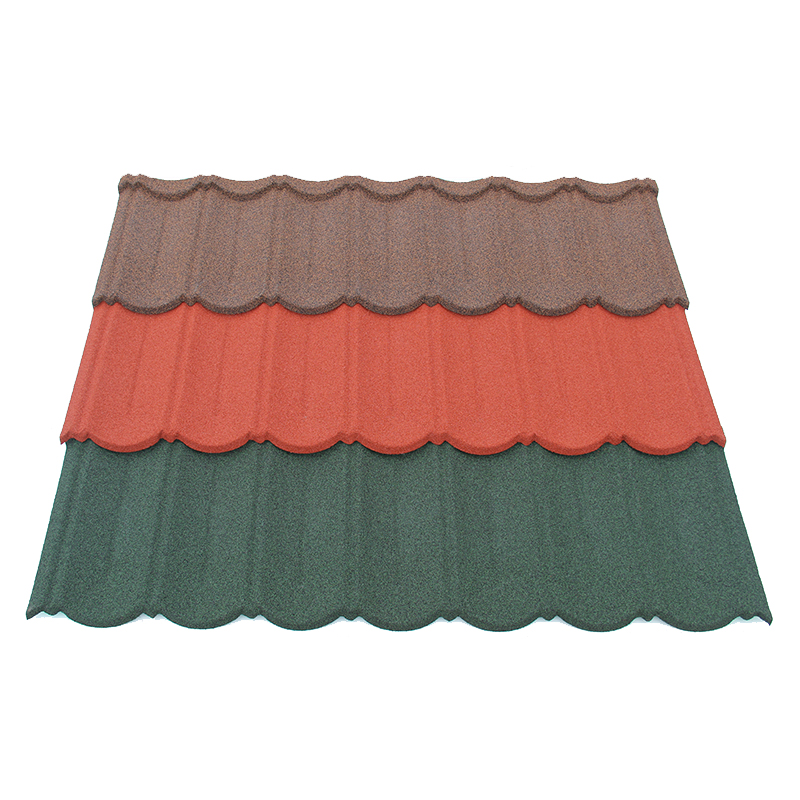

For stone coated roofing brand alternatives procurement, start with the destination market, the model, and the selling company. Ask each seller for the current product sheet and a quote that uses the same reference. That gives your team enough detail to build a shortlist and follow up on gaps.
DECRA, Metrotile, GERARD, Boral, Tilcor, and Roser may appear in catalogs, search results, or old project records. Each name needs to be traced to the actual supply offer. Keep the model, supplier, and supporting records together so a later change can be reviewed.
Build a stone coated roofing brand alternatives procurement shortlist
Define the job and the market
Write down whether the purchase is for a new roof, a dealer range, or work on an existing roof. Name the intended market and delivery point. Add the desired tile shapes and the date your team needs samples or a quote.
For a project bid, give the supplier the same plans and scope as the other bidders. For a dealer range, identify the profiles and finishes you want to be able to reorder. This helps the seller quote the kind of supply you need.
For an existing roof, start with the label, invoice, or dated project record where available. A name from an old photo may narrow the search. Ask the seller for a clear product identification before requesting particular parts.
Track the model and the seller
Use one line for each option in the shortlist. Record the brand as shown on the product sheet, alongside the account name of the company that sent the quote. Give the local sales contact a separate field if another company will invoice the order.
Give each model its own line if a seller quotes several profiles. Record its color range and the market where the sheet was issued. If the supplier changes the product code during a quote, ask what changed and update the relevant line. Overview of stone coated roofing brand comparisons
Add a column for the document date and the date the offer was checked. That allows staff to see when a brochure came from an old project. Keep a dated copy if the offer moves into a tender or purchase order.
Check each brand against its own references
DECRA and Tilcor
DECRA’s U.S. tile range identifies Villa Tile and DECRA Tile as separate lines. Its product page describes Villa Tile as a Spanish-style barrel profile and DECRA Tile as a scalloped profile. Ask the seller which exact line and market its quote covers. DECRA metal tile roofing range
Tilcor’s U.S. site presents Antica as a Spanish-tile-style profile and links to technical documents. If that range fits your brief, request the Antica documents for the quote you received. Also confirm the order terms and available finishes for your delivery market. Tilcor U.S. Antica product page
Metrotile and GERARD
Metrotile’s U.K. site gives Roman its own technical section and installation guide. Ask a bidder who cites Metrotile for the product sheet and sales contact serving your market. Keep a copy of the sheet with the quoted accessories. Metrotile U.K. Roman product page
GERARD’s European page for Classic publishes overall tile length and cover dimensions as separate fields. If a quote says GERARD Classic, check the named line, available finishes, and the relevant regional documents. Ask the seller to put that reference on the sample label. GERARD Classic product page
Boral and Unified Steel
If a bid lists Boral, ask where the name came from. In 2021, Westlake acquired Boral Limited’s North American building products businesses. Ask the seller to identify the current product and the applicable regional documents. Westlake Royal company history
Westlake Royal’s current product list names profiles including Barrel-Vault Tile and Pacific Tile. For a current bid, get the exact profile on the quote. For work on an older roof, give the technical contact your existing model records. Unified Steel product range
Roser and an unclear spelling
If an inquiry says “rosers,” ask for the name on the package, quote, or data sheet. A Florida record under the 2017 code identifies Roser Co., Ltd. and lists Cleo among its models. Use the dated listing to check the spelling and model name. Florida record for Roser products
When the quote names Roser, ask for the current model, the seller for your market, and the applicable product files. If the inquiry still contains only the unclear name, leave the offered brand field open until the seller responds. Record the source of the final identification.
Compare evidence, coverage, and full offer scope
Ask for the records that apply to the offer
Start with the manufacturer sheet, the correct fitting guide, the accessory list, and any project documents the tender needs. Ask which revision the seller used. Have the project team check that the documents cover the proposed materials and roof assembly.
If a bidder sends a test or approval, match its product code to the quote. Ask the bidder to flag any restrictions that affect the intended use. Have the responsible reviewer check the actual document for the project.
Broad terms such as tile, shake, and shingle help buyers explain the look they need. Ask for a drawing or sample when two bids use the same broad term. The form on the sample gives your team a way to judge the visible differences.
Some bids come from a local stockist, while others involve an import order. Ask who would invoice the goods and who can supply the parts listed in the quote. Record separate contacts for stock, technical documents, and delivery if the seller uses different teams.
Put bids on the same price basis
Ask each seller to state useful coverage, its unit of sale, and the source drawing. Use the same roof plan and area basis for bids on a single building. Ask the estimator to show how the tile count and accessory list were calculated.
Make room for the roof layers and items that each quote includes. One quote may include certain trims and freight, while another prices them by request. Ask for those price lines so the cost comparison reflects the work you plan to buy. Stone coated roofing quotation guide
Record the currency and the named delivery point beside each offer. Add the quote date, price validity, and the parts expected to ship together. If a seller gives a lead time, ask what starts the clock.
Ask which parts can ship from stock and which depend on a later date. For a phased order, check whether the supplier can quote each release separately. That helps the buyer assess offers when the first delivery must go out before the rest.
Review lead times and future orders
Ask whether the proposed finishes are standard for the quoted profile or made to order. If an offer includes custom color, ask what sample needs approval and how that affects timing. Record the confirmed response under the correct model.
For a dealer range, ask which trims can be reordered and how to identify them later. Get a current reference for the main tile as well as the accessories. Store those identifiers where staff can find them when a customer needs a second order.
If a shipment will go to several sites, ask the seller to describe the proposed packing list and order marks. Check the planned split with the buyer before shipment. Site staff can then tell which pallets go with each order or building.
Move the shortlist into a documented buying decision
Ask each seller the same questions
Send follow-up questions with the model name and quote revision at the top. Ask the seller to show which supporting file answers each open item. If a file has yet to arrive, note who will supply it and by when.
If you add JCROOF to a manufacturer shortlist, request a quote under its own product references. For example, record whether it quotes Bond Tile or a Shingle Tile as a distinct line. Ask for the related accessory list and sample label.
For dealer supply, mark which choices can go into a catalog after the samples and range are approved. For a building project, keep the named approver and the accepted document revisions with the bid. Guide to stone coated roofing specification and price comparisons
Keep the signed offer traceable
Carry the accepted model, finish, sample code, and item list into the purchase order. Ask the seller to confirm the order against the same records. If anything changes before dispatch, request an updated document and route it to the right reviewer.
Keep the quote and model record where the receiving team can find both. Ask which carton or pallet marks the team should expect for each line. Save the delivered labels with the invoice when the order may need follow-up supply.
Name a contact for each after-sale issue in the purchase file. One team might handle missing parts, and another might manage a technical query. Ask what records will help each contact respond to the correct line and shipment.
Comparing suppliers for your market? Send us an inquiry with your profile shortlist and order scope. Our team will reply and help you identify the product sheets, samples, and quote details to review.