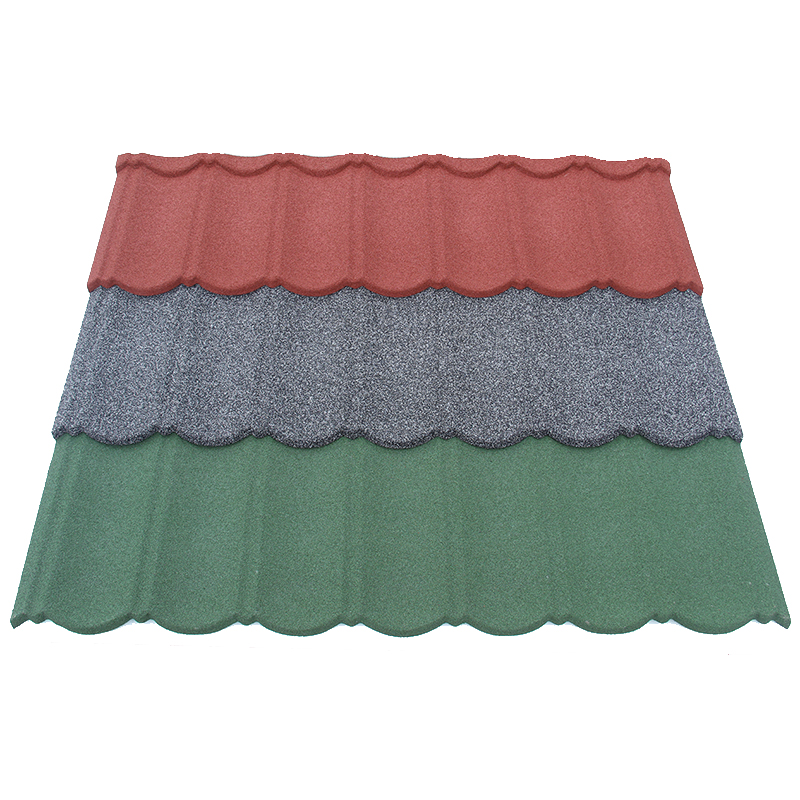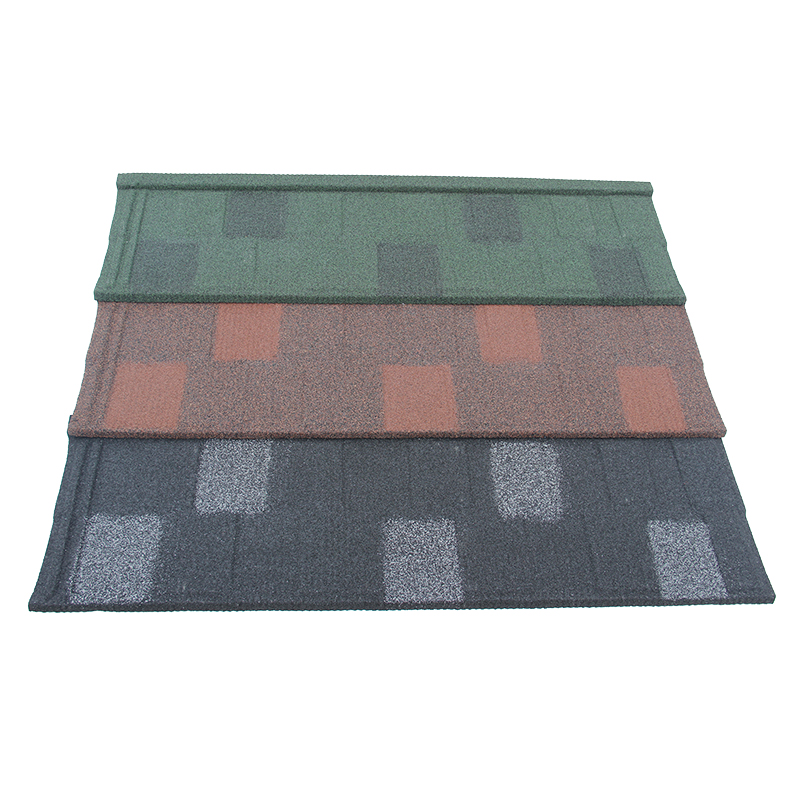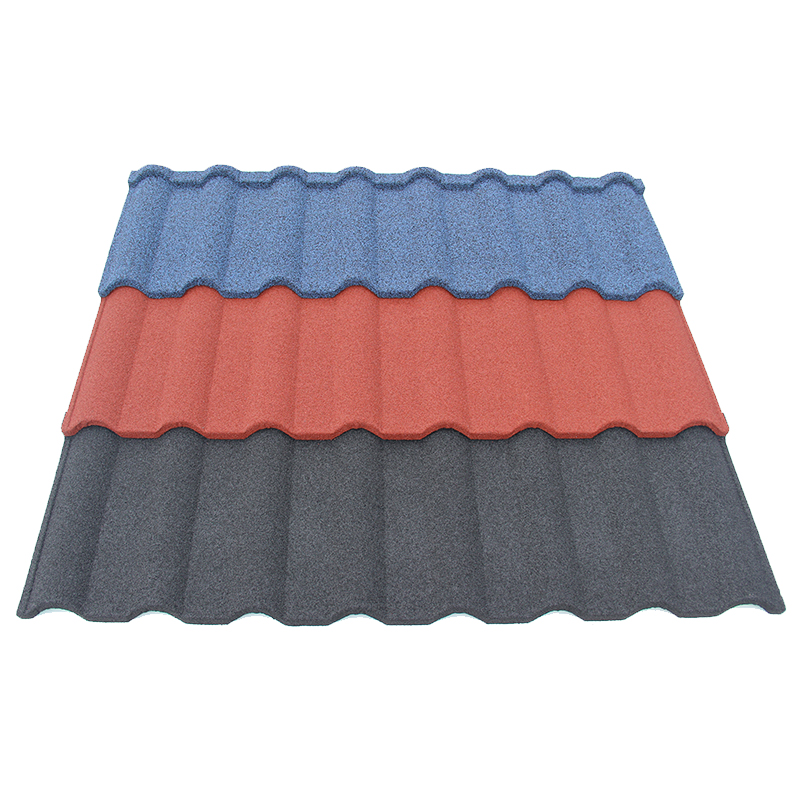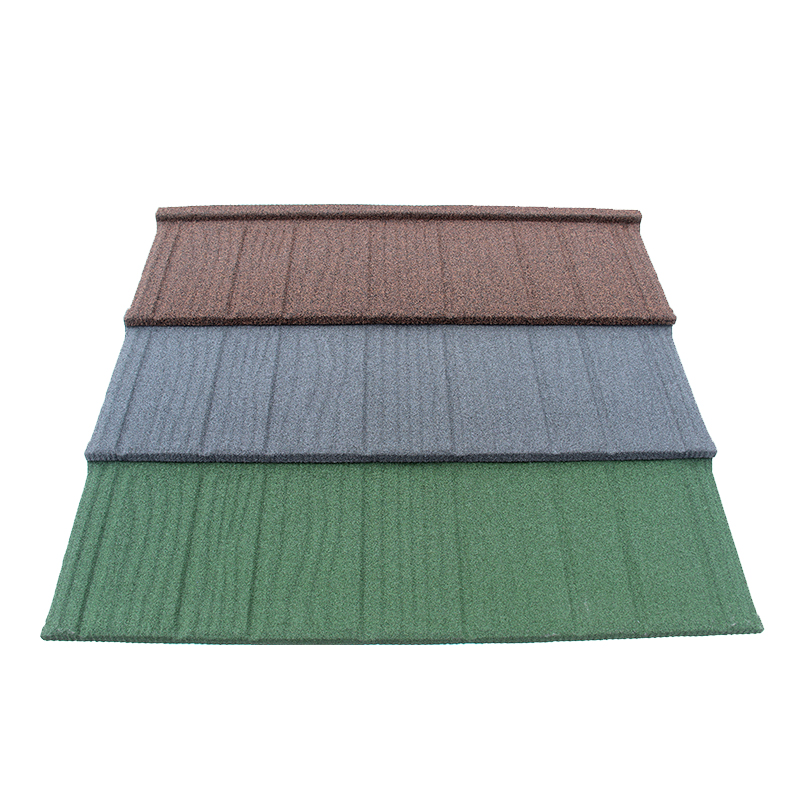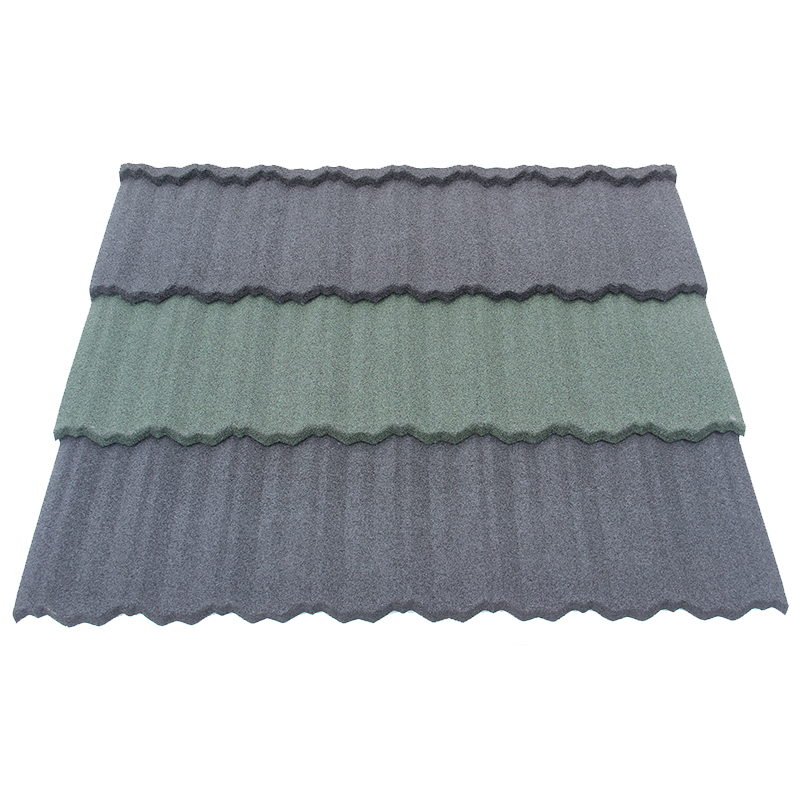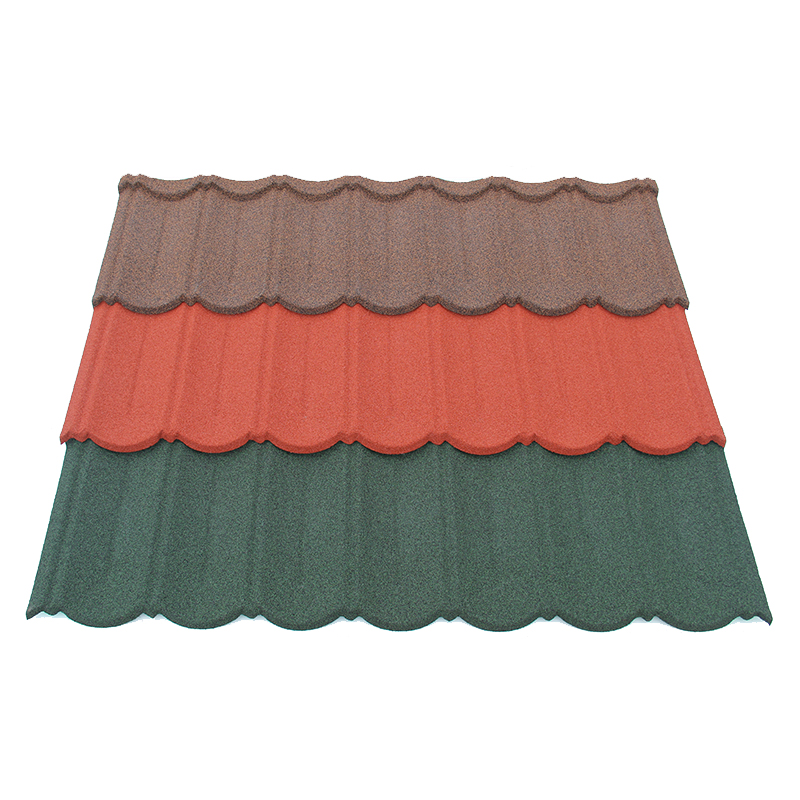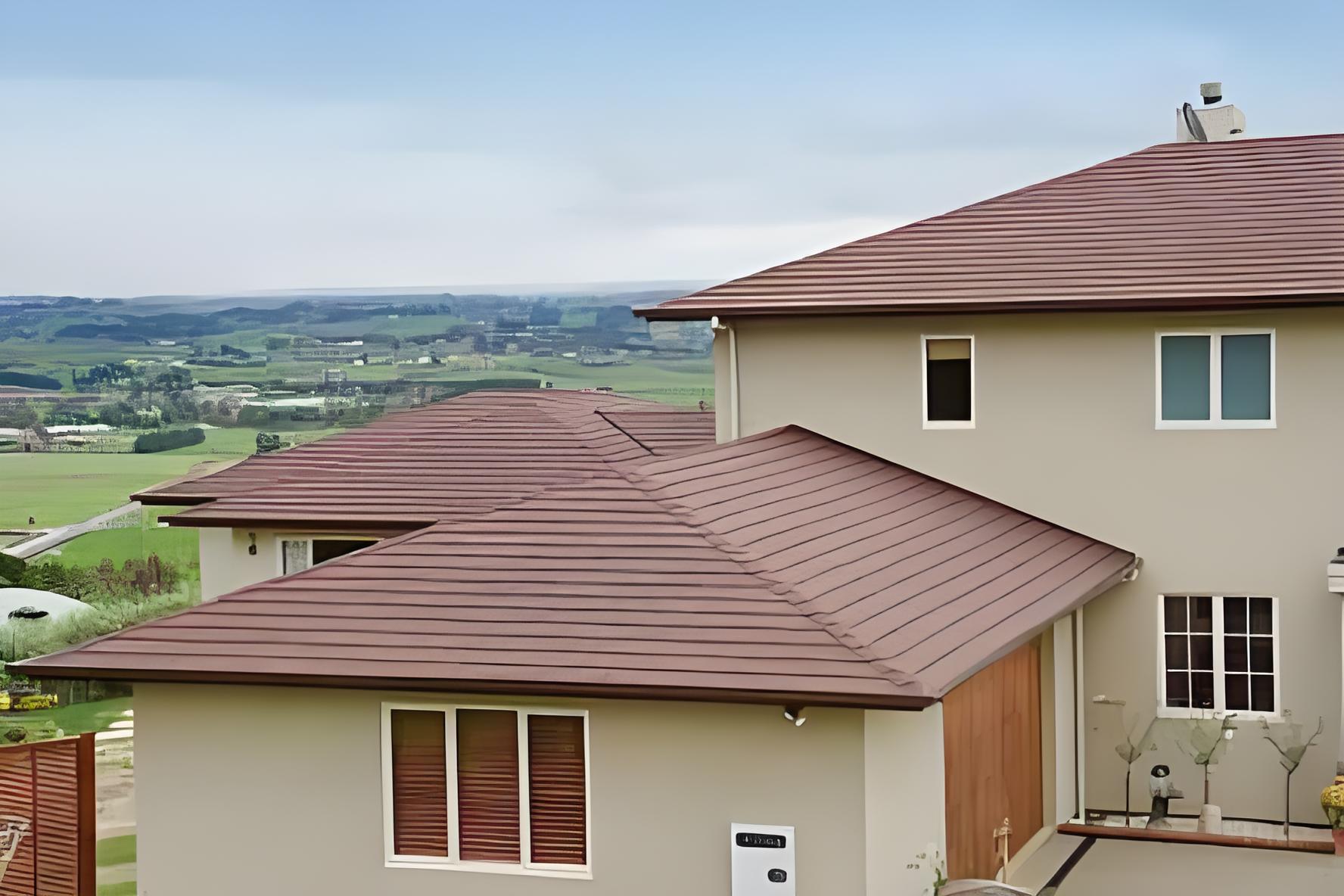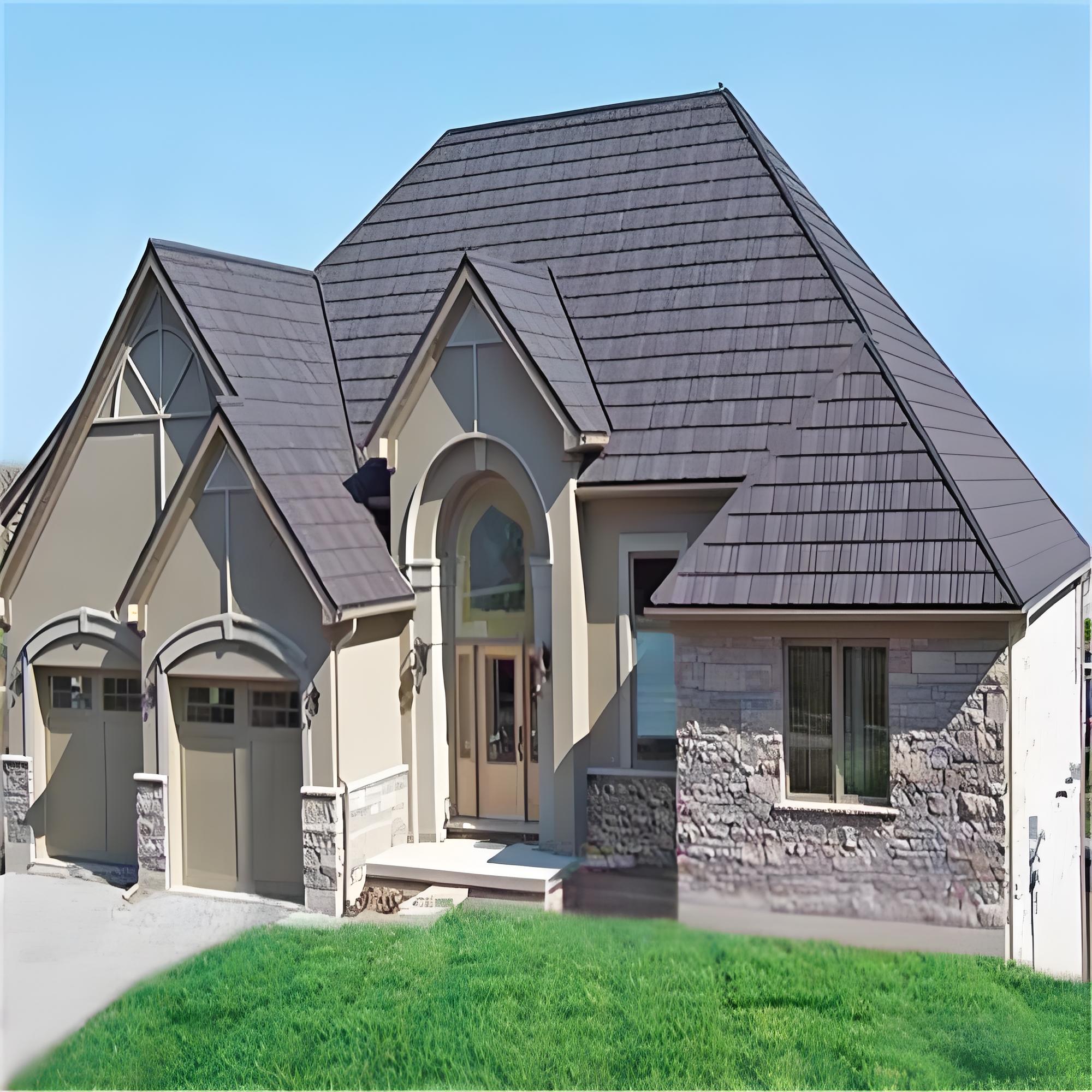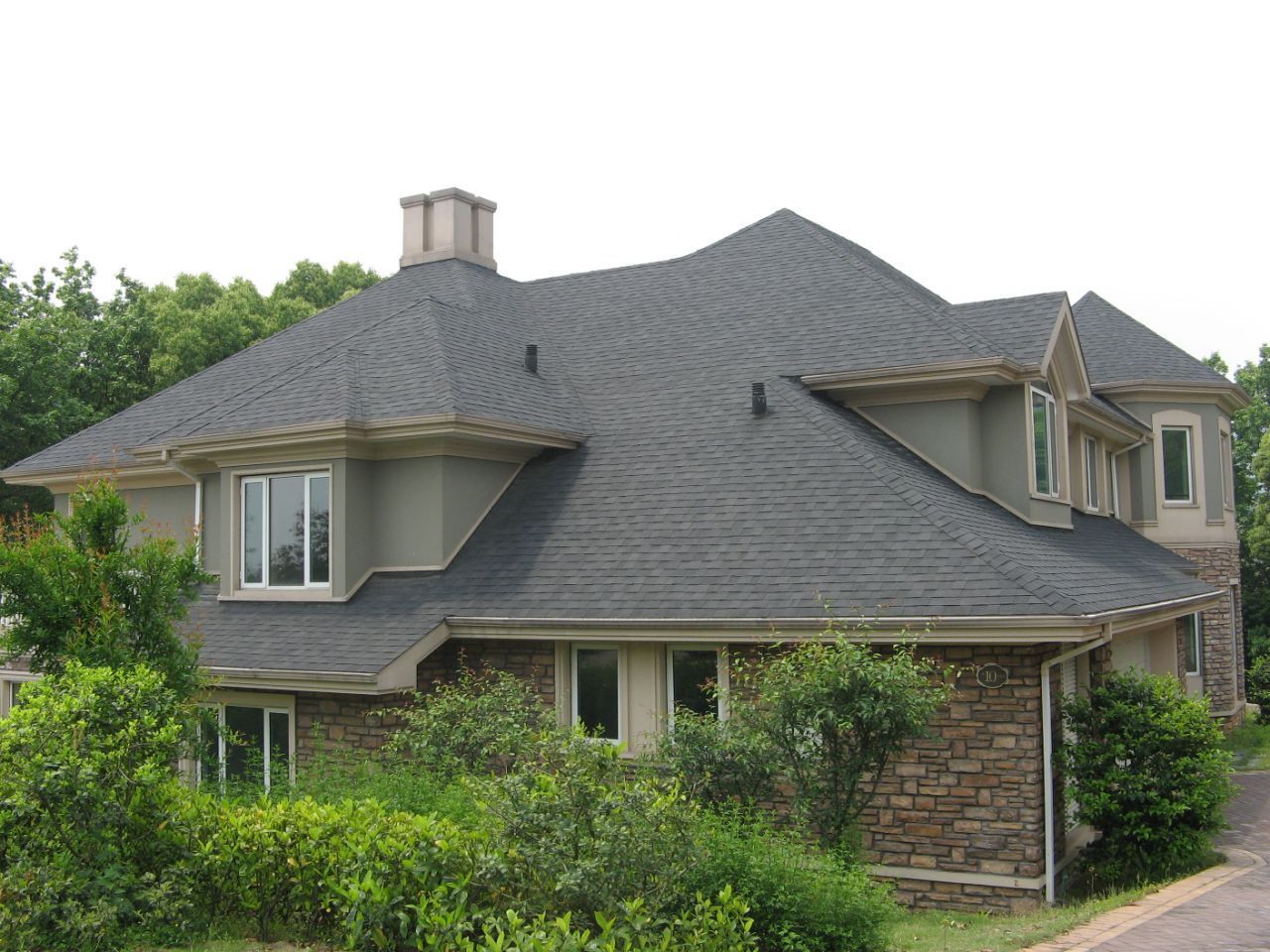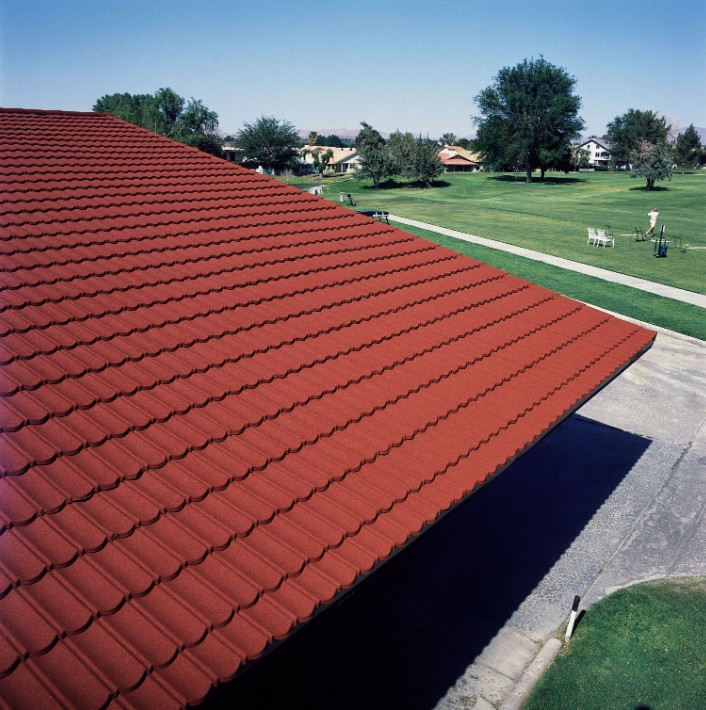


Start villa style stone coated roof tile sourcing with the shape you want and the roof details you need. Then ask for a named tile profile, a drawing, a steel specification, and a list of matching parts. Use those records to review a sample and compare complete offers for the same roof.
The words “villa style” can help describe the look in a brief. The order needs a profile code and the details that go with it. A curved tile can look right in a photo, while the ends and seams need a closer check. Take the roof plan into that review before you price the tile count.
Villa Style Stone Coated Roof Tile Sourcing Starts With the Profile
Send the supplier a roof plan and a reference image for the look you want. Mark the roofs, wings, or porches that share the same finish. Show which elevations people see from the road or a shared courtyard. This helps the supplier pick samples for the parts of the roof that matter most to the buyer.
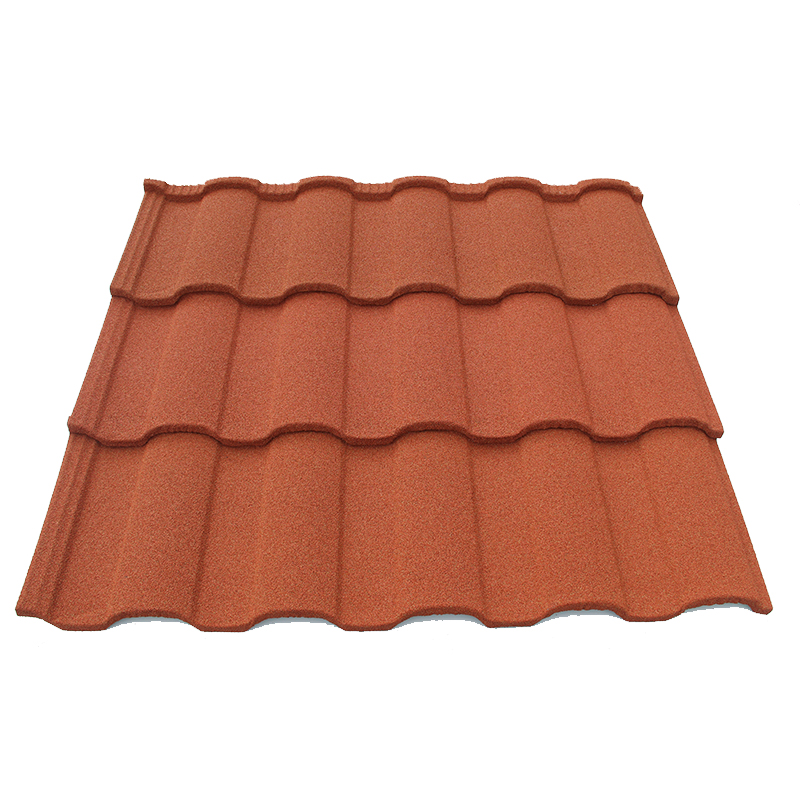
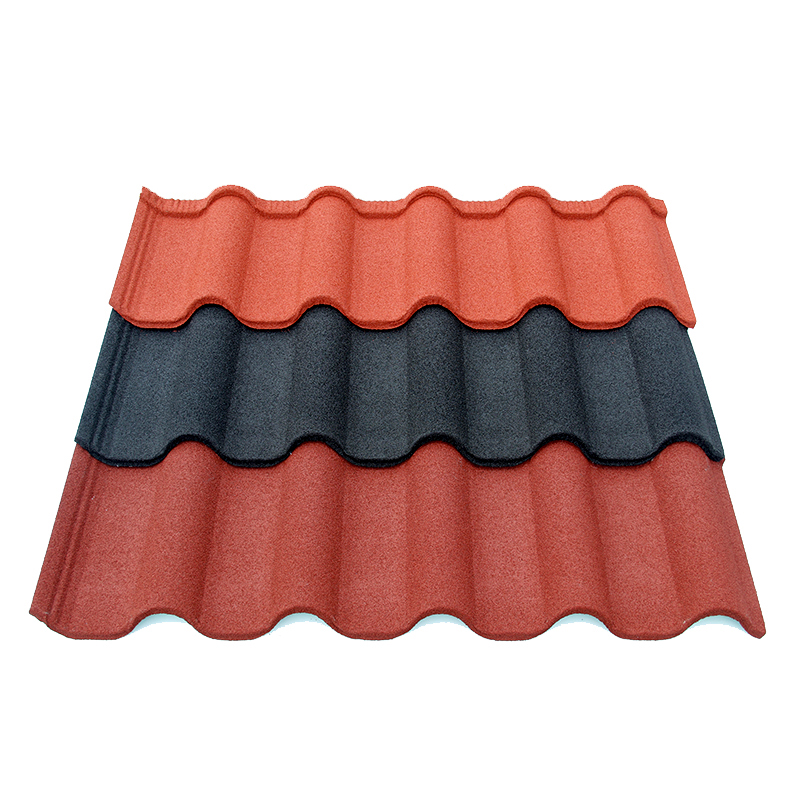
For example, a buyer may want the pronounced rounded shape shown on the Roman Tile product page. Another brief may suit the deep curves shown on the Milano Tile product page. Ask JCROOF for the current drawing and sample details for each shortlisted profile. Use the Milano buying guide if you need to carry that option through a more detailed review.
Compare the drawings on the same basis
Ask for a plan view and a section through the tile. A section shows the outline of the raised curves and the low parts between them. Check the width and height of that shape, then look at where adjacent tiles meet. Use the same drawing scale or marked dimensions when you compare profiles.
Record the overall size and effective coverage as separate fields. Overall size describes the part you receive. Effective coverage describes the area the part covers in the stated layout. Ask which drawing and assembly the coverage figure comes from. Then use that figure for the field tile line in your takeoff.
Keep the drawing number and revision with each profile code. For a roof with distinct wings, mark any place where the team plans to change the tile or trim. Send the marked plan to the designer for review. A drawing set that records those decisions helps the buyer seek prices for the right scope.
Set out the base steel and coating fields
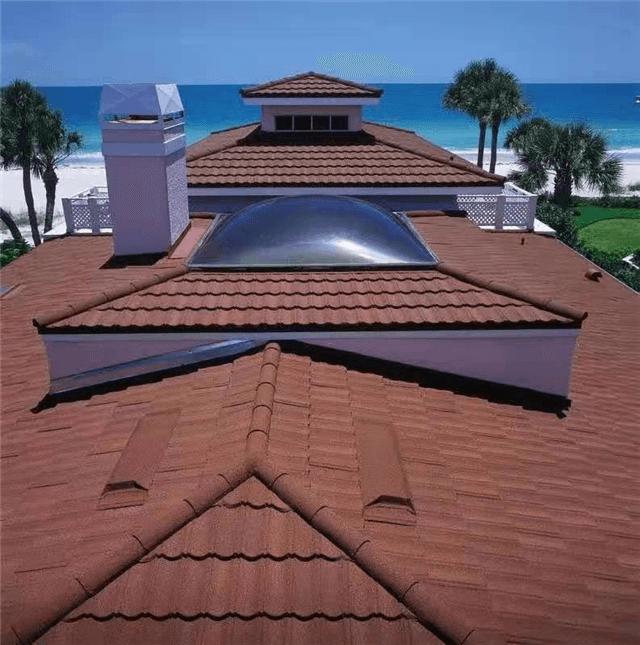
Use separate fields for base steel, metallic coating, and the finished stone surface. Ask the supplier to enter the steel grade and thickness, then show the basis for the quoted number. Request the metallic coating type and designation. Use a separate line for the stone finish and the color code you plan to buy.
If the brief calls for 0.4 mm, say which layer the number refers to. For example, ask for 0.4 mm base metal thickness if that is what the project team specified. Ask the bidder to state the tolerance and how they document it. Keep those details on the quote sheet so a later change is easy to spot.
Link each material claim to its evidence
If the brief calls for Galvalume, record that request and ask the bidder to identify the steel and coating offered. Ask for the standard and edition, type, grade, and coating mass designation where applicable. ASTM A792/A792M covers aluminum-zinc alloy-coated steel sheet and includes multiple coating masses. The project team can use that scope to frame the steel question. ASTM A792/A792M scope
Ask for a material declaration or mill report that ties back to the steel offered. If the report comes after production, state which record you need before placing the order. Then state which record you need before shipment. Compare the exact reference on each document with the purchase line. Ask the reviewer to check conflicts before the goods move.
Where the project calls for evidence on the roof assembly, send that request as a separate line. Provide the project location and the proposed roof build for the technical reviewer. Check that any report matches the product and the build it covers. Keep the reviewer’s decision with the drawing and the quote.
Confirm the parts that finish the roof
Use the current roof plan to list ridges, hips, eaves, verges, valleys, and walls where the roof meets them. Then ask the designer or roofing contractor which detail the project uses at each location. A tile price can be easy to compare. A roof package needs the parts that carry the design through each edge and turn.
Ask the supplier to identify the matching part code and drawing for each item it quotes. Record the finish and the selling unit. For example, a cap might be priced by piece and a trim by pack. Ask for the pack count and the piece length where it affects quantities. Show who will supply any parts that the quote leaves open.
Check fit while the list can still change
Ask to see the edge and ridge parts with the full tile sample. A close color match helps the visual review. The designer also needs the detail that shows how the parts meet. Record whether a part suits the chosen profile, finish, and drawing revision. Ask for a revised detail if the proposed fit changes.
Take extra care at places where details meet. A hip ending at an eave may need a separate piece from the hip run. A ridge break or a roof against a wall may also add parts. Ask the designer to mark these spots on the plan so they appear in the quote.
Put any planned spares on their own lines. State whether they go to the site or stay with your stock team. Use the same profile and finish references so a later request starts with a traceable record. Check which items depend on a separate production run or minimum pack order before you commit.
Review full tiles and a sample roof section
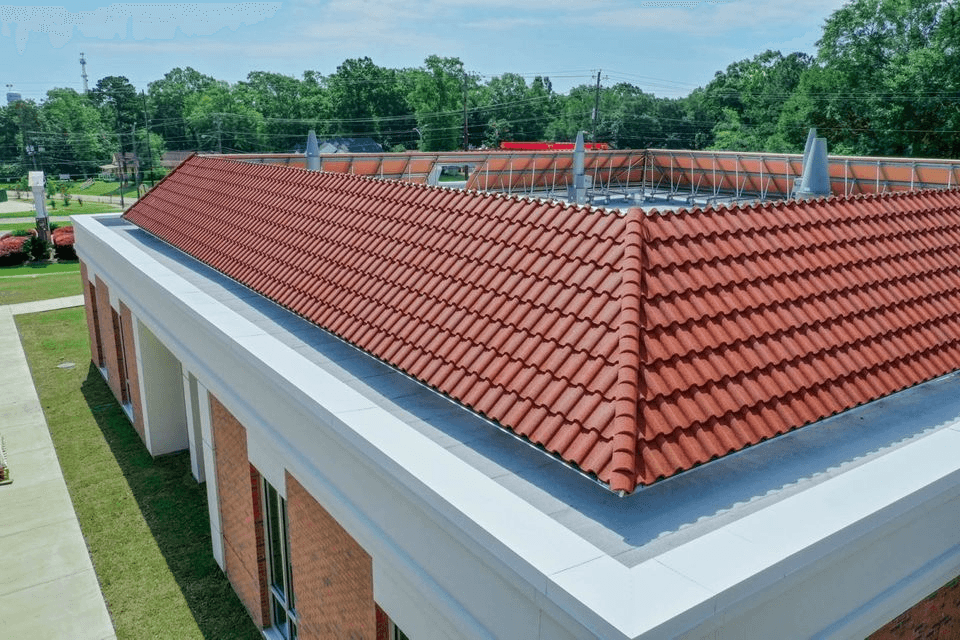
A small finish chip can help narrow colors. Ask for a full tile to review the formed curves, visible edges, and grain on the actual profile. Include adjoining samples or a sample roof section if the repeat across tiles matters to the look. Choose a view that shows the details the buyer will see from the usual viewing distance.
Ask the project team to view samples in daylight from up close and farther away. A side view can show the height of the curve. A straight view can show how seams and trim affect the look across the roof. Record the sample code, profile code, finish, and drawing revision when you collect feedback.
Record who approved each part of the sample
The design team can sign off the appearance of the sample and note the parts it saw. The technical reviewer can check the matching details and assembly documents for the proposed roof. The buying team can then check that the approved references appear in the quote. Keep these decisions in one record so everyone can see which steps are complete.
Ask who will keep the signed sample and where it can be viewed at receipt. Agree how the buyer and supplier will review finish variation across lots. Include the sample reference in the order. If the profile, finish, or matching part changes, send the change to the reviewer who approved that item.
The quote may cover more than one color or more than one roof phase. Map each accepted sample to those order lines before the first release. For later phases, ask whether the supplier can reserve stock or will quote a fresh lot. Give the project team time to review a fresh lot if it will sit next to the first.
Compare matched quotes and release the order
Send each bidder the same roof plan and quote schedule. Ask them to identify the profile, coverage basis, finish code, material specification, and accessories on separate lines. Then compare the cost for the roof area and scope your team agreed to buy. Use the profile price guide to check where shape and coverage can change that comparison.
Set out packing and delivery terms alongside the product lines. Ask for pieces per pack, packs per pallet, and any agreed label details. Show the named delivery point and which freight or local charges each party pays. Check the validity date and ask which parts may ship separately. Roofing quote inclusions and exclusions
Make the order easy to check at receipt
Attach the agreed drawings, parts list, sample record, and quote revision to the purchase order. State which labels and documents the warehouse needs so it can link each pack back to the order. Match the list of required documents to the actual shipment. Ask the reviewer to clear any open choices before you release production.
At receipt, use the packing list to check the profile codes, finishes, lot marks, and pack counts. Set aside any pack with a disputed finish, wrong part code, or signs of damage for review. Keep pictures and label details with the record. The buyer can then resolve a mismatch against the agreed scope.
Planning a villa roof tile order? Send us an inquiry with your roof plan, preferred finish, and destination. Our team will reply and help you review the profile and matching parts.