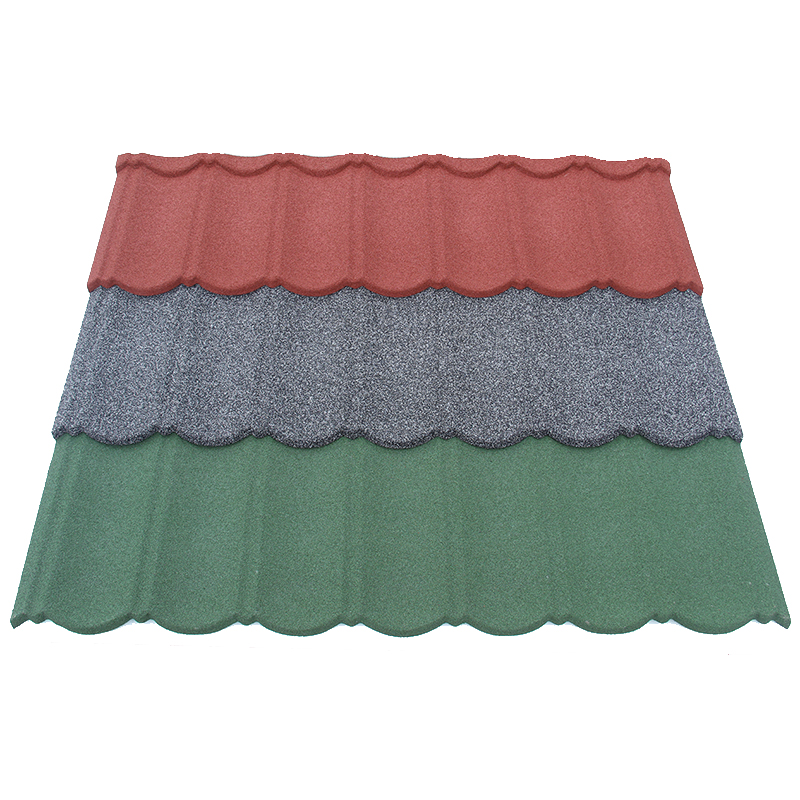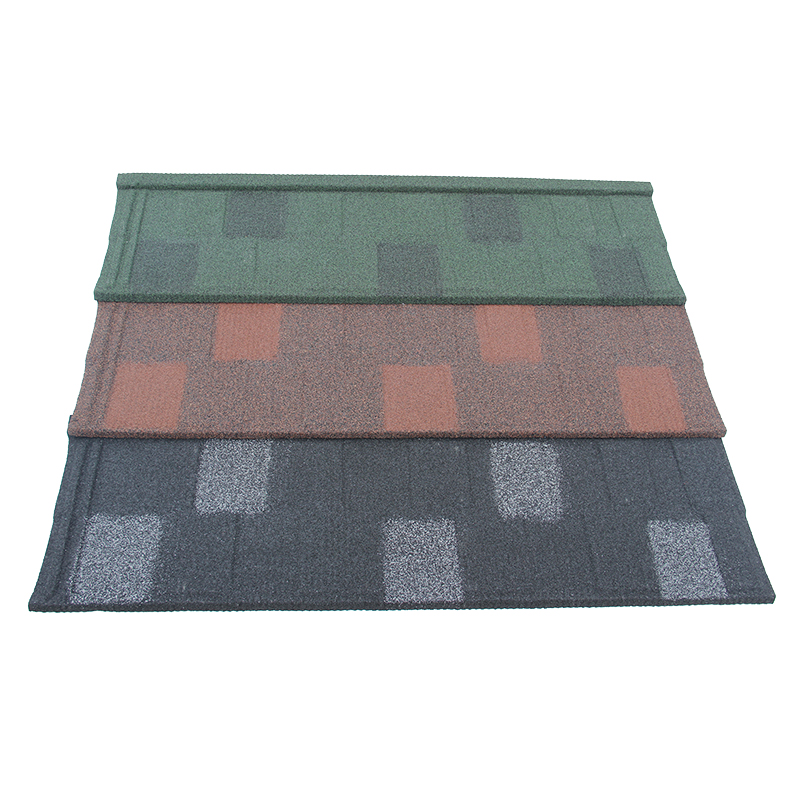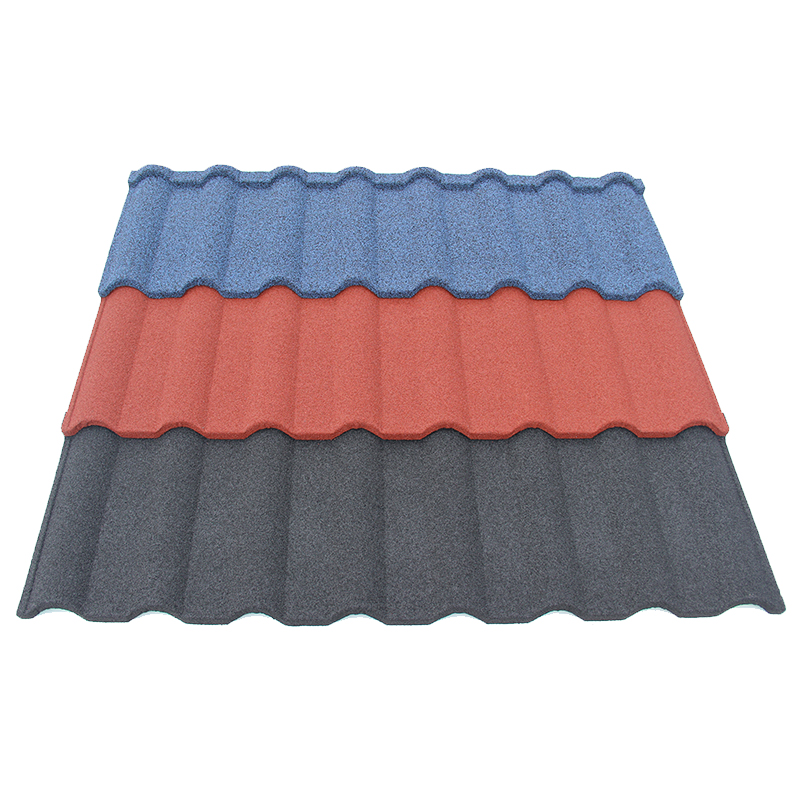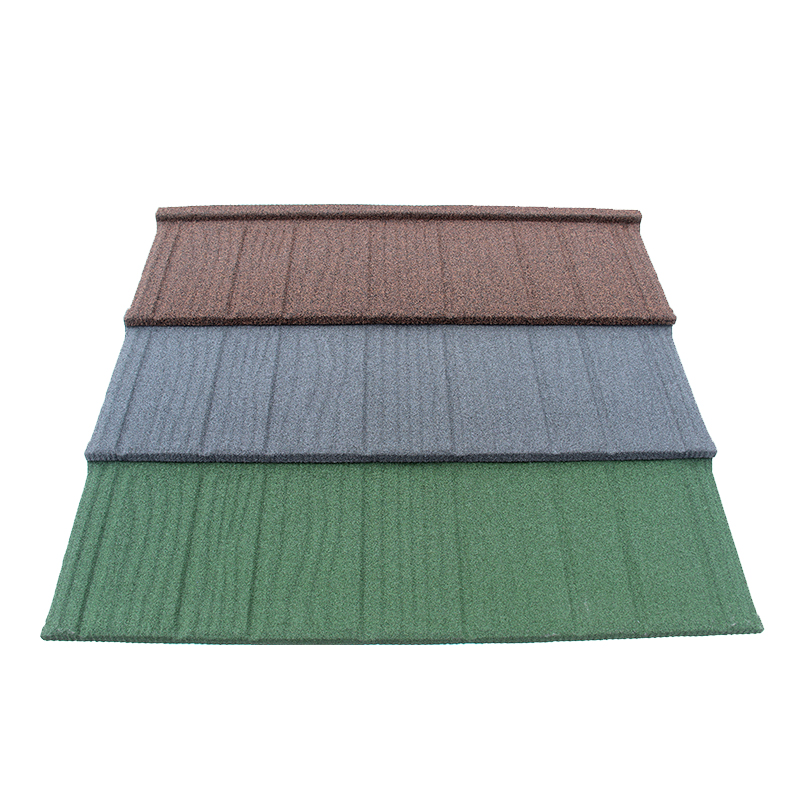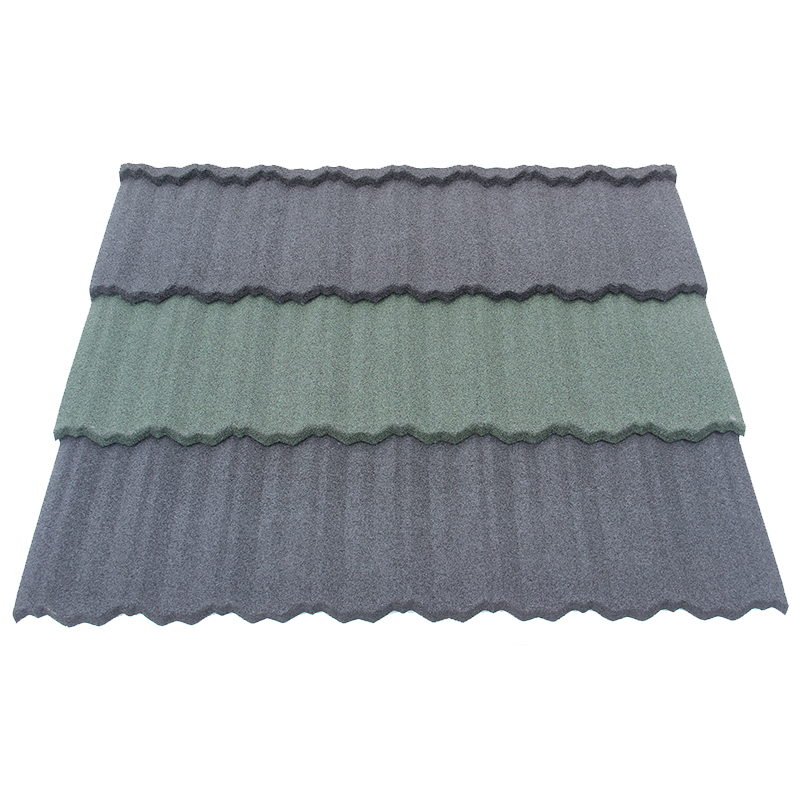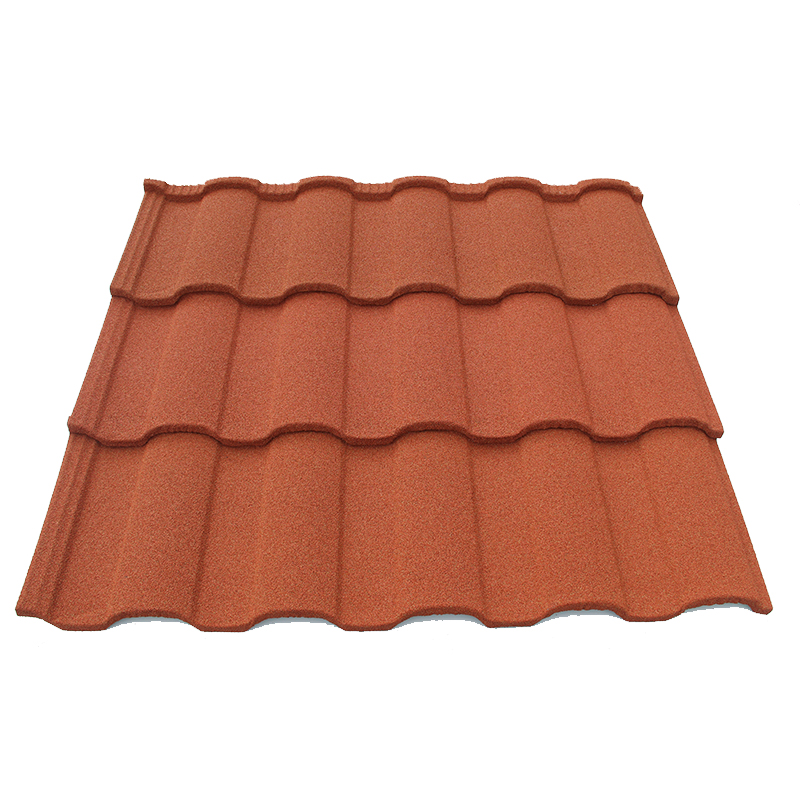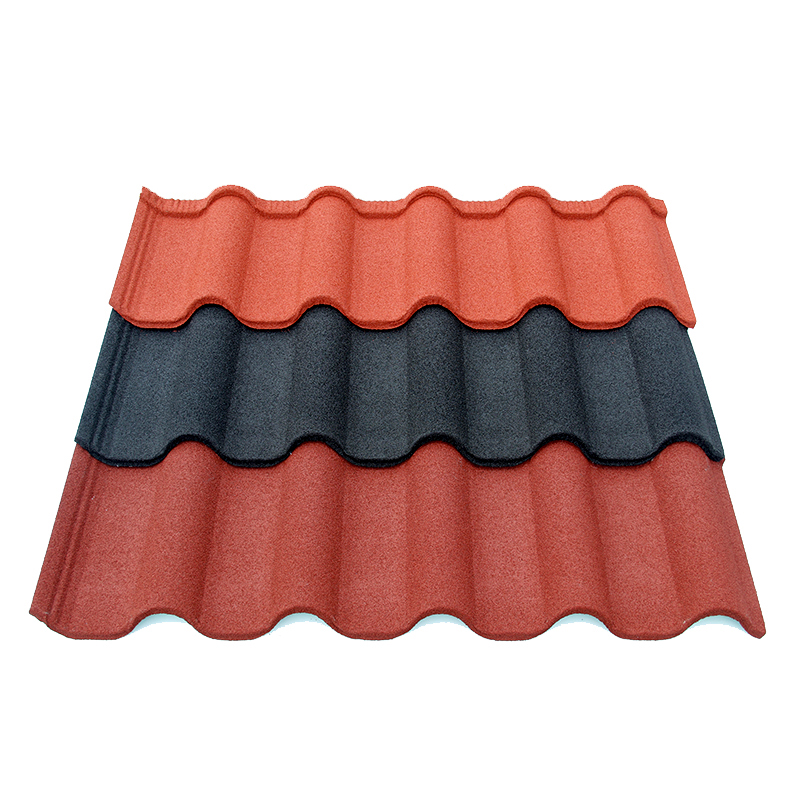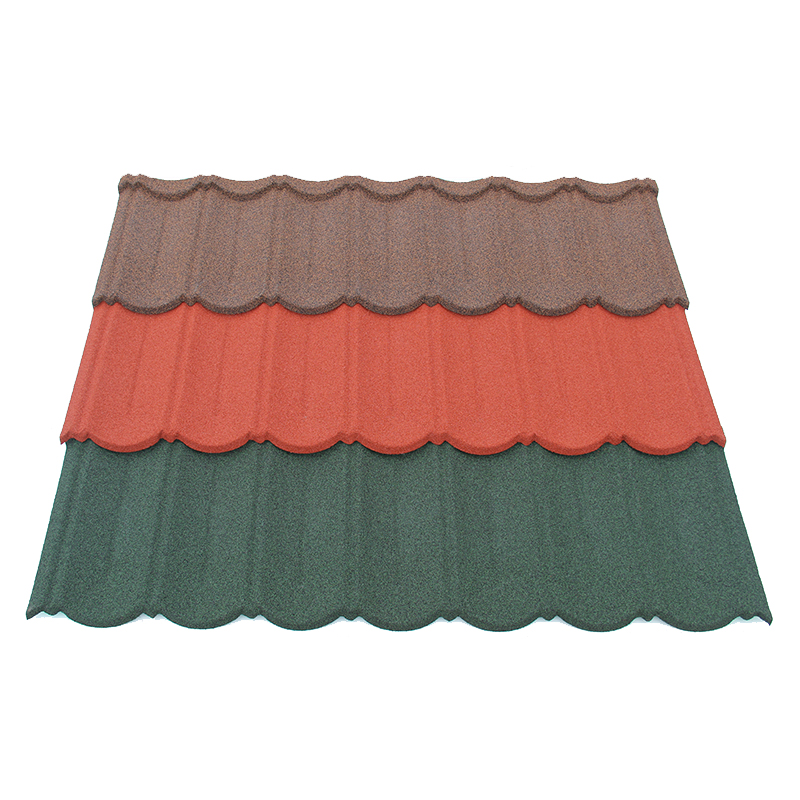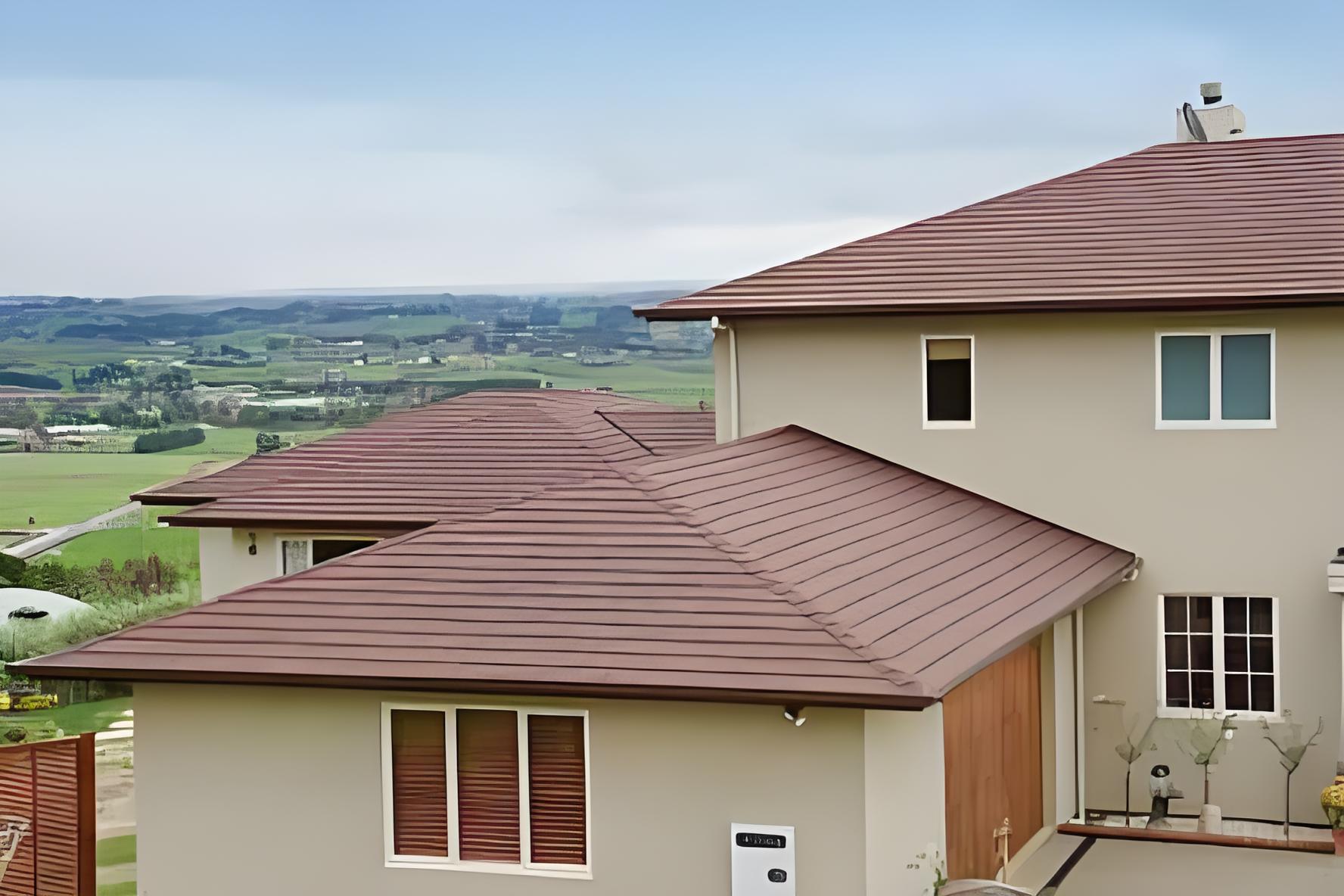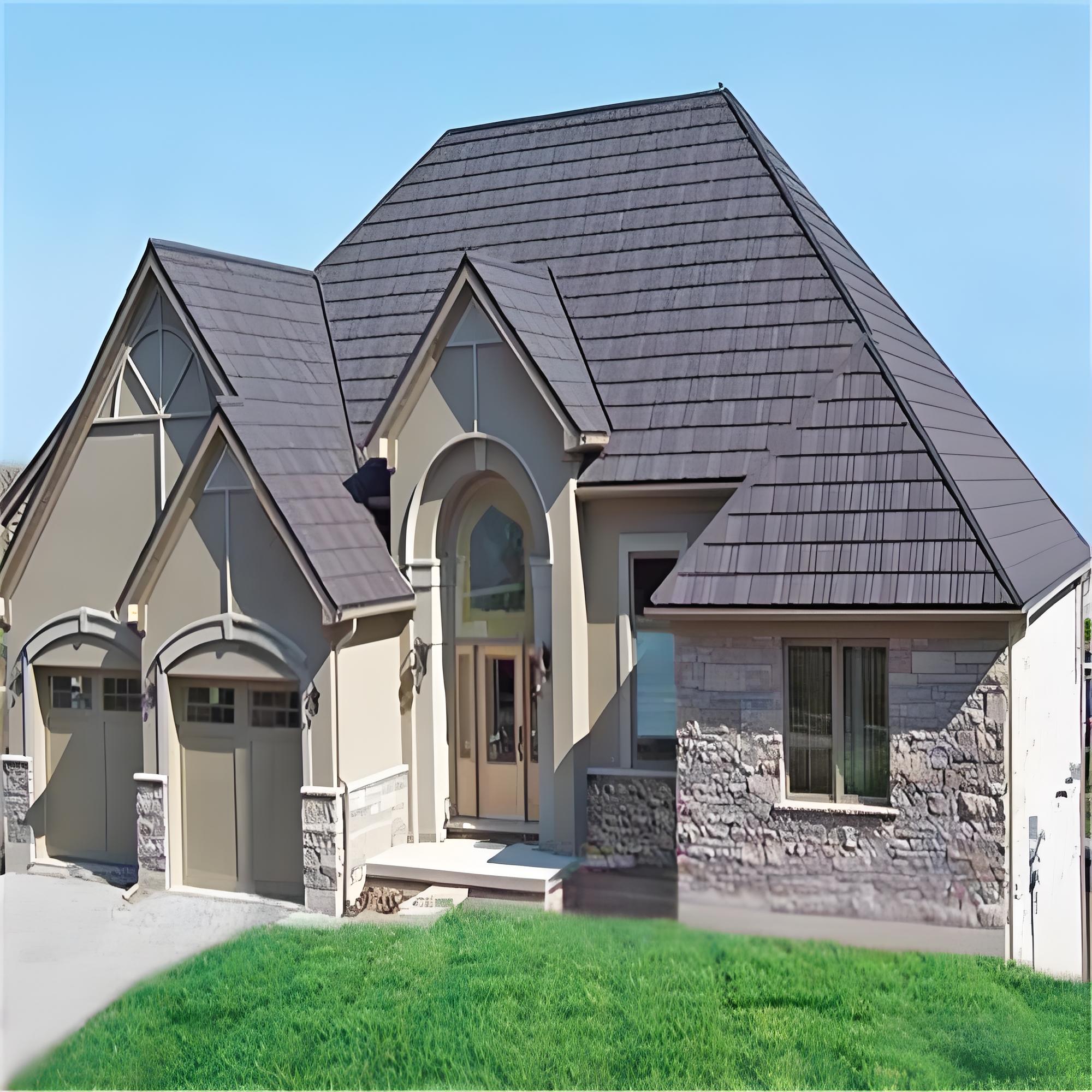


When reviewing stone coated roof tile granules resin and UV evidence, start with the finished panel. Ask the supplier to name the stone, identify the binder and show what the lab tested. Then match those records to the profile and color on the quote.
The binder holds the stone chips in place as part of the tile’s finish. The stone, its color treatment and any topcoat also belong in that description. A test on one ingredient can answer a question about that ingredient. Ask for results on the finished coating when you need to know how those layers perform together.
Stone Coated Roof Tile Granules Resin and UV Evidence for Buyers
Confirm what the granule description means
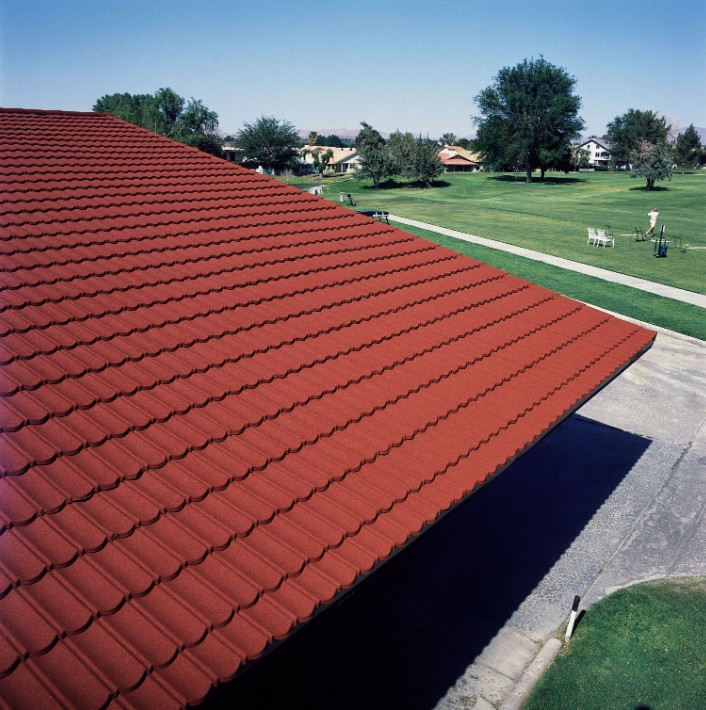
Ask the supplier to name the stone and describe how it gets its color. For example, a quote may list sintered basalt chips. Ask which part goes through the heat process and how the supplier describes the finished granule. Then record the granule grade or reference, the color code and any blend used for the order.
A color card can help the buyer choose a finish, especially when a shade blends several chip colors. However, the card alone gives the buyer little detail on the source or treatment of the chips. Ask for the available product sheet or supplier statement that ties those details to the finish code. For mixed colors, ask whether the statement covers all granules in the blend.
For example, when you shortlist a Bond Tile, keep its profile and finish code beside the granule description. Ask for the same identifiers on the quote and the approved sample. If the report uses a different code, ask the supplier to explain how it maps to your order. Keep that explanation with the file.
Identify the binder and any clear top layer
Ask for a layer drawing or written description of the finish. It should show the coat that holds the granules and any clear coat above them. Some suppliers may use the word resin for more than one layer. So ask which layer they mean and what role it serves.
If the quote says acrylic, ask what the supplier can confirm about the type of binder. Also ask whether the statement applies to the binder, the topcoat or both. The buyer can record the agreed coating code and revision when the recipe is private. That gives both parties a reference for future orders and proposed changes.
Ask how the lab identified the coating on the sample. For example, a test may describe a clear film, a flat coated sheet or a finished roof tile. Record that detail next to the result. It tells your reviewer which part of the quoted finish the result can support.
Read the UV Report for Conditions and Results
Find the exposure cycle and the property assessed
Start with the test report number, date and method edition. Then find the sample description and compare it with the offered profile and finish. Confirm whether the lab exposed loose chips, a coated coupon or a section of the finished panel. Also ask which color or blend the lab used.
ASTM G154 describes how to operate equipment that uses fluorescent UV lamps. ASTM G155 covers equipment that uses xenon arc lamps. Both practices call for records of the actual exposure conditions when reporting results. ASTM G154 scope and ASTM G155 scope
Look for the lamp or filter, the light and moisture cycle, and the test temperatures. Record the stated exposure time beside those settings. Then find how the lab assessed the sample and what changed. If the report includes only the exposure record, ask for the assessment that followed it.
A color result might describe the change from the sample’s starting shade. An adhesion result might describe how much material came away under a stated procedure. These results answer different questions even when they come from the same set of samples. So note which properties the lab checked before and after exposure.
Review the limits of a lab result
Check how the supplier plans to use the report. A buyer might need comparable results on two panel finishes or evidence for a finish change. Agree on the properties and limits with the reviewer before you compare the results. That helps keep a longer test from looking more persuasive just because it ran for more hours.
Project climate also matters when someone tries to link a lab result to field conditions. ASTM G151 warns against converting lab exposure time directly to years outdoors. It also explains that material formulations and local weather affect the comparison. ASTM G151 guidance on accelerated exposure
If you receive outdoor exposure data, ask for the site, dates, sample details and assessment record. Then check how closely that exposure fits the project and the finish on your quote. For written warranty terms, ask which changes qualify and how the supplier would assess them. Keep that record with the quote terms.
Check Whether Adhesion Evidence Covers Weathered Samples
Pair the result with the point in time
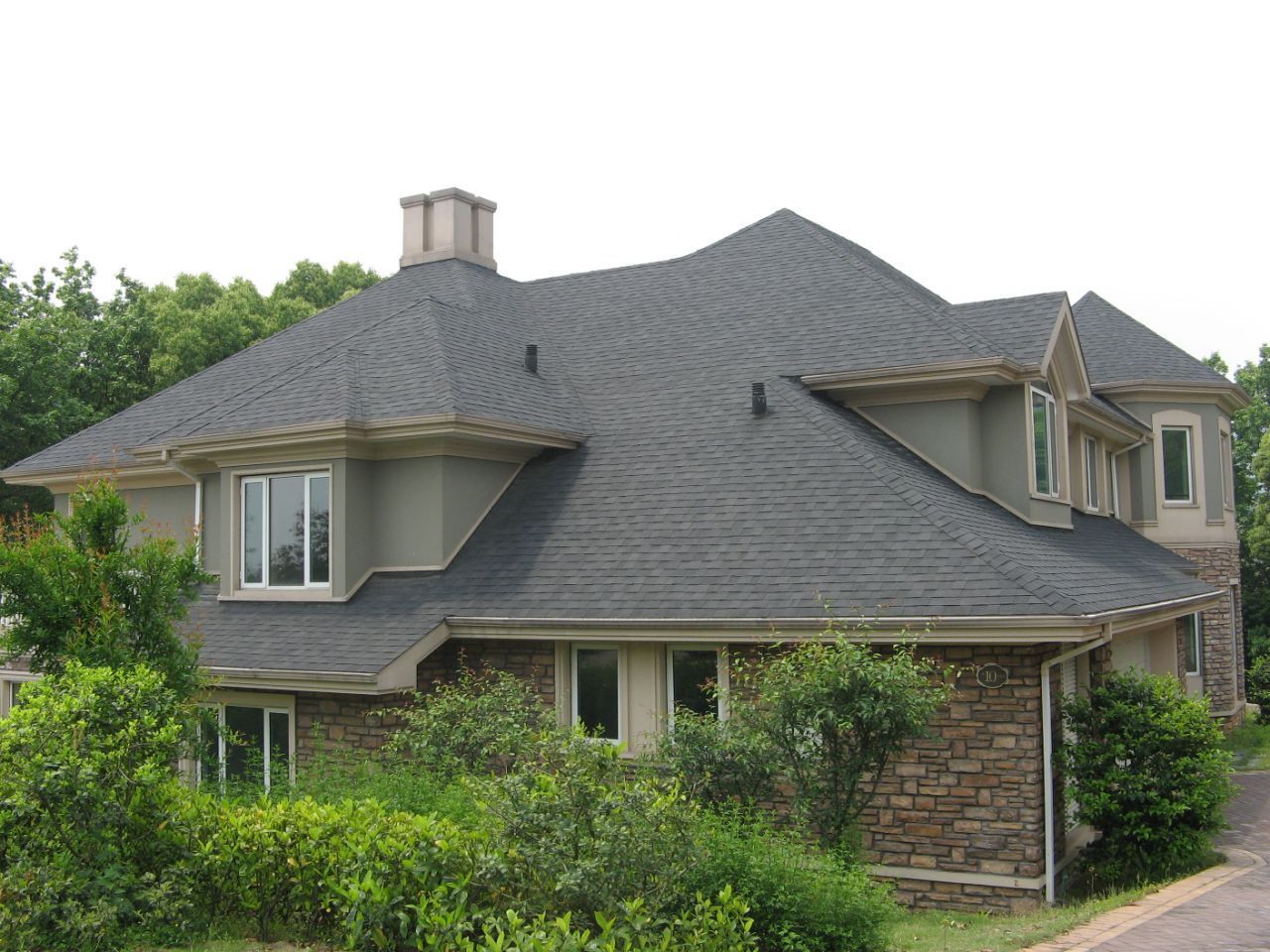
Ask whether the lab checked the bond on a new sample, after exposure, or both. A result on a new sample describes the bond under the stated starting condition. The post-exposure result tells you how the exposed sample met the stated criteria. If both matter to the order, list them separately in the evidence request.
For example, a supplier might provide a color report for an exposed panel. A second report might cover bond strength on a fresh sample. Record the color result and the initial bond result. Then ask if there is a bond assessment on the exposed finish.
The roof tile adhesion and coating quality testing guide covers sample preparation and how to agree on a test procedure. Here, the key record is the link between the bond result and the weathering exposure. Ask the lab or supplier to point to the specimen IDs in both parts of the report.
Read what the lab observed on the sample
Find out what the lab counted and how it recorded the outcome. The report might describe loose chips, visible gaps, or part of the binder lifting with the chips. Ask for the quantity or grade if the method uses one. If the report includes photos, check that they identify the specimen and show the area the lab assessed.
A close photo can document a bare spot on a panel at receipt. The shipment team can then compare the spot with the agreed visual criteria and check nearby packs. Keep those observations in the shipment record. A lab report can answer a separate question about bond behavior for a specimen under a defined test.
Link the Approved Finish to the Purchase Order
Put each type of evidence in its own field
Write the profile, finish code and coating revision on the review sheet. For each claim, record the source and note which version or lot it covers. The buyer can then see which records apply to the chosen finish and which need clarification. Use these fields to request the same information from every supplier.
| Evidence | What to record |
|---|---|
| Granule description | Stone, color process, finish reference and blend |
| Binder description | Coating code or revision, layer roles and stated resin type |
| UV exposure | Method and edition, specimen, cycle and duration |
| Finish assessment | Color, appearance or bond result and the stated criteria |
| Order traceability | Approved sample reference, finish code and shipment lot |
| Change review | Proposed change, supporting records and approval status |
When discussing a finish with JCROOF, include the profile, color code and the evidence your reviewer needs. If you have a reference sample, include the label details in the request. The pre-shipment inspection guide explains how to use an approved reference when checking finished goods.
Agree when a finish change needs review
Ask the supplier to flag changes to the granules, binder or topcoat that could affect the approved finish. For example, a buyer may receive a quote with the same shade name and a different granule source. Ask the supplier what changed and which reports still apply. Then have the reviewer decide whether to request a new sample or test.
If the reviewer approves the change, update the finish reference before you release the order. Also tell the receiving team which label or packing record to check. For a shipment with multiple finish revisions, ask the supplier to show which packs belong to each one. That lets the warehouse keep those lots distinct during receipt.
For a multi-stage order, record which finish revision each delivery uses. If two lots go on the same roof plane, ask the project team to review any visible shade difference. Keep the decision with the lot records so the field team can use it when opening packs.
Keep the agreed finish, report references and signed approval together for repeat orders. If a distributor adds a new shade, ask whether the evidence covers it or only the earlier blend. The answer can shape what the distributor puts on a product sheet. If the scope is narrow, carry the same scope into the published claim.
Need help checking the finish evidence for a tile order? Send us an inquiry with the profile, finish code and report requirements. Our specialists will reply and help you review the available records.