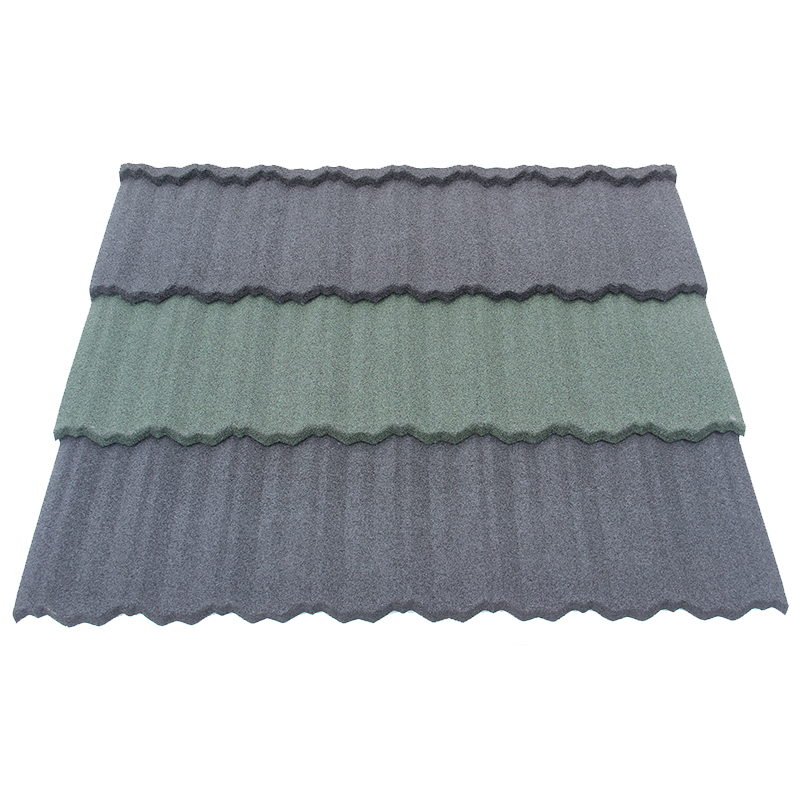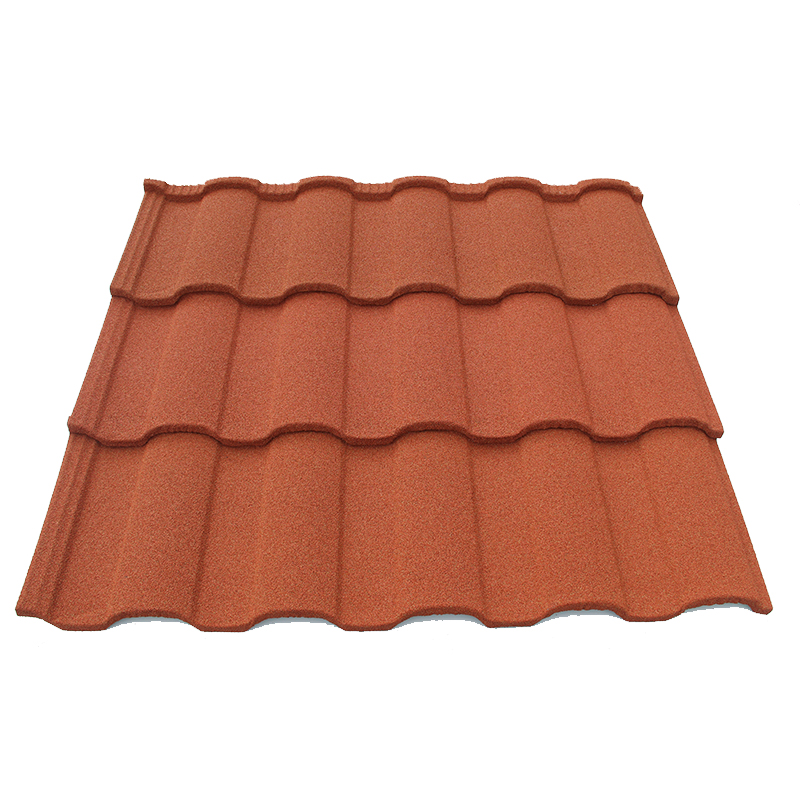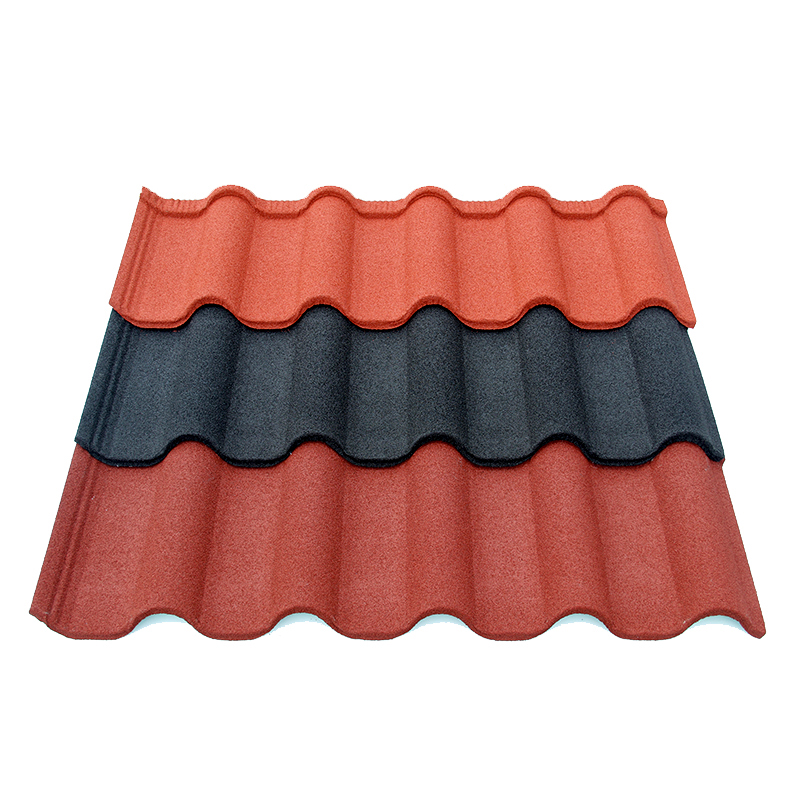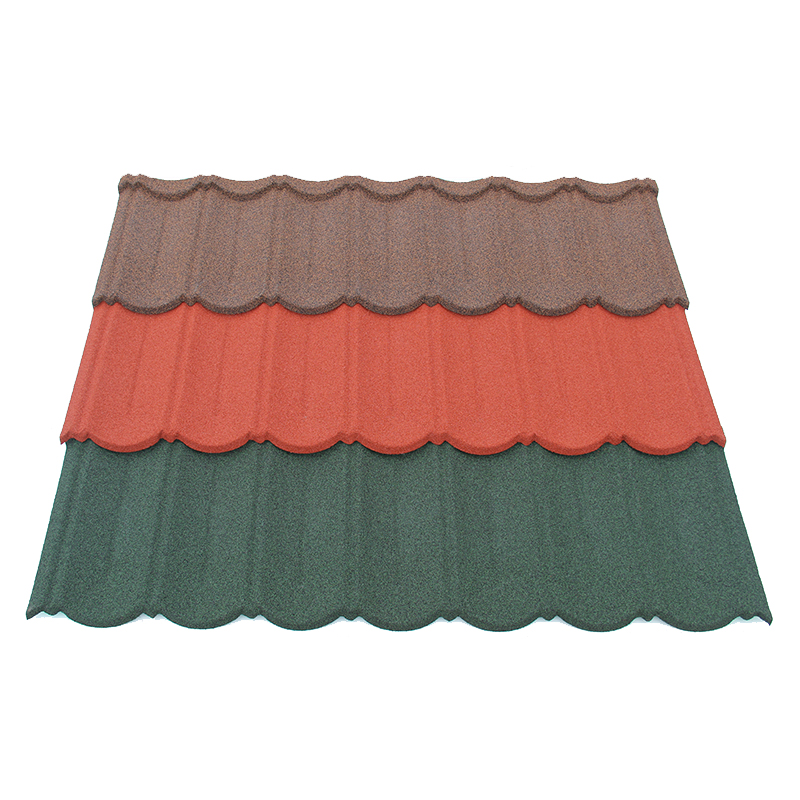

Find stone coated roofing suppliers at Canton Fair by starting with the fair’s official exhibitor and product platform. Check the edition, company name, and listed product before contacting the seller. Then request a named sample and a written quote for your planned order. Keep the directory reference with your follow-up notes.
An importer can use the fair to compare suppliers for one project or a dealer range. Prepare the tile brief before making the list. The buyer should know which profile, destination, and order scope each seller is discussing. That makes the later sample and document review easier to follow.
Find stone coated roofing suppliers at Canton Fair through official records
Start at the official Canton Fair website and check the edition you intend to research or visit. Use its official search tools to look for exhibitors and products. Record the edition beside each company you save. Recheck any older booth information before using it to plan a meeting.
Search by product and company
Use the official exhibitor and product platform to search for stone coated roofing and related product terms. Try the exact company name when you already have a brochure or business card. Open the company and tile records together. Ask the seller to explain any difference between the listed business and the company making the offer.
MOFCOM’s introduction to the 140th Canton Fair describes filters for product categories, specifications, and business types. It also describes tools for contacting suppliers and arranging meetings. Use those tools to build a list around the products you actually need. Confirm current records and meeting details before relying on a saved entry.
If an independent directory helps you discover a company, check that name in the official platform. Save the official record or its reference with your notes. A page may describe one edition while a social post describes another. Make the edition and date of the record visible to anyone reviewing your shortlist.
Match the contact to the quoted company
Ask for the full company name, business address, and role in the proposed order. Confirm who will make the panel and who will issue the quote. If a trading company represents another factory, ask it to identify that relationship in writing. Record which company owns each product and factory document.
The guide to finding stone coated roofing manufacturers explains how a buyer can structure this wider supplier review. Use the company details from the fair as the starting record. Request the supporting documents for the actual seller and manufacturing site. Carry those names into the sample and quote review.
For example, a booth contact may use a brand name while its quote uses a legal company name. Ask for the written link between the two. Give the purchasing team both names and the explanation. Resolve unclear identities before it prepares the approved supplier record.
Prepare a tile brief that sellers can quote
Give each seller the same destination, project type, and preferred roof appearance. State whether you want stock for resale or a package for a named roof. Add the profile, finish, estimated quantities, and any documents your market requires. Ask the seller to mark any item it has priced on a different basis.
Identify the actual panel and finish
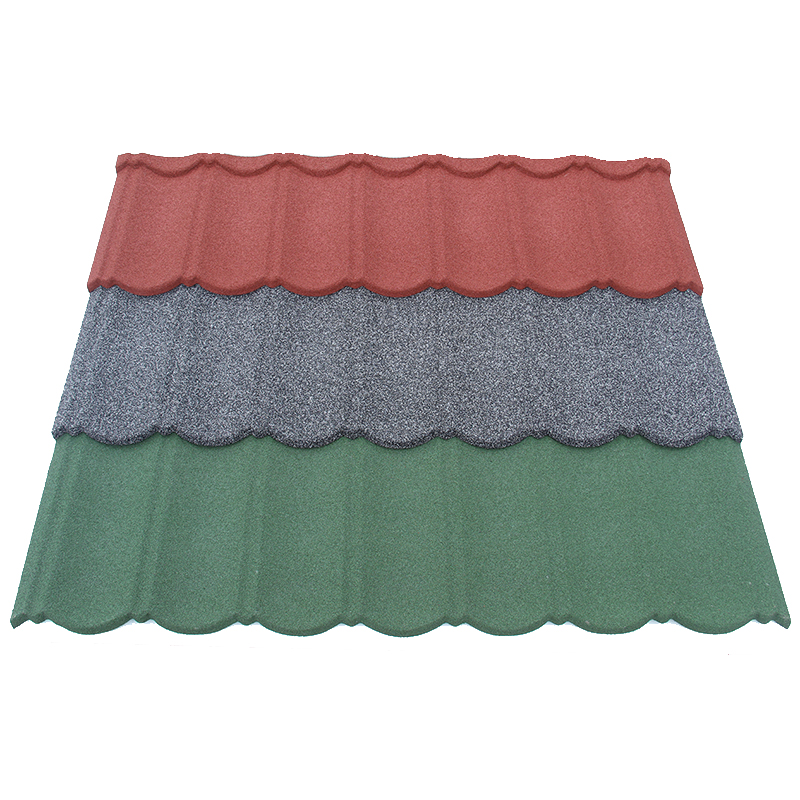
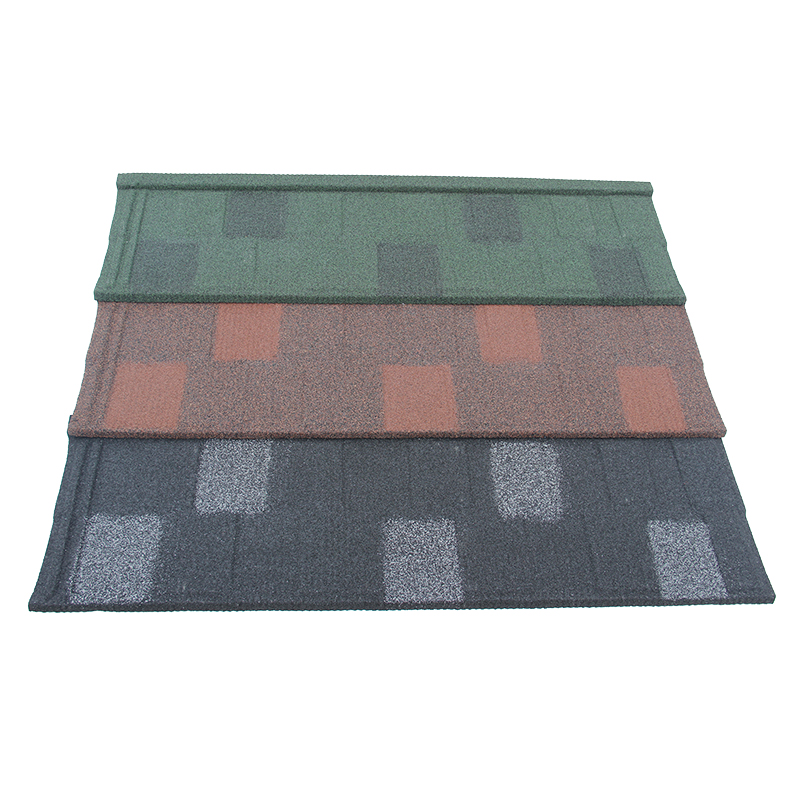
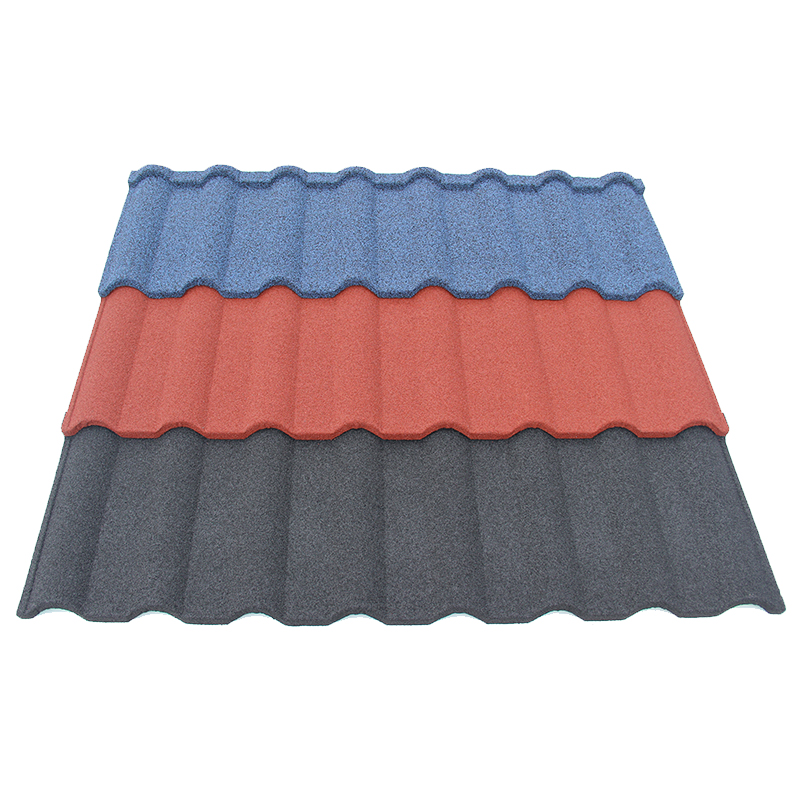
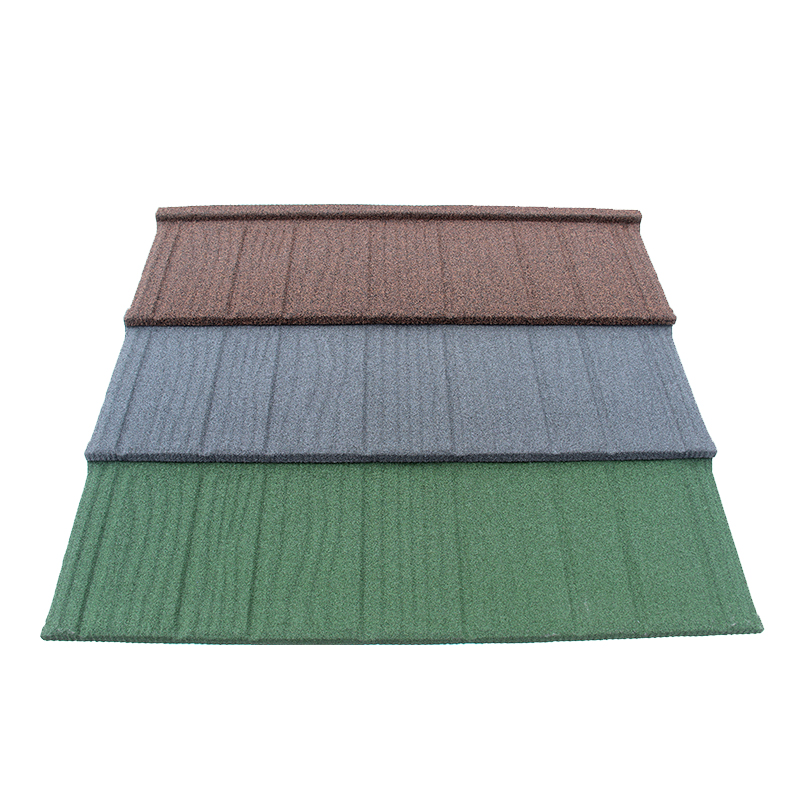
A sample board can contain several profiles that share one color name. Ask for a model code and finish reference for each sample you want to compare. If you consider Bond Tile, request that exact panel’s current drawing and tile sheet. Use the seller’s actual model reference in the quote request.
For a sample shown at a meeting, ask whether it represents the proposed production supply. Record the sample date and any stated difference from the offered product. Give a picture or sample code to the person reviewing the later documents. The buyer can then connect the visible panel to the written offer.
Ask for overall dimensions, effective cover, panel mass, and the stated material basis. Include the offered accessory list and installation document references. Where the product has several versions, ask the seller to identify the one it priced. Keep each version on its own comparison line.
Describe the complete supply scope
For a project order, share the roof drawings and the revision used to prepare quantities. For dealer stock, identify the profiles, finishes, and parts you want in the range. Ask whether the seller has priced those items separately or as a package. Mark which quantities still need confirmation.
The roofing quotation guide shows how product and commercial details define the scope of an offer. Use the same information when requesting follow-up from different fair contacts. Ask each seller to state its price unit and exclusions. Keep sample, freight, and other charges visible in the comparison.
For example, one quote might cover field tiles only, while another includes ridge pieces and fixings. Ask for the missing price lines before comparing totals. Confirm any minimum order by profile or finish. A written scope gives your team a basis for checking the final order.
Connect sample review to factory and product evidence

Use the meeting to agree which records the seller will send after the discussion. Ask for documents tied to the quoted company, model, and manufacturing site. Give each missing item a follow-up date and an owner. Share one checklist with everyone who will review that supplier.
Keep the comparison tied to the actual goods
| Item to record | Question for the seller |
|---|---|
| Company | Which legal business will issue the offer? |
| Panel | Which model and finish does the sample represent? |
| Drawing | Which revision and cover dimensions apply to the quote? |
| Factory | Which site will produce the proposed supply? |
| Evidence | Which certificates and reports cover these goods? |
| Commercial scope | Which parts, quantities, and delivery terms are included? |
Ask for the complete reports behind any performance or approval statements made during a meeting. Check the model, specimen description, and issuer’s scope with the project reviewer. If a certificate names a different company or product, request the link between the records. Keep that explanation with the quote.
When reviewing JCROOF as part of your wider supplier comparison, send the same brief and document checklist. Ask for the tile and company references that apply to its offer. Use those details to compare the sample, drawing, and scope of the quote. Keep the accepted version in the seller file.
Plan a factory review around the open questions
If a site review would help resolve the shortlist, first identify what you need to check. For example, you may need evidence connecting the sample model to the named production site. Agree the review scope with the seller. Give the reviewer the relevant tile and company references in advance.
Ask the seller who will answer the technical and production questions after the fair. Record that person’s role and contact route. If another team handles the product documents, include it in the follow-up plan. Clear ownership helps the buyer close gaps before committing to an order.
Give each sample a label that links it to the contact and the quoted model. If the seller sends another sample later, ask what changed. Keep both dates and references in the review notes. The team can then decide which sample it accepts for the next step.
Follow up with a written comparison and release decision
Send each shortlisted seller a summary of the model, sample references, requested records, and quoted scope. Ask it to confirm those points in writing. Compare its response with the notes and files from the meeting. Update the shortlist when a supplier changes the product or terms.
Compare the final versions
Use one comparison sheet for the accepted model, finish, quantities, documents, price unit, and delivery terms. Keep the date and quote validity beside each offer. Ask the reviewer to identify open design decisions. Give the purchasing lead a clear list of the items still awaiting an answer.
For a dealer range, group the offers by the stock lines you intend to sell. A sample may look useful but add a finish or trim that the buyer has not planned to carry. Ask how the proposed range fits the order quantities and spare parts plan. Put those answers beside the product review.
If a buyer researches suppliers after the fair has ended, use the saved company record to start a new inquiry. Ask for the current tile sheet, quote date, and main contact. Check which earlier sample or document still applies to the offer. Keep the reply with the new purchasing brief.
If a later quote uses a different tile code, request the current sample and drawing references. Check whether the change affects the cover, parts, or evidence. Ask the seller to explain what it changed and why. Record the accepted decision before releasing that order line.
Give the first order a clear scope
The trial order planning guide explains how a buyer can define a smaller purchasing scope for review. Use the agreed model and finish references in any first order. Keep the inspection and acceptance plan with the purchase record. Carry the approved details into a later repeat order.
After the order, retain the fair contact record alongside the accepted quote, sample approval, and delivery details. If another buyer takes over the account, that file shows how the team selected the product. Ask staff to check current company and tile references before placing another order. Update the file when the seller proposes a change.
Preparing a roofing supplier shortlist? Send us an inquiry with your profile, destination, and order scope. Our team will reply and help you review the available product details.