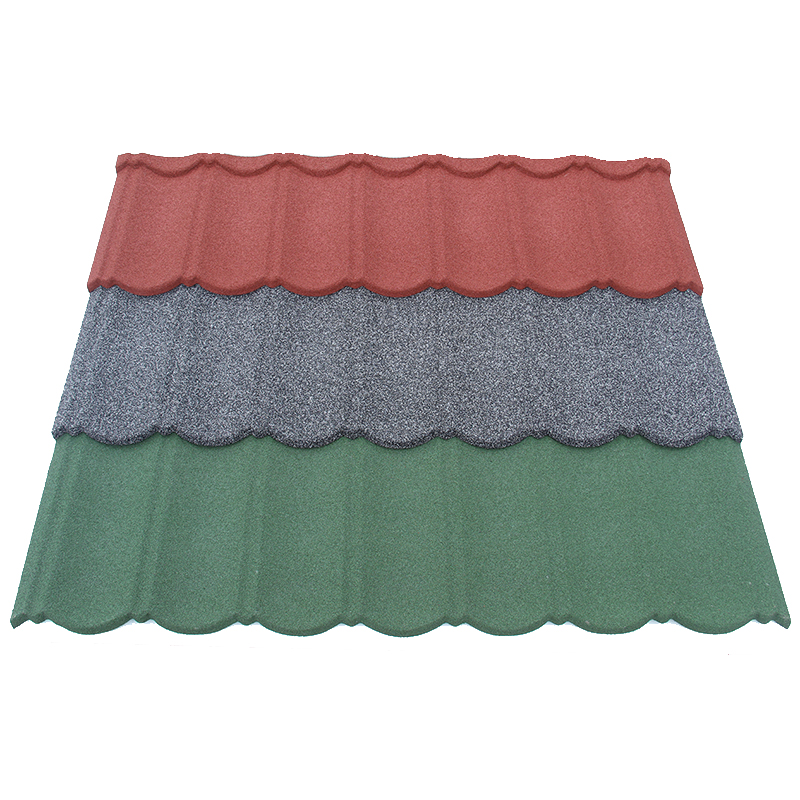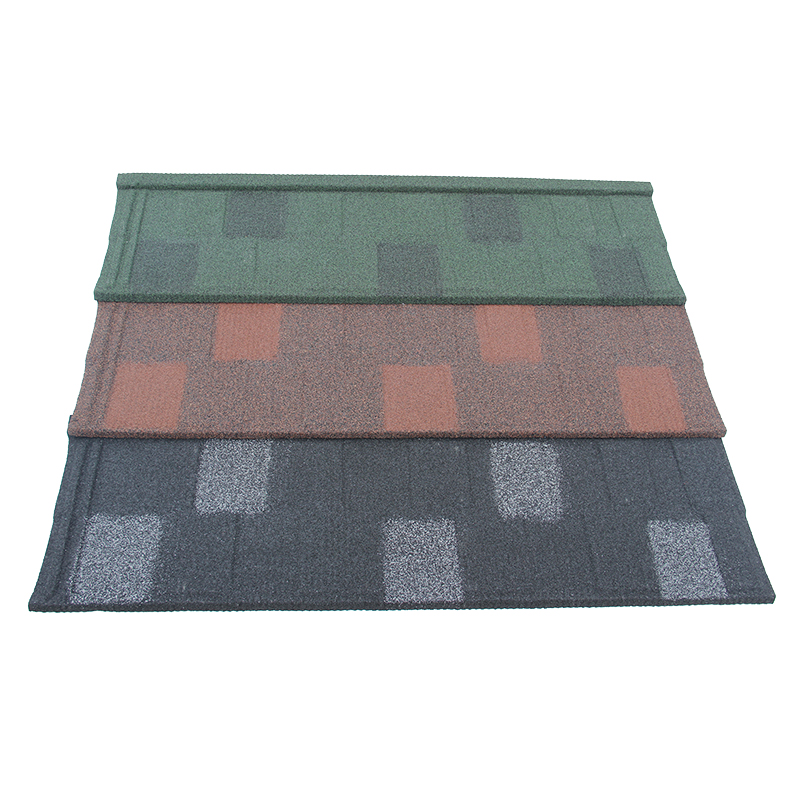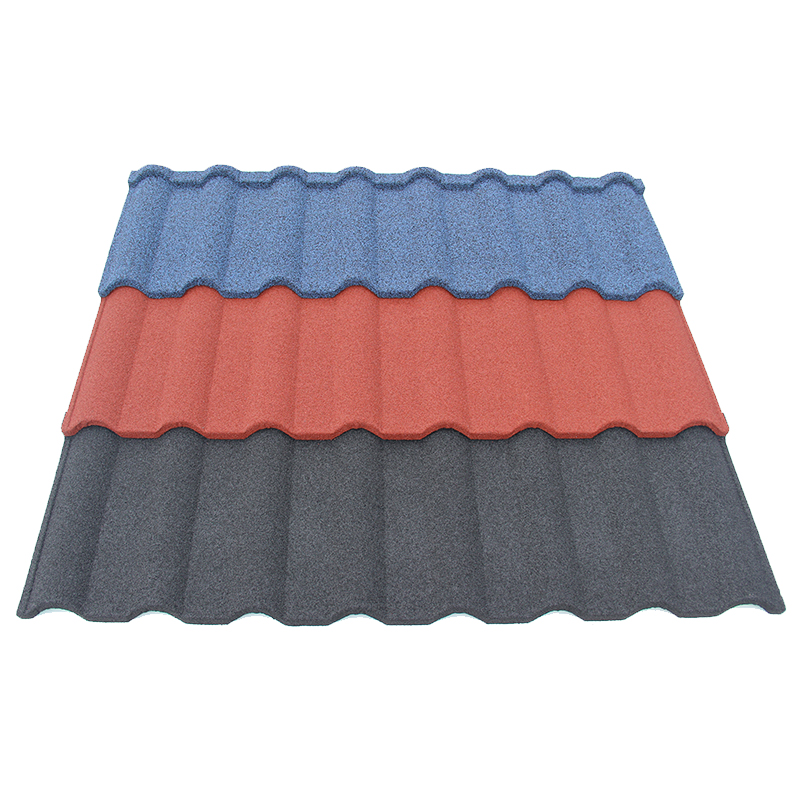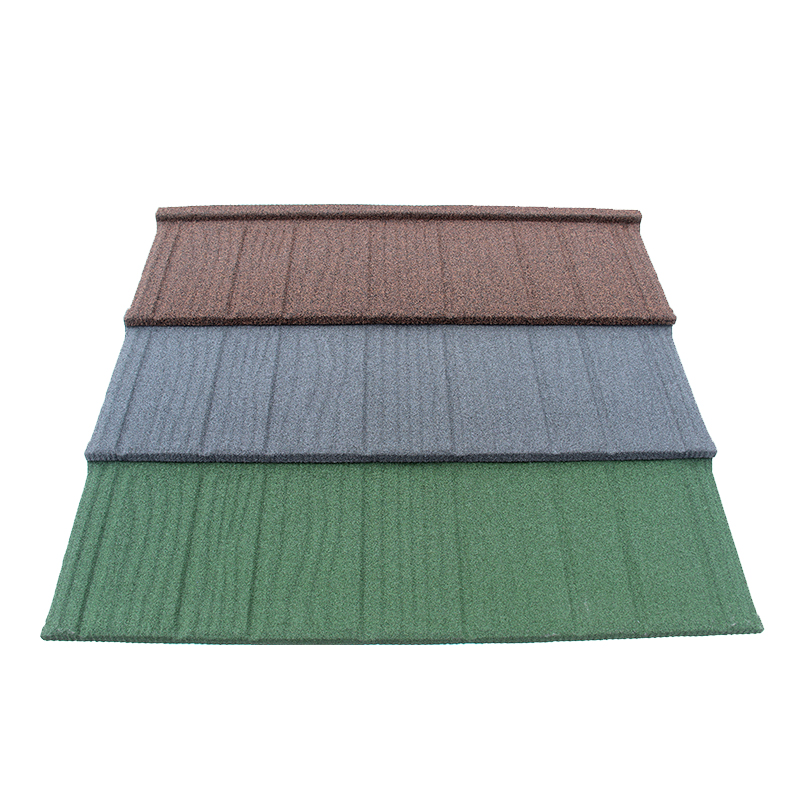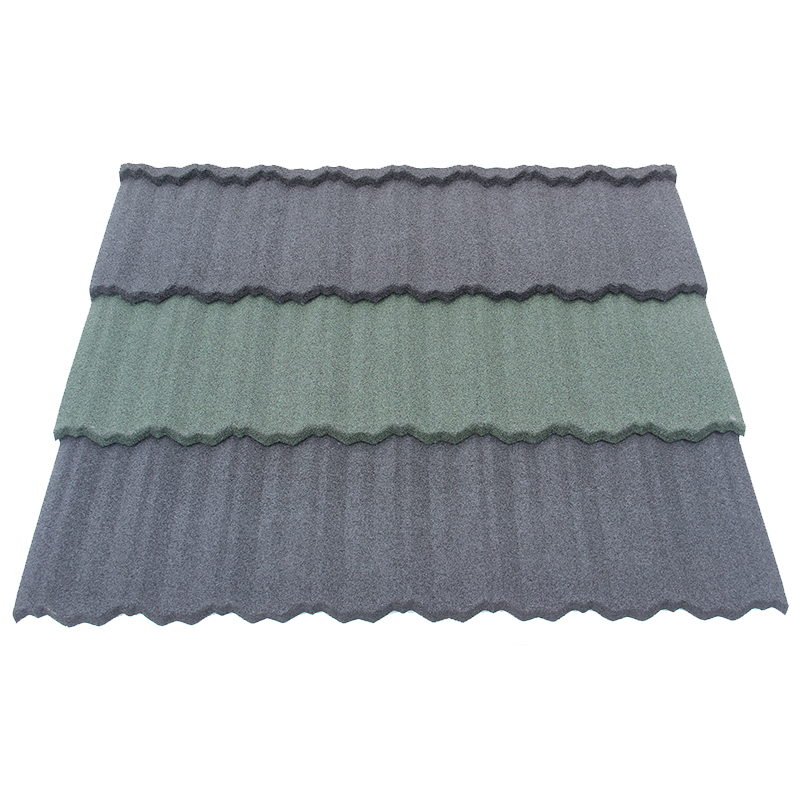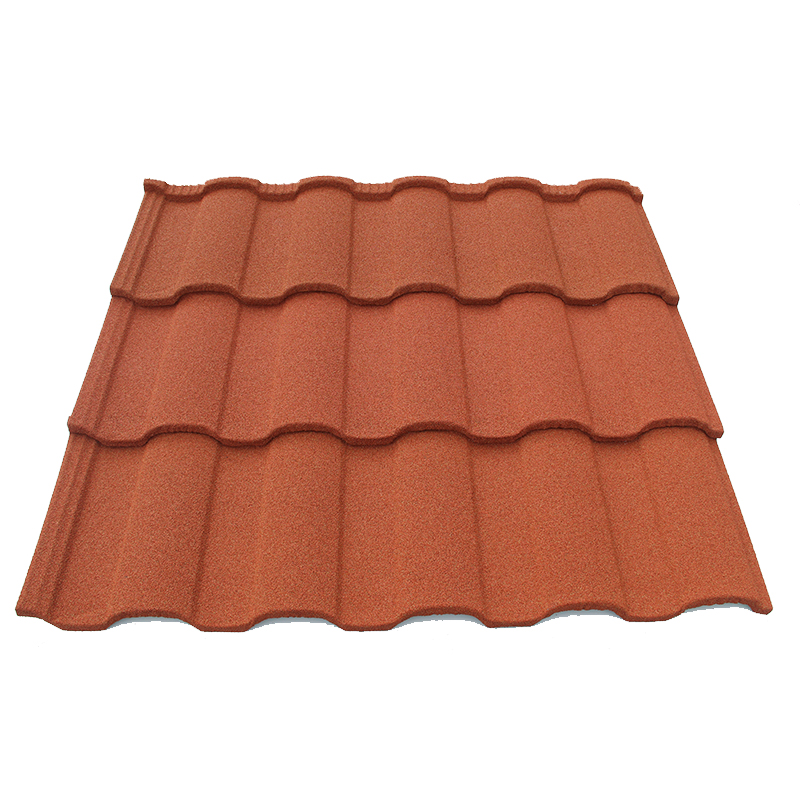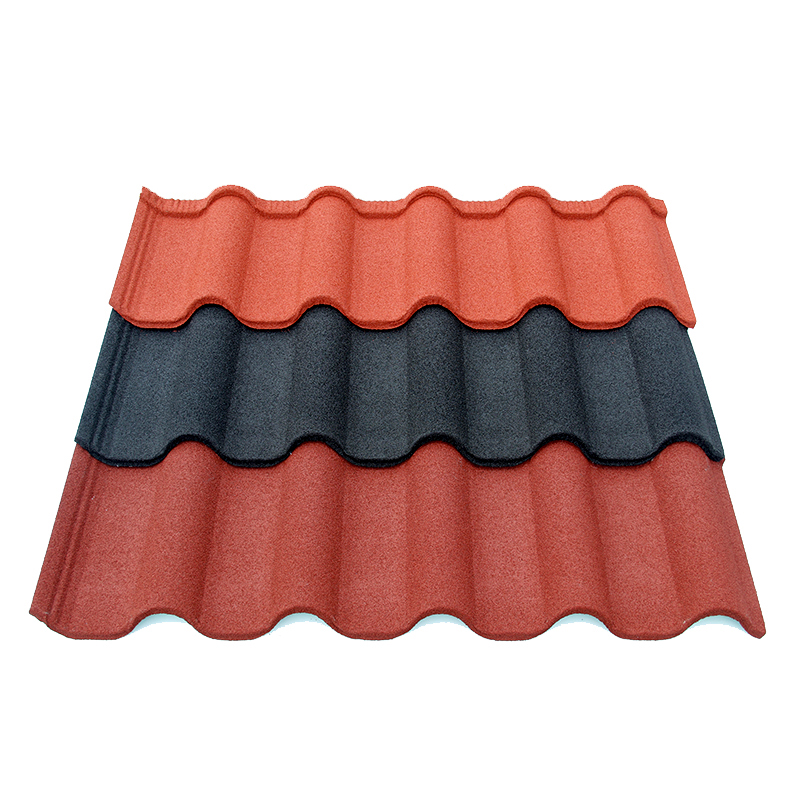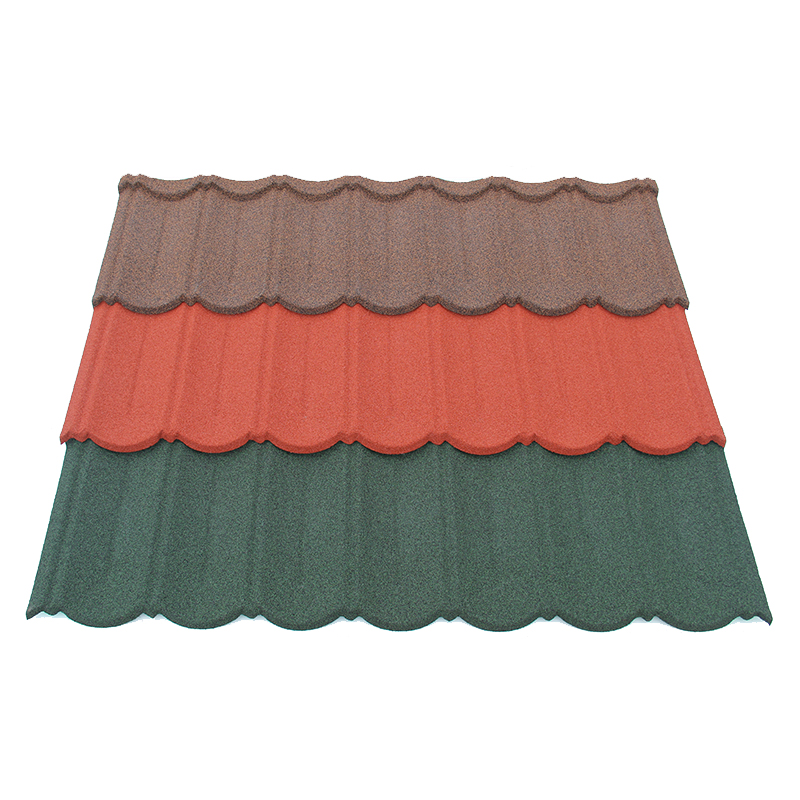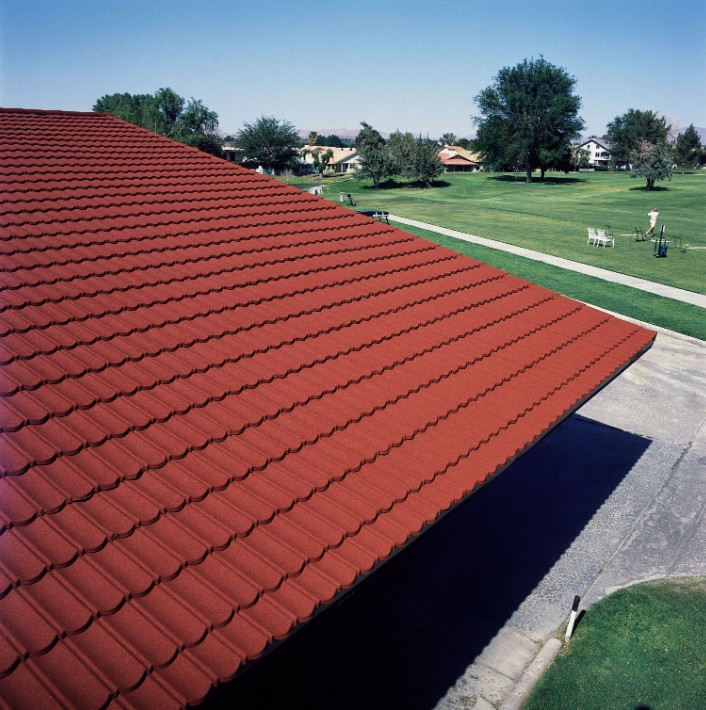


Compare stone coated roof tiles import sourcing Oceania with a local quote for the same roof package. Name the final country, tile model, and delivery address. Ask who handles product review, import clearance, and the last delivery leg under each offer.
This guide covers New Zealand, Australia, Solomon Islands, Papua New Guinea, and Fiji as separate buying destinations. Each order needs its own country review. Give the importer, project team, and seller the same brief describing the goods you plan to buy.
Set a clear scope for stone coated roof tiles import sourcing Oceania

Compare a complete roof package
List the field tile profile, finish, material description, quantity, and accessories. Ask the project team to check the takeoff and the proposed roof details. Put the same drawing revision on each quote request.
Ask a local seller whether it is quoting goods already available or a future import. Get the model and finish of those goods confirmed. Ask whether the buyer collects from a yard or receives delivery at the site.
For a China order, identify the company buying the goods and the party handling import work. Ask which delivery point the supplier has priced. Get separate estimates for any tasks the buyer arranges.
Use comparable price and schedule records
Ask each seller to state the unit price, useful tile coverage, currency, and quote validity. Price trims and other parts in their own units. Keep freight, clearance, storage, and final transport visible where they apply.
Ask for dates tied to the actual steps in the order. Sample approval, product review, packing, dispatch, and site delivery can each need a named contact. Record what must be ready before the next step starts. Roof tile quotation guide
If a local offer costs more, ask what work or stock commitment it includes. If a China offer leaves tasks with the buyer, price those tasks. The team can then compare the complete scope and its cash requirements.
Review New Zealand and Australia beyond the border price
New Zealand
New Zealand’s building guidance asks importers to obtain technical information and evidence relevant to the Building Code. It also asks users to check how overseas standards relate to local conditions. Give the project reviewer the actual model and supporting documents before choosing the roof package. New Zealand guidance on importing building products
Ask which documents the designer or other responsible reviewer needs for the proposed roof. Request evidence for the named product and assembly. Keep any limits in a supplied report with the proposed detail drawings.
If the shipment uses wood packaging, ask the importer to check MPI’s requirements and keep the required records. Give it the pallet and crate description before packing is approved. MPI wood packaging guidance
For a local purchase, get the seller’s product references and delivery scope confirmed in the same way. Ask who handles a later missing trim or a question from the site team. Include those contacts with the accepted quote.
Australia
Australia’s agriculture department directs users to BICON conditions for imported timber and bamboo packaging. It distinguishes packaging types and the role the packaging serves. Ask the importer to confirm the conditions for the actual pallets, crates, or dunnage proposed for the order. Australian timber and bamboo packaging guidance
Get the packing description and relevant records checked before the goods leave the seller. Ask who will respond if an entry query concerns the packaging. Keep that contact separate from the technical contact for the roof tiles.
Have the project’s responsible reviewer identify the evidence needed for the roof product and its intended use. Give the requirements to local and overseas bidders. Ask which files cover the exact tile and accessories each bidder offers.
If the buyer plans to collect from a port or warehouse, check the remaining delivery tasks. Ask for the truck, unloading, and site access needs to be included in the cost review. Agree who receives and counts the goods.
Ask whether the chosen delivery vehicle can reach the site and where it will unload. Give the carrier any limits on access or storage space. Ask the buyer to name a person who can sign for the load and record its condition.
Define entry and delivery work for the Pacific destinations

Solomon Islands
Solomon Islands Customs describes declaration and document checks as part of its work. Ask the importer to confirm the current process for the proposed commercial order. Match the invoice, goods description, and supporting transport records before dispatch. Solomon Islands Customs and Excise information
Name the final island, delivery point, and consignee in the inquiry. Ask the forwarder to identify any onward leg and handover beyond the first arrival point. Get each part of the quoted transport scope recorded.
For a local offer, ask where the quoted goods are and when the buyer can inspect the relevant sample. Confirm the model and finish that the seller expects to deliver. Use those references when comparing the China option.
Papua New Guinea
Papua New Guinea Customs provides an import procedure resource covering the entry process and supporting records. Ask the importer or broker which current requirements apply to the actual goods. Give it the product sheet, draft invoice, and planned transport details. Papua New Guinea Customs import procedures
For delivery beyond the first arrival point, ask who arranges each onward move. Get the last delivery point named on the quote. Confirm whether the buyer needs to provide handling equipment or an unloading crew there.
If the order includes several profiles or finishes, keep the package marks distinct. Ask the receiving team to check each line against the approved list. Record how the carrier and seller should receive a query about missing goods.
Fiji
Fiji Revenue and Customs Service provides separate guidance for commercial importers. Ask the importer to check the requirements for the planned transaction and product. Keep the invoice and supporting records consistent with the actual model and quantity. FRCS commercial importer guidance
State the final destination and delivery address when asking for logistics prices. If an onward leg is needed, identify who books it and checks the handover. Compare that scope with a local seller’s quote for the same endpoint.
Ask both sellers how the buyer orders later accessories or a small follow-up quantity. Keep the product, finish, and sample codes available for that inquiry. Obtain a fresh offer when the next supply is planned.
For a roof built in stages, list the parts needed for each stage before asking for shipment splits. Ask which items will be packed together. The receiving team can then check whether the first delivery contains the parts needed for its planned work.
Approve the goods and keep the delivery records usable
Match samples to the quoted model
When contacting JCROOF for a China supply option, state the country and intended project use. Give the seller the importer and project team’s document request. Ask for a current offer tied to the named profile and quantity.
For Bond Tile, keep the sample code and finish beside the quote line. Ask the reviewer to check the offered material, useful coverage, and roof details. Save the accepted product sheet with the sample record.
If Milano Tile is a second option, review its own product data and accessory list. Ask the estimator to use that model’s actual cover basis. Put any product difference beside the price. Roof tile specification comparison guide
Make acceptance and change decisions traceable
Record which person approved the appearance and which person reviewed the technical files. State what the approved sample represents. Keep open questions beside the quote so the buyer knows what still needs an answer.
For example, the owner may approve the color while the designer asks for another roof edge drawing. Get the revised drawing to the relevant reviewer. Ask the estimator to check whether that change alters the accessory list or cost.
If a local seller offers a different tile from the China bid, keep both names in the review. Ask for separate samples and product sheets. Let the project team check each option, then compare the accepted packages with all their parts and delivery tasks.
If the supplier proposes another material or model, request a clear revised offer. Have the buyer and project team review the affected fields. Record the accepted version before the changed goods are assigned to the order.
Check the shipment against the final schedule
Ask the supplier to map each profile, finish, and accessory line to its packages. Check the final invoice and packing list against the order. Give the importer the agreed records in time for its review. Roof tile packing list guide
For a split delivery, identify which goods belong to each release and destination. Ask the forwarder to carry those references through the handover records. Give the site team a copy before the first load arrives.
At receipt, record the item labels, counts, and any visible damage against the delivery note. Send a query with the relevant package mark and photos. Keep the seller’s reply and agreed action with the purchase file.
Ask the buyer to keep a sample label with the final model and finish record. When a later request concerns one part, those references help the seller identify it. Get current product and price details for any follow-up order.
Comparing a local offer with a China import? Send us an inquiry with your country and roof package. Our team will reply and help you organize product references and quote scope.