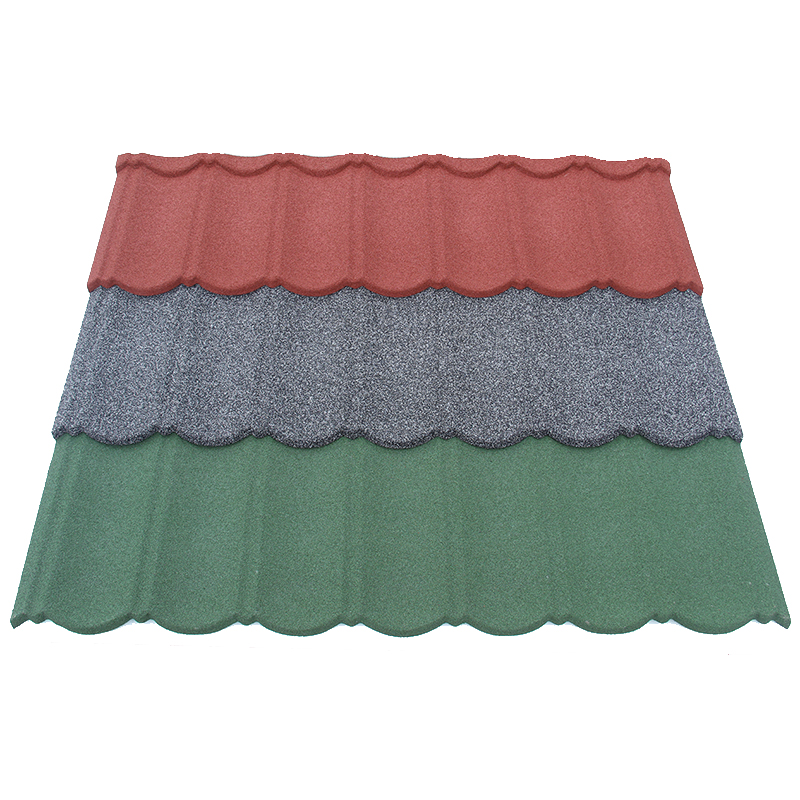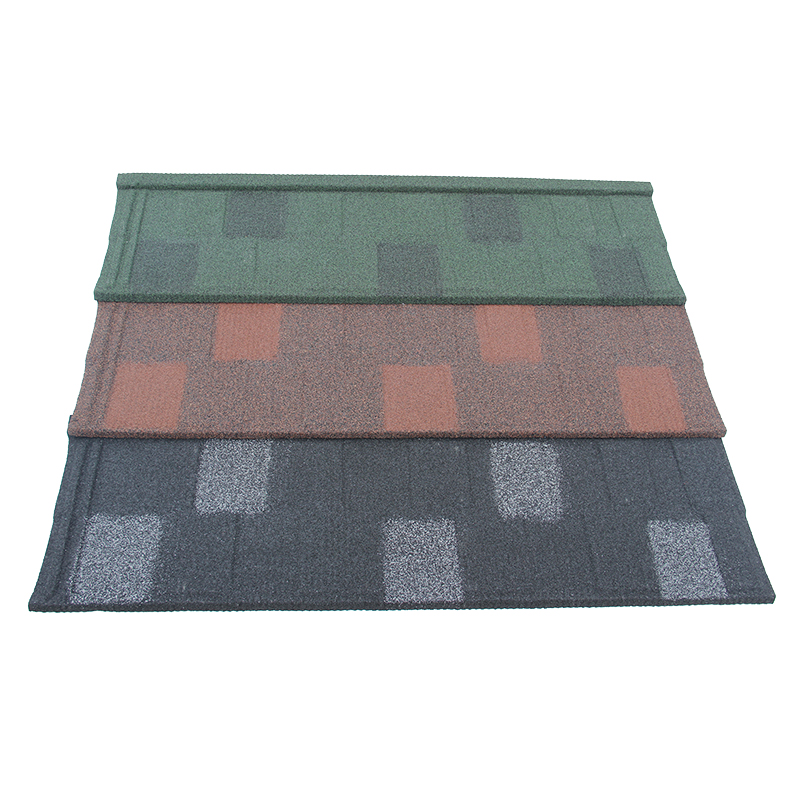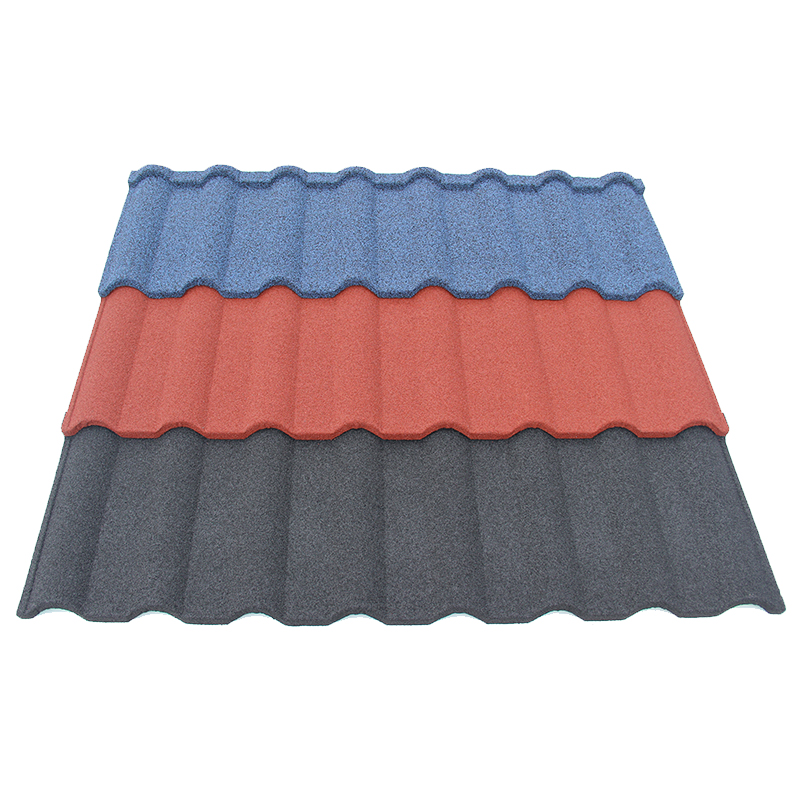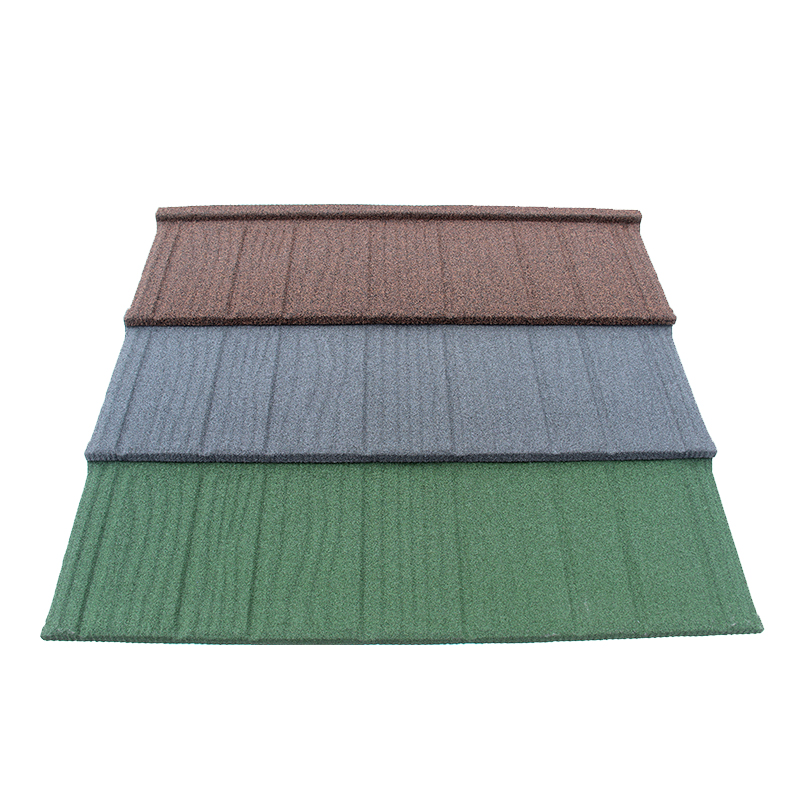


Stone coated roof tiles quote comparison Latin America and the Caribbean needs one shared delivery point and product scope. A local material price, an installed roof bid, and a China export offer include different costs. Put those differences on paper before ranking totals. Keep the original currency, quote date, and effective cover beside every price.
The destination country also matters. Customs records, local transport, and the party handling entry can change the comparison. None of those items proves that a tile suits the proposed building. Keep project acceptance with the responsible designer and local reviewer.
Set stone coated roof tiles quote comparison Latin America and the Caribbean on equal terms

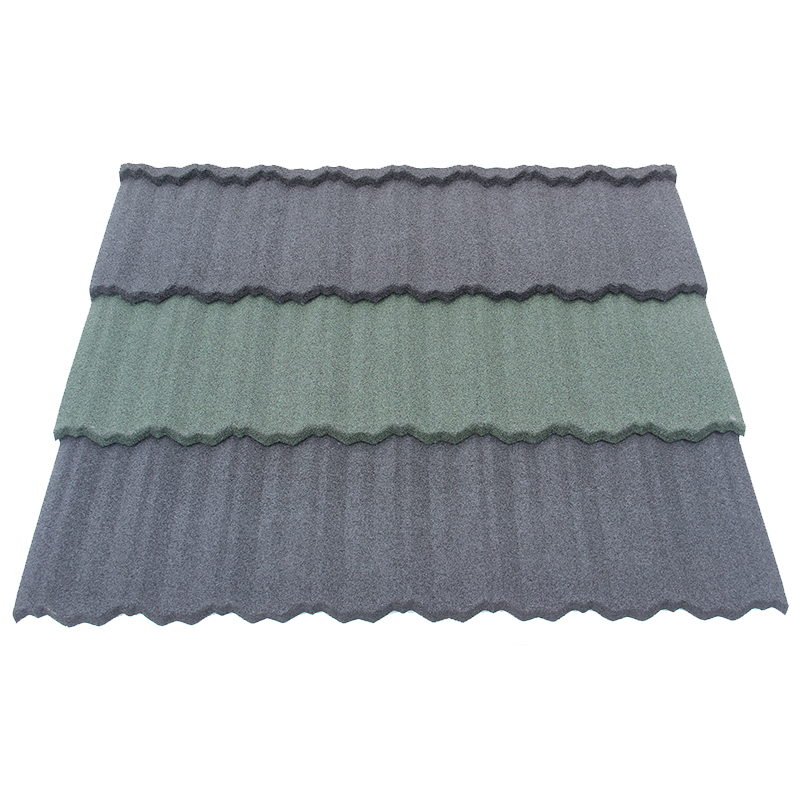
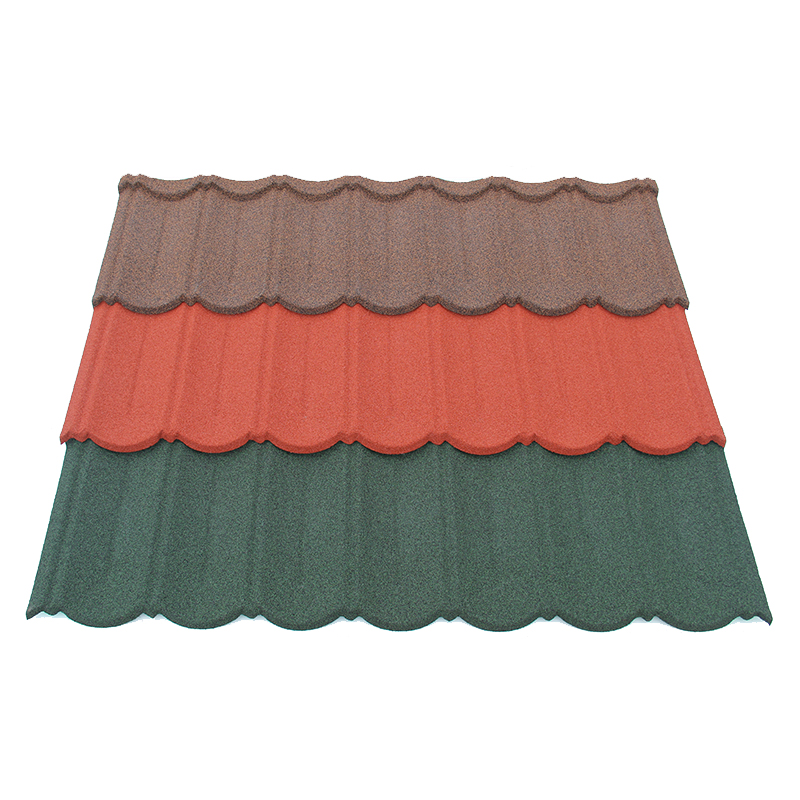
Start with the roof drawing and a named product version. Ask bidders to show panel quantities, effective cover, finish, and required trims. Full panel area is not the same as covered roof area. Separate cuts and spare stock from the measured roof surface.
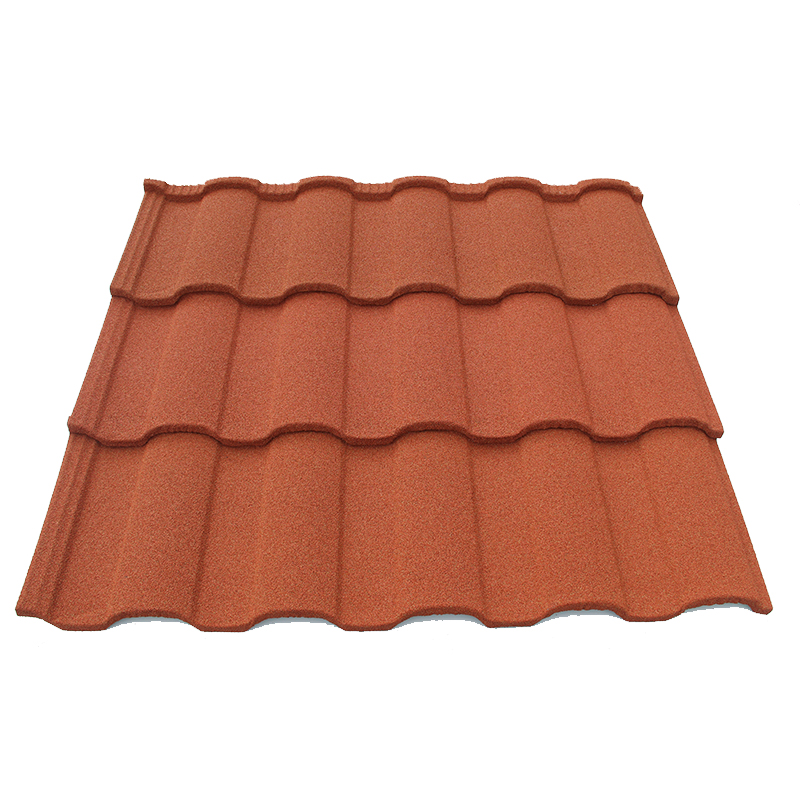
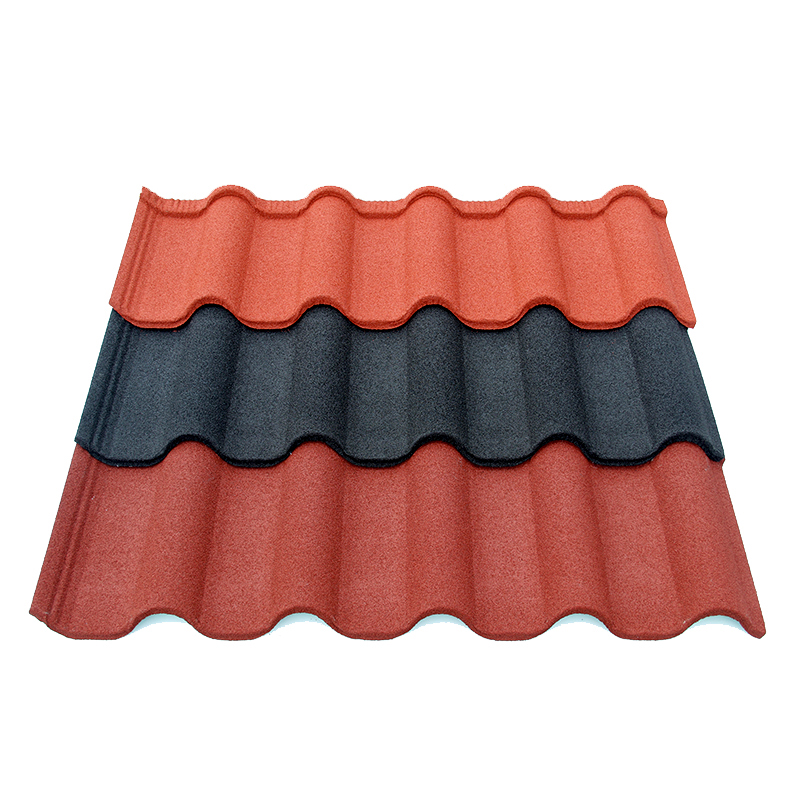
For example, the Bond tile product page gives an inquiry a clear profile reference. Ask for the specification and records for the actual quoted version. A similar shape does not establish equal cover, accessory fit, or tested performance.
The regional import sourcing guide covers choosing the supply route. This comparison reviews the offers after that shortlist. Ask each seller where its responsibility ends and which costs remain with the buyer.
Use the specification and price comparison guide to align material descriptions first. Then compare pieces, roof area, and accessories on the same basis. Leave an unknown cost blank until the responsible party supplies an estimate.
Review the destination before accepting a delivered price
Country guides provide starting points for the importer’s checks. Some address US exporters, so their trade preferences cannot be assumed for China supply. Ask the broker to confirm current requirements for the actual product and origin. The following checks help define what each quotation should include.
Panama
The Panama import guide identifies the commercial invoice and transport document among essential records. Ask who prepares and checks those records within the quoted service. Name the final consignee and delivery address before requesting a landed estimate.
Also distinguish delivery into Panama from onward shipment elsewhere. A price to a regional warehouse does not include an unnamed final destination. Show onward handling, freight, and entry work separately when the project requires them.
Bahamas
The Bahamas Customs brochure provides cargo guidance and customs contacts. Use it to identify the right checking route. Its published tables do not establish the current charge for an unspecified roof tile.
Ask the broker to confirm classification and the actual arrival point. Then price any further movement to the receiving island or site. Keep terminal handling, unloading, and local delivery visible rather than treating a port freight figure as a site price.
Ecuador
The Ecuador import guide describes importer registration and ECUAPASS clearance. It also calls for detailed weight information. Ask the importer to review pack weights and invoice descriptions before the supply price becomes an order.
Show who handles declaration work and any applicable document review. Do not add a generic standards certificate charge without checking whether it applies. Compare local and imported offers at the same agreed unloading point.
Costa Rica
The Costa Rica customs guide describes TICA declarations and possible shipment controls. Those controls do not create one fixed clearance time for every load. Ask the broker what its quoted fee covers and which additional charges remain conditional.
Keep clearance, terminal charges, and inland delivery on separate lines. An installed bid also needs its own roof preparation and labor scope. Confirm that the installer accepts the proposed imported panel before combining those two offers.
Guatemala
The Guatemala import guide discusses origin evidence for CAFTA-DR preferences. That discussion does not grant those benefits to China-origin roofing. Ask the broker to check the actual origin and any preference claim shown in the estimate.
Compare the supplier’s original currency with a dated common-currency total. Keep taxes and border charges tied to the broker’s written basis. If a local merchant quotes collected goods, add transport to the same endpoint used for imported supply.
Barbados
The Barbados import guide lists invoice and transport records for entry. Its publication date also makes a current local check important. Ask the broker which forms and invoice fields apply to this shipment.
Then separate document preparation from port handling and delivery. Keep product warranty terms apart from any roofer’s labor promise. A supply quote does not include roof work simply because the seller helps with paperwork.
Bolivia
The Bolivia import guide lists transport, packing, and other applicable records. It includes inland and through transport documents. Ask the forwarder to describe the full proposed route and every handover within its estimate.
Keep transit costs separate from final Bolivian entry and site delivery. If two bids use different routes, compare their complete scopes. Do not rank them using only the first freight leg or export port price.
Honduras
The Honduras import guide stresses careful completion of customs records. Much of its detailed permit discussion concerns food and farm products. Those sector rules do not establish roof tile requirements.
Ask the roofing shipment’s broker for its own document list and fee scope. Match product names, quantities, and shipping details across that list. For local installation, request a separate written scope for trims, roof preparation, and disposal where relevant.
Paraguay
The Paraguay import guide discusses import records and document certification. Because the guide is older, ask the broker to confirm the current procedure and applicable fees. Put any required certification work beside the goods price.
Also ask for a route estimate through to the named receiving point. A port quotation outside Paraguay may leave substantial stages unpriced. Identify who arranges each stage and who handles a shortage discovered at the final handover.
Uruguay
The Uruguay import guide explains the DUA declaration and broker’s role. It separates exporter records from the importer’s filing tasks. Ask the broker to confirm the actual roofing transaction rather than applying US export filing rules to China.
Price document support, customs work, and site delivery as distinct tasks. Ask the installer whether its offer includes checking buyer-supplied stock. A missing acceptance check remains a scope gap even when the material total is firm.
Haiti
The Haiti customs guide lists the invoice and bill of lading among core records. It also describes cargo and destination details on the transport record. Align those details with the forwarder’s proposed handover.
Request a current route and receiving plan from the appointed local parties. Show which costs are firm and which depend on booking or access. Keep a site delivery promise separate from an estimate that stops at arrival.
Separate local materials, installed work, and China export

Each offer type can be useful, but each needs its own cost column. A merchant may price collected stock. A roofer may include goods, access, and labor. A China supplier may quote only to a named export handover. Bring them to one endpoint using written estimates for the missing stages.
| Review line | Local material offer | Installed roof offer | China export offer |
|---|---|---|---|
| Goods | Named panels and trims | Named complete scope | Named export package |
| Delivery | Collection or delivery point | Agreed site handover | Trade term and named place |
| Entry costs | Check included basis | Check included basis | Obtain broker estimate |
| Roof work | Separate local bid | Written work scope | Separate accepted local bid |
| Open costs | List gaps | List provisional work | List destination gaps |
Check additions before calculating the total
Ask for the accepted trade term and named place on the export offer. Obtain freight and destination estimates with their own dates and validity periods. A shipping term does not settle product acceptance or local installation. Assign those tasks to the project team and appointed installer.
The roof tile quotation guide helps organize the material inquiry. When contacting JCROOF, provide the destination and complete quantity schedule. Request the proposed product records and supply scope. Do not presume local stock, approval, or installation services.
Close the comparison with dated evidence
Keep original amounts beside any currency conversion. Record the exchange rate source and comparison date. Show taxes, freight estimates, and provisional roof repairs separately. Do not label an incomplete supply total as a complete installed roof cost.
Ask each bidder how changes become chargeable. Extra deck repairs or revised trim lengths need an agreed measurement and approval process. Set the process before work starts, rather than debating the basis after delivery.
Also check how the order can be split. A small first load and later top-up may carry different freight and handling costs. Ask the seller to price the proposed order size, rather than applying a bulk unit price to a trial order. Keep any minimum pack rule beside the quantity.
For local roof work, ask what happens if the goods arrive before the site is ready. Show who stores the packs and who pays for a second trip. The bid should also name the person who can approve extra work. These simple fields make the final cost sheet easier to use.
Finally, agree who counts packs and checks visible condition at handover. Keep photographs, labels, and packing records with the purchase order. List unresolved items beside the preferred quote and give each an owner. Approve the final order only after the responsible parties close those gaps.
Comparing roof tile quotes across these markets? Send us an inquiry with your country, delivery point, and product schedule. Our team will reply and help you clarify the material supply scope.