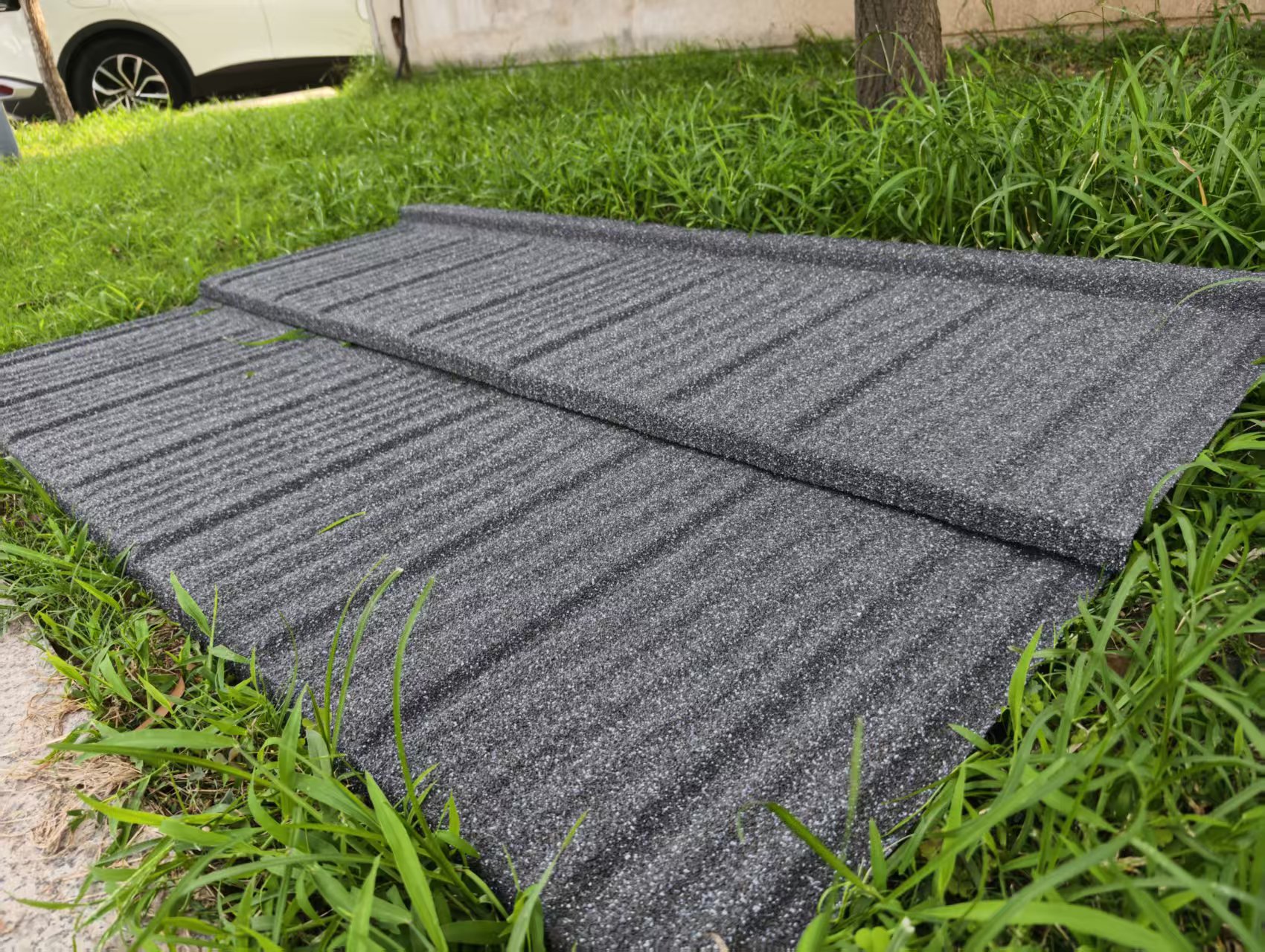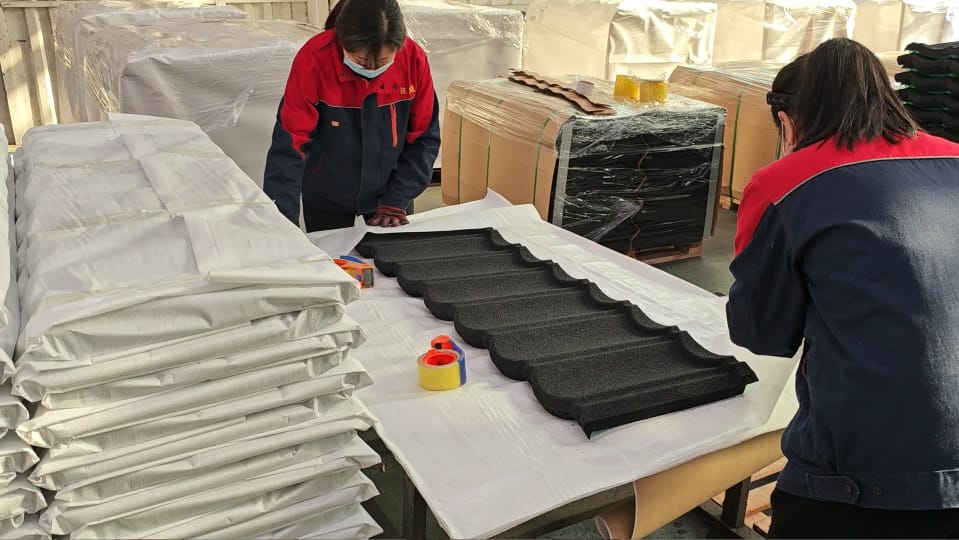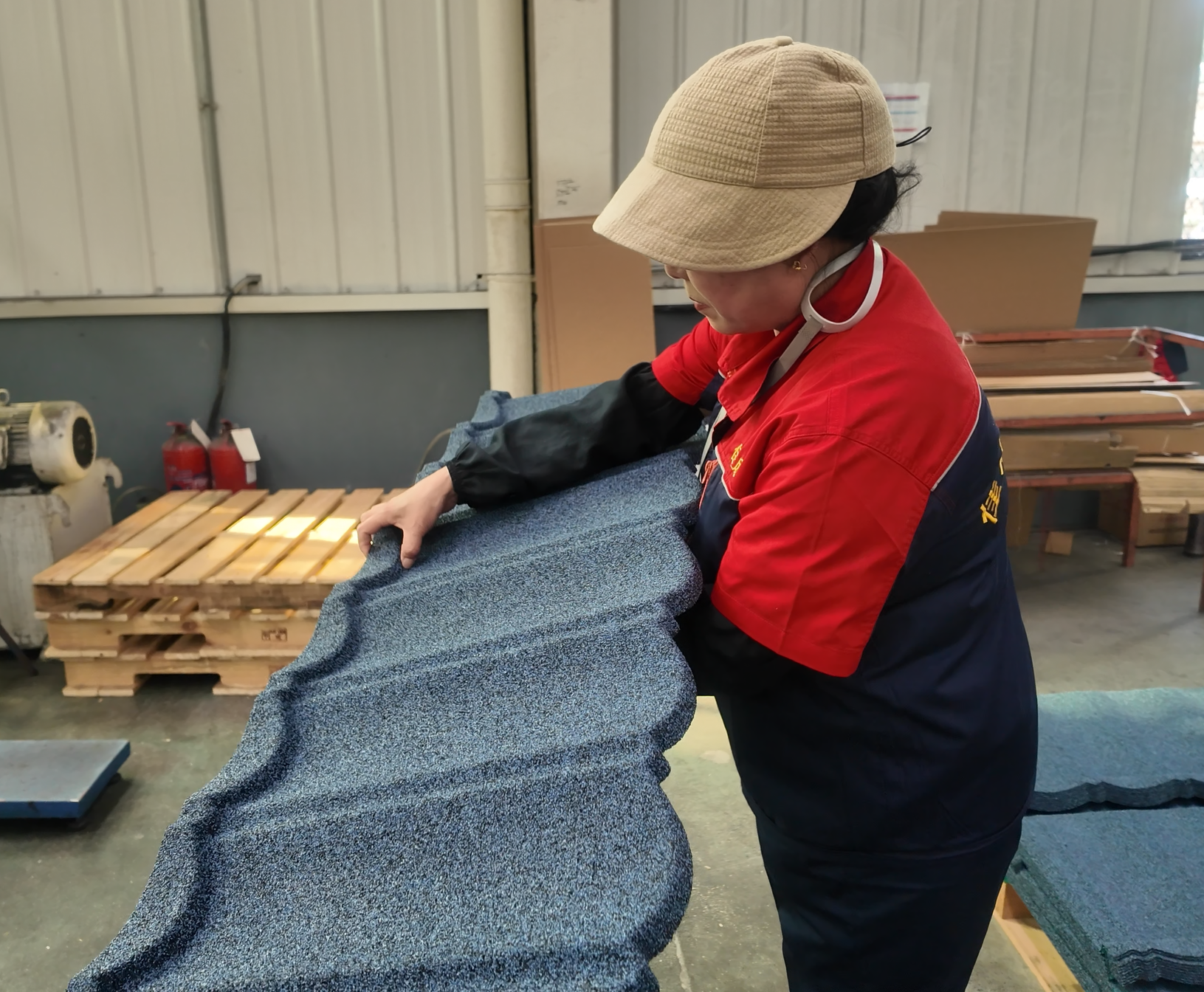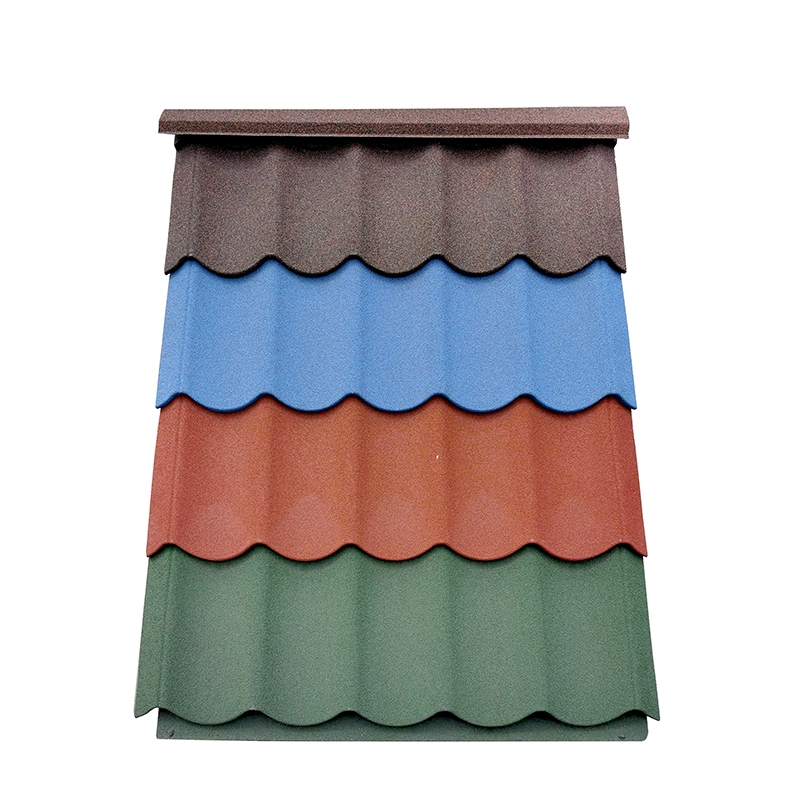

When evaluating stone coated roofing (stone coated steel roofing), most buyers focus on visible elements such as color, tile profile, or steel thickness. However, one of the most critical components is rarely discussed—the acrylic resin glue that bonds the stone granules to the steel surface.
This adhesive layer plays a decisive role in long-term performance, directly affecting granule retention, weather resistance, and overall durability. In many cases, the difference between a high-quality and low-quality stone coated metal roofing system comes down to the formulation and application of this “invisible” layer.
For contractors, distributors, and procurement teams, understanding how acrylic resin glue works can prevent costly quality issues and improve product selection decisions.
What Is Acrylic Resin Glue in Stone Coated Roofing?
Acrylic resin glue is a specialized polymer adhesive used to bond stone granules onto the coated steel surface. It is applied after the primer layer and before the granules are embedded.
Once cured, it forms a durable, flexible bond that holds the granules in place under various environmental conditions.
This layer must balance strong adhesion with flexibility to accommodate thermal expansion and contraction of the steel base.
Position in the Layer Structure
- Steel core (base material)
- Protective metallic coating (e.g., Aluzinc)
- Primer layer
- Acrylic resin adhesive layer
- Stone granules
- Protective overglaze
Why Acrylic Resin Glue Is Critical for Performance
The primary function of acrylic resin glue is to secure the stone granules. However, its role goes beyond simple bonding. It also contributes to impact resistance, surface durability, and long-term appearance stability.
If the adhesive fails, granules will loosen and fall off, exposing the underlying coating and accelerating wear.
This is one of the most common failure points in low-quality stone coated roofing products.
Key Performance Functions
- Strong granule adhesion under weather exposure
- Flexibility to handle temperature changes
- Resistance to UV degradation
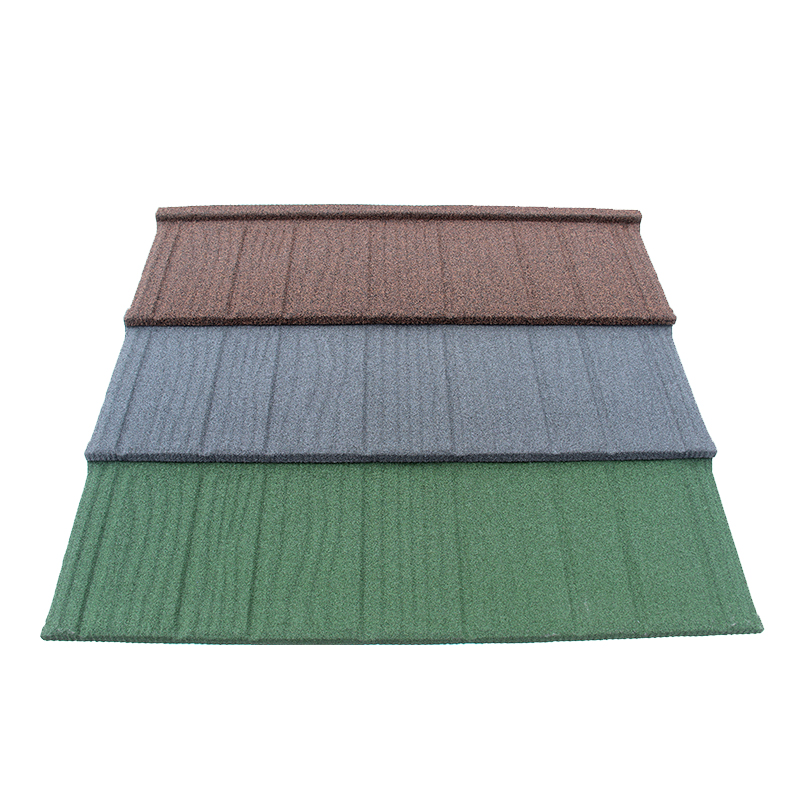
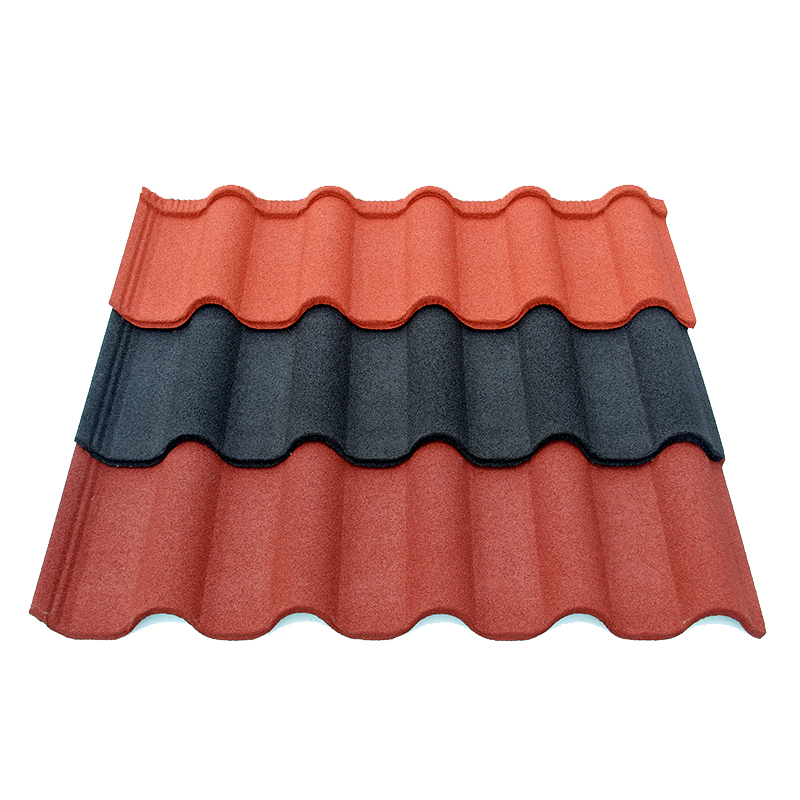
In textured profiles like Bond Tile, consistent adhesive performance ensures even granule distribution across both flat and contoured areas.
High-Quality vs Low-Quality Adhesive Systems
Not all acrylic resin adhesives are the same. Variations in formulation, application thickness, and curing process can significantly affect performance.
High-quality systems use advanced acrylic formulations designed for long-term outdoor exposure, while low-quality products may use diluted or less stable adhesives.
These differences are not always visible at first glance but become apparent over time.
Comparison of Adhesive Quality
| Factor | High-Quality Adhesive | Low-Quality Adhesive |
|---|---|---|
| Granule Retention | Strong, long-lasting | Granule loss over time |
| UV Resistance | Stable | Degrades under sunlight |
| Flexibility | Maintains bond under stress | Becomes brittle or weak |
How Adhesive Quality Affects Long-Term Appearance
Granule loss is one of the most visible signs of adhesive failure. As granules detach, the roof may develop patchy or uneven areas, affecting both aesthetics and protection.
This issue is often mistaken for “color fading,” but in reality, it is a bonding problem.
Maintaining a strong adhesive layer ensures consistent surface coverage over time.
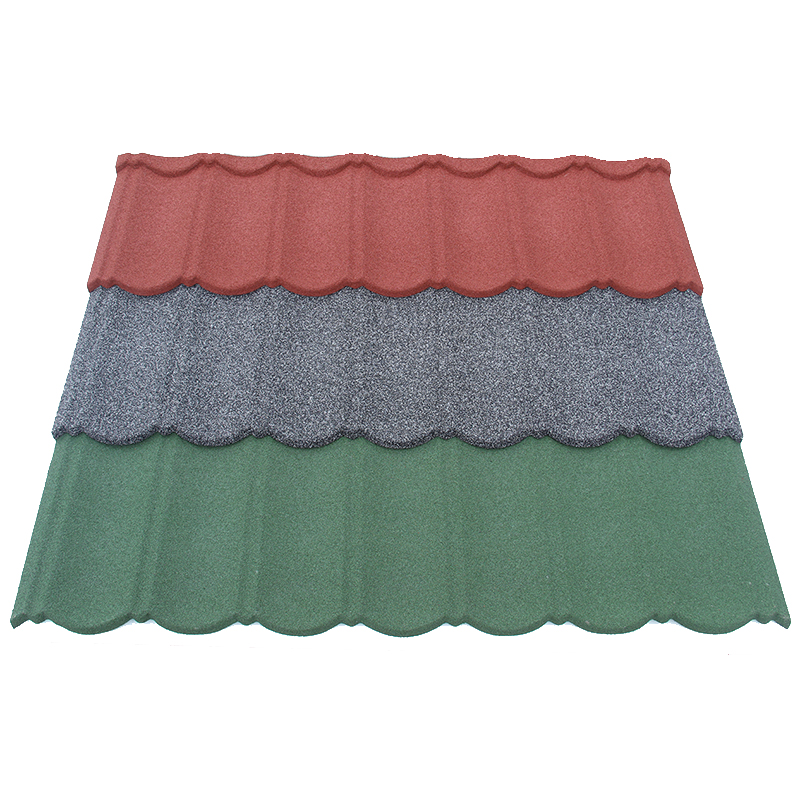
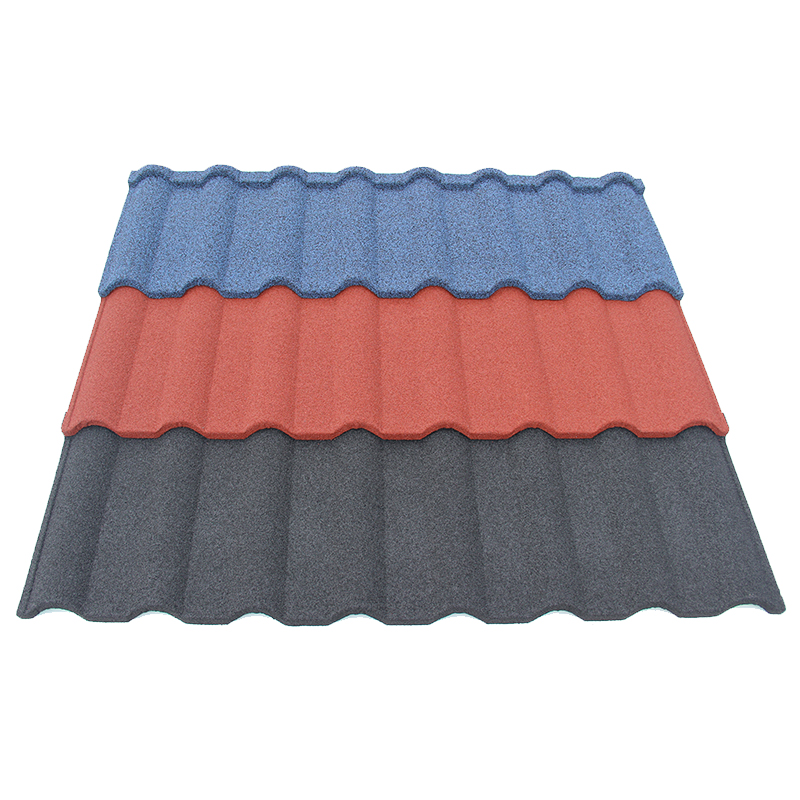
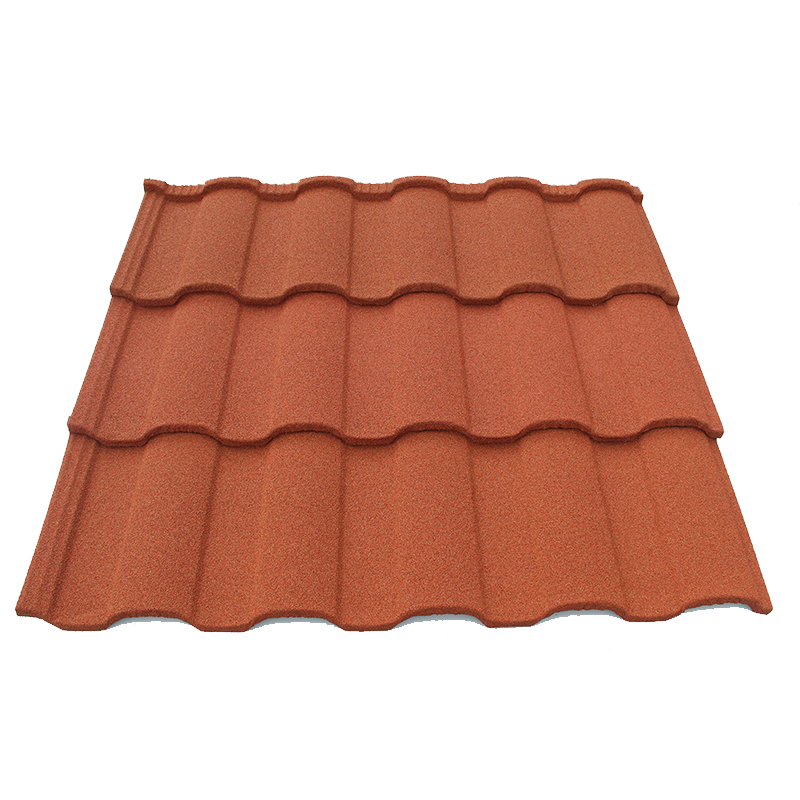
In curved profiles such as Roman Tile, uneven granule loss can be more noticeable due to light reflection across different angles.
Resistance to Environmental Stress
Acrylic resin glue must withstand a wide range of environmental conditions, including UV exposure, temperature fluctuations, moisture, and wind-driven debris.
High-quality formulations are designed to remain stable under these conditions without losing adhesion strength.
This is especially important in regions with extreme climates.
Environmental Challenges
- UV radiation breaking down weak adhesives
- Thermal expansion causing stress on the bond
- Moisture penetration affecting adhesion
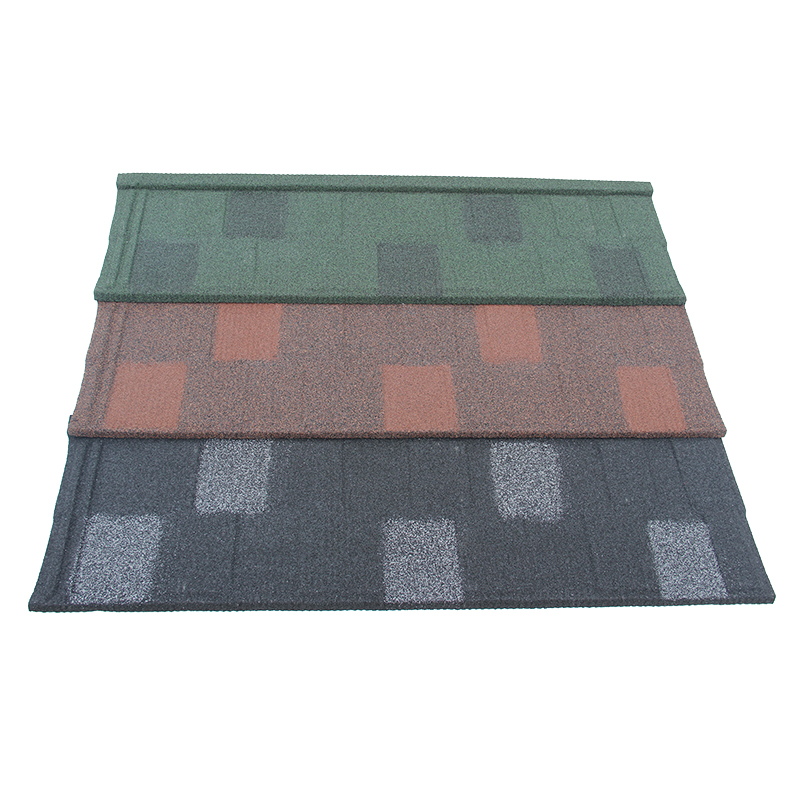
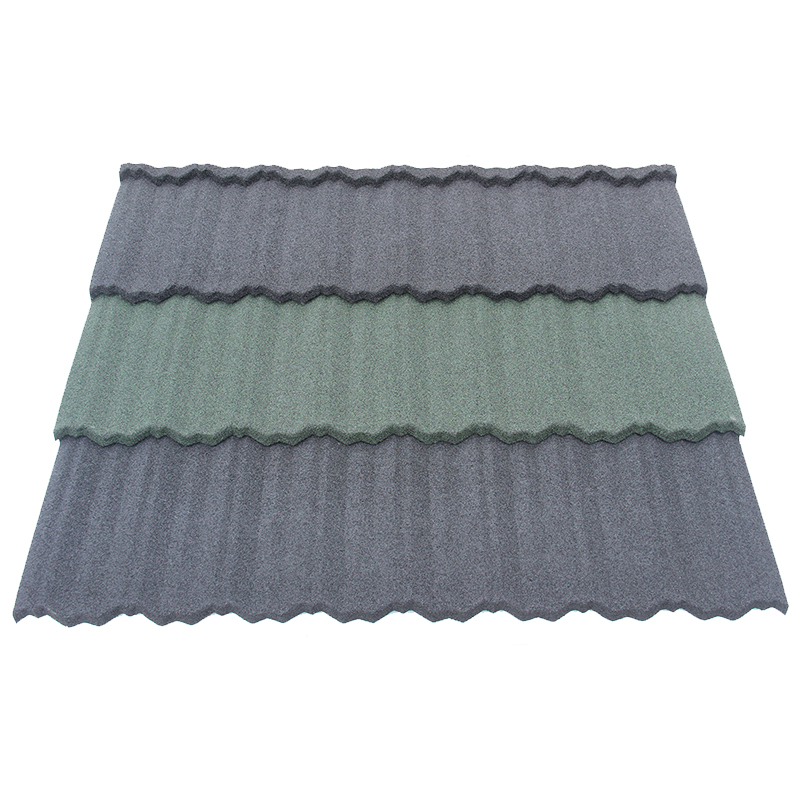
In flatter designs like Shingle Tile, consistent adhesive performance ensures uniform protection across the entire surface.
How to Identify Adhesive Quality in Practice
Unlike steel thickness or surface color, adhesive quality is not immediately visible. However, there are indirect ways to assess it during product evaluation.
Experienced buyers rely on both physical tests and supplier documentation.
Granule retention tests are particularly useful.
Evaluation Methods
- Rub test to check granule shedding
- Inspect packaging for loose granules
- Request adhesion and weathering test reports
- Review long-term project performance
Common Misconceptions About Stone Coated Roofing Quality
Many buyers focus on visible features and overlook the importance of the adhesive layer. This can lead to incorrect assumptions about product quality.
“Granules Are the Main Factor”
Granule quality matters, but without strong adhesive bonding, performance will still fail.
“Thicker Coating Means Better Durability”
Coating thickness does not compensate for weak adhesion.
“All Acrylic Adhesives Perform the Same”
Formulation and processing differences create significant performance gaps.
Why Adhesive Quality Matters for B2B Buyers
From a procurement perspective, adhesive performance directly impacts warranty claims, customer satisfaction, and brand reputation. Granule loss is one of the most common complaints in low-quality products.
Investing in high-quality adhesive systems reduces long-term risk.
This is particularly important for large-scale projects where consistency across batches is critical.
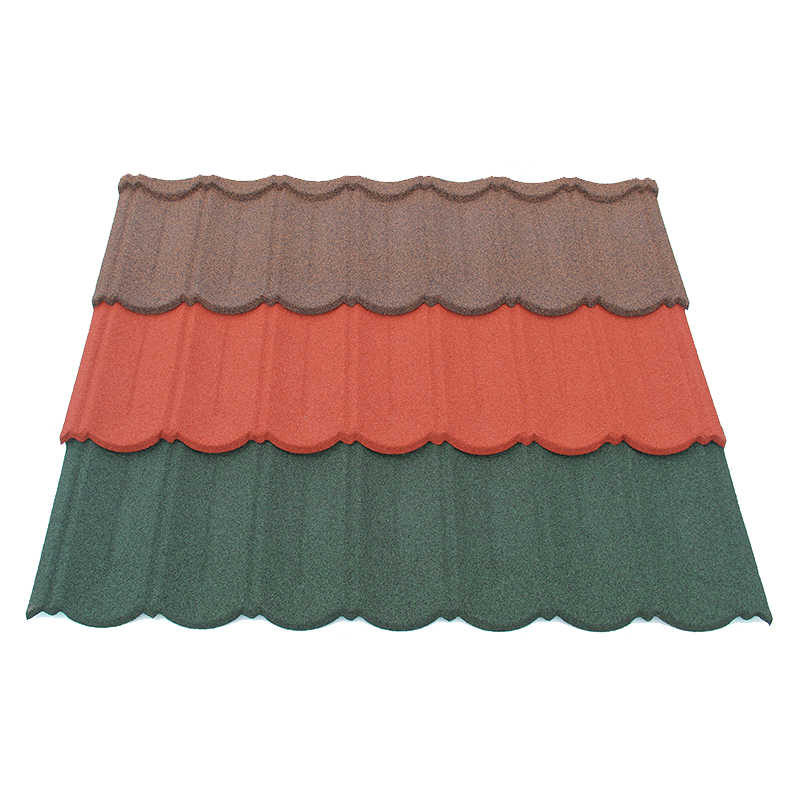
In premium profiles like Milano Tile, maintaining surface integrity is essential for both performance and visual appeal.
Practical Advice for Selecting Reliable Products
For contractors and distributors, evaluating adhesive quality should be part of the supplier selection process. While it may not be visible, it is a key determinant of long-term performance.
Reliable manufacturers typically provide detailed information about their coating and bonding systems.
Suppliers such as JCROOF often emphasize adhesive technology as part of their overall roofing system design.
Recommended Approach
- Verify granule adhesion through testing
- Request technical specifications for adhesive systems
- Check long-term performance references
- Avoid choosing products based only on price or appearance
Conclusion: The Hidden Factor Behind Long-Term Performance
Acrylic resin glue may not be visible, but it is one of the most important components in stone coated roofing. It determines how well the granules stay in place, how the roof withstands environmental stress, and how it looks over time.
For buyers and contractors, understanding this “invisible hero” helps ensure that stone coated steel roofing systems deliver not just initial appearance, but lasting performance and reliability.