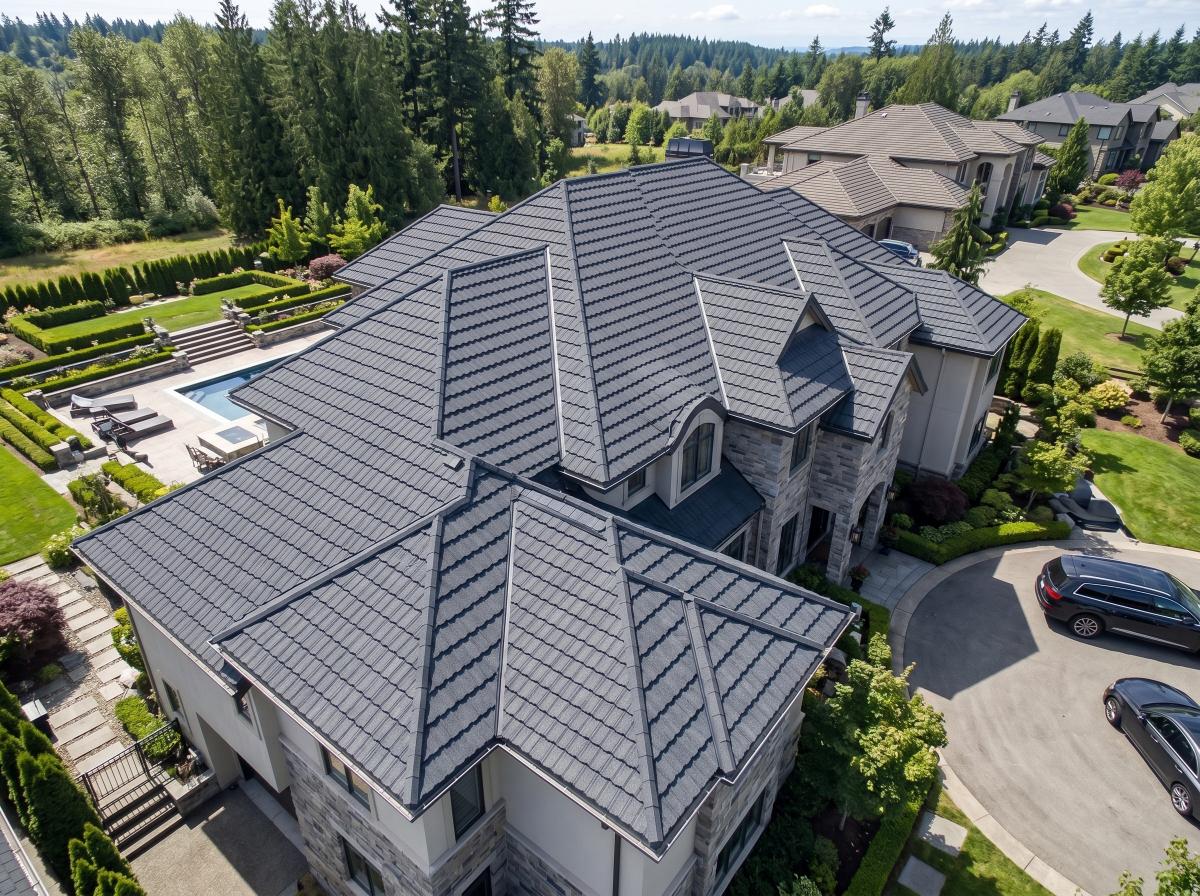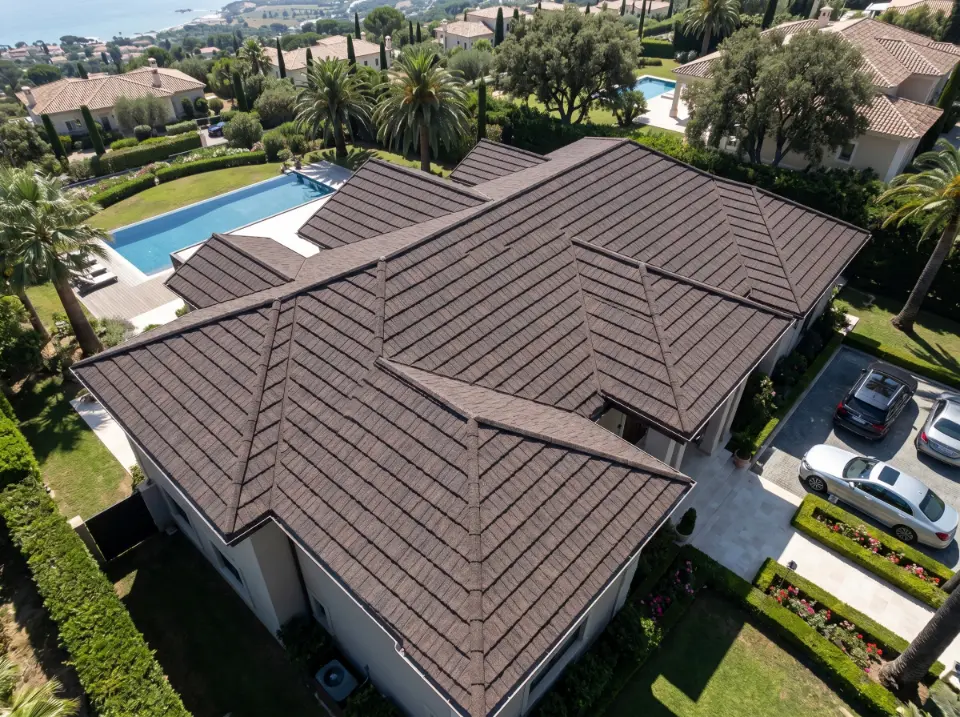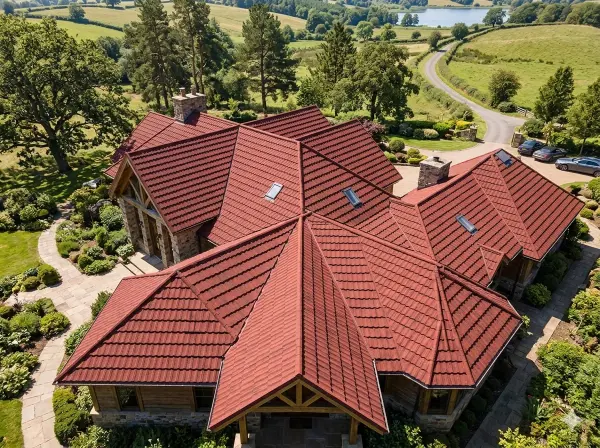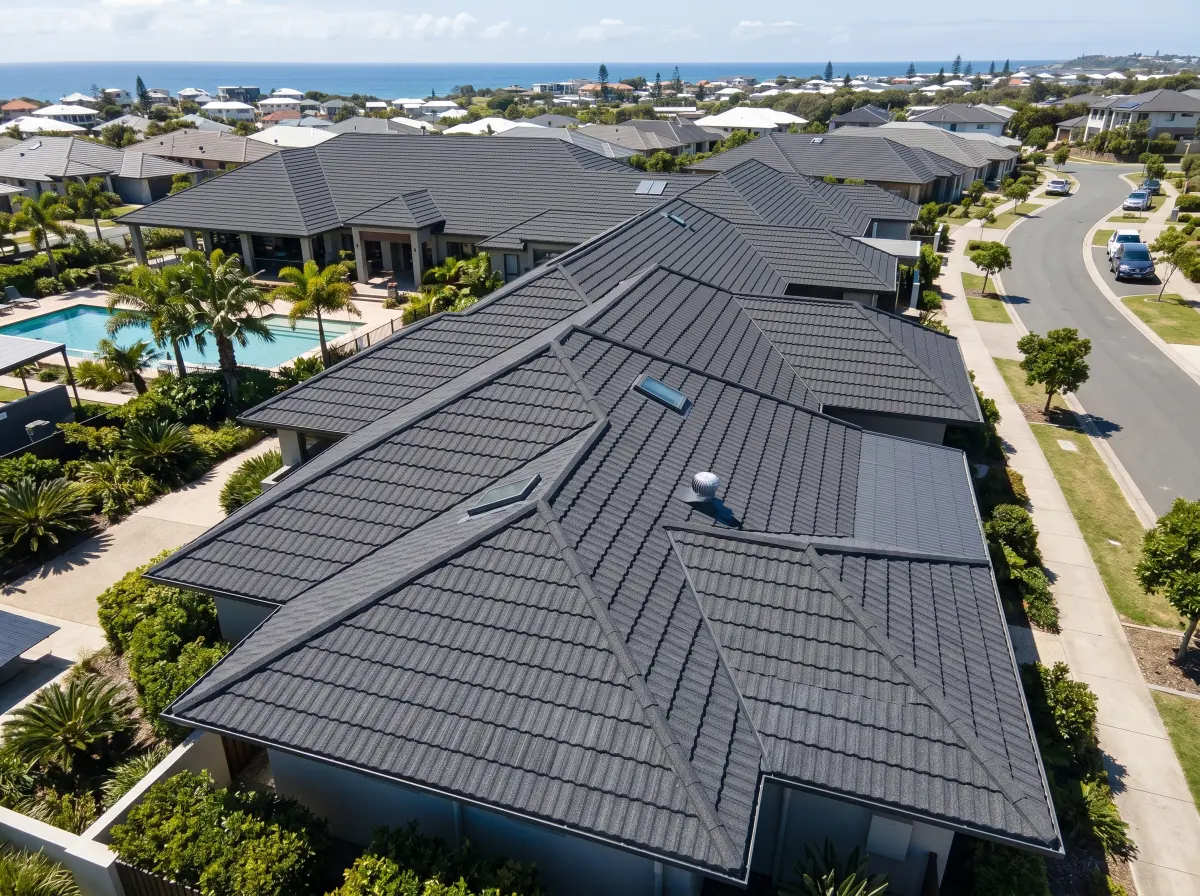

Fire safety is a critical consideration in modern construction, especially in regions prone to wildfires or strict building regulations. For stone coated roofing (stone coated steel roofing), achieving a Class A fire rating represents the highest level of fire resistance available for roofing materials.
This rating is not just a label—it reflects how a complete roofing system performs under severe fire exposure conditions. For contractors, distributors, and project developers, understanding what Class A fire rating means helps ensure compliance, safety, and long-term reliability.
What Is a Class A Fire Rating?
A Class A fire rating is the highest classification for fire resistance in roofing systems, typically defined by standards such as ASTM E108 or UL 790. It indicates that the roofing material can withstand severe fire exposure while minimizing flame spread and preventing structural ignition.
This rating applies to the entire roofing assembly, not just individual components.
It reflects real-world performance under controlled testing conditions.
Key Characteristics of Class A Roofing
- Effective resistance to flame spread
- High resistance to burning embers
- Limited contribution to fire growth
How Fire Ratings Are Tested
Fire rating tests simulate different fire scenarios to evaluate how roofing systems respond under stress. These tests measure flame spread, heat penetration, and the ability to resist ignition.
Only systems that meet strict criteria across multiple tests achieve Class A classification.
This ensures consistent performance in real fire situations.
Main Test Methods
- Spread of flame test
- Intermittent flame exposure
- Burning brand (ember) test
Why Stone Coated Roofing Achieves Class A Rating
Stone coated steel roofing systems are inherently resistant to fire due to their material composition. The steel core is non-combustible, and the stone granule surface adds an extra layer of protection against heat and flame.
This combination allows the system to perform well under fire exposure.
It also reduces the risk of ignition from external sources.
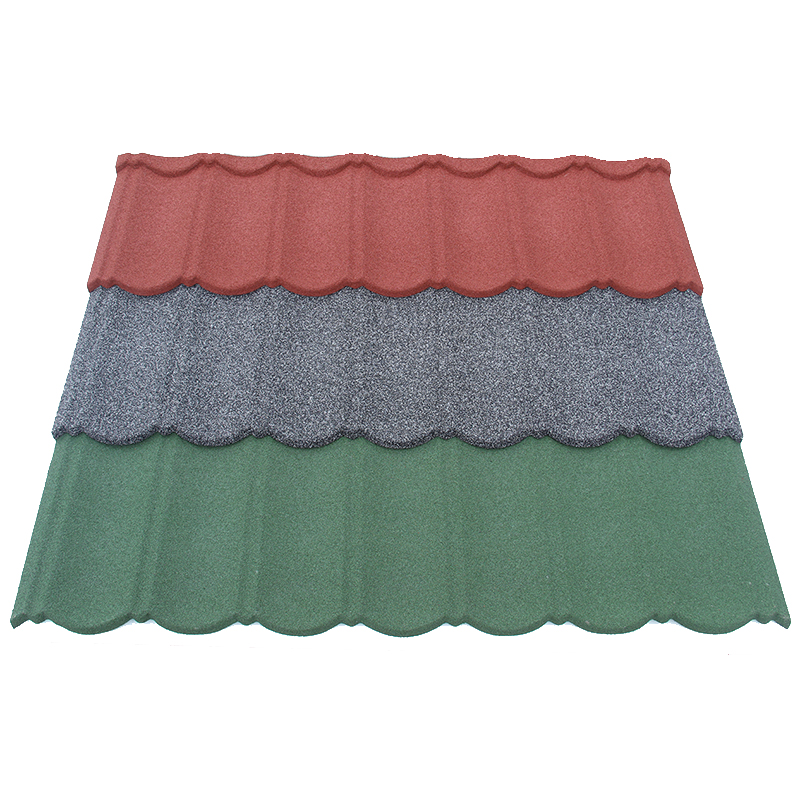
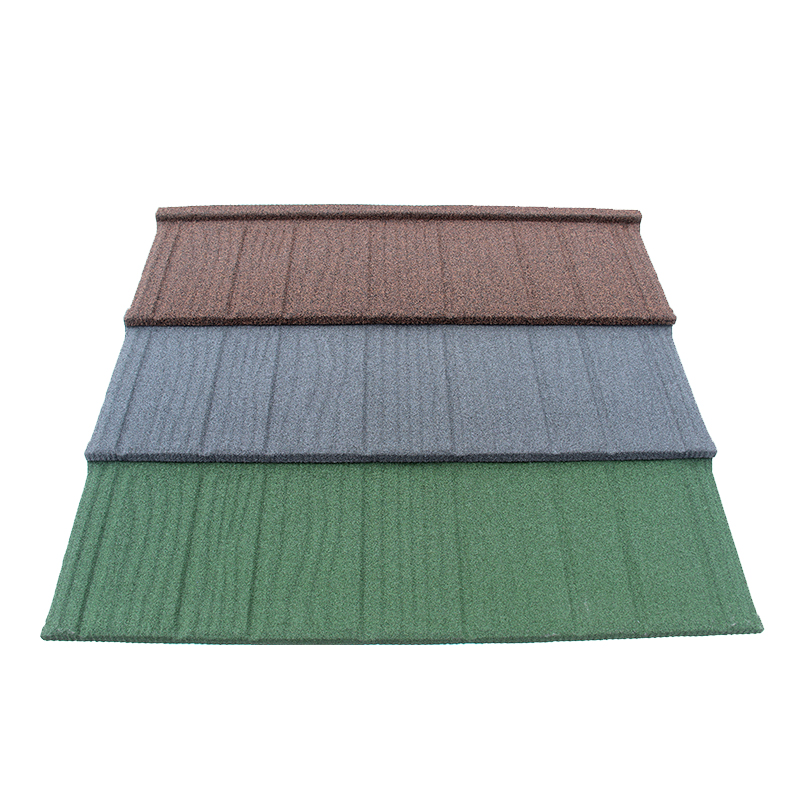
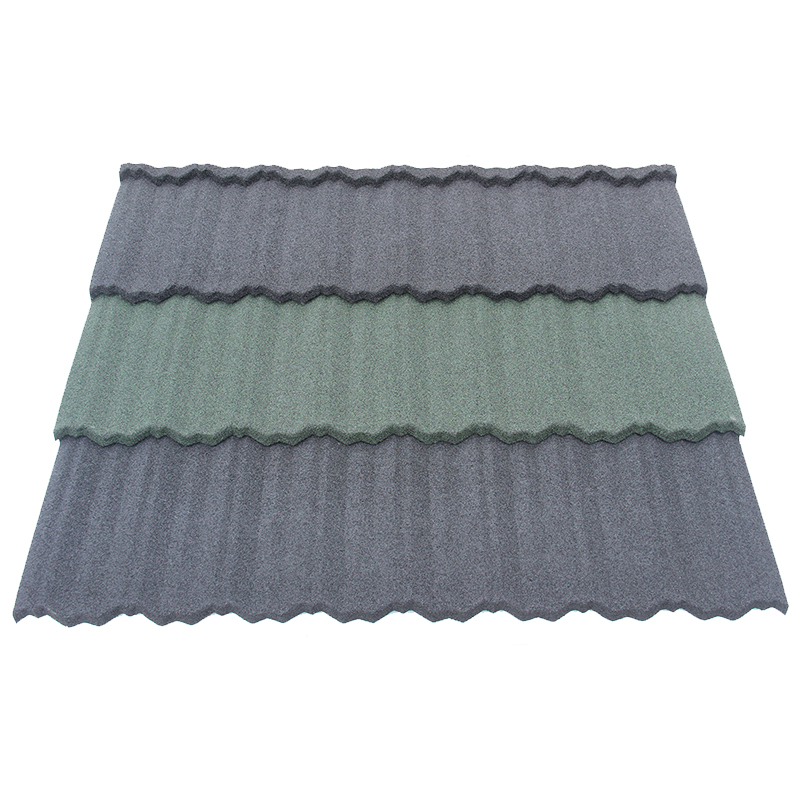
In profiles such as Bond Tile, the interlocking design further enhances system integrity during fire exposure.
System Components That Influence Fire Performance
It is important to understand that fire resistance depends on the entire roofing system, including underlayment and installation method. Even high-quality tiles can lose effectiveness if paired with unsuitable components.
Each layer contributes to the overall fire rating.
Proper system design is essential.
Critical Components
- Non-combustible steel base
- Stone-coated surface layer
- Fire-resistant underlayment
- Correct fastening and installation
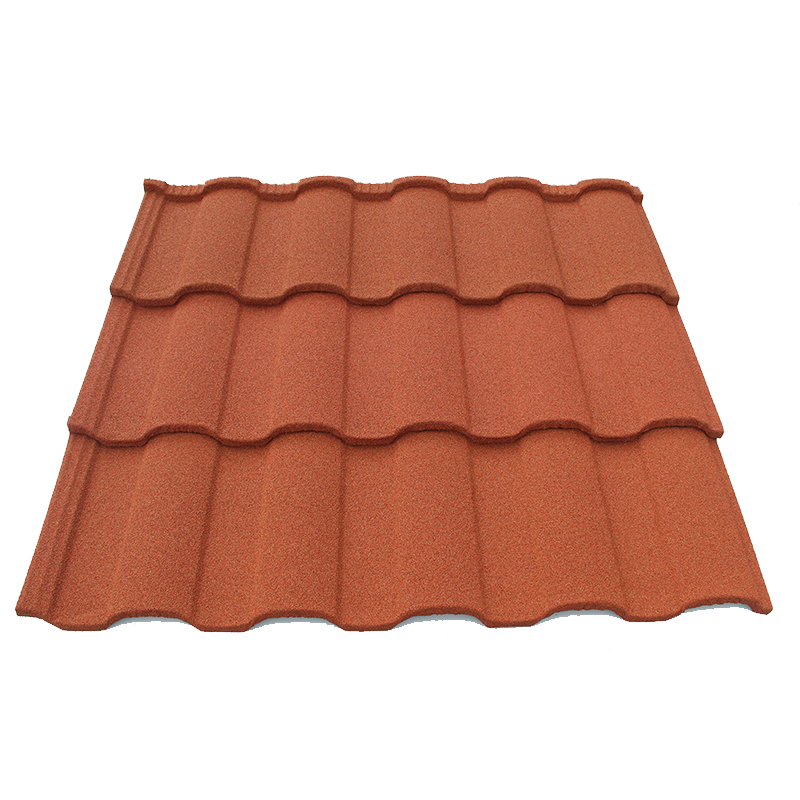
In curved designs like Roman Tile, maintaining proper installation spacing ensures consistent fire performance across the roof.
Class A vs Other Fire Ratings
Roofing materials are typically classified into three categories: Class A, Class B, and Class C. Each level represents a different degree of fire resistance.
Class A provides the highest level of protection, making it suitable for high-risk areas.
Lower ratings offer less resistance to flame spread and heat.
Comparison Table
| Rating | Fire Resistance Level | Typical Application |
|---|---|---|
| Class A | Highest | High-risk and wildfire مناطق |
| Class B | Moderate | Standard residential areas |
| Class C | Basic | Low-risk applications |
Benefits of Class A Fire-Rated Roofing
Choosing a Class A fire-rated roofing system provides multiple advantages beyond compliance. It enhances safety, reduces risk, and can even impact insurance considerations.
This makes it a preferred choice in many markets.
It also adds value to the property.
Key Benefits
- Improved fire safety for buildings
- Compliance with strict building codes
- Potential reduction in insurance premiums
- Enhanced property value
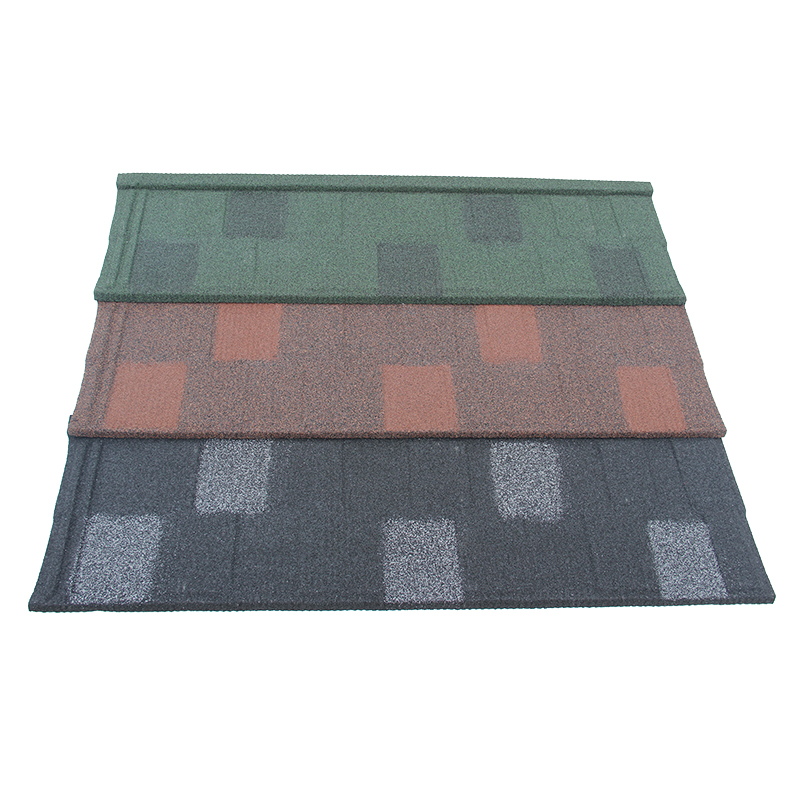
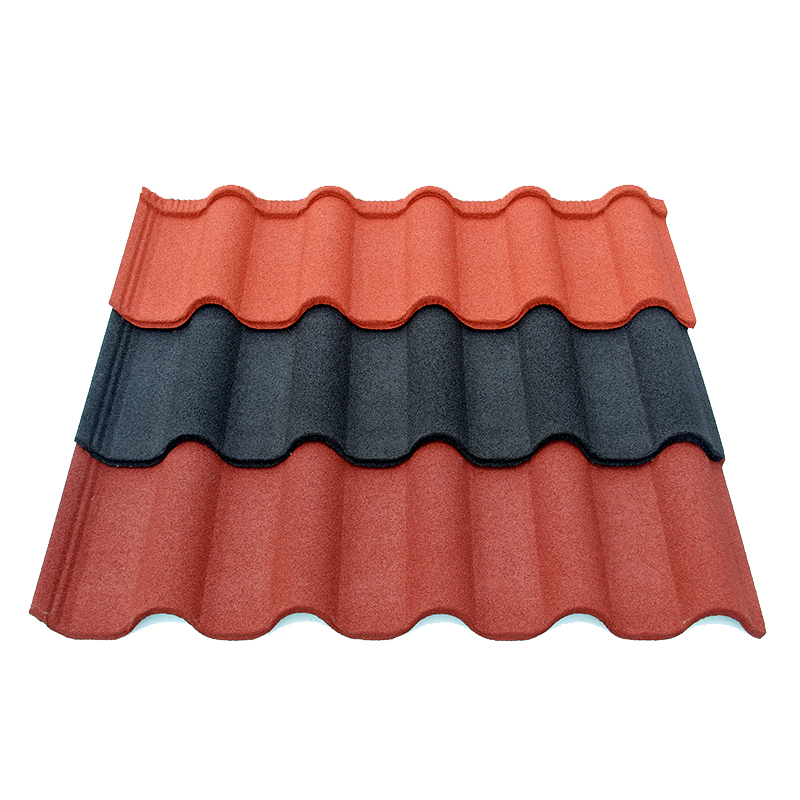
In modern applications using Shingle Tile, achieving Class A performance ensures both aesthetic appeal and safety standards.
Common Misconceptions About Fire Resistance
There are several misunderstandings about fire ratings that can lead to incorrect material selection.
“Metal Roofs Attract Fire”
Metal roofing does not attract fire; in fact, it resists ignition due to its non-combustible nature.
“All Roofing Materials with Coating Are Fire-Resistant”
Fire resistance depends on the entire system, not just surface coatings.
“Thicker Materials Are Always Safer”
Fire performance is determined by material composition and system design, not just thickness.
Why Fire Safety Matters for B2B Buyers
For developers and contractors, fire safety is not only a regulatory requirement but also a risk management factor. Selecting Class A-rated stone coated roofing reduces liability and ensures compliance with building standards.
This is especially important in regions with strict fire codes.
It also supports long-term project sustainability.
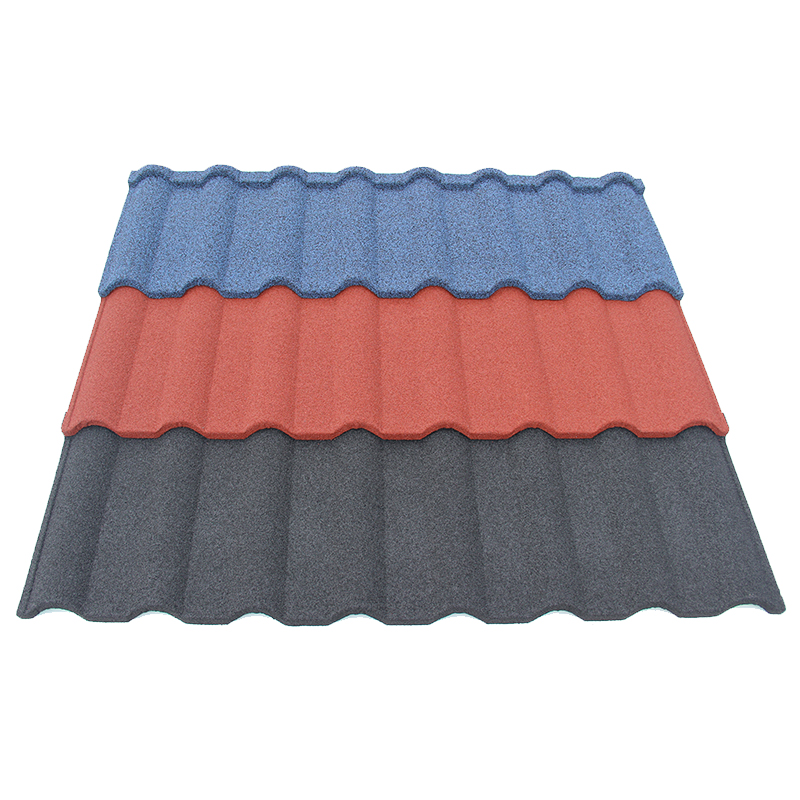
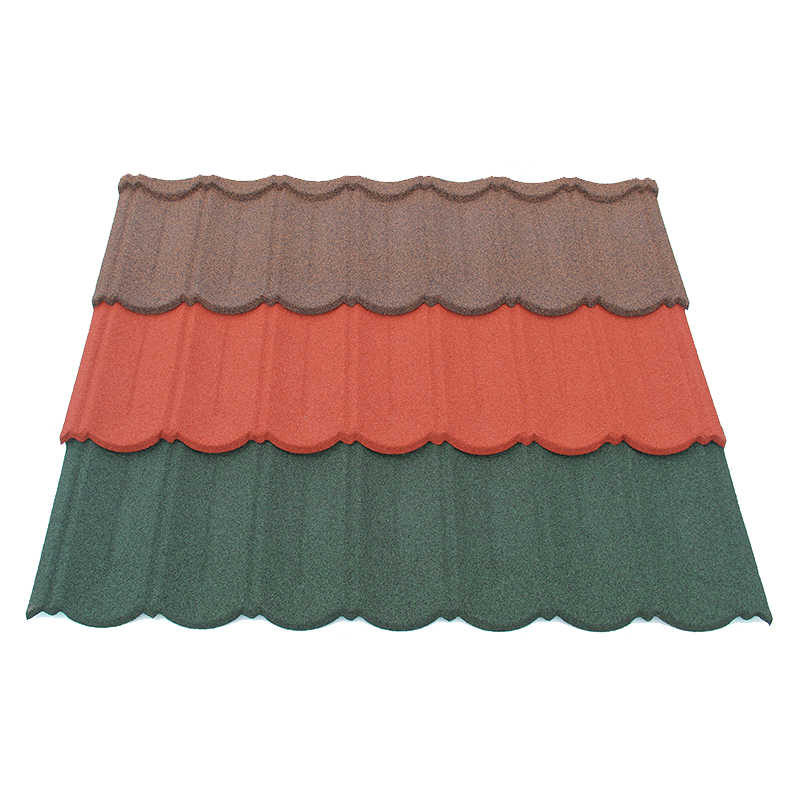
In premium systems like Milano Tile, combining fire resistance with durability and design enhances overall project value.
Practical Advice for Selecting Fire-Rated Roofing
When choosing a roofing system, it is important to verify certification and ensure that all components meet required standards. Relying on incomplete or unverified information can lead to compliance issues.
Working with experienced suppliers improves reliability.
Documentation is key.
Recommended Steps
- Request official fire rating certificates
- Confirm compliance with local building codes
- Ensure all system components are compatible
- Verify installation guidelines
Manufacturers such as JCROOF typically provide certified systems designed to meet Class A fire rating requirements, helping buyers ensure both safety and compliance.
Conclusion: Safety Starts with the Right System
Understanding the Class A fire rating is essential for selecting roofing systems that provide the highest level of fire protection. Stone coated steel roofing achieves this standard through its non-combustible materials and integrated system design.
For contractors and buyers, prioritizing fire-rated systems is not just about meeting regulations—it is about ensuring long-term safety, reliability, and value in every project.