
Stone coated roofing has become one of the most popular roofing systems for residential and commercial projects due to its durability, lightweight structure, and attractive appearance. However, like any building material, it is not completely free from issues. Understanding the common problems in stone coated roofing and how to prevent them is essential for distributors, contractors, and homeowners who want long-term performance and fewer maintenance risks.
Most roofing problems do not come from the material itself, but from poor manufacturing quality, incorrect installation, or weak maintenance practices. In this guide, we will break down the most frequent issues and explain practical ways to avoid them before they become costly failures.
1. Granule Loss on the Surface
One of the most common issues in stone coated roofing is the loss of stone granules from the surface. These granules provide UV protection and give the roof its color and texture. When they start to detach, the roof may lose both appearance and protective performance.
Why this happens
Granule loss usually happens because of weak adhesive bonding, low-quality acrylic resin, or improper curing during production. In some cases, rough handling during transportation can also damage the surface layer.
How to avoid it
To prevent this issue, buyers should choose manufacturers with strict quality control systems and proper curing processes. In addition, proper packaging during shipment plays a key role in protecting the surface.
2. Rust and Corrosion Over Time
Although stone coated roofing uses galvanized or galvalume steel, corrosion can still occur if the protective layers are damaged or if the base material is of low quality.
Why this happens
Rust often develops when the steel coating is too thin, or when the protective layers are scratched during installation. In coastal or high-humidity environments, poor-quality steel becomes even more vulnerable.
How to avoid it
To reduce corrosion risk, always verify steel thickness and coating standards before purchasing. Reliable suppliers also apply multiple protective layers to enhance long-term resistance against moisture and salt exposure.
3. Color Fading Under Sun Exposure
Color fading is another common complaint, especially in regions with strong UV radiation. Over time, roofs may lose their original color intensity and appear uneven.
Why this happens
The main reason is poor-quality stone granules or weak UV-resistant coatings. If pigments are not properly treated, sunlight will gradually break down the color layer.
How to avoid it
Buyers should select products that use high-temperature sintered stone granules and UV-resistant coatings. Premium manufacturers test color stability under simulated weather conditions before shipment.
4. Leakage Due to Improper Installation
Even high-quality stone coated roofing can leak if it is not installed correctly. This is one of the most critical issues affecting roof performance.
Why this happens
Leakage usually occurs when overlapping is incorrect, fasteners are not properly fixed, or underlayment is missing. Poor contractor experience is often the main cause.
How to avoid it
Always follow manufacturer installation guidelines and use trained installers. Proper use of underlayment and correct fastening systems significantly reduces leakage risks.
5. Panel Deformation During Transport or Installation
Roof panels may bend or deform if they are not handled correctly during shipping or installation. This affects both appearance and structural performance.
Why this happens
Improper stacking, excessive pressure during container loading, or careless handling on-site can cause deformation. Thin steel sheets are especially vulnerable.
How to avoid it
Manufacturers should use reinforced packaging and pallet systems. Contractors should also store materials on flat surfaces and avoid excessive stacking pressure.
6. Weak Adhesion Between Layers
Another hidden issue is poor bonding between steel, adhesive layer, and stone granules. This may not be visible at first but can lead to long-term failure.
Why this happens
This problem usually comes from low-quality acrylic resin or improper curing temperature during production. It can also result from inconsistent manufacturing processes.
How to avoid it
Choose manufacturers with automated production lines and strict curing control systems. High-quality factories perform adhesion testing before shipment to ensure long-term stability.
How to Select Reliable Stone Coated Roofing Suppliers
Most roofing problems can be avoided by choosing the right supplier from the beginning. A reliable manufacturer focuses not only on production but also on quality control, export experience, and long-term product performance.
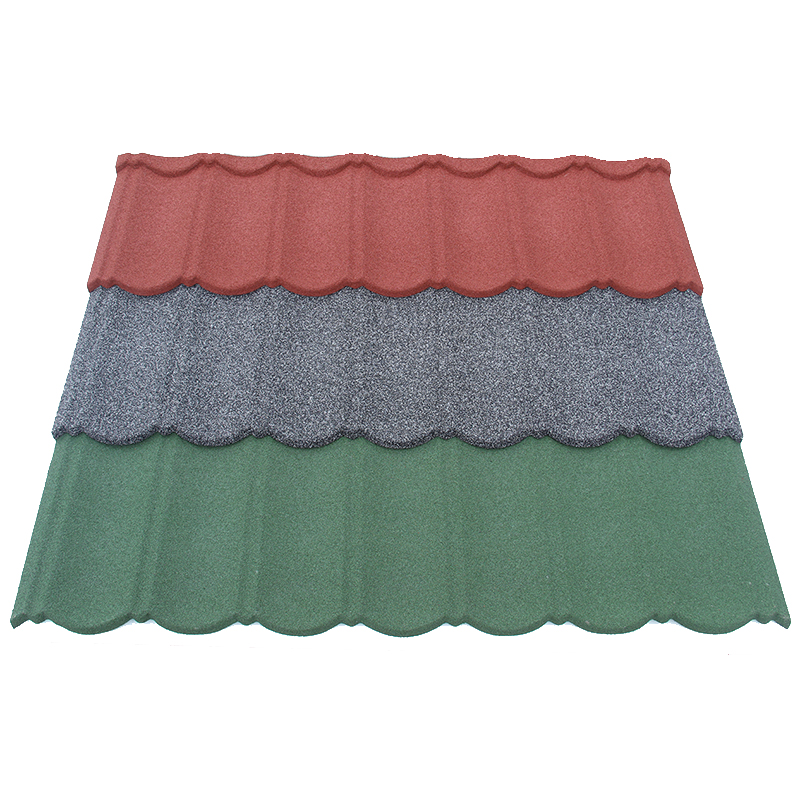
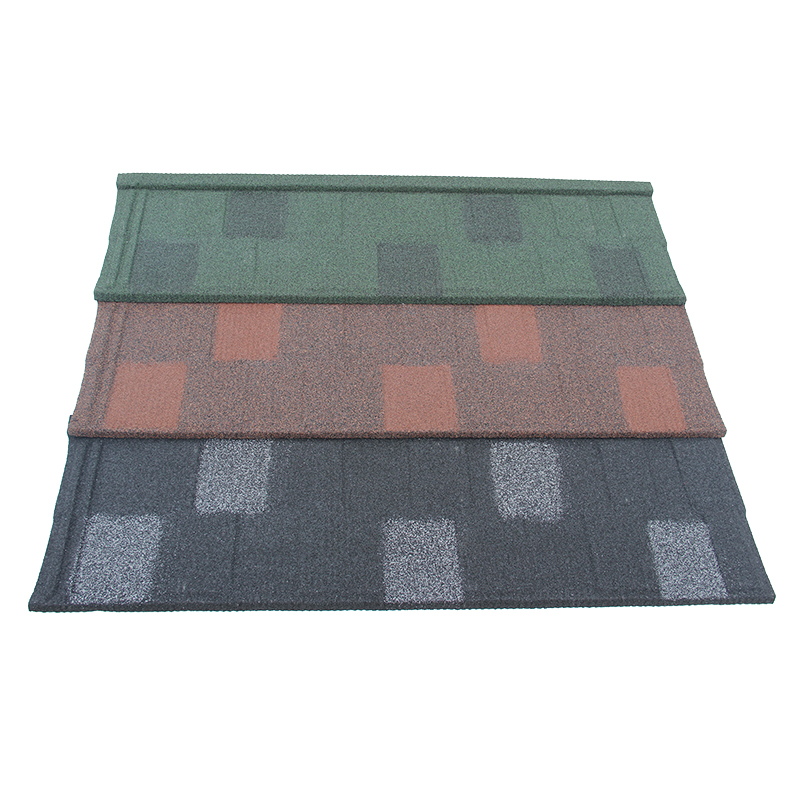
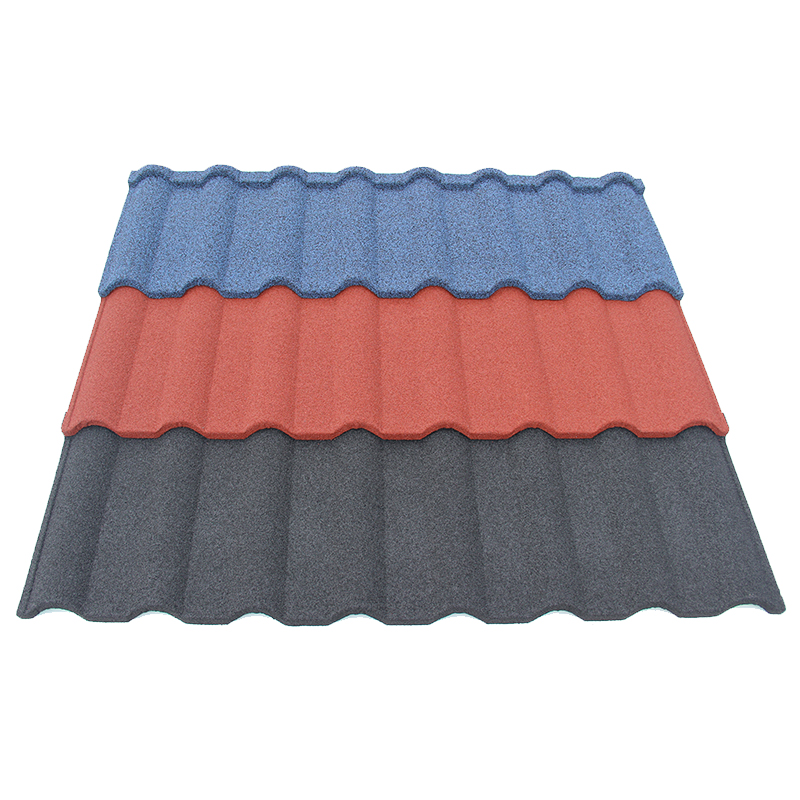
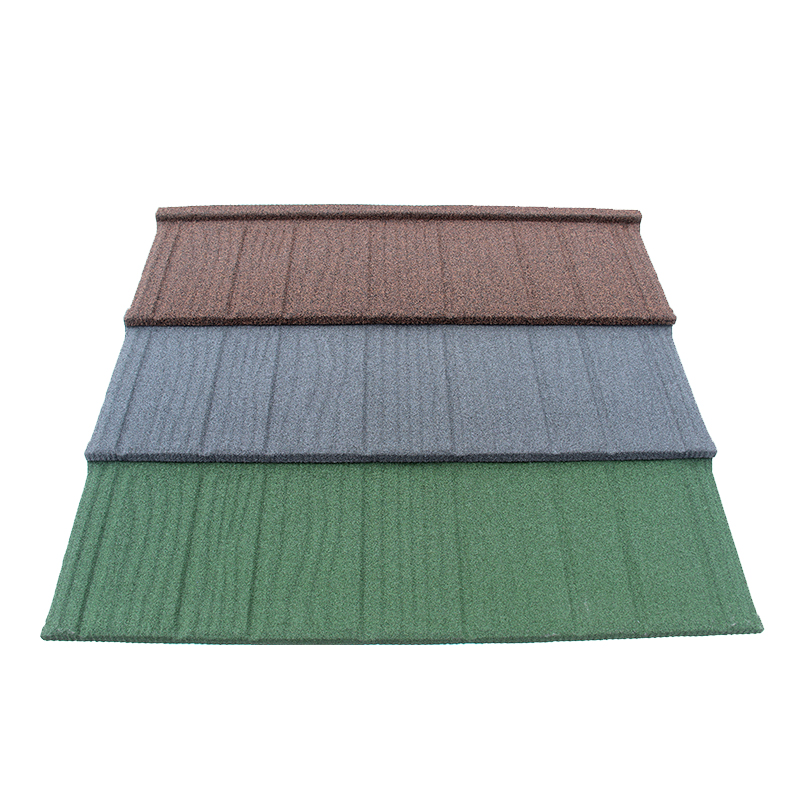
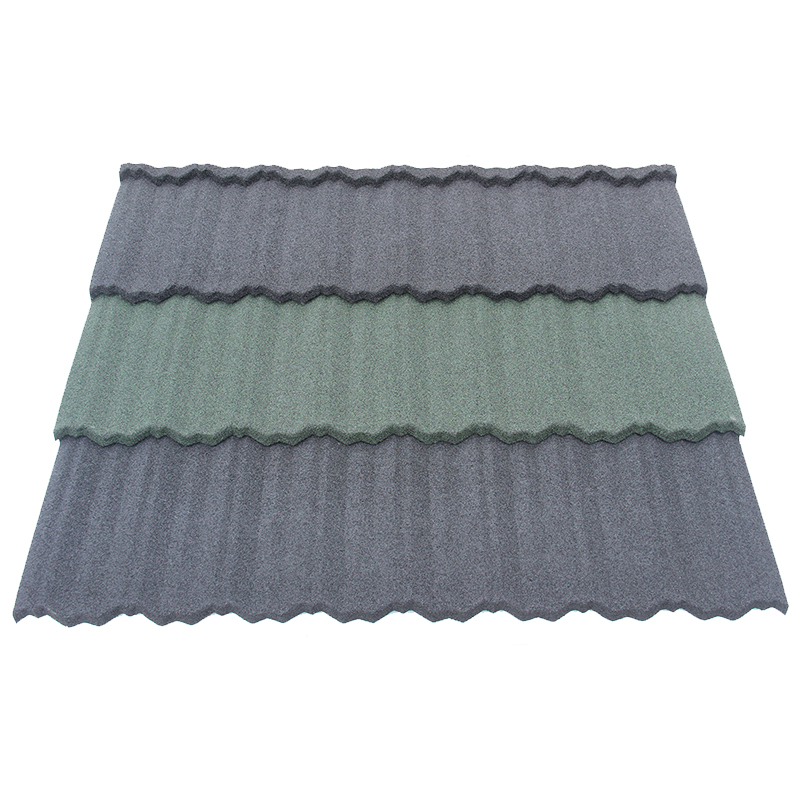
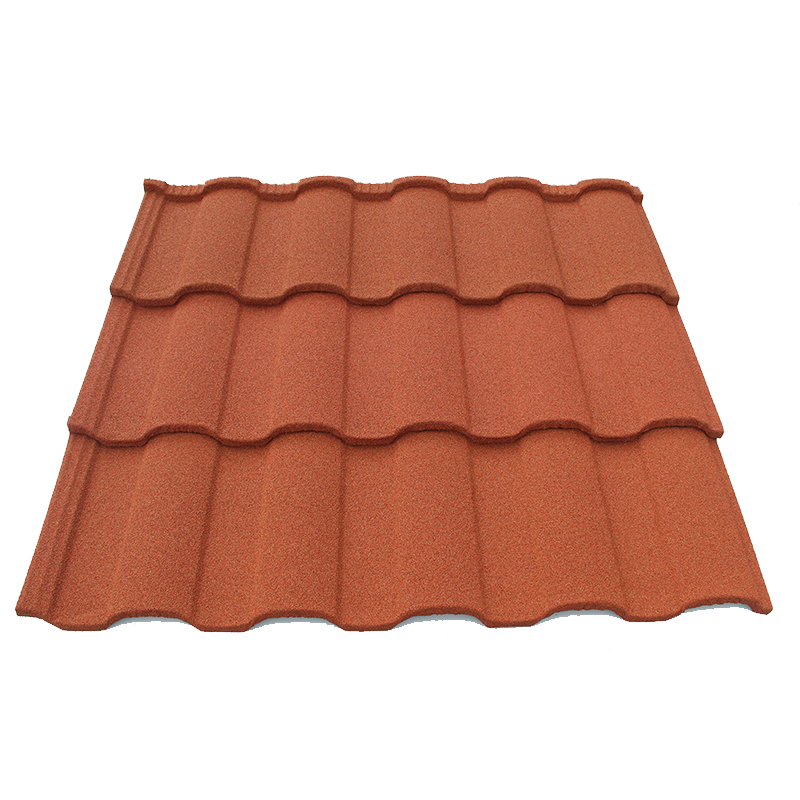
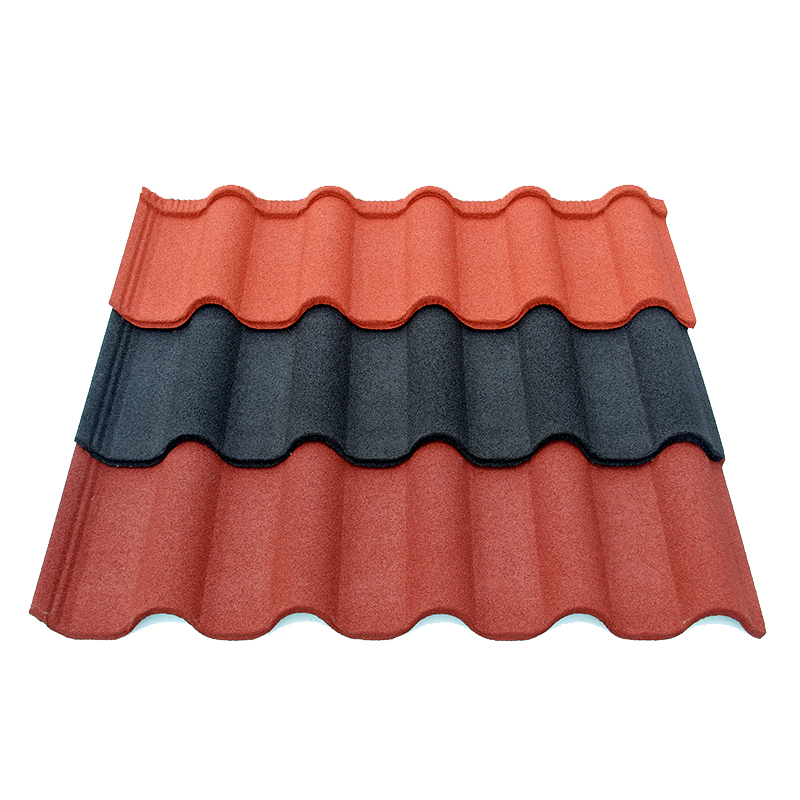
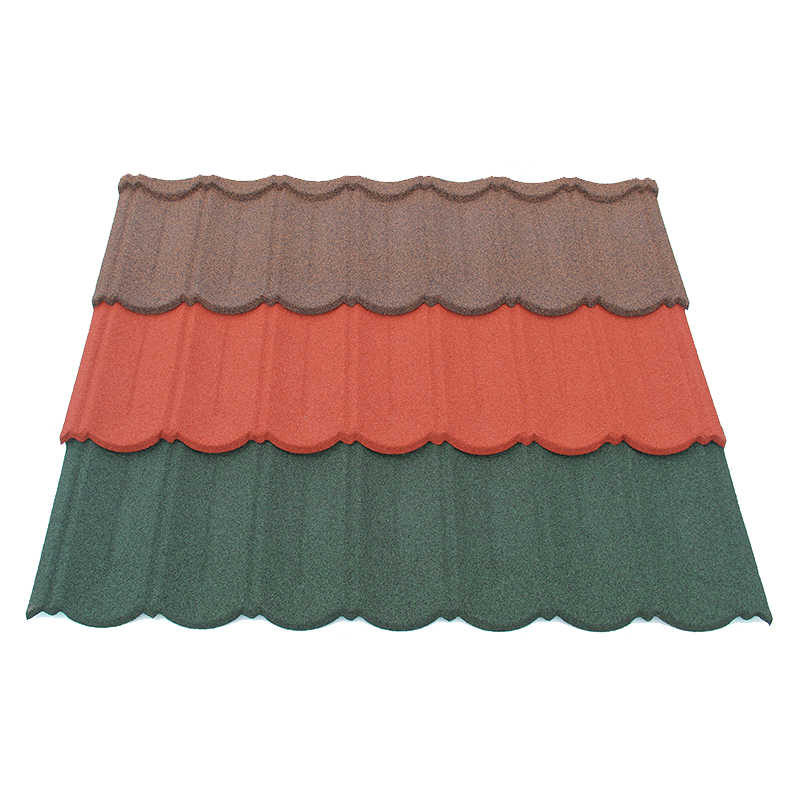
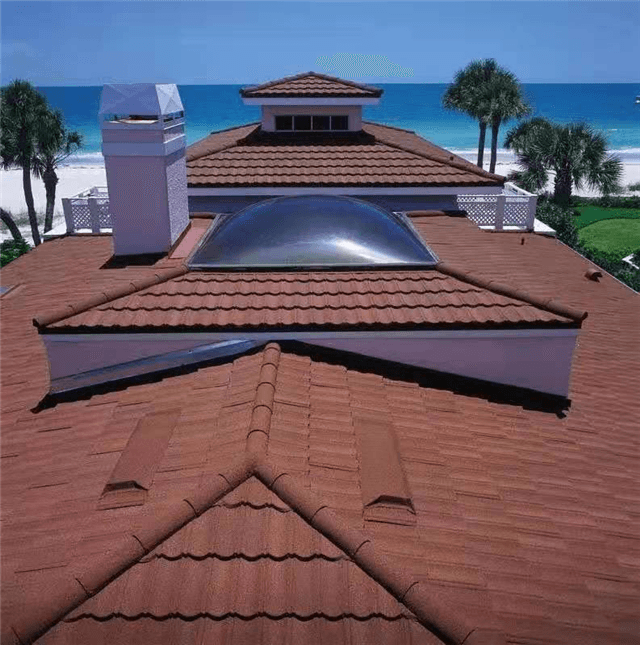
For example, products such as Bond Tile are widely used in residential projects due to their stable structure and consistent manufacturing quality. Similarly, Roman Tile offers strong architectural appeal with reliable performance in different climates.
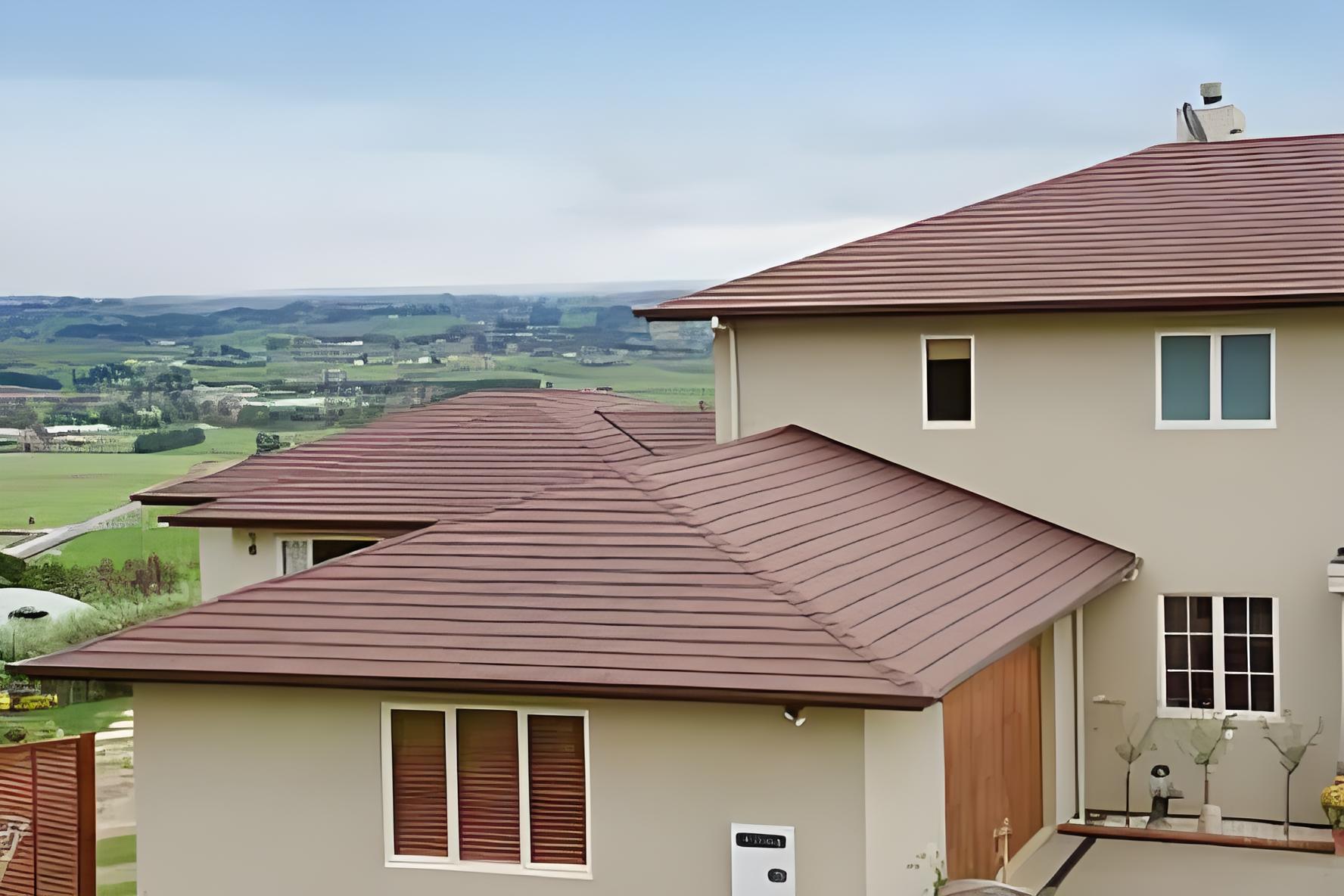
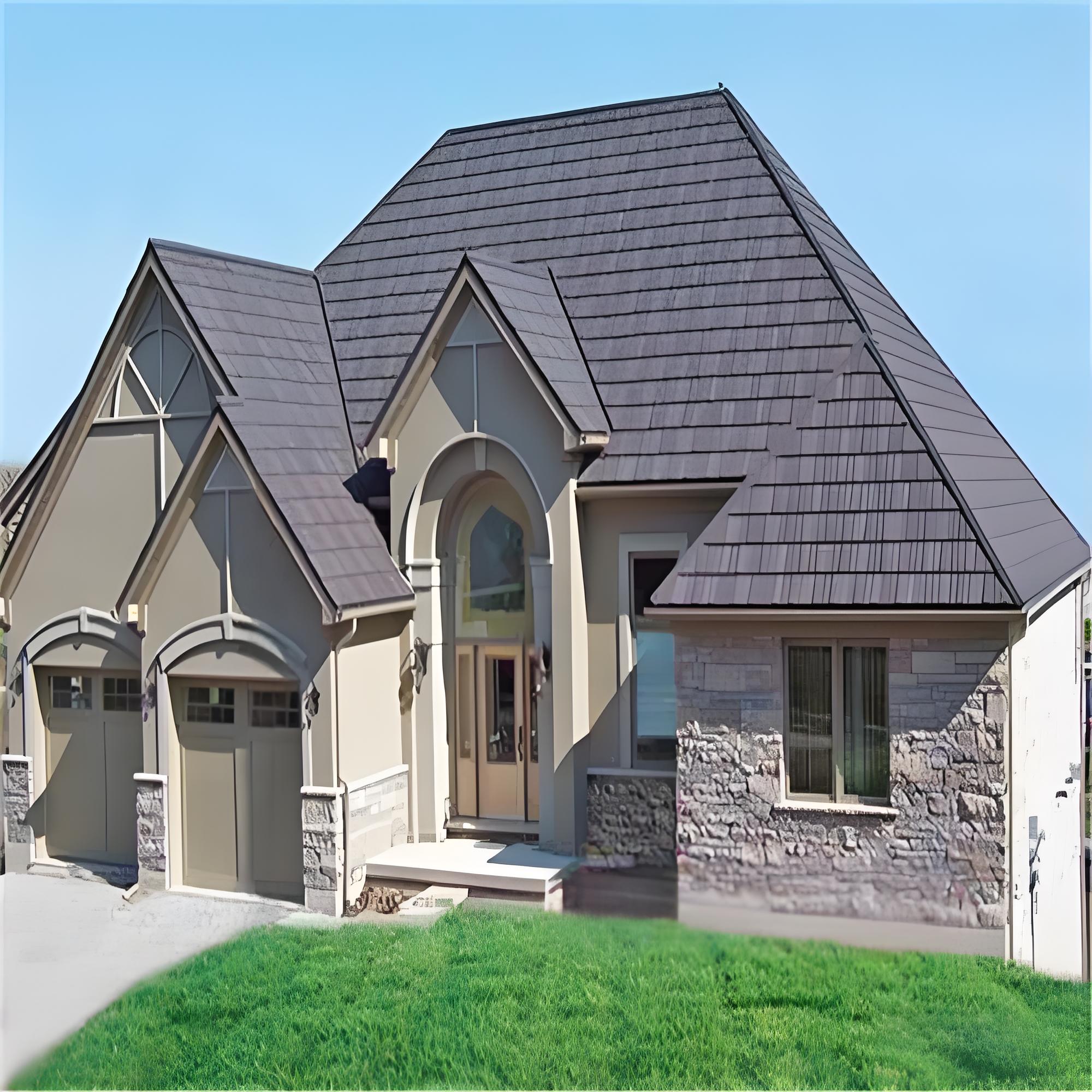
Other popular profiles such as Shingle Tile and Milano Tile are often selected for modern housing developments, while Shake Tile is preferred for traditional designs requiring natural texture appearance.
Conclusion
Stone coated roofing is a durable and high-performance roofing solution, but only when it is properly manufactured, installed, and maintained. Most common problems such as granule loss, corrosion, color fading, leakage, and deformation can be avoided through careful supplier selection and correct installation practices.
By working with experienced manufacturers and following proper construction guidelines, buyers can significantly extend roof lifespan and reduce long-term maintenance costs.