
Public sector housing initiatives and government-subsidized developments operate under intense financial scrutiny globally. Municipalities and federal agencies face the continuous challenge of maximizing housing unit volume while adhering to strictly capped public budgets. Consequently, procurement officers often default to the lowest initial capital expenditure (CAPEX) when specifying building materials. However, this short-term financial strategy creates a massive, compounding maintenance deficit over the operational lifecycle of the property. For social housing, the exterior building envelope—particularly the roof—dictates the long-term economic viability of the entire project. Utilizing cheap, temporary materials drains public funds through constant reactive repairs and premature replacements. Conversely, specifying advanced metallurgical cladding transforms public housing into a permanent, highly efficient asset. This comprehensive analysis details the profound economic impact of durable roofing on social housing infrastructure. Understanding these lifecycle economics empowers government procurement teams to protect public funds and deliver superior community living standards.
1. The Financial Trap of Low Initial CAPEX
In municipal procurement, the lowest bidder frequently wins the contract. This procurement model heavily favors traditional, low-tier materials like asphalt shingles or basic, untreated corrugated iron. On paper, these materials allow developers to construct more housing units initially. However, this narrow perspective completely ignores the Total Cost of Ownership (TCO). Social housing projects must endure for decades, often housing vulnerable populations who cannot afford internal repairs. When the building envelope fails, the economic burden falls directly back onto the local government or housing authority.
The Cycle of Reactive Maintenance
Cheap roofing materials degrade predictably and rapidly under constant atmospheric exposure. Asphalt blisters under UV radiation, and basic galvanized steel succumbs to aggressive red rust. Within five to seven years, housing authorities are forced to deploy maintenance crews to patch leaks and replace blown-off shingles. This reactive maintenance consumes a massive portion of annual operating budgets (OPEX). Every dollar spent patching a failed roof is a dollar stripped from community programs or new housing development. Breaking this cycle requires a fundamental shift toward permanent architectural solutions.
Internal Asset Destruction
When substandard roofs leak, the economic damage extends far beyond the exterior cladding. Water intrusion destroys interior drywall, electrical systems, and flooring. In high-density social housing, a single roof leak can severely damage multiple vertical units simultaneously. The municipality must then fund expensive interior renovations and mold remediation. Furthermore, displacing tenants during these repairs creates logistical chaos and requires additional emergency housing funding. Securing the roof with durable materials is the primary defense against devastating internal asset destruction.
2. Engineering Resilience for Public Assets
To eliminate these recurring financial liabilities, modern social housing projects require highly engineered structural solutions. Advanced stone coated steel roofing provides the precise kinetic rigidity and weather defense necessary for permanent public infrastructure. This material science shifts the economic model from continuous OPEX drains to a secure, one-time CAPEX investment. Understanding the specific installation mechanics and structural designs is critical for municipal architects and B2B procurement officers.
The Concealed-Fastener Advantage
Public housing must withstand severe weather events without catastrophic failure. Traditional roofing often relies on exposed vertical fasteners that loosen rapidly due to thermal expansion, leading to massive blow-offs during storms. Advanced metal architecture solves this through intelligent installation engineering. It is a strict structural reality that interlocking tiles require battens and offer a concealed-fastener advantage. Installers drive screws horizontally through the panel nose into the rigid timber batten. This hides the fastener completely from the elements and physically locks the roof down, preventing wind uplift and subsequent emergency repair costs.
Kinetic Defense and Profile Selection
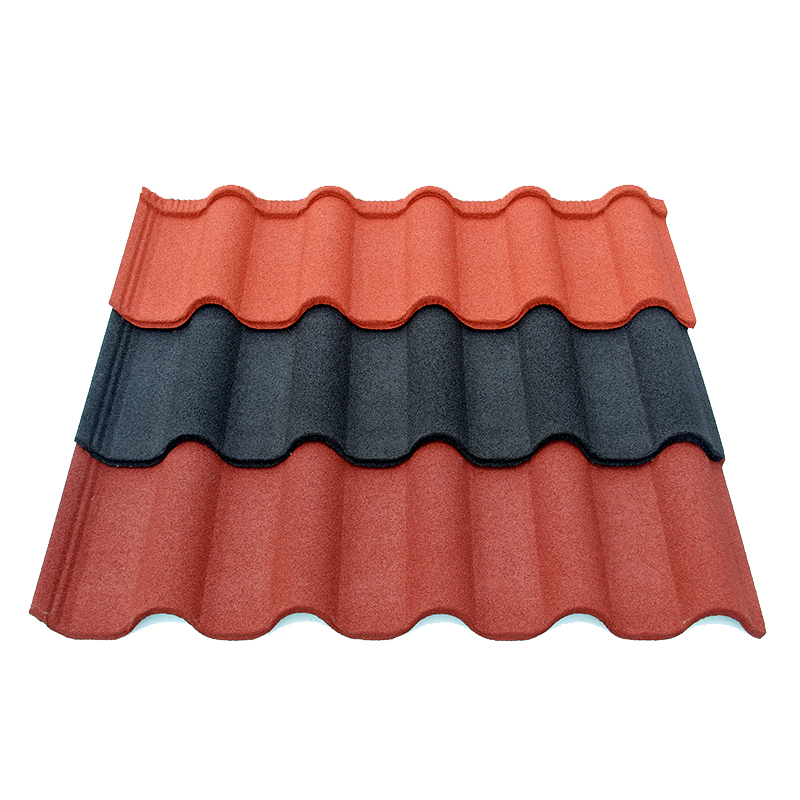
Different social housing environments require specific structural profiles to combat local environmental threats. For heavy-density urban projects facing severe hail or industrial fallout, maximum kinetic rigidity is mandatory. In these scenarios, a Heavy Duty Bond Tile is optimal. The engineering distinction of the Heavy Duty Bond Tile lies in a unique groove design natively, rather than just relying on sheer material thickness. This specific groove acts as a kinetic shock absorber, deflecting impacts and preventing structural fracturing without adding excess dead weight to the framing.
3. Hydrological Management and Energy Economics
Beyond kinetic defense, the economic viability of social housing depends heavily on managing water and energy efficiently. Poor hydrological routing leads to rot, while poor thermal management leads to skyrocketing utility costs for low-income tenants or subsidized housing authorities. Durable, precision-engineered metal roofing addresses both economic factors simultaneously.
Evacuating High-Velocity Rainwater
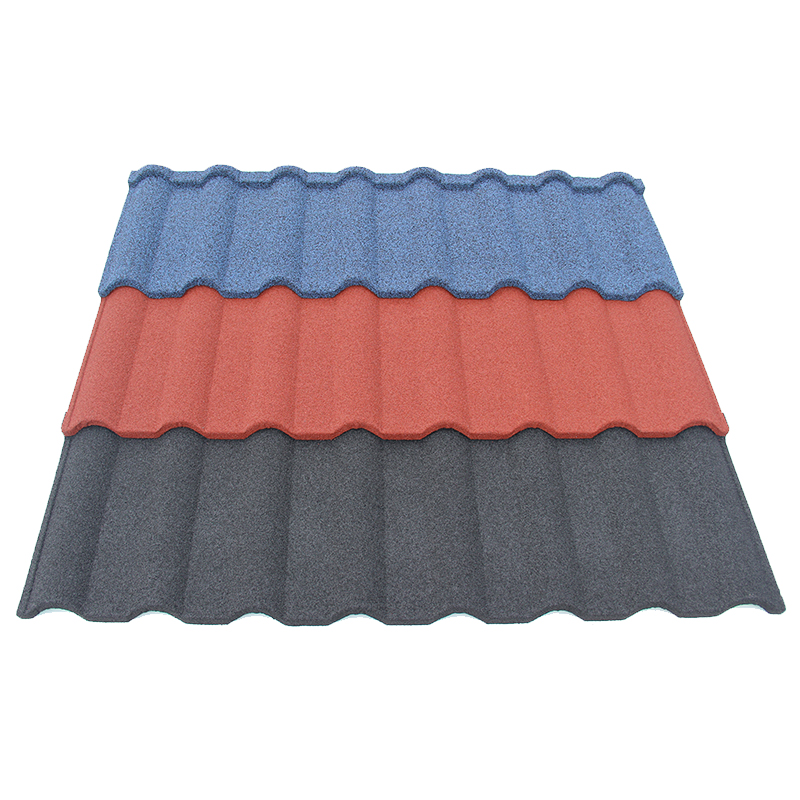
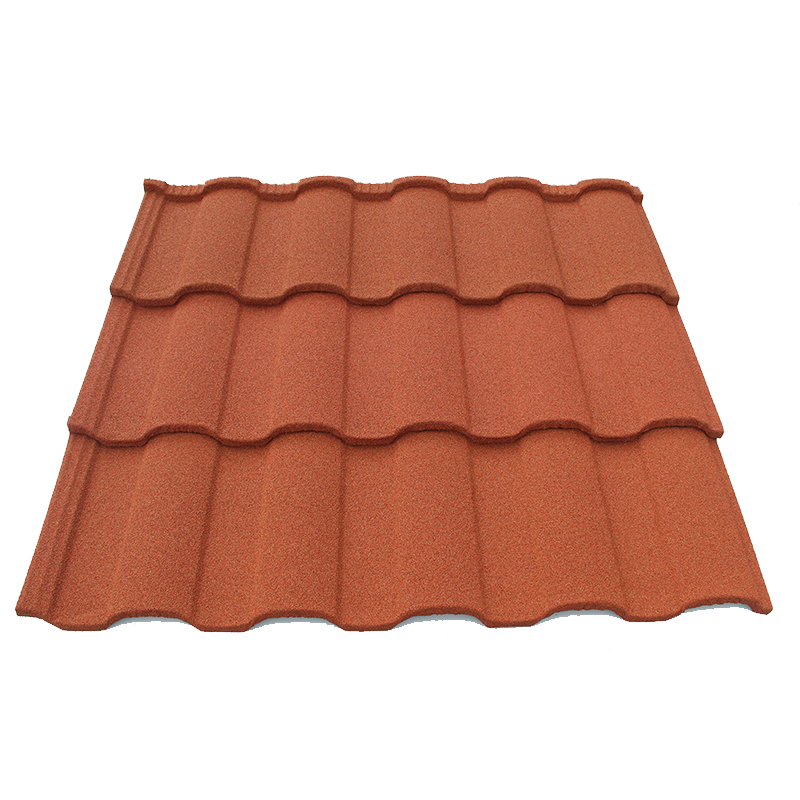
In regions prone to severe tropical monsoons or heavy seasonal downpours, standing water destroys public buildings rapidly. The architectural profile must route massive water volumes downward highly efficiently to prevent capillary action. A deeply channeled Roman Tile handles this specific hydraulic requirement exceptionally well. Its deep structural valleys evacuate water rapidly, preventing moisture from backing up under the overlaps. This keeps the structural timber completely dry, eliminating the need for expensive future rot remediation.
Slashing OPEX Through Thermal Efficiency
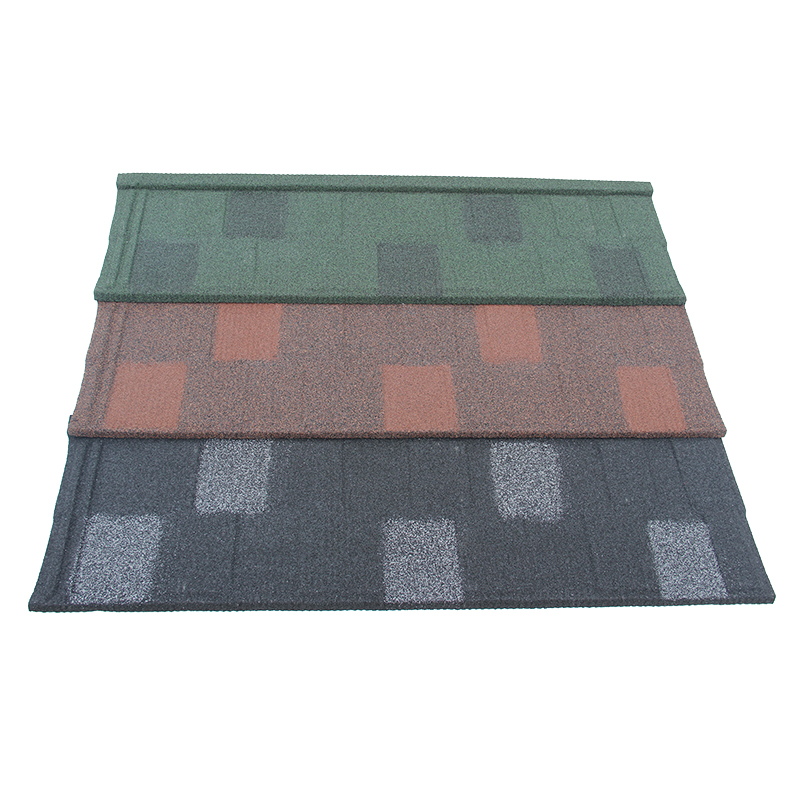
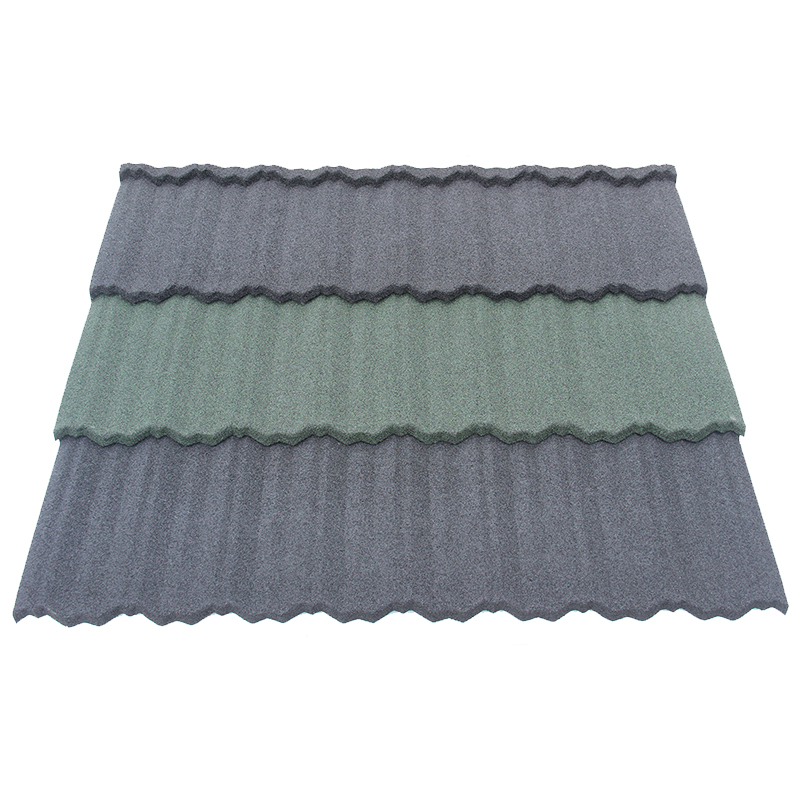
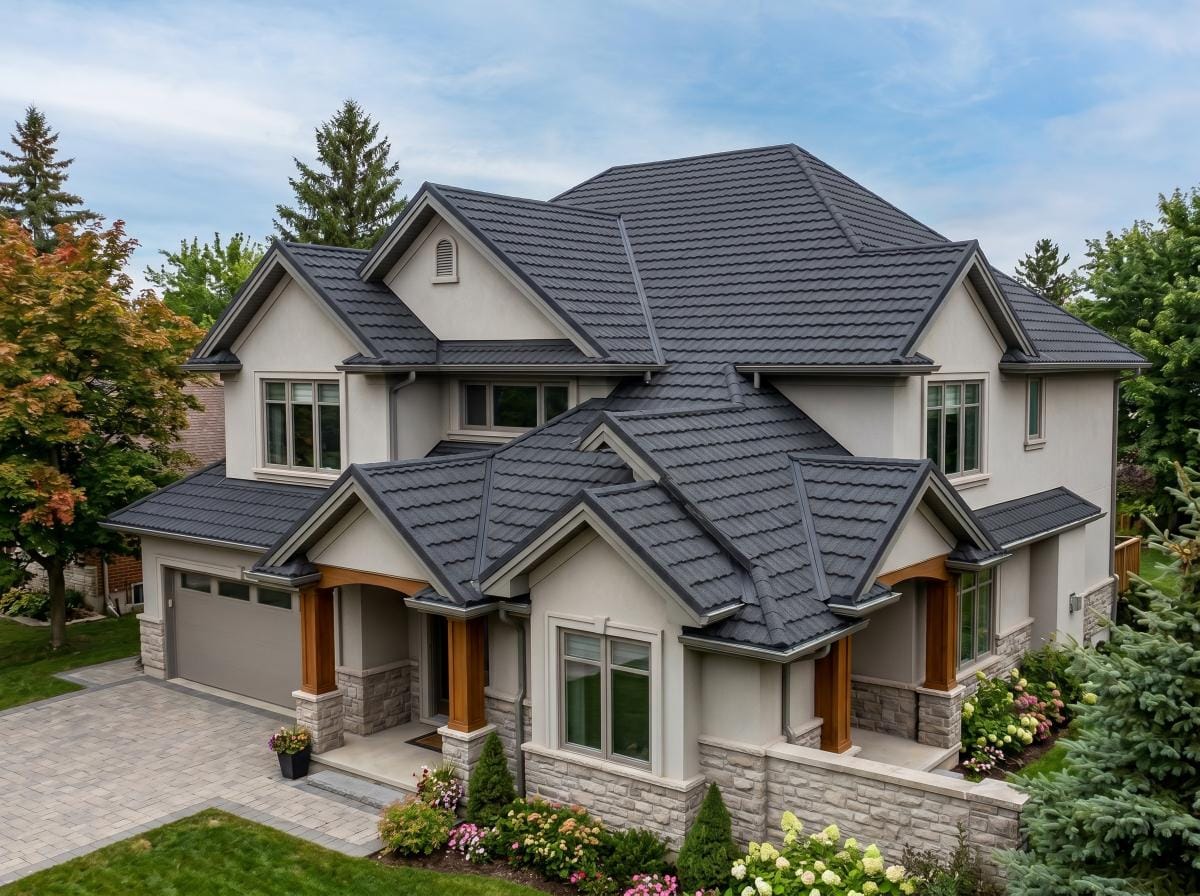
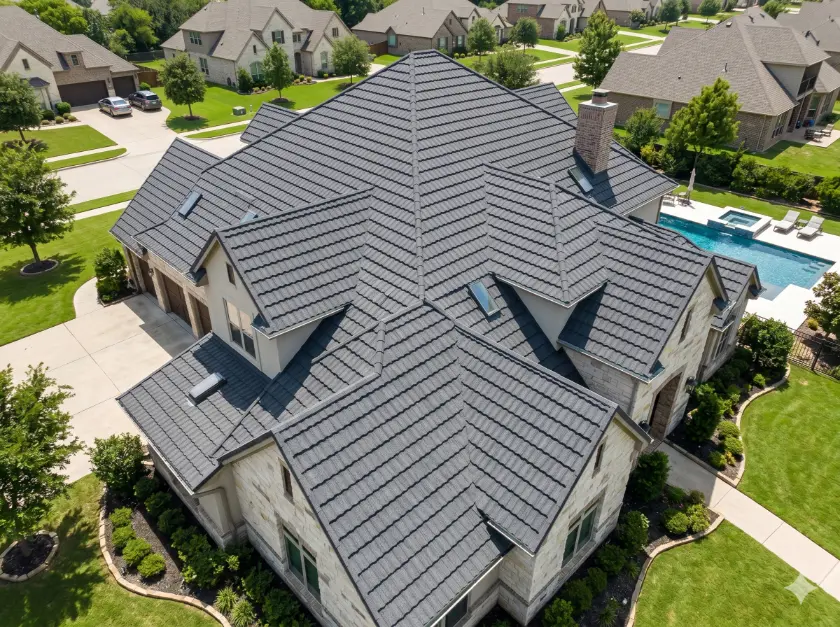
Energy poverty is a significant issue in social housing. Traditional asphalt roofs act as massive heat sinks, baking the interior units during summer months and driving up cooling costs. Advanced steel panels utilize the required batten grid to create Above-Sheathing Ventilation (ASV). This continuous airspace allows trapped thermal energy to escape at the ridge. Furthermore, sleek profiles like a flat Shingle Tile provide clean, modern geometric alignment while actively reflecting solar radiation. This reduces the cooling load on the building, lowering utility bills for the municipality and improving the living conditions for residents.
4. Social and Community Value of Durable Architecture
The economic impact of building materials extends into the broader social fabric of the community. Substandard, deteriorating public housing creates a stigma and degrades community morale. Conversely, investing in high-quality, aesthetically pleasing infrastructure fosters civic pride and long-term community stability. Durable architectural cladding proves that functionality and aesthetic prestige are not mutually exclusive in government projects.
Maintaining Aesthetic Zoning and Prestige
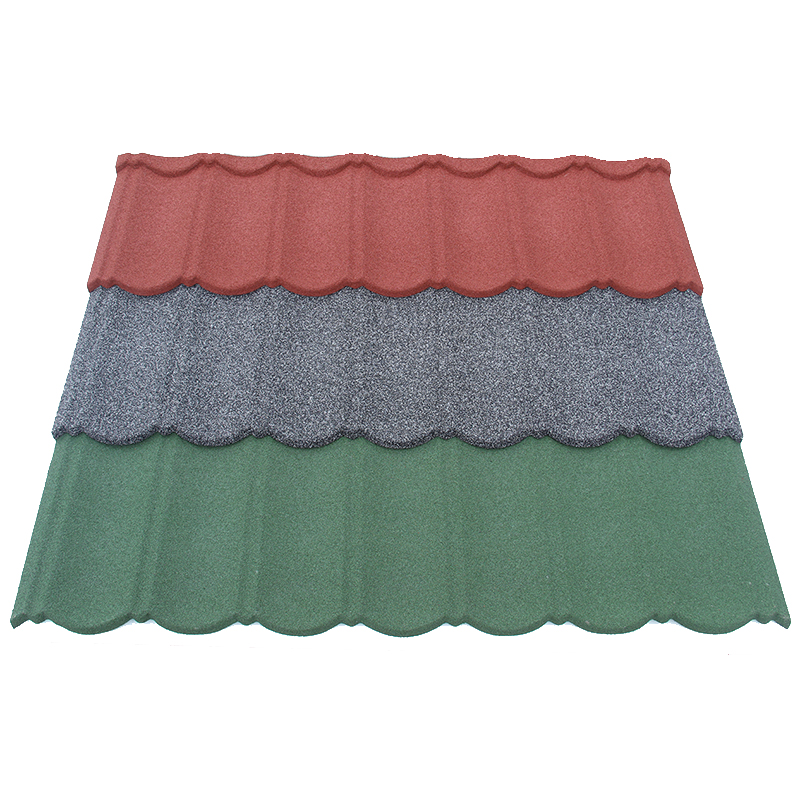
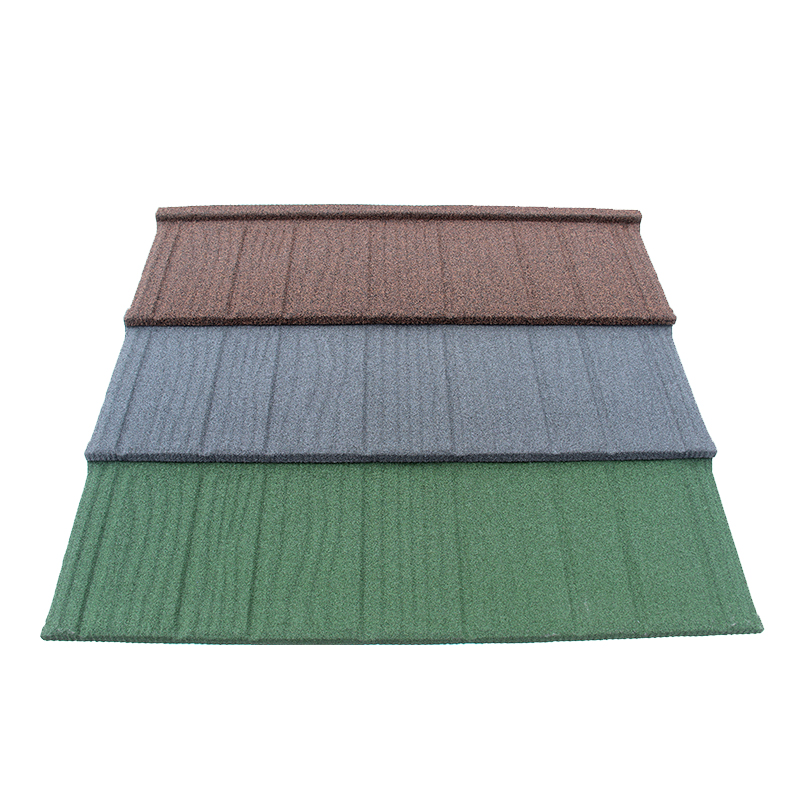
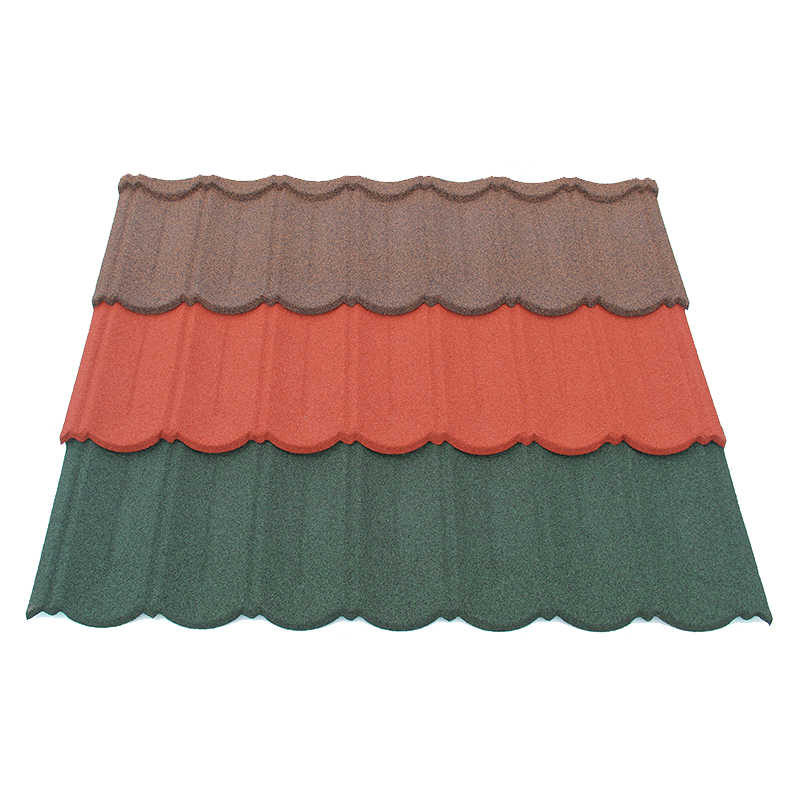
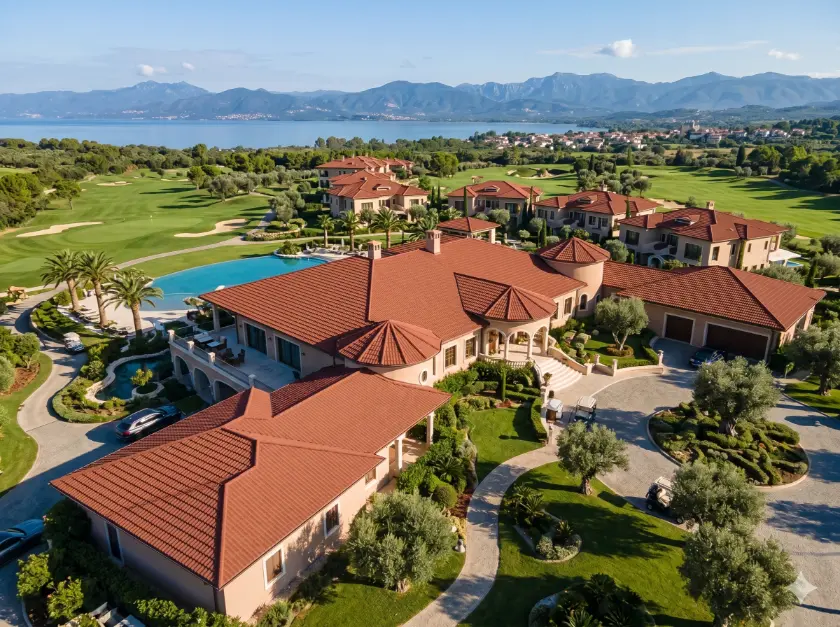
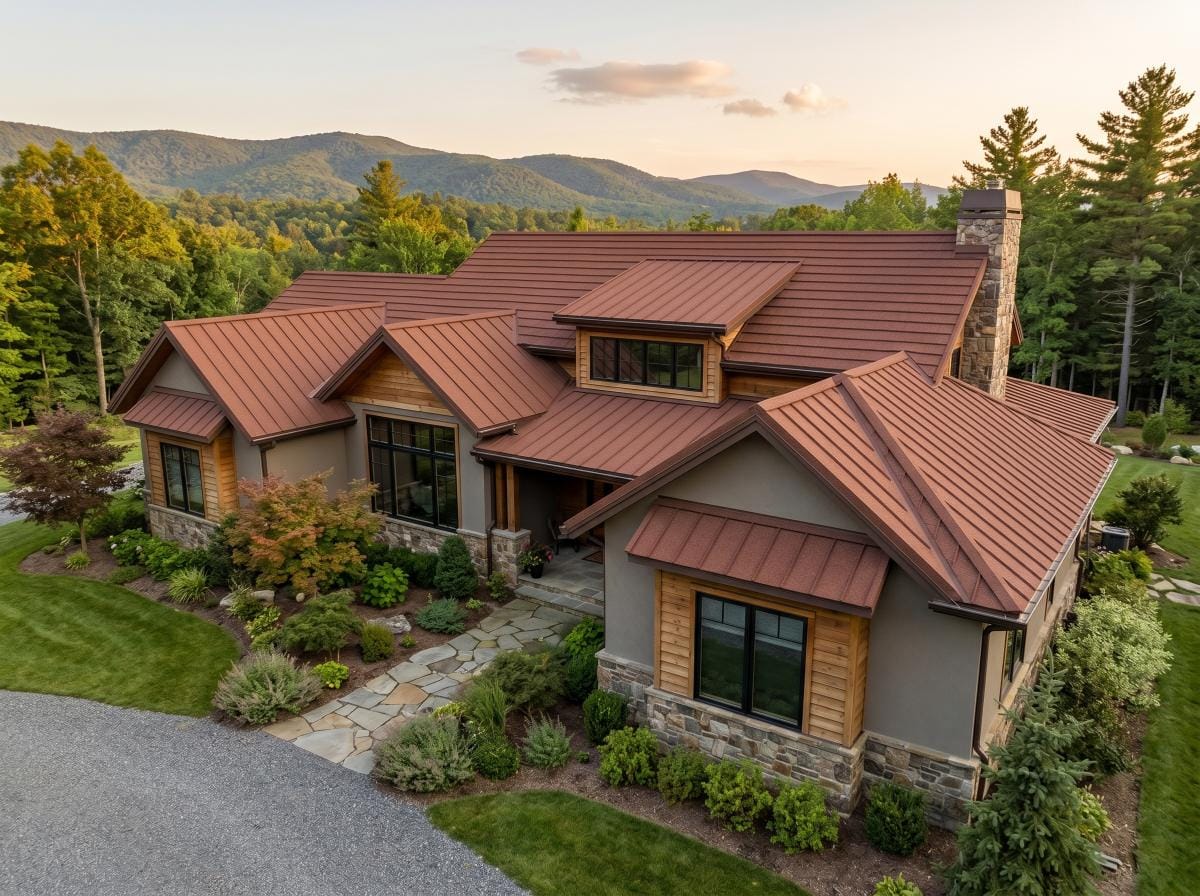
Municipalities often desire to integrate social housing seamlessly into existing neighborhoods to avoid visual segregation. Advanced hydraulic stamping allows steel panels to replicate traditional materials perfectly. If a housing project is located near a historic district, developers can specify a sweeping Milano Tile to project Mediterranean prestige, or a heavily textured Shake Tile for a more organic, rustic appearance. This ensures the public housing elevates the neighborhood’s overall property values rather than detracting from them, generating broader economic benefits for the city.
Long-Term Health and Stability
A watertight, sterile building envelope directly impacts public health. Porous materials like heavy clay or untreated wood absorb moisture, breeding highly destructive black algae and toxic mold. This leads to severe respiratory issues for tenants, increasing the burden on public healthcare systems. Premium steel panels utilize a 100% pure acrylic resin glaze that creates a completely non-porous, sterile surface. Eliminating airborne spores and internal mold directly improves tenant health outcomes, creating a hidden but massive economic benefit for the public sector.
5. Strategic Procurement for Government Contracts
Realizing the massive economic benefits of durable roofing requires highly strategic B2B procurement. Government agencies cannot afford to source materials through unreliable retail brokers who inflate prices and provide uncertified steel. Transforming public housing economics requires partnering directly with proven industrial manufacturers capable of delivering massive volume with absolute batch consistency.
Verifying the AZ150 Aluzinc Standard
Procurement officers must demand authentic AZ150 Aluzinc steel strictly during the bidding process. This specific aluminum-zinc alloy provides active cathodic protection, ensuring the panels will not rust even in harsh coastal environments. Specifying this premium metallurgy guarantees the 50-year structural lifespan of the roof, effectively removing replacement costs from the municipality’s half-century financial projections.
Partnering with Elite Factory-Direct Operations
Executing massive social housing contracts requires unparalleled manufacturing scale and logistical precision. For example, JCROOF operates precisely in this highly professional, direct-to-developer tier. Operating a heavy-duty manufacturing facility in Linyi, Shandong, China, they leverage 11 years of dedicated manufacturing experience. Their strategic proximity to the major global shipping ports of Qingdao and Rizhao ensures rapid, highly efficient maritime logistics. Partnering with an established industrial expert guarantees that municipalities receive pristine, high-performance materials on schedule, safeguarding the public budget entirely.
| Economic & Engineering Metric | Traditional Budget Roofing (Asphalt/Galvanized) | Advanced Stone Coated Steel Roofing |
|---|---|---|
| Total Cost of Ownership (TCO) | Astronomical. Requires complete replacement every 10-15 years, draining public funds. | Highly Efficient. Single CAPEX investment secures a permanent 50-year public asset. |
| Maintenance OPEX | High. Constant reactive patching for blown shingles and severe rust leaks. | Minimal. Concealed fasteners and AZ150 Aluzinc core eliminate routine repair needs. |
| Energy Economics | Poor. Absorbs heat, driving up cooling costs for housing authorities and tenants. | Excellent. Batten grids provide ASV, reflecting solar radiation and slashing utility bills. |
| Kinetic Survivability | Weak. Exposed screws wallow out, causing catastrophic failure during storms. | Maximum. Unique groove designs absorb impact without adding structural dead weight. |
| Public Health Impact | Negative. Moisture intrusion breeds toxic mold, increasing healthcare burdens. | Positive. 100% pure acrylic resin ensures a sterile, mold-free living environment. |