
In the highly technical sphere of global real estate development and international building material procurement, evaluating exterior cladding is a strict exercise in financial risk mitigation. Astute procurement managers understand that a commercial building envelope is only as reliable as its foundational metallic substrate. While surface aesthetics and architectural design often drive initial project discussions, the actual structural safety, environmental resilience, and long-term financial viability of the property depend entirely on the hidden metal core. This is precisely why Galvalume Steel Roofing Sheets have become the undisputed gold standard for massive commercial, industrial, and residential developments worldwide. This advanced metallurgical hybrid offers unprecedented resistance to severe environmental corrosion, immense tensile strength, and superior thermal stability. This comprehensive engineering guide breaks down the precise chemical mechanics and structural physics of Galvalume technology, empowering B2B buyers to audit their supply chains rigorously and source authentic, high-yield architectural materials.
The Chemical Anatomy and Corrosion Resistance of Galvalume Steel Roofing Sheets
To understand the absolute superiority of this architectural material, procurement officers must look beyond generic marketing brochures and examine the exact chemical composition of the metallic alloy. Standard galvanized steel, which relies solely on a basic zinc coating, degrades far too rapidly in harsh coastal or heavy industrial environments, leading to catastrophic red rust and massive maintenance liabilities for the property owner. Authentic Galvalume technology solves this chemical vulnerability by fusing aluminum, zinc, and a touch of silicon into a highly synergistic, impenetrable protective barrier. This complex metallic matrix provides a sophisticated dual-action defense system that dramatically extends the commercial lifecycle of the building envelope, ensuring the developer’s capital expenditure remains fully protected for well over half a century.
The 55% Aluminum-Zinc Alloy Ratio
The secret to this extreme longevity lies in the highly specific, patented ratio of its metallic coating. A genuine premium panel features a coating composed of approximately 55 percent aluminum, 43.4 percent zinc, and 1.6 percent silicon. The heavy aluminum component is the primary line of defense. When exposed to the atmosphere, the aluminum oxidizes rapidly to form a microscopic, incredibly tough, non-porous physical barrier. This barrier completely blocks saltwater spray, industrial acid rain, and airborne moisture from ever reaching the vulnerable underlying steel. The silicon component, while small in percentage, is critical for manufacturing; it ensures the aluminum-zinc alloy adheres permanently to the raw steel coil, preventing the coating from flaking or peeling during the intense physical stresses of factory stamping.
Active Cathodic Protection for Cut Edges
While the aluminum provides an absolute physical blockade, the zinc component serves an equally critical, active chemical function known as cathodic protection. During the installation of massive commercial roofs, installers inevitably make precise cuts to fit the panels around complex architectural features, dormers, and ventilation shafts. These cuts expose the raw, uncoated inner steel core. If left unprotected, these microscopic edges would begin to rust immediately. However, the zinc in the Galvalume alloy acts as a sacrificial anode. When exposed to moisture, the zinc chemically sacrifices itself, degrading at a microscopic level to effectively “heal” and seal the exposed steel edge before oxidation can take hold. This self-healing chemical mechanism ensures that the entire roofing system remains completely impervious to systemic rust over decades of severe weather exposure.
Structural Rigidity and Stamping Physics of Metal Roof Panels
The physical manufacturing of commercial building materials places immense mechanical stress on the raw steel coils. The metal substrate must possess an incredibly precise balance of high yield strength to maintain rigidity, combined with deep-drawing ductility to survive the heavy hydraulic stamping process without fracturing or developing invisible stress tears. Galvalume Steel Roofing Sheets excel in this demanding industrial environment, allowing advanced factories to press complex, structurally rigid geometries that multiply the load-bearing capacity of the thin metal. This engineering capability ensures that the final installed roof can easily withstand extreme hurricane wind uplift, heavy winter snow accumulation, and the weight of commercial maintenance crews without buckling, warping, or failing structurally.
Deep-Drawing Capabilities for Complex Architecture
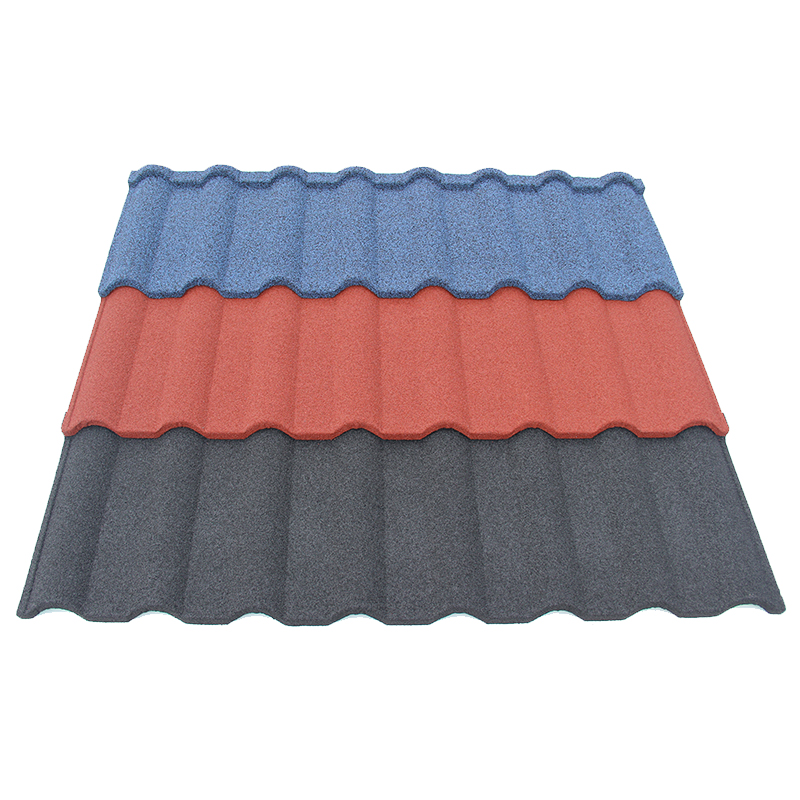
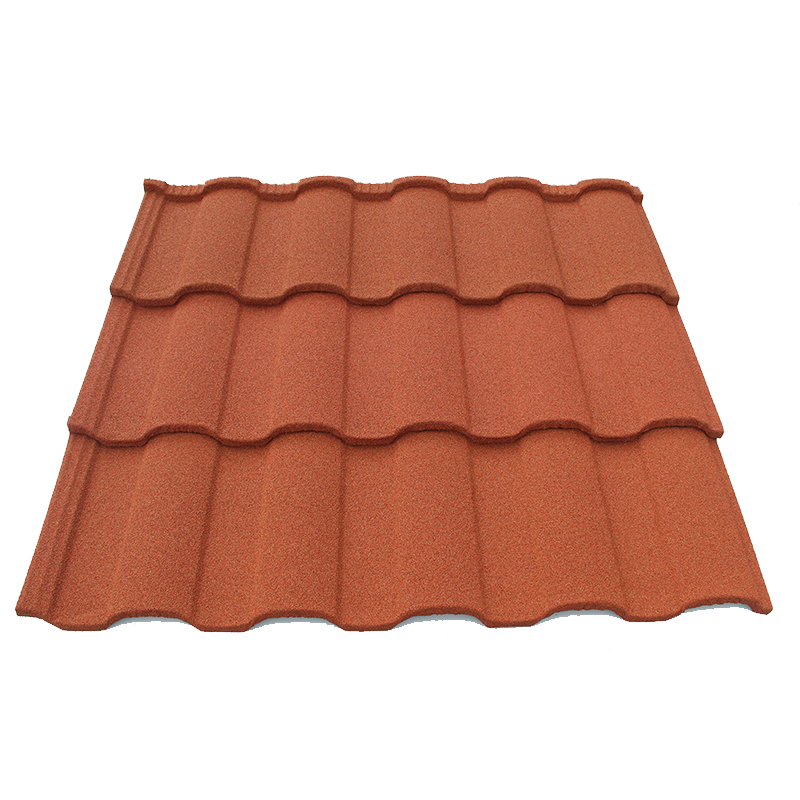
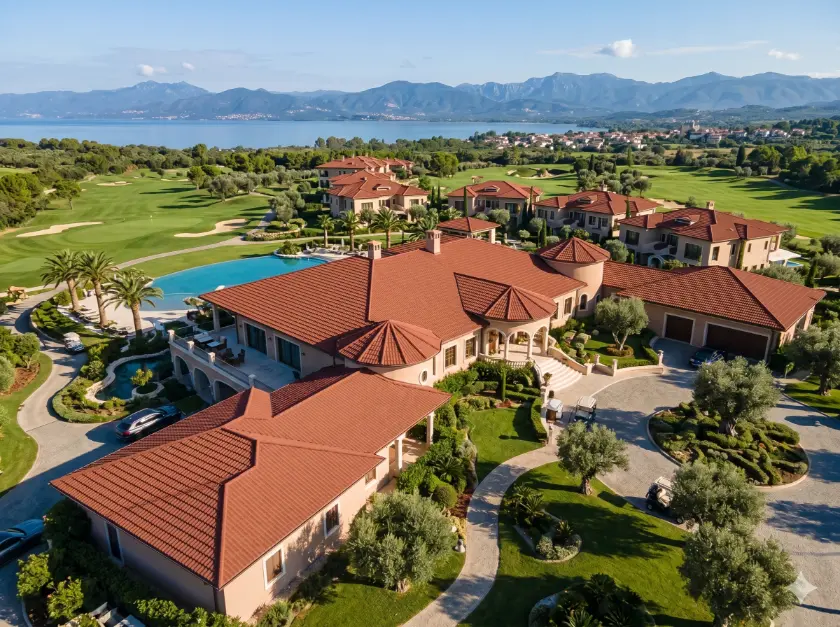
Premium factories utilize high-tonnage hydraulic presses to stretch and mold the flat steel coils into highly functional architectural shapes. The ductility of the Galvalume alloy prevents the metal from thinning out dangerously at the peaks and valleys of the mold. This is critically important when manufacturing profiles designed for high-capacity water evacuation. For instance, regions experiencing aggressive tropical monsoons require a profile like the deeply channeled Roman Tile. The extreme depth of its sweeping valleys allows massive volumes of high-velocity rainwater to be channeled safely away from the interlocking joints. Only a premium, highly ductile Galvalume core can stretch deeply enough to form these massive hydraulic channels without compromising the structural integrity or tearing the protective aluminum-zinc alloy.
Geometric Stiffening and Dead Load Bearing
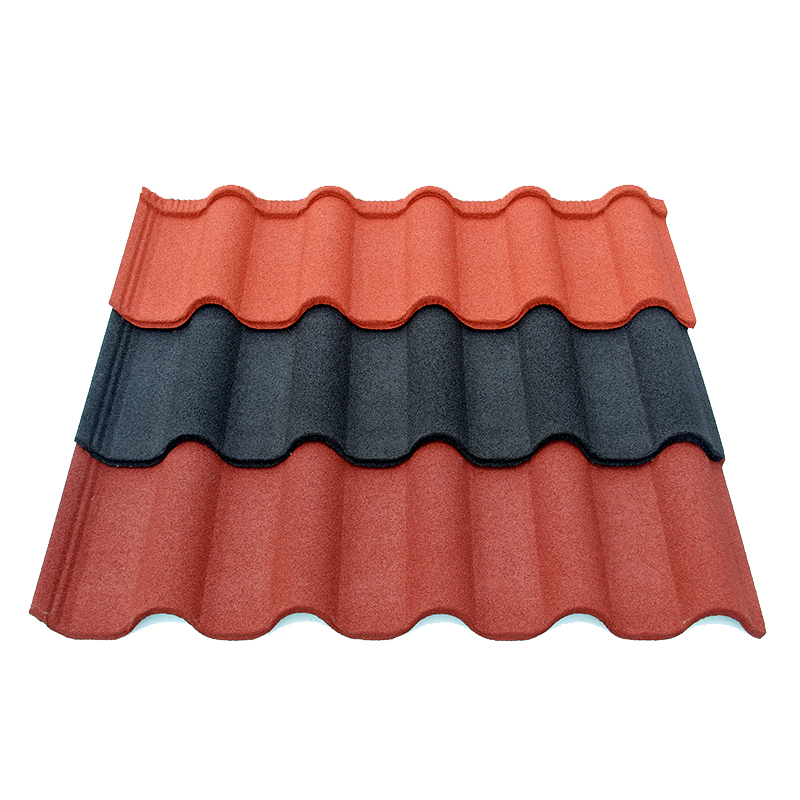
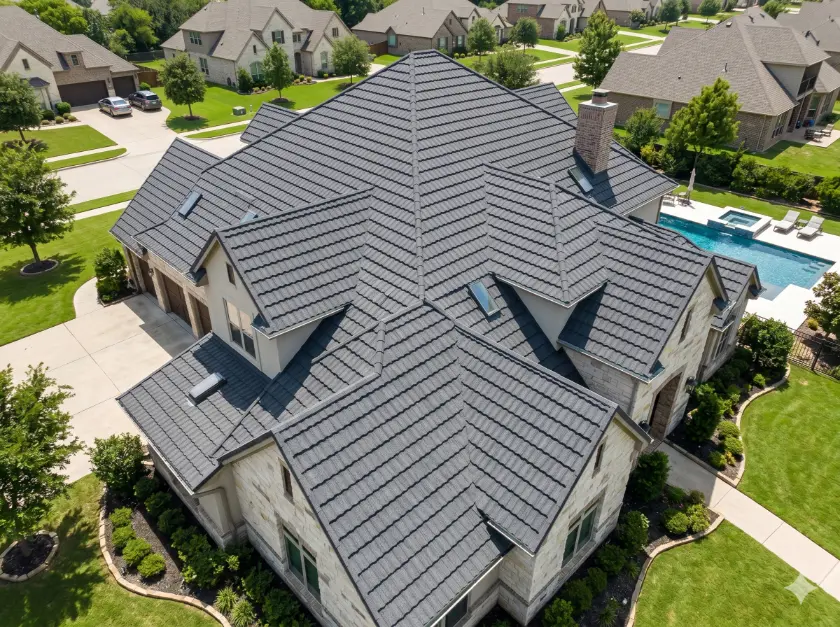
In addition to water evacuation, the physical shape of the pressed metal dictates how it handles immense structural dead loads, such as compacted winter snow or heavy ice dams. Structural engineers understand that a flat sheet of steel is weak, but a geometrically ribbed sheet becomes incredibly strong. When evaluating high-performance commercial options, procurement teams frequently specify the heavy duty Bond Tile. The true structural superiority of this classic profile comes from a specific difference in its engineering modeling—namely, a distinct single line groove stamped directly down the middle of the arc. This intentional geometric rib drastically multiplies the rigidity of the panel, allowing it to bear massive kinetic weight without crushing. This stiffening effect allows framing crews to utilize wider batten spacing, saving the developer thousands of dollars in raw structural timber.
Thermal Dynamics and Kinetic Resilience of Aluzinc Steel Sheets
Commercial buildings endure relentless, daily exposure to extreme solar radiation, rapid thermal shock, and violent kinetic impacts from severe weather events. The exterior envelope must absorb and manage these punishing environmental forces while maintaining the strict integrity of the interior climate. Galvalume Steel Roofing Sheets possess remarkable thermodynamic properties, actively reflecting infrared heat during the summer while maintaining absolute physical stability during sudden winter freezes. Furthermore, the inherent tensile strength of the steel core acts as an impenetrable armor against environmental projectiles. This rare combination of thermal management and kinetic resilience drastically lowers building operating expenses (OPEX) and secures massive financial discounts on commercial property insurance premiums.
Managing Solar Heat Gain and HVAC Efficiency
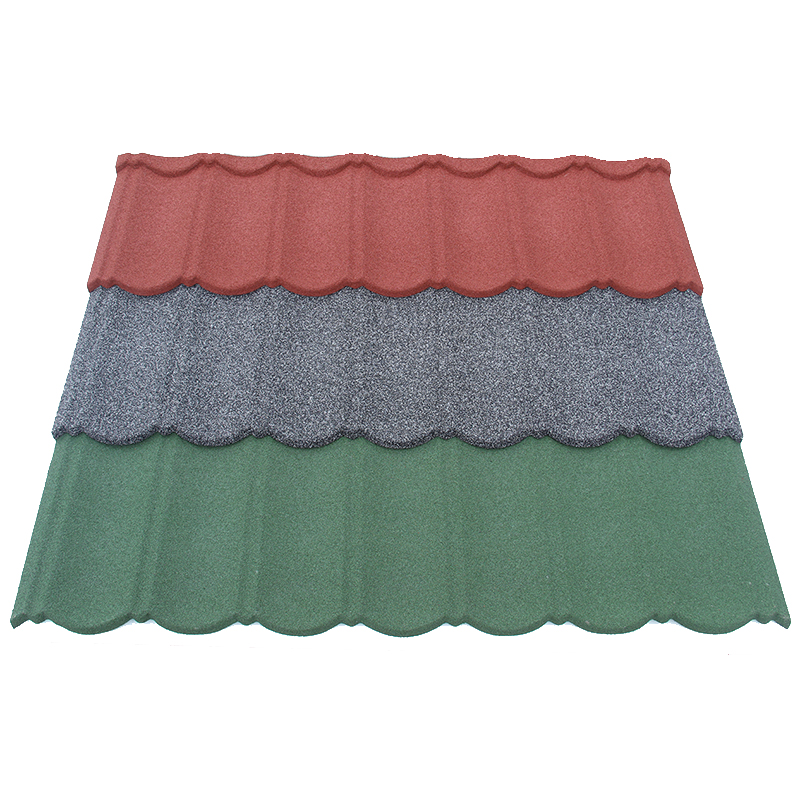
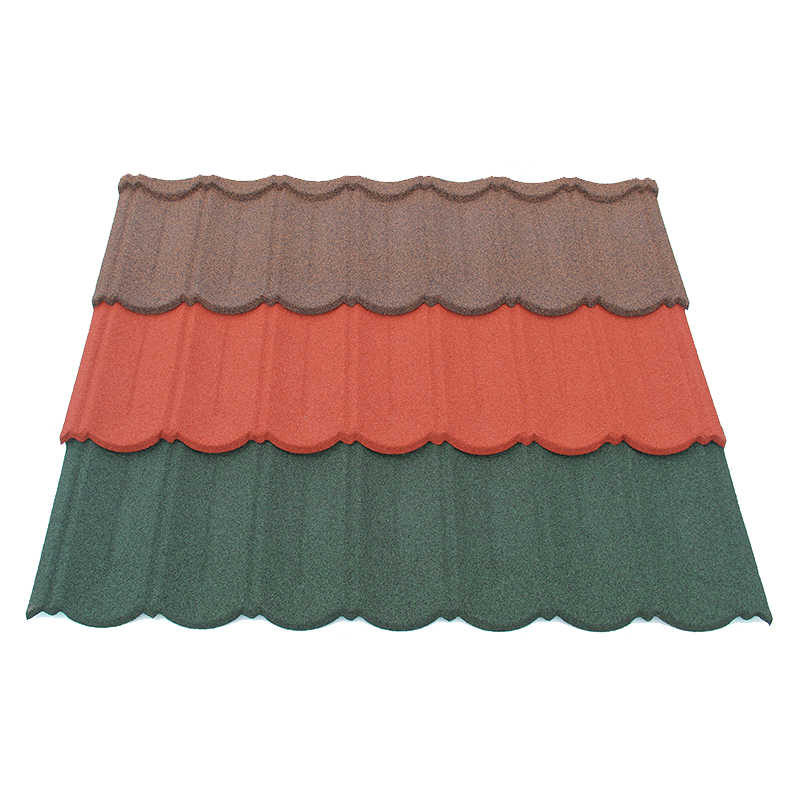
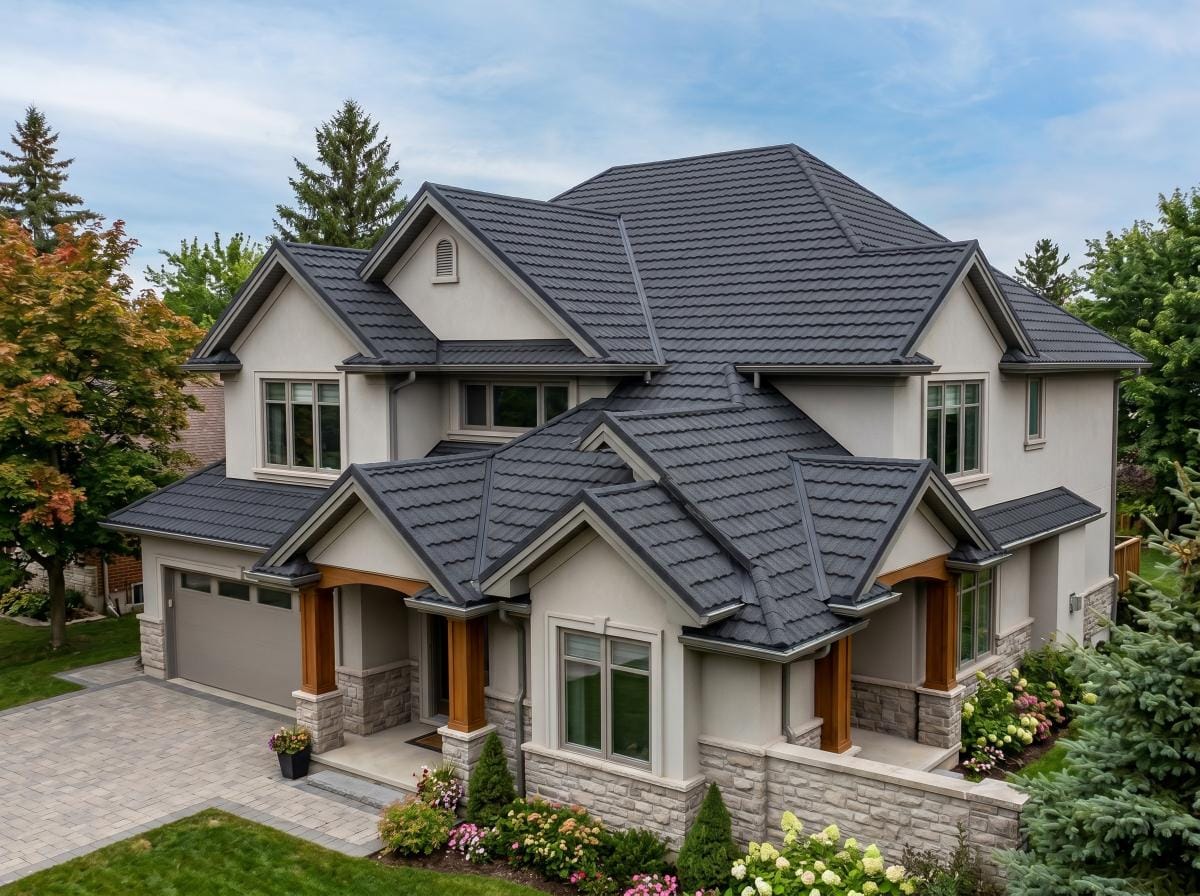
In hot coastal cities and tropical zones, solar heat gain destroys the efficiency of commercial air conditioning systems, driving monthly operational costs through the roof. Traditional dark masonry and asphalt materials absorb infrared radiation like a sponge, transferring intense heat directly into the facility’s attic space. Galvalume steel, especially when combined with high-temperature sintered stone granules, interrupts this thermal transfer brilliantly. Furthermore, complex aerodynamic shapes maximize this cooling effect. The elegant, sweeping Mediterranean curves of the Milano Tile are engineered not just for luxury aesthetics, but to create a massive volume of Above-Sheathing Ventilation (ASV). This continuous airspace allows trapped hot air to vent harmlessly out of the ridge caps, decoupling the exterior heat from the interior building structure and slashing monthly HVAC electricity bills by up to twenty percent.
Fire Safety and Kinetic Impact Deflection
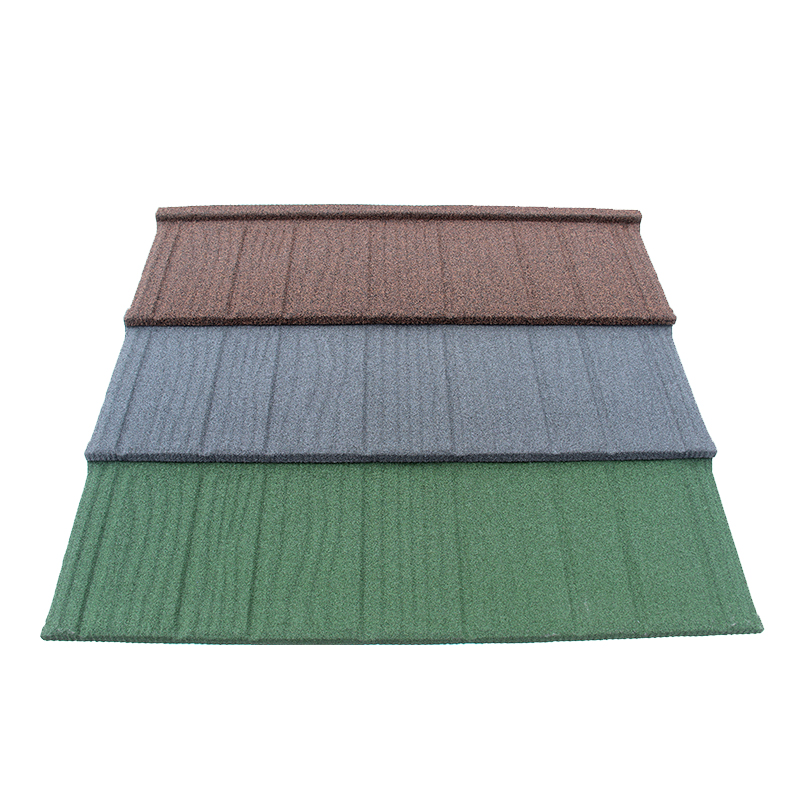
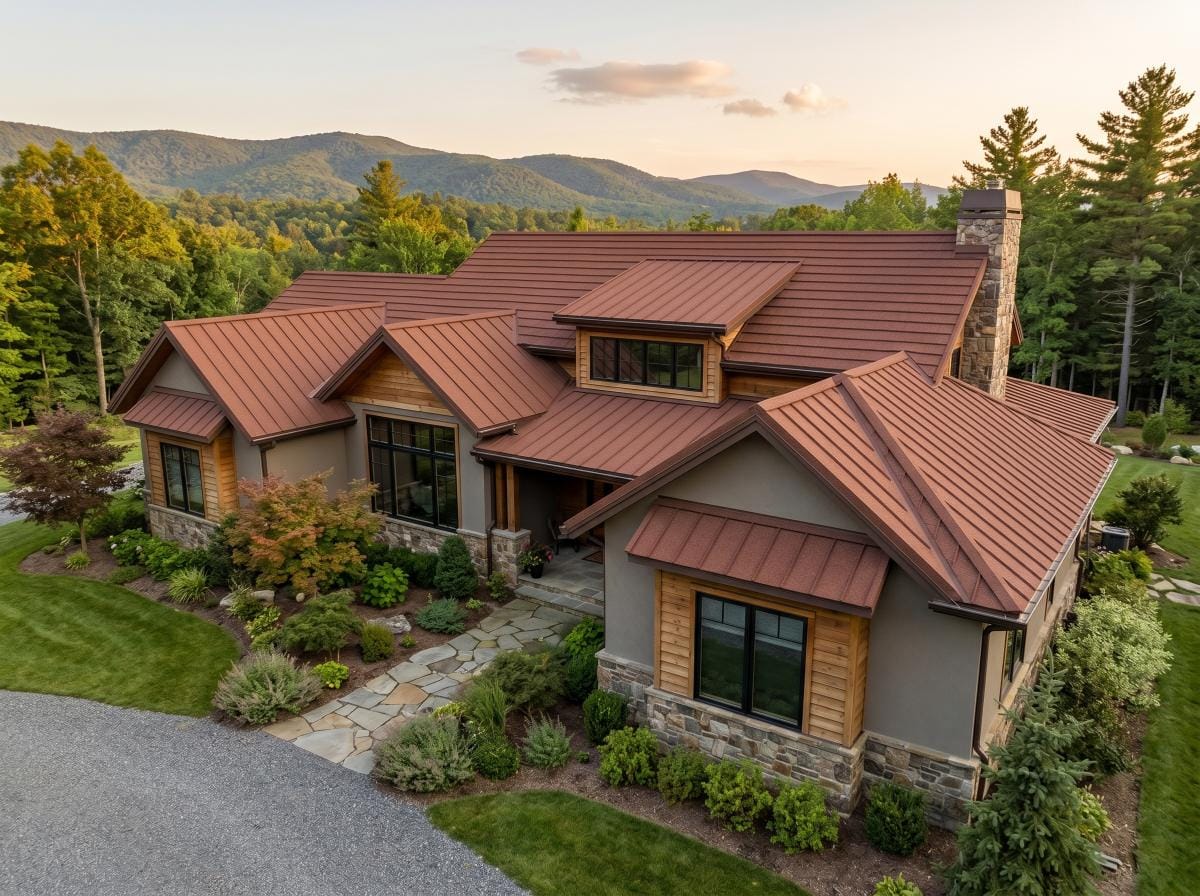
Beyond heat management, B2B procurement managers must safeguard their massive real estate investments against sudden catastrophic destruction. Wildfires and severe hailstorms obliterate traditional roofing materials in minutes. The heavy Galvalume core offers absolute, non-combustible Class A fire resistance, ensuring airborne embers cannot ignite the commercial building. For luxury mountain resorts located in heavy timber zones, specifying a rugged Shake Tile provides the highly sought-after aesthetic of natural hand-split wood, but with the indestructible kinetic resilience of industrial steel. When massive hailstones strike this textured, hardened steel panel, the kinetic energy is dispersed safely outward. The panel may flex slightly, but it will never shatter, fracture, or allow water to breach the building envelope. Insurance underwriters highly favor this extreme mechanical resilience.
| Metallurgical Performance Metric | Standard Galvanized Steel | Galvalume (AZ150 Aluzinc) Steel |
|---|---|---|
| Primary Protective Coating | 100% Zinc | 55% Aluminum, 43.4% Zinc, 1.6% Silicon |
| Coastal/Saltwater Resistance | Poor (Rapid white rust and degradation) | Exceptional (Aluminum blocks salt penetration) |
| Cut-Edge Healing Capability | Moderate (Zinc sacrifices quickly) | Excellent (Zinc sacrifices while Aluminum shields) |
| High-Temperature Stability | Loses protective integrity above 200°C | Maintains complete integrity up to 315°C |
| Estimated Commercial Lifespan | 15 to 20 Years | 50+ Years |
B2B Procurement Strategies for Authentic Galvalume Metal Roofing
The global construction supply chain is notoriously complex, frequently plagued by unregulated trading companies and deceptive brokers offering counterfeit or severely substandard building materials. Purchasing low-grade, thin galvanized steel disguised as premium Galvalume will result in rapid building failure, voided manufacturer warranties, and devastating legal liabilities for the commercial engineering firm. B2B sourcing managers must implement ruthless technical auditing processes to ensure they are purchasing authentic, heavily coated Galvalume Steel Roofing Sheets. By mandating strict metallurgical laboratory testing, verifying installation methodologies, and partnering directly with elite, high-capacity manufacturing facilities, buyers can completely eliminate financial risk and guarantee flawless project execution.
Verifying AZ150 Coating Weights
The most critical specification a procurement officer must verify is the official coating weight of the alloy. Low-tier factories will utilize a desperately thin layer of Aluzinc (such as AZ50) to cut costs, leaving the steel vulnerable to early corrosion. Authentic, heavy-duty commercial applications demand a strict minimum of AZ150. This designation guarantees that 150 grams of the aluminum-zinc alloy are applied per square meter of the steel coil. B2B buyers must demand independent laboratory documentation proving this exact coating weight before executing any bulk international purchase orders. Accepting anything less than AZ150 is a guaranteed path to premature roof replacement and structural liability.
Validating Installation Frameworks and Concealed Fastening
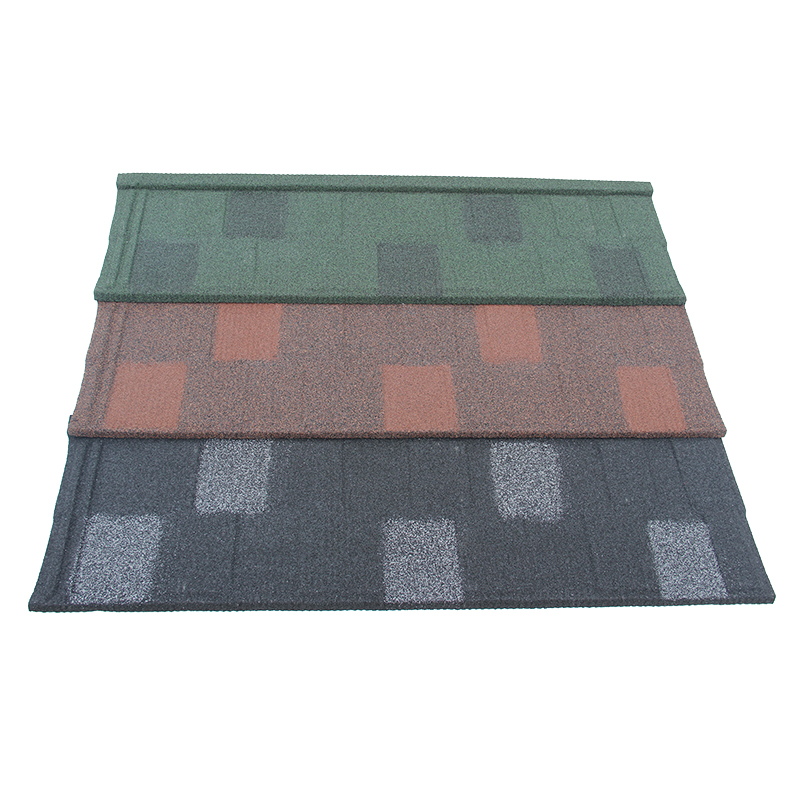
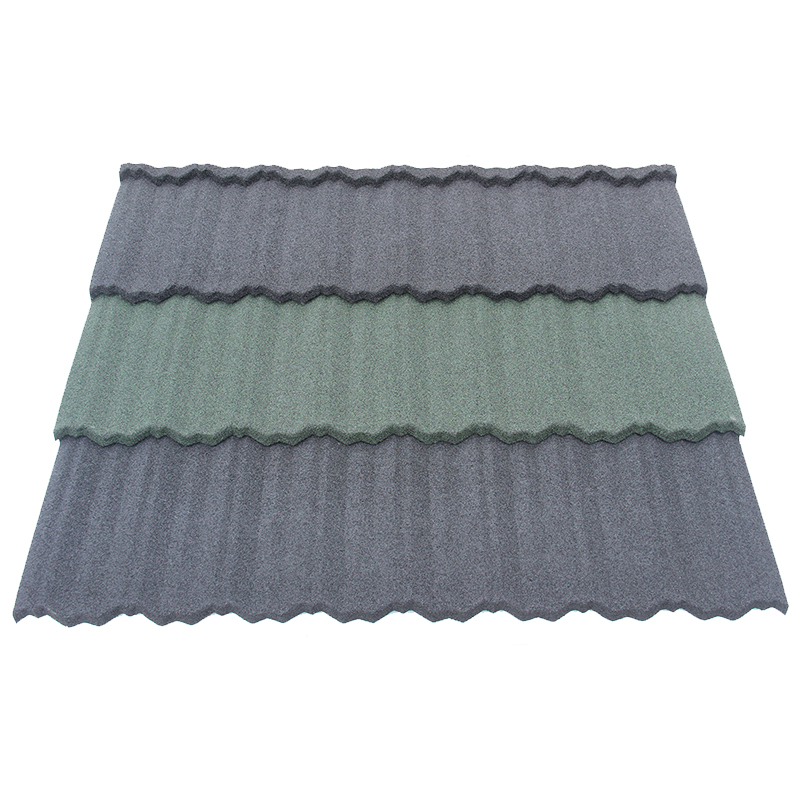
Securing the finest Galvalume steel in the world is useless if the installation methodology compromises the physical integrity of the panel. Buyers must ensure the selected profiles support advanced, weatherproof fastening systems. For example, a modern, flat architectural profile like the Shingle Tile is explicitly designed for a raised structural batten grid. This exact installation framework ensures that the panels interlock flawlessly, meaning the nails used for installation are completely hidden and never exposed to direct rain or ultraviolet degradation. Procurement teams must audit the factory’s technical installation manuals to confirm the panels are engineered for this type of concealed, high-velocity wind-resistant fastening.
Partnering with Elite Factory-Direct Exporters
To secure authentic Galvalume technology at the most competitive wholesale pricing, B2B buyers must bypass regional brokers and establish long-term partnerships with dedicated, factory-direct industrial exporters. A legitimate manufacturing powerhouse possesses the physical infrastructure—such as a 10,000-square-meter facility with multiple automated production lines—necessary to guarantee batch consistency across orders of hundreds of thousands of units. Industry leaders like JCROOF operate strictly within this elite tier, utilizing over a decade of specialized expertise to provide absolute metallurgical authenticity and full OEM/ODM customization for global developers. By aligning with a proven manufacturing partner, procurement teams secure the exact chemical and structural performance required to protect their massive real estate portfolios for decades to come.