
Procurement managers face constant challenges when sourcing construction materials for diverse global markets. Geographic roofing material procurement requires a highly specialized and strategic analytical process. You cannot simply apply one universal building material to every single regional project. Different geographic climates present completely unique structural and severe environmental threats. Therefore, you must carefully evaluate local weather patterns before placing any massive orders. Choosing the wrong roofing supplier quickly leads to catastrophic structural building failures. Consequently, these failures ruin your professional reputation and severely drain your operating budget. Forward-thinking B2B buyers must deeply understand how extreme temperatures, winds, and snow dictate material selection. This comprehensive guide explores vital geographic climate considerations for commercial construction buyers. We will thoroughly analyze specific environmental threats and highly effective engineered material solutions. Ultimately, this specific knowledge ensures your global supply chain remains highly resilient and profitable.
Evaluating Extreme Heat and High UV Geographic Zones
Many geographic regions experience brutal summer temperatures and intensely concentrated solar radiation. These harsh environmental conditions rapidly degrade inferior building materials over a short time. Procurement teams must understand exactly how thermal stress impacts overall structural integrity. You must proactively source building materials that aggressively resist relentless solar degradation. Furthermore, high daily temperatures drastically increase ongoing operational cooling costs for property owners. Therefore, selecting highly reflective roofing surfaces becomes an absolute essential engineering requirement. Let us carefully examine the specific mechanisms of heat-related material failure and procurement solutions.
Combating Thermal Expansion in Building Materials
Traditional roofing materials frequently expand and contract during extreme daily temperature swings. This constant structural movement causes severe cracking and hidden material fatigue over time. Traditional asphalt shingles frequently warp and rapidly lose their protective stone granules. Consequently, the commercial roof completely fails long before its intended design lifespan. Stone-coated metal systems completely solve this annoying thermal expansion problem for contractors. The incredibly sturdy steel core maintains its exact dimensional stability under extreme heat. Furthermore, the advanced acrylic resin coating protects the base steel from intense UV damage. You must always demand verifiable UV resistance testing reports from your manufacturing factory.
Prioritizing Energy Efficiency and Reflectivity Specs
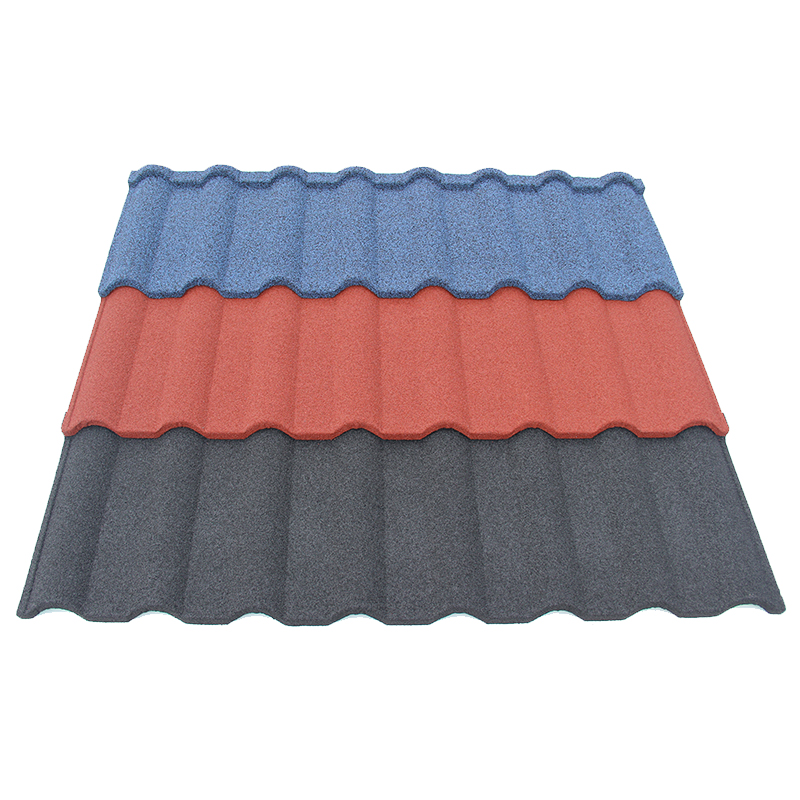
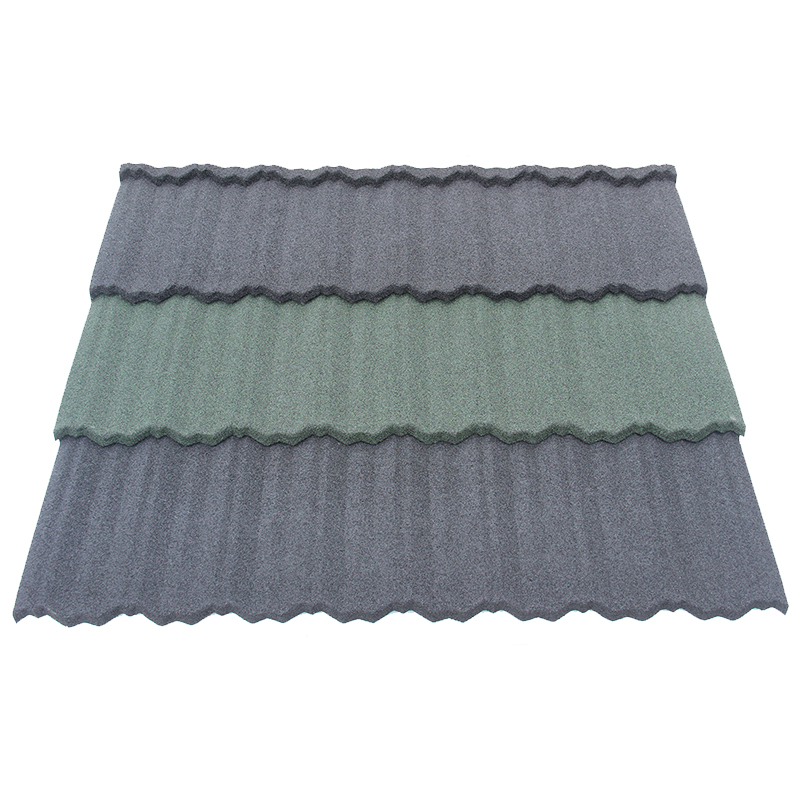
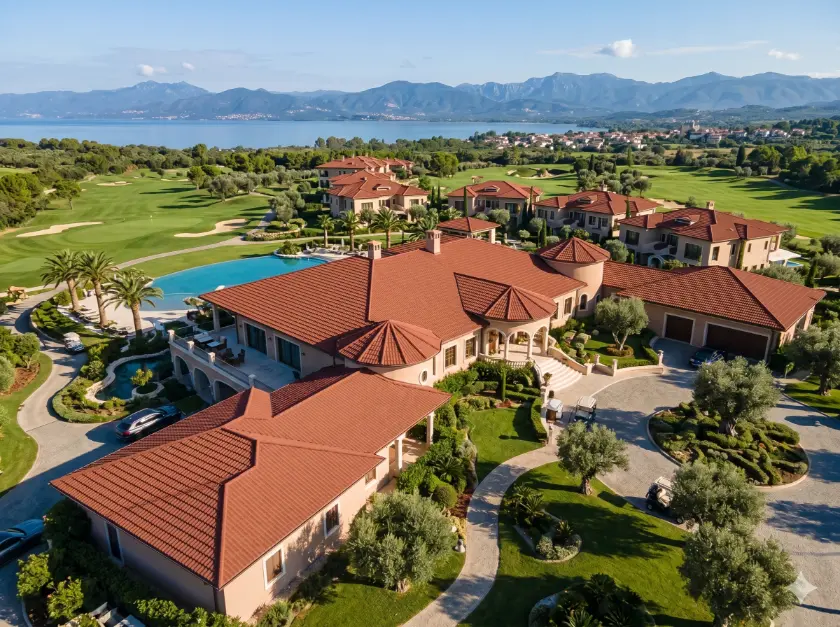
Extremely hot geographic climates demand highly energy-efficient commercial building envelopes. You must actively reduce the heavy thermal burden on expensive commercial HVAC systems. Premium metal roofs effectively reflect incoming solar radiant heat away from the building. This efficient process significantly lowers warm-weather cooling utility costs for property owners. For upscale commercial developments located in sunny regions, exterior aesthetics matter immensely. A sleek Milano Tile profile delivers a highly contemporary, premium architectural appearance. It perfectly combines modern architectural beauty with unmatched industrial thermal efficiency. Therefore, you easily satisfy both demanding architects and strict facility managers simultaneously.
Navigating High Wind and Coastal Hurricane Regions
Coastal geographic locations present massive, ongoing structural challenges for commercial property developers. High-velocity tropical winds create immense upward suction on exterior building surfaces during storms. Additionally, salty ocean air aggressively corrodes exposed standard metal components very quickly. Procurement managers must specify advanced materials explicitly engineered for these extreme coastal threats. You cannot risk using standard, cheap inland materials for expensive coastal infrastructure projects. Doing so virtually guarantees premature structural failure and massive, subsequent legal liabilities. Let us deeply break down the essential procurement strategies for aggressive coastal environments.
Ensuring Structural Integrity Against Wind Uplift
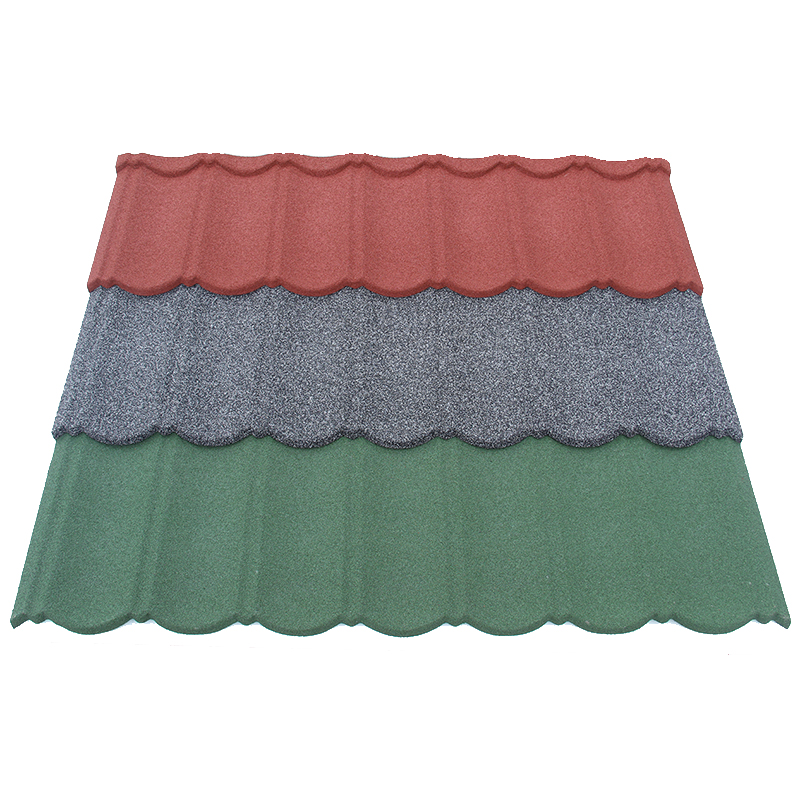
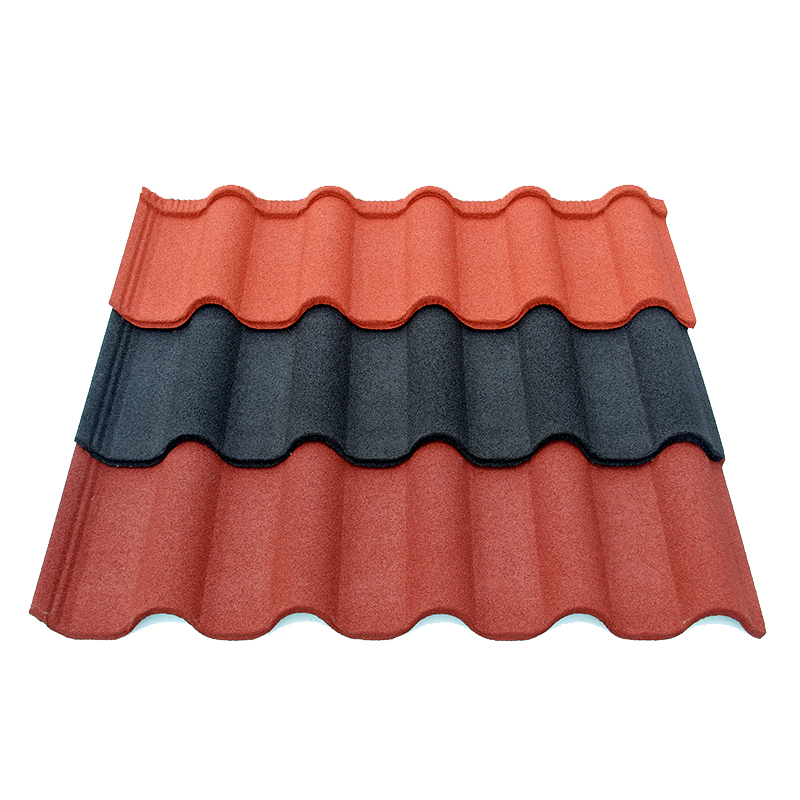
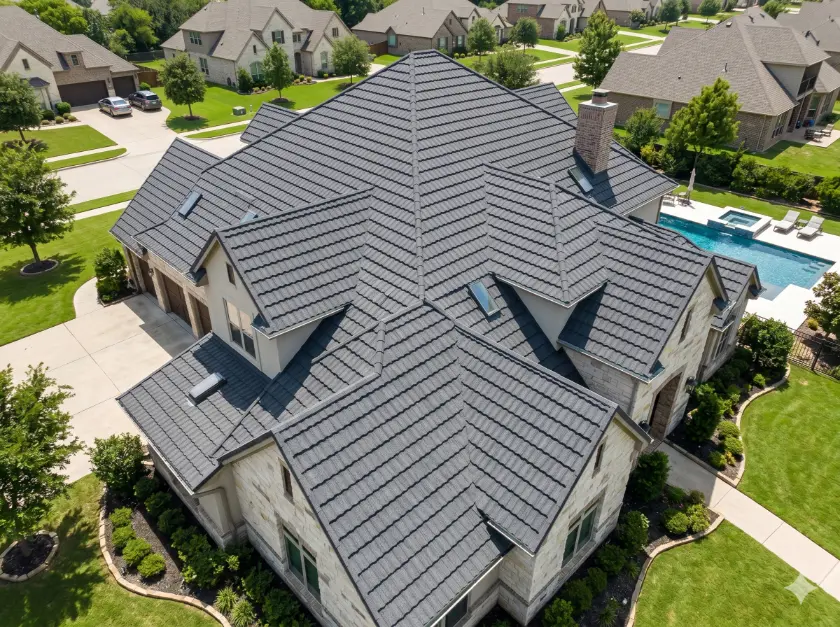
Massive hurricanes and severe tropical storms destroy weak roofing systems in mere minutes. You must select building products utilizing interlocking panel designs for maximum structural strength. Standard overlapping asphalt shingles easily peel off during moderate high wind events. Conversely, stone-coated steel panels securely interlock on all four exterior sides. This robust design effectively distributes intense wind stress across the entire roof deck. For large coastal infrastructure projects, the classic Bond Tile is absolutely ideal. Its unique scalloped profile provides exceptional rigidity and reliable, proven wind resistance. Indeed, it confidently withstands massive hurricane-force winds reaching up to 120 miles per hour.
Preventing Aggressive Saltwater Corrosion
Continuous coastal salt spray rapidly accelerates the destructive oxidation process of untreated steel. Therefore, you must carefully verify the manufacturer’s specific anti-corrosion chemical technology. Reliable factories always use high-grade Aluminum-Zinc alloy coatings on their base steel coils. This specific advanced alloy provides superior galvanic protection against severe coastal rust. Furthermore, the thick, protective stone chip layer adds another highly resilient barrier. You must strictly avoid any supplier using inferior, basic galvanized steel for coastal projects. Always request detailed, independent salt spray laboratory test results before finalizing your purchase.
Managing Heavy Snowfall and Freezing Climates
Northern geographic regions experience massive seasonal snowfall and brutal sub-zero winter temperatures. These freezing climates naturally impose incredible weight and physical stress on commercial buildings. Procurement teams must calculate maximum structural dead loads very carefully during the planning phase. You also must actively prevent dangerous ice dams from forming along commercial building eaves. Traditional porous materials easily absorb moisture and completely shatter during freeze-thaw cycles. Therefore, you must explicitly source completely non-porous, highly durable modern roofing solutions. Let us thoroughly explore the critical material requirements for freezing, high-altitude environments.
Mitigating Excessive Structural Dead Loads
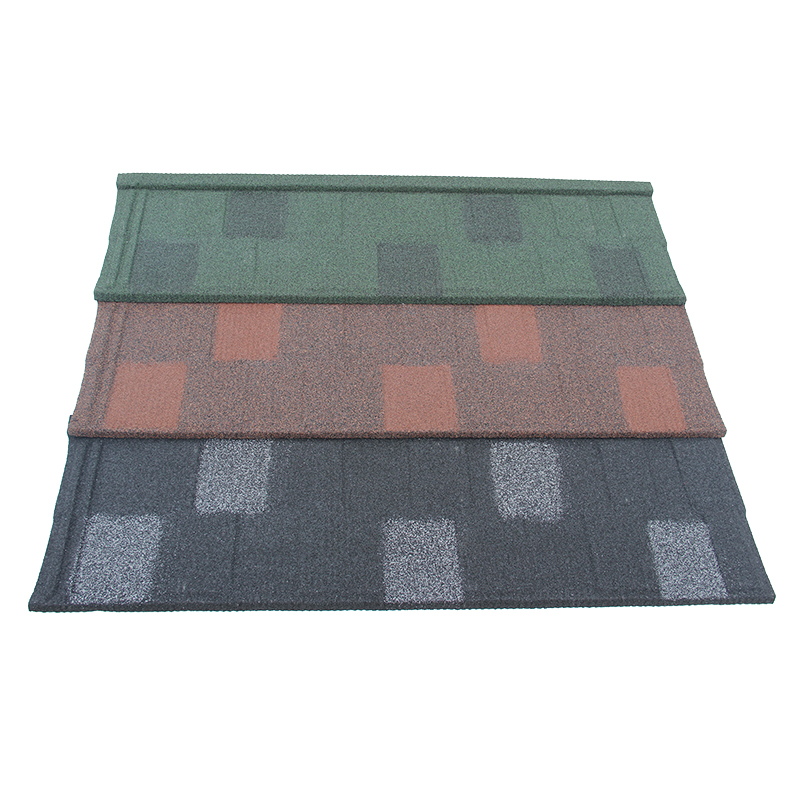
Heavy, wet winter snow adds thousands of pounds of downward pressure on buildings. If your specified roofing material is already heavy, the underlying structure might collapse. Traditional concrete tiles always require massive, highly expensive structural timber framing reinforcements. You can easily eliminate these extra framing costs by sourcing engineered lightweight materials. A flat Shingle Tile easily handles incredibly heavy seasonal snowfall loads safely. It sheds accumulating snow effectively while weighing a mere fraction of standard concrete. Consequently, you save significant project money on initial structural framing and labor.
Resisting Destructive Freeze-Thaw Cracking
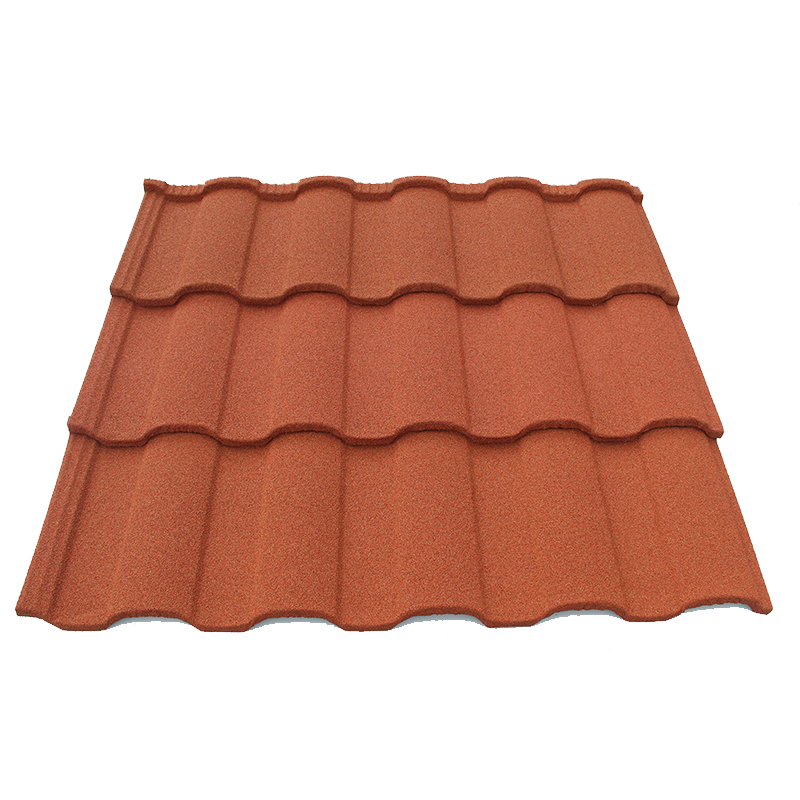
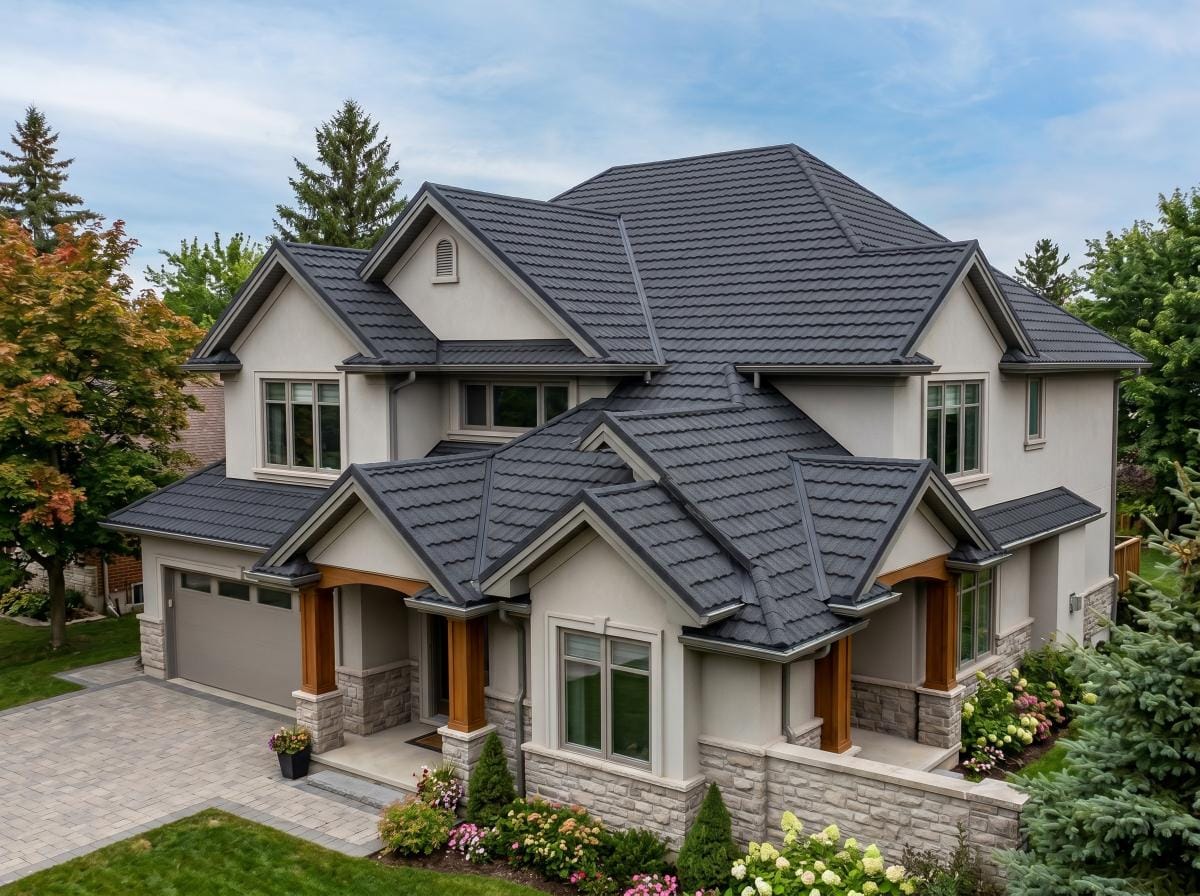
Trapped water naturally expands when it turns into solid ice during freezing winter months. Traditional clay materials easily absorb this freezing moisture deep into their physical pores. As a direct result, the tiles quickly crack, split, and completely crumble apart. You can successfully achieve that traditional architectural look safely with modern material engineering. Using a modern Roman Tile completely prevents this specific, highly destructive moisture damage. It beautifully mimics classic clay perfectly but utilizes an entirely impermeable steel core. This smart design completely stops water absorption and eliminates freeze-thaw structural failures entirely.
Addressing Wildfire-Prone Geographic Areas
Many forested, remote geographic regions face an rapidly escalating annual wildfire threat today. Local municipal governments now enforce extremely strict, uncompromising fire safety building codes. Procurement managers simply cannot specify combustible building materials in these high-risk zones. Flying stray embers easily ignite traditional wood shakes from several miles away. You must proactively protect the expensive commercial property and its inhabitants from fire. Therefore, utilizing certified noncombustible materials is an absolute legal and ethical necessity. Let us carefully analyze the exact fire safety compliance requirements you desperately need.
Mandating Strict Noncombustible Fire Ratings
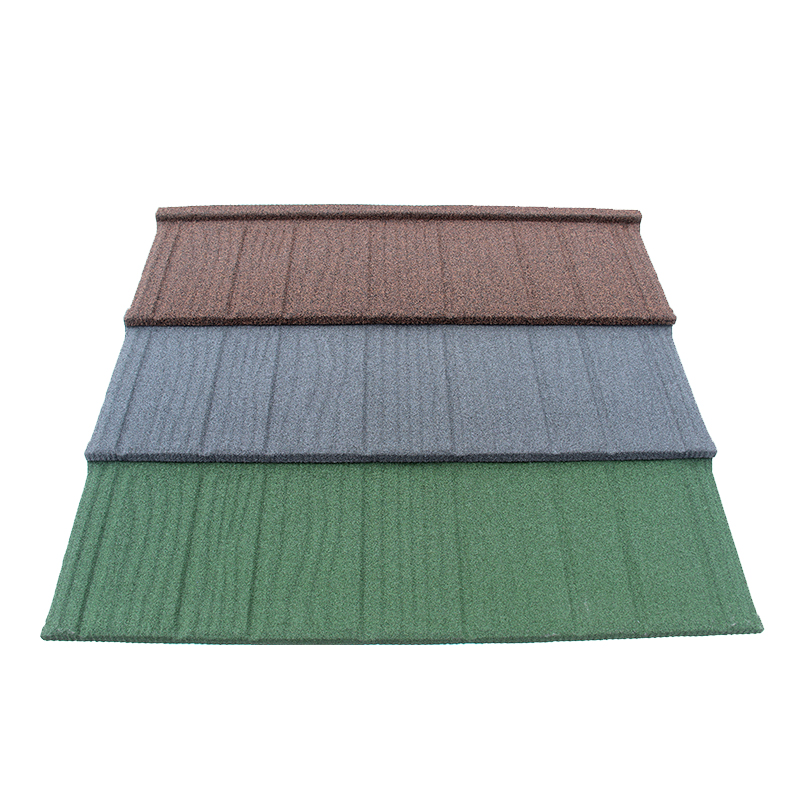
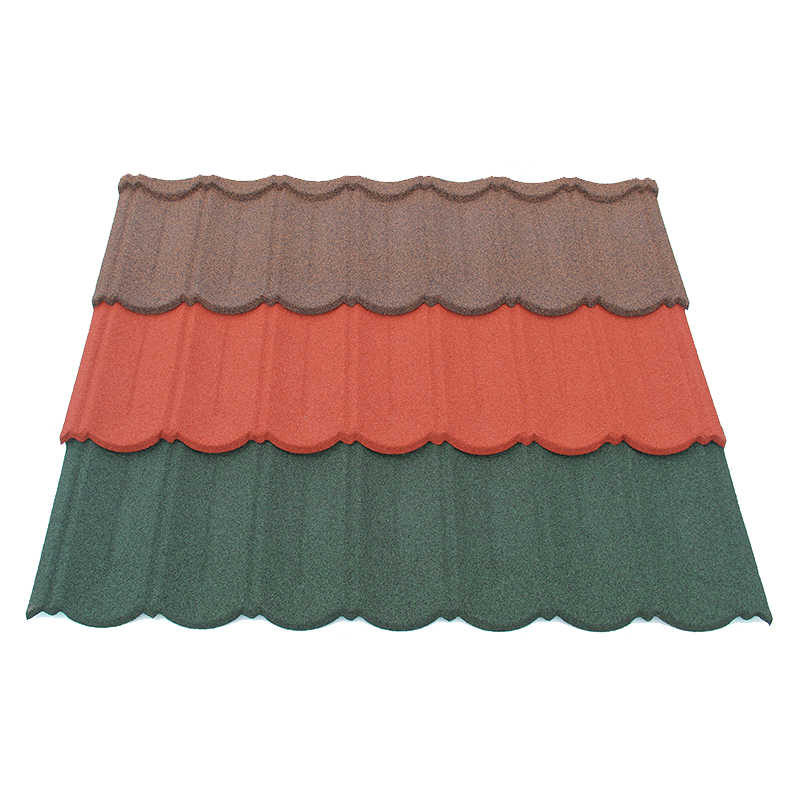
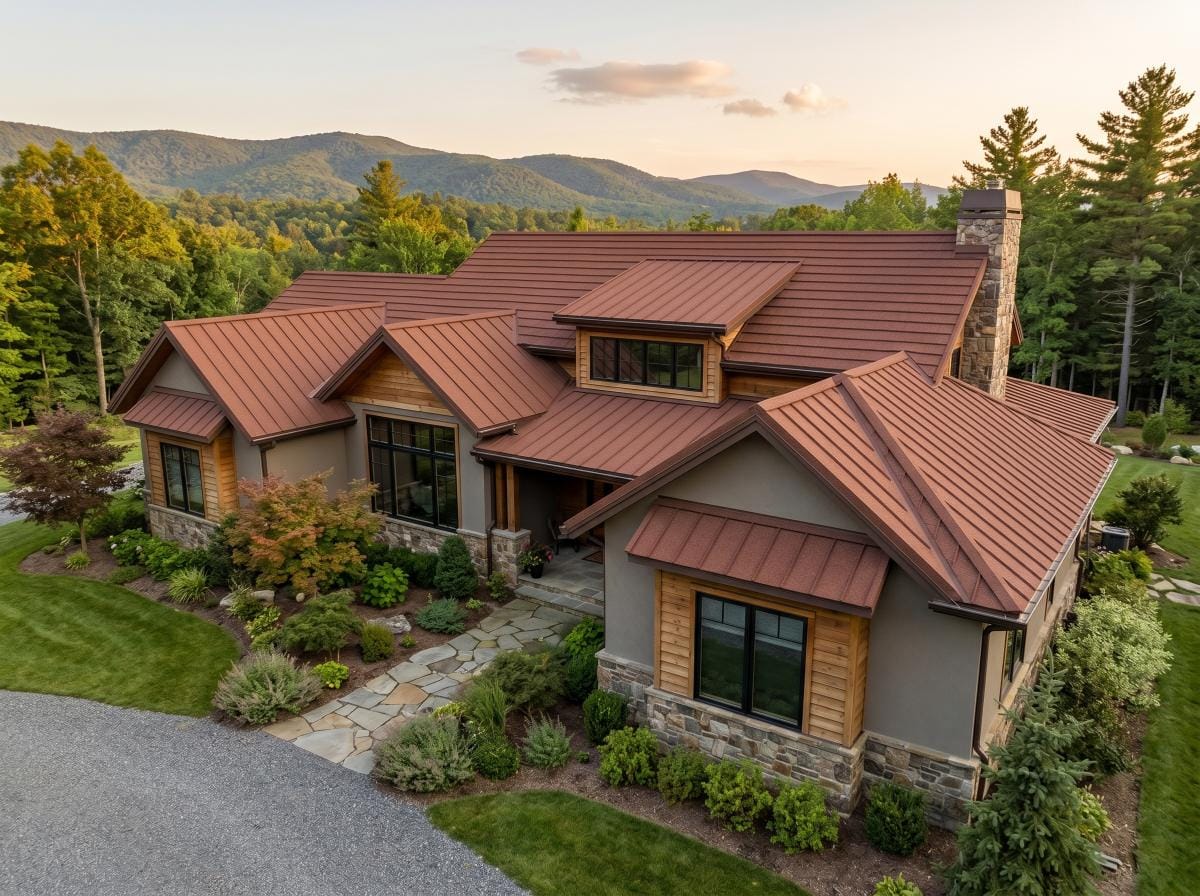
You must always verify the official laboratory fire safety ratings of sourced materials. Underwriters Laboratories (UL) rigorously tests global construction products for extreme fire resistance. You absolutely need a building product featuring a certified UL Class A fire rating. This specific top safety tier means the installed roof will not ignite easily. It safely resists massive fires originating completely outside the main building structure. For commercial projects requiring a rustic look, standard wood shakes are incredibly dangerous. Instead, smartly supply a metal Shake Tile to maintain the desired aesthetic. It perfectly replicates natural wood while remaining completely noncombustible and incredibly safe.
Aligning with Local Municipal Safety Regulations
Local building inspectors will immediately halt projects utilizing non-compliant exterior roofing materials. This bureaucratic action causes massive project delays and destroys your hard-earned profit margins. You must strategically partner with a manufacturer who deeply understands global building codes. An experienced factory proactively provides all necessary certification documents upfront before shipping. When you source from a highly trusted global brand like JCROOF, you succeed. They consistently deliver premium materials that significantly exceed local fire safety regulations. This professional factory backing ensures your commercial projects clear inspections without stressful delays.
Consolidating Procurement for Diverse Geographic Portfolios
Managing multiple different suppliers across vastly different geographic zones creates massive operational inefficiencies. Procurement teams waste countless valuable hours tracking separate, complex international ocean shipments. You also severely fracture your purchasing power by splitting material orders among factories. Consolidating your entire supply chain with one highly versatile manufacturer easily solves this. A highly capable factory produces diverse architectural profiles for various local aesthetic demands. Therefore, you can easily optimize international shipping logistics and drastically reduce freight costs. Let us explore the massive financial benefits of a consolidated B2B procurement strategy.
Streamlining Global Ocean Container Logistics
Shipping heavy construction materials internationally involves very complex, highly specialized logistical coordination. You pay for the entire ocean container regardless of its actual internal contents. Therefore, maximizing internal container volume directly dictates your final landed material costs. A smart manufacturing factory calculates exact pallet dimensions for highly optimal container loading. They effectively utilize every single cubic inch to substantially lower your per-unit freight expense. Furthermore, a consolidated factory order allows mixing multiple profiles in one single container. This incredible flexibility perfectly supports smaller regional B2B distribution centers and tight budgets.
Securing Comprehensive Lifecycle Warranty Support
Managing structural warranties from multiple disparate manufacturers becomes an absolute logistical nightmare quickly. If a building product fails, suppliers often blame each other endlessly without resolution. Consolidating your material purchases provides a single, reliable point of strict corporate accountability. A premium manufacturer offers highly clear, completely straightforward warranty terms for all profiles. They rapidly support your local regional engineering teams with highly detailed installation manuals. This singular, dedicated focus directly protects your corporate bottom line and brand reputation. Consequently, you build lasting, highly profitable trust with your regional building contractors.
Geographic Climate Challenges and Material Solutions Matrix
Use this convenient evaluation table to match specific geographic threats with ideal procurement solutions:
| Geographic Threat Level | Primary Structural Risk | Recommended Material Attribute | Ideal B2B Procurement Strategy |
|---|---|---|---|
| Extreme UV / Desert Heat | Thermal expansion, rapid cracking. | Acrylic resin coating, high reflectivity. | Require documented UV degradation testing. |
| Coastal / Hurricane Zones | Massive wind uplift, salt corrosion. | Interlocking panels, Al-Zn alloy steel. | Verify 120 mph wind resistance warranties. |
| Alpine / Freezing Climates | Roof collapse, freeze-thaw damage. | Lightweight core, non-porous surface. | Calculate strict structural dead load limits. |
| Forest / Wildfire Regions | Ignition from flying embers. | Class A Noncombustible rating. | Demand official UL Class A certifications. |