

Global commercial procurement requires incredibly strict financial management every single day. Therefore, importing massive building materials introduces significant financial risks constantly. Specifically, hidden international shipping fees and complex regulatory costs easily destroy tight construction budgets entirely. Consequently, B2B buyers must thoroughly analyze their entire global supply chain immediately. Integrating highly engineered materials like stone coated steel roofing significantly reduces these massive logistical risks. This advanced metallic composite optimizes international shipping container volume incredibly well. Furthermore, it completely bypasses many common heavy material import penalties globally. Thus, evaluating these highly specific import challenges is a strictly mandatory modern business practice. In this comprehensive B2B procurement guide, we will analyze these hidden import costs deeply. Ultimately, this detailed logistical breakdown perfectly helps your procurement team protect its valuable capital safely.
Modern commercial property development demands highly strategic supply chain optimization continuously. Buyers can no longer afford to simply accept basic initial factory price quotes blindly. Instead, they must prioritize calculating the true, comprehensive total landed cost accurately. Therefore, evaluating specific port fees, complex tariffs, and potential transit damages is absolutely vital. Indeed, aggressive logistical optimization drastically lowers total operational costs over several massive shipments. Let us thoroughly explore exactly how to identify and completely avoid these devastating hidden import costs today.
Analyzing Global Logistics and Ocean Freight Dynamics
Ocean freight logistics heavily dictate the total landed cost of commercial building materials. Therefore, B2B procurement teams must deeply understand complex global shipping dynamics continuously. Standardizing massive international shipments requires rigorous mathematical planning and highly strict oversight. Unfortunately, unexpected hidden port fees and fluctuating international shipping rates frequently ruin profitable commercial projects instantly. Let us carefully analyze exactly how these specific logistical costs silently accumulate during ocean transit.
Fluctuating Container Rates and Spot Market Volatility
Massive commercial construction projects operate on incredibly strict, highly synchronized financial schedules constantly. Therefore, relying on highly volatile spot-market international shipping rates is incredibly dangerous financially. Global freight costs frequently surge unexpectedly during severe international port congestion periods. Consequently, unstable maritime shipping rates completely destroy incredibly tight commercial procurement budgets overnight. Thus, astute B2B buyers must strictly secure long-term, highly guaranteed freight forwarding contracts immediately. Ultimately, locking in stable container rates perfectly shields your project from unpredictable global logistical chaos.
Devastating Demurrage and Port Detention Fees
Global logistics chaos frequently causes severe mismatches between actual port arrivals and local site readiness. Consequently, wildly late or unexpectedly early container arrivals trigger massive, highly expensive port storage fees automatically. These punitive port demurrage charges quickly accumulate into thousands of unexpected operational dollars every single day. Therefore, maintaining absolute schedule integrity through reliable procurement communication is strictly vital. Furthermore, buyers must accurately forecast their specific local customs clearance timelines perfectly. Thus, highly proactive logistical coordination safely eliminates these highly wasteful, entirely unnecessary port penalty fees.
Navigating Complex Tariffs and Customs Duties
Navigating international customs regulations is incredibly difficult and highly complex today. Therefore, commercial buyers cannot simply rely on basic overseas factory price quotes ever. Instead, they must precisely calculate all mandatory import taxes and strict regional governmental tariffs. Consequently, completely ignoring these specific legal requirements creates massive financial liabilities immediately upon port arrival. Furthermore, incorrect international customs paperwork traps expensive commercial cargo at the port indefinitely. Thus, deeply understanding mandatory compliance costs is strictly mandatory for total B2B procurement success.
Unexpected Tariff Classifications and HTS Codes
International customs agencies utilize highly specific Harmonized Tariff Schedule (HTS) codes continuously. Therefore, misclassifying your imported commercial roofing materials triggers massive financial governmental penalties instantly. Unfortunately, cheap asphalt or basic metal sheets frequently fall under highly taxed international trade categories. Conversely, advanced engineered composites often qualify for highly favorable, significantly lower specific import duties. Consequently, procurement managers must aggressively consult with licensed international customs brokers before ordering anything. Ultimately, establishing the exact correct HTS code legally prevents devastating surprise tax bills upon arrival.
Mandatory Compliance and Certification Costs
Local building authorities strictly require extensive, highly documented structural safety certifications constantly. Therefore, importing cheap, totally unverified commercial building materials creates a massive hidden financial trap. Specifically, buyers must frequently pay for highly expensive independent local laboratory testing post-arrival. Consequently, these totally unexpected certification costs quickly destroy the initial cheap material savings completely. Thus, you must strictly source materials from global factories possessing pre-approved international building certifications. Ultimately, demanding verified testing data upfront safely protects your incredibly tight operational budget completely.
Quality Control Failures and Costly Material Replacements
Sourcing structural materials from cheap, unverified global manufacturers is incredibly risky business today. Inconsistent factory batch quality ruins massive commercial construction projects very quickly and permanently. Therefore, meticulous B2B buyers must vet their international factory partners extensively and continuously. Receiving heavily damaged or totally unusable roofing materials destroys strict project timelines entirely. Consequently, deeply understanding the massive hidden costs of poor quality control is absolutely vital. Let us clearly explore exactly how material failures rapidly inflate your total procurement budget.
Transit Damage and Poor Packaging Integrity
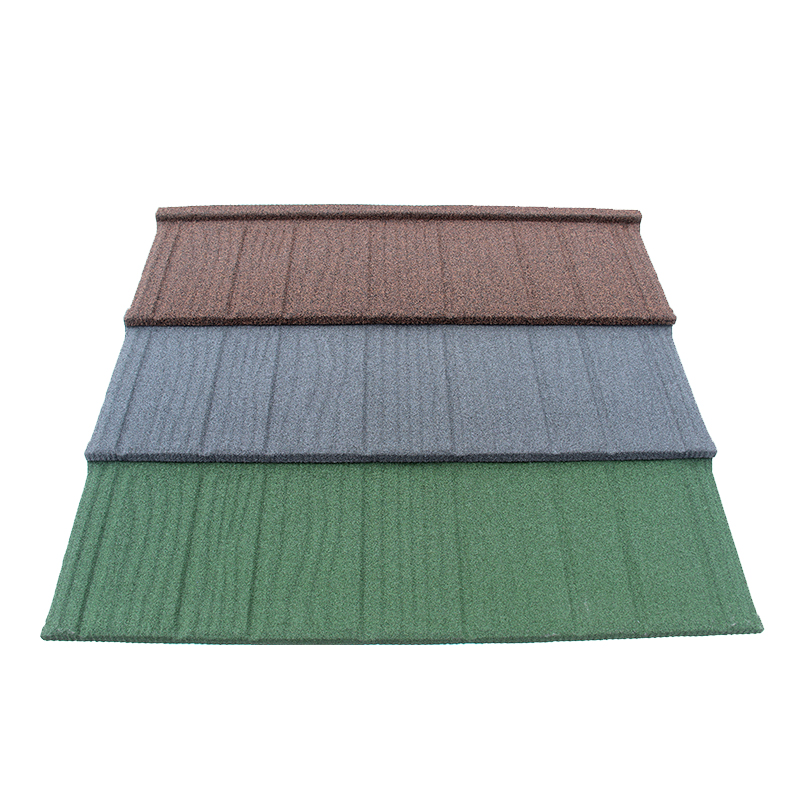
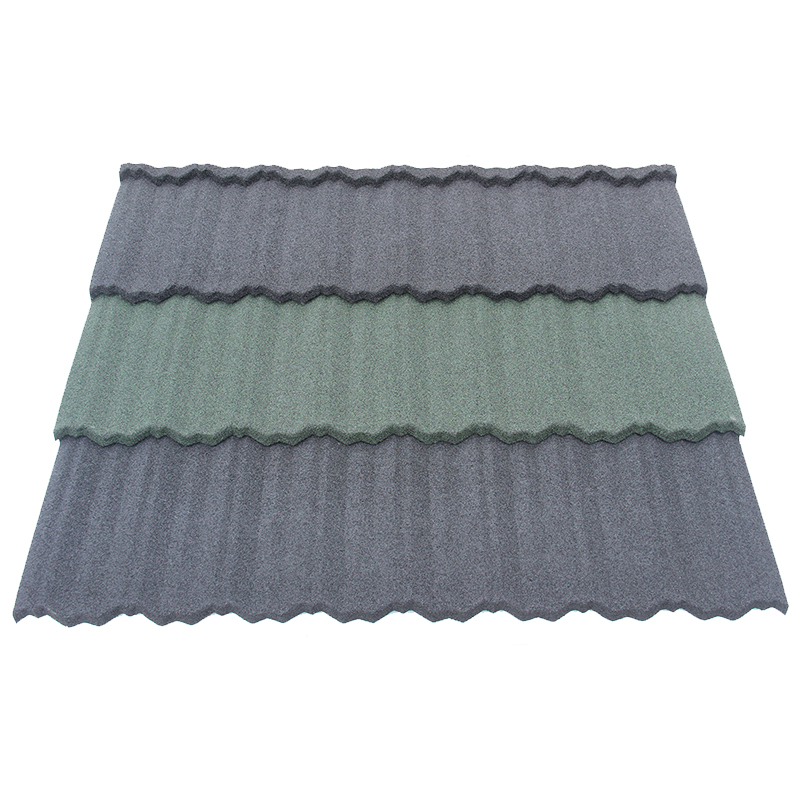
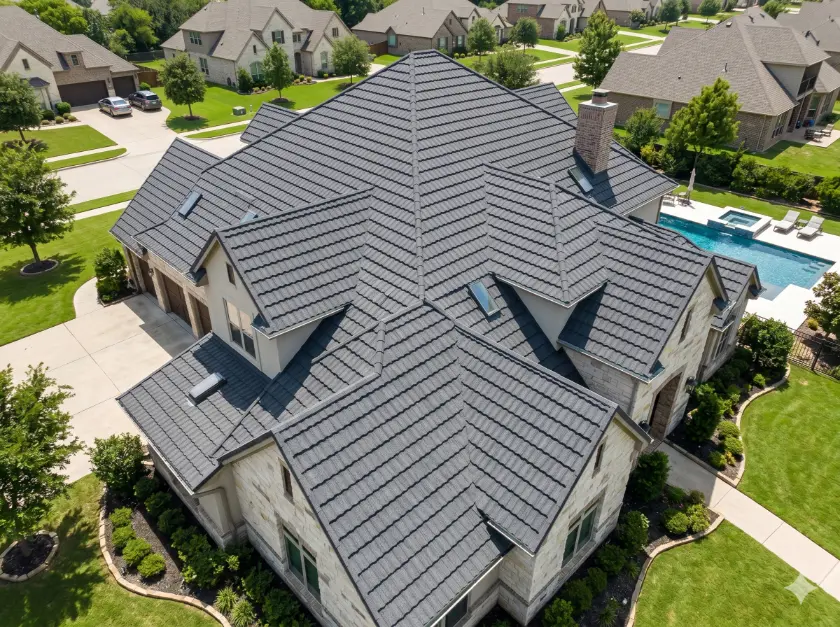
Heavy export pallets must remain completely immobilized during long, highly turbulent international ocean voyages. Therefore, professional loading crews must strictly utilize heavy-duty cargo strapping and massive protective dunnage. Unfortunately, cheap global suppliers frequently utilize extremely weak, highly brittle wooden export pallets constantly. Consequently, shifting heavy cargo easily destroys expensive commercial assets instantly during rough ocean transit. For instance, shipping a deeply textured Shake Tile requires highly specialized, incredibly thick cardboard separators. Without this careful physical separation, aggressive friction safely destroys the beautiful stone granular exterior coating. Thus, demanding fully certified, heavy-duty packaging protocols safely eliminates these massive material replacement costs.
Manufacturer Defects and Liability Gaps
Global material shortages frequently force highly unreliable factories to rapidly rush their standard production cycles. Consequently, this highly rushed manufacturing drastically degrades the final structural quality of the actual metallic panels. Furthermore, recovering financial compensation from an overseas supplier for defective materials is notoriously difficult. Therefore, establishing a highly transparent operational relationship with a true manufacturer is strictly mandatory. Collaborating directly with a highly reputable industry manufacturer like JCROOF ensures strict industrial-grade material quality constantly. Ultimately, reliable supply chains directly guarantee exceptional, long-lasting project success without hidden defect costs.
Mitigating Financial Risks with Smart Product Selection
Selecting the exact perfect roofing product heavily minimizes massive international shipping costs automatically. Procurement managers cannot simply guess which specific material works best logistically today. Instead, they must systematically align physical material properties with strict ocean container volume limits. Consequently, choosing highly engineered, incredibly lightweight metallic systems effortlessly provides a massive operational advantage. Therefore, B2B buyers must actively prioritize spatial packaging optimization during the initial supplier selection phase. Let us examine exactly how intelligent material choices generate massive logistical cost savings.
Maximizing Container Yields Logistically
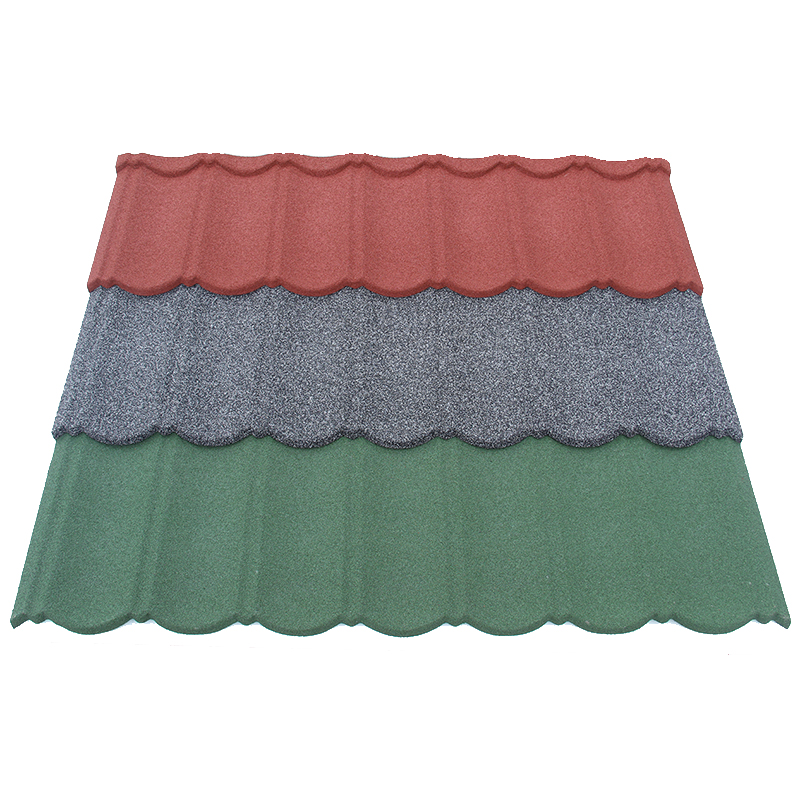
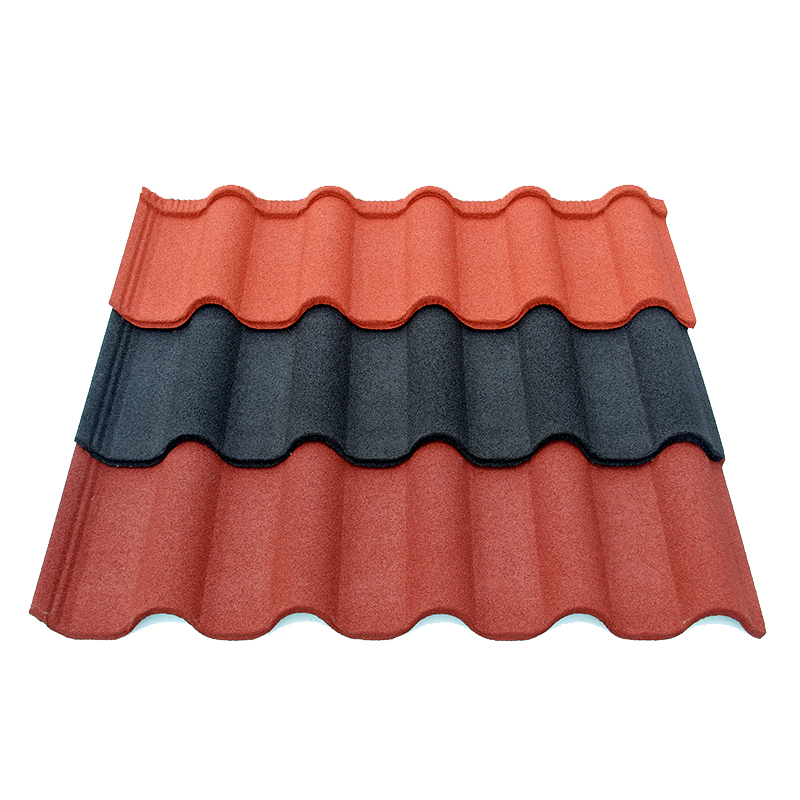
Standard ocean shipping containers strictly face severe physical volume limitations continuously during transit. Therefore, shipping highly irregular, incredibly bulky architectural shapes heavily wastes highly expensive internal container space. Conversely, certain precisely engineered metallic profiles actively allow for incredibly dense, highly compacted export pallet stacking. Specifically, integrating a classic Bond Tile allows for incredibly rapid, highly efficient overlapping panel placement. Its highly symmetrical physical shape nests perfectly, completely eliminating all wasted internal air pockets. Consequently, commercial buyers can safely fit maximum product quantities into every single shipment securely. Thus, this incredible spatial efficiency drastically lowers the final landed shipping cost per square meter.
Managing High-End Architectural Demands
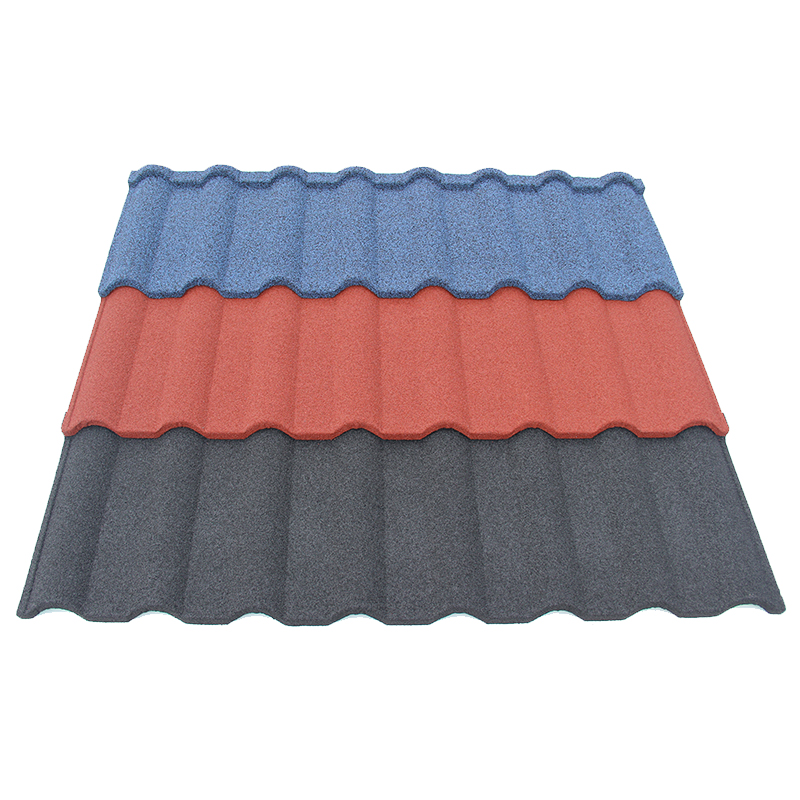
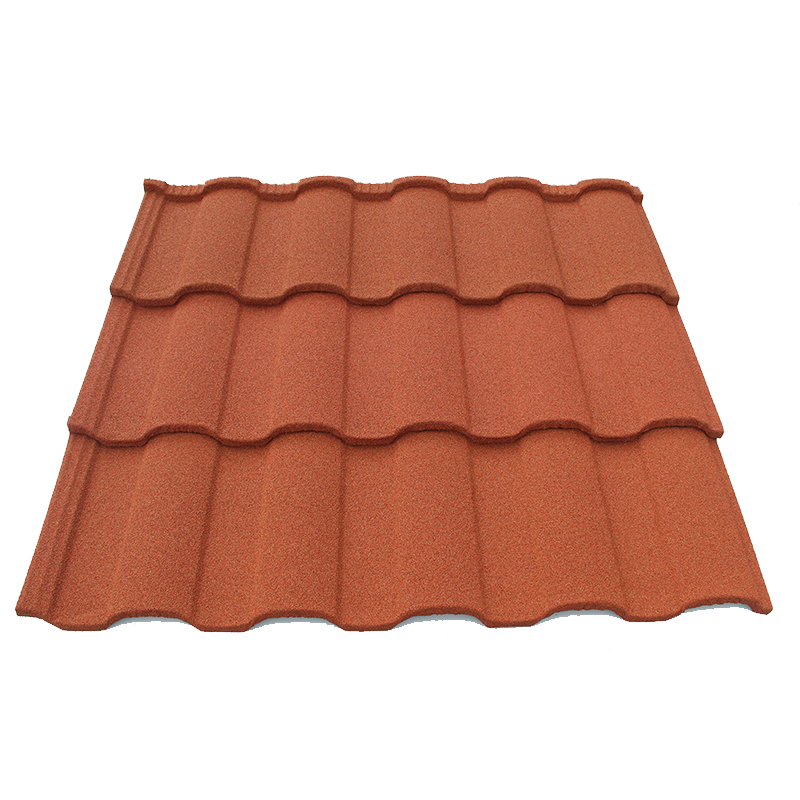
Modern luxury commercial properties demand incredibly clean, perfectly sweeping architectural designs constantly. Therefore, procuring these highly specific luxury materials internationally requires incredibly precise logistical accessory matching. Simply ordering flat main panels without perfectly matched custom flashings is a massive logistical mistake. For premium projects, installing a incredibly sleek Milano Tile requires exact matching accessories immediately. Missing even one crucial ridge cap forces developers to pay for highly expensive secondary airfreight shipments. Consequently, expert commercial buyers perfectly calculate the exact accessory ratio needed before ocean shipping begins. Ultimately, comprehensive order consolidation completely prevents these highly frustrating, completely hidden secondary shipping fees.
Local Zoning Restrictions and Retrofitting Expenses
Successfully importing massive commercial building materials is truly only half of the complex procurement battle. Once the ocean cargo finally arrives locally, developers face incredibly strict regional zoning regulations constantly. Therefore, accidentally installing non-compliant exterior materials triggers massive legal fines and highly expensive retrofitting mandates. Consequently, B2B buyers must clearly understand specific underlying neighborhood engineering requirements completely before ordering. Carefully evaluating strict local building codes safely shields your massive capital investment completely. Let us explore how careful forward planning easily prevents these devastating, highly expensive installation delays entirely.
Avoiding Historic Neighborhood HOA Penalties
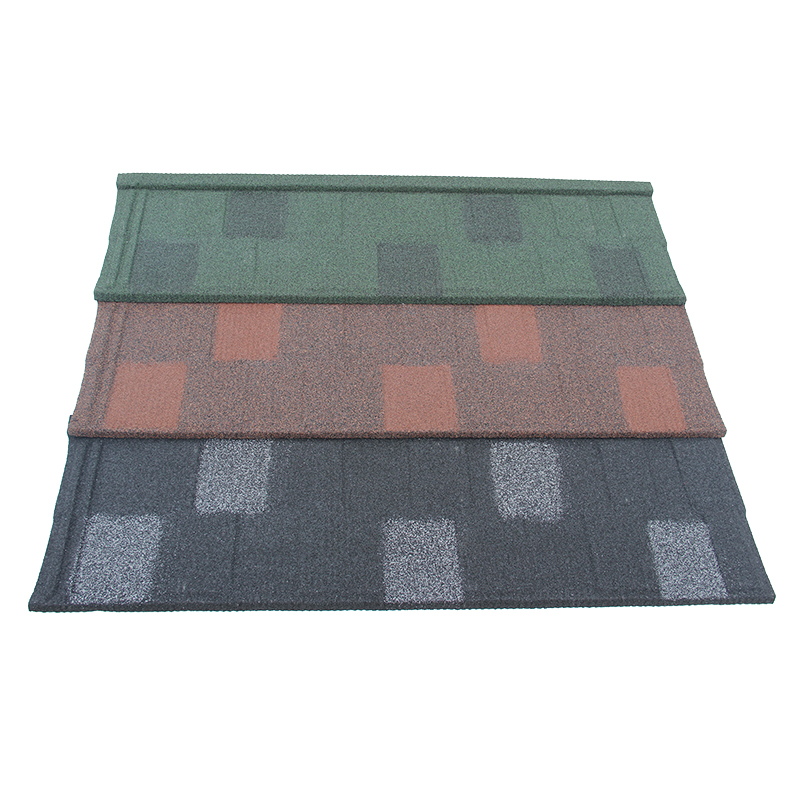
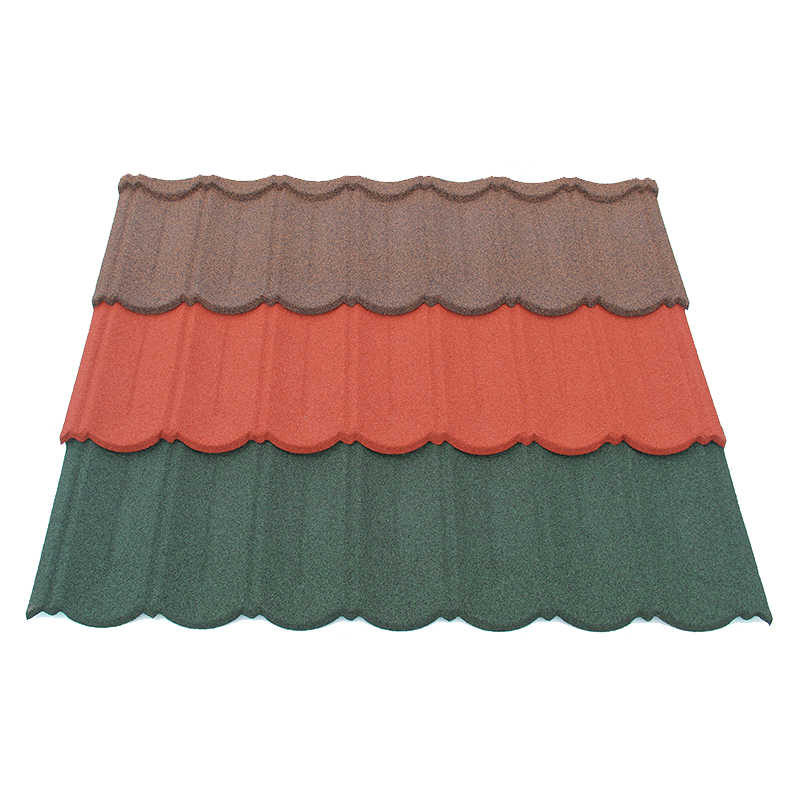
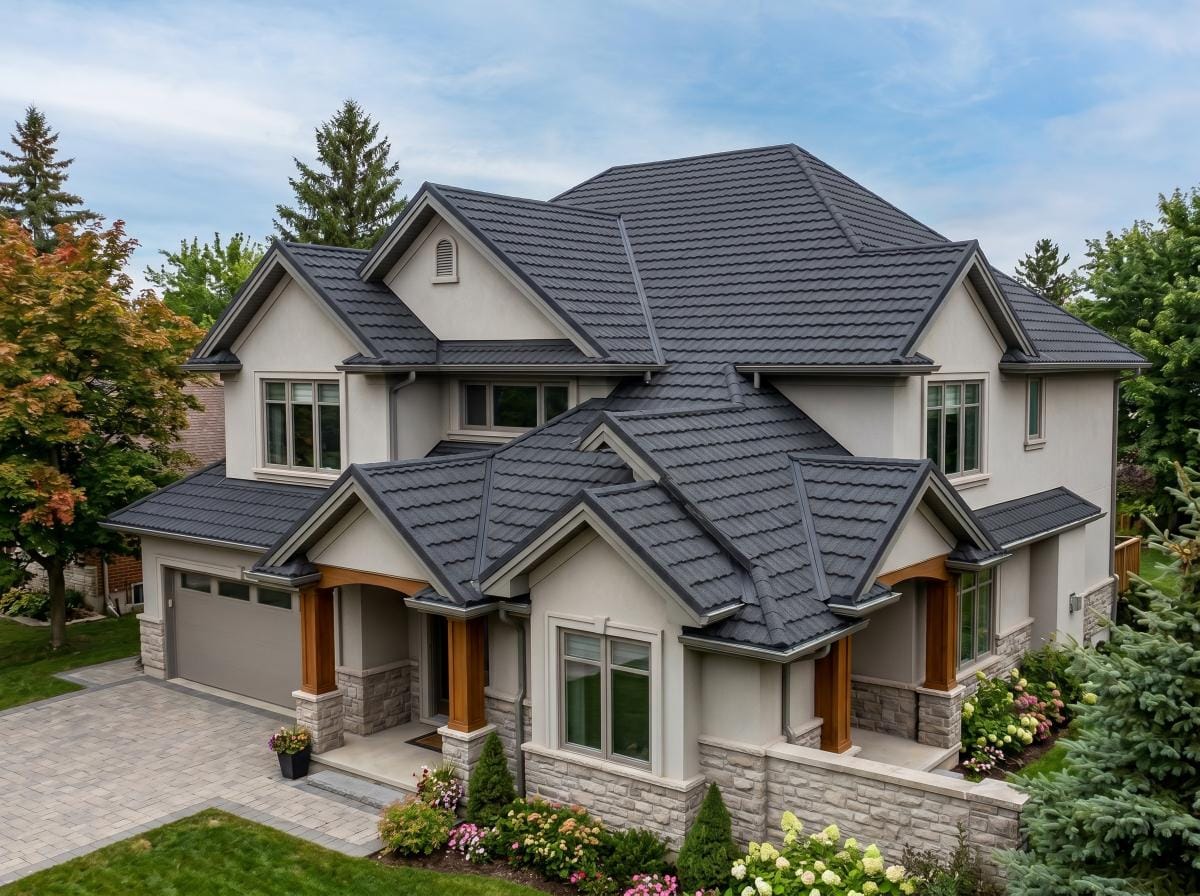
Many highly lucrative commercial renovation projects take place within strictly regulated historic residential neighborhoods. Therefore, ambitious developers cannot simply install highly modern exterior materials without facing severe financial penalties. They desperately require highly durable imported materials that perfectly mimic standard, cheap older roofs visually. Consequently, sensible B2B buyers should explicitly specify the advanced Shingle Tile profile immediately. It beautifully mimics the extremely low-profile, highly staggered look of traditional cheap neighborhood asphalt exactly. Thus, developers easily satisfy highly strict local zoning boards while avoiding highly expensive tear-down mandates entirely.
Coastal Compliance and Corrosion Upgrades
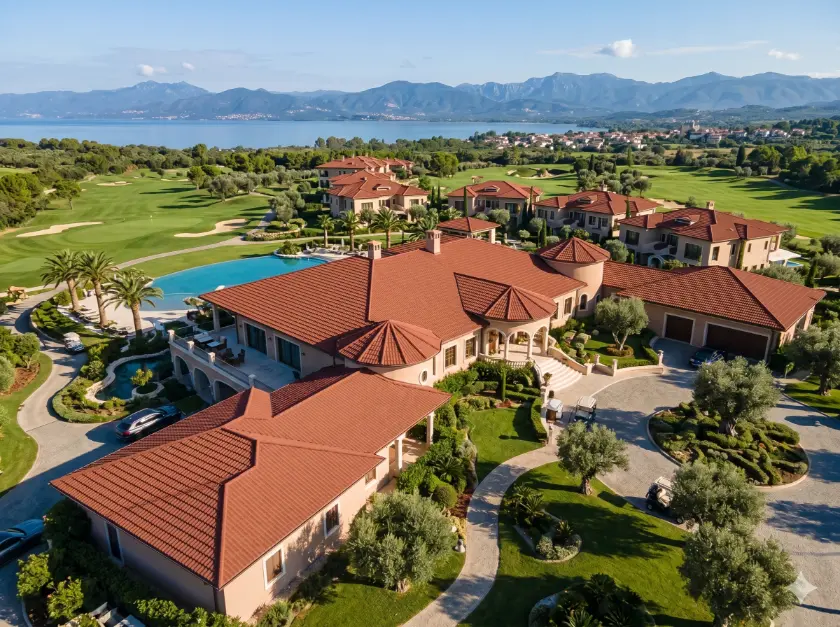
Oceanfront commercial properties face incredibly aggressive, highly corrosive atmospheric saltwater environments every single day. Therefore, local coastal building inspectors strictly enforce massive anti-corrosion material standards continuously. Importing cheap galvanized steel panels easily fails these strict local municipal inspections instantly. Consequently, developers are forced to entirely replace the newly imported roof at a massive financial loss. Procuring an incredibly elegant Roman Tile solves this major coastal engineering dilemma perfectly. It flawlessly replicates traditional Mediterranean clay while utilizing a fully compliant, highly advanced Aluminum-Zinc alloy core. Ultimately, importing strict code-compliant materials completely prevents these massive hidden municipal retrofitting expenses completely.