

Commercial real estate procurement requires absolute mathematical precision constantly. Indeed, inaccurate material calculations destroy lean corporate budgets rapidly. Under-ordering materials causes massive logistical delays on the active job site. Conversely, over-ordering ties up massive amounts of capital unnecessarily in wasted inventory. Therefore, mastering the exact calculus of architectural cladding is a mandatory B2B skill. Specifically, procuring Stone coated steel roofing tiles requires an understanding of advanced installation geometry. This advanced metallurgy utilizes specific interlocking tolerances that fundamentally alter traditional area calculations. Consequently, procurement officers cannot simply rely on basic two-dimensional square footage estimates. This comprehensive engineering guide explains the exact mathematics required for flawless B2B wholesale procurement. Ultimately, understanding these complex variables protects your massive capital investments. It guarantees lean construction execution and highly profitable long-term asset valuation.
1. The Fundamental Mathematics of Roof Area
Calculating the exact material requirement begins with understanding the true architectural footprint. First, facility managers must realize that a flat building footprint does not equal the roof area. A commercial roof sits at a specific angle, known technically as the pitch. Consequently, this geometric slope significantly increases the actual physical surface area required for cladding. Therefore, you must apply precise mathematical multipliers to your basic footprint dimensions. Ignoring this fundamental geometry guarantees a massive shortage of materials during structural installation.
Measuring the Base Architectural Footprint
Start by calculating the exact two-dimensional area of the commercial structure. Multiply the total length of the building by its total physical width. Furthermore, include any massive structural overhangs or covered walkways in this initial measurement. This simple calculation provides the flat, base square footage of the facility. However, this is only the first step in the entire procurement equation. You must never order materials based solely on this initial flat geometric number.
Applying the Crucial Pitch Multiplier
Next, you must calculate the exact pitch of the commercial roof deck. As the roof becomes steeper, the actual surface area increases exponentially. Therefore, structural engineers use a specific pitch multiplier to determine the true exterior area. For instance, a standard 4:12 pitch requires a mathematical multiplier of approximately 1.054. Consequently, you multiply your flat base area by this specific, calculated number. This final calculation provides the true, three-dimensional surface area requiring protective architectural cladding.
2. Understanding Net Coverage vs. Gross Panel Size
A catastrophic procurement error involves confusing gross physical dimensions with net coverage area. When you examine a single metal panel, it possesses a specific total length and width. However, you cannot use these gross dimensions to calculate your total material needs. Advanced interlocking systems overlap each other horizontally and vertically during structural installation. Therefore, the actual installed coverage is significantly smaller than the physical panel itself. Understanding this precise engineering difference is critical for accurate, lean commercial ordering.
The Mechanics of Horizontal Overlap
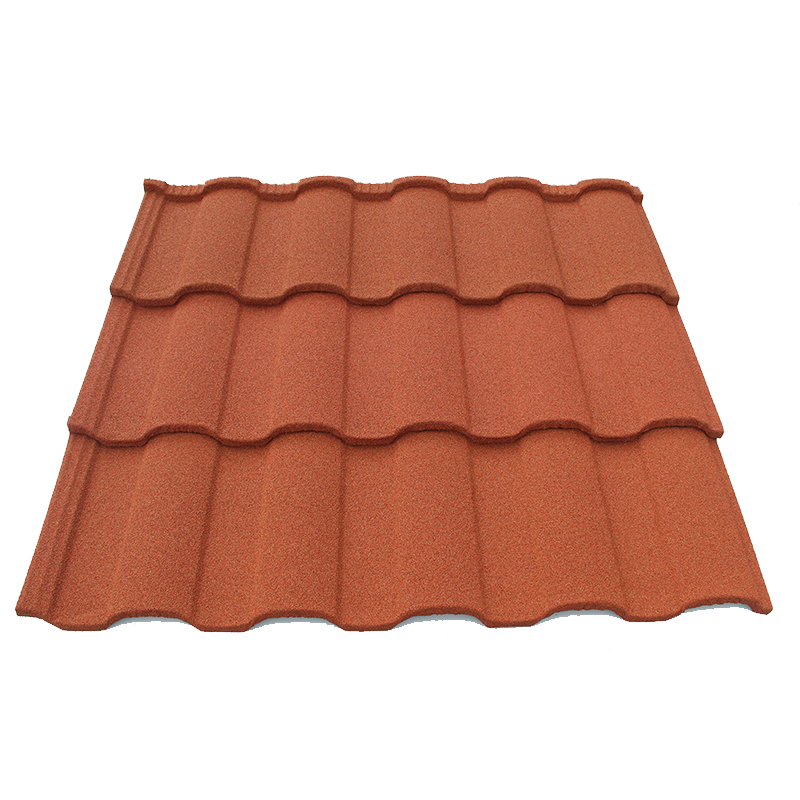
Advanced steel panels lock together side-by-side to create a waterproof barrier. This horizontal overlap consumes a specific portion of the panel’s physical width. For example, a heavy-duty industrial Bond Tile requires a precise horizontal interlock. This ensures maximum kinetic rigidity against severe hurricane wind uplift natively. Consequently, you must subtract this overlapping dimension from the total panel width entirely. This simple subtraction provides the exact net horizontal coverage per piece.
Vertical Interlocking and Tile Battens
Furthermore, the panels overlap vertically as they progress up the roof deck continually. The front nose of the upper panel locks into the back edge of the lower panel. Specifically, this vertical overlap is dictated by the structural tile batten spacing. Therefore, the physical height of the panel is reduced by this necessary structural overlap. Multiplying the net horizontal coverage by the net vertical coverage yields the true yield per panel. You must use this specific net yield to divide into your total roof area accurately.
3. Accounting for Architectural Complexity and Waste
Commercial roofs are rarely simple, flat rectangular structures in the real world. Luxury developments feature highly complex architectural geometry, including dormers, parapets, and multi-level ridges. Every single architectural angle requires the installation crew to cut the steel panels precisely. Consequently, these custom cuts generate unusable scrap metal that cannot be reinstalled. Therefore, procurement officers must calculate a specific material waste factor to compensate for this loss. Failing to factor in architectural waste ensures you will run out of materials prematurely.
Navigating Deep Architectural Valleys
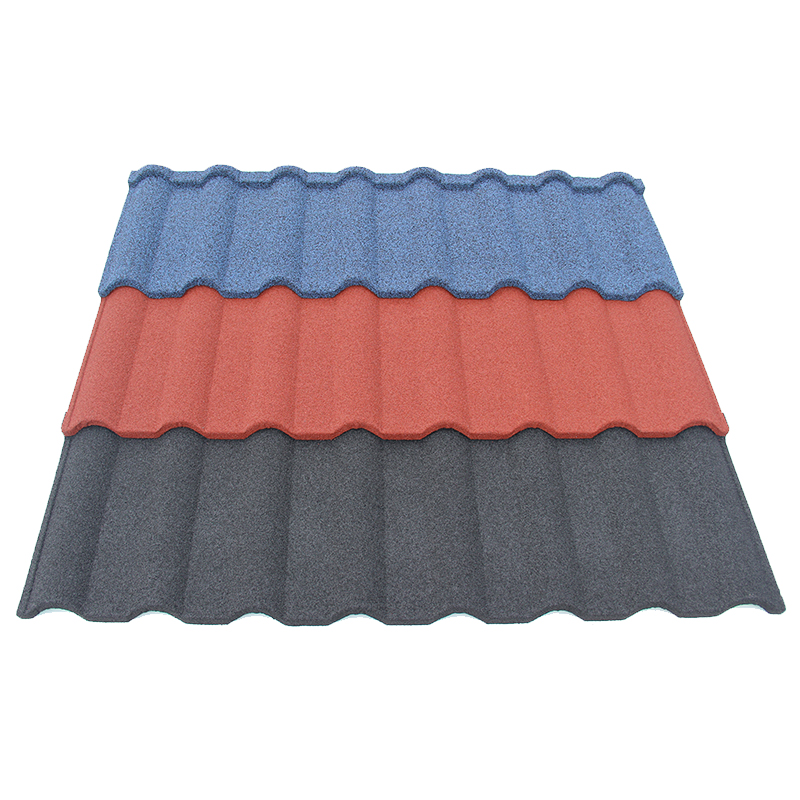
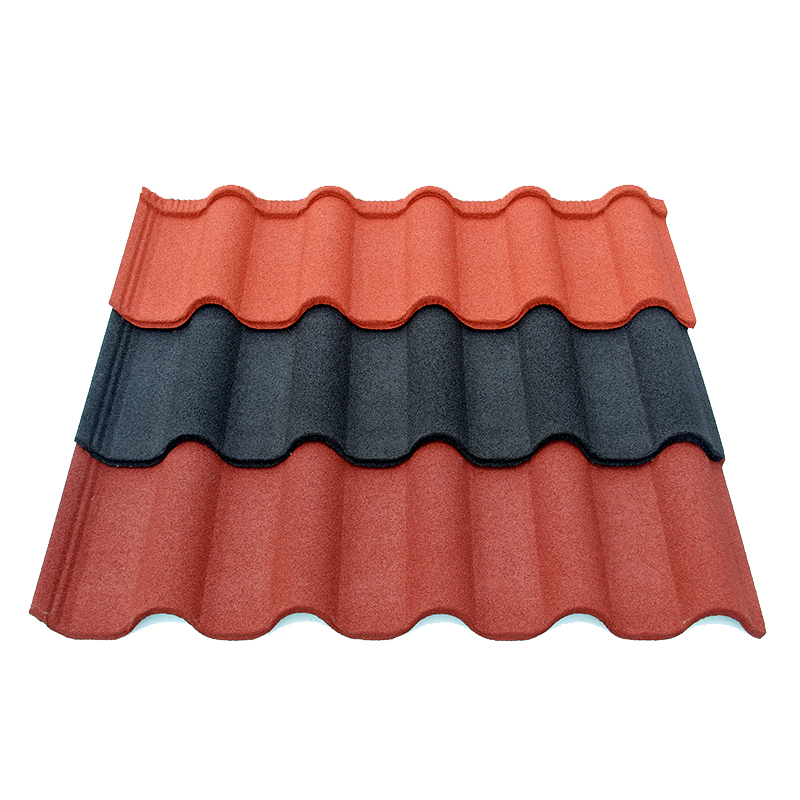
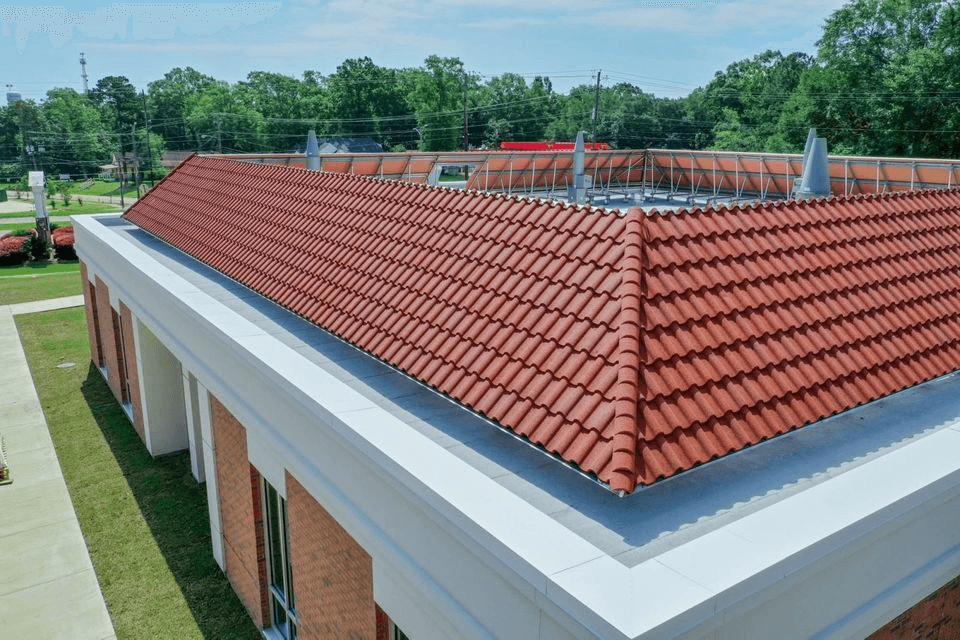
Complex commercial roofs utilize intersecting roof planes that create structural drainage valleys. These valleys require diagonal cuts across multiple steel panels to ensure proper water evacuation. For instance, a deeply channeled Roman Tile evacuates massive tropical monsoons efficiently. However, cutting this deeply corrugated profile at a sharp diagonal angle generates significant scrap. Therefore, commercial roofs with numerous structural valleys require a much higher waste percentage calculation natively. Procurement officers must analyze the architectural blueprints carefully to assess this specific geometric risk.
Calculating for Sweeping Hips and Ridges
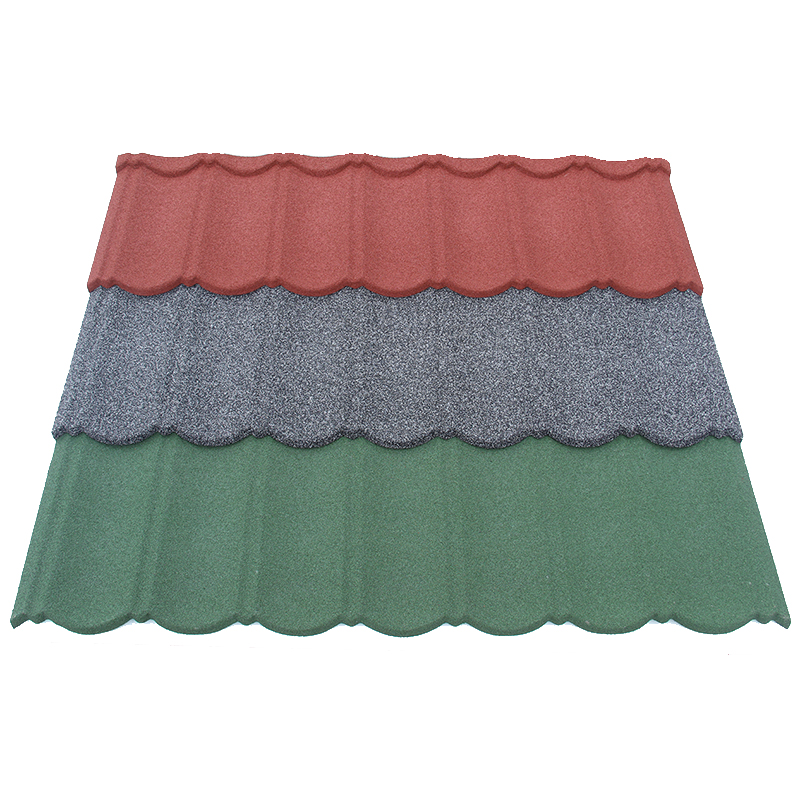
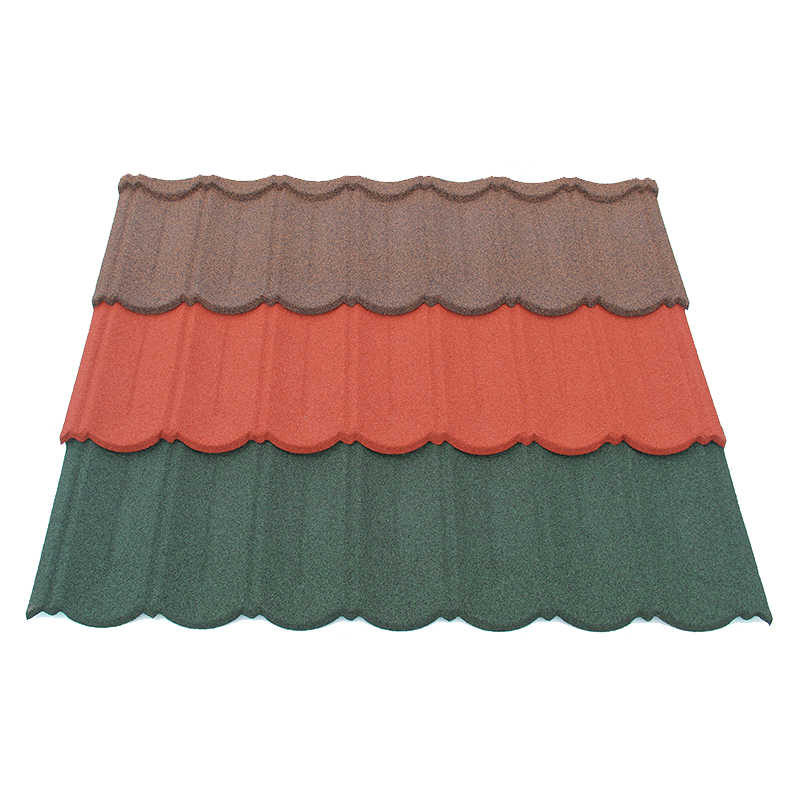
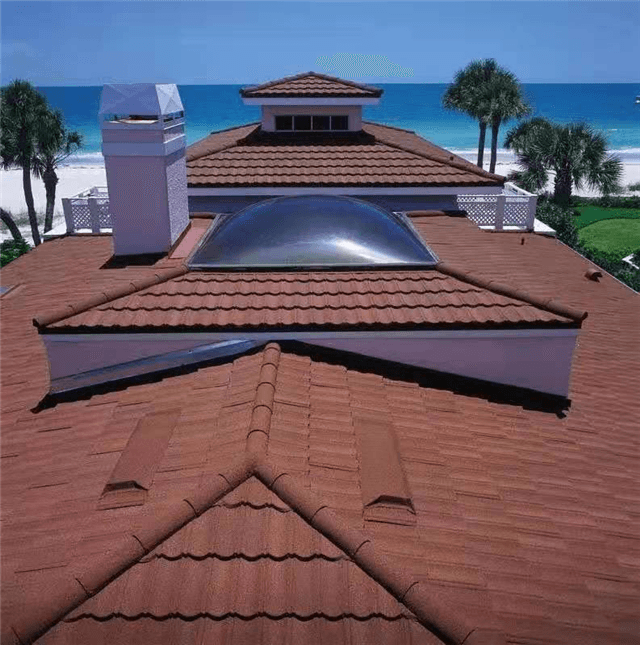
Similarly, multi-directional roofs feature numerous structural hips and towering aesthetic ridges. Installers must cut the panels precisely to meet at these elevated transition points. Specifically, a sweeping Mediterranean Milano Tile requires extreme precision at these converging hip lines. Consequently, the off-cuts from these architectural peaks are usually discarded entirely. B2B buyers must increase their total order by 5% to 10% simply to accommodate these cuts. Providing a healthy waste margin prevents extremely expensive emergency air-freight orders later.
4. Factoring in Specific Profile Nuances
Different architectural profiles handle material efficiency and installation layouts slightly differently. The specific aesthetic design dictates how easily off-cuts can be repurposed elsewhere on the deck. Therefore, you must adjust your mathematical waste factor based on the exact profile chosen. Minimalist designs often allow for higher material efficiency during complex structural installations. Conversely, heavily textured, randomized patterns require stricter alignment that generates more scrap. Understanding these profile nuances prevents expensive procurement shortages and protects corporate ROI.
Minimalist Designs and Clean Cuts
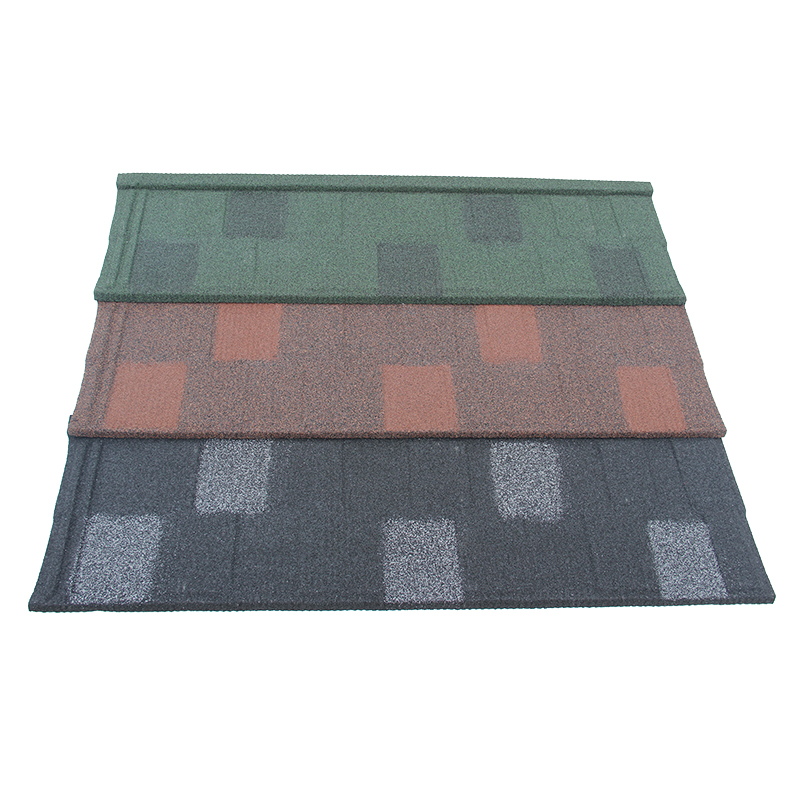
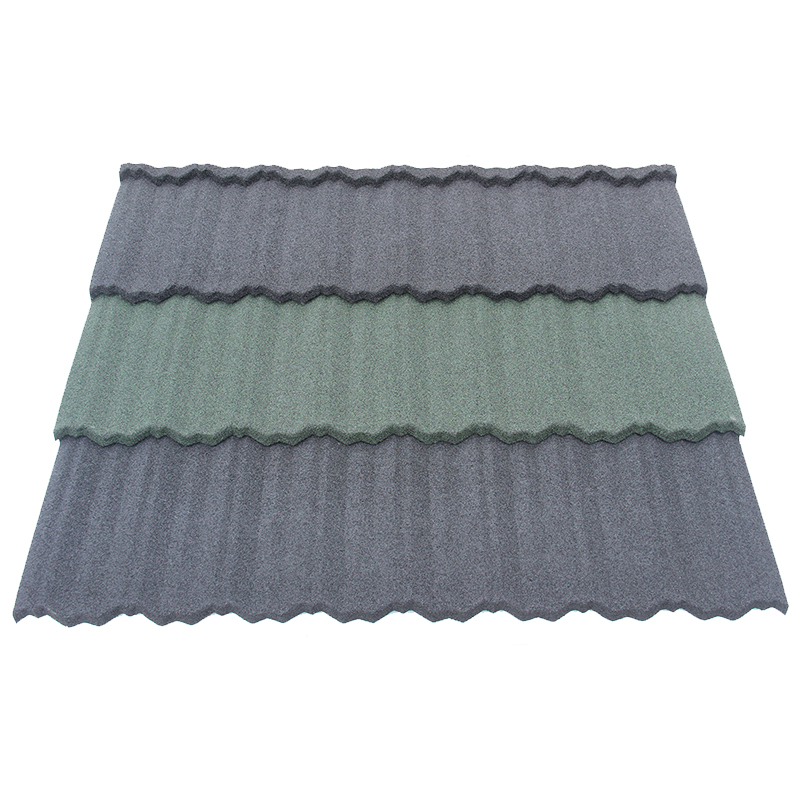
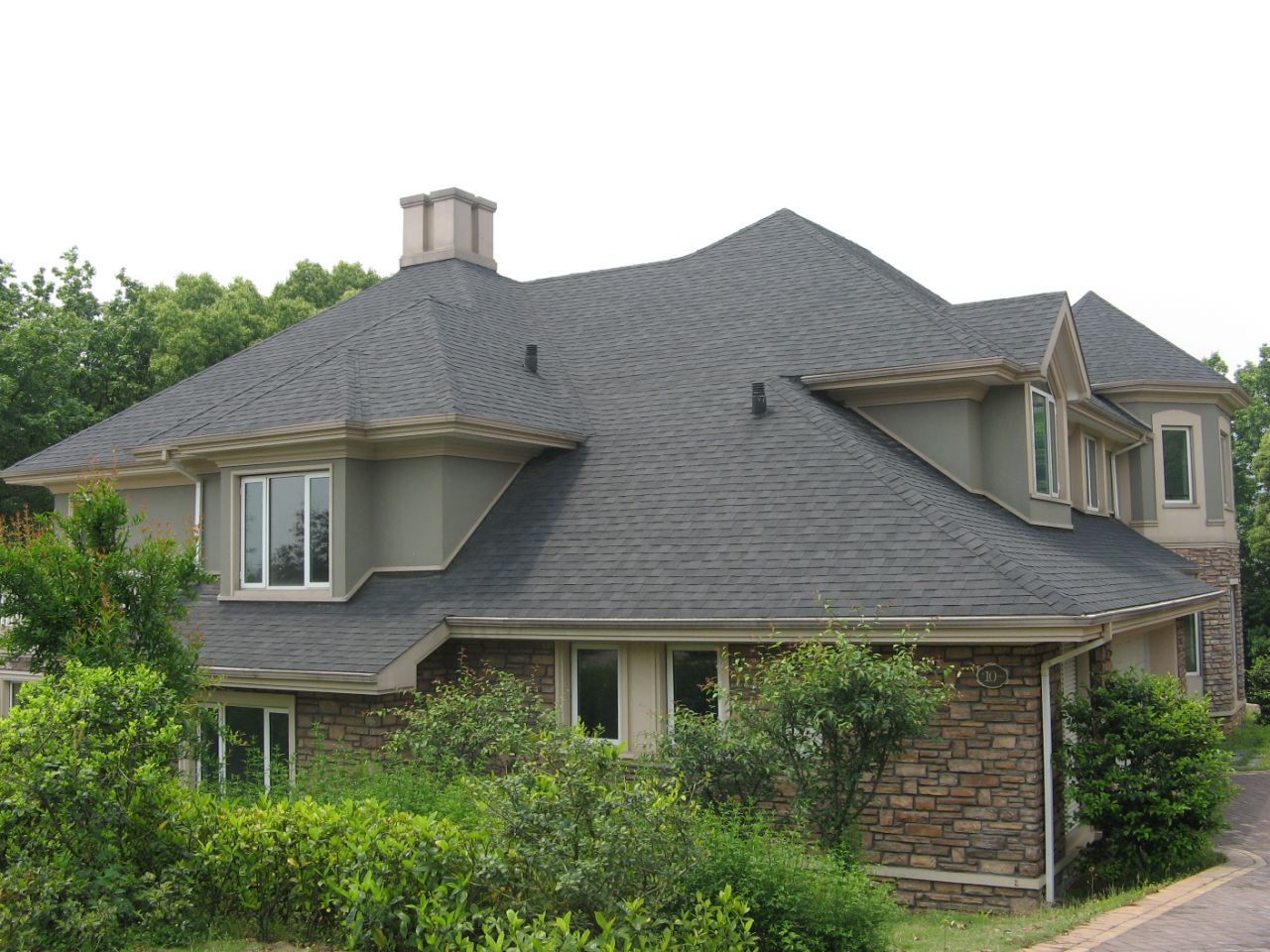
Modern corporate campuses frequently utilize sleek, minimalist profiles for their building envelopes. A flat Shingle Tile provides exceptional geometric alignment and very clean structural lines. Because this profile is relatively flat, installers can sometimes reuse rectangular off-cuts efficiently. Consequently, the overall waste factor for this specific profile is generally much lower globally. Procurement officers can often estimate a tighter waste margin of around 5% to 7% safely. This maximizes material efficiency and supports lean corporate construction budgets perfectly.
Textured Profiles and Pattern Matching
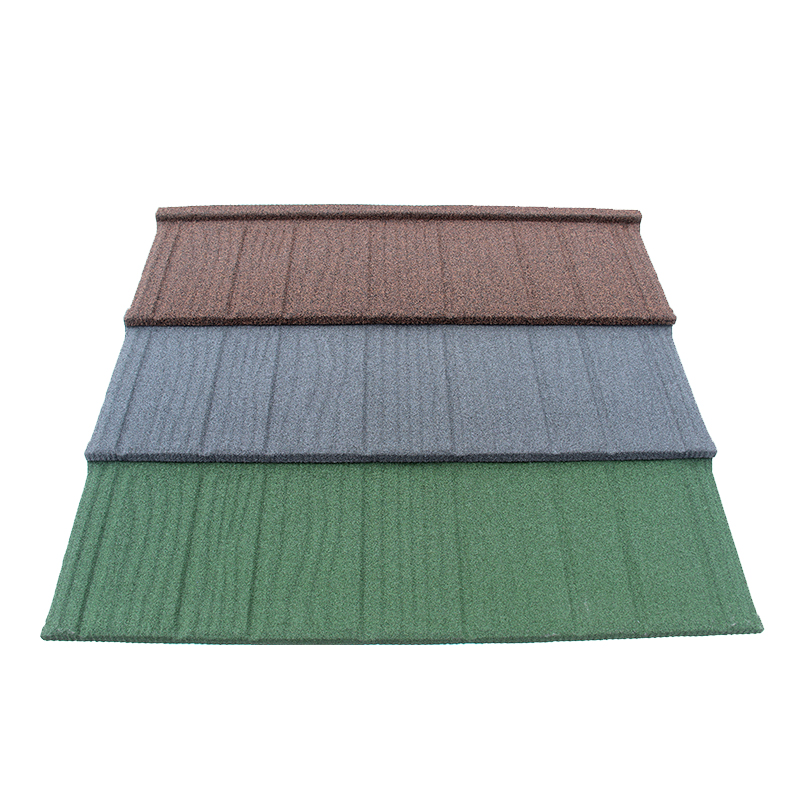
Conversely, luxury alpine resorts frequently demand highly organic, textured aesthetic appearances constantly. A rugged Shake Tile mimics the randomized beauty of natural hand-split wood perfectly. However, professional installers must stagger these highly textured panels carefully to maintain the organic illusion. Consequently, aligning the heavy textural patterns generates slightly more unusable scrap material at the edges. Therefore, procurement teams should allocate a slightly higher waste factor, closer to 10%, for these profiles. This ensures the aesthetic vision is achieved without causing a massive job site material shortage.
5. Strategic B2B Procurement and Supply Chain Optimization
Calculating the exact number of required panels is only the first phase of B2B procurement. You must also calculate the necessary structural accessories, including ridge caps and valley flashings. Furthermore, you must optimize these massive quantities for international maritime shipping containers. Wasting empty space inside a shipping container destroys your ultimate freight return on investment. Therefore, you must partner with an elite manufacturer who understands global logistics entirely. Advanced procurement secures your assets completely.
Maximizing Shipping Container Capacity
Advanced steel panels are incredibly lightweight compared to traditional heavy masonry. Consequently, you can load massive quantities of materials into a standard twenty-foot shipping container. However, you must calculate the precise weight and volume to maximize this logistics CAPEX. Elite manufacturers assist procurement officers in perfectly balancing the panels and necessary accessories. This ensures every single cubic meter of the shipping container is utilized efficiently. Ultimately, maximizing container space drops your landed material cost significantly.
Partnering with Factory-Direct Experts
Large-scale commercial developments demand absolute structural perfection and verified batch consistency constantly. Therefore, B2B buyers must partner directly with proven, factory-direct industrial facilities globally. Specifically, JCROOF operates precisely in this highly professional B2B export tier. Operating from a massive 10,000-square-meter facility, they assist buyers with precise material calculations seamlessly. They maintain an incredibly reliable weekly production capacity of 140,000 pieces natively. Trusting an established industrial expert eliminates massive quality control and calculation risks entirely.
| Procurement Calculation Phase | Mathematical Action Required | B2B Engineering Rationale |
|---|---|---|
| 1. True Roof Surface Area | Multiply 2D building footprint by the specific roof pitch multiplier. | Compensates for the geometric slope, revealing the actual 3D area requiring coverage. |
| 2. Net Panel Coverage | Subtract horizontal and vertical interlocking seams from gross panel dimensions. | Determines the true yield of a single panel, preventing catastrophic under-ordering. |
| 3. Base Panel Quantity | Divide True Roof Surface Area by the Net Panel Coverage yield. | Provides the mathematical baseline of panels required for a perfectly flat, featureless roof. |
| 4. Architectural Waste Factor | Add 5% to 10% to the Base Panel Quantity depending on structural complexity. | Compensates for unusable scrap metal generated by cutting panels at valleys and hips. |
| 5. Logistics Optimization | Balance panel volume with required structural accessories (ridge caps, flashings). | Maximizes 20-foot shipping container capacity, drastically reducing global freight CAPEX. |