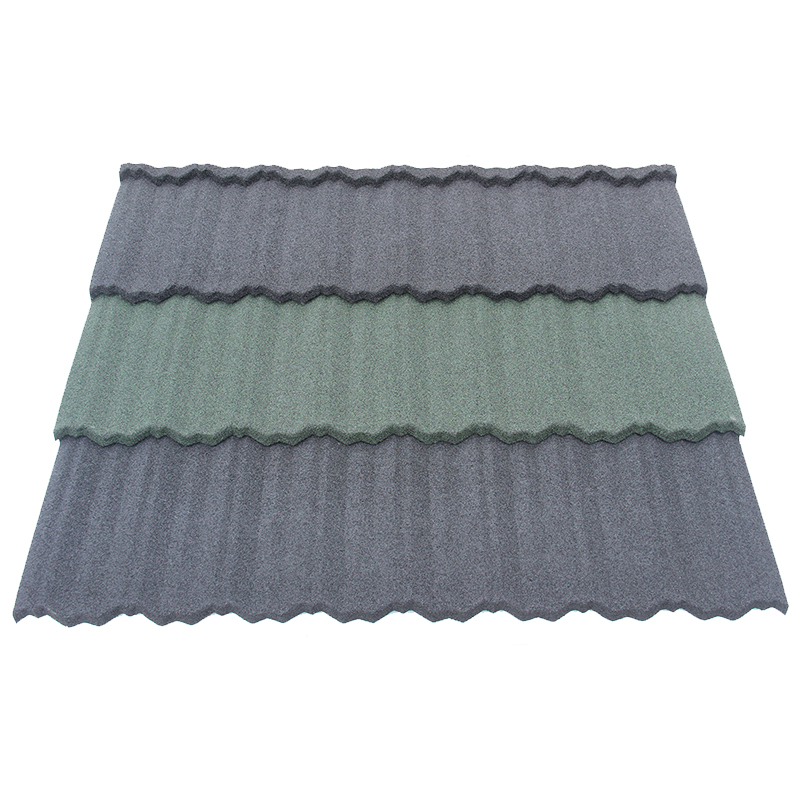

For international building material distributors, the transition toward direct factory sourcing represents a calculated move to eliminate middleman markups. The process of importing roofing tiles directly from China allows businesses to access the latest metallurgical innovations at a fraction of the cost found in localized supply chains. By establishing a direct link with original equipment manufacturers (OEMs), distributors can customize technical specifications to meet regional climate demands. This cost-efficiency audit identifies the logistical and structural drivers that ensure a superior Return on Investment (ROI) for professional roofing wholesalers.
Logistical Arbitrage: Maximizing Container Density and Landed Costs
The financial viability of cross-border trade often collapses under the weight of poorly managed ocean freight and port handling fees. When importing roofing tiles directly from China, the modular nature of stone-coated steel provides a decisive advantage in shipping density. A single 20ft container can accommodate approximately 8,000 to 10,000 square feet of material, significantly lowering the landed cost per unit. This efficiency allows distributors to spread fixed logistical overheads across a massive volume of finished product, creating a lean inventory model that traditional clay or asphalt suppliers cannot match.
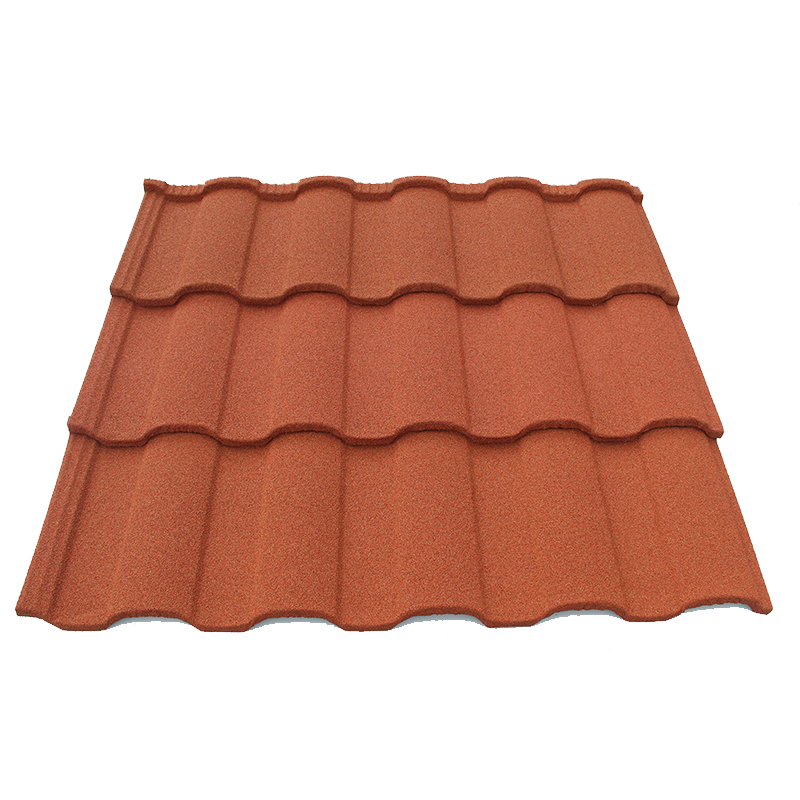
Nesting Physics and the **milano tile** Profile
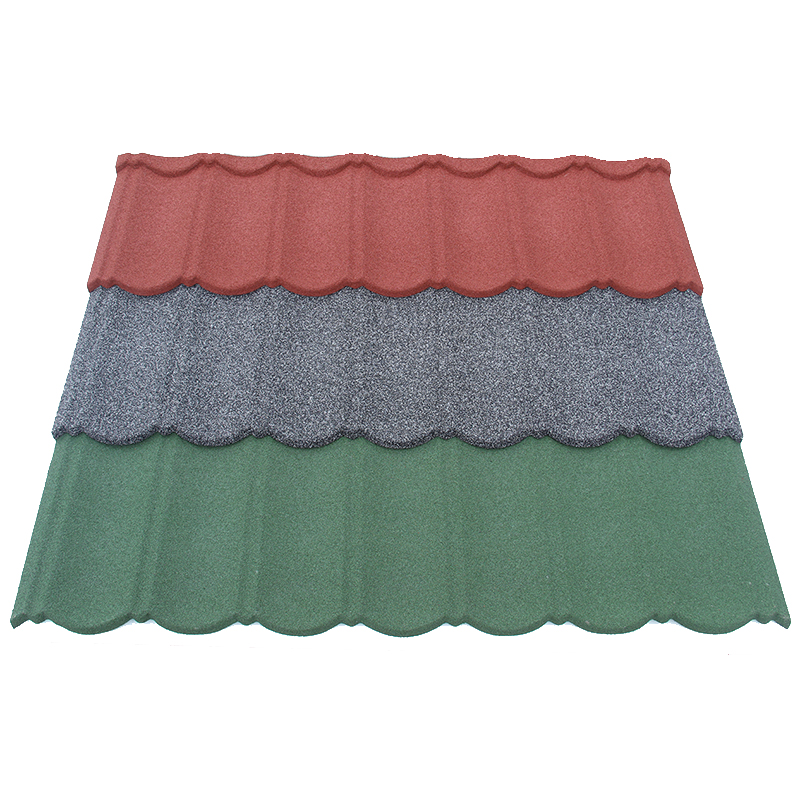
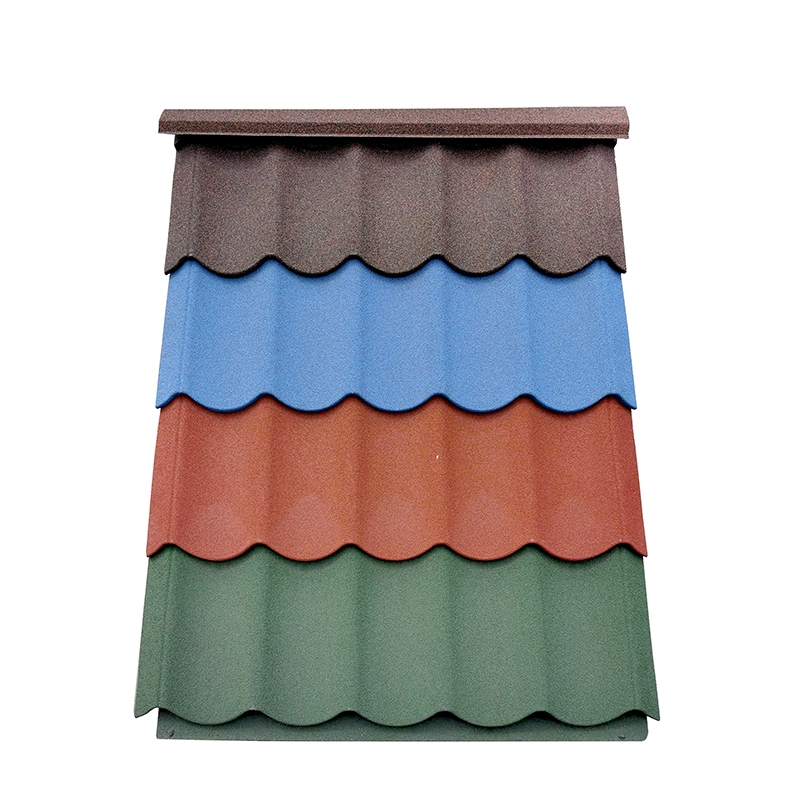
The architectural geometry of a milano tile is specifically engineered for high-density nesting during international transit. Because the curved profiles stack perfectly with virtually zero “dead space,” you can maximize the tonnage of every shipping pallet. This high-density packing ensures that the freight-to-value ratio remains optimized, providing a significant buffer against fluctuating shipping rates. For a global distributor, the milano tile represents a high-margin SKU that minimizes warehouse floor space while offering a premium aesthetic to the end-user.
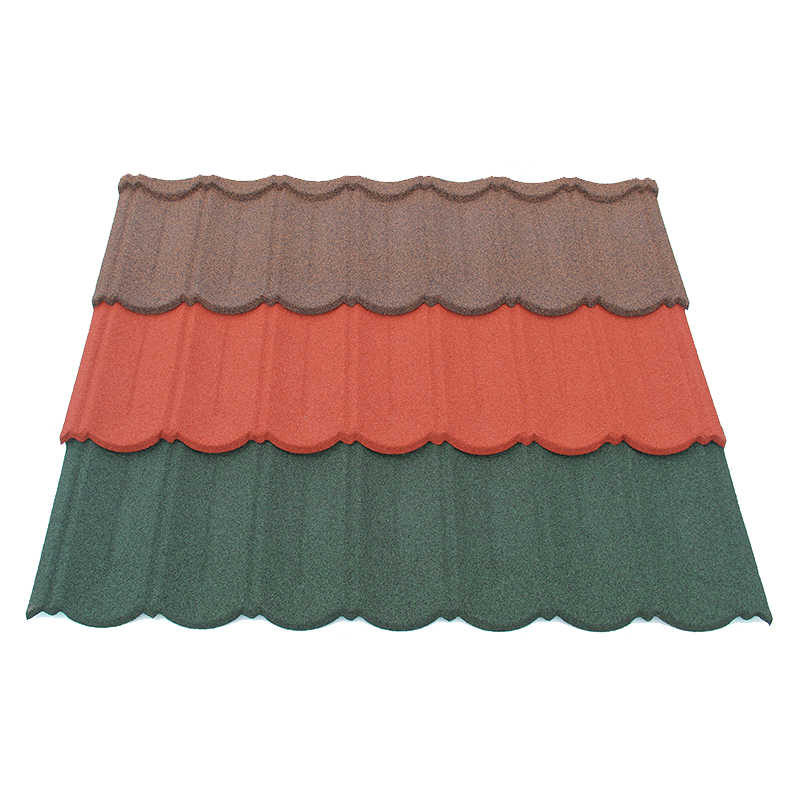
Customization and the Value of the **classic tile**
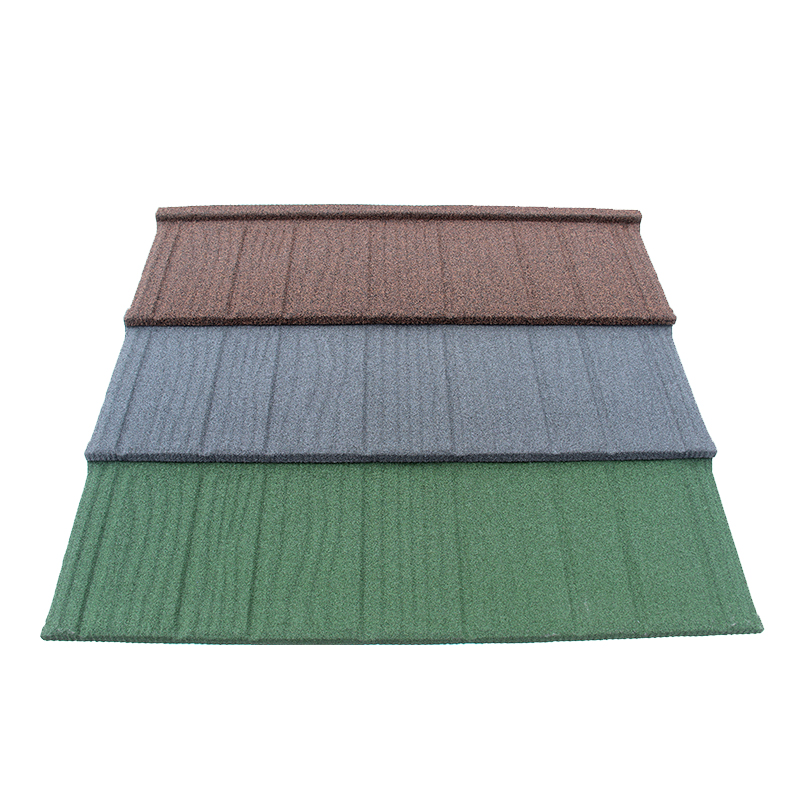
Direct factory sourcing empowers distributors to mandate specific chemical benchmarks for their local markets. When importing roofing tiles directly from China, you can specify an AZ150 Aluzinc shield to neutralize coastal corrosion or demand higher sintering temperatures for the stone granules. A professional-grade classic tile produced under these customized parameters ensures the roof survives decades of intense UV radiation without pigment decay. JCROOF engineering standards provide the technical submittals needed to win large-scale government contracts, reinforcing the importer’s position as a technical authority.
Metallurgical Endurance: Reducing Long-Term Warranty Liabilities
A distributor’s net profit is often eroded by the “tail” of maintenance claims and product failures associated with low-bid materials. Investing in the importing roofing tiles directly from China model allows you to audit the raw material supply chain at the source. By selecting high-tensile G300 structural steel and pure acrylic resins, you eliminate the risk of interface de-bonding and core oxidation. This technical transparency ensures a fifty-year service life, effectively reducing your after-sales support costs to near zero and protecting your firm’s regional reputation.
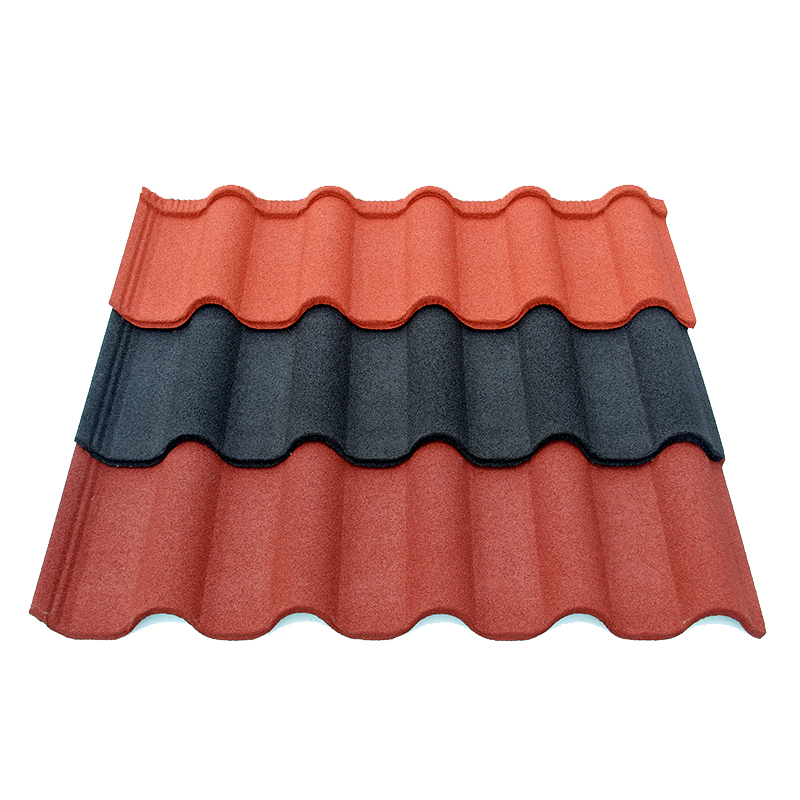
Interface Bonding and the **wave tile** Resilience
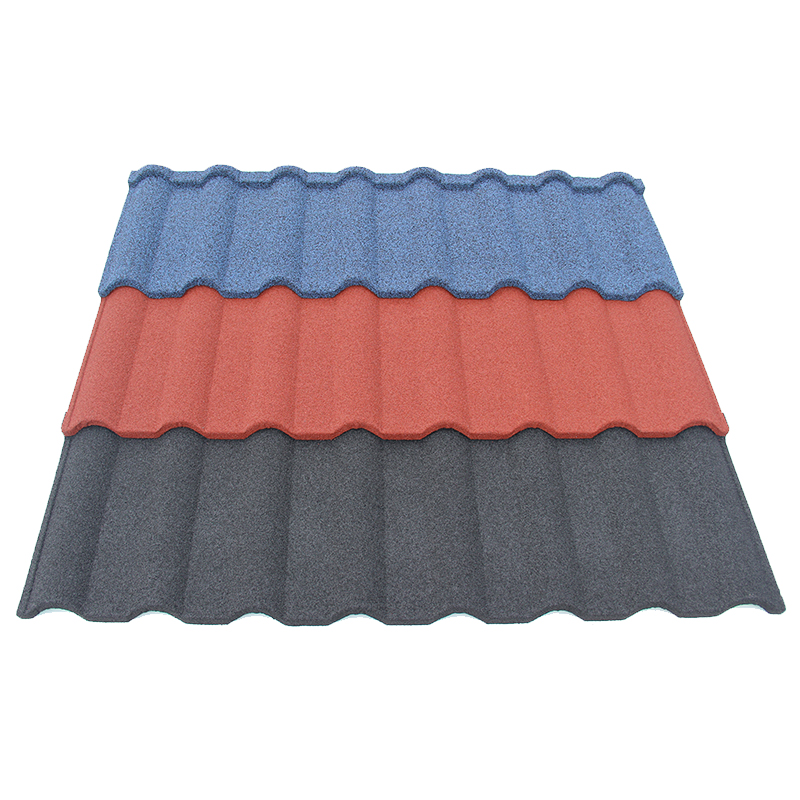
The chemical bond between the volcanic stone and the Aluzinc substrate determines the roof’s resistance to de-granulation. Cheap, water-diluted adhesives in “market-grade” products soften during the afternoon heat, leading to stone shedding. A high-specification wave tile utilizes a high-viscosity acrylic base coat with superior cross-linking density. JCROOF laboratory data confirms that this adhesive integrity remains flexible across a 100°C thermal range, preventing the “balding” effect that often plagues budget-tier roofing imports in tropical or desert geographic zones.
Thermal Management and the **shingle tile** Advantage
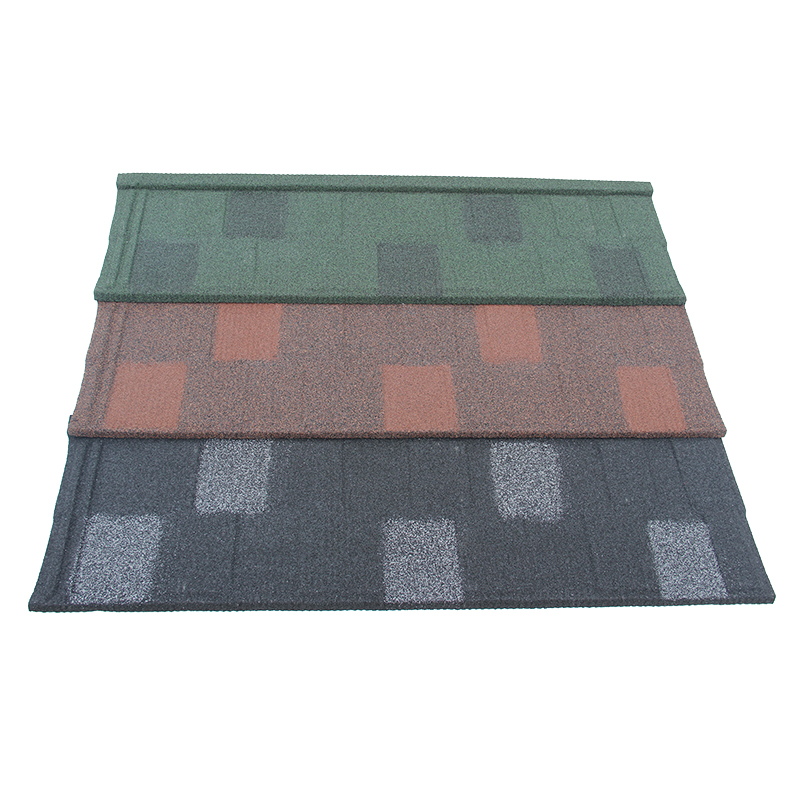
The batten-mounted installation required for modular metal systems creates a continuous air gap that functions as a passive thermal barrier. This “vented cold roof” design allows solar heat to dissipate before it enters the building, lowering HVAC operational loads by up to 20%. When importing roofing tiles directly from China, you can market the shingle tile as a sustainable building component for green-energy initiatives. This energy-efficiency profile is a powerful driver for the high-end residential market, allowing distributors to command higher price points than traditional bitumen-based competitors.
Comparative ROI Matrix: Direct Sourcing vs. Local Distribution
Strategic procurement requires benchmarking the “cost of durability” against the “price of purchase.” Use the following matrix to justify the shift toward importing roofing tiles directly from China for your next architectural tender or commercial project.
| Sourcing Factor | Local Third-Party Distribution | Direct China Manufacturing (JCROOF) |
|---|---|---|
| Unit Markup | High (Multi-layered). | Factory Direct (Zero markup). |
| Spec Control | Standard “Off-the-shelf”. | Full OEM/ODM Customization. |
| Shipping Density | Variable. | Optimized Palletization (Max GSM). |
| Technical Support | Limited sales info. | Direct Mill Certs & Lab Data. |
Professional FAQ: Navigating the Import Process
Successful project delivery involves managing the logistical and technical expectations of the local labor force. Many “problems” reported by importers are actually symptoms of poor communication regarding container loading or batten grid geometry. By providing clear installation guidelines and adhering to the “shear fastening” standard, you establish your firm as a technical authority. These insights help procurement managers defend high-quality importing roofing tiles directly from China decisions to project stakeholders and finance departments.
How to Prevent Site-Level Damage During Offloading?
The modular nature of stone-coated steel makes it incredibly resilient, but proper handling is still vital. Crews must be trained to use appropriate lifting equipment to avoid traumatic impact on the pallet edges. Once on the roof, workers must step only on the reinforced sections of the classic tile supported by the battens to prevent metal deformation. Providing soft-soled shoes for the installation team is a non-negotiable site requirement that preserves the roof’s aesthetic and structural lifespan for decades without localized repair costs.
Does the Choice of Profile Impact the Landed Cost?
While the ex-factory price may vary slightly between a milano tile and a wave tile, the primary driver of the landed cost is container utilization. Because all our profiles are designed for precision nesting, the shipping efficiency remains consistent across the range. To maximize your profit margin, focus on ordering full container loads (FCL) to spread the fixed port and clearance fees across the maximum number of units. This logistical strategy ensures that your importing roofing tiles directly from China project remains highly competitive in your regional market.
Final Procurement Action Plan
The key to boosting your profit margin is a shift from “commodity-buying” to “strategic-sourcing.” Focus your audit on Aluzinc GSM (AZ150), G300 structural ductility, and the 800°C sintering benchmarks of the volcanic stone granules. These three engineering pillars support a roofing system that outlasts any bitumen-based alternative. Partnering with professional manufacturers like JCROOF provides the technical submittals needed to win large-scale government tenders. Contact our technical team today for a project-specific cost-benefit analysis and logistical import support.