
Roofing weight is a critical factor in structural design, yet it is often overlooked during material selection. For modern construction, especially in cost-sensitive or retrofit projects, choosing a lightweight solution like stone coated roofing (stone coated steel roofing) can significantly reduce structural stress and improve overall building performance.
Compared to traditional heavy materials such as clay or concrete tiles, lightweight roofing systems place less load on the building structure. This has direct implications for safety, design flexibility, and long-term durability.
Why Roof Weight Matters in Construction
The roof is one of the largest continuous loads applied to a building. Its weight affects structural components including rafters, trusses, walls, and foundations.
Heavier roofing materials require stronger structural support.
This increases both material and construction costs.
Key Impacts of Roof Weight
- Structural load on framing systems
- Foundation requirements
- Seismic performance
What Makes Stone Coated Roofing Lightweight?
Stone coated steel roofing uses a thin steel core combined with protective coatings and stone granules. This design delivers durability without excessive weight.
It achieves strength through material efficiency rather than mass.
This makes it suitable for a wide range of structures.
Material Characteristics
- Thin but strong steel substrate
- Lightweight stone granule layer
- Optimized structural design
Weight Comparison with Traditional Materials
Understanding the weight differences between roofing materials helps highlight the advantages of lightweight systems. The reduction in load can be substantial.
This directly affects structural requirements.
It also influences installation efficiency.
Typical Weight Comparison
| Material | Approximate Weight (kg/m²) | Structural Impact |
|---|---|---|
| Concrete Tiles | 40–60 | High load |
| Clay Tiles | 35–50 | High load |
| Stone Coated Steel Roofing | 6–8 | Low load |
This significant weight reduction makes stone coated roofing an efficient alternative in both new construction and renovation projects.
Reduced Structural Stress and Its Benefits
Lower roof weight translates directly into reduced stress on the building structure. This improves overall stability and extends the lifespan of structural components.
It also reduces the risk of deformation over time.
Structural efficiency is improved.
Key Benefits
- Less stress on beams and trusses
- Reduced risk of structural fatigue
- Improved long-term durability
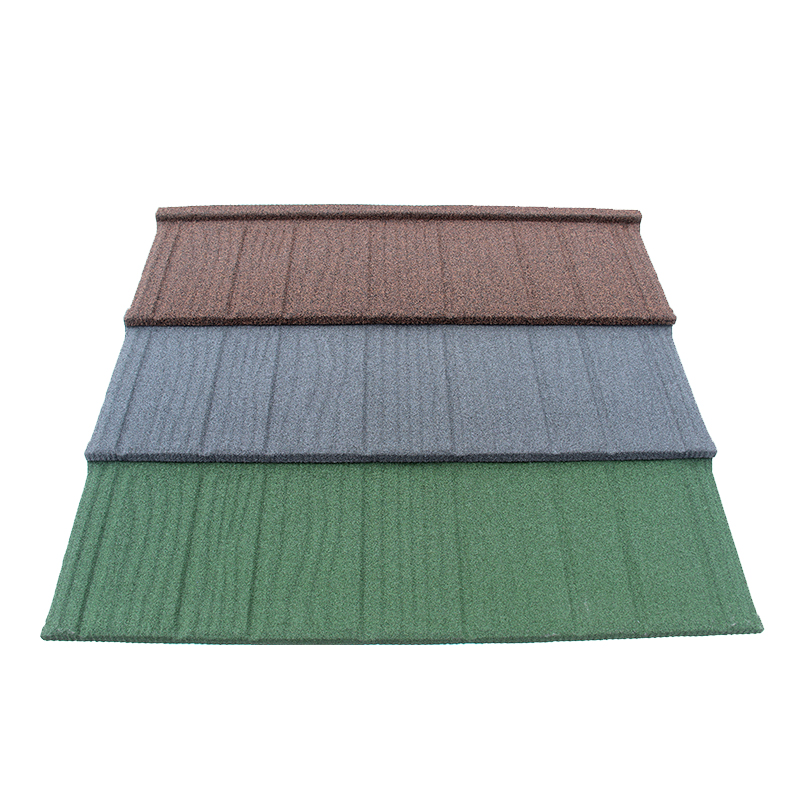
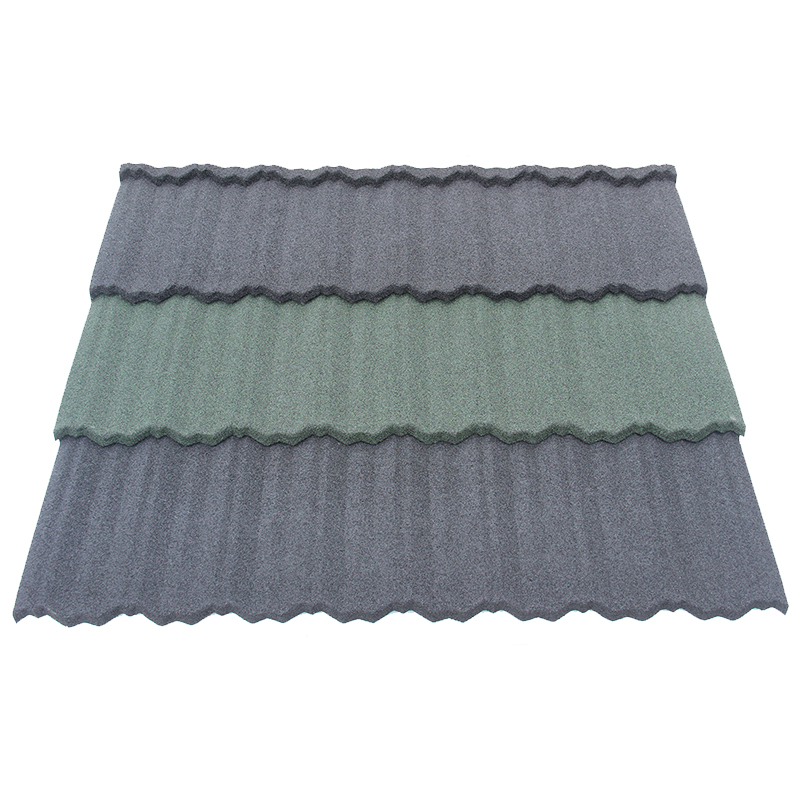
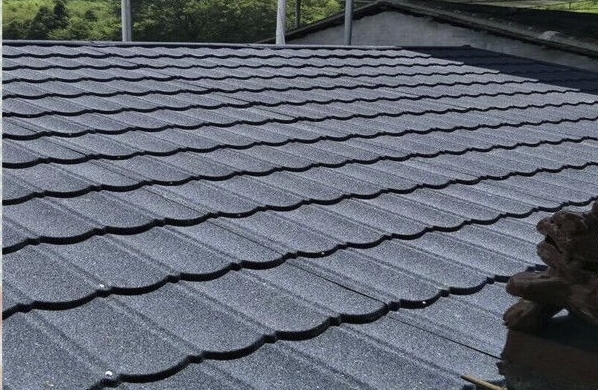
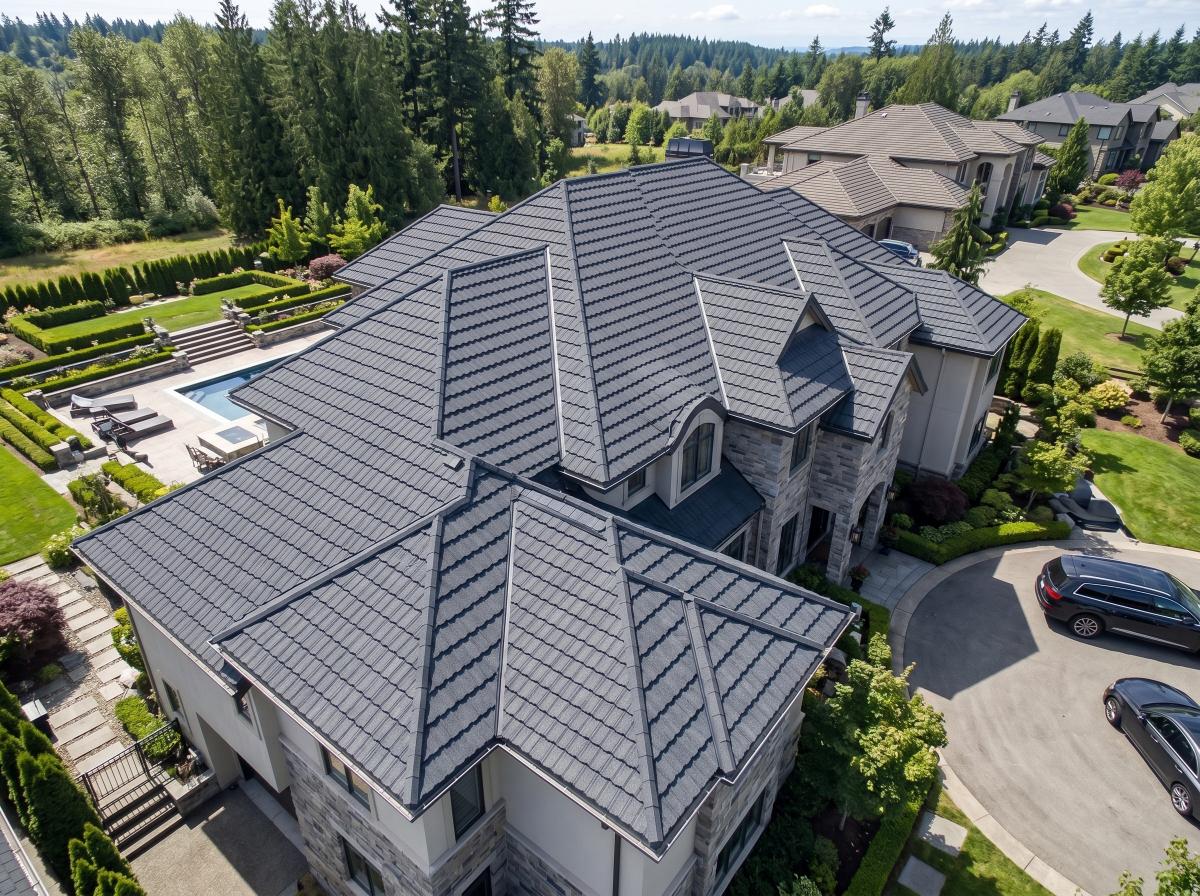
In profiles such as Bond Tile, lightweight design ensures consistent load distribution across the roof surface.
Advantages in Seismic and Wind-Prone Areas
In regions affected by earthquakes or strong winds, lighter roofing materials provide a safety advantage. Lower mass reduces the forces acting on the structure during movement.
This improves building resilience.
It enhances safety under extreme conditions.
Performance Advantages
- Reduced seismic load
- Lower risk of structural damage
- Improved wind resistance when properly installed
Benefits for Roof Renovation Projects
Lightweight roofing is particularly beneficial in renovation projects where the existing structure may not support heavy materials. In many cases, stone coated roofing can be installed without major structural reinforcement.
This simplifies project execution.
It also reduces renovation costs.
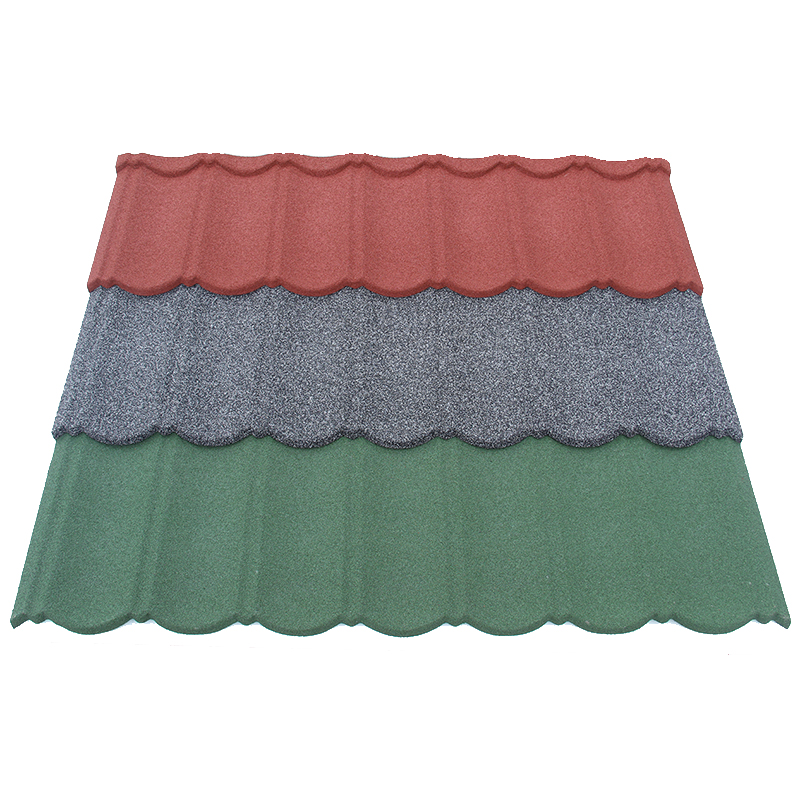
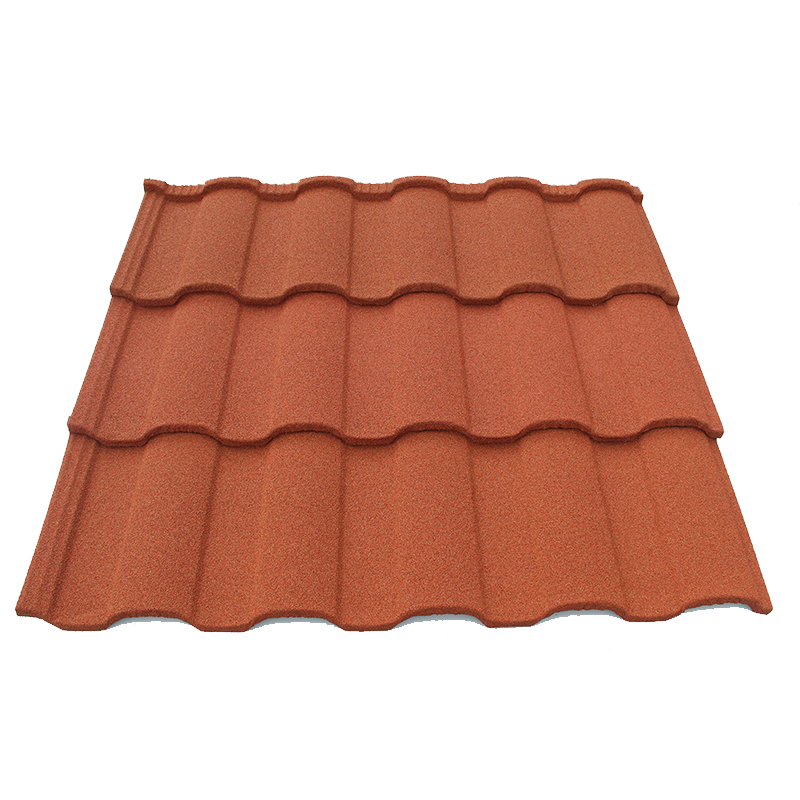
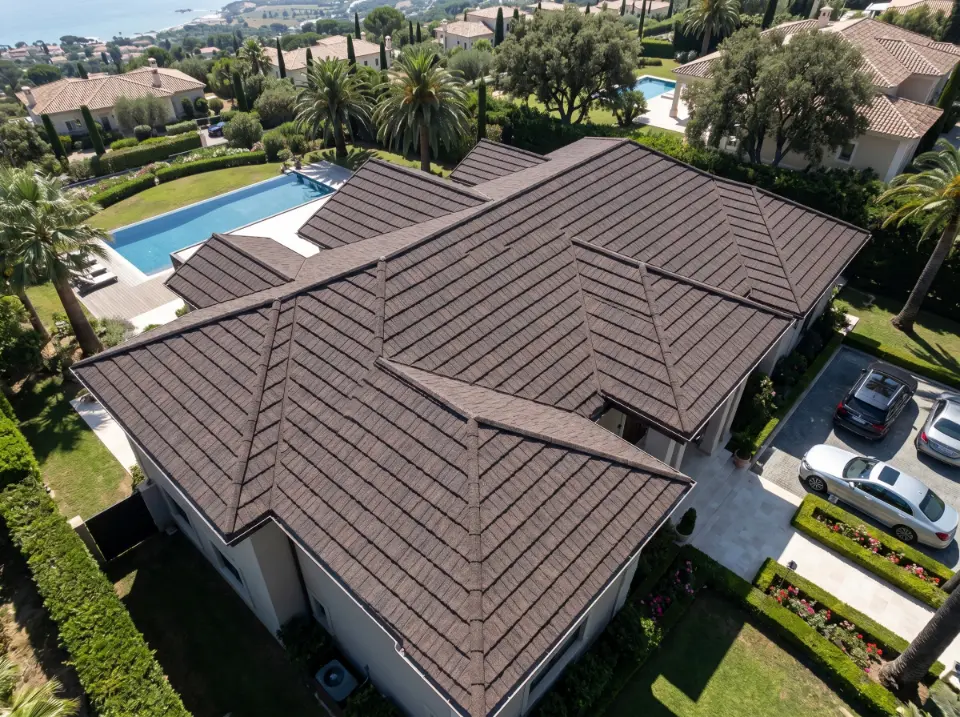
In curved profiles like Roman Tile, lightweight construction allows traditional aesthetics without adding excessive load.
Impact on Installation Efficiency
Lighter materials are easier to handle, transport, and install. This reduces labor intensity and improves installation speed.
Efficiency gains are significant in large projects.
It also improves worker safety.
Installation Benefits
- Easier handling on-site
- Faster installation process
- Reduced labor fatigue
Cost Implications of Lightweight Roofing
Reducing structural load can lead to cost savings beyond the roofing material itself. Lighter roofs may require less reinforcement in the supporting structure.
This lowers overall construction costs.
It also improves project feasibility.
Cost Advantages
- Reduced structural material requirements
- Lower transportation costs
- Faster project completion
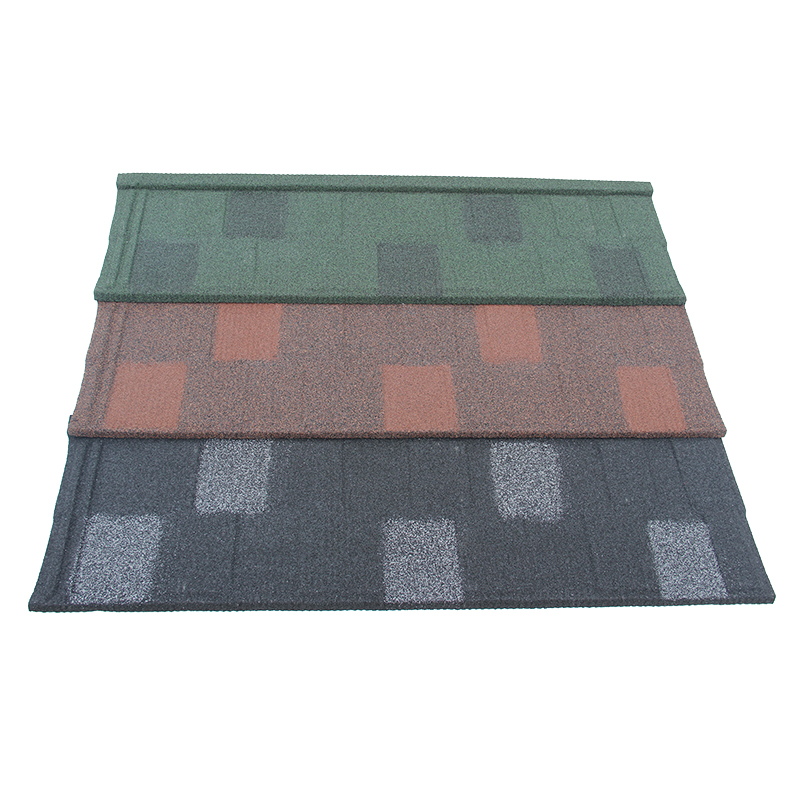
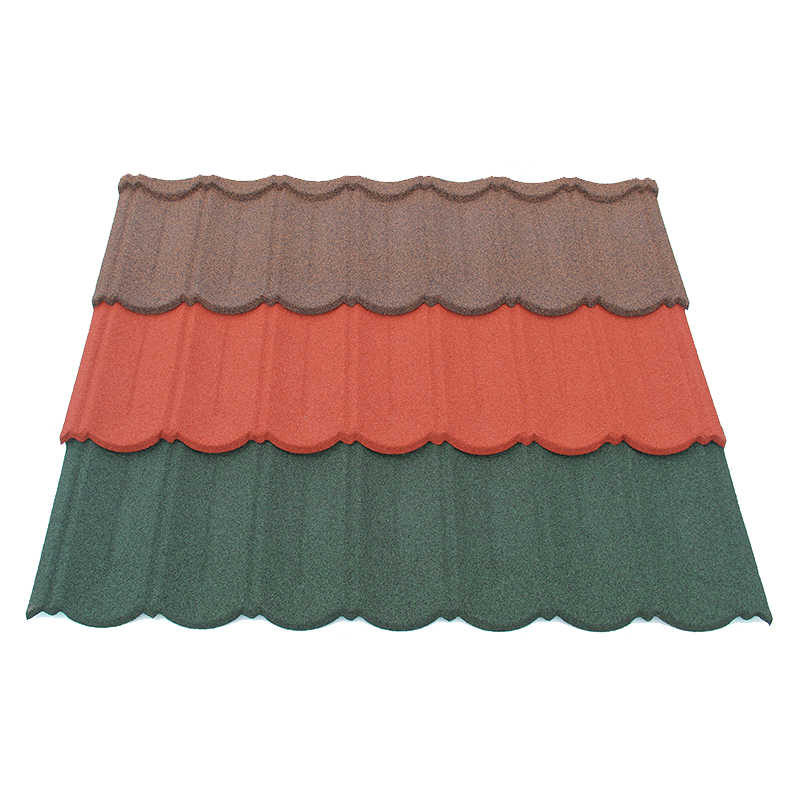
In modern applications using Shingle Tile, lightweight design supports efficient installation while maintaining a clean architectural appearance.
Common Misconceptions About Lightweight Roofing
Despite its advantages, lightweight roofing is sometimes misunderstood.
“Lightweight Means Less Durable”
Modern materials achieve durability through engineering, not weight.
“Heavier Roofs Are Always Safer”
Excessive weight can increase structural stress and risk.
“Lightweight Roofs Are Only for Small Buildings”
They are suitable for both residential and commercial applications.
Why Weight Matters for B2B Buyers
For developers, contractors, and distributors, roofing weight affects multiple aspects of a project, from design to cost and long-term performance. Lightweight solutions provide flexibility and efficiency.
This is especially important in competitive markets.
It also supports scalable construction.
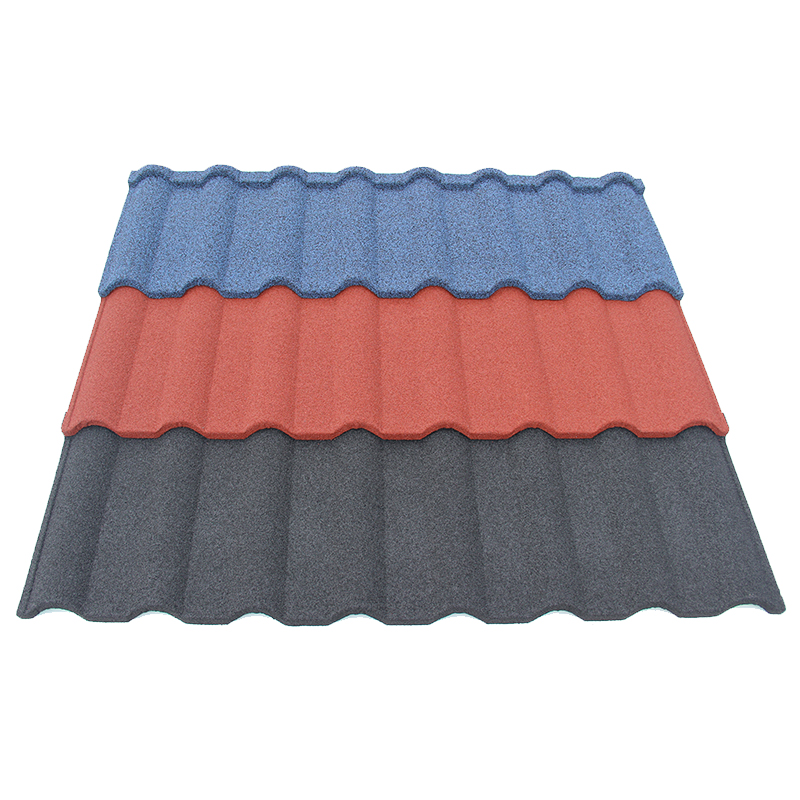
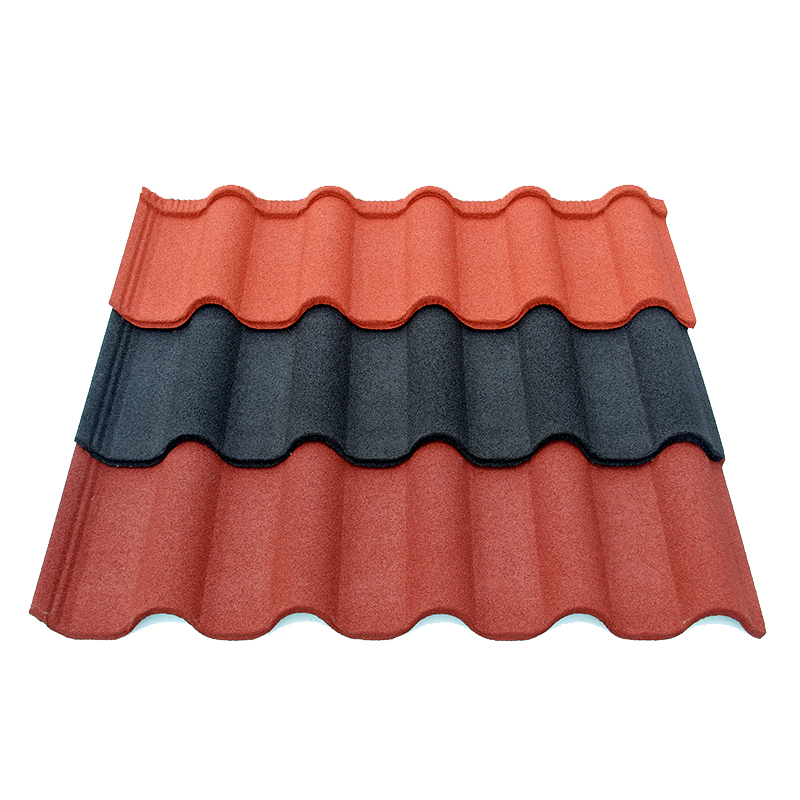
In premium systems such as Milano Tile, combining lightweight structure with high-end design enhances both performance and project value.
Practical Advice for Material Selection
When selecting roofing materials, weight should be evaluated alongside durability, cost, and design. A balanced approach ensures optimal results.
Early planning is essential.
Collaboration improves outcomes.
Recommended Approach
- Assess structural capacity before selection
- Compare weight and performance of materials
- Consider long-term maintenance and durability
- Work with experienced suppliers
Manufacturers such as JCROOF typically provide lightweight roofing solutions designed to meet modern construction requirements while maintaining durability and efficiency.
Conclusion: Less Weight, Better Performance
Lightweight roofing systems like stone coated steel roofing offer clear advantages in reducing structural stress, improving safety, and enhancing overall project efficiency. By minimizing load without sacrificing durability, they provide a practical solution for modern construction challenges.
For B2B buyers and contractors, choosing lightweight roofing is not just about reducing weight—it is about optimizing performance, lowering costs, and ensuring long-term structural reliability.