
Proper packaging and loading are critical steps in the stone coated roofing supply chain. The packaging and loading methods for stone coated roof tiles directly affect product safety, transportation efficiency, and final delivery quality. Even high-quality roofing tiles can be damaged if they are not properly protected during storage, handling, and shipping.
Because stone coated roofing is usually exported in bulk containers, manufacturers must follow strict packaging standards to prevent scratching, deformation, moisture damage, and surface granule loss during long-distance transportation.
In this guide, we will explain how professional manufacturers package and load roofing tiles, and what buyers should check to ensure safe and cost-effective shipping.
Why Packaging Matters in Stone Coated Roofing Export
Packaging is not just a final step in production. Instead, it is a key part of product quality control. Poor packaging can damage even the most durable roofing systems during transportation.
Protecting surface quality during transit
Stone coated roofing surfaces are covered with natural stone granules. These granules can become loose if packaging is weak or if products move excessively inside the container. Therefore, strong protective wrapping is essential.
Reducing shipping damage and cost loss
Damage during transport leads to additional replacement costs, project delays, and customer complaints. As a result, professional manufacturers invest in reinforced packaging systems to reduce risk.
Standard Packaging Methods for Stone Coated Roof Tiles
Manufacturers use multiple layers of protection to ensure roofing tiles remain stable and undamaged during handling and shipping.
1. Waterproof protective film wrapping
First, each bundle of roofing tiles is wrapped with waterproof plastic film. This layer protects the surface from moisture, dust, and light scratches during storage and loading.
2. Steel or wooden pallet support
Next, workers place bundled tiles on reinforced steel or fumigated wooden pallets. This structure ensures stability and makes forklift handling safer and more efficient.
3. Edge and corner protection
In addition, factories add protective corner guards to prevent bending or impact damage during stacking and transportation.
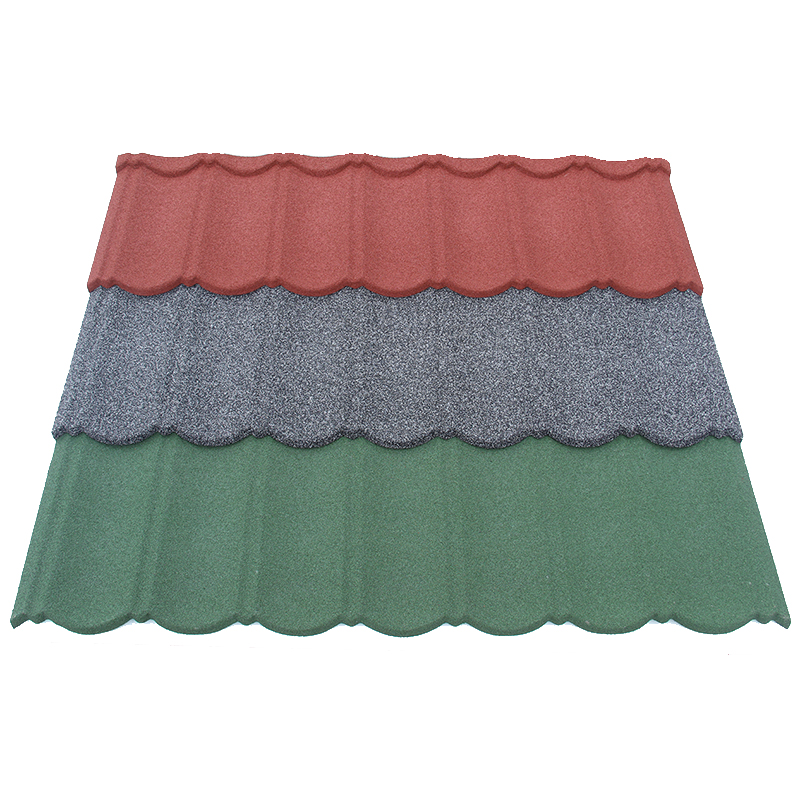
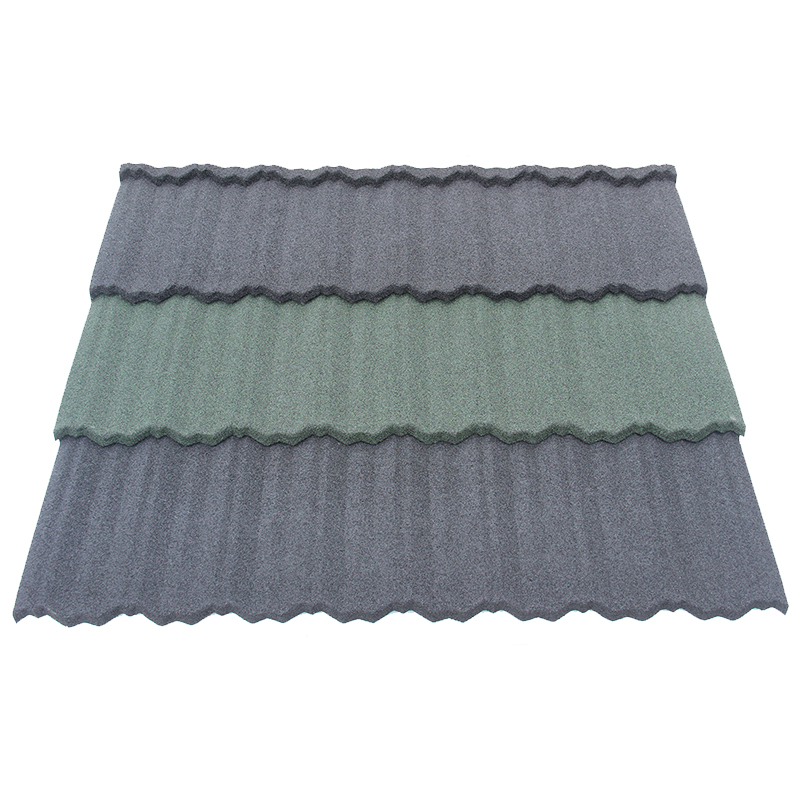
For example, roofing profiles such as Bond Tile require precise stacking alignment because their interlocking design can be affected by deformation.
Container Loading Process and Optimization
After packaging is completed, the next step is container loading. This process plays an important role in reducing shipping costs and ensuring safe transportation.
Step 1: Pre-loading inspection
Before loading begins, factory teams inspect container conditions to ensure they are clean, dry, and structurally sound. Any moisture or contamination is removed to prevent product damage.
Step 2: Efficient stacking arrangement
Then, workers arrange roofing tiles inside the container using optimized stacking methods. Proper arrangement prevents movement during sea transport and maximizes container space utilization.
Step 3: Secure fastening and stabilization
Finally, all pallets are secured using straps and supporting materials. This ensures the cargo remains stable even during long-distance shipping and rough sea conditions.
Common Mistakes in Packaging and Loading
Although packaging systems are well developed, improper handling still occurs in some cases. Understanding these mistakes helps buyers avoid unnecessary risks.
1. Overstacking without support
Excessive stacking pressure can cause deformation or surface damage. Proper load distribution is essential for maintaining product shape.
2. Insufficient waterproof protection
If moisture enters the packaging, it may weaken adhesive layers or affect stone granule stability. Therefore, waterproof wrapping must be applied correctly.
3. Poor container space planning
Inefficient loading reduces shipping capacity and increases transportation costs. Experienced factories carefully plan container layouts to optimize cost efficiency.
How Professional Manufacturers Improve Packaging Quality
Leading roofing manufacturers continuously improve packaging systems to meet global shipping standards and reduce damage rates.
Automated packaging systems
Some advanced factories use automated strapping and wrapping machines to ensure consistent packaging quality across all production batches.
Export-standard pallet systems
High-quality manufacturers use export-certified pallets that comply with international shipping regulations, ensuring smooth customs clearance and handling.
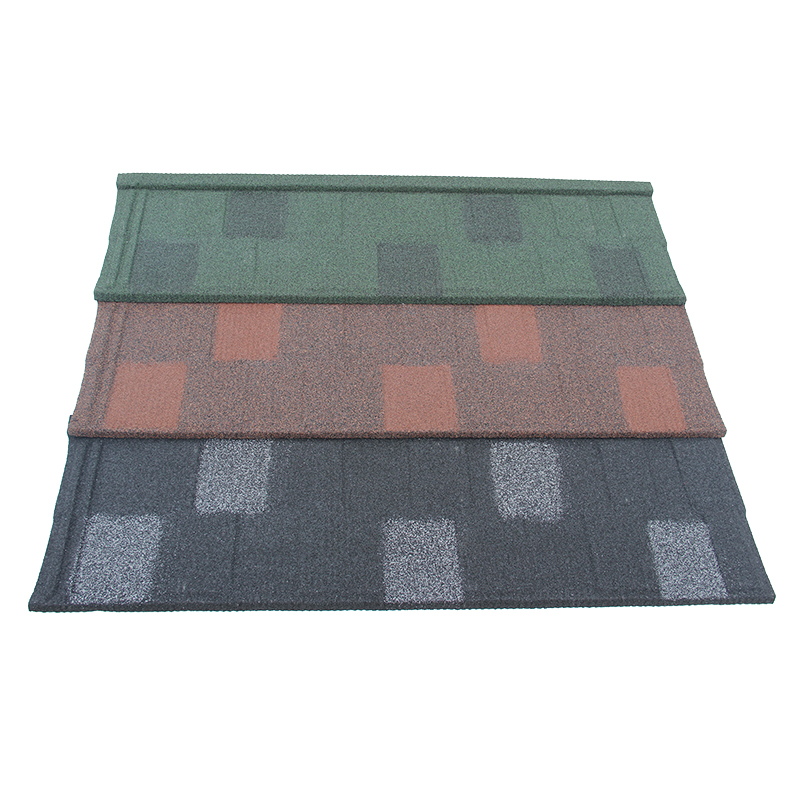
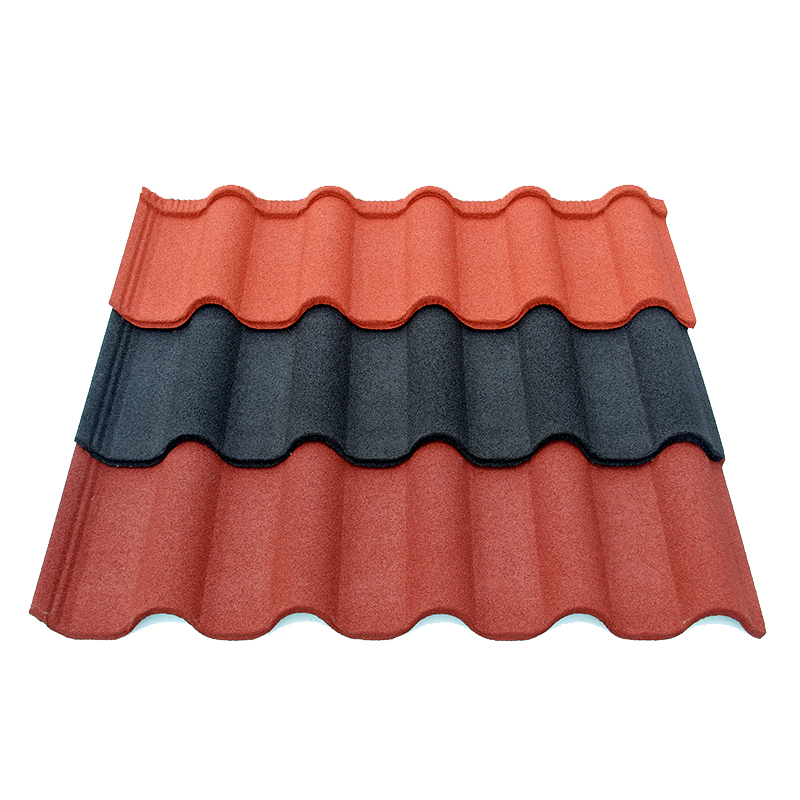
For large-scale residential projects, roofing products such as Shingle Tile are often shipped in standardized packaging formats to support efficient distribution.
Shipping Considerations for Different Markets
Different regions may require different packaging strategies based on climate, logistics infrastructure, and handling conditions.
Long-distance ocean shipping
For international exports, packaging must withstand humidity changes, long transit times, and multiple loading/unloading processes.
High-temperature and humid regions
In tropical climates, additional moisture protection is necessary to prevent corrosion or adhesive weakening during transport.
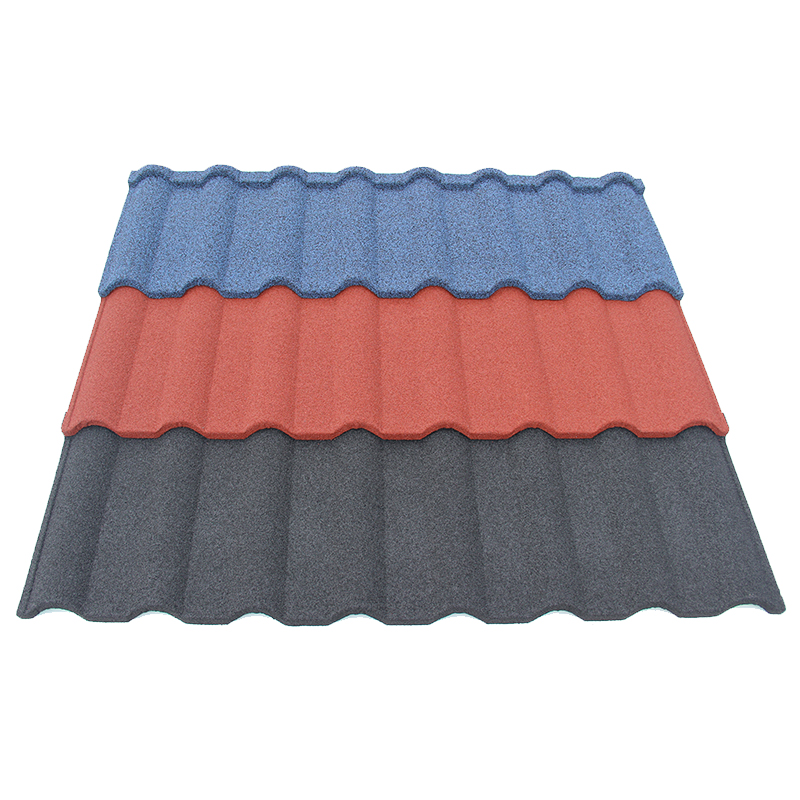
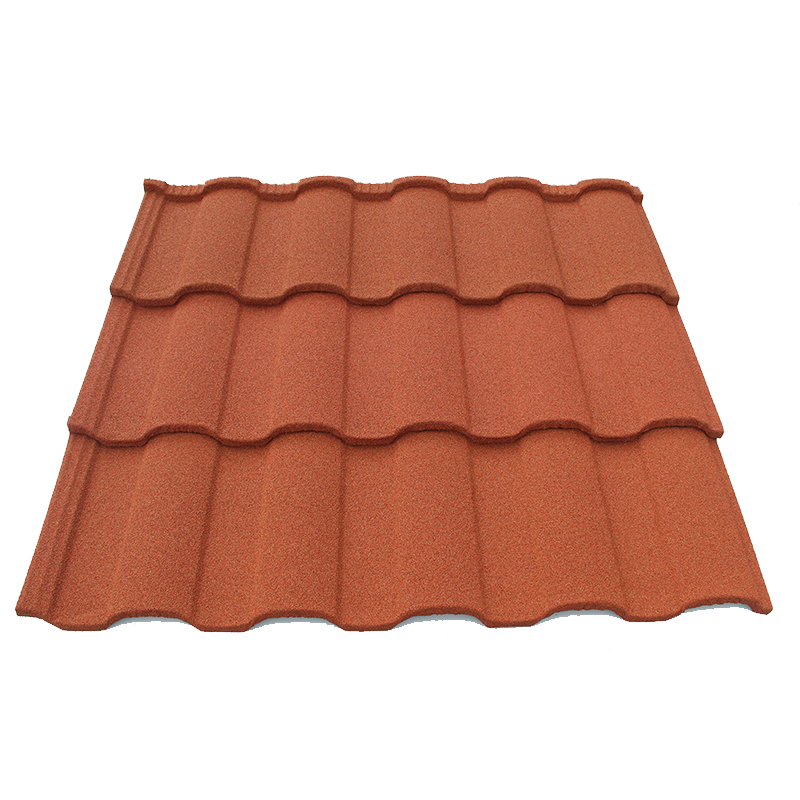
Premium architectural products such as Milano Tile often require enhanced packaging due to higher aesthetic expectations in final delivery.
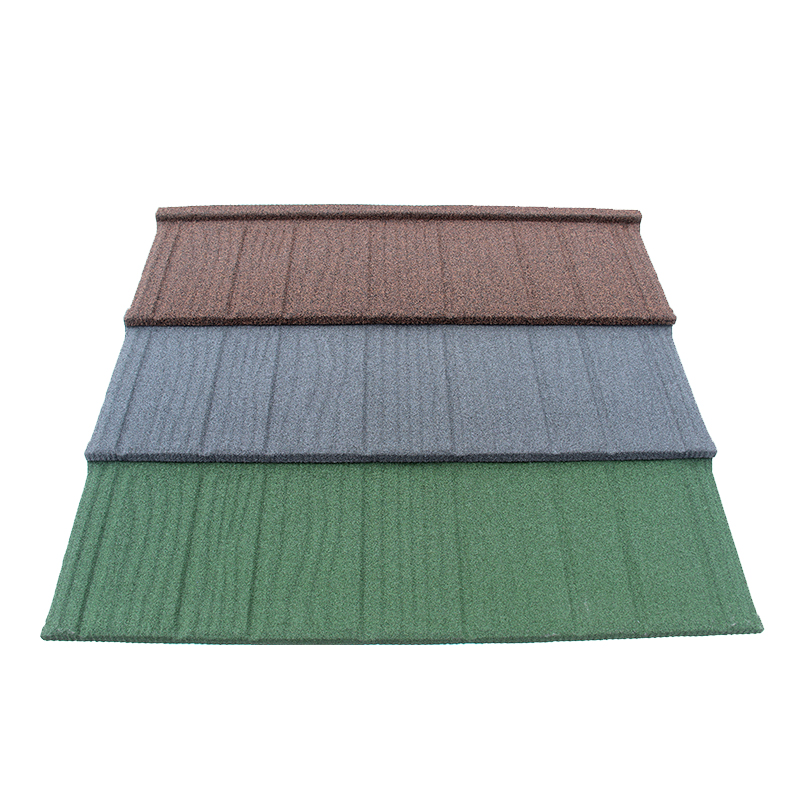
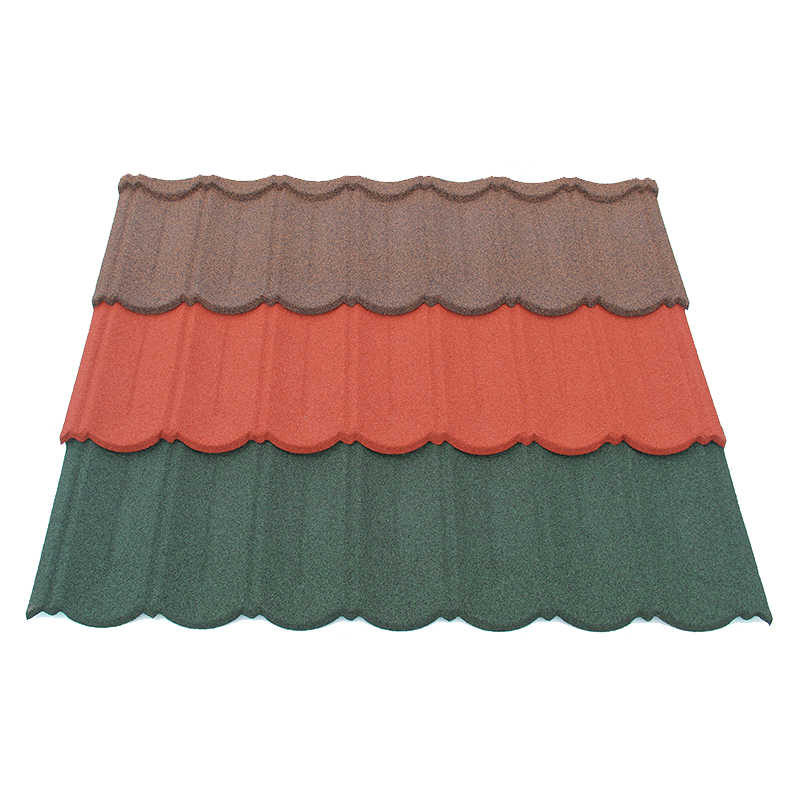
For traditional roofing designs, Shake Tile must be carefully protected to preserve its textured surface appearance during handling.
Conclusion
Packaging and loading are essential components of the stone coated roofing supply chain. Proper protection, efficient container loading, and professional export handling ensure that roofing tiles arrive safely and maintain their original quality.
By working with experienced manufacturers that follow strict packaging standards, buyers can significantly reduce transportation risks, lower logistics costs, and improve customer satisfaction.