
For contractors, developers, and buyers working on residential or off-grid projects, a common concern is: is it safe for harvesting rainwater for drinking? This question becomes especially relevant when using modern roofing systems such as stone coated steel.
From a B2B and project planning perspective, understanding whether it is safe for harvesting rainwater for drinking depends on multiple factors—not just the roofing material itself, but also coating composition, environmental conditions, and the filtration system used. The short answer is: it can be safe, but only with proper system design and water treatment.
How Rainwater Harvesting Works on Roofing Systems
To evaluate is it safe for harvesting rainwater for drinking, it is important to first understand how rainwater collection systems operate. Rainwater typically flows from the roof surface into gutters, downpipes, and storage tanks.
During this process, water can pick up dust, debris, and trace materials from the roof surface. Therefore, the safety of drinking water depends on both the roofing material and the filtration system used after collection.
For contractors, this means the roof is only one part of a complete water harvesting system.
Main System Components
- Roof catchment surface
- Gutter and downpipe system
- First-flush diverter
- Storage tank
- Filtration and purification system
Is Stone Coated Steel Roofing Suitable for Rainwater Collection?
When discussing is it safe for harvesting rainwater for drinking, stone coated steel roofing is generally considered suitable for rainwater collection, but not automatically safe for direct consumption without treatment.
The surface consists of steel coated with protective layers and stone granules, which are typically inert once properly manufactured. However, like any roofing material, it can accumulate environmental contaminants.
The key factor is not whether water can be collected—but whether it is properly treated before drinking.
Advantages for Rainwater Harvesting
- Smooth water flow with minimal absorption
- Durable surface that resists degradation
- Low risk of organic contamination compared to wood roofing
Potential Concerns
- Dust and airborne pollutants on the surface
- Initial runoff contamination after dry periods
- Quality variation depending on coating materials
Key Factors That Affect Drinking Water Safety
Answering is it safe for harvesting rainwater for drinking requires a broader view of the entire system. Several external and system-related factors influence water quality.
Ignoring these factors can lead to unsafe water, regardless of roofing type.
Roof Coating Quality
High-quality coatings reduce the risk of leaching or contamination.
Environmental Conditions
Air pollution, nearby industries, and dust levels directly affect water quality.
System Design
Proper filtration and storage are essential for safe drinking water.
Maintenance
Regular cleaning of gutters and tanks prevents contamination buildup.
Role of Roofing Profiles in Water Collection Efficiency
While evaluating is it safe for harvesting rainwater for drinking, the roofing profile also plays a role in how efficiently water is collected and how much debris is retained.
Although profile design does not directly determine water safety, it can influence cleanliness and flow efficiency.
Application-Based Insights
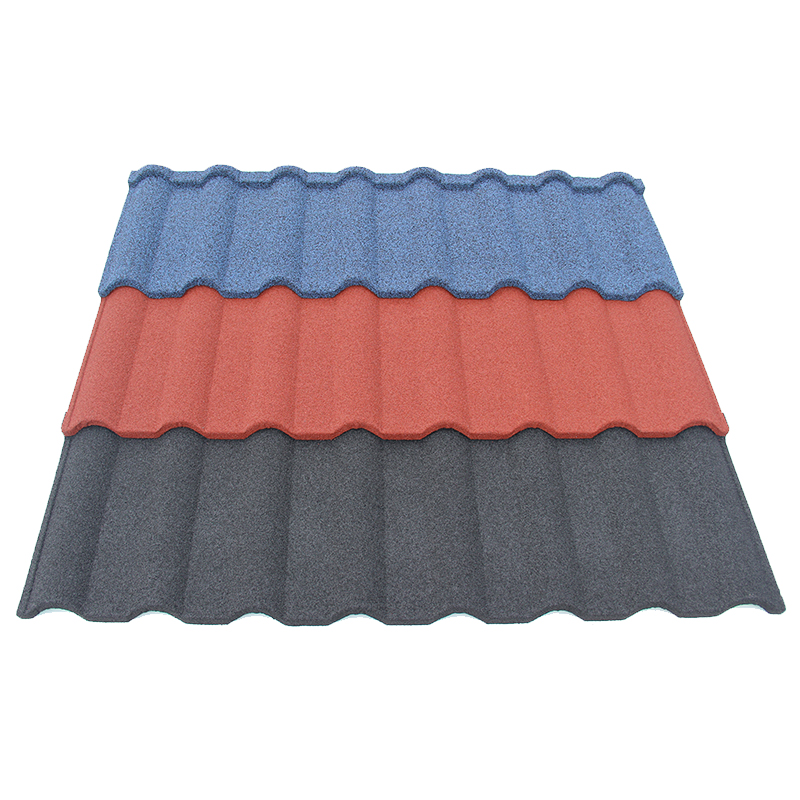
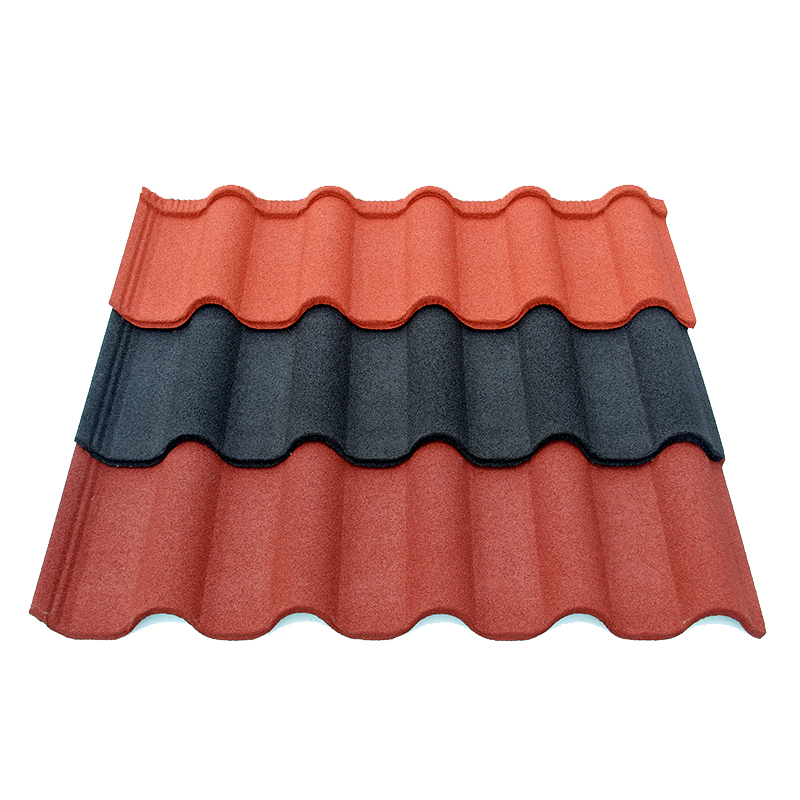
In residential systems, Bond Tile is often used because its balanced profile allows efficient water runoff while minimizing debris accumulation.
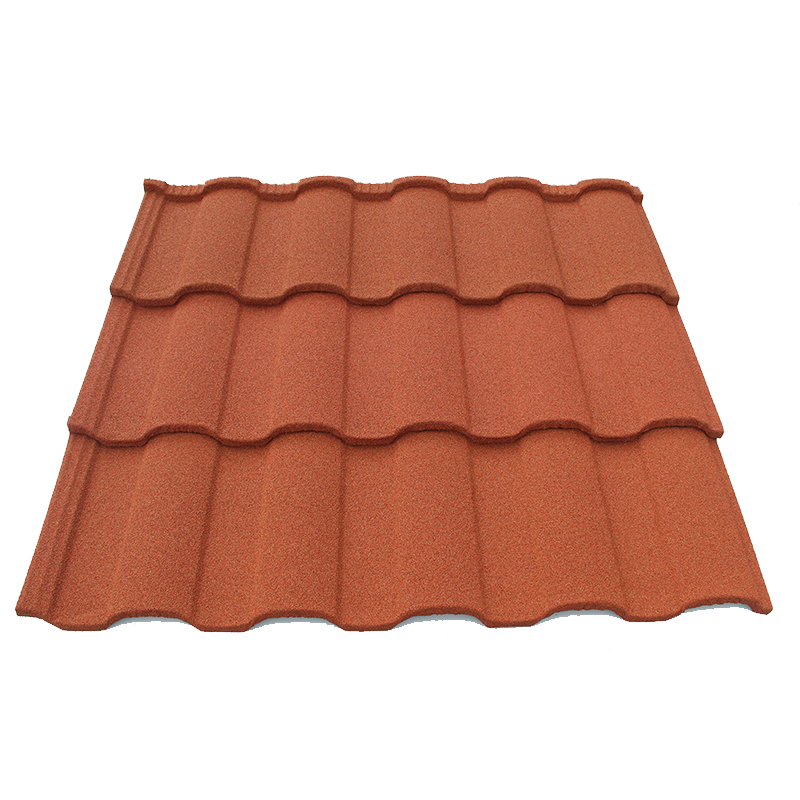
For traditional-style projects, Roman Tile may retain slightly more debris due to its deeper curves, requiring more frequent maintenance in rainwater harvesting systems.
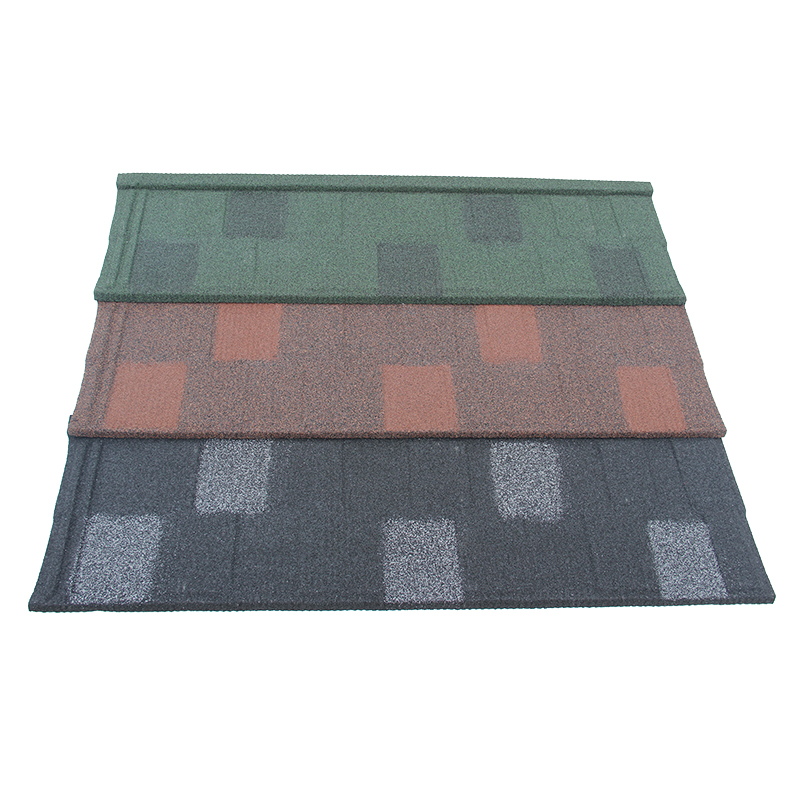
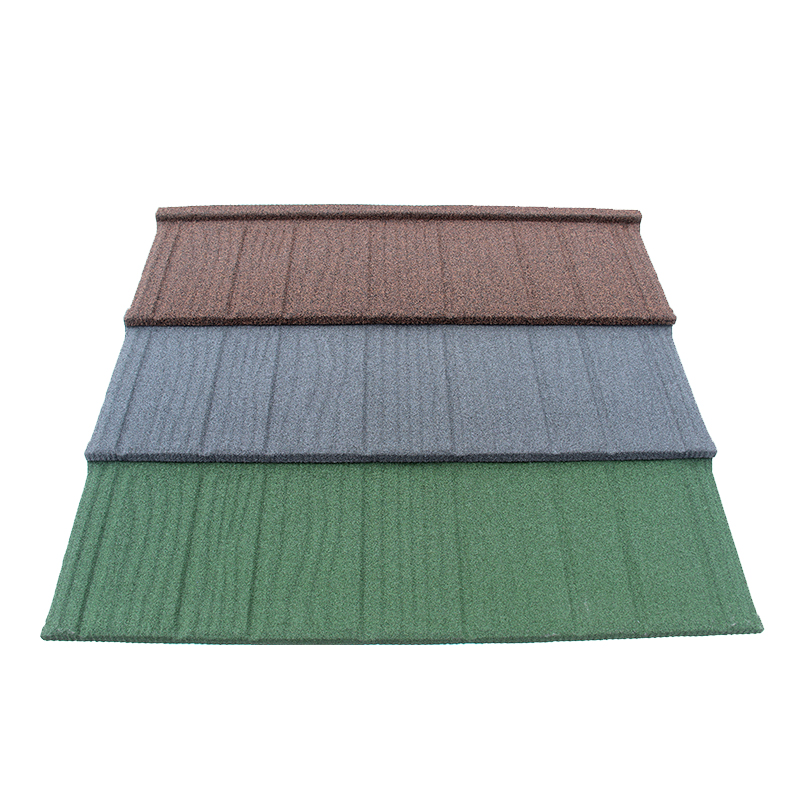
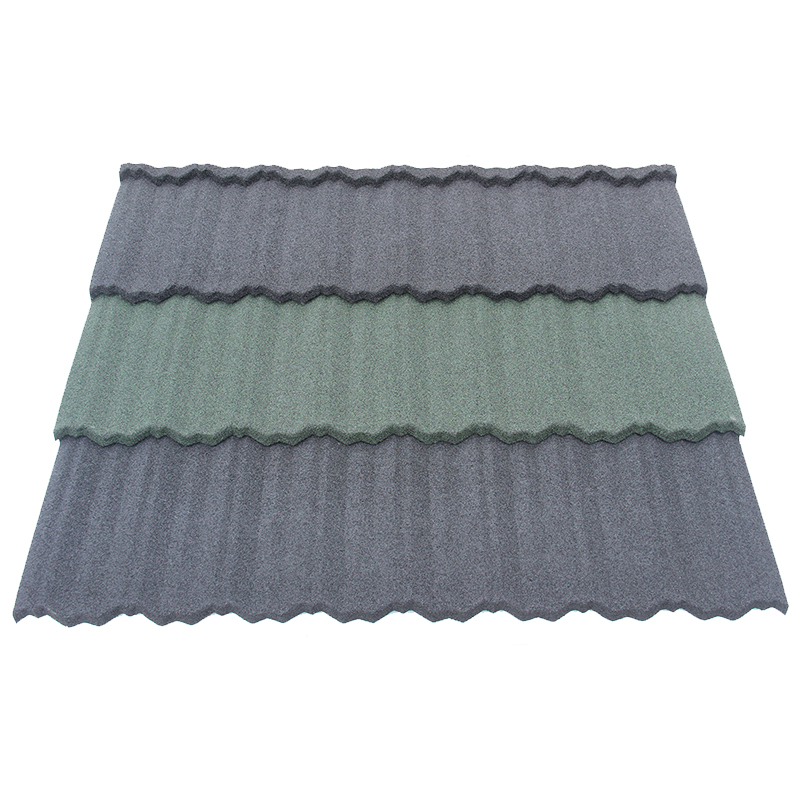
In projects transitioning from asphalt roofing, Shingle Tile provides consistent water flow and is relatively easy to maintain.
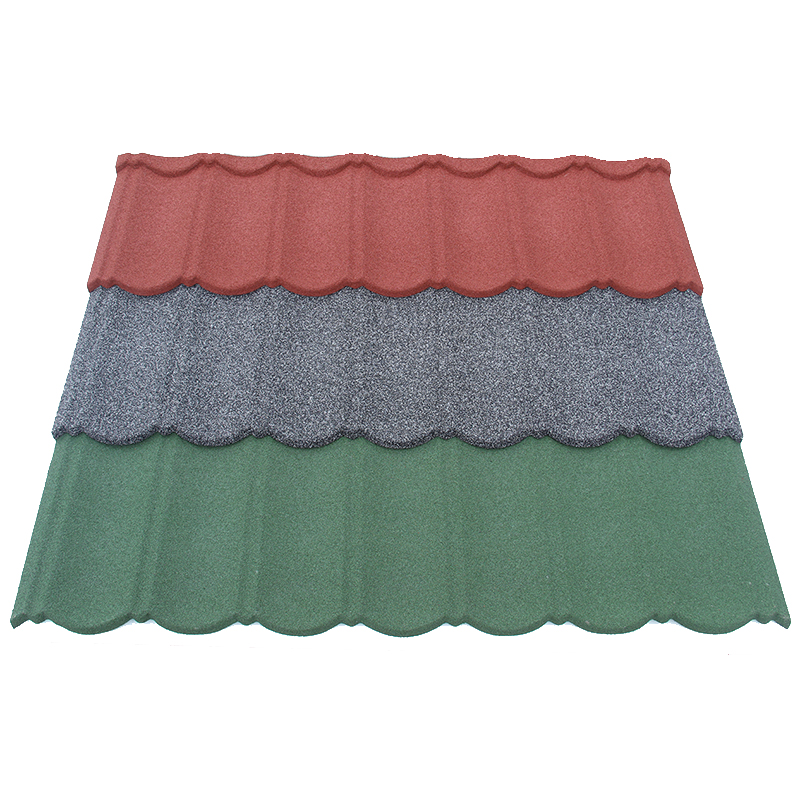
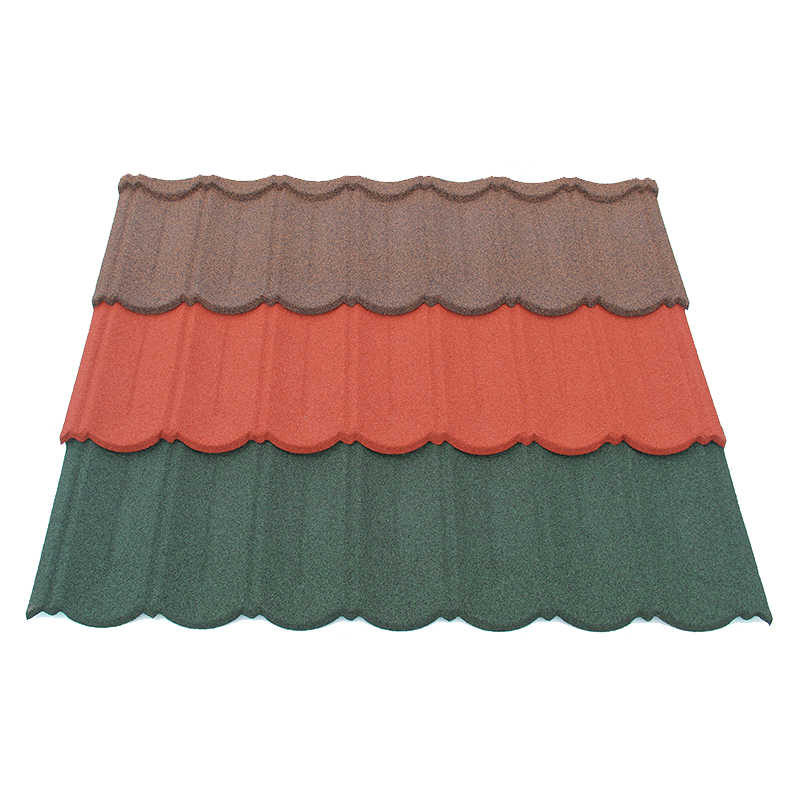
For modern designs, Milano Tile offers smoother surfaces, which can improve runoff efficiency and reduce debris buildup.
Comparison with Other Roofing Materials for Rainwater Harvesting
To better understand is it safe for harvesting rainwater for drinking, comparing different roofing materials provides useful context for decision-making.
| Material | Suitability for Collection | Contamination Risk | Maintenance Requirement |
|---|---|---|---|
| Stone Coated Steel | High | Low–Medium | Moderate |
| Clay Tiles | High | Low | Moderate |
| Asphalt Shingles | Moderate | Higher (chemical runoff) | Moderate |
| Wood Shingles | Low | High (organic contamination) | High |
Common Mistakes in Rainwater Harvesting Systems
Many issues related to is it safe for harvesting rainwater for drinking are caused by system design mistakes rather than roofing material. Avoiding these errors is critical for ensuring water safety.
No First-Flush System
Failing to discard the initial runoff increases contamination risk.
Inadequate Filtration
Basic filtration is not sufficient for drinking water standards.
Poor Maintenance
Neglected gutters and tanks can lead to bacterial growth.
Assuming Roof Alone Determines Safety
Water safety depends on the entire system, not just the roofing material.
Practical Advice for Buyers and Project Planners
For B2B buyers and contractors, answering is it safe for harvesting rainwater for drinking should involve a system-level approach. Stone coated steel roofing can be part of a safe solution, but only when combined with proper filtration and maintenance.
In the industry, manufacturers such as JCROOF are often referenced for providing roofing systems with stable coatings, which can support rainwater harvesting applications when integrated with proper water treatment systems.
Recommended Approach
- Install a first-flush diverter to remove initial contaminants
- Use multi-stage filtration (sediment, carbon, UV or similar)
- Regularly clean roof and gutter systems
- Test water quality periodically before consumption
Conclusion: Is It Safe for Harvesting Rainwater for Drinking?
So, is it safe for harvesting rainwater for drinking? Yes, stone coated steel roofing can be used for rainwater collection, but the water is not automatically safe to drink without proper treatment.
For contractors and distributors, the key takeaway is that water safety depends on the entire system—from roof material to filtration and maintenance. With the right setup, rainwater harvesting can be both safe and effective for drinking purposes.