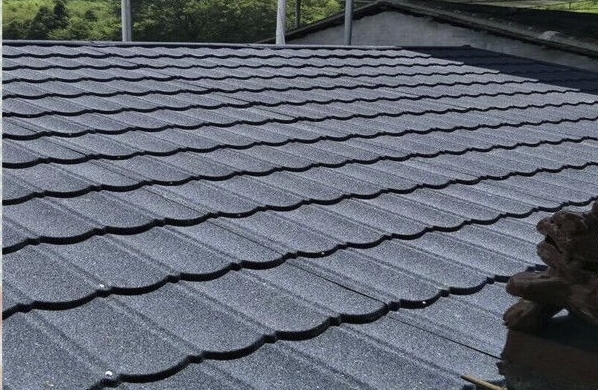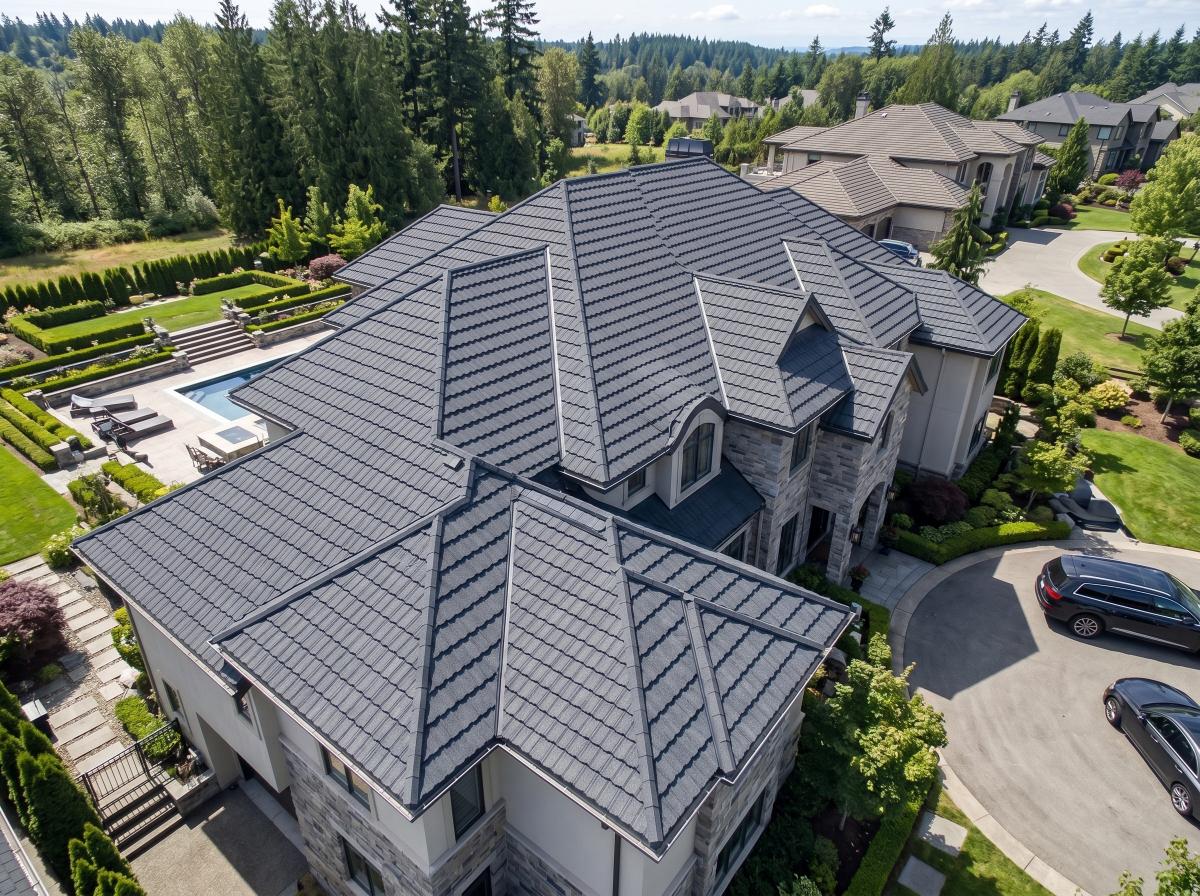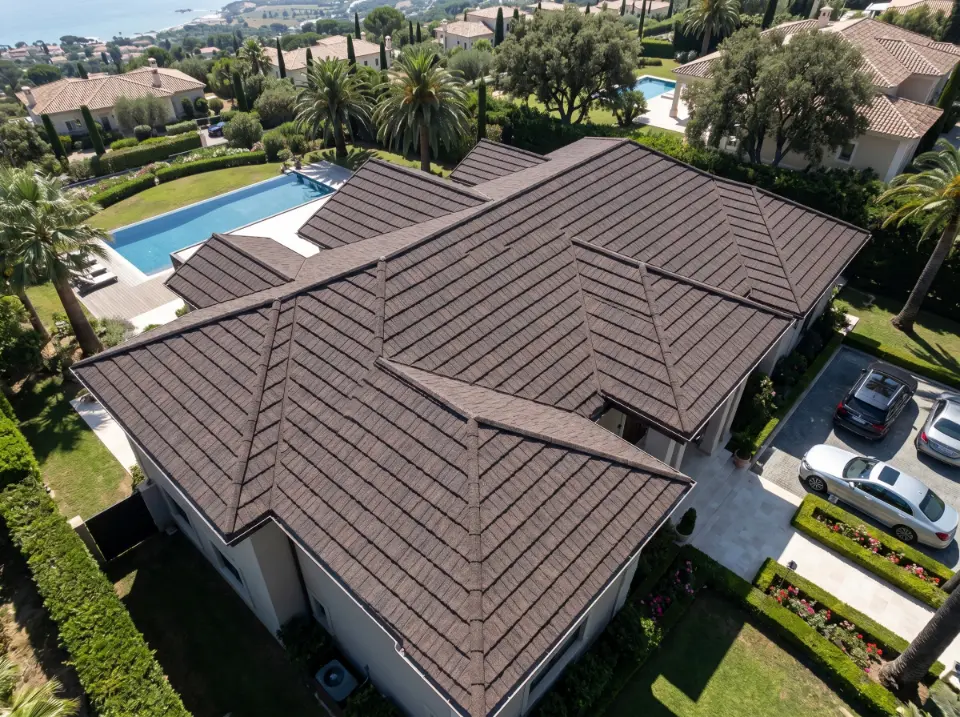


In modern roofing projects, especially custom homes and architectural builds, one of the most technically demanding questions is how do you handle roof valleys and ridges for complex designs. These areas are not only visually critical but also the most vulnerable points for water infiltration and structural stress.
From a B2B and installation perspective, understanding how do you handle roof valleys and ridges for complex designs is essential for ensuring waterproofing integrity, improving installation efficiency, and avoiding costly rework. The complexity increases significantly when working with multi-slope roofs, intersecting planes, or irregular layouts.
Why Valleys and Ridges Are Critical in Complex Roof Designs
To properly address how do you handle roof valleys and ridges for complex designs, it is important to understand their function within the roofing system. Valleys are the channels where two roof slopes meet and direct water downward, while ridges are the highest points where slopes intersect.
Both areas are subject to concentrated stress—valleys handle large volumes of water, while ridges are exposed to wind uplift and require secure capping.
For contractors, improper handling of these zones is one of the leading causes of leaks and premature roof failure.
Key Challenges
- High water concentration in valleys
- Wind exposure at ridges
- Complex geometry in multi-slope roofs
- Need for precise cutting and alignment
Valley Installation Methods for Complex Roofs
When evaluating how do you handle roof valleys and ridges for complex designs, valleys require special attention due to their role in water drainage. The goal is to ensure smooth water flow while maintaining a watertight seal.
There are several valley installation methods, each suited to different project conditions.
Open Valley System
Uses a visible metal channel to guide water flow.
- Best for high rainfall areas
- Easy maintenance and inspection
- Strong drainage performance
Closed Valley System
Tiles from both sides meet at the center, covering the valley.
- Cleaner visual appearance
- Requires precise cutting and alignment
- Higher installation skill required
Woven or Interlocking Valley (Less Common)
Tiles are interwoven across the valley.
- Limited use in stone coated systems
- More common in asphalt applications
Ridge Installation Techniques for Structural Stability
In the context of how do you handle roof valleys and ridges for complex designs, ridges play a crucial role in both structural integrity and ventilation. Proper ridge installation ensures the roof can withstand wind uplift and maintain a finished appearance.
Ridge systems are typically installed using dedicated ridge caps and fastening systems.
Ridge Cap Installation
- Use matching ridge caps for the roofing profile
- Ensure proper overlap to prevent water intrusion
Ventilated Ridge Systems
- Allow airflow to reduce heat and moisture buildup
- Improve overall roof lifespan
Secure Fastening
Fasteners must be corrosion-resistant and properly sealed to handle wind loads.
How Roofing Profiles Affect Valley and Ridge Handling
When discussing how do you handle roof valleys and ridges for complex designs, the roofing profile significantly influences installation techniques. Different profiles require adjustments in cutting, alignment, and accessory selection.
Contractors must adapt their approach depending on the geometry of the tiles.
Application-Based Insights
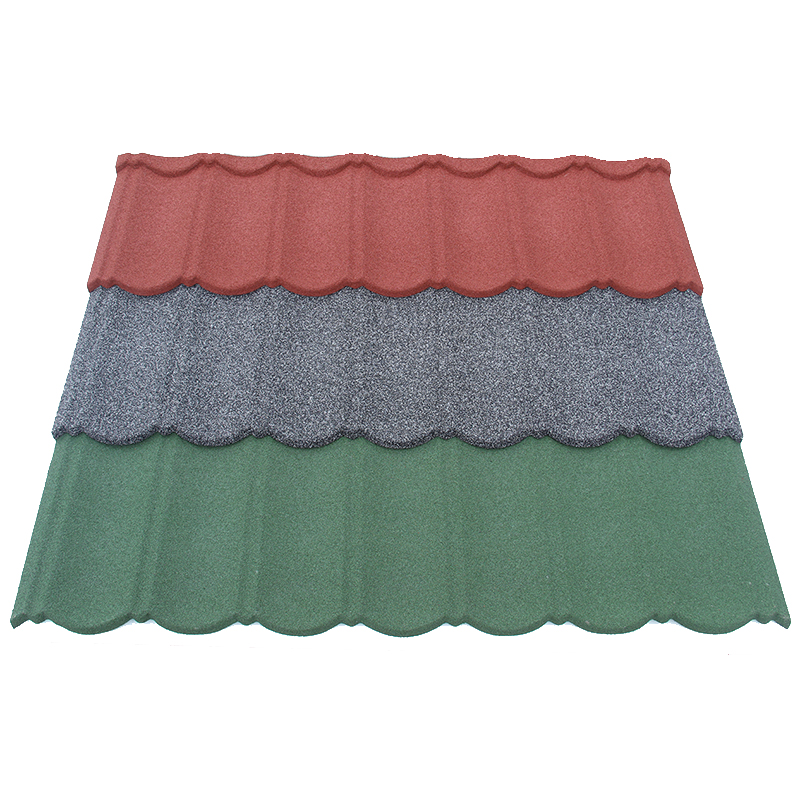
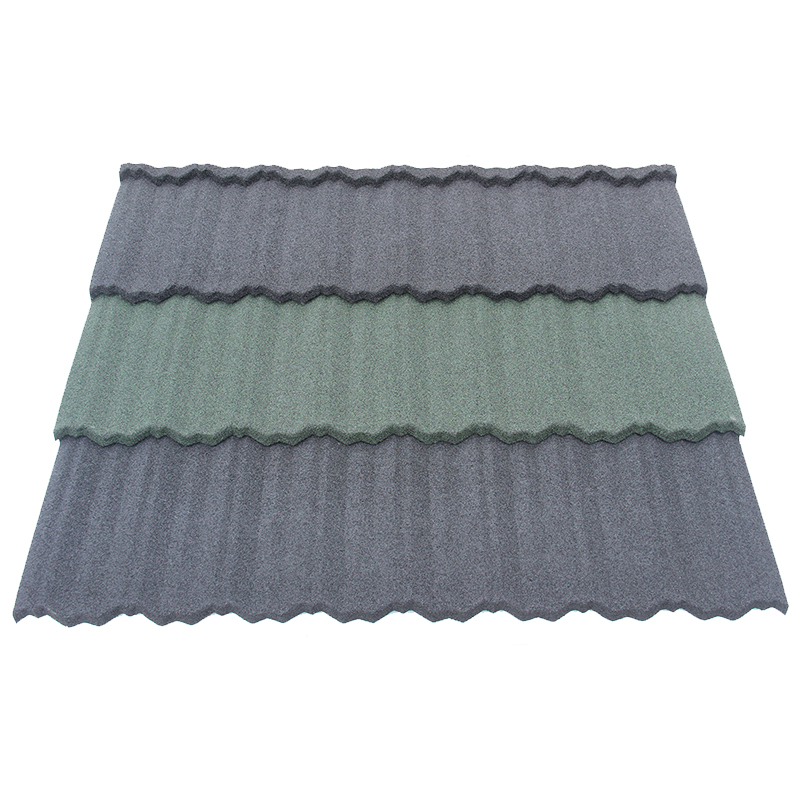
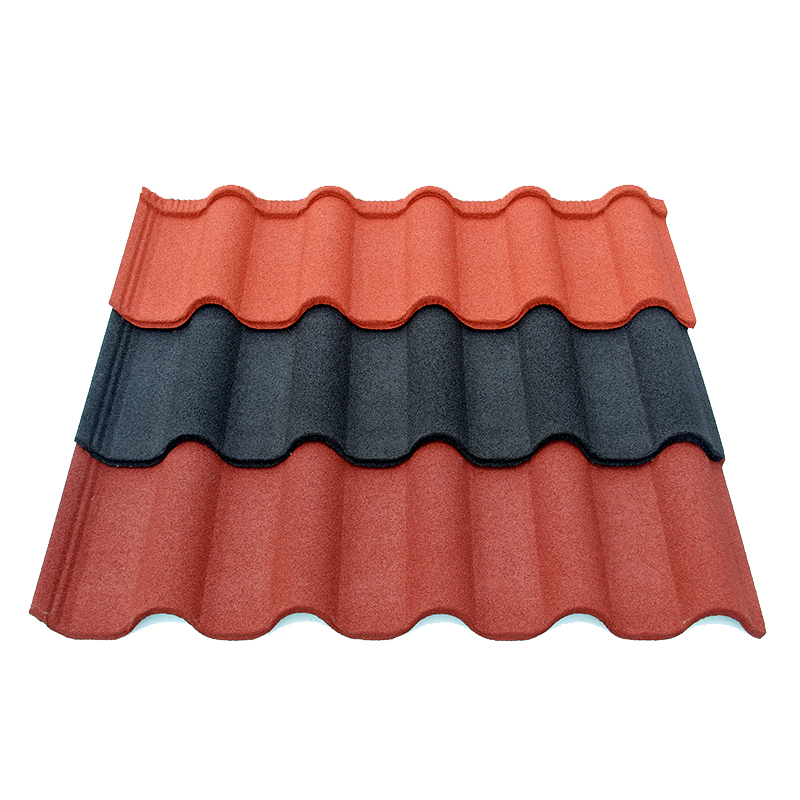
In projects using Bond Tile, valleys are relatively straightforward due to the balanced profile, allowing for consistent alignment and efficient water flow.
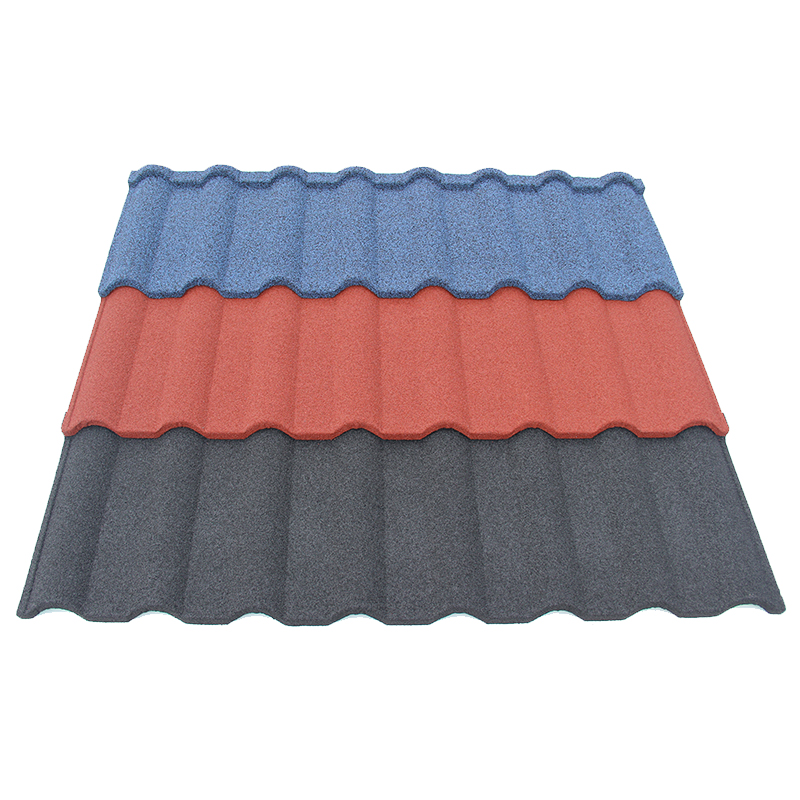
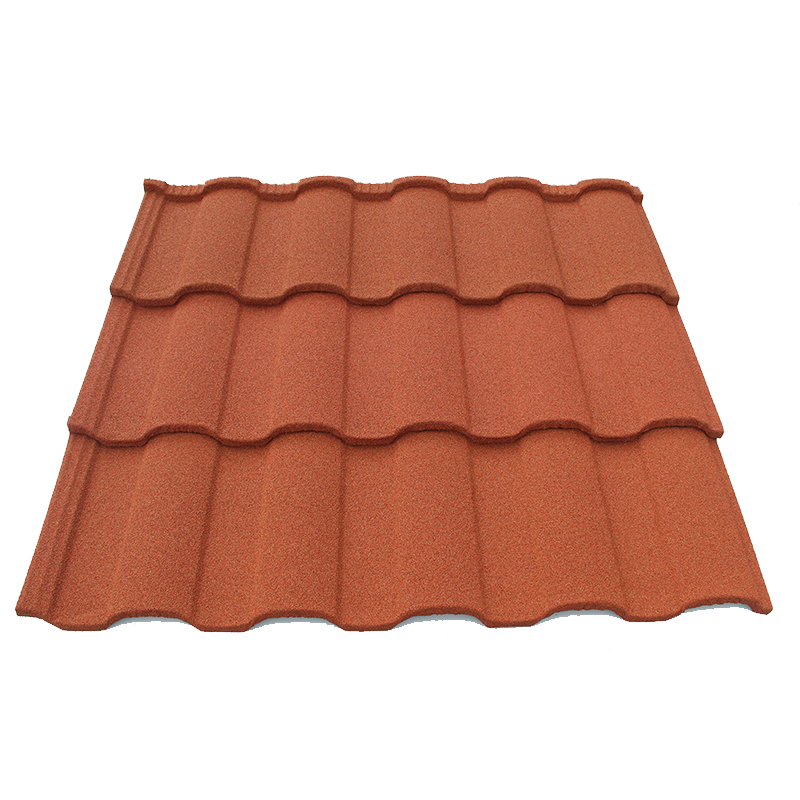
For deeper-profile systems like Roman Tile, extra care is needed in valley cutting to ensure tight fitting and prevent gaps along curved sections.
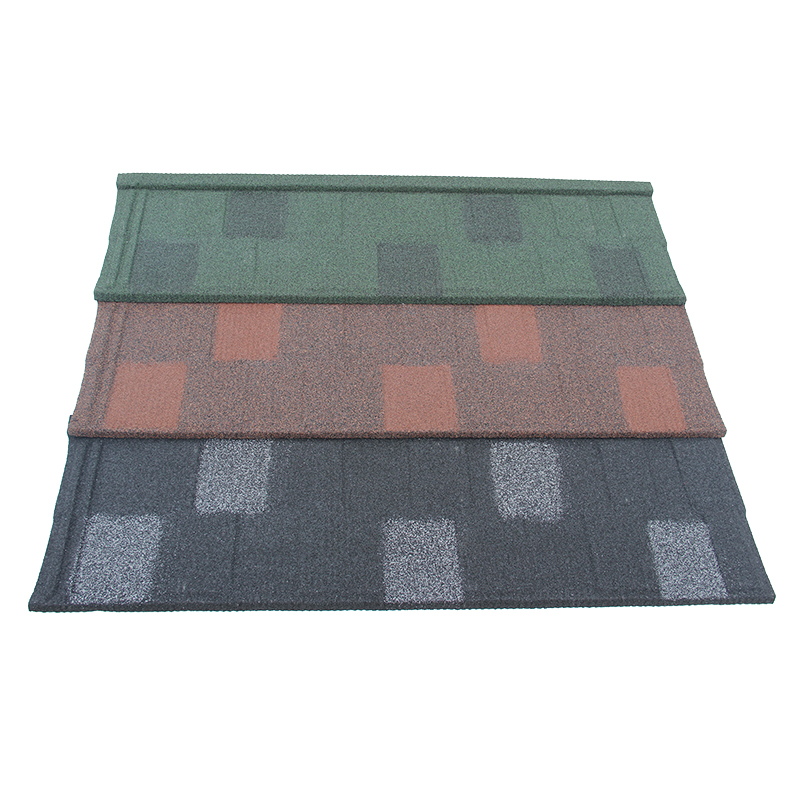
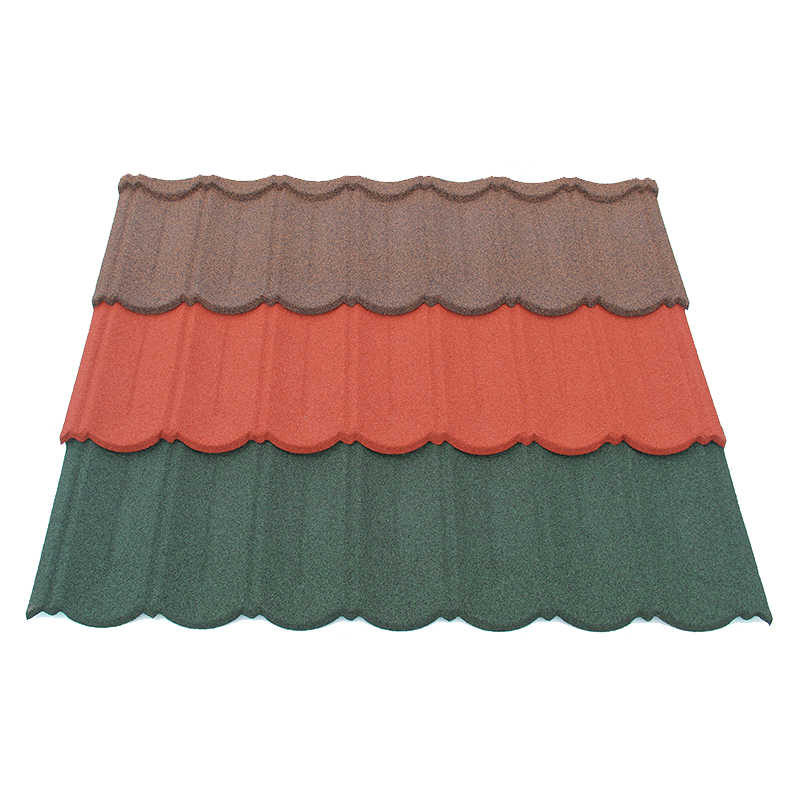
In installations with Shingle Tile, flatter geometry simplifies valley detailing and ridge alignment, making it suitable for complex layouts.
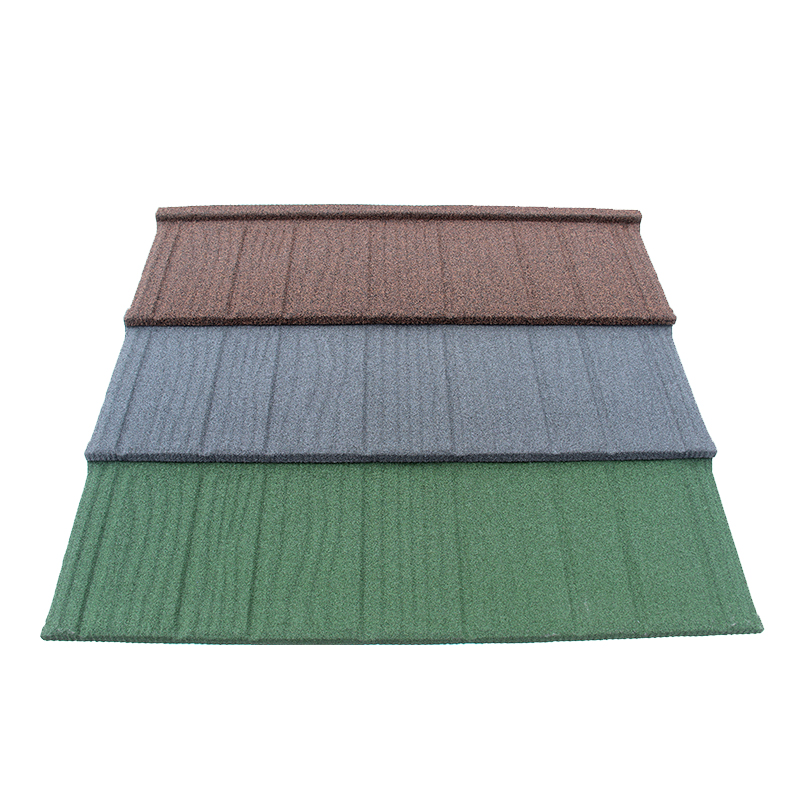
For modern designs using Milano Tile, precision is critical at both valleys and ridges, as any misalignment is more visible on flat surfaces.
Best Practices for Complex Roof Layouts
Successfully handling how do you handle roof valleys and ridges for complex designs requires a combination of planning, proper materials, and skilled installation. These best practices help ensure consistent results across different project types.
For contractors managing large or custom projects, standardizing these practices improves efficiency and reduces risk.
Pre-Installation Planning
- Map out all valleys and ridges before installation
- Identify high-risk water flow areas
Use of Quality Accessories
- Install pre-formed valley trays
- Use compatible ridge caps and flashing
Precision Cutting and Alignment
- Ensure clean cuts for tight joints
- Avoid gaps that can lead to leaks
Layered Waterproofing
- Add extra underlayment in valleys
- Use sealants where necessary
Common Mistakes in Valley and Ridge Installation
Many failures related to how do you handle roof valleys and ridges for complex designs come from avoidable mistakes. Recognizing these issues can significantly improve installation quality.
Insufficient Waterproofing in Valleys
Leads to leaks in high-flow areas.
Poor Alignment of Ridge Caps
Can compromise both aesthetics and structural stability.
Incorrect Fastener Placement
Reduces resistance to wind uplift.
Ignoring Expansion and Movement
Thermal expansion can cause gaps if not accounted for.
Practical Advice for Contractors and Distributors
For B2B buyers and installers, mastering how do you handle roof valleys and ridges for complex designs is essential for delivering high-quality roofing systems. These areas require more attention than standard sections and should never be treated as routine work.
In the industry, manufacturers such as JCROOF are often referenced for providing system-based accessories and installation guidance, helping contractors manage complex roof designs more effectively.
Recommended Strategy
- Use system-matched valley and ridge components
- Apply additional waterproofing in critical areas
- Ensure skilled labor for complex installations
- Follow manufacturer guidelines strictly
Conclusion: How Do You Handle Roof Valleys and Ridges for Complex Designs?
So, how do you handle roof valleys and ridges for complex designs? The key lies in proper planning, selecting the right installation method, and executing with precision. Valleys must ensure efficient water drainage, while ridges must provide structural stability and weather resistance.
For contractors and distributors, focusing on these critical areas ensures better performance, reduced risk, and higher overall project quality—especially in complex roofing designs.