
Procurement managers face immense daily pressure when sourcing commercial building materials internationally. You must carefully balance strict architectural design demands with rigid supply chain logistics constantly. Finding a highly reliable building envelope becomes an urgent financial priority for major property developers globally. However, buyers frequently encounter a significant logistical hurdle during this complex purchasing process. We find Roofing Tile MOQ Explained as an essential topic for every modern procurement professional today. Minimum Order Quantity requirements can initially seem like an unreasonable trade barrier for small commercial projects. Consequently, these purchasing thresholds often frustrate inexperienced buyers attempting to place initial trial orders globally. Smart B2B buyers must deeply understand exactly why global manufacturers enforce these specific limits continuously. This comprehensive procurement guide explores the core economic mechanics behind manufacturing order minimums thoroughly. We will carefully analyze specific production costs, international shipping logistics, and diverse practical negotiation strategies. Ultimately, this highly specific procurement knowledge helps you build a highly profitable global supply chain efficiently.
What Defines Minimum Order Quantities in Roofing Manufacturing
You simply cannot negotiate effectively without completely understanding the fundamental industrial manufacturing process first. Minimum order quantities represent the absolute baseline production volume required to cover fixed operational expenses. Manufacturing massive volumes of industrial building materials involves incredibly complex and highly expensive automated machinery. Factories cannot casually start and stop these massive assembly lines for tiny residential orders safely. Therefore, the MOQ establishes a necessary financial balance between manufacturing scale and competitive wholesale pricing.
Factory Production and Machinery Setup Costs
Modern metal roofing factories utilize highly specific engineered metallic alloy base coils during continuous production. Every single time a factory starts a production run, they consume massive amounts of electricity. Furthermore, professional engineers must carefully calibrate heavy machinery accurately. They must also test initial raw materials for absolute quality and safety compliance. This mandatory calibration process inevitably generates a specific amount of wasted raw materials every single time. If your commercial order remains too small, these expensive setup costs inflate your unit price massively. Therefore, factories enforce minimums to spread these fixed costs across a larger production volume effectively. This strategic industrial scale allows them to offer highly competitive global wholesale pricing constantly.
International Shipping and Ocean Freight Optimization
Global shipping logistics dictate manufacturing order limits just as heavily as internal factory production costs. Shipping heavy construction materials internationally requires highly specialized logistical coordination and extensive export experience. You pay for the entire ocean shipping container regardless of its actual internal physical contents always. Therefore, ordering a tiny quantity wastes massive amounts of valuable internal container space completely. This highly inefficient shipping strategy drastically increases your landed cost per square meter very quickly. Consequently, premium manufacturers strongly recommend ordering enough material to fill a twenty foot container completely. This logistical packaging advantage directly saves your company massive amounts of money and valuable project time.
Core Factors Influencing High Order Thresholds
Procurement teams often notice that different building materials carry vastly different minimum order requirements globally. These specific threshold variations are definitely not arbitrary decisions made by the international sales team. They stem directly from complex physical manufacturing constraints and highly specialized raw material supply chains. When you request highly customized architectural products, you must anticipate significantly higher purchasing minimums immediately. Let us carefully examine the critical manufacturing variables that directly increase your required purchasing volume.
Custom Colors and Specialized Surface Coatings
Many prestigious luxury resorts strongly demand highly unique exterior colors to match specific brand identities. However, producing custom colored panels requires special ceramic sintered stone chips from upstream suppliers. These upstream raw material suppliers also enforce their own incredibly strict minimum order quantities constantly. Furthermore, switching paint colors requires factories to completely flush and clean their entire coating machinery. This extensive cleaning process wastes highly expensive acrylic resin binders and halts production for hours. Therefore, ordering standard standard colors generally offers much lower thresholds than highly unique customized architectural shades. You must plan your commercial designs carefully to optimize these specific material purchasing requirements.
Specific Mold Changes and Profile Switching
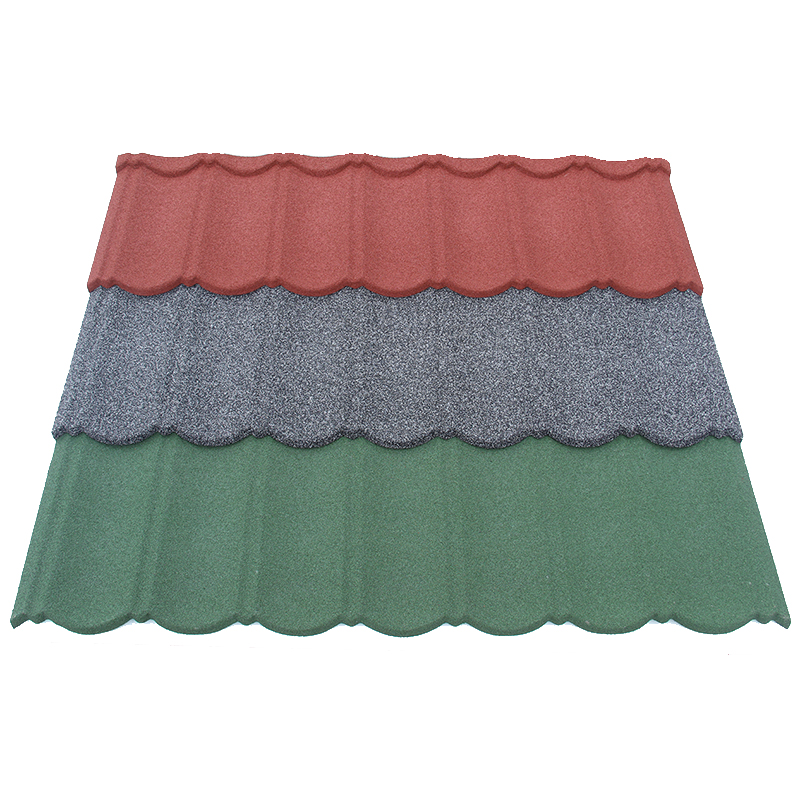
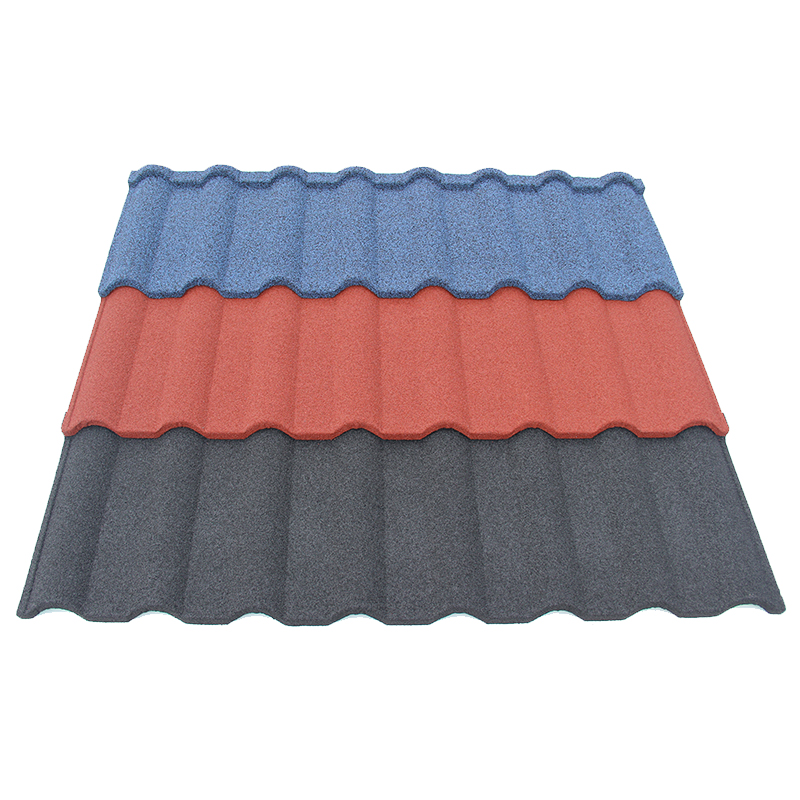
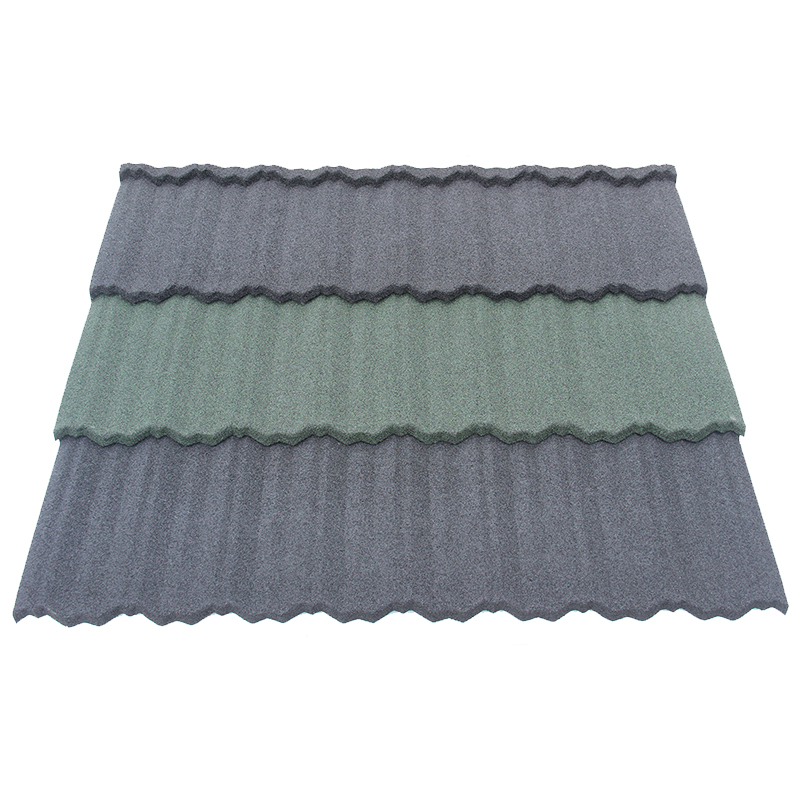
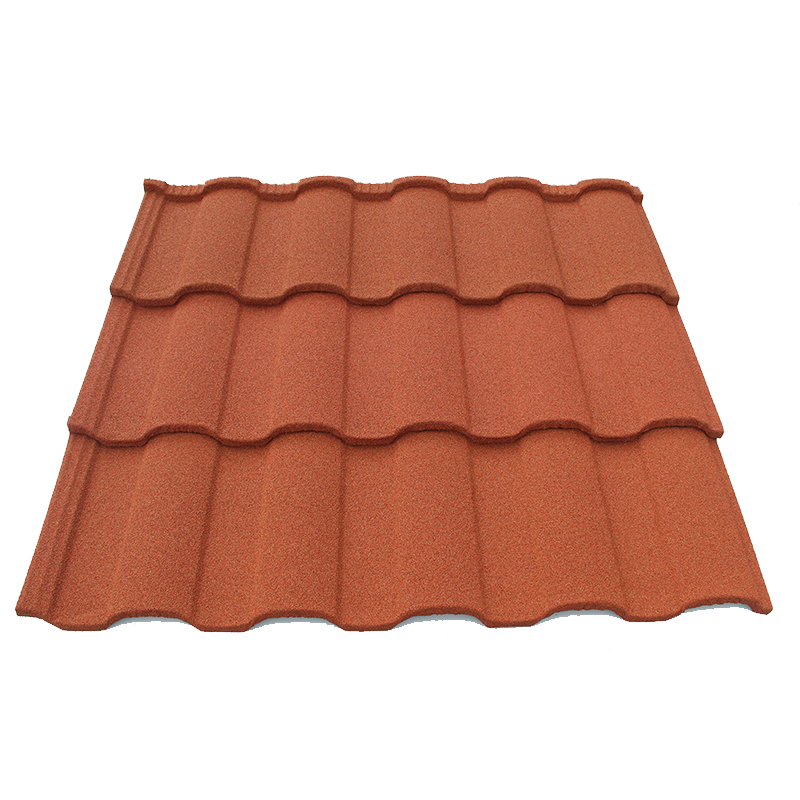
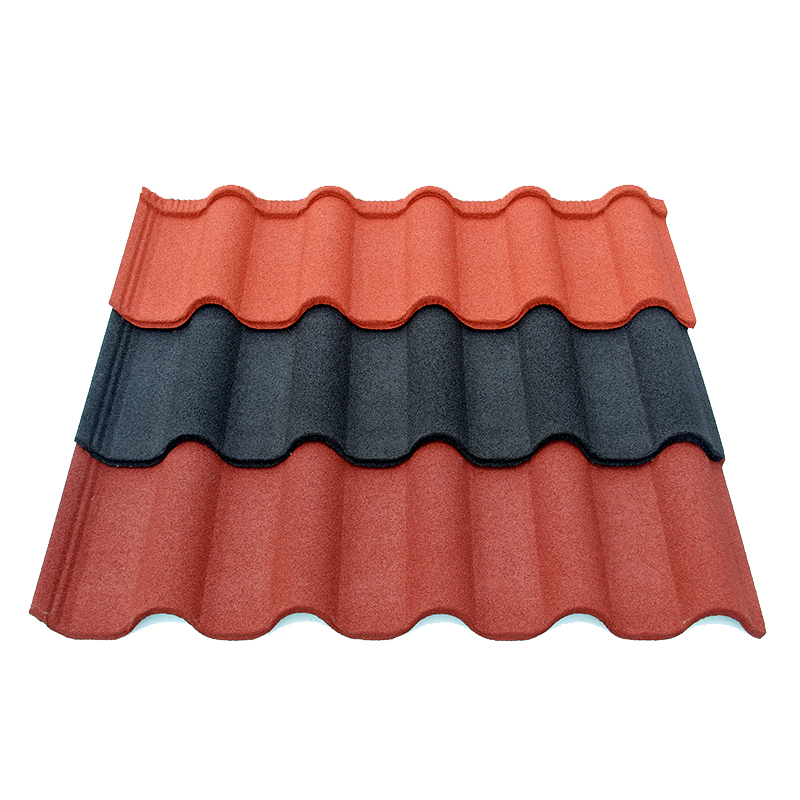
Different architectural styles require completely different heavy steel stamping molds during the initial pressing phase. Switching these massive heavy steel molds takes several experienced engineers many hours to complete safely. During this lengthy mechanical transition, the entire automated production line remains completely halted. Factories must offset this expensive operational downtime by requiring larger production runs for specific profiles. If you specify a classic Roman Tile profile, the factory produces it very frequently. Similarly, a sleek Milano Tile profile runs continuously due to massive global commercial demand. Choosing these highly popular profiles often grants you significantly more flexible purchasing requirements globally. You secure premium building materials much faster and with significantly lower initial volume requirements.
Strategic Methods to Manage and Overcome MOQ Limitations
Professional B2B procurement managers never simply surrender when facing high minimum order requirements today. You must proactively utilize highly intelligent supply chain strategies to navigate these complex logistical barriers. A truly strategic procurement approach requires looking far beyond a single isolated commercial construction project. You must evaluate your entire annual development pipeline to optimize your global purchasing power effectively. Let us thoroughly explore how to successfully manage and overcome high manufacturing order requirements today.
Consolidating Projects and Smart Container Mixing
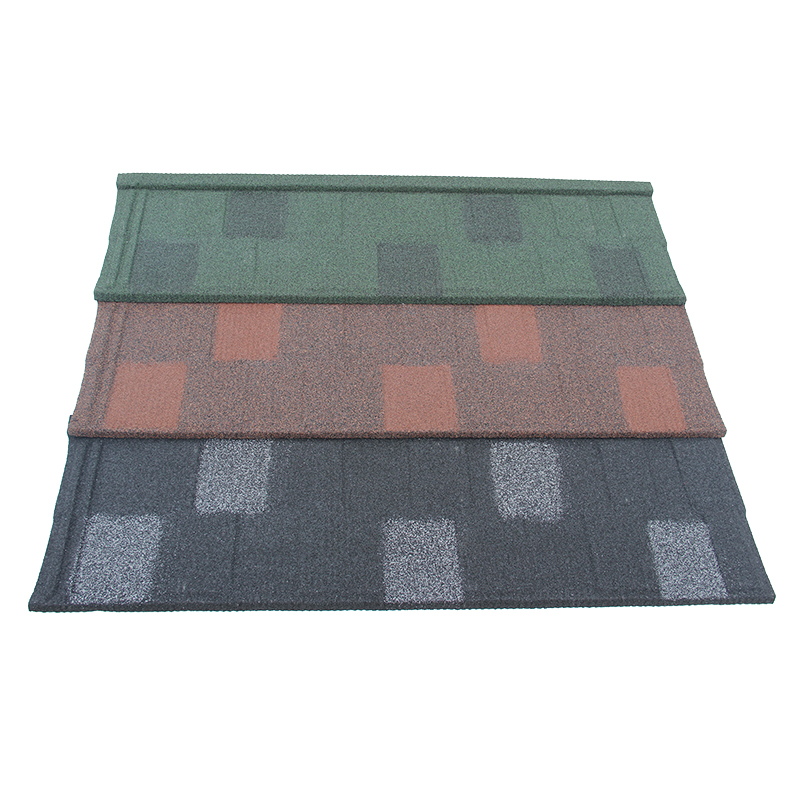
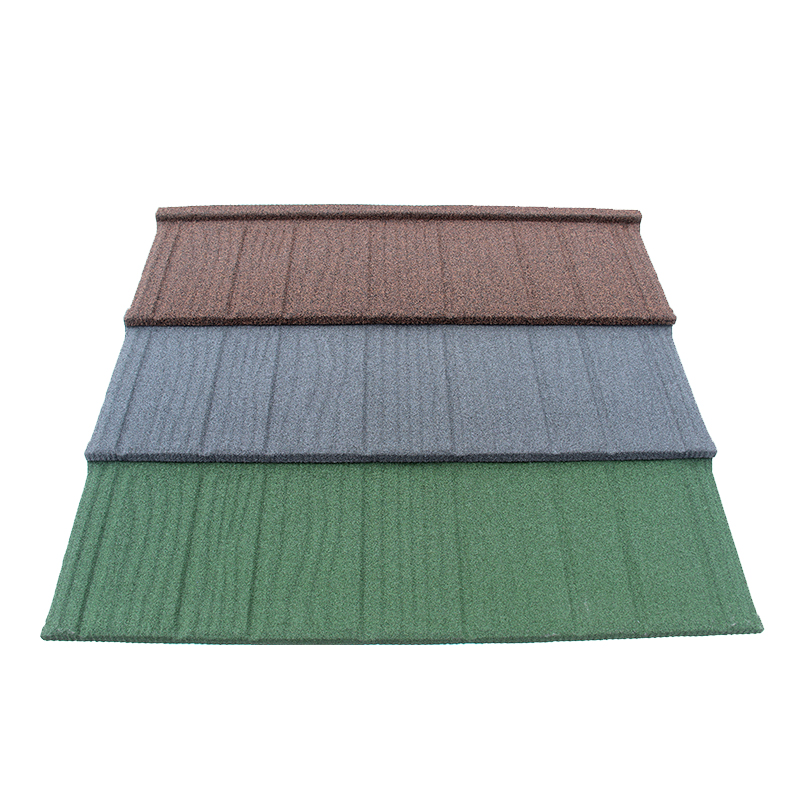
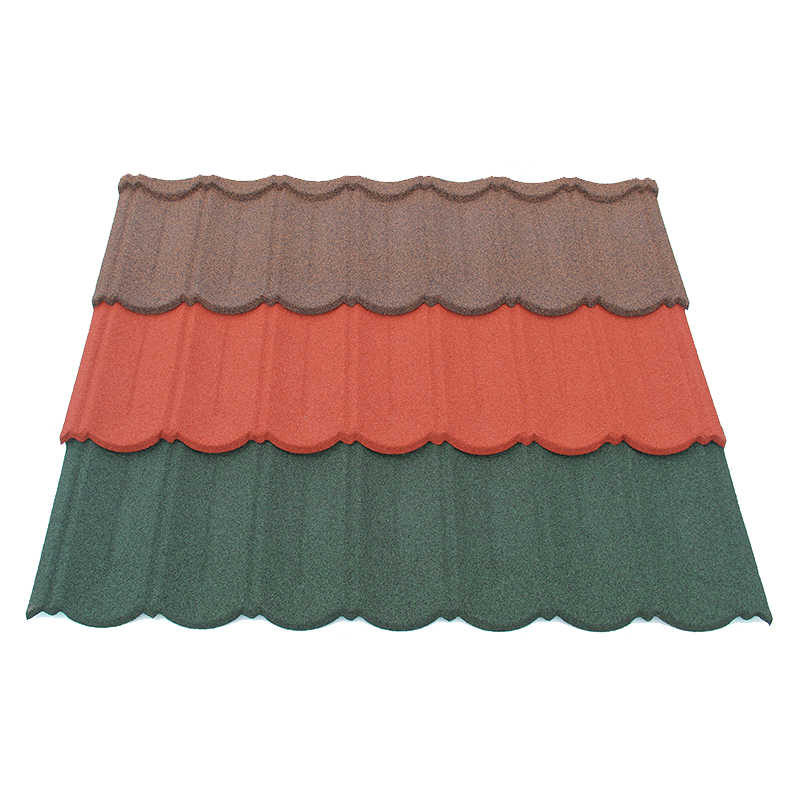
The absolute best strategy involves consolidating multiple upcoming commercial projects into one massive purchase order. You can easily combine material requirements for different architectural developments happening within the same quarter. Furthermore, highly flexible manufacturers allow you to mix different tile profiles inside one single container. You might order a flat Shingle Tile for a modern commercial solar project initially. In that same exact container, you can mix a Shake Tile for a rustic woodland lodge. This smart container consolidation maximizes your freight efficiency while safely satisfying the factory volume requirements. You effectively lower your individual project costs while maintaining absolute premium material quality constantly.
Forging Long Term B2B Partnerships
International manufacturing factories strongly prefer doing business with highly reliable and predictable corporate partners globally. If you only seek a one time transaction, suppliers will strictly enforce their highest minimums constantly. Therefore, you must actively build deep commercial alliances based on mutual trust and consistent volume. Once you prove your long term purchasing capability, factories gladly offer flexible trial order minimums. When you strategically partner with a deeply established manufacturer like JCROOF, you eliminate massive risks. They deeply understand complex global supply chains and happily support strategic partners with flexible terms. This exceptionally high level of professional B2B support strongly guarantees a completely smooth project execution.
Avoiding Common Procurement Mistakes During MOQ Negotiations
Commercial B2B procurement teams often fall into highly predictable traps during material selection today. These incredibly common errors directly lead to massive financial budget overruns and severely compromised building integrity. You must proactively identify and actively avoid these highly common industry pitfalls immediately before purchasing. A truly strategic procurement approach requires looking far beyond the immediate purchase order price tag. Let us deeply examine the most frequent mistakes made during commercial building material procurement globally.
Sacrificing Material Quality for Lower Thresholds
Many inexperienced buyers eagerly purchase extremely cheap materials from unverified small workshops offering zero minimums. These highly unreliable micro suppliers accept tiny orders because they rely entirely on cheap manual labor. They frequently use inferior galvanized steel and extremely cheap artificial dyed sand instead of stone. Consequently, your commercial roof rusts rapidly and completely fails within a few short years globally. You must specify a Bond Tile for extreme wind resistance, which requires premium automated manufacturing. Never sacrifice structural integrity simply to avoid standard industrial minimum order requirements for your projects. You will ultimately pay massive emergency repair bills that destroy your long term commercial profitability.
Ignoring Hidden Warehousing and Inventory Costs
Some aggressive buyers purchase massive excess quantities just to secure the absolute lowest unit price. However, they completely ignore the massive hidden financial costs of storing this excess inventory locally. Storing massive pallets of metal roofing requires highly secure commercial warehouse space and expensive security. Furthermore, tying up massive amounts of corporate working capital in dead inventory ruins financial health. You must carefully calculate your exact material needs to maximize your total commercial return on investment. A smart procurement strategy perfectly balances factory order minimums with realistic local project consumption rates.
Supplier MOQ Evaluation Matrix
Smart procurement professionals always evaluate building products based strictly on total ownership cost calculations. We provide a highly comprehensive supplier performance matrix below for your professional convenience. Use this convenient evaluation table to objectively compare potential partners for your next B2B commercial project.
| Evaluation Criteria | Micro Factory No MOQ | Premium Strategic Partner Standard MOQ |
|---|---|---|
| Core Material Quality | Very Poor manual application | Extremely High fully automated production |
| Ocean Freight Efficiency | Very Poor wastes container space | Optimized supports smart container mixing |
| Long Term Commercial Value | Severe financial maintenance liability | Highly profitable long term real estate asset |
| Project Delivery Stability | Constant delays and unstable quality | Predictable and highly guaranteed schedule |