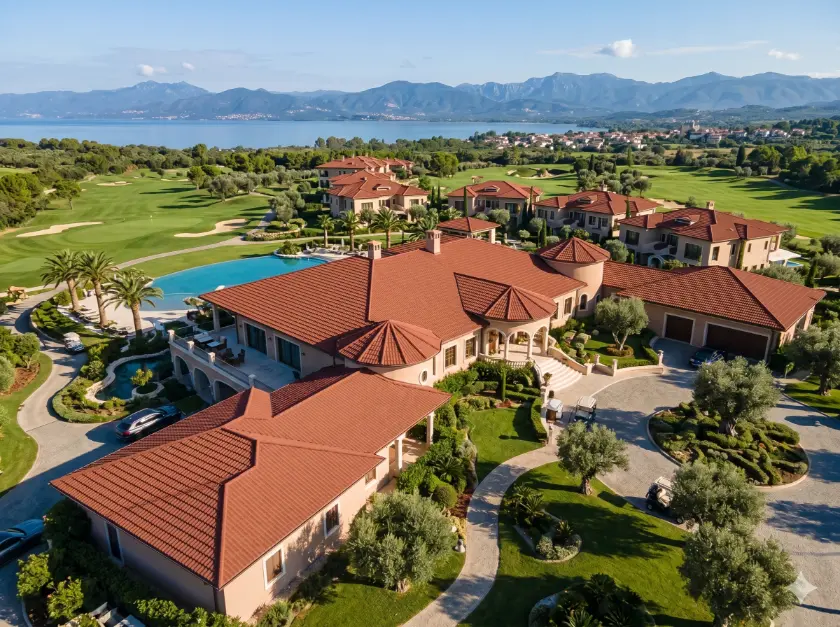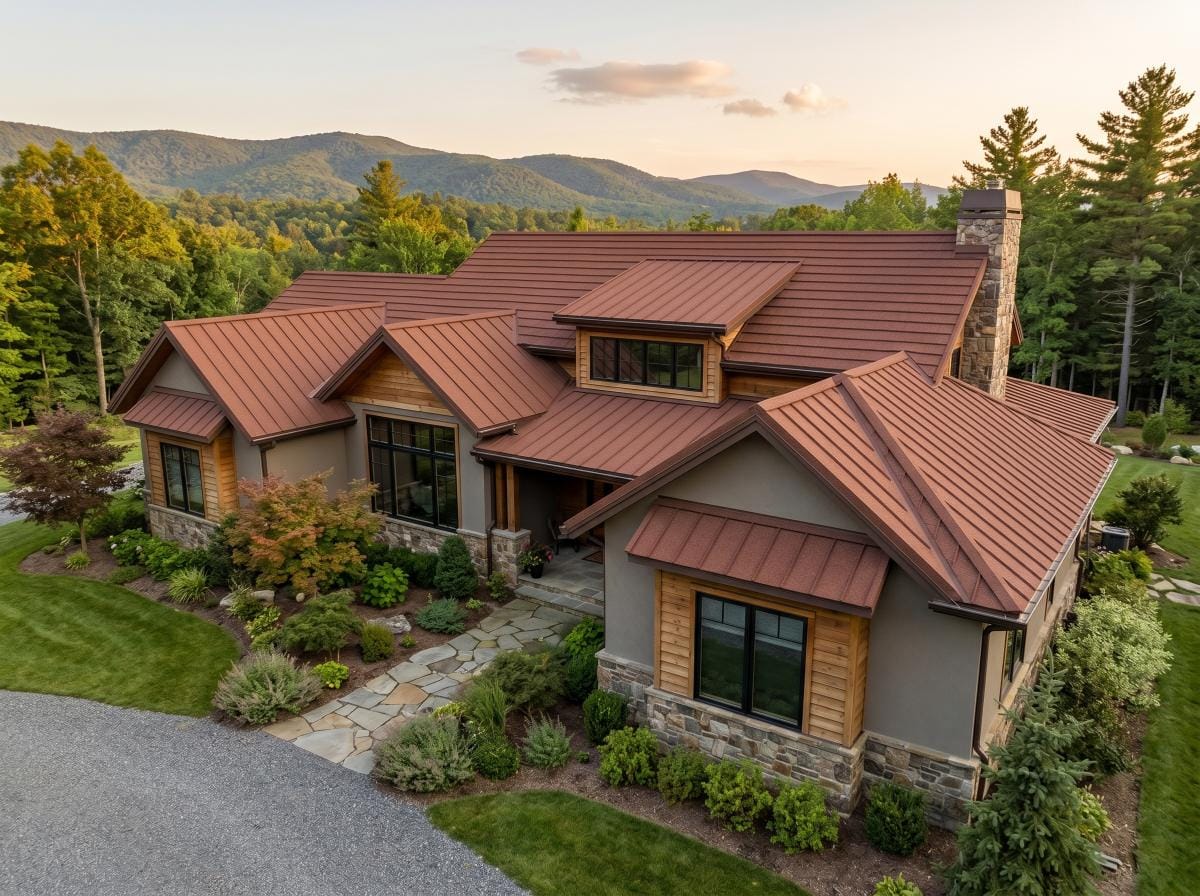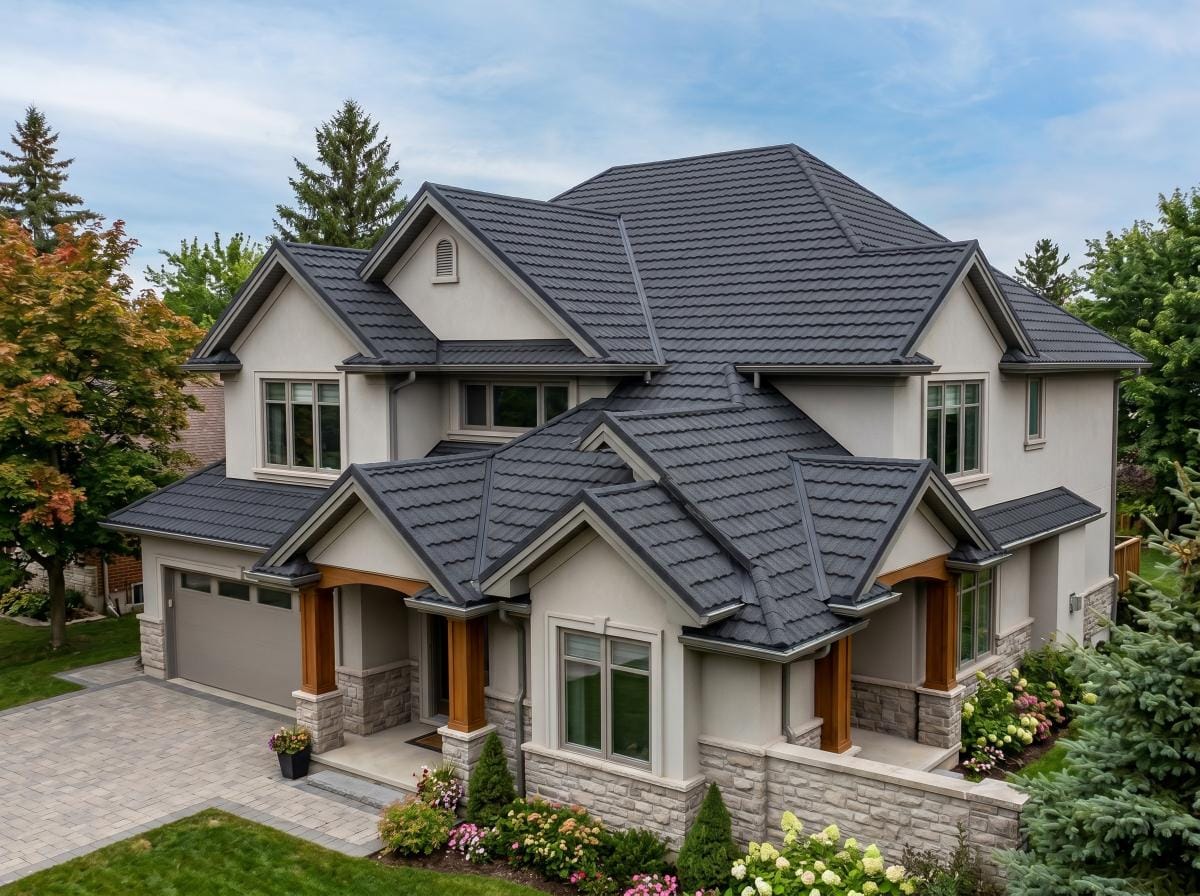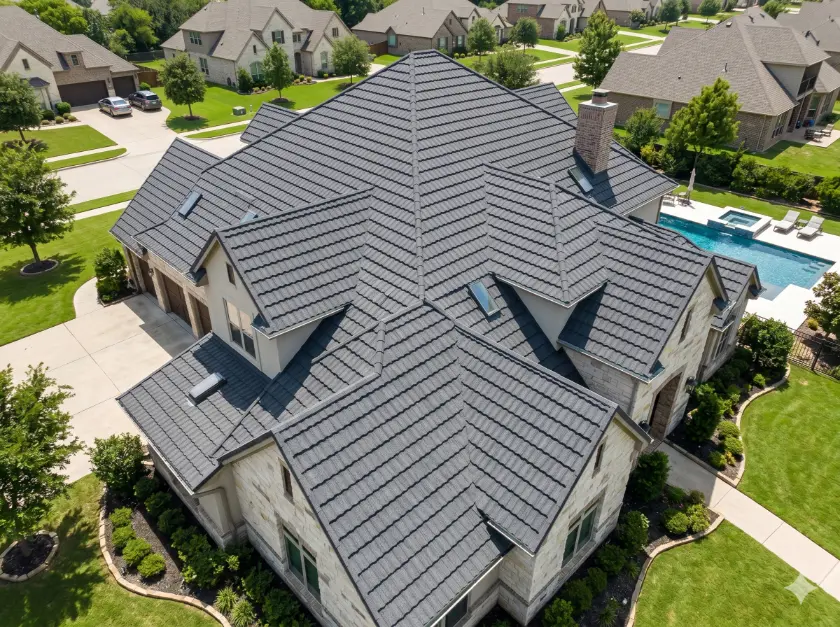

For B2B commercial developers and large-scale homebuilders, scaling a real estate project from a single prototype to a massive subdivision requires absolute logistical precision. Traditional building materials often create severe bottlenecks during this expansion phase. Heavy masonry requires massive labor forces, complex staging, and slow, meticulous installation. Consequently, visionary procurement teams are transitioning to modular roofing systems to accelerate their project timelines. These advanced stone coated metal panels function as highly efficient architectural building blocks. This engineering guide explores how standardizing your exterior envelope allows for rapid, profitable real estate expansion.
The Manufacturing Engine Behind Rapid Expansion
Scaling a development requires a supply chain that can handle sudden, massive spikes in material demand. Relying on small, local suppliers often leads to disastrous stockouts and frozen construction sites. To scale effectively, developers must partner with high-capacity manufacturing facilities. A world-class factory operating five dedicated production lines across a 10,000-square-meter facility can comfortably output between 140,000 and 200,000 pieces weekly. This massive industrial volume guarantees that exterior materials arrive exactly when the framing crews are ready. Furthermore, true factory-direct partners support comprehensive OEM and ODM requirements, allowing developers to create proprietary architectural looks for exclusive residential communities.
Consistent Aesthetics Across Thousands of Units
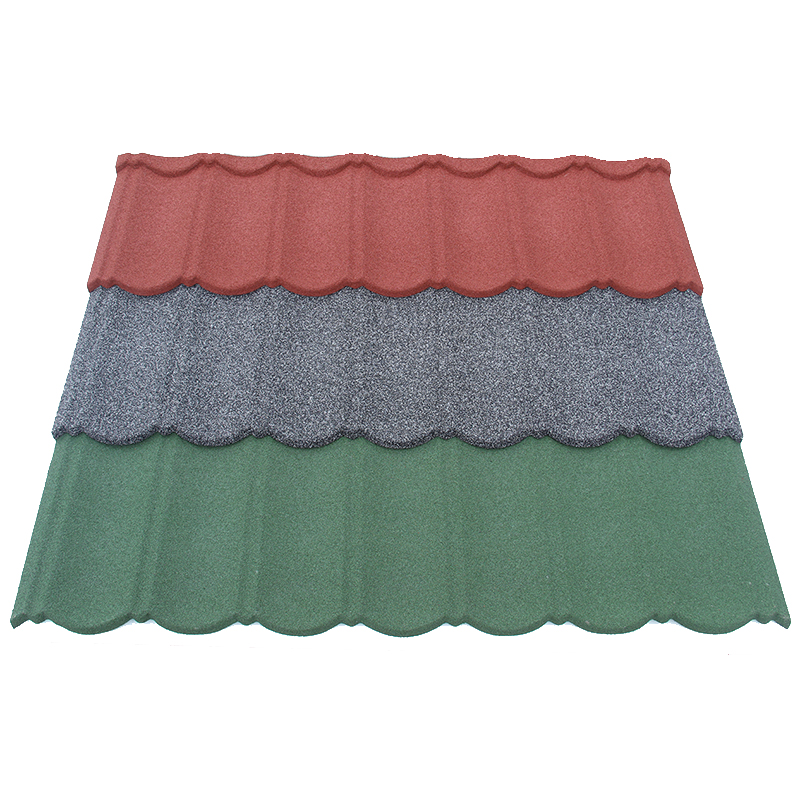
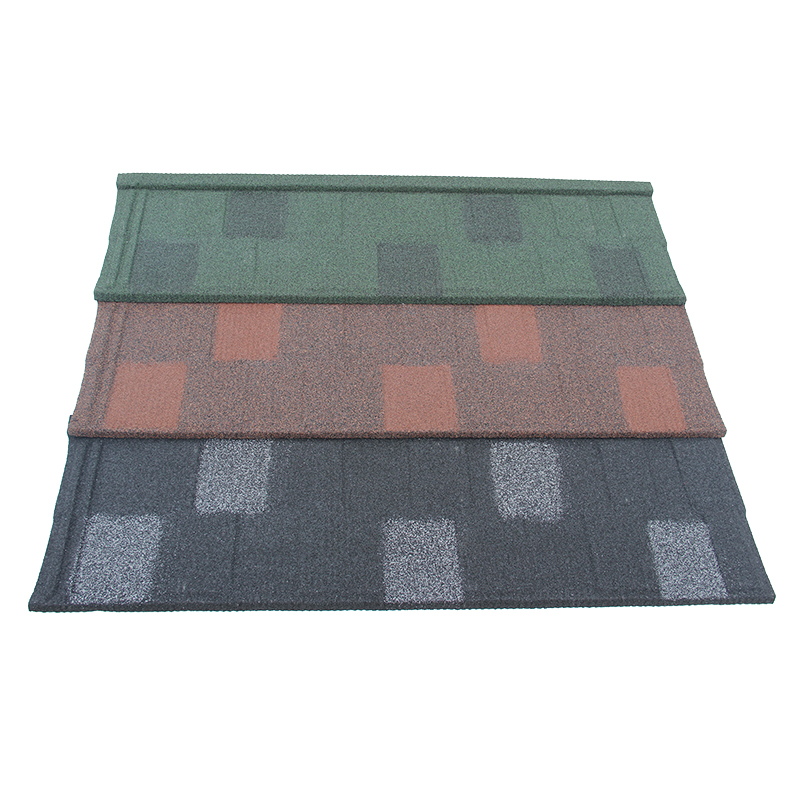
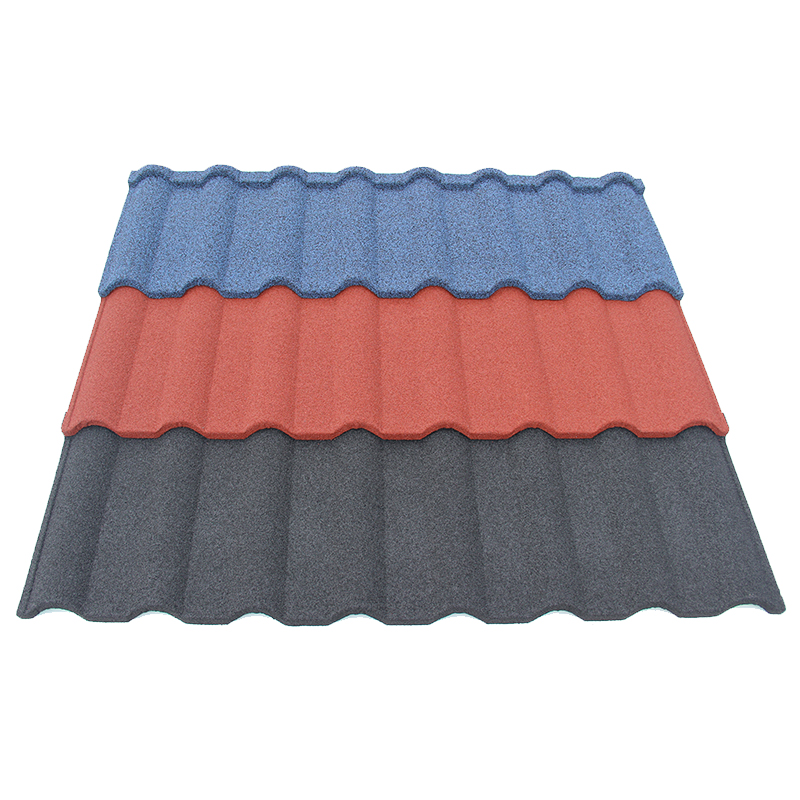
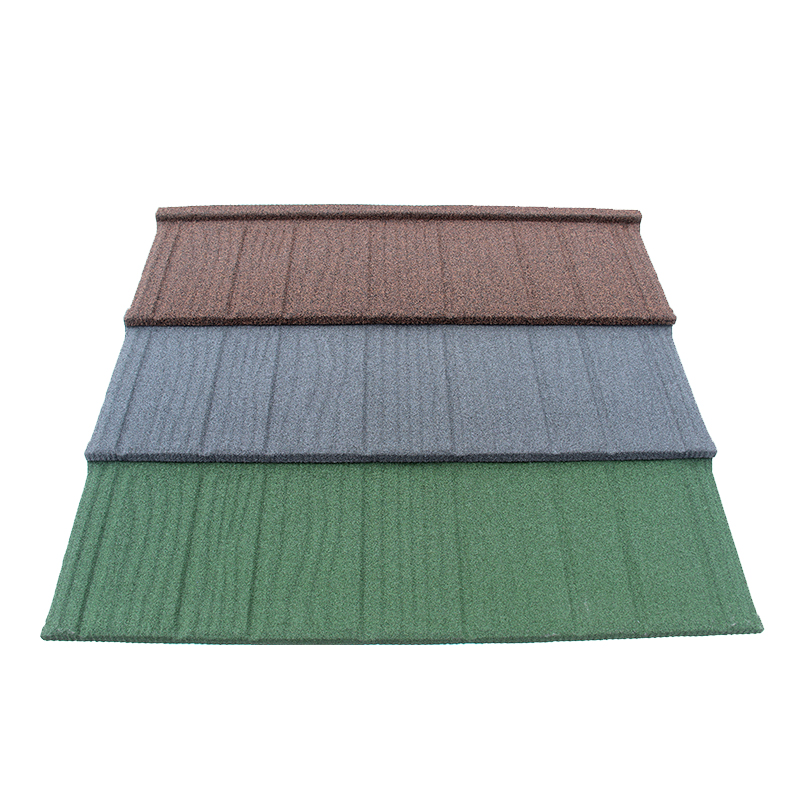
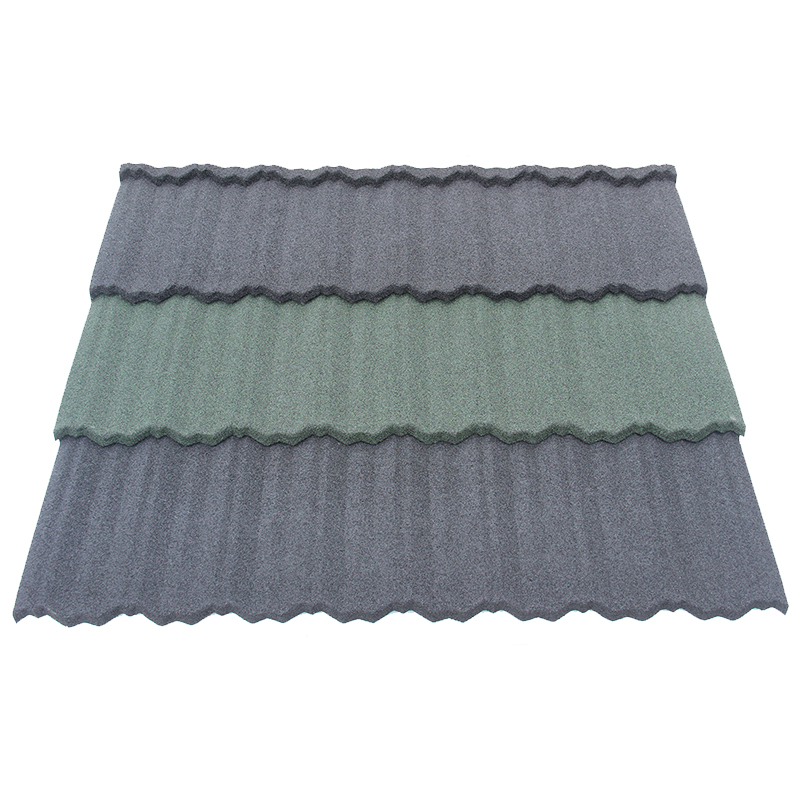
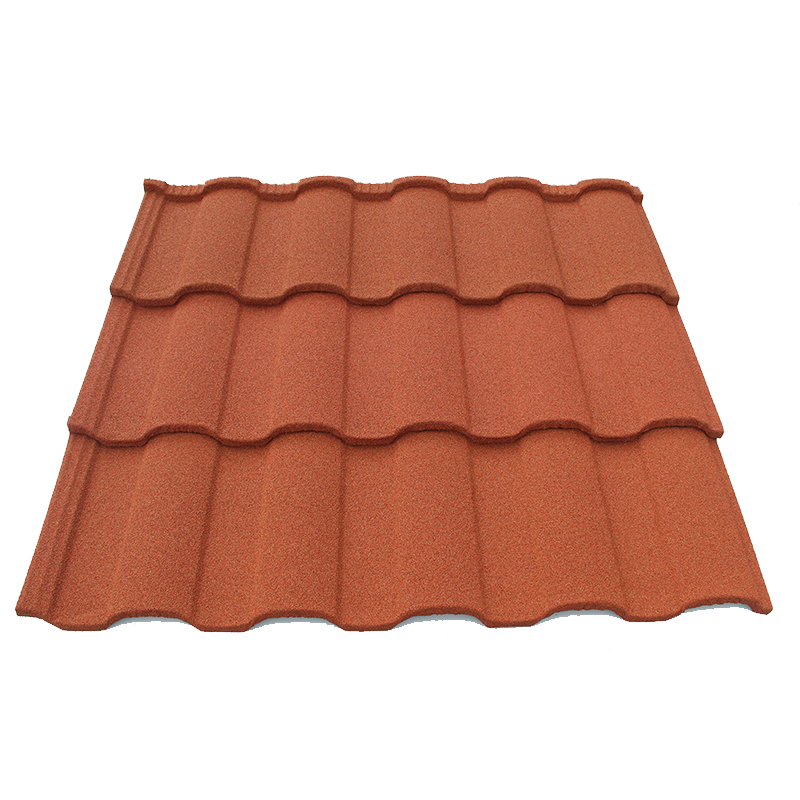
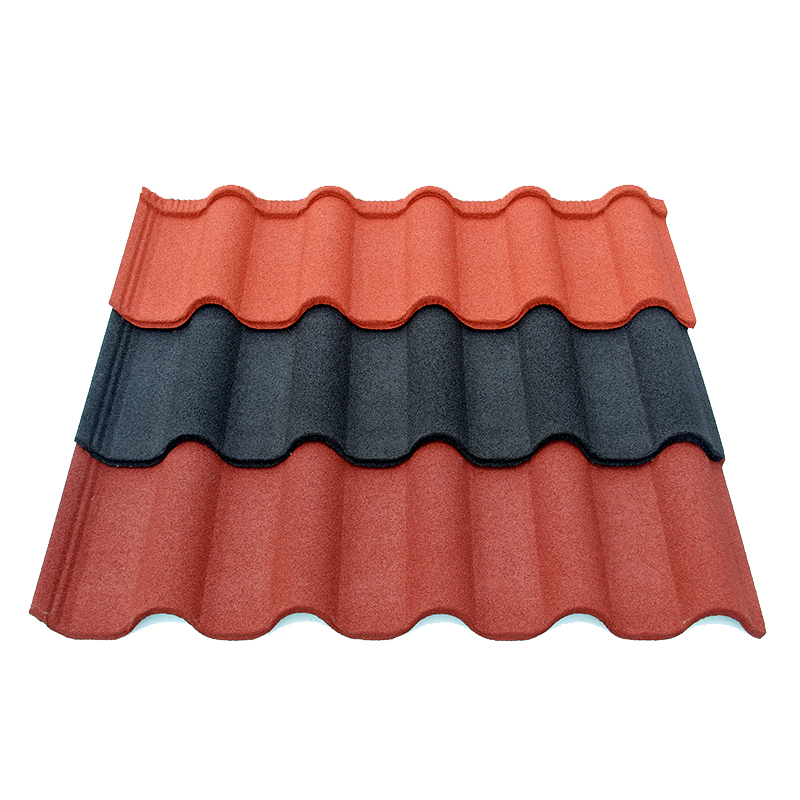
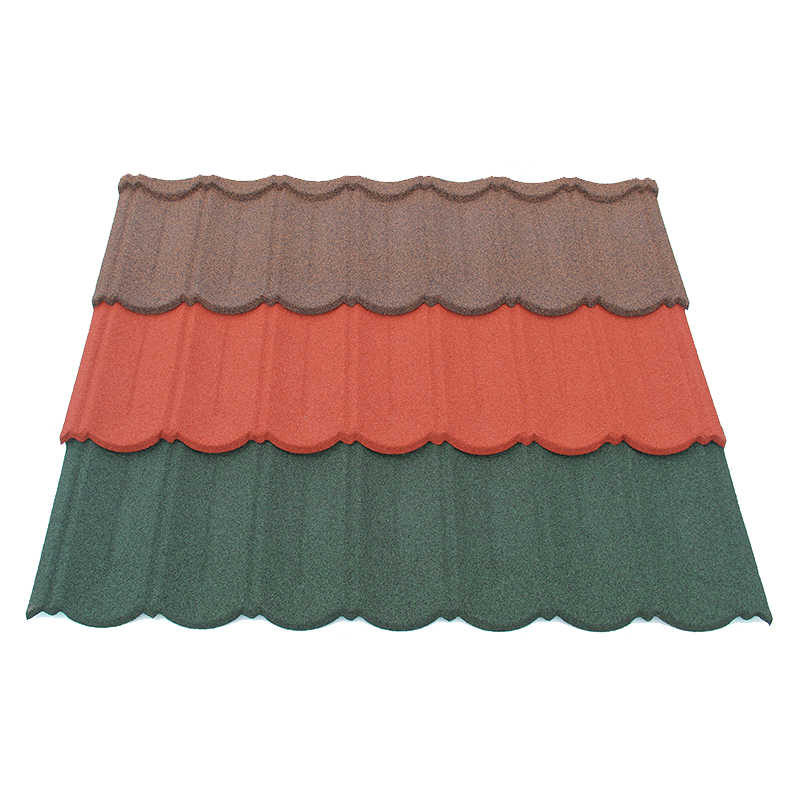
When building hundreds of homes simultaneously, visual consistency is paramount. Traditional dyed concrete tiles often exhibit severe color variations between different manufacturing batches, resulting in a patchy, unprofessional neighborhood aesthetic. High-quality modular roofing systems eliminate this issue through precision manufacturing. Brands like JCROOF utilize automated, high-temperature sintering processes that ensure absolute color uniformity across millions of square feet. Whether a developer specifies the deeply corrugated Roman Tile for a massive coastal resort or the sleek Shingle Tile for a modern suburban tract, every single unit will match perfectly. This uniformity protects the overall brand value of the real estate development.
Installation Velocity and Labor Optimization
Labor shortages continue to plague the global construction industry. Scaling a project requires maximizing the daily output of a limited workforce. Modular panels are engineered specifically for rapid, repetitive assembly. Because the pieces interlock with mathematical precision, installation crews develop a fast, rhythmic workflow immediately. They do not waste time cutting, measuring, or forcing heavy materials into place. This intuitive mechanical design allows general contractors to cross-train standard carpenters for the installation phase, bypassing the need for expensive, specialized masonry labor.
Engineering for Structural Efficiency
Each specific profile offers unique advantages for high-speed scaling. For heavy-duty commercial applications, the Bond Tile is engineered not just with optimal steel thickness, but with a distinct single line groove in the middle of the arc. This specific modeling difference enhances structural rigidity, allowing for wider batten spacing and faster framing. For projects requiring a natural aesthetic, the Shake Tile provides the rugged look of timber without the laborious, individual nailing required by real wood shakes. Furthermore, the lightweight nature of these panels means workers maneuver them effortlessly, maintaining peak installation speed from dawn until dusk.
Logistical Triumphs of Lightweight Modules
Scaling a project financially requires mastering the mathematics of global freight. Shipping traditional heavy tiles for a massive subdivision requires a staggering number of ocean containers and local flatbed trucks. The lightweight nature of modular metal panels completely disrupts this expensive logistical model. The panels stack together with incredible density, maximizing the volume of every single shipping container. Consequently, procurement officers slash their inbound freight costs dramatically. This streamlined logistics chain also prevents site congestion, as fewer delivery trucks need to navigate the active construction zone.
| Scaling Metric | Traditional Heavy Masonry | Modular Roofing Systems |
|---|---|---|
| Supply Chain Volume | Slow production, high risk of shortages | High capacity (up to 200,000 pieces weekly) |
| Installation Speed | Labor intensive, requires specialized crews | Rapid, repetitive mechanical assembly |
| Visual Batch Consistency | Inconsistent (Color fading and variations) | Absolute uniformity via sintered stone |
| Developer Customization | Limited factory support | Full OEM and ODM capabilities |
Securing Long-Term Asset Value
When developers build and hold massive commercial portfolios, long-term maintenance dictates overall profitability. Scaling up with inferior materials means multiplying future repair liabilities exponentially. By specifying advanced interlocking panels, such as the elegant Milano Tile, investors secure a zero-maintenance exterior envelope. The Aluzinc steel core and UV-stabilized acrylic resins ensure the building will outlast the underlying commercial mortgage. Therefore, B2B real estate firms scale their physical assets confidently, knowing their massive investments are protected against the elements for the next half-century.