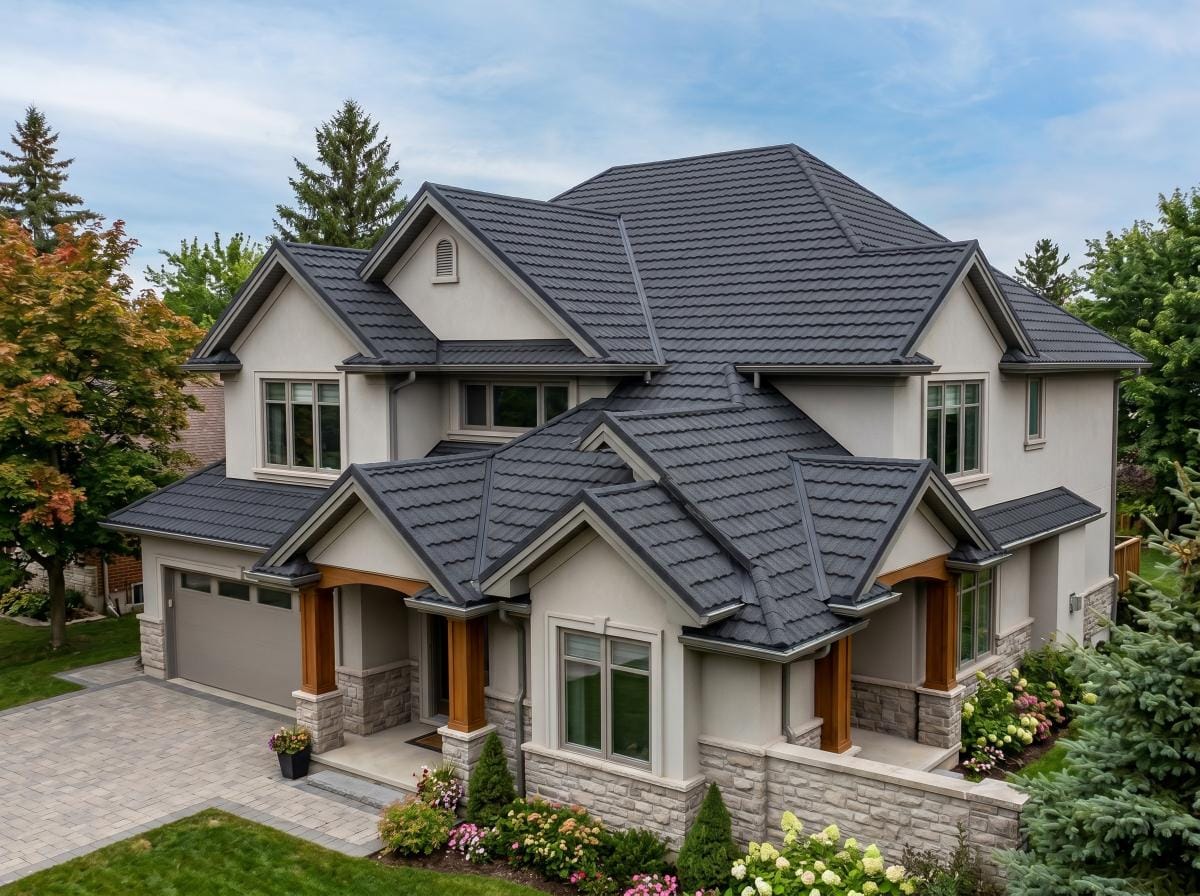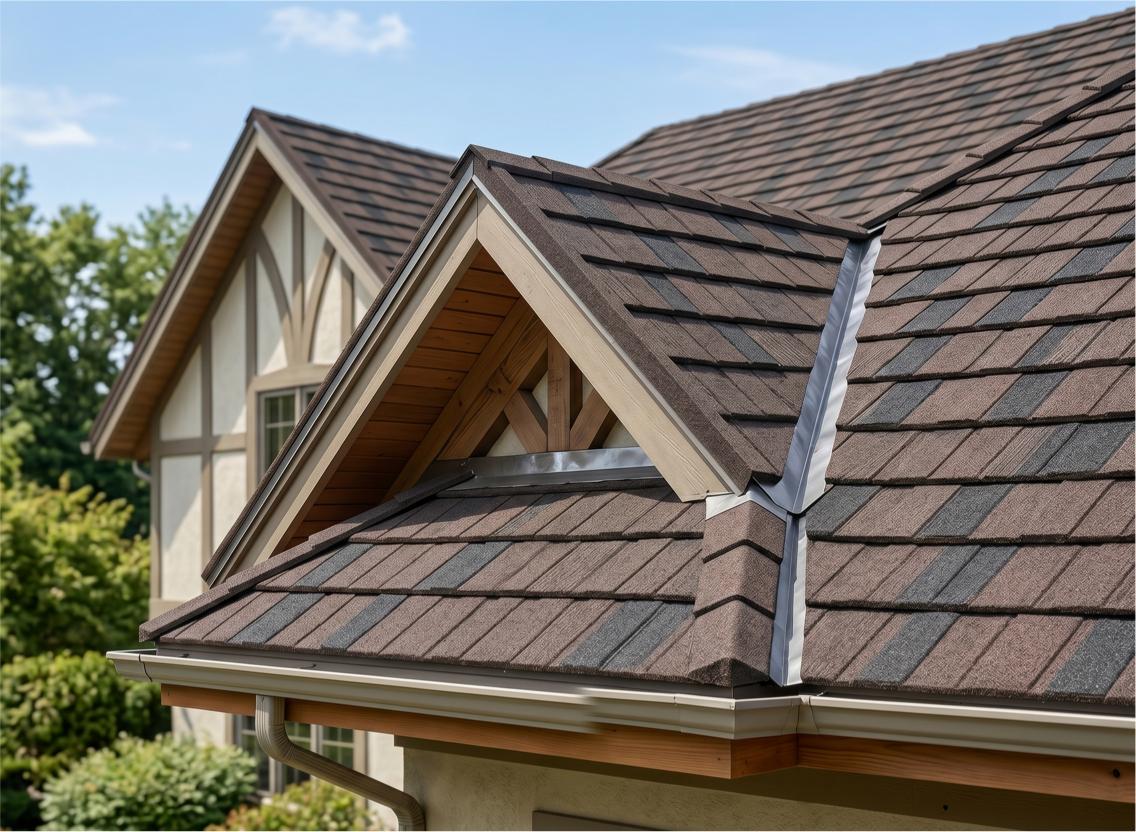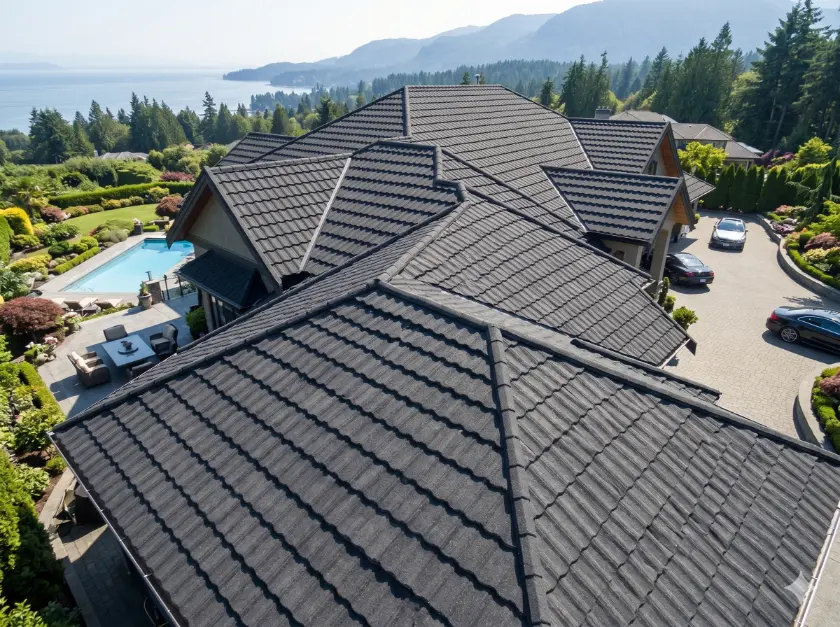

If you’re weighing roofing materials, stone coated metal roofing keeps coming up as a premium option. It looks like tile or shake, but performs like steel. Before you decide, here’s what actually matters — the real advantages, the real trade offs, and how to check quality before you commit.
What Is Stone Coated Metal Roofing?
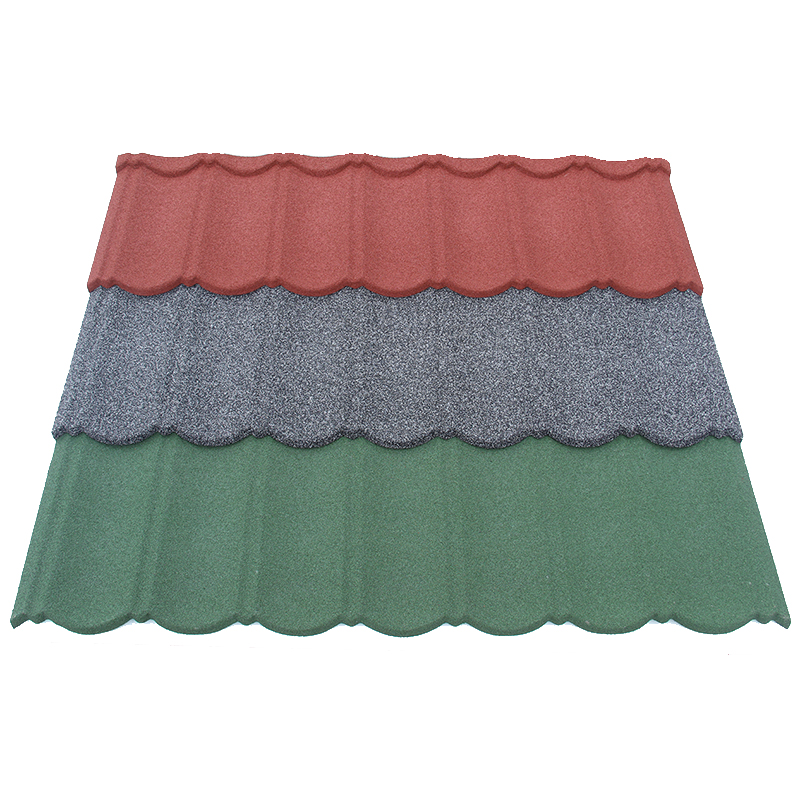
Stone coated metal roofing: A roofing panel made from galvanized steel, coated with an acrylic primer, embedded with natural stone granules, and finished with a protective glaze — combining the strength of metal with the look of traditional roofing materials.
The construction happens in layers. Steel gives it structural strength. The acrylic base bonds the granules to the panel. The stone granules add color, texture, and UV protection. A final glaze seals everything together. This layered build is why the material can mimic clay tile, wood shake, or asphalt shingles while still performing like a metal roof underneath.
It’s not a new invention. The concept was developed in the UK during and after World War II, when engineers needed a coating that could protect corrugated steel roofs from harsh weather. Decades of refinement later, it’s now a mainstream premium roofing category.
Pros of Stone Coated Metal Roofing
The advantages go beyond “it lasts a long time.” Here’s what specifically makes this material stand out.
Durability and Long Lifespan
- Rated for 40-70 years, versus roughly 20 years for asphalt shingles
- Class 4 impact resistance rating for hail
- Won’t crack, rot, warp, or burn — it carries a Class A fire rating
- Resists heavy wind and rain without granule loss when properly manufactured and installed
The lifespan advantage compounds over time. A homeowner who replaces asphalt shingles twice will likely never need to replace a stone coated metal roof at all.
Energy Efficiency and Lightweight Advantage
- Reflects solar heat rather than absorbing it, reducing attic temperature and AC load
- Weighs around 150 lbs per 100 sq ft — far lighter than asphalt (350-1,100 lbs) or concrete tile
- Lighter weight can mean no structural reinforcement needed for many homes
- In seismic and hurricane-prone regions, the reduced roof load improves overall building safety
One common myth is that metal roofs make attics hotter or noisier. In practice, reflective stone coating does the opposite for heat, and the panel-plus-granule structure absorbs rain noise rather than amplifying it.
Style Versatility Across Different Roof Profiles
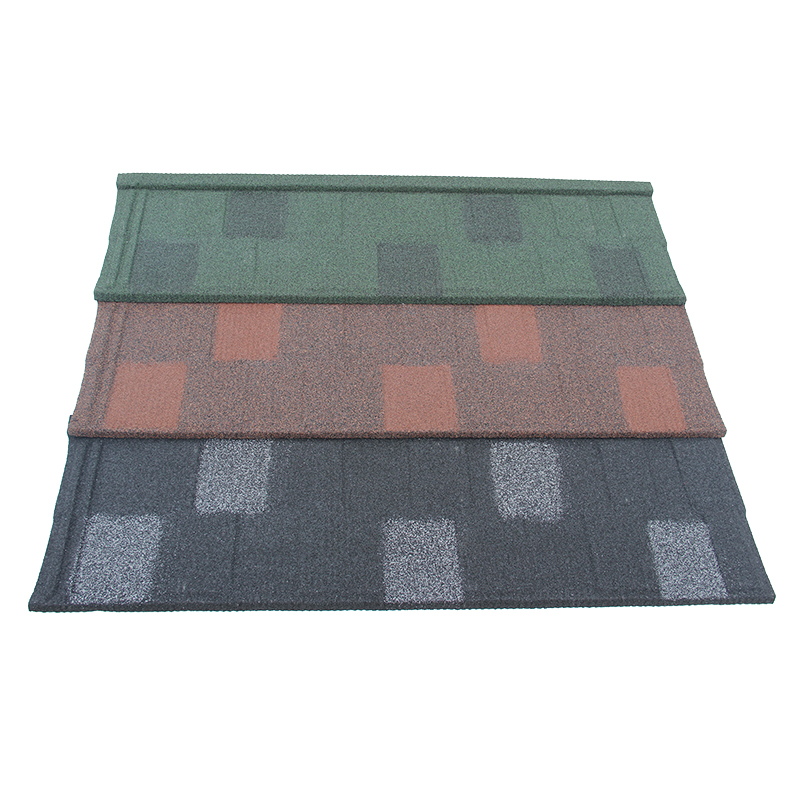
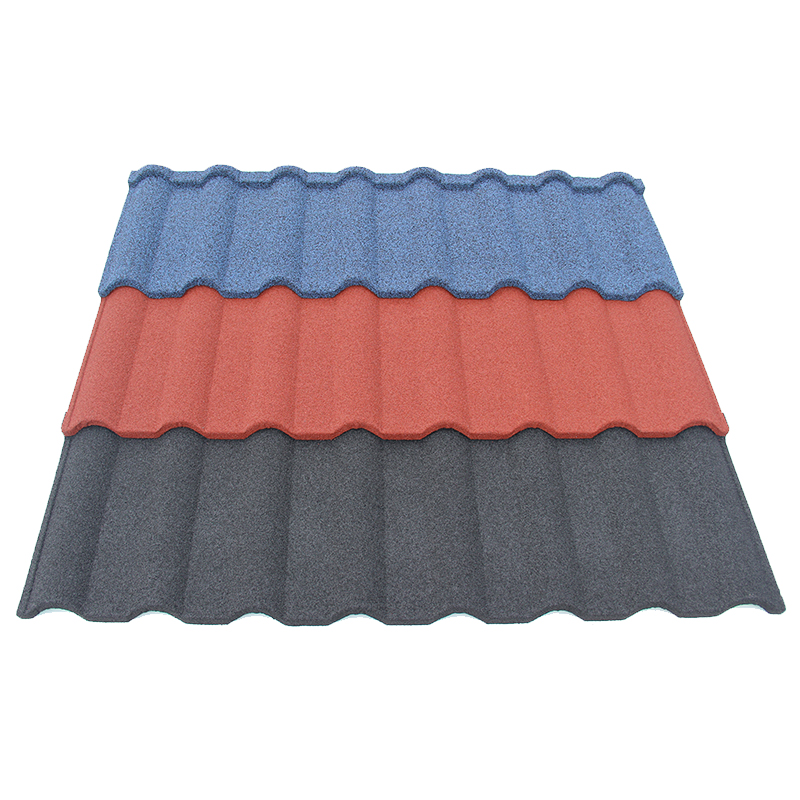
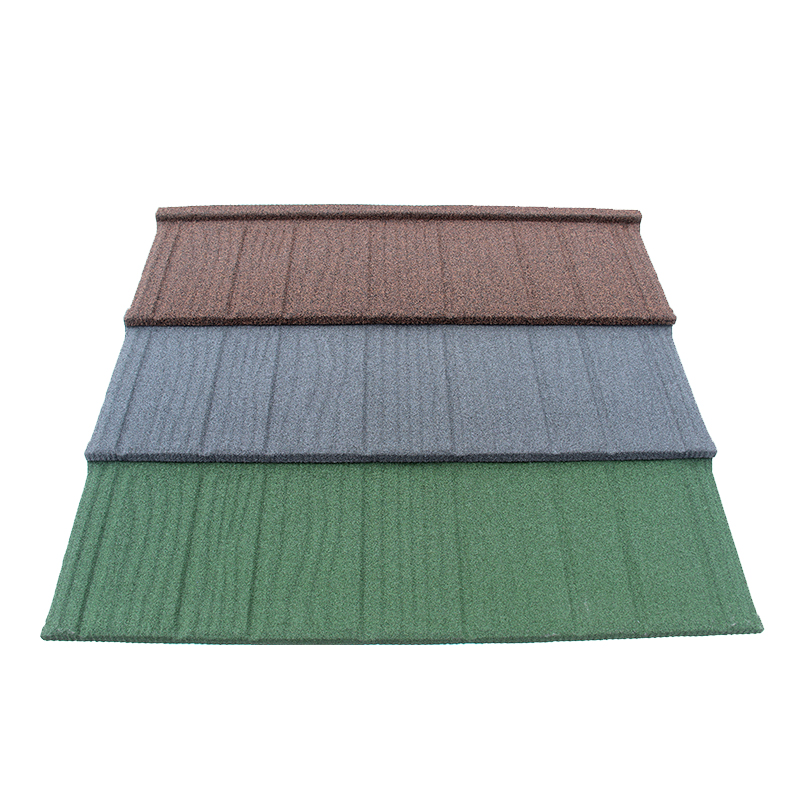
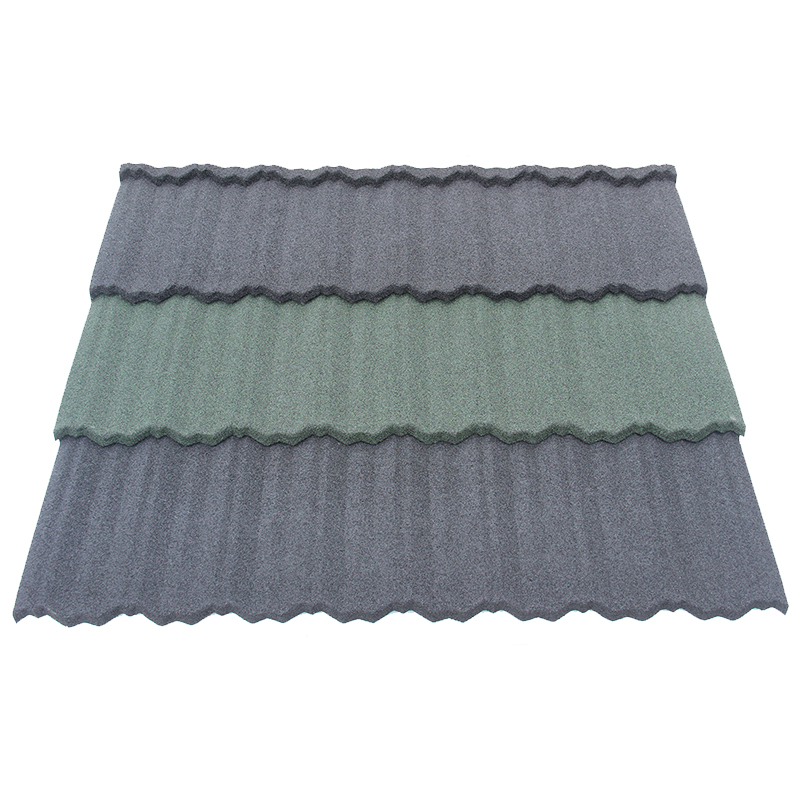
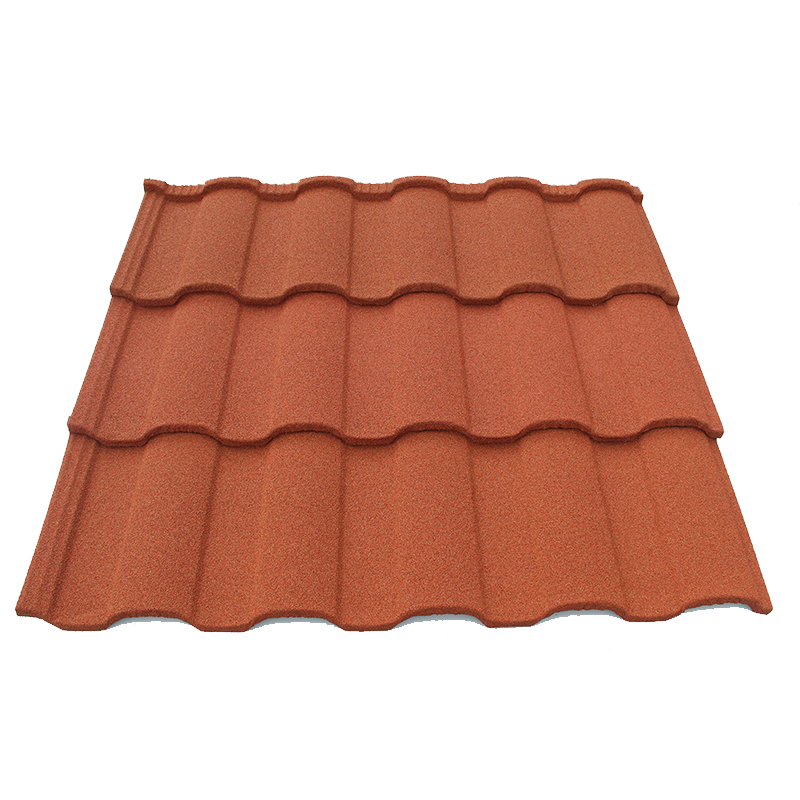
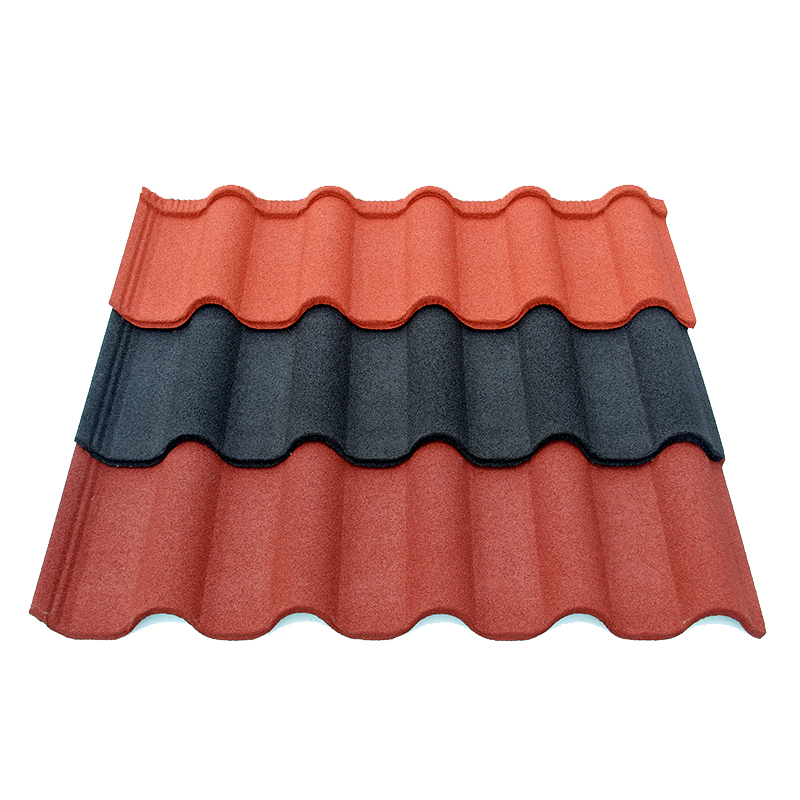
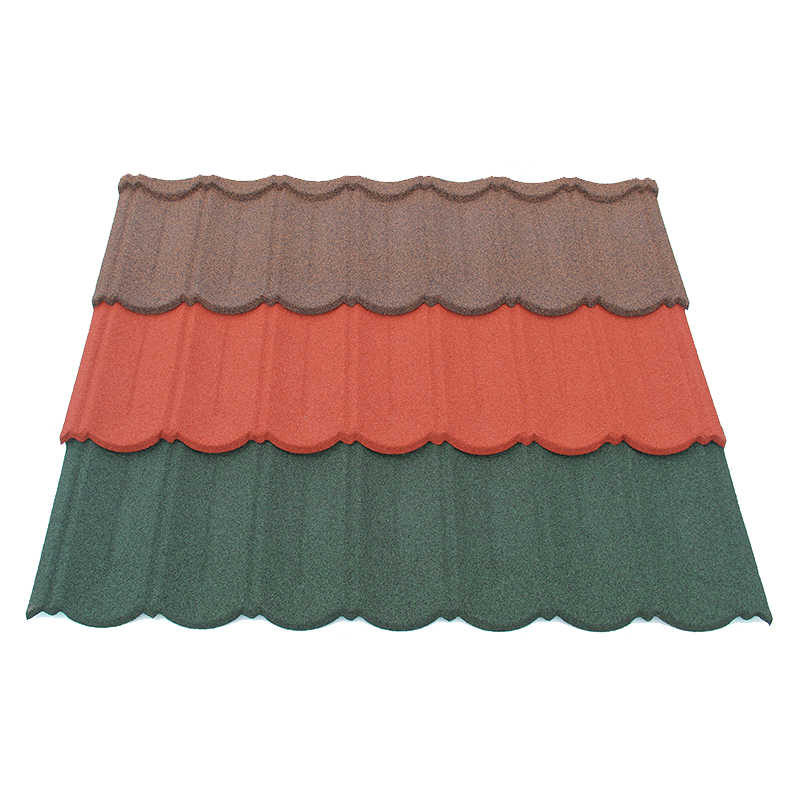
Unlike plain metal panels, stone coated tiles come in multiple profiles designed to replicate different traditional looks. The right profile depends on your architectural style and climate needs:
| Profile | Best For | Look It Replicates |
|---|---|---|
| Shingle Tile | Traditional and suburban homes | Classic asphalt shingle |
| Shake Tile | Rustic or craftsman-style homes | Wood shake |
| Roman Tile | Mediterranean and Spanish-style architecture | Clay barrel tile |
| Milano Tile | European-style villas and upscale residential builds | Flat Italian roof tile |
| Bond Tile | Modern and flat-roof-adjacent designs | Interlocking flat panel |
Each profile carries the same core durability, so the choice mostly comes down to architectural fit rather than a performance trade-off.
Cons of Stone Coated Metal Roofing
No material is perfect for every situation. Here are the real drawbacks — and how to manage each one.
- Higher upfront cost. Stone coated metal roofing typically costs more per square foot than asphalt shingles. The trade-off is fewer replacement cycles over the life of the building.
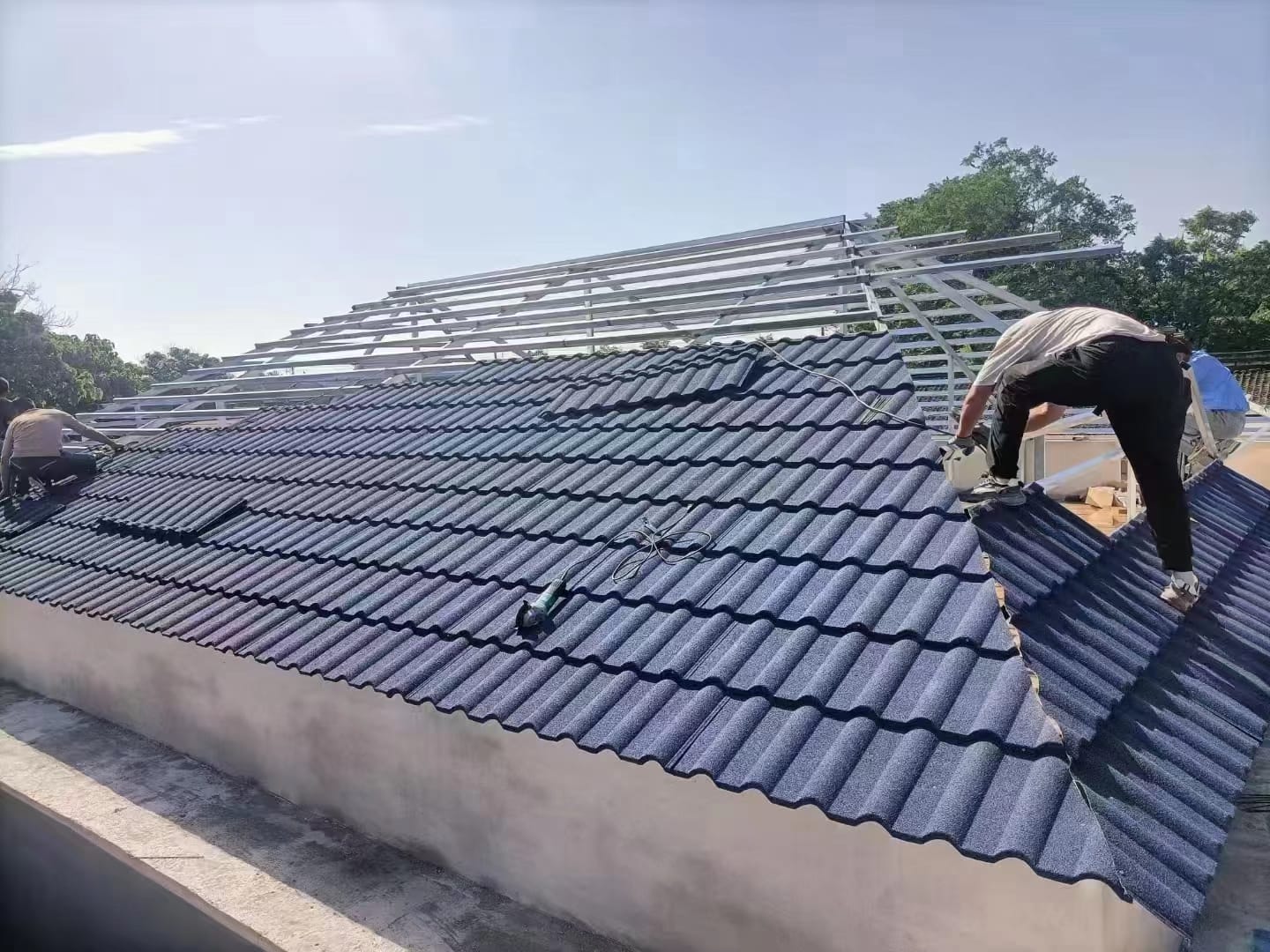
- Requires specialized installation. This isn’t a straightforward DIY or general-contractor job. Poor installation can lead to leaks or panel misalignment, so the roofer needs specific experience with interlocking metal panel systems.
- Granule wear over long-term exposure. In regions with intense UV or frequent hailstorms, stone granules can experience minor fading or loosening after many years. Higher manufacturing standards — proper acrylic bonding and glaze thickness — significantly reduce this risk, which is why checking production quality matters before purchase.
None of these are reasons to avoid the material. They’re reasons to be specific about installer experience and manufacturing quality — which is exactly where informed buyers can protect themselves.
How Much Does Stone Coated Metal Roofing Cost?
Pricing depends on roof size, panel profile, underlayment choice, and regional labor rates. Here’s a general breakdown for installed U.S. residential projects:
| Cost Component | Typical Range (per sq ft) | Notes |
|---|---|---|
| Materials (panels) | $5 – $9 | Varies by profile and coating quality |
| Underlayment | $1 – $2 | Rubberized underlayment reduces noise transfer |
| Installation labor | $3 – $8 | Higher for steep or complex rooflines |
| Total installed cost | $8 – $20 | Full project average |
For context, stone coated steel typically runs 15-20% higher than plain painted metal roofing, but the added granule layer improves UV protection and resale appeal.
How to Verify Quality Before You Buy
Cost comparisons only tell part of the story. Two roofs priced the same can perform very differently depending on manufacturing quality. Before purchasing — whether you’re a homeowner, contractor, or distributor — here’s what to check:
Q:How do I know if a stone coated tile supplier’s quality claims are real?
A:Ask for certification documents and third-party inspection reports, not just marketing claims.
- Certifications. Look for compliance with recognized standards (such as ASTM or ISO) rather than vague claims of “premium quality.”
- Quality control documentation. A manufacturer that can show its inspection process — from raw material to finished panel — is one you can hold accountable.
- Third-party testing reports. Independent lab results on impact resistance, coating adhesion, and corrosion resistance carry more weight than in-house claims.
- Factory or video inspection access. Manufacturers willing to host a video walkthrough or accommodate a third-party inspection are signaling confidence in their process, not just their marketing.
This is the area where JCROOF takes a deliberately transparent approach — supporting third-party inspection and documentation as standard practice for wholesale and distribution partners, rather than treating it as an optional add-on. For buyers sourcing at scale, that verification step matters more than the spec sheet itself.
If you want to see how different profiles perform in real installations, our completed projects page shows finished roofs across various climates and architectural styles.
Frequently Asked Questions
Q:Is a stone coated metal roof noisy in the rain?
A:No. The combination of the metal panel, stone granule layer, and underlayment absorbs sound rather than amplifying it — quieter than most people expect from a metal roof.
Q:Can I install stone coated metal roofing over my existing roof?
A:In many cases, yes, because the material is lightweight. This can reduce tear-off costs and labor time, though a roofer should confirm your existing structure is suitable first.
Q:Do stone coated metal roofs need repainting?
A:Not typically. The stone granules provide long-term color retention, though very minor fading may occur after decades of UV exposure. Full repainting is rare and only needed for cosmetic touch-ups in specific cases.
Q:Is stone coated metal roofing suitable for commercial buildings, not just homes?
A:Yes. It’s used across residential, hospitality, and institutional projects where durability and appearance both matter.
The Bottom Line
Stone coated metal roofing trades a higher upfront cost for decades of durability, energy savings, and design flexibility across multiple profiles. The real risk isn’t the material itself — it’s inconsistent manufacturing quality between suppliers. Before you buy, ask for certifications, request inspection reports, and choose a supplier willing to be verified, not just one willing to quote a price.