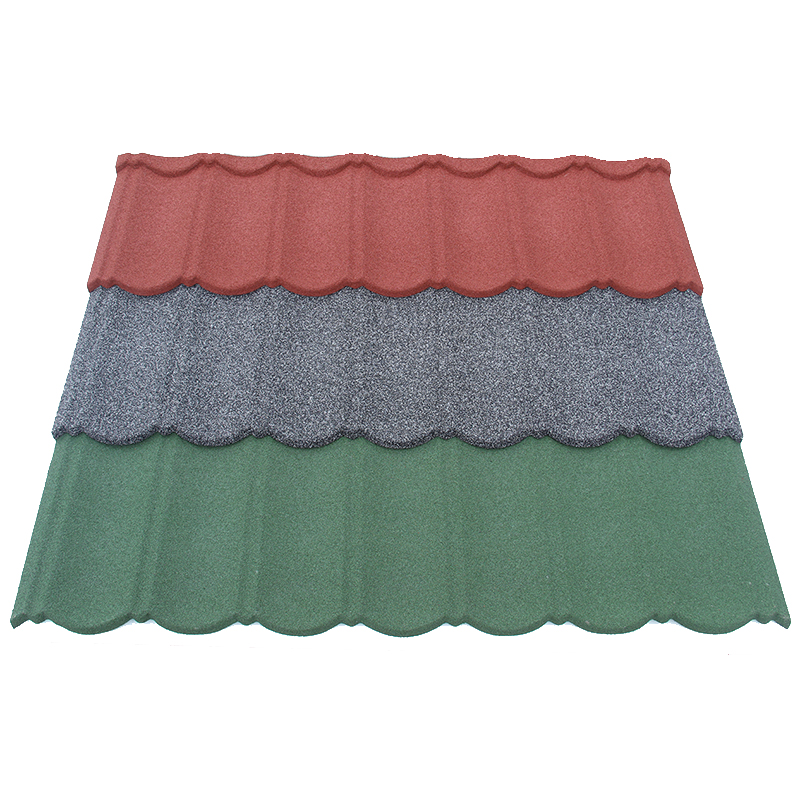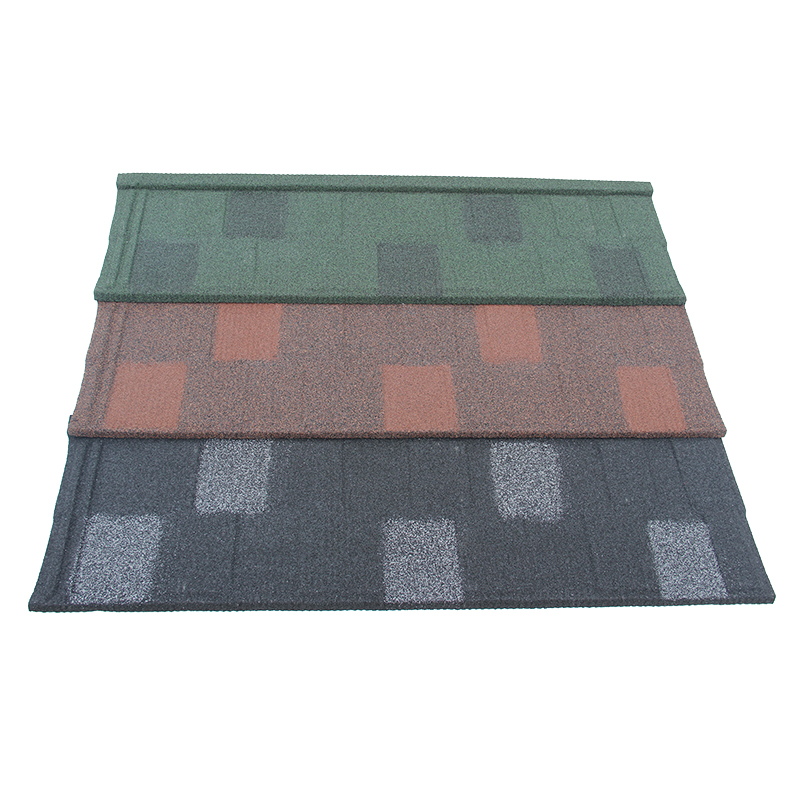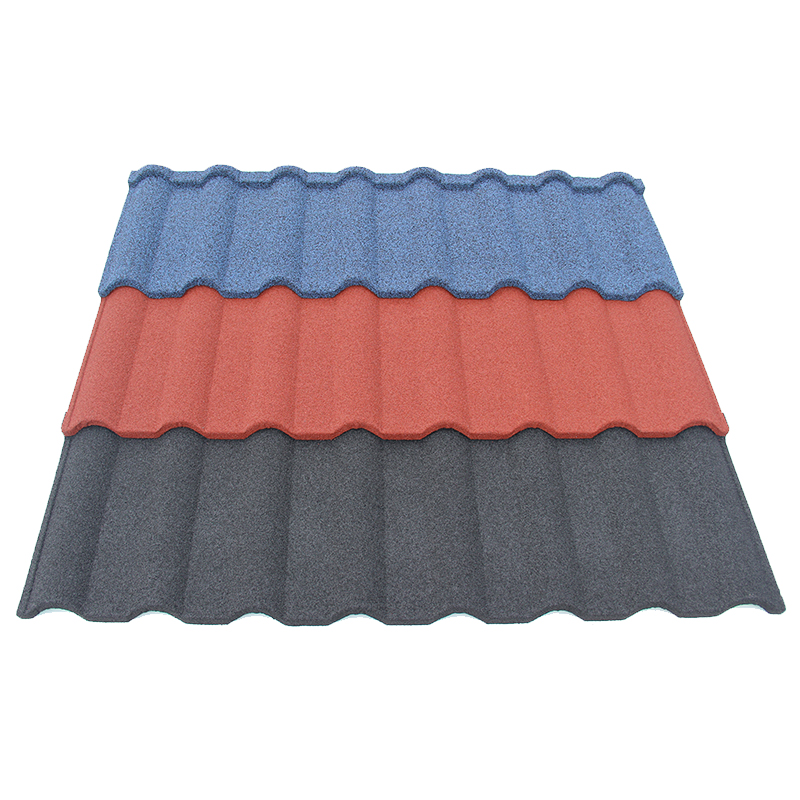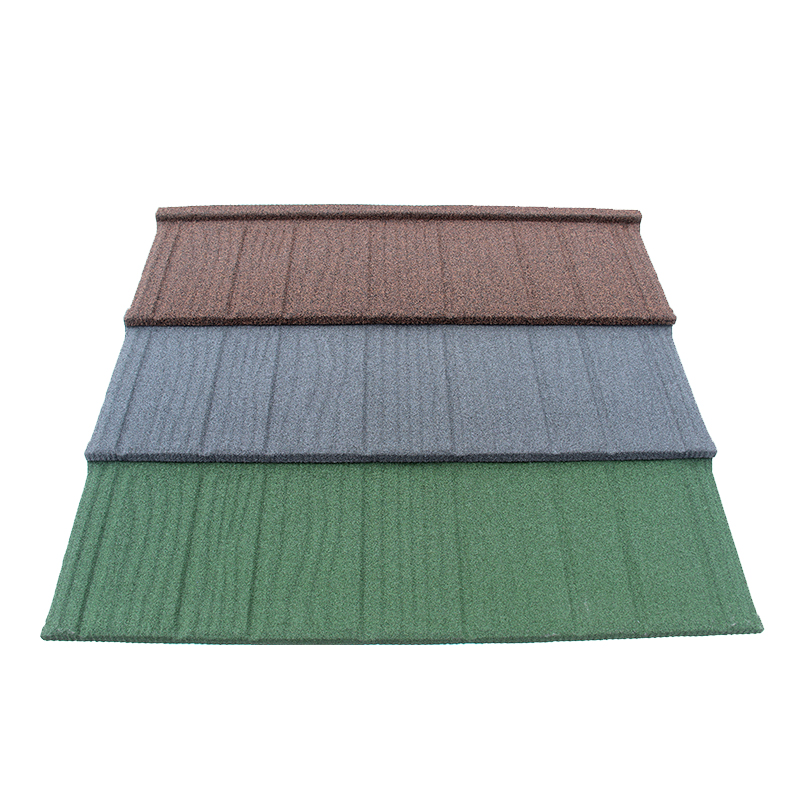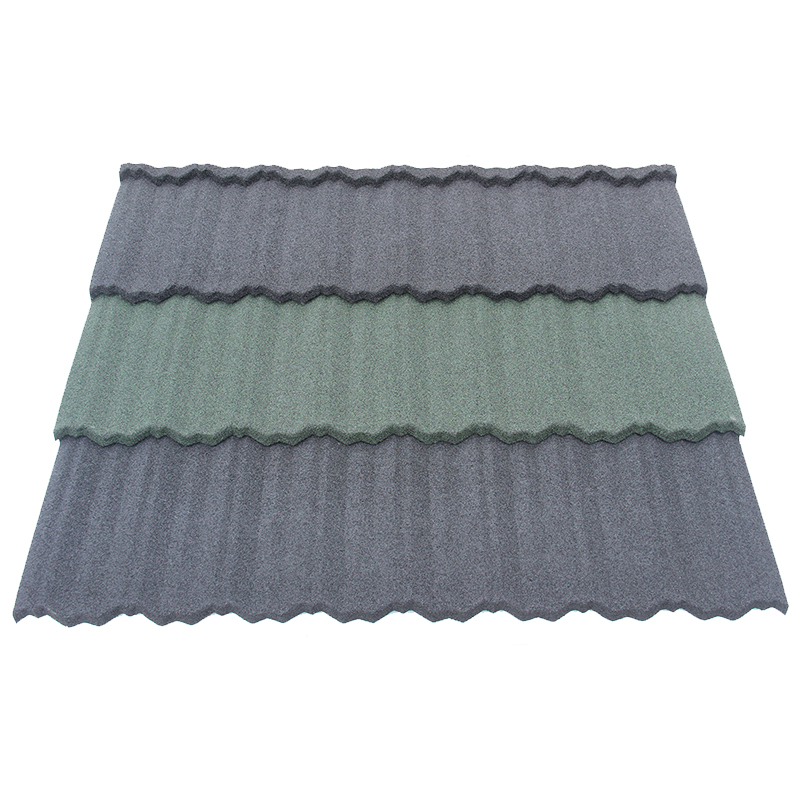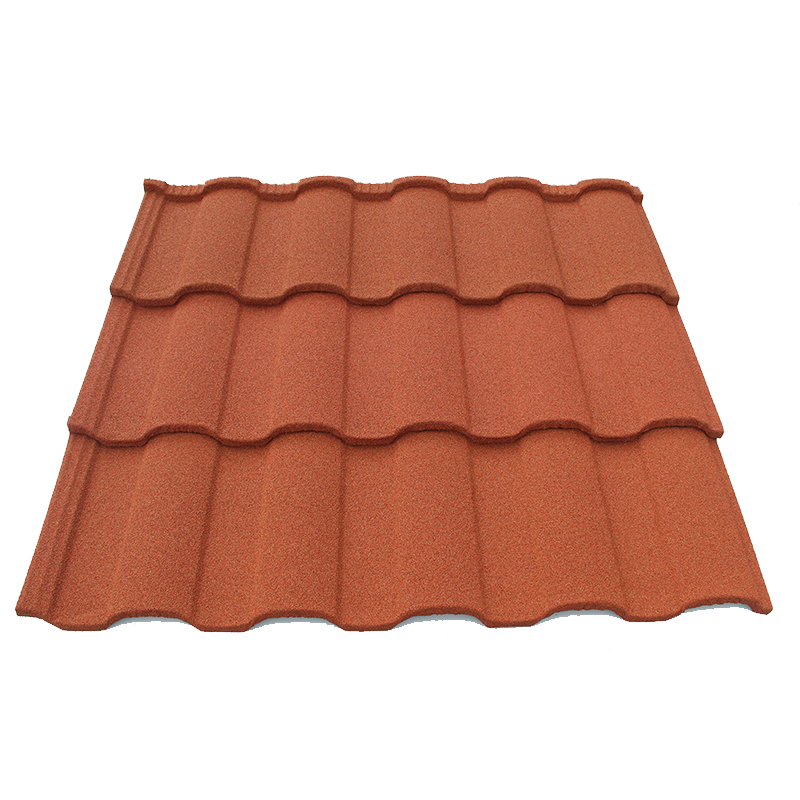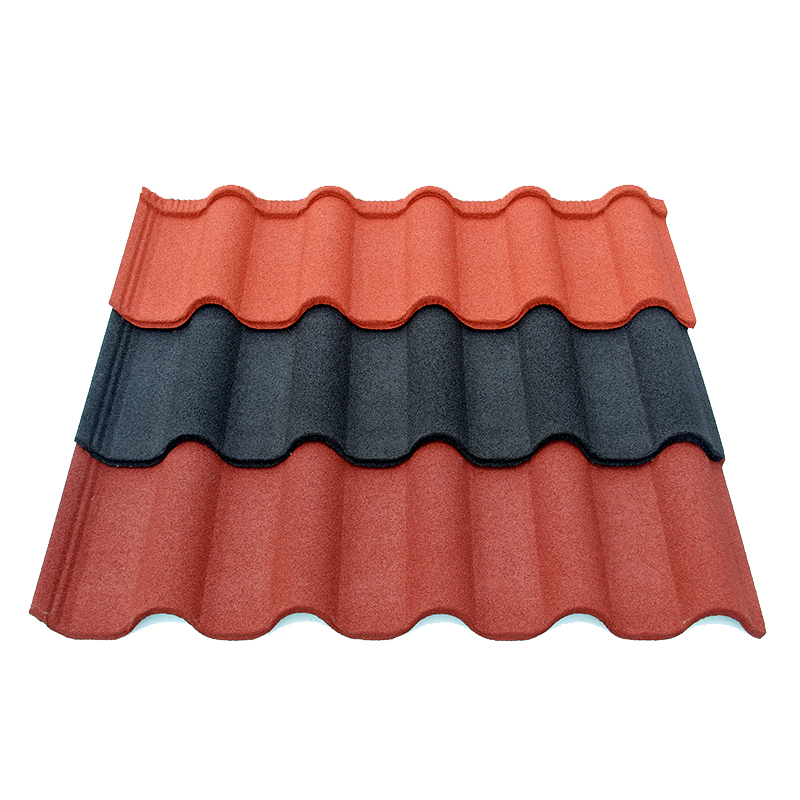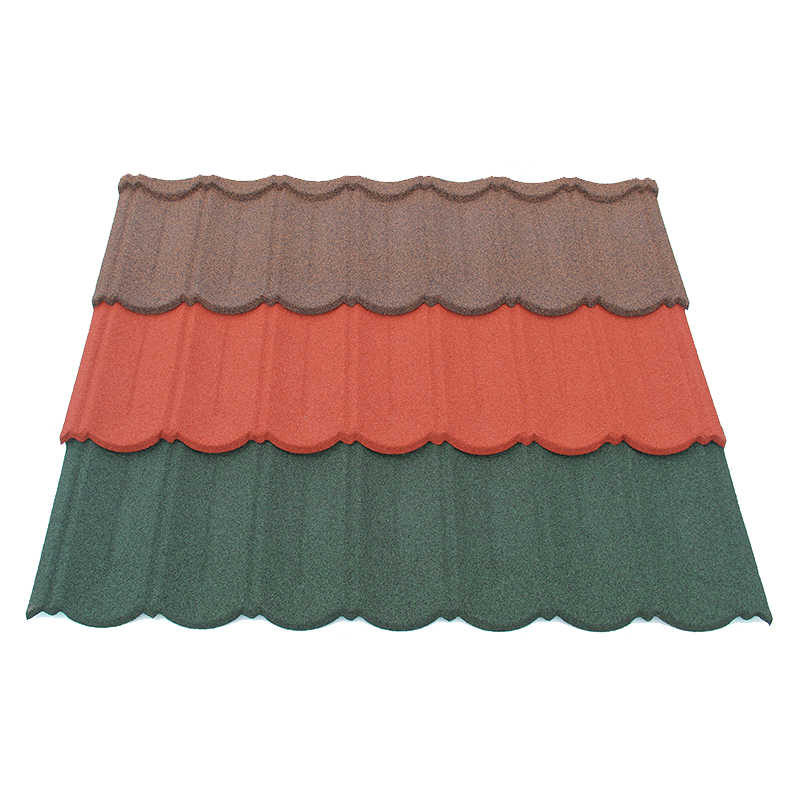


Procurement decisions for high-end residential developments often fluctuate between initial capital expenditure and long-term structural integrity. While asphalt shingles represent the lowest entry-cost barrier, the stone-coated metal roofing vs. asphalt shingles debate requires a deep dive into metallurgical endurance and polymer degradation. Traditional bitumen-based shingles suffer from rapid UV-induced volatile loss, leading to brittleness and granular stripping. In contrast, modular metal systems—like the Classic Tile or Bond Tile—utilize an Aluzinc skeletal core to provide a fifty-year service life. This forensic audit analyzes the technical trade-offs between these two roofing technologies to help project managers maximize their ROI.
The Physics of UV Degradation: Bitumen vs. Sintered Stone
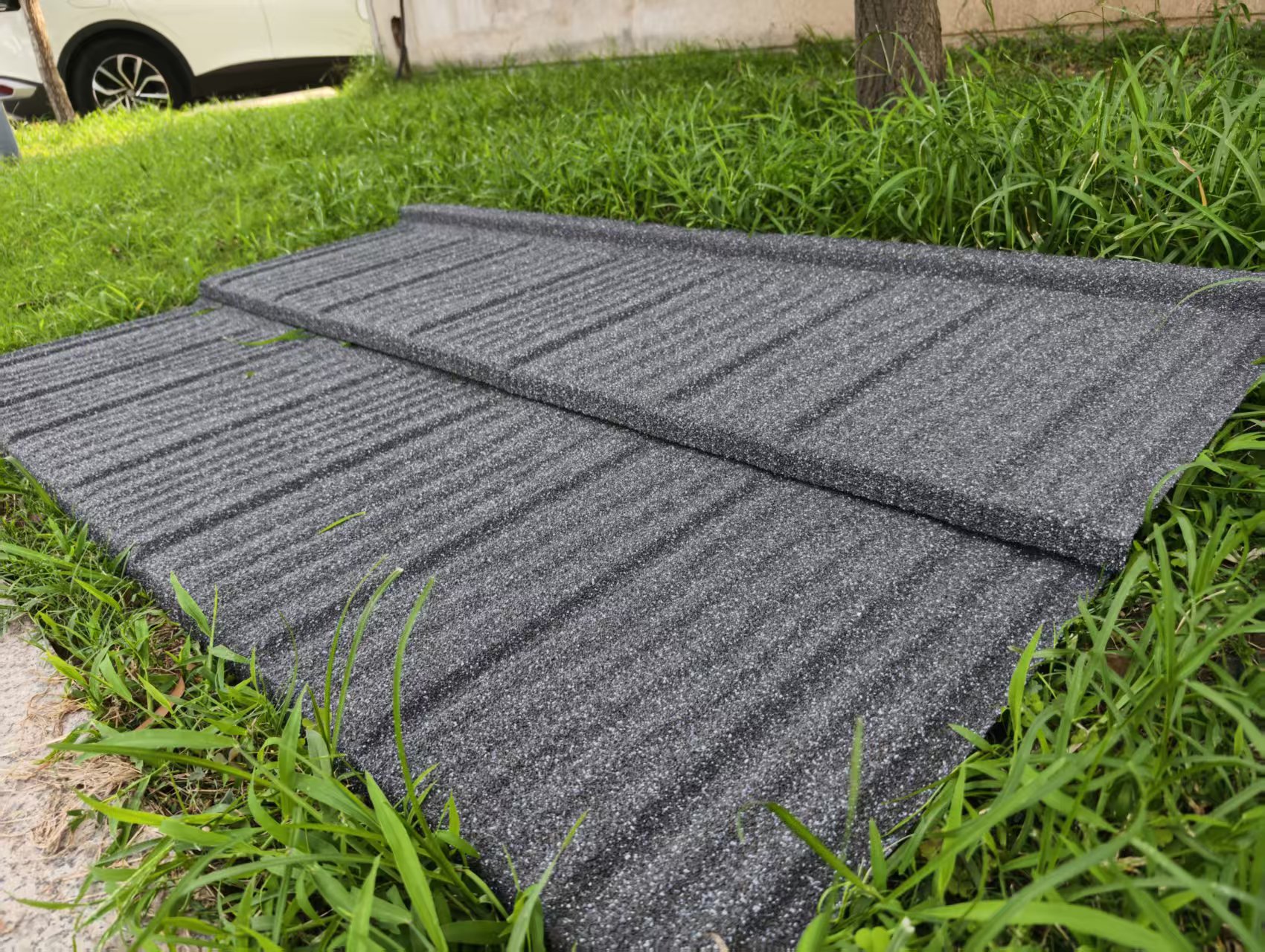
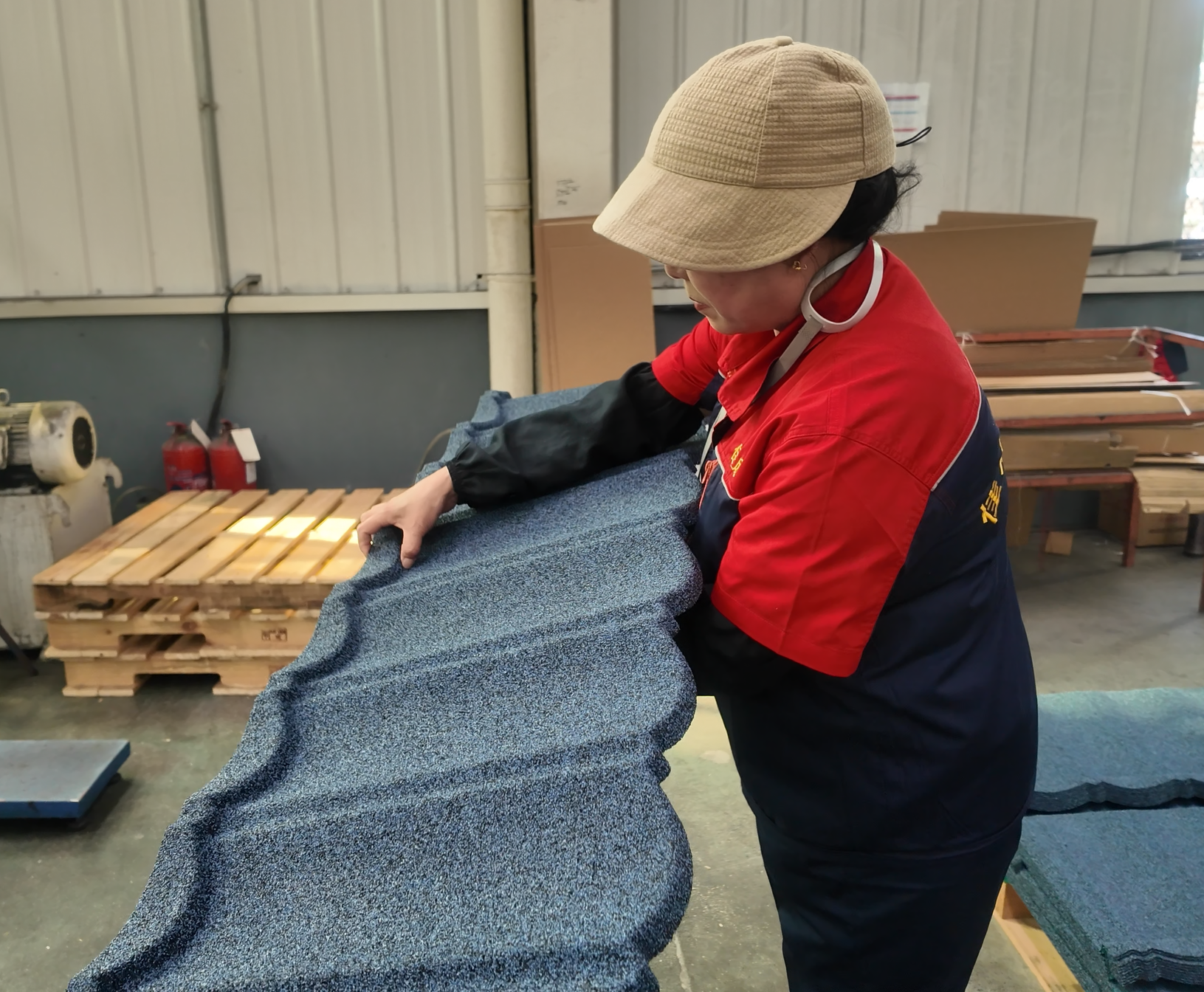
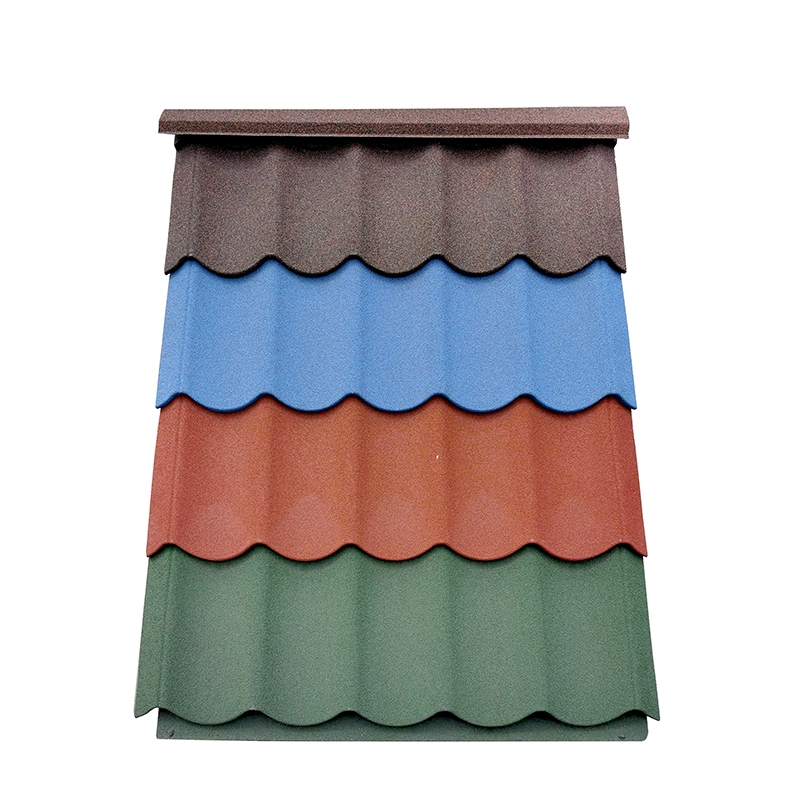
Asphalt shingles are essentially petroleum-based mats that begin to lose their structural oils the moment they face solar radiation. This process, known as “thermal shock,” causes the shingles to curl and crack, especially in regions with high diurnal temperature swings. Stone-coated metal roofing bypasses this organic decay by using an inorganic volcanic rock surface. Manufacturers like jcroof utilize a high-temperature sintering process (800°C+) to fuse pigments into the stone crystalline structure. This ensures that a Milano Tile or Roman Tile retains its architectural hue and UV-deflection properties decades after an asphalt roof has failed.
Acoustic Damping and the “Rain-Drumming” Misconception
A common review complaint suggests that metal roofs are louder than asphalt during storms. This is a technical fallacy when discussing stone-coated composites. The thick layer of sintered granules on a Bond Tile acts as a natural mechanical dampener, shattering the surface tension of falling raindrops. In acoustic laboratory tests, the decibel levels of stone-coated steel are nearly identical to heavy asphalt or clay tiles. For hospitality projects where guest comfort is paramount, the modular metal system provides superior fire resistance without the acoustic penalties of traditional corrugated iron.
Weight-to-Strength Ratios: Structural Loading Analysis
Asphalt shingles are deceptively heavy, often weighing 2.5 to 4 lbs per square foot, which places significant dead-load stress on the timber rafters. A jcroof stone-coated panel, such as the Shingle Tile, weighs approximately 1.5 lbs per square foot—nearly 60% lighter. This weight reduction allows for “roof-over” installations where the new metal system is placed directly over old asphalt using a batten grid. This eliminates the labor cost of “tear-offs” and landfill disposal fees, significantly lowering the net stone coated metal roofing cost per square foot for renovation projects.
Wind Uplift and the “Horizontal Fastening” Advantage
Asphalt shingles rely on chemical adhesive strips that can fail during high-velocity wind events, leading to widespread shingle blow-off. The modular nature of stone-coated steel utilizes a mechanical interlocking geometry. Whether you specify Roman Tile or Wood-Shake profiles, the tiles lock together to form a monolithic shield. This system is tested to survive hurricane-force winds (200km/h+), providing a level of asset protection that bitumen-based products simply cannot achieve in coastal or storm-prone geographic zones.
Shear Strength vs. Tension: The Fastening Protocol
Standard shingles are fastened vertically, meaning wind suction pulls the shingle directly off the nail head (tension). The professional installation of jcroof tiles involves horizontal “nose-fastening” into the side of the batten. This placement utilizes the metal’s shear strength, making it nearly impossible for the wind to strip the tiles. For B2B procurement managers, this engineered fastening logic reduces long-term warranty claims and localized leak remediations, especially for high-profile designs like the Milano Tile.
Passive Ventilation and Condensation Management
Direct-to-deck asphalt installation often traps moisture and heat against the roof deck, leading to “attic bake” and mold growth. Stone-coated metal roofing requires a batten system that creates a continuous 20mm-40mm air gap beneath the tiles. This “vented cold roof” design allows solar heat to dissipate before it enters the building, lowering HVAC cooling loads by up to 20%. This passive ventilation also ensures that any condensation evaporates rapidly, preserving the wooden substructure from rot—a critical factor in high-humidity tropical climates.
Lifecycle Cost Matrix: A 30-Year Financial Projection
Strategic buyers prioritize Net Present Value (NPV) over the initial tender price. Use the following technical matrix to justify the shift from asphalt to premium stone-coated metal systems in your next project proposal.
| Performance Metric | Standard Asphalt Shingles | Stone-Coated Metal (jcroof Grade) |
|---|---|---|
| Base Material | Petroleum Bitumen / Fiberglass. | G300 Structural Aluzinc Steel. |
| UV Resistance | Low (Prone to drying & cracking). | High (Inorganic stone shield). |
| Installation Logic | Direct-to-deck (Vertical nail). | Batten-mounted (Horizontal nose-fix). |
| Fire Rating | Class A (Typically). | Class A (Non-combustible core). |
| Standard Lifespan | 12 – 20 Years. | 50+ Years. |
Professional FAQ: Solving the Procurement Conflict
B2B stakeholders often challenge the higher entry price of metal composites. The goal of the project manager is to translate technical durability into financial stability. By explaining the “Aluzinc Shield” and “Sintering Technology,” you provide the data needed to move the project toward a higher-quality building envelope. These insights reduce the risk of low-bid materials compromising the developer’s reputation.
Is Stone-Coated Steel More Expensive to Install Than Asphalt?
While the specialized labor for a Shingle Tile or Classic Tile installation is higher than a basic asphalt crew, the long-term savings are substantial. Because the system is lightweight and modular, it requires less structural reinforcement and avoids the “tear-off” costs of future replacements. When you factor in energy savings from passive ventilation, the “payback period” for stone-coated metal is typically within seven to ten years. For a fifty-year asset, this represents an exceptional ROI for the property owner.
Can These Tiles Be Used in Extreme Hail Zones?
Yes. High-tensile steel (G300) combined with a thick acrylic-stone matrix provides superior impact resistance compared to brittle asphalt shingles. While heavy hail might bruise an asphalt shingle and cause it to leak, a jcroof panel maintains its water-tight integrity even if the surface is impacted. The modularity of the system also allows for individual tile replacement if localized damage occurs, unlike asphalt roofs which often require large sections to be stripped and patched, leading to aesthetic “scarring.”
Final Procurement Action Plan
Deciding between stone-coated metal roofing vs. asphalt shingles is a choice between short-term savings and long-term asset security. Focus your audit on Aluzinc GSM (AZ150), stone sintering benchmarks, and horizontal fastening protocols for profiles like Bond or Classic Tile. These engineering pillars ensure a zero-defect project that survives the harshest atmospheric conditions. High-quality roofing is a strategic hedge against material inflation and climate volatility. Contact our technical team today to finalize your project-specific structural requirements.