
For stone coated roof tiles import sourcing Southeast Asia, define the product and importing party before comparing prices. A local purchase and a direct order from China give the buyer different tasks. Confirm who handles import clearance, product checks, delivery and any later claim.
Build one technical file for the proposed roof package. Then add the country’s tariff, permit and document checks to that file. Indonesia, Malaysia, Vietnam, Cambodia, Myanmar, Thailand and Laos each have their own process. Ask the importer to check the current route for the exact goods before the supplier ships them.
Plan Stone Coated Roof Tiles Import Sourcing Southeast Asia

Compare local supply with direct export on the same basis
For a local offer, ask where the goods are and what the price includes. Record the profile, finish code, quantity and delivery point. Ask the seller to state any lead time or separate order for ridge pieces and trims. Also check who handles a shortage or a request for spare panels that match.
For a direct China order, name the importing company and its customs agent early. Give them the data sheet and draft packing list for review. Ask which product details they need to check the tariff code and import controls. Include the panels, fittings and fasteners in the review, with separate descriptions for each item.
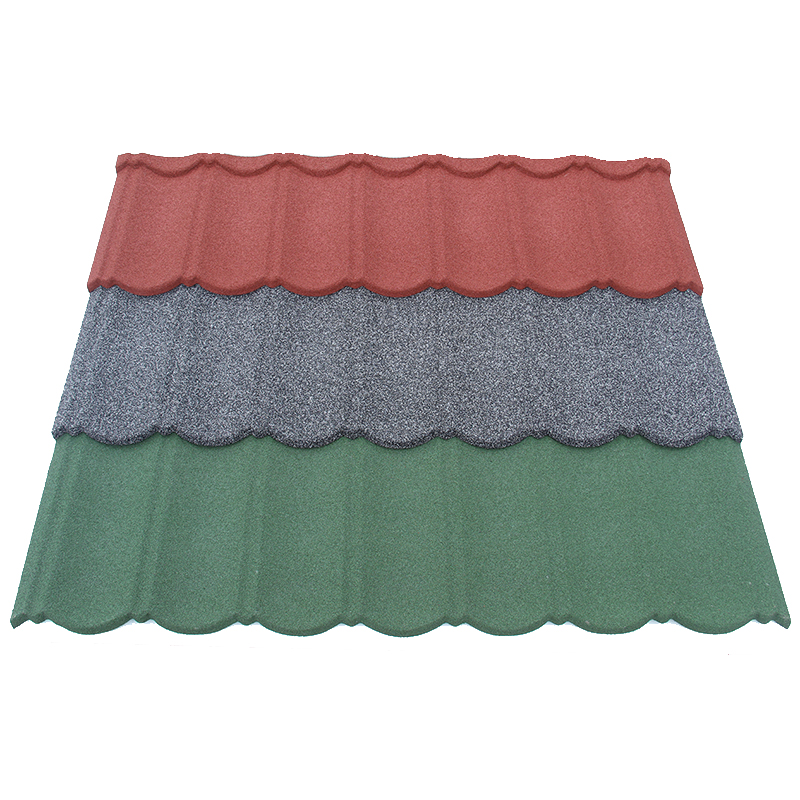
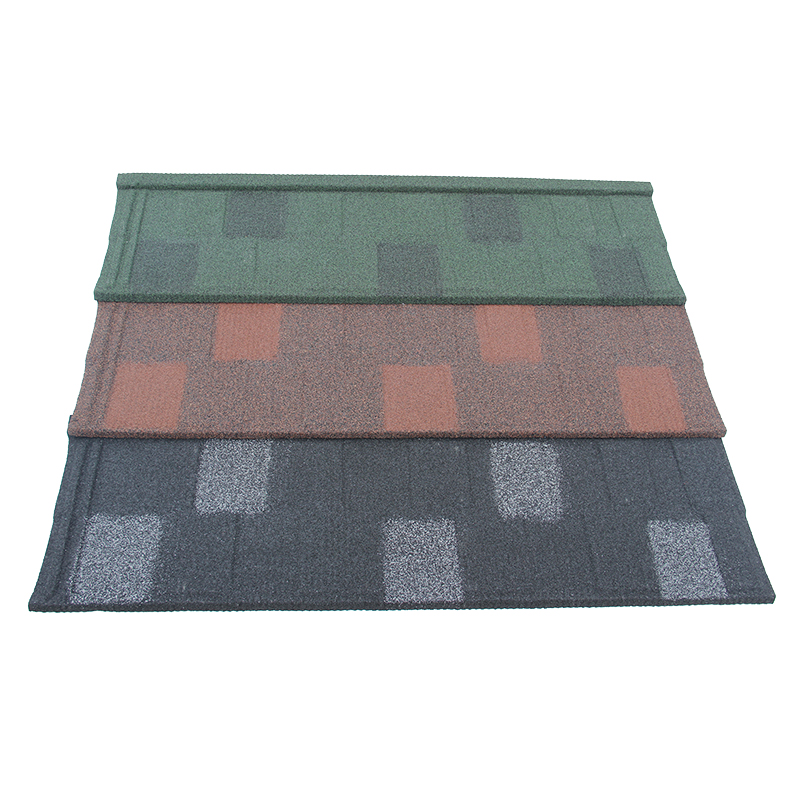
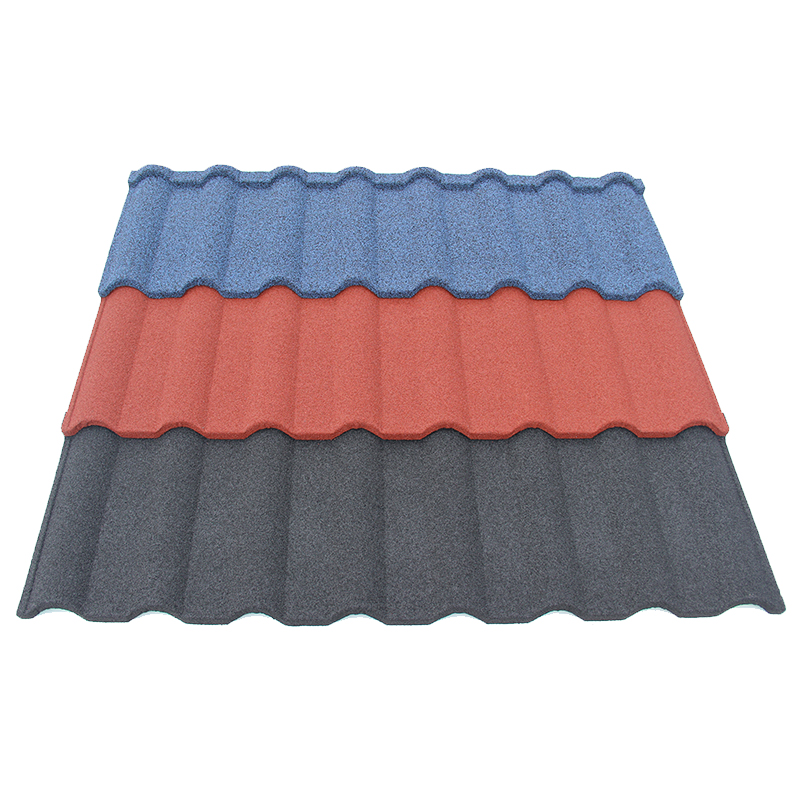
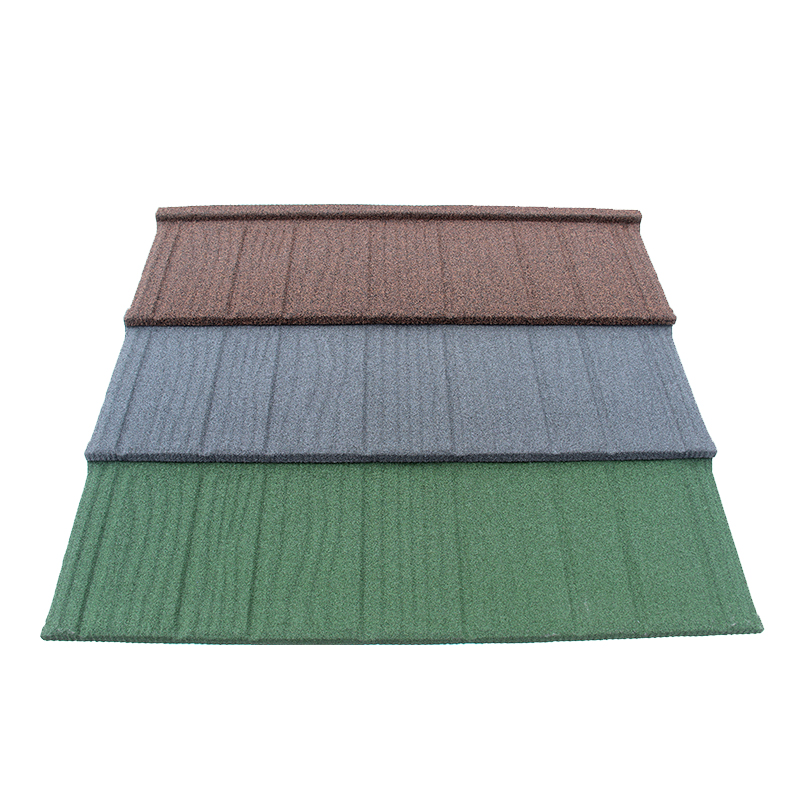
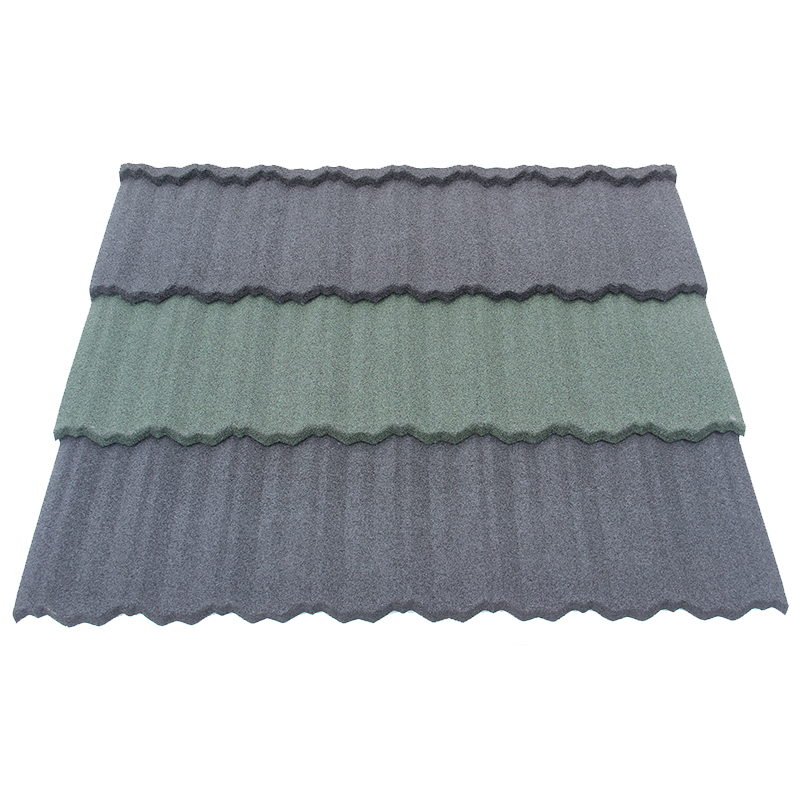
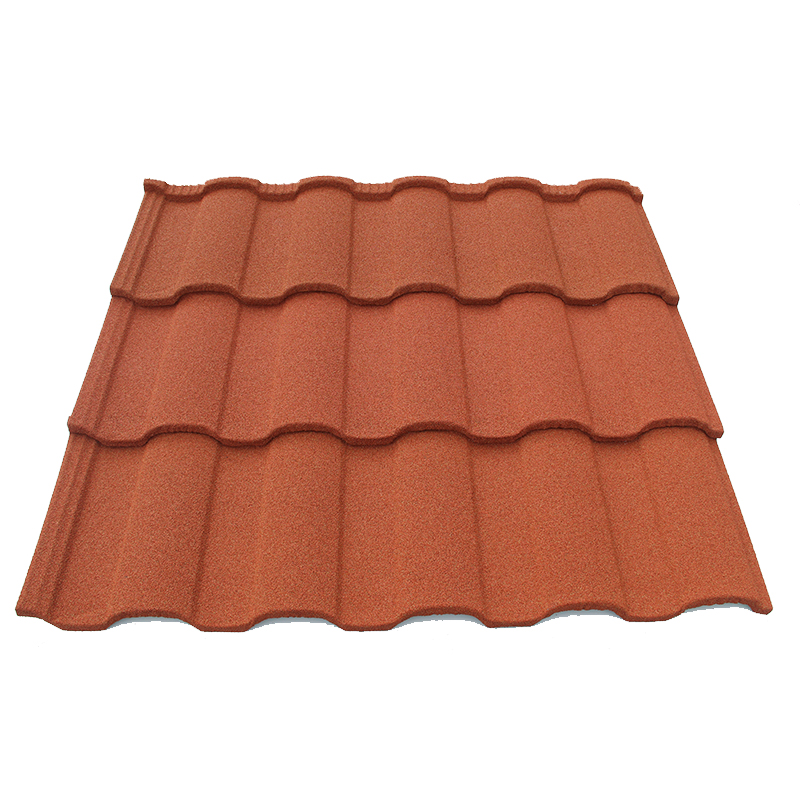
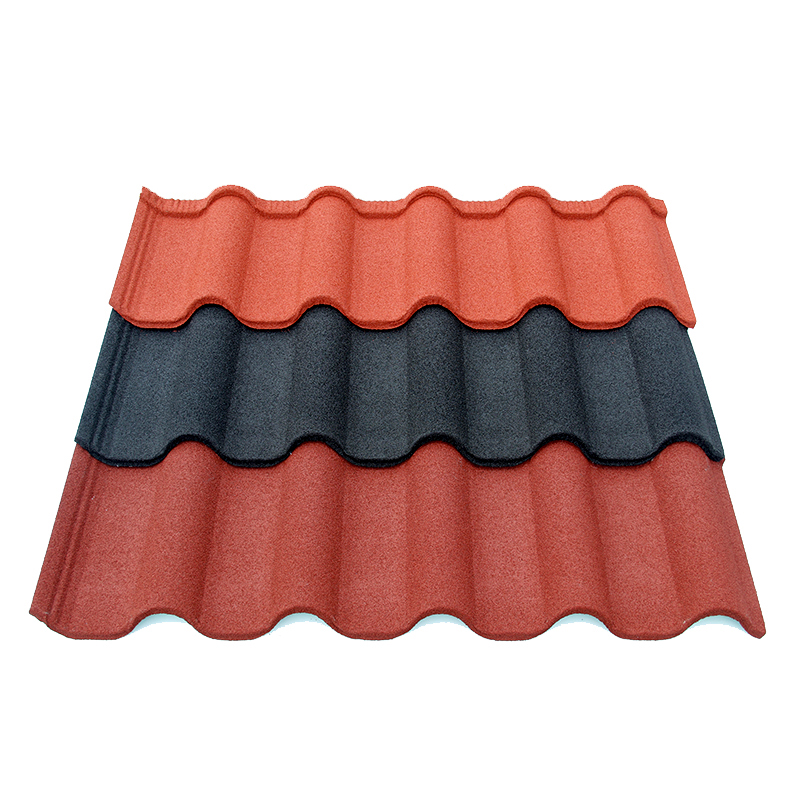
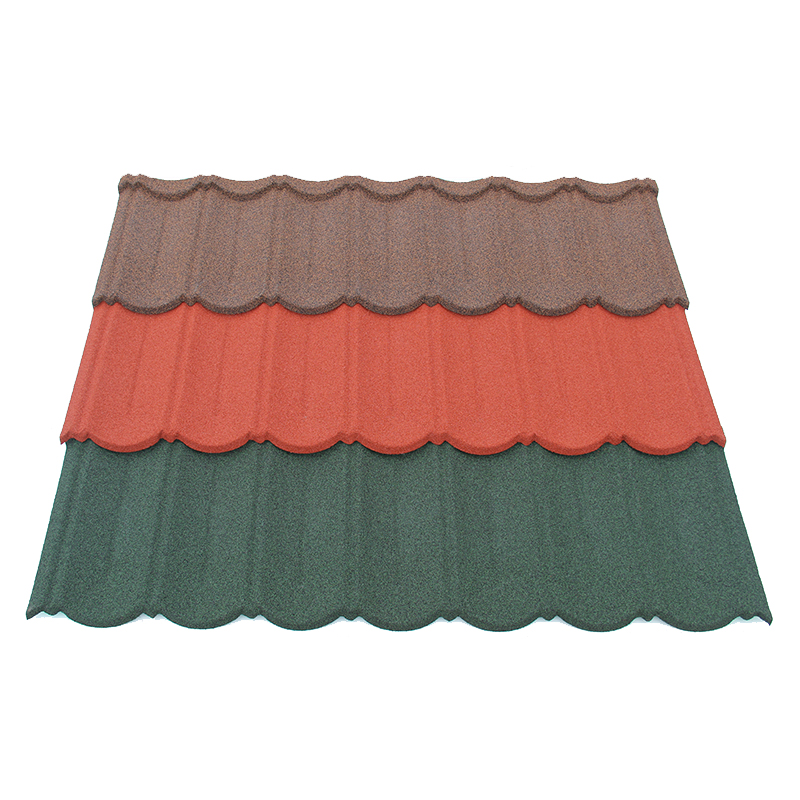
For example, use the exact quoted Bond Tile version when comparing two roof packages. Check the base metal, finish, effective cover and accessory list. A price per piece needs a stated cover area to support a price per square metre. Keep any waste allowance separate and have the project team agree it.
Define the supplier’s role and the importer’s work
Ask each bidder to state the trade term and named delivery place. Then record who pays freight, handles clearance and arranges inland transport. Give the importer enough time to check the proposed shipment route. This helps the buyer compare the cost of getting an agreed package to the site.
When requesting a quote from JCROOF, include the destination, importer details and required product records. Ask which parts and services the export quote covers. The manufacturer audit guide helps buyers check the link between the seller, factory and goods.
Check Indonesia, Malaysia and Vietnam Before Ordering
Indonesia — confirm importer access and product controls
Indonesia Customs explains that a qualifying NIB serves as importer identification and customs access. Ask the importing company to confirm that its registration covers the planned purchase. Then have its agent check the current restrictions for the actual product through INSW. Keep that check with the data sheet used to decide the tariff code. Indonesia Customs registration guidance
For a local stock offer, ask which company already imported the panels and which records it can provide. For a direct order, get the importer’s required product description before the supplier sends the invoice. If the destination site needs onward delivery after the port, include that leg in the quote. Confirm the receiving location and pack sizes with the party arranging that delivery.
Malaysia — check the construction-product scope
CIDB publishes a process for importing regulated construction products. Its guidance asks importers to check the product’s tariff code, intended use and applicable standard. Give CIDB or the importer’s responsible agent the tile’s material and profile details. Ask whether that exact product falls within the approval scope and which records it needs. CIDB construction-product import procedures
If the route calls for tests or product certification, plan those records before the goods leave the factory. Ask which body must issue them and which product version they must cover. For a local seller’s approval claim, ask for the reference and check the named maker and model. Then compare the accepted version with the product code on the quote.
Vietnam — review tariffs and product measures together
Vietnam’s trade repository brings tariff tables, origin rules and other trade measures together. Use it with the importer to check the tariff code and the controls linked to the goods. Ask the importer to confirm any product inspection or standard requirements with the authority in charge. Keep its answer tied to the exact panel and accessories. Vietnam trade repository search guidance
If the quote relies on a preferential duty rate, ask which origin rule and record the importer will use. Ask the supplier whether it can provide those records for the goods. Also agree the wording of the product description on the invoice. The importer can then use the same description across its customs and product-review files.
Check Cambodia, Myanmar, Thailand and Laos by Entry Route

Cambodia — align the buyer’s registration and declaration file
Cambodia’s national trade repository sets out business and tax registration steps alongside customs declaration through ASYCUDA. Ask the importer to confirm its registration and the agent responsible for filing. Provide the panel data sheet and list of fittings for its permit and tariff review. Agree which supporting records must arrive before the cargo. Cambodia guide to trade
For an order delivered through a land border, name that entry point when asking for the clearance plan. A price to a nearby port leaves a further transport leg to price and organize. Ask who handles transit records and the final import entry. Put those tasks beside the freight charges so the comparison covers the full route.
Myanmar — establish the registration and permit path first
Myanmar’s Ministry of Commerce offers TradeNet 2.0 for importer registration and import licence or permit requests. Ask the importing company which registrations it holds and what current permissions the proposed goods need. Send the product file to its agent in charge before fixing the dispatch date. Keep the agreed route in writing with the order. Myanmar Ministry of Commerce TradeNet guidance
Agree the proposed port or border crossing with the importer and freight firm. Ask them to confirm that they can handle the specific goods and planned drop-off. Then align the supplier’s packing and shipping dates with any permit conditions. If the route changes, send the revised plan back for review before loading.
Thailand — prepare the entry data
Thai Customs describes an electronic import process with a declaration and supporting shipment records. Its guidance lists the invoice, packing list and transport document, with licences and origin records where applicable. Ask the importer’s broker which product details it needs to file the entry. Then check those details against the supplier’s final files. Thai Customs import procedures
Ask the broker to confirm any Thai product rules for the quoted panel before purchase. Include the steel, coating and use in that question. If panels and fittings ship together, itemize them so the broker can assess each line. For local supply, ask the seller to state the precise goods and services included in its delivered price.
Laos — connect the import check with the transport route
The Lao Trade Portal explains when goods need licences or technical checks before customs entry. Ask the importer to check where the quoted roofing products fit. Give it the full material description and each accessory line. Record the required permit or document decision before the supplier releases the goods. Lao Trade Portal import guide
For a route through another country, ask the forwarder to name the transit leg and the Lao entry point. State the cost of transit handling, border clearance and the final trip to the site. Also check who supplies the documents at each handover. If the site order arrives in stages, agree how the packing list identifies each stage.
Compare the Landed Package and Keep the Goods Traceable
Use one cost and evidence schedule
Ask the importer’s agent to estimate duties and taxes from the confirmed tariff code, origin and purchase details. Record the basis and date of that estimate. Then add the quoted freight, clearance charges and local delivery scope. Keep any extra charges for inspections or tests visible where the agent says they may apply.
| Buying field | What the buyer should compare |
|---|---|
| Tile specification | Profile, material, finish, effective cover and version |
| Roof package | Panels, ridge pieces, trims, fasteners and exclusions |
| Import route | Importing party, entry point and confirmed controls |
| Origin evidence | Claimed tariff basis and documents the importer needs |
| Delivery scope | Named place, freight legs and unloading responsibility |
| Evidence file | Required reports, approvals and shipment records |
For a local offer, compare its delivered scope with the full direct-import estimate. Ask whether unloading or a later delivery of missing fittings carries another charge. Also check the units used in each price. Convert piece prices to the same agreed roof-cover basis while keeping the original figures.
One seller may price panels to the port. A local dealer may price the whole set to the site. Ask for a line for each missing cost in the port quote.
Check whether each cost is firm or an estimate, and who will pay it. Then compare the full totals using the same date and exchange rate.
Also ask how long each price holds. If the buyer changes the color or pack mix, request a new quote for that mix. Give the importer the revised list so it can check the goods and cost basis again. Keep the old quote with a note that the new one replaces it.
Tie the final order to packs and inspection records
Use the same model codes in the order, invoice and packing list. Ask the supplier to show which packs contain each profile, color and accessory. Agree how it will record lot references where available. This gives the receiving team a basis for checking the goods against the accepted specification.
Before dispatch, define the buyer’s quality checks and any separate regulatory inspection that the importer requires. The pre-shipment inspection guide helps buyers agree counts, visible finish and packing checks. Give the inspection team the final order and approved sample references. Then resolve any change in the goods with the importer before shipment.
Need help preparing a roof tile sourcing request for your market? Send us an inquiry with the country, profile and import document needs. Our specialists will reply and help you review the proposed export package.