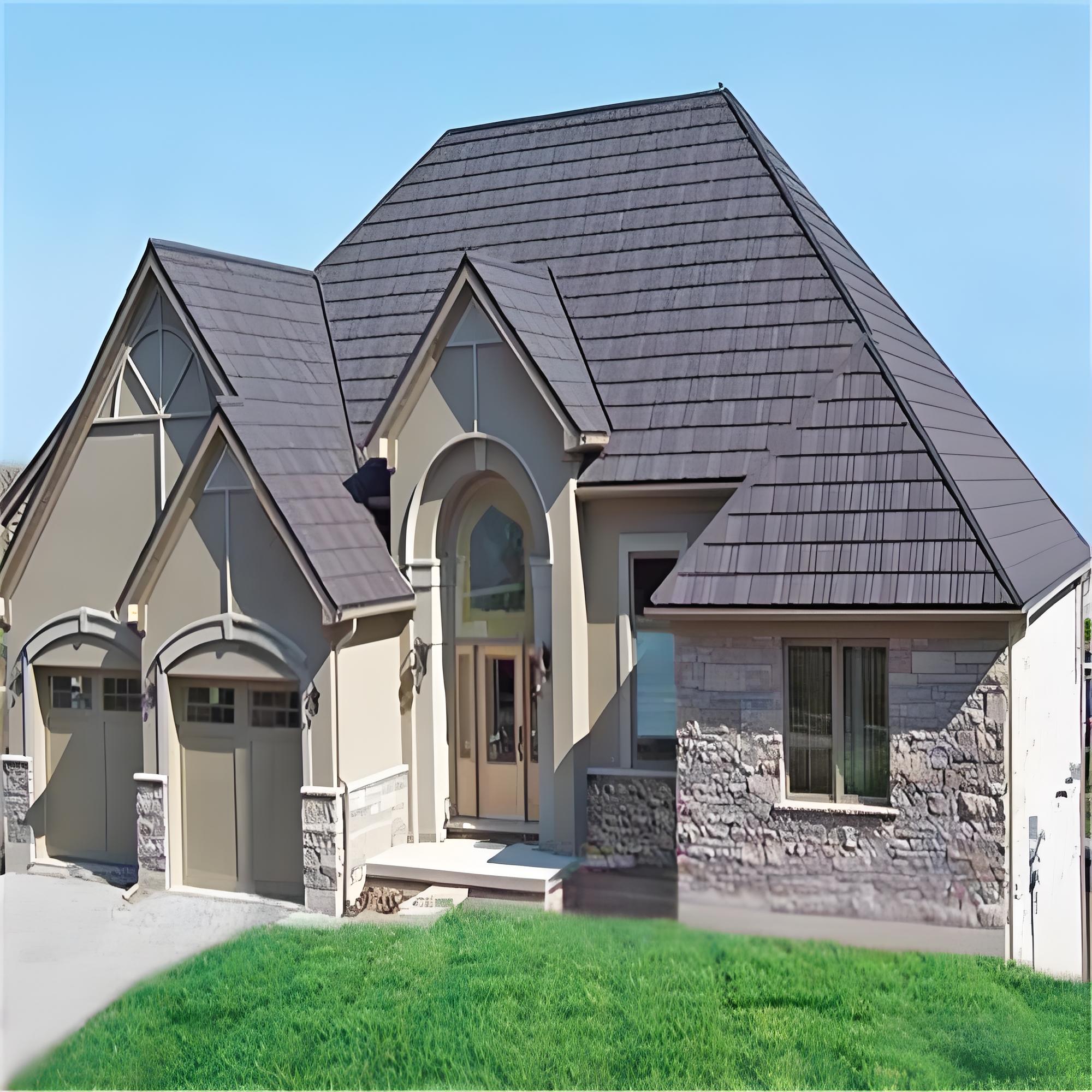


For stone coated roof tiles quote comparison West and Central Africa, bring every offer to the same final delivery point. Use the same roof area, tile specification and scope of work. Then record the currency, quote date and any cost that remains an estimate.
A local materials price, an installed roof price and a China export price cover different tasks. Ask each seller to list those tasks before comparing totals. Ghana, DR Congo, Benin, Sierra Leone, Liberia, Guinea, Togo, Burkina Faso and Mali also need separate route checks. Have the importer’s agent confirm the current requirements for the exact goods and entry point.
Set a Common Basis for Stone Coated Roof Tiles Quote Comparison West and Central Africa
Compare effective cover and the complete roof package
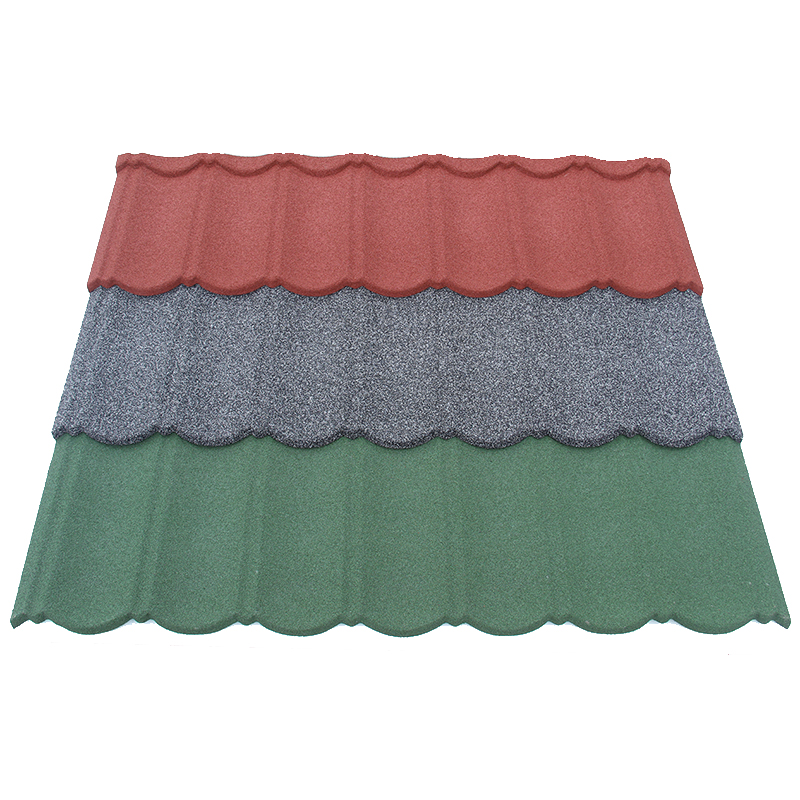
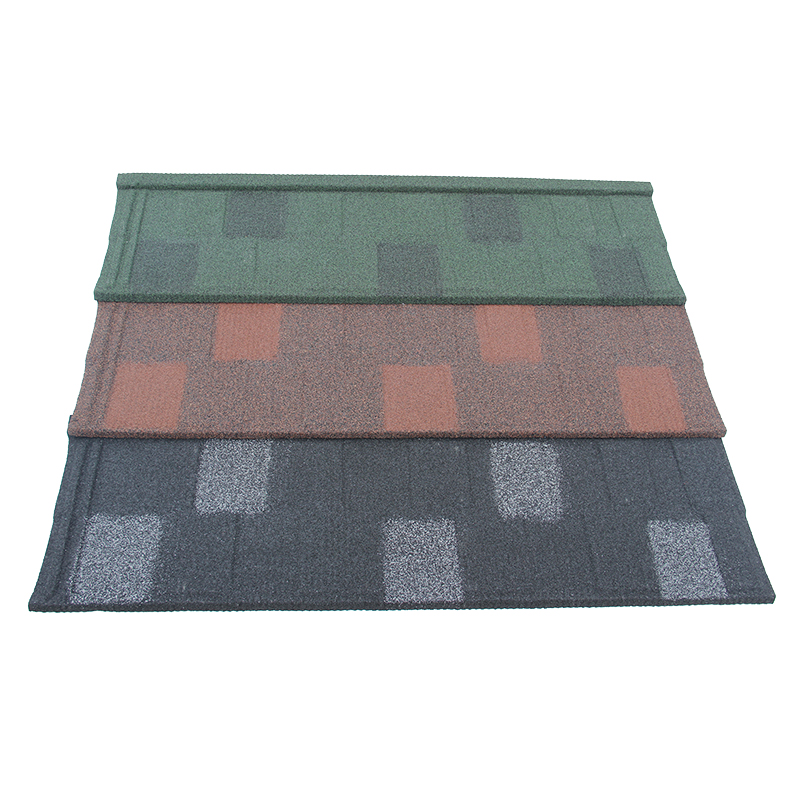
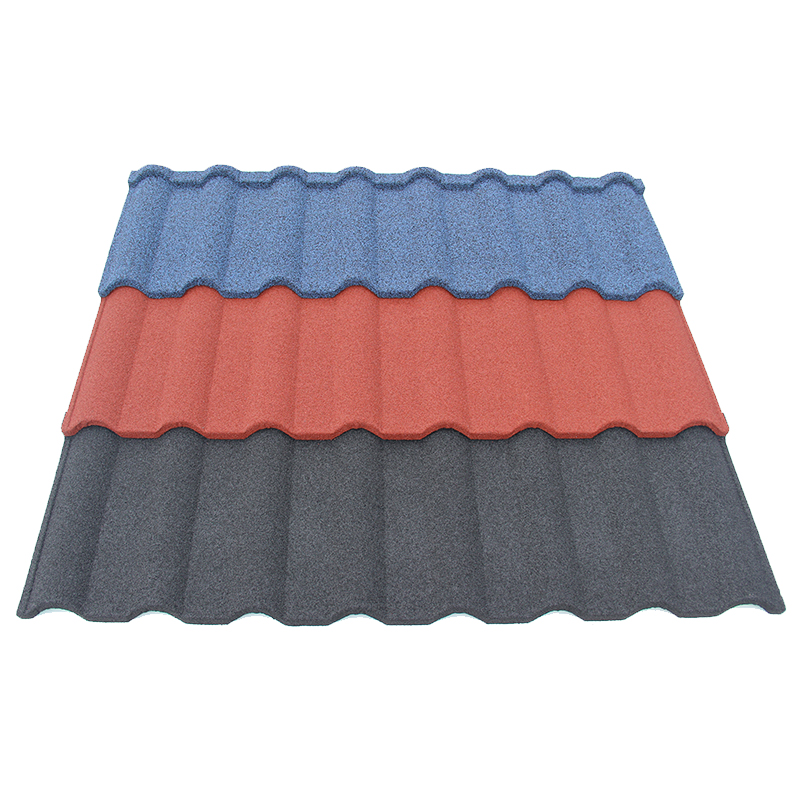
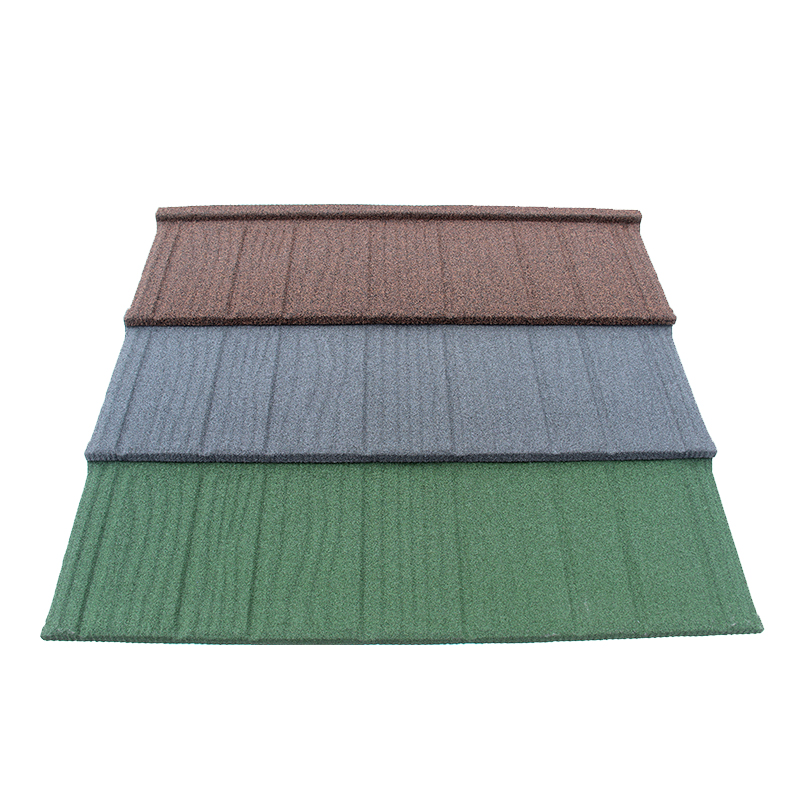
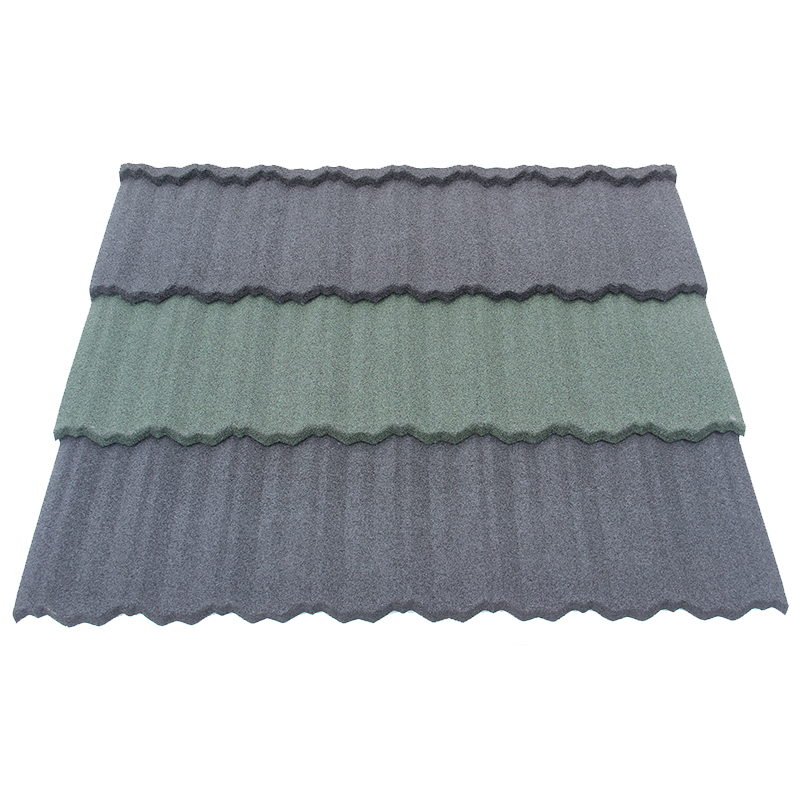
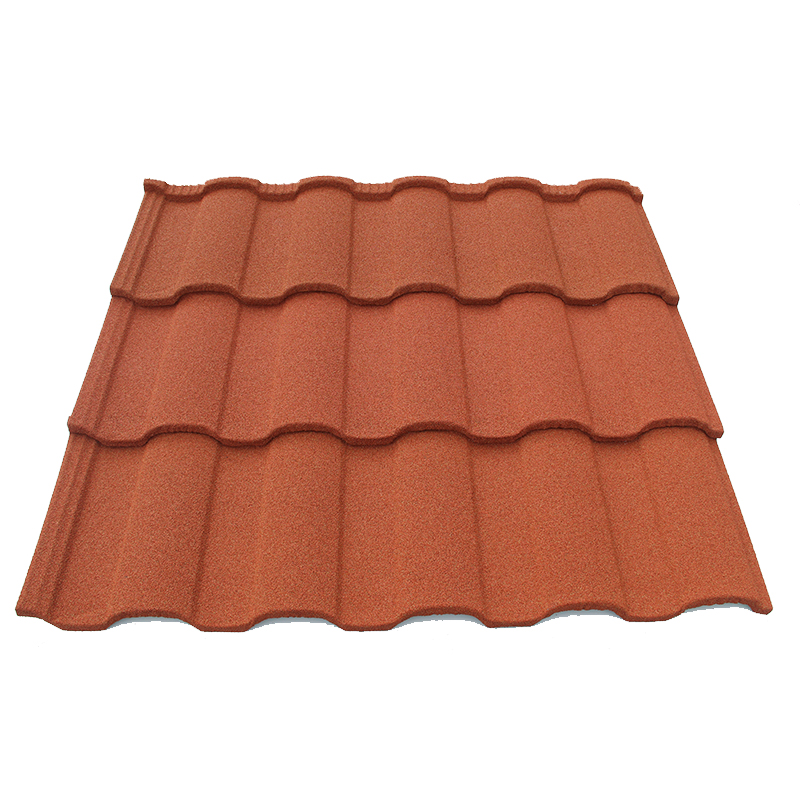
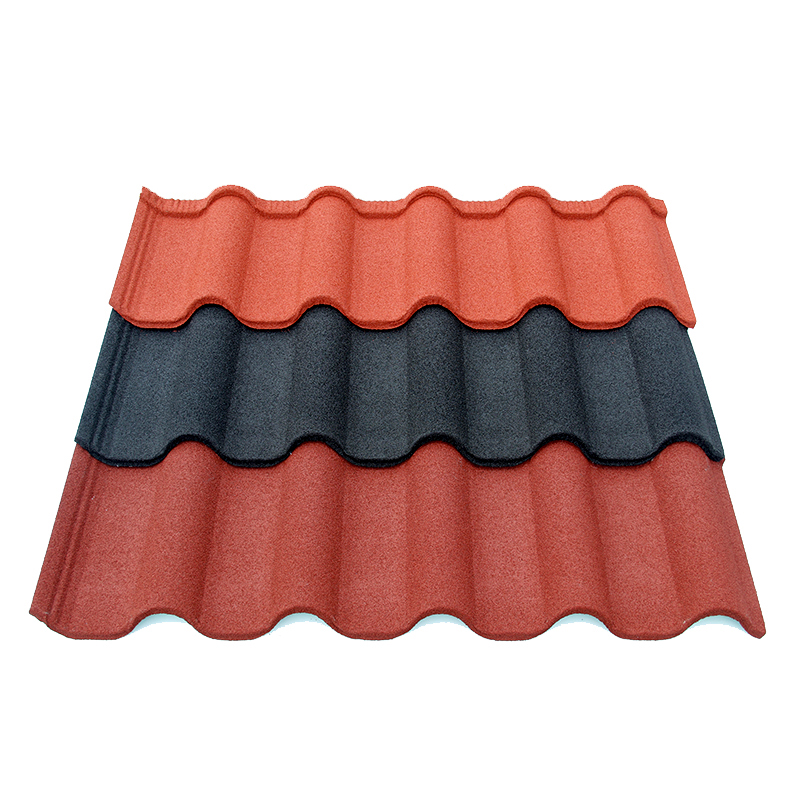
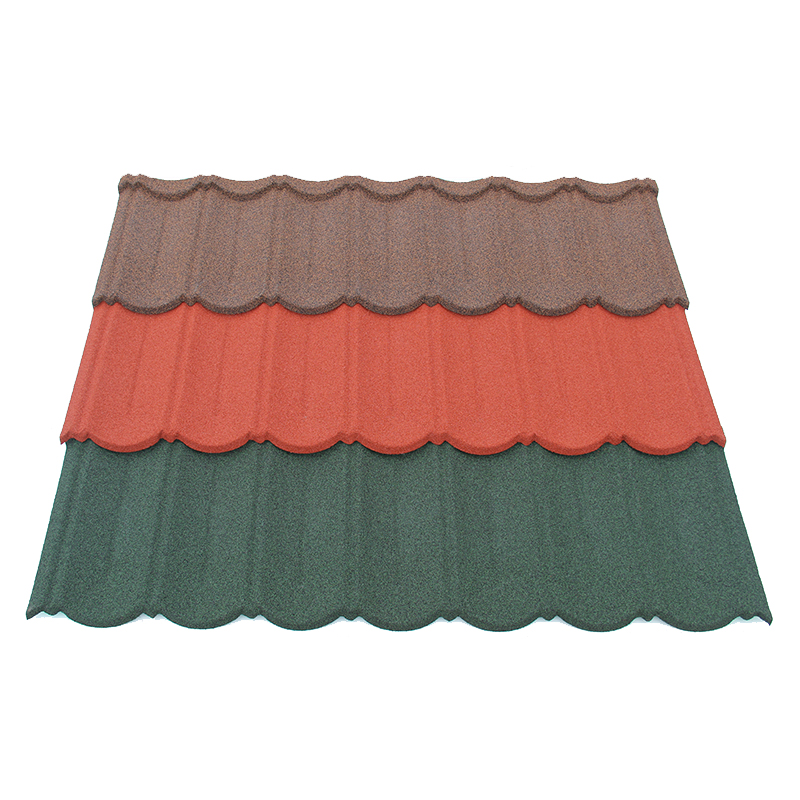
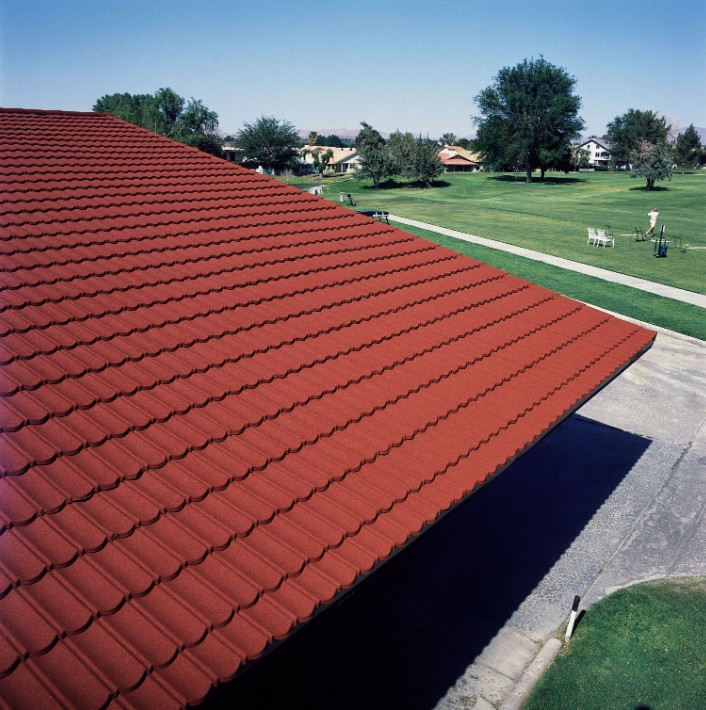
Start with the panel profile, material, finish code and effective cover. For example, ask for the exact Bond Tile version on each offer. Full panel dimensions include areas that overlap in use.
Use the maker’s stated effective cover to compare the panel counts. Show the roof team’s agreed waste allowance as a separate line.
Ask for ridge pieces, trims and fasteners as clear lines on the quote. Include underlayment or other roof layers where the buyer wants them in the supply package. Keep the support structure and labor scope visible as well. This lets the buyer see why a complete installed offer differs from a panel price.
Price each buying route to the same endpoint
For local materials, record the seller’s delivery point and the cost of moving the packs to the site. For an installed offer, ask whether the price includes supports, roof layers, fitting, access equipment and waste removal. With China export, record the trade term and named place. Then add the importer’s confirmed clearance and inland transport scope.
When requesting a quote from JCROOF, include the destination, profile and full parts list. Ask what the export offer covers and which product records are available. The manufacturer audit guide helps buyers check the link between the seller, factory and quoted goods.
Check the Coastal Market Cost Items
Ghana — match the customs estimate with the final goods
Ghana’s ICUMS manual sets out a sea-import process involving a consignment reference and a bill of entry. Give the importer’s agent the final panel data and accessory list for its cost estimate. Ask it to state the tariff code, value and origin basis used. Keep that estimate with the quote rather than folding it into an unexplained landed price. GRA ICUMS manual
For a local installed offer, compare the same roof drawing and effective cover. Ask which fittings and support work the installer includes. Record the exchange rate used when placing a foreign-currency export bid beside the local price.
Benin — include document review in the import cost plan
Benin’s GUCE guidance describes an advance declaration for documentary verification of imports. Ask the importer to confirm the current steps and charges for the proposed goods before dispatch. Give its agent the same invoice details used in the export offer. Then ask who pays for any required document review or correction. Benin GUCE documentary review guidance
Use the Republic of Benin as the destination in the enquiry. Search results for Benin City concern Nigeria and provide a different market reference. Confirm the actual entry point and final site before accepting a transport price.
Sierra Leone — distinguish clearance from terminal release
Sierra Leone’s NRA process chart separates pre-clearance, customs checks and post-clearance handling. It includes work by the clearing agent, shipping agency and terminal. Ask the agent to break out those cost items for the proposed shipment. Then check which charges the freight offer already covers. NRA import clearance process
For a Freetown offer, state whether the price ends at the port, warehouse or construction site. Ask who arranges the truck and unloading. Keep any estimated waiting or storage charges marked as conditional costs.
Liberia — ask for the basis of the broker’s bill
Liberia’s Revenue Authority explains that importers can obtain ASYCUDA access or use an approved licensed broker. It also says importers may request the declaration and payment record to check a bill. Ask the quoting agent which charges are official payments and which are its own services. Keep the supporting records when the costs become final. LRA ASYCUDA guidance
For a local materials offer, ask whether delivery reaches the site and whether the goods match the approved finish. Add any separate fitting cost when comparing it with an installed roof.
Guinea — keep the invoice linked to the import file
Guinea’s GUCEG guide links an order file to the descriptive import declaration and lists invoice and importer details. Ask the importer which current records and charges apply to its roof tile order. Give it a consistent product description, quantity and value. Record who handles any update if the shipment mix changes. GUCEG transaction-file guide
A quote to Conakry needs a stated endpoint before it can match a delivered-site offer. Ask for the onward transport and unloading scope. Keep that cost tied to the actual pack count and weight.
Togo — identify local import and transit costs separately
Togo’s public-service portal describes SEGUCE as a window for import, export, transit and transshipment operations. Ask the agent which type of work the quote covers. Goods sold into Togo and goods moving onward need a clear account of the work and destination. Have the agent price the chosen route for the actual cargo. Togo SEGUCE service information
If the supplier quotes to Lomé, list every further leg needed to reach the buyer. Ask who pays for the transfer between transport operators and who holds the goods during that handover.
Review DR Congo and the Inland Destinations
DR Congo — name the entry point and inland city
SEGUCE RDC describes GUICE as a platform joining regulatory, customs and logistics information for foreign trade. Ask the importer’s agent which steps apply to the chosen entry point and goods. Request separate prices for document work, clearance and the onward route. Keep the final city in every bid so a border price remains easy to identify. SEGUCE RDC guidance
For example, a quote ending at Matadi needs further transport scope when the order must reach Kinshasa. Ask the forwarder to price that leg with the actual pack weights. Include unloading if the buyer wants a delivered and unloaded comparison.
Burkina Faso — include transit and the final customs leg
Burkina Faso’s customs code provides for moving goods under customs control between customs offices. For a shipment through a coastal country, ask the agent to name the transit and final import steps. Price the port handling, transit work, inland freight and destination clearance as distinct items. Confirm which party handles each step and any required guarantee. Burkina Faso customs code
Compare the total to the same city and site access point as the local offer. Ask the haulier whether its quote includes unloading or ends with the truck ready to unload.
Mali — confirm where transit ends and import clearance begins
Mali Customs describes transit from the border toward an inland customs office and the related transit document. Ask the importer’s agent to name the office and route proposed for this shipment. Then have the forwarder price transport to the same final location used by the local seller. Keep transit services and destination charges visible in the comparison. Mali Customs clearance guidance
If one offer uses a different coastal entry point, ask for a full cost breakdown for that route. Check which costs are firm and which depend on the shipping date or cargo details.
Build a Quote Sheet That Remains Useful at Delivery
Separate firm prices, estimates and exclusions
Use one currency and a stated exchange rate for the comparison. Keep the original quoted amounts beside the converted figures. Record each offer’s date and expiry, then ask what changes could affect its price. This gives the buyer a basis for updating the sheet when freight or the order mix changes.
| Cost group | What to include |
|---|---|
| Materials | Panels, fittings, fasteners and agreed roof layers |
| Export transport | Origin handling, freight and the named delivery point |
| Import work | Agent services, official charges and required product checks |
| Inland route | Transit, haulage, transfers and final unloading |
| Installation | Labor, access, supports and the agreed work scope |
| Comparison basis | Roof area, effective cover, currency, rate and date |
Ask the importer’s agent to confirm duties and taxes from the goods, origin and value. Mark those figures as estimates until the party in charge confirms the final assessment. Also ask about charges that depend on delays or extra handling. Keep those separate from the fixed total so the buyer can see the cost exposure.
One bid may show a price for each pack while another uses a price per square metre. Ask how many panels each pack holds and how much roof they cover. Keep that basis beside the converted price. If a quote includes spare panels, show their count so both bids use the same allowance.
Carry the accepted scope into the order
Write the accepted model codes, quantities and included services into the purchase order. Ask the supplier to label packs in a way that matches the final packing list. The pre-shipment inspection guide helps buyers agree count, condition and packing checks before dispatch. Give the receiving team the same product references.
If a seller changes the profile, finish or delivery route, ask for a revised quote and scope. Send the change to the importer and site team for review. Keep the accepted revision with the final invoice and handover record.
Need help comparing a roof tile export offer with your local quote? Send us an inquiry with the country, roof area and delivery point. Our specialists will reply and help you review the proposed package.