
For developers, contractors, and roofing distributors, structural load is one of the first engineering questions raised when evaluating stone coated metal roofing tile. It is not just about whether the roof looks premium or lasts long—it is about whether the existing building structure can safely support the system without reinforcement, cost overruns, or safety risks.
In real project conditions, roof weight directly affects design decisions, especially when replacing concrete tiles or asphalt shingles. Misjudging this factor can lead to unnecessary structural upgrades or, in worse cases, compliance issues during inspection.
The good news is that modern stone-coated steel roofing is generally much lighter than traditional tile systems, while still providing higher durability and wind resistance. However, understanding the actual load difference is essential for accurate engineering evaluation.
Why Roof Weight Matters in Real Construction Projects
Roof weight is not just a structural concern—it influences foundation design, framing requirements, and seismic performance. In large-scale residential and commercial projects, even small differences in roof load can multiply across hundreds or thousands of square meters.
When evaluating stone coated metal roofing tile systems, engineers typically compare dead load (permanent weight) rather than temporary loads like snow or maintenance traffic. This provides a clearer picture of long-term structural demand.
In retrofit projects, weight comparison becomes even more critical because existing structures were originally designed for specific roofing loads.
Key Structural Considerations
- Dead load per square meter of roofing system
- Compatibility with existing roof framing
- Need for structural reinforcement in retrofit projects
Weight Comparison Between Common Roofing Materials
To understand how stone-coated systems perform structurally, it is useful to compare them with other widely used roofing materials. This helps buyers and engineers evaluate whether the system is suitable for new construction or replacement projects.
In most cases, stone coated metal roofing tile systems fall into the lightweight roofing category, despite their high durability and multi-layer construction.
This combination of low weight and high strength is one of the reasons they are widely used in both residential and commercial developments.
Typical Roofing Weight Comparison
| Roofing Type | Average Weight (kg/m²) | Structural Impact |
|---|---|---|
| Asphalt shingles | 8 – 12 kg/m² | Low |
| Stone coated metal roofing tile | 6 – 8 kg/m² | Very low |
| Clay tiles | 35 – 60 kg/m² | High |
| Concrete tiles | 40 – 65 kg/m² | High |
| Standing seam metal roof | 5 – 7 kg/m² | Very low |
As shown above, stone coated systems are significantly lighter than traditional clay or concrete roofing, while offering better impact resistance and weather durability.
What Actually Makes Stone Coated Roofing Lightweight
The relatively low weight of stone coated metal roofing tile comes from its engineered structure. Instead of relying on mass for strength, the system uses high-tensile steel combined with thin protective layers and stone granules.
Each layer contributes to performance without adding unnecessary structural load. This is a key advantage in modern roofing design, especially for buildings with limited load-bearing capacity.
In manufacturing systems, such as those operated by JCROOF, substrate thickness and coating application are carefully controlled to balance durability with weight efficiency.
Structural Composition Breakdown
- Steel substrate (thin-gauge high strength core)
- Aluminum-zinc or galvanized coating layer
- Acrylic bonding layer
- Stone granule surface layer
Why Strength Does Not Require High Weight
Unlike traditional tile systems that rely on mass for durability, metal-based systems rely on tensile strength and engineered layering. This allows high performance without excessive structural load.
Real-World Structural Impact on Buildings
In practical applications, replacing heavy roofing materials with stone coated systems can significantly reduce structural stress. This is especially valuable in renovation projects or buildings with older framing systems.
For new construction, the lighter weight also allows for more flexible architectural design and reduced foundation requirements.
However, engineers still evaluate total system load, including battens, insulation, and underlayment, not just the roofing tile itself.
Benefits of Lower Roof Weight
- Reduced structural reinforcement costs
- Improved seismic performance
- Faster and easier installation
- Lower transportation and handling costs
When Weight Still Needs Attention
Although lightweight, improper installation or excessive layering in roofing systems can still increase total load. This is why system design remains important even with lighter materials.
Profile Types and Their Influence on System Weight
Different tile profiles do not significantly change the base weight of stone coated systems, but they can slightly affect installation density and accessory usage.
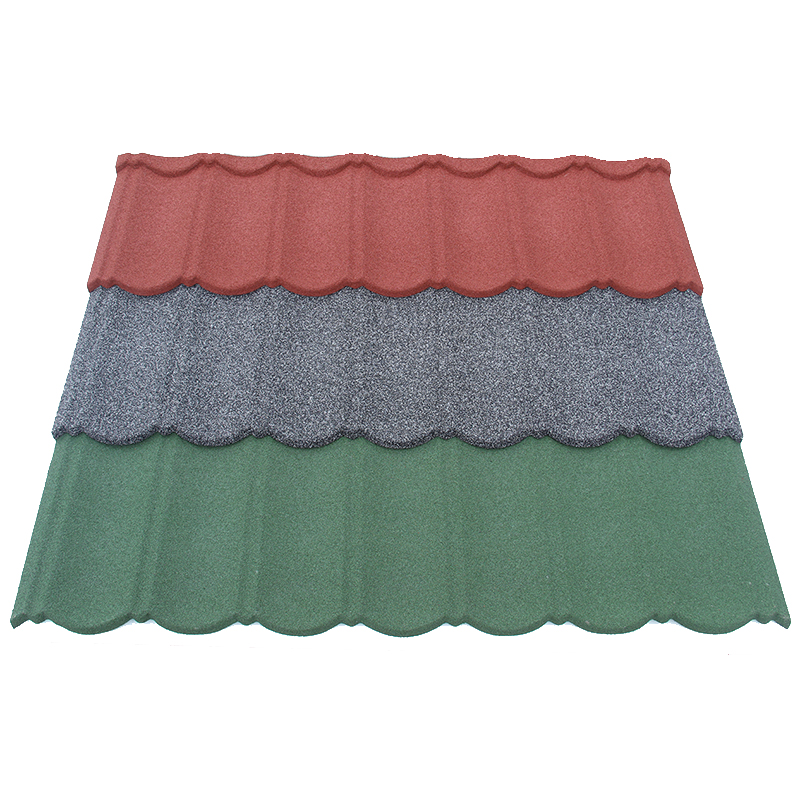
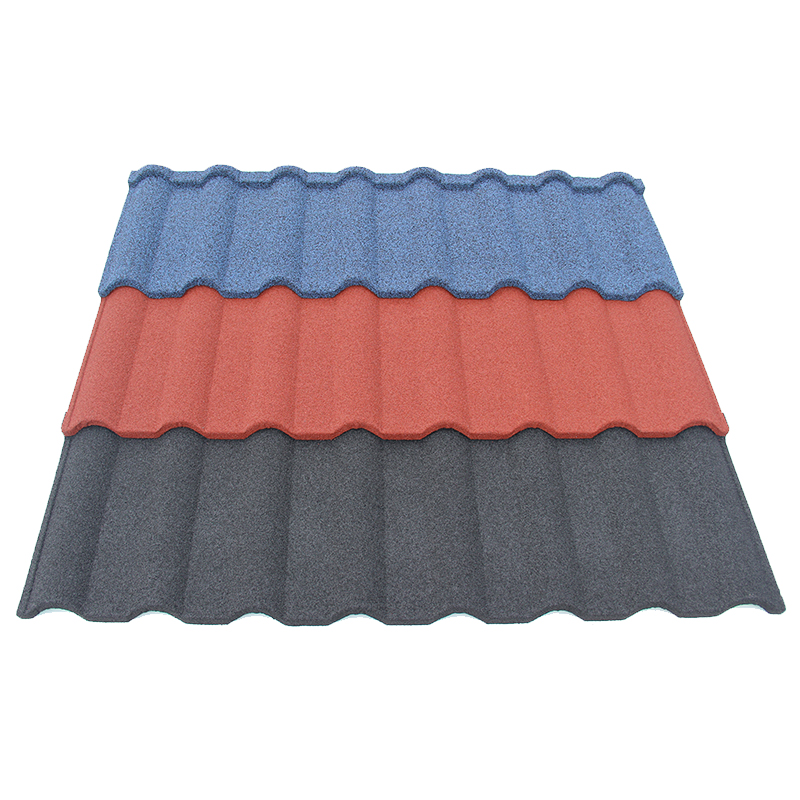
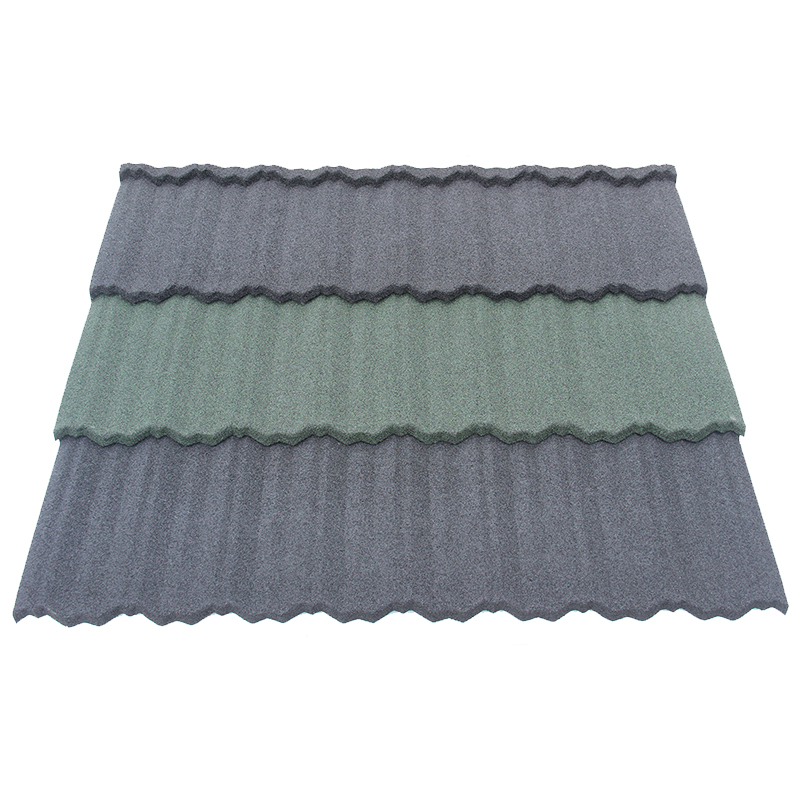
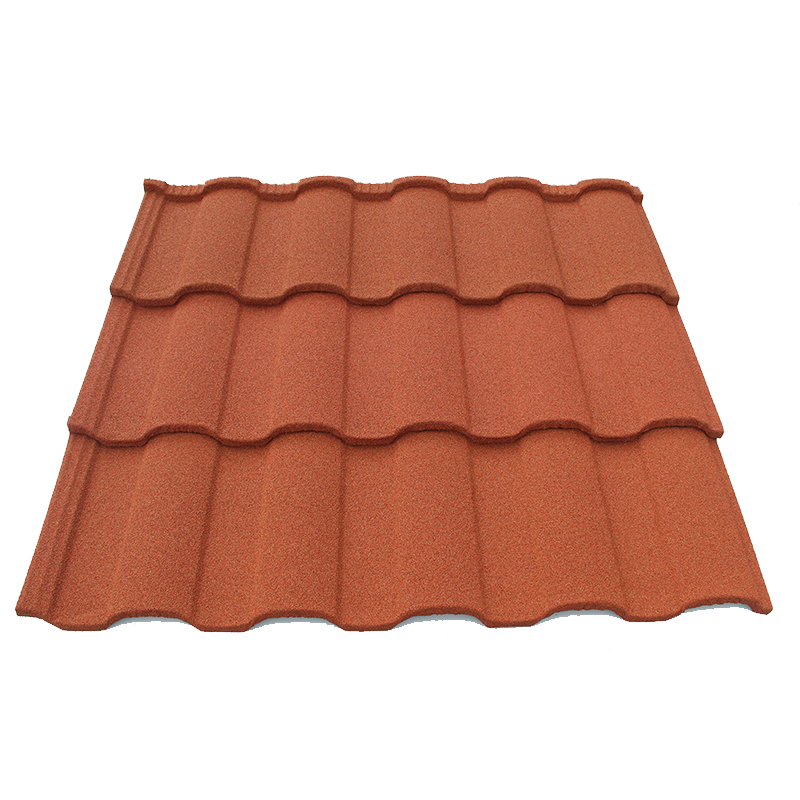
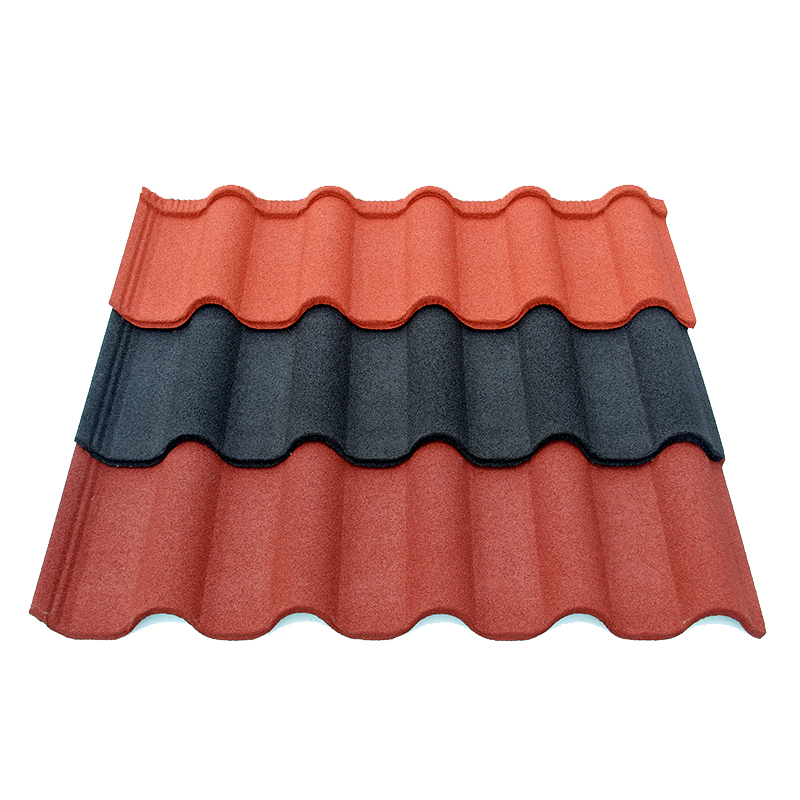
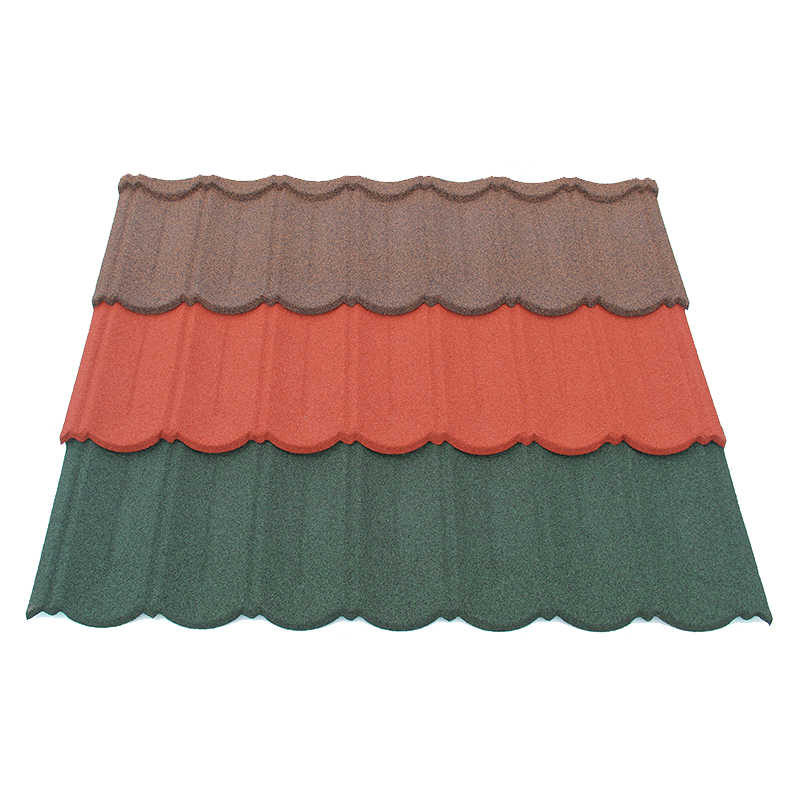
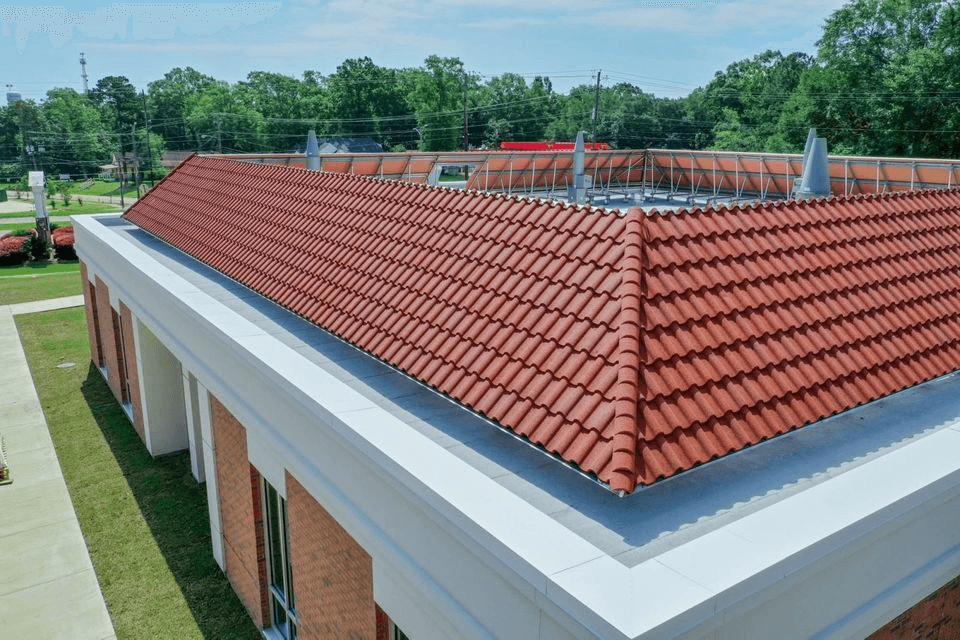
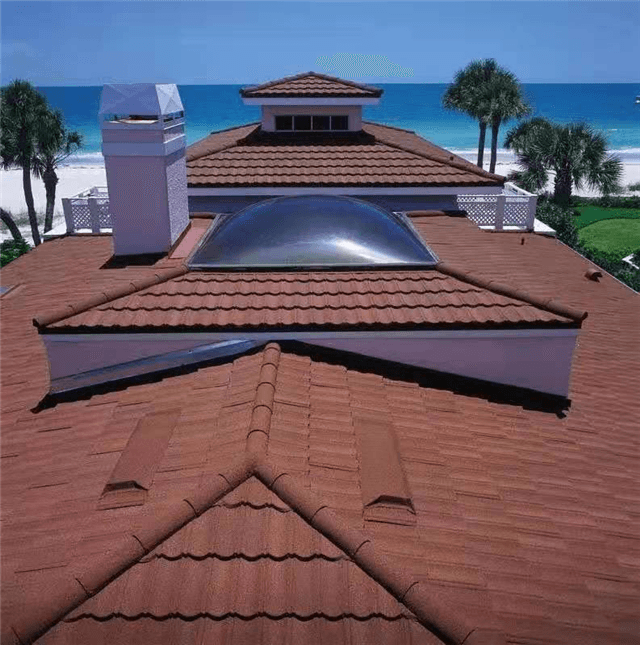
For example, Bond Tile is often used in standardized export projects due to its efficient layout design, while Roman Tile may require slightly more overlap in certain installations, affecting material consumption per square meter.
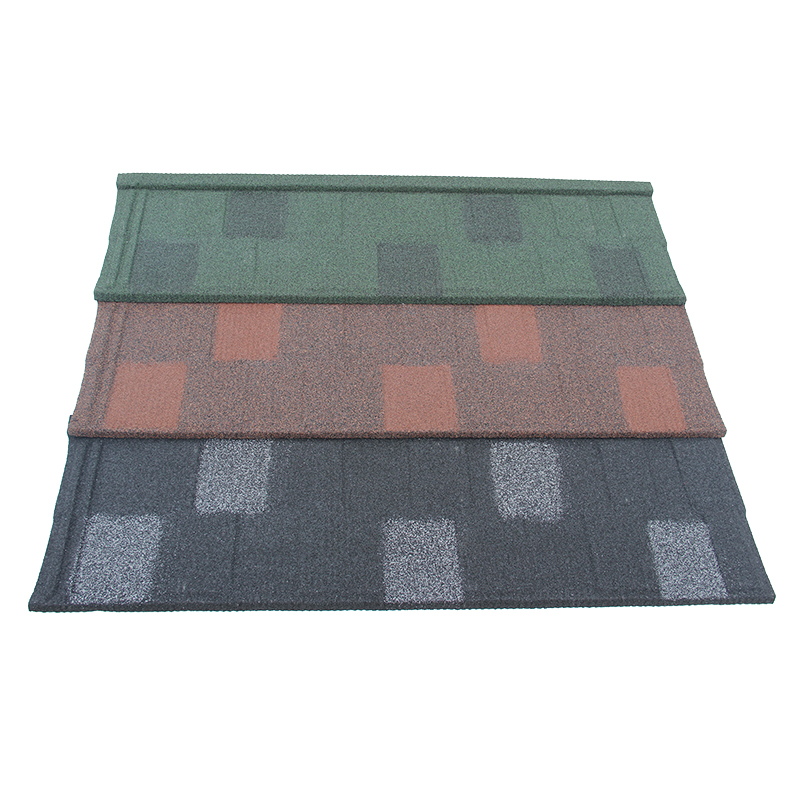
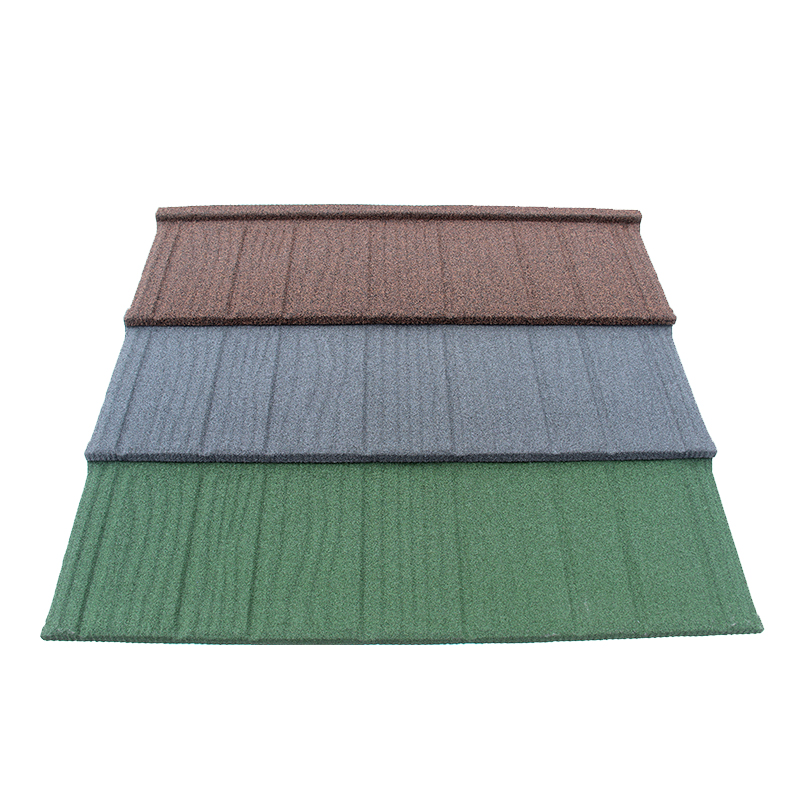
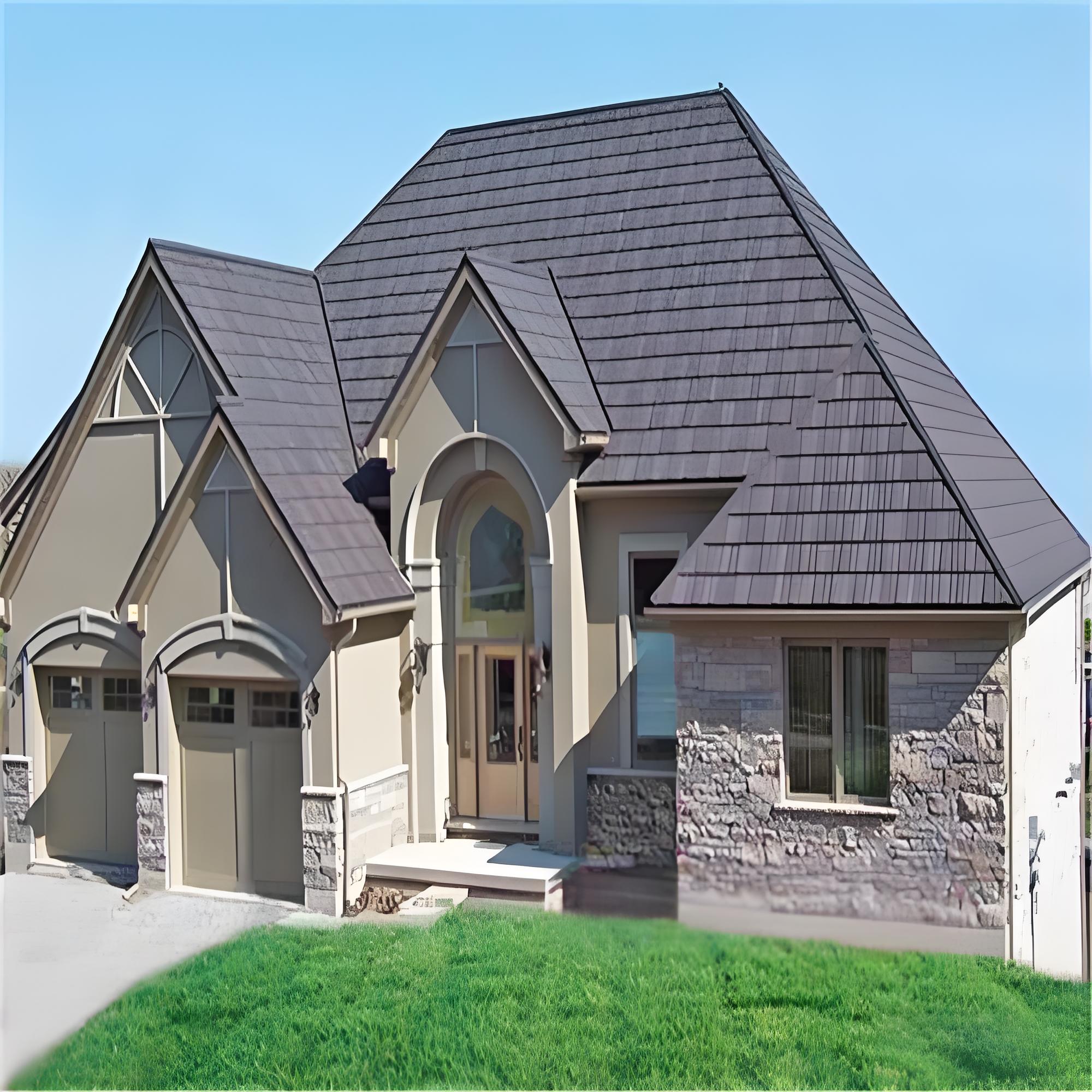
Similarly, Shake Tile is often selected for architectural designs where visual depth is prioritized, while Milano Tile is commonly used in modern projects with balanced aesthetic and structural efficiency.
These differences are more related to coverage efficiency than actual material weight.
Conclusion: Does Stone Coated Roofing Stress Your House?
In most engineering scenarios, stone coated metal roofing tile systems place significantly less structural stress on buildings compared to traditional clay or concrete tile systems. With an average weight of only 6–8 kg/m², they are classified as lightweight roofing solutions.
This makes them suitable for both new construction and retrofit projects, especially where structural load capacity is limited. However, total system design—including installation layers and structural framing—must still be properly evaluated.
When manufactured under controlled standards, such as those implemented by JCROOF, these systems provide a balanced combination of low weight, high durability, and long-term structural reliability.