

For importers, contractors, and project developers working with stone coated metal roofing tile, color selection is not only a design decision—it directly affects long-term maintenance cost, perceived quality, and customer satisfaction. One of the most practical concerns in real projects is how well a roof hides dust, pollution, water stains, and environmental aging over time.
Unlike purely aesthetic choices, color performance in stone-coated systems is closely linked to surface texture, granule composition, and how light interacts with the roofing profile. This is why two roofs in the same environment can age very differently depending on color and finish selection.
In field applications, dust visibility becomes especially important in industrial zones, coastal regions, and dry climates where airborne particles are constant. Selecting the right color can significantly reduce cleaning frequency and help maintain a “new roof” appearance for longer.
Why Some Roof Colors Look Cleaner Than Others Over Time
The ability of a roof to hide dirt is not random—it is driven by contrast, texture, and light diffusion. In stone coated systems, the granule surface already helps break visual uniformity, but color still plays the dominant role in how dust is perceived.
Darker colors tend to hide dust because they reduce contrast between surface particles and the base tone. However, extremely dark colors may highlight water streaks or fading in high UV environments. On the other hand, very light colors reflect more light but make dirt more visible.
This is why most experienced buyers of stone coated metal roofing tile prefer medium-tone, multi-shade blends for commercial projects.
Key Visual Factors Affecting Dirt Visibility
- Contrast between dust color and roof base color
- Surface texture and granule density
- Light reflection intensity under sunlight
Environmental Impact on Appearance
In coastal or industrial zones, airborne salt and fine dust particles accumulate quickly. In these environments, color choice becomes a maintenance strategy rather than just a design preference.
Best Color Categories for Hiding Dust and Maintaining Clean Appearance
In real project experience, certain color families consistently perform better in hiding dirt and maintaining long-term visual consistency. These are widely used in commercial roofing projects where maintenance access is limited or costly.
For stone coated metal roofing tile systems, the best-performing colors are typically those with mixed tones, earthy shades, or mid-range gray structures that naturally mask surface variation.
These colors do not eliminate dirt accumulation, but they significantly reduce its visual impact.
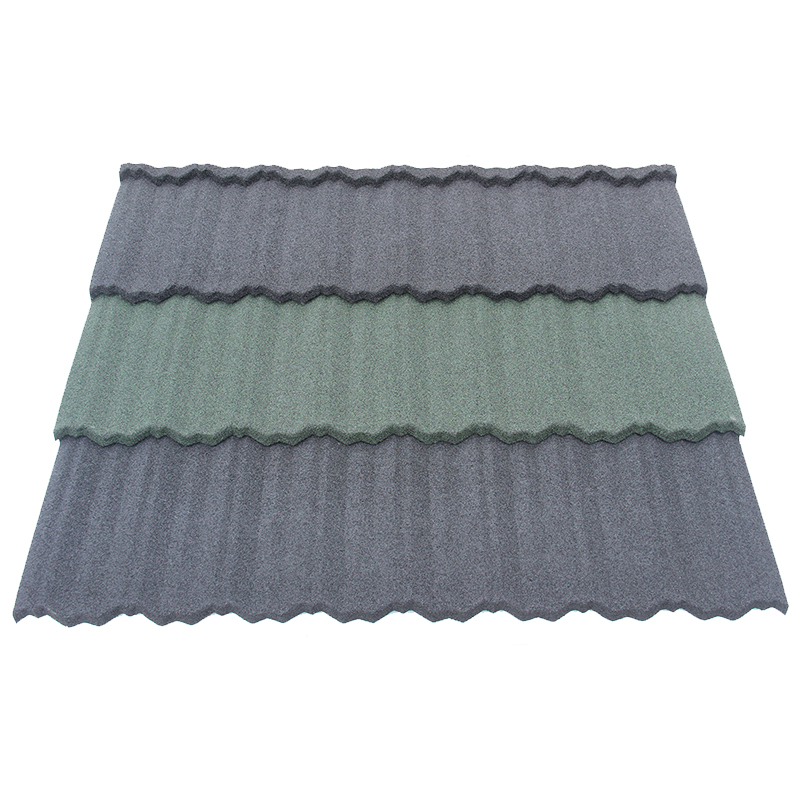
1. Medium Gray and Slate Tones
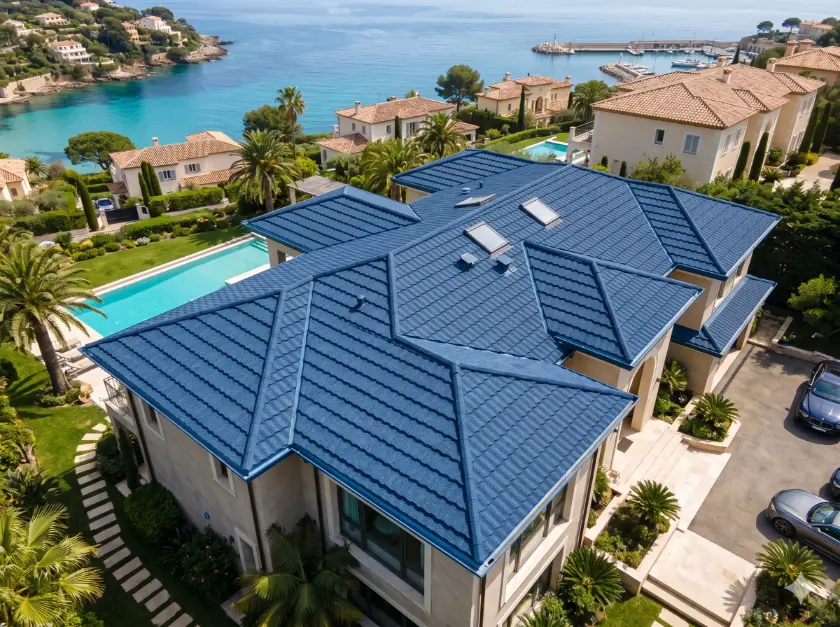
Medium gray is one of the most widely used options in industrial and residential projects because it balances heat reflection and dirt concealment. It hides dust, soot, and rain marks effectively without looking overly dark or flat.
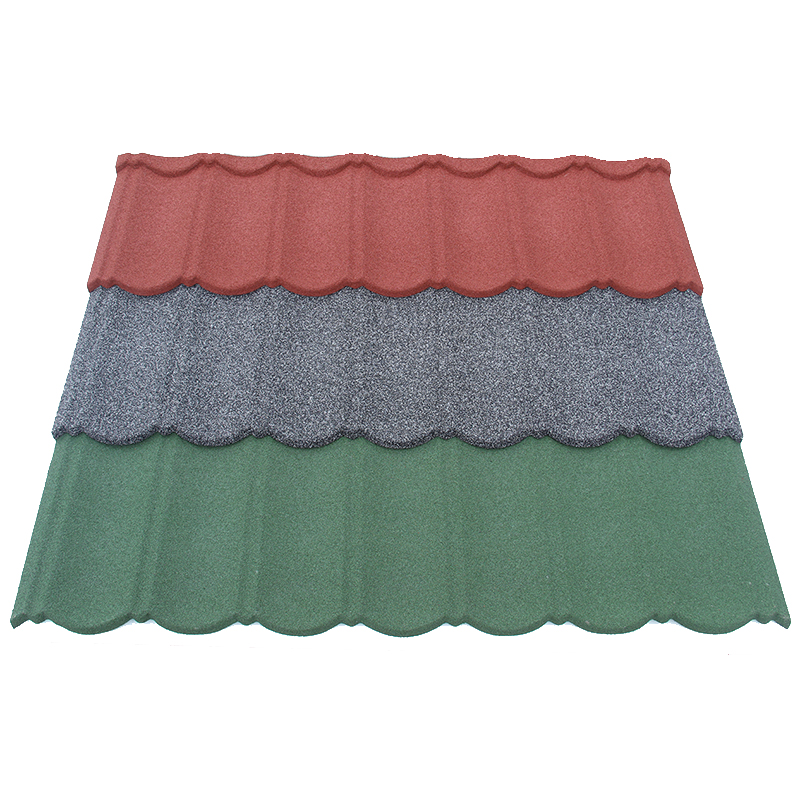
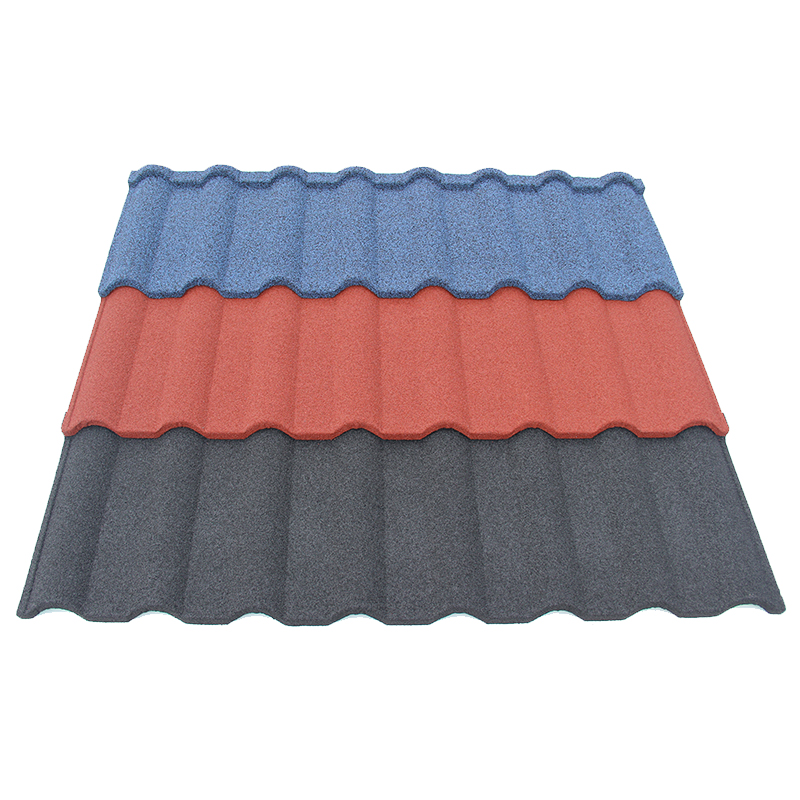
This category is commonly used in profiles such as Roman-style designs where uniformity across large roof surfaces is required.
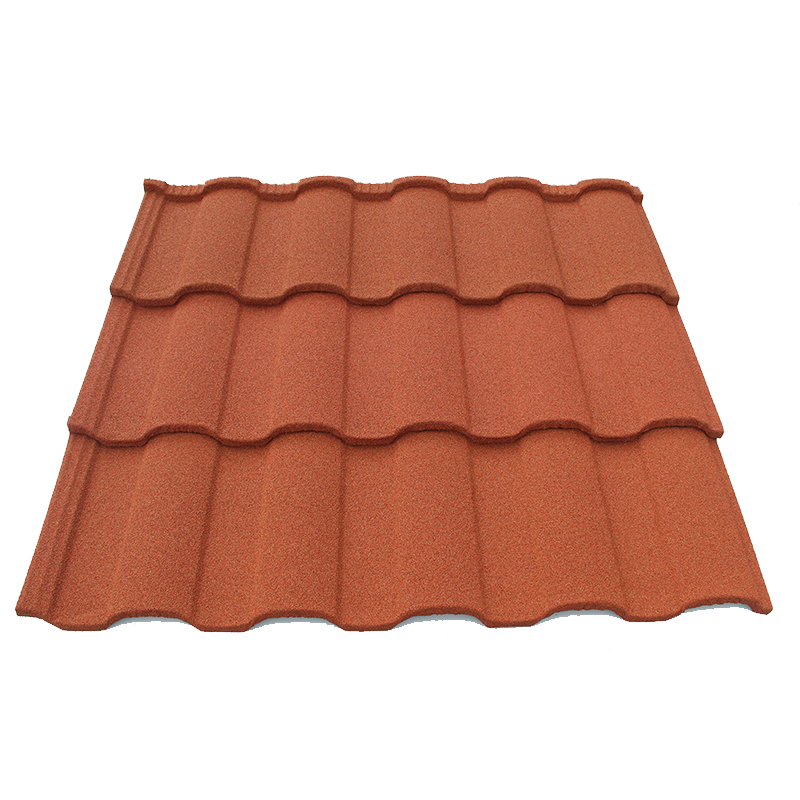
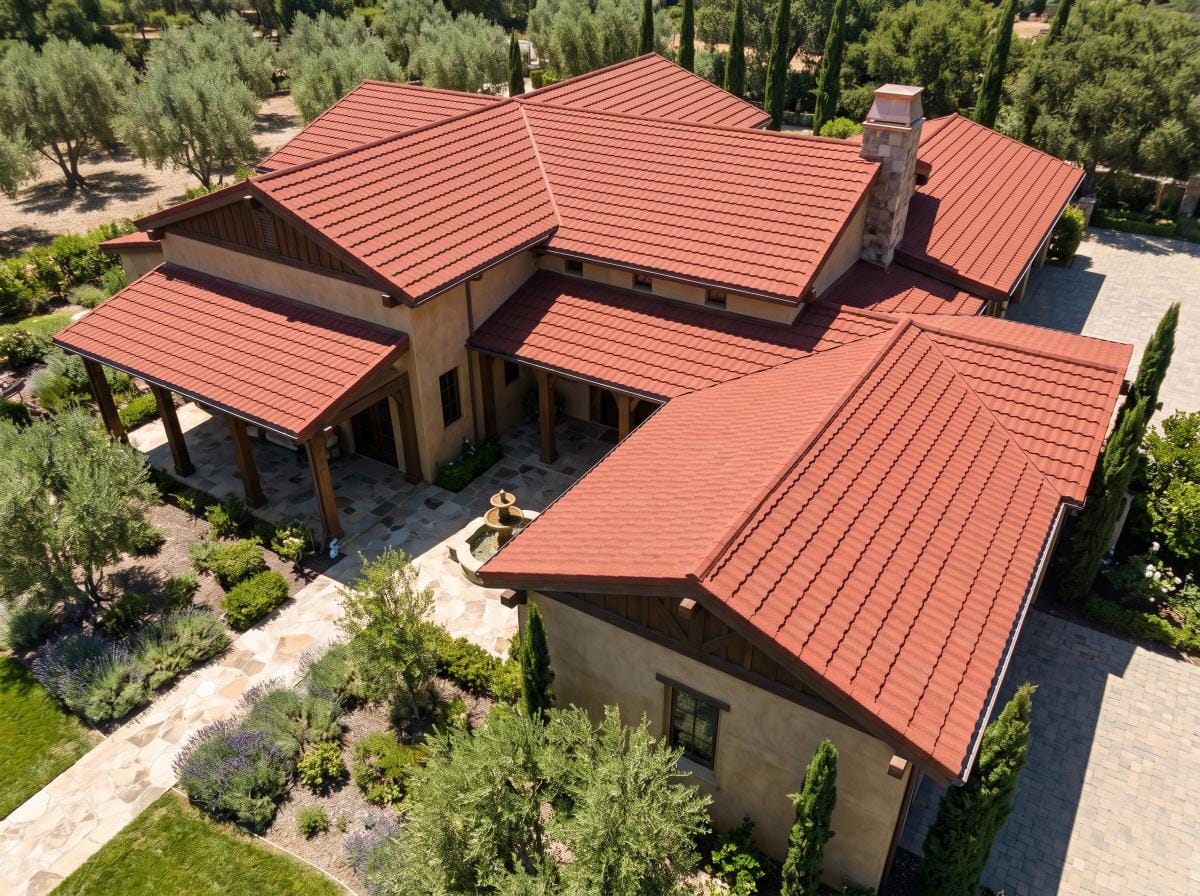
2. Earth-Tone Blends (Brown, Bronze, Sand Mix)
Earth-tone blends perform exceptionally well in outdoor environments because they naturally match the color of dust and soil particles. These tones are especially effective in rural or desert regions.
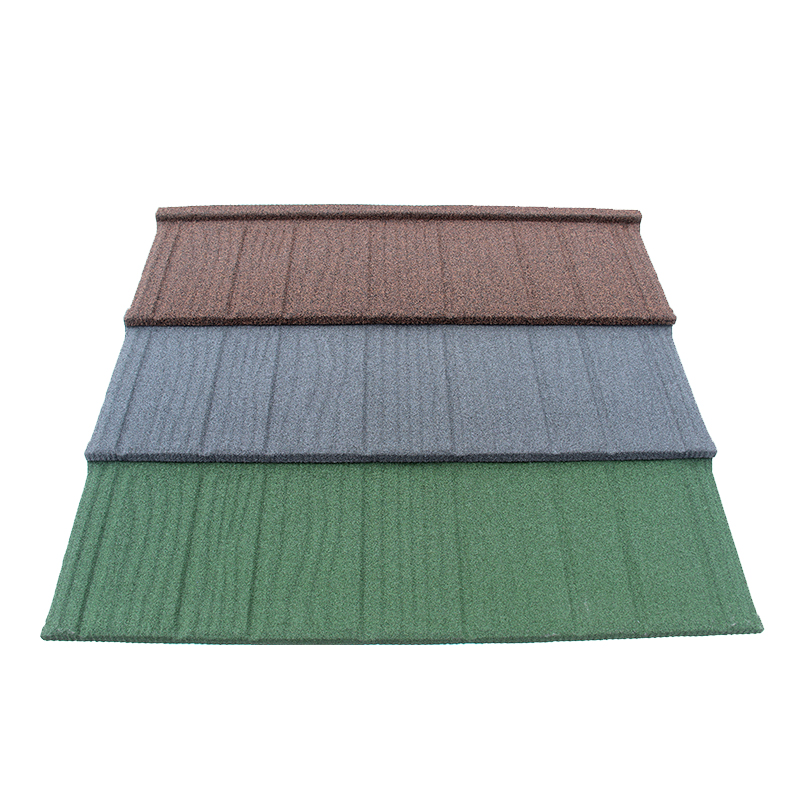
In many export projects, Bond-style profiles in earthy tones are preferred because they maintain a stable appearance even after years of exposure.
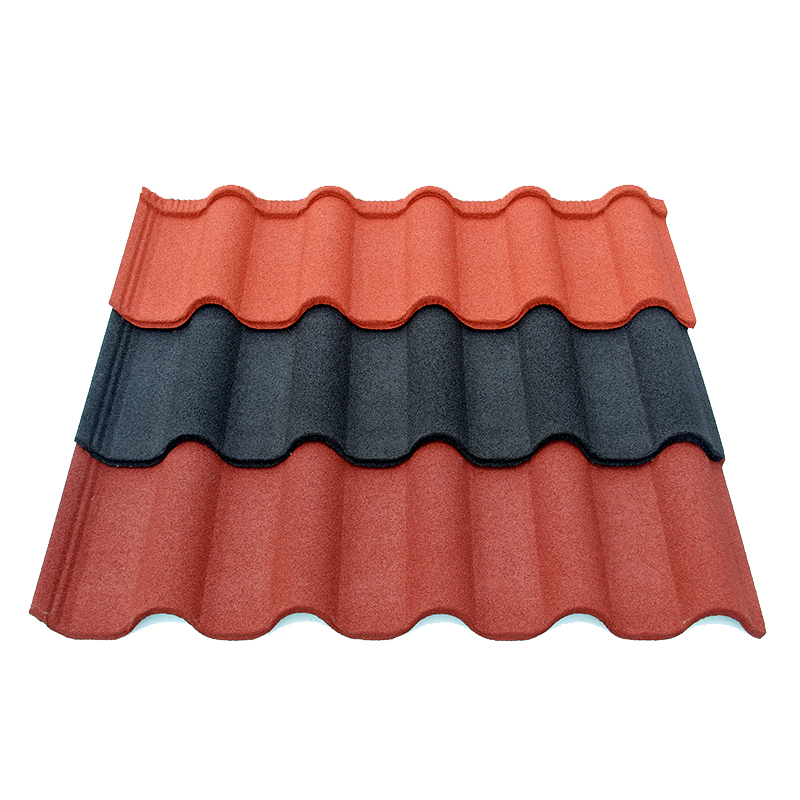
3. Multi-Tone Architectural Colors
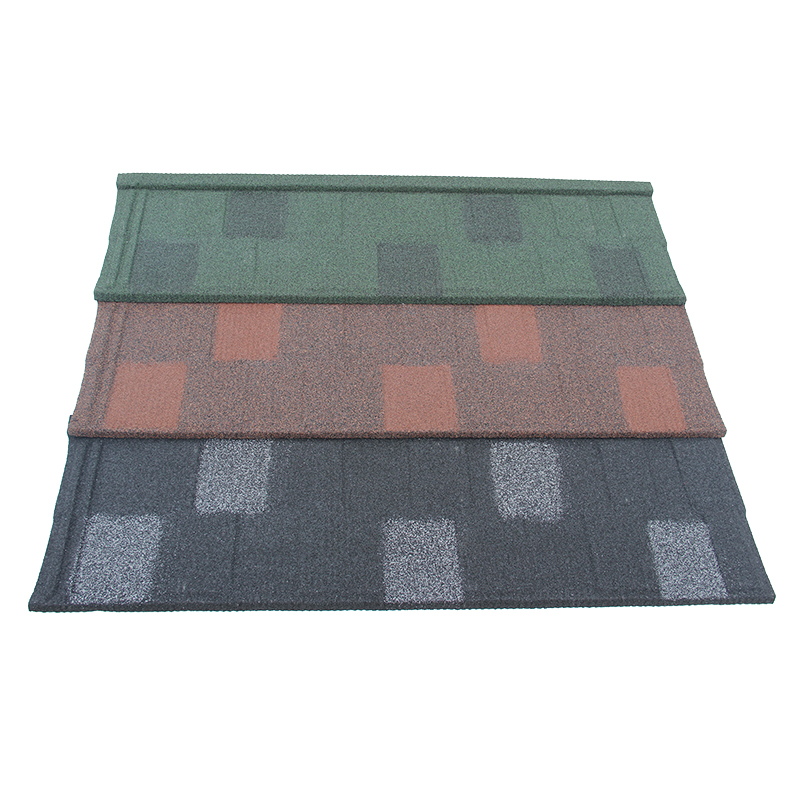
Multi-tone finishes combine several shades within a single tile, creating natural variation that disrupts visible dirt accumulation. This is one of the most effective solutions for large-scale commercial roofs.
Profiles such as Shingle-style systems often use this approach to reduce uniform surface visibility and enhance long-term aesthetics.
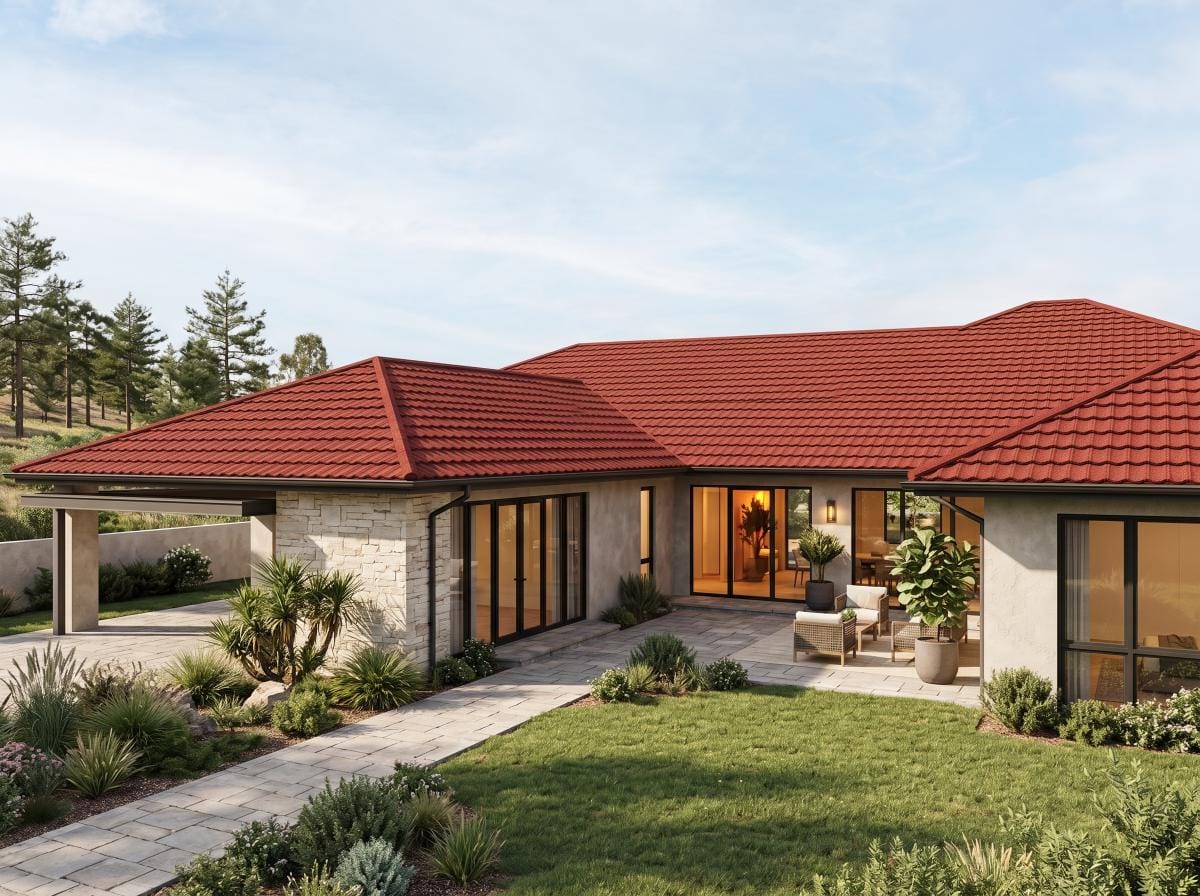
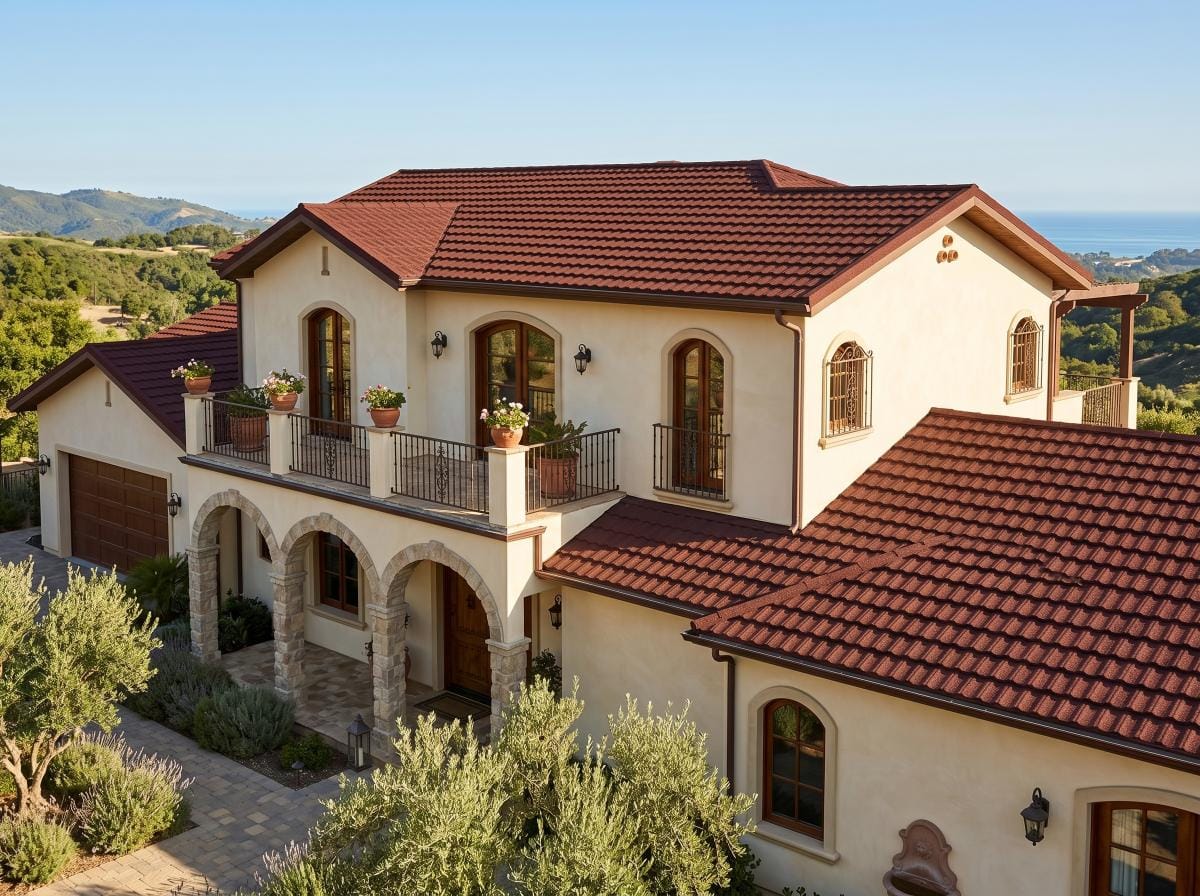
4. Dark Charcoal and Deep Brown
Darker tones hide dust extremely well in low-pollution environments. However, in high UV regions, they may show fading over time. These colors are often used in premium residential projects where visual depth is more important than maintenance frequency.
Shake-style roofing systems frequently adopt these darker tones to enhance architectural texture and shadow contrast.
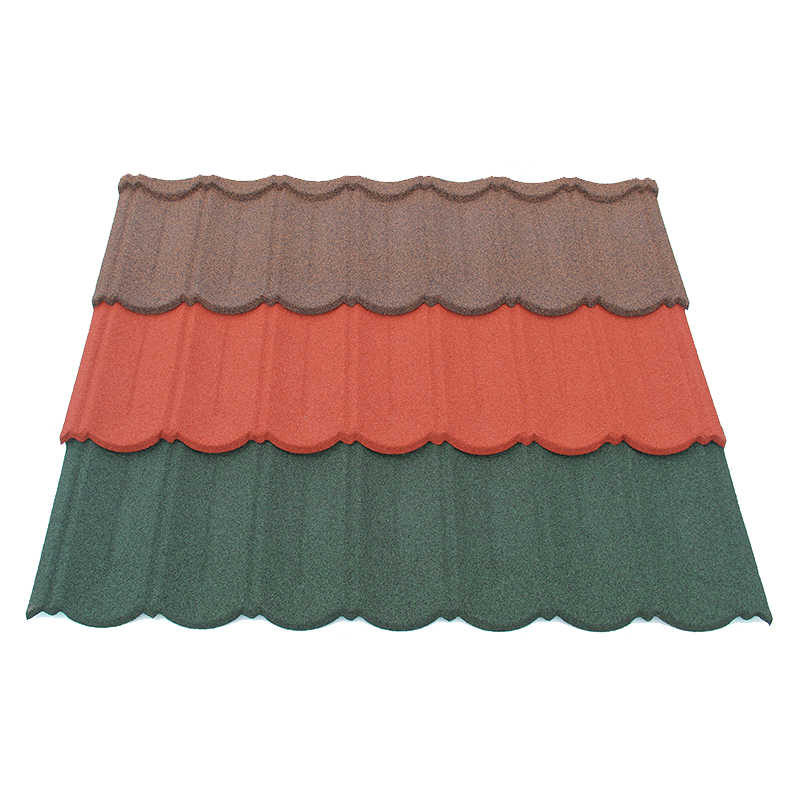
5. Mixed Rustic Finishes
Rustic blends are specifically designed to imitate natural aging. They are highly effective in hiding uneven dust accumulation because visual irregularities are already built into the surface design.
Milano-style profiles often use this type of finish in European-inspired architectural projects.
How Profile Design and Manufacturing Quality Affect Cleanliness
Color alone does not determine how clean a roof looks over time. In high-quality manufacturing systems, including those produced under controlled standards like JCROOF, surface coating consistency and stone granule adhesion play an equally important role.
Poorly bonded granules can create uneven surfaces that trap more dust, while high-quality coatings maintain smoother dispersion of particles and rainwater runoff.
This is why two roofs with identical color codes can age differently depending on manufacturer quality control.
Manufacturing Factors That Influence Dirt Accumulation
- Stone granule adhesion strength
- Coating uniformity and UV resistance
- Surface texture consistency across batches
Practical Selection Strategy for B2B Buyers
For contractors and distributors, color selection should be based on project environment rather than personal preference. The goal is to minimize long-term maintenance complaints while maintaining visual stability across large installations.
In stone coated metal roofing tile projects, the most reliable strategy is to standardize mid-tone or blended colors for commercial developments and reserve darker or more decorative finishes for residential or architectural feature projects.
Recommended Approach by Application
- Commercial buildings: medium gray or earth-tone blends
- Residential developments: multi-tone or slate finishes
- High-end villas: dark or textured rustic finishes
Conclusion: What Colors Perform Best in Real Conditions
The best colors for hiding dirt in stone coated metal roofing tile systems are not the darkest or the lightest, but the most balanced—typically medium grays, earth-tone blends, and multi-shade surfaces. These options reduce visual contrast, mask environmental dust, and maintain a stable appearance over time.
When combined with high-quality manufacturing standards and consistent coating technology, these colors significantly reduce maintenance requirements and improve long-term customer satisfaction across different climates and project types.