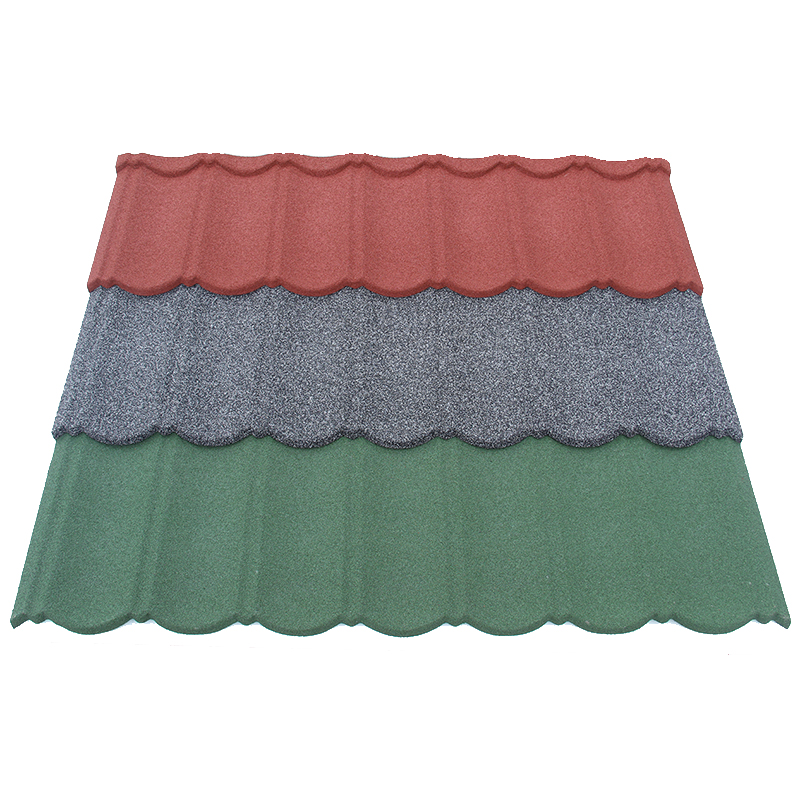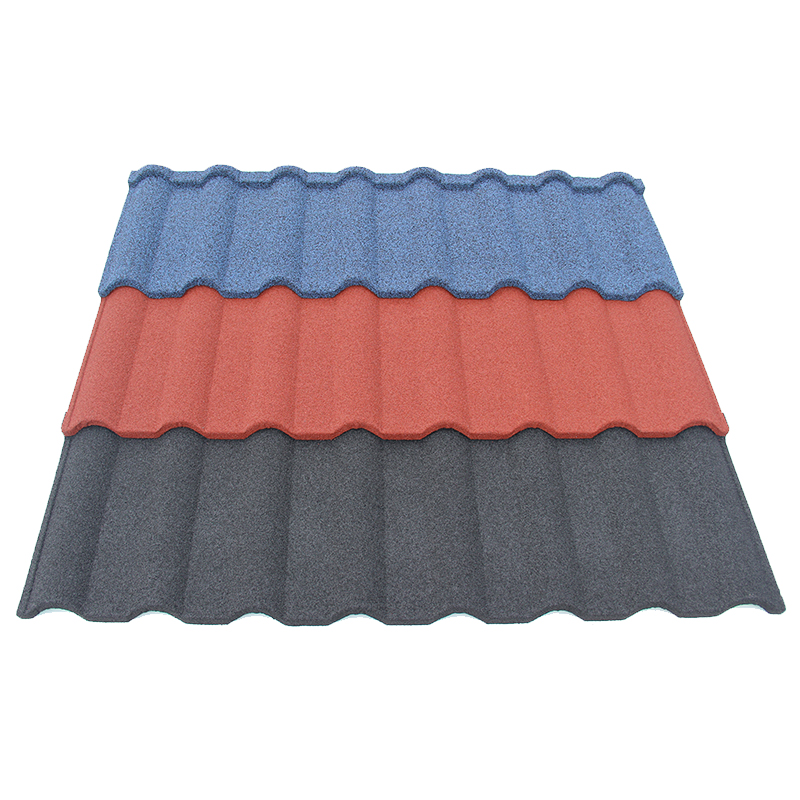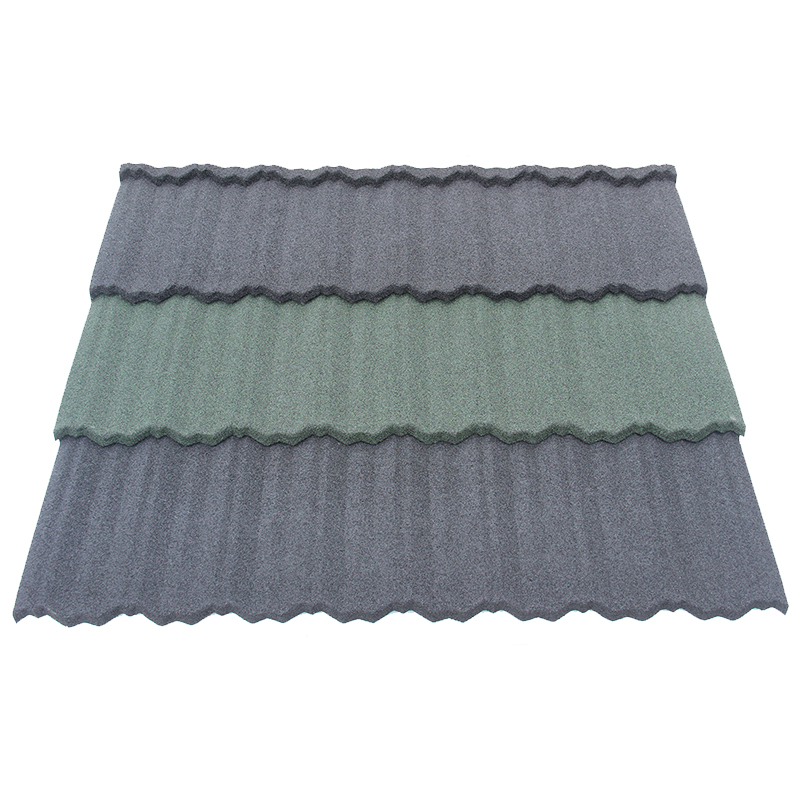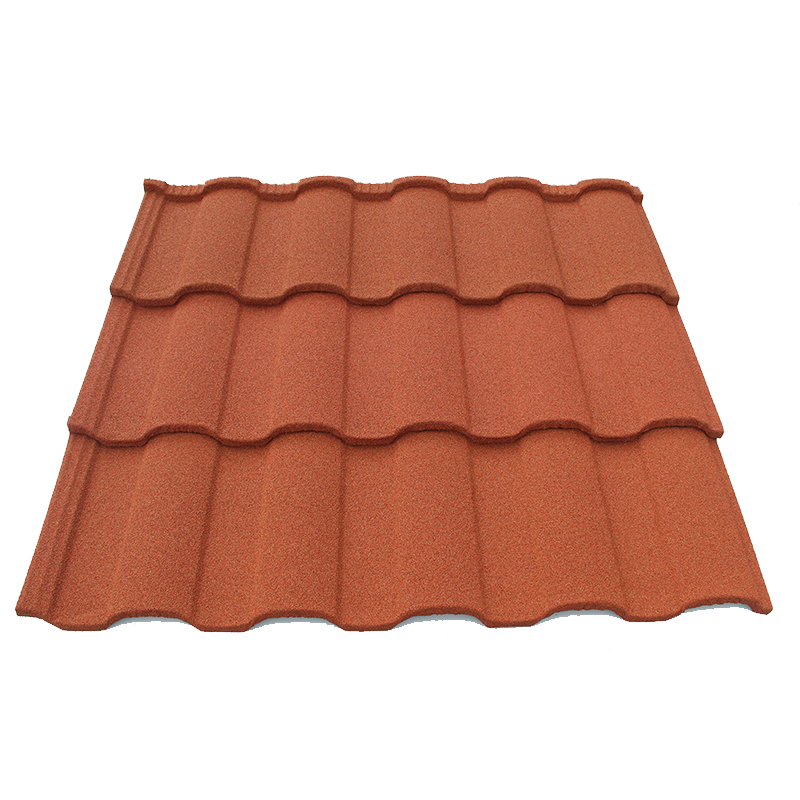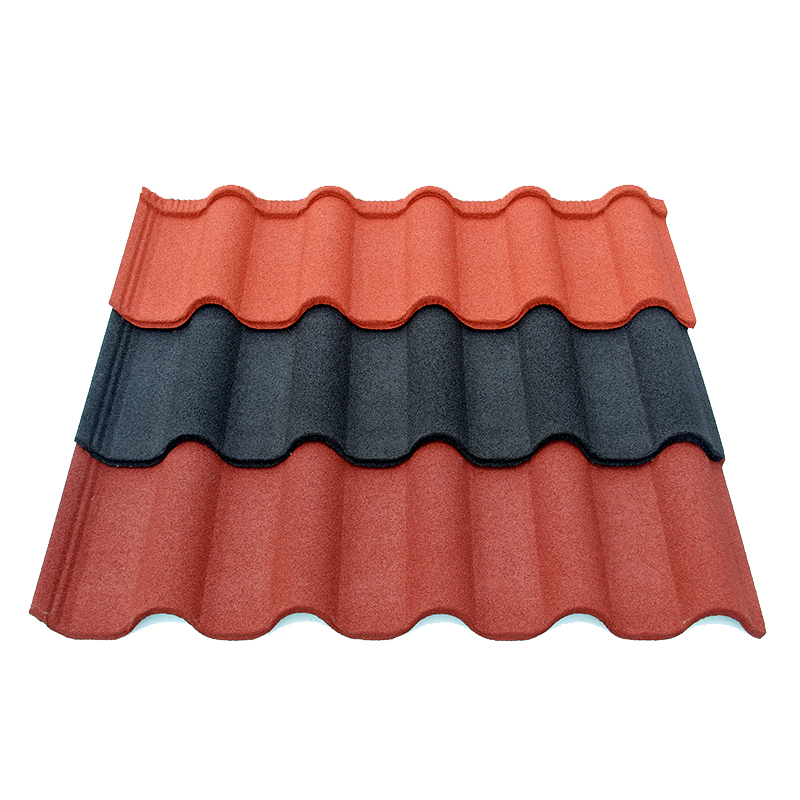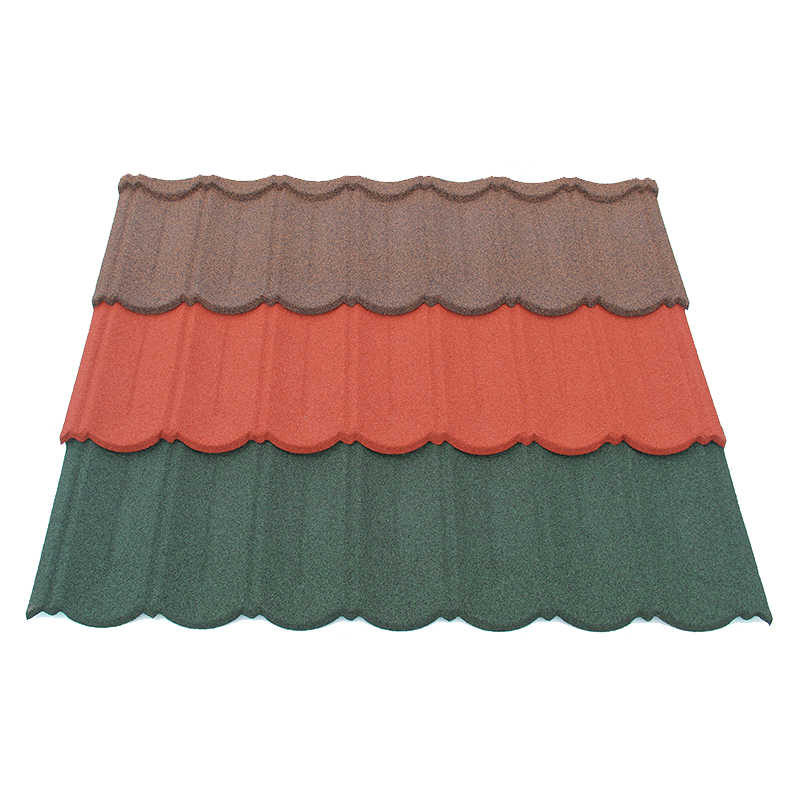

Color is one of the most important factors in modern roofing design. The stone coated roofing color options and customization process allows homeowners, architects, and distributors to match roofing systems with different architectural styles, climate conditions, and brand requirements.
Unlike traditional roofing materials with limited color choices, stone coated roofing offers a wide range of customizable colors and textures. These options are created using natural stone granules combined with advanced coating technology, allowing manufacturers to produce roofs that are both durable and visually appealing.
In this guide, we will explore available color options, customization methods, and how buyers can choose the right roofing colors for different markets and projects.
Why Color Matters in Stone Coated Roofing
Roof color is not only about appearance. It also affects heat absorption, energy efficiency, and long-term property value. Therefore, selecting the right color is an important decision in both residential and commercial projects.
Impact on architectural style
Different architectural styles require different roofing tones. For example, modern homes often use neutral or dark colors, while traditional buildings may prefer earthy tones that blend with natural surroundings.
Heat reflection and energy performance
Lighter colors generally reflect more sunlight, helping reduce indoor temperatures. In contrast, darker colors absorb heat, which may be beneficial in colder regions.
Standard Stone Coated Roofing Color Options
Most manufacturers offer a standard palette of colors that are widely used in global markets. These colors are created using high-temperature sintered stone granules for long-lasting performance.
Common color categories
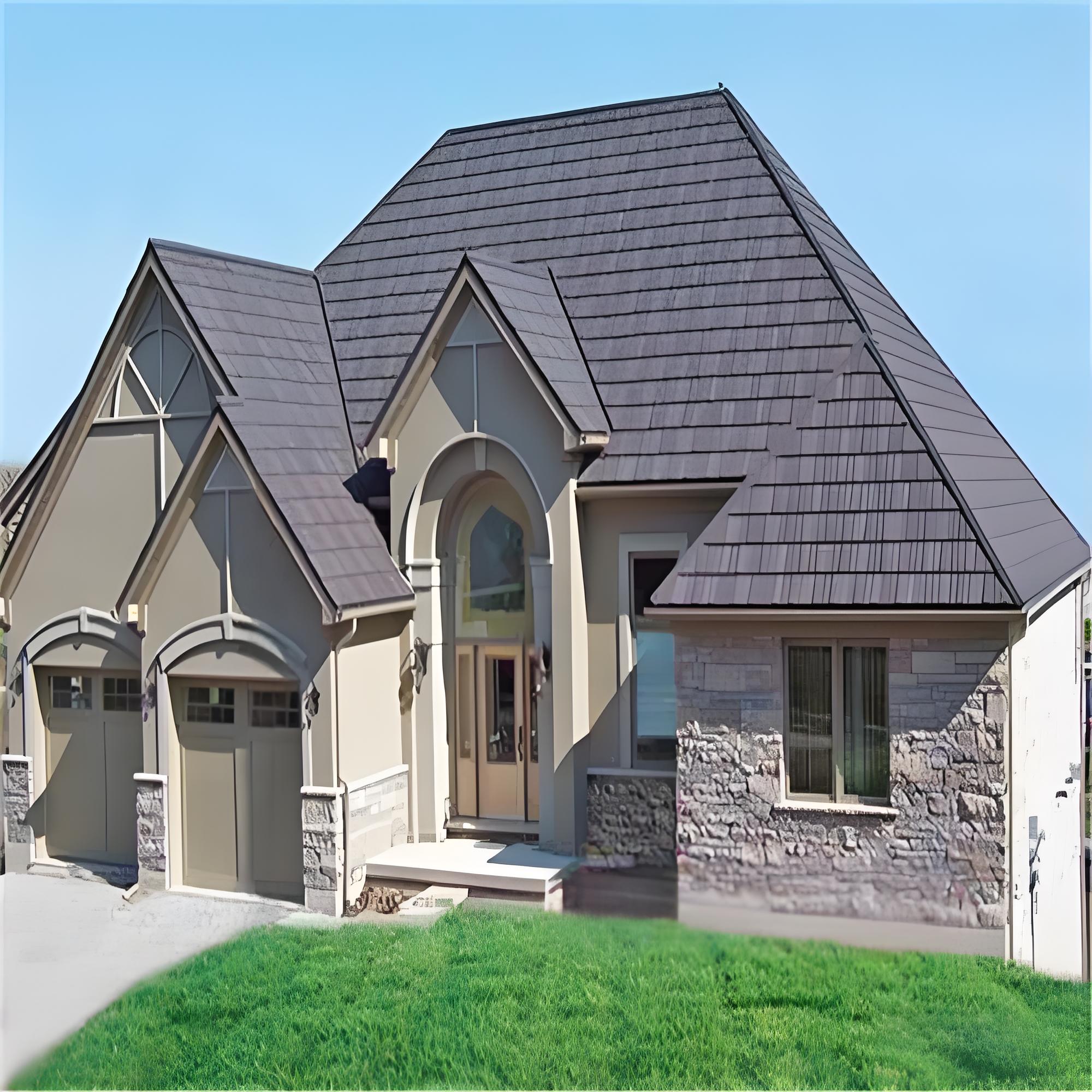
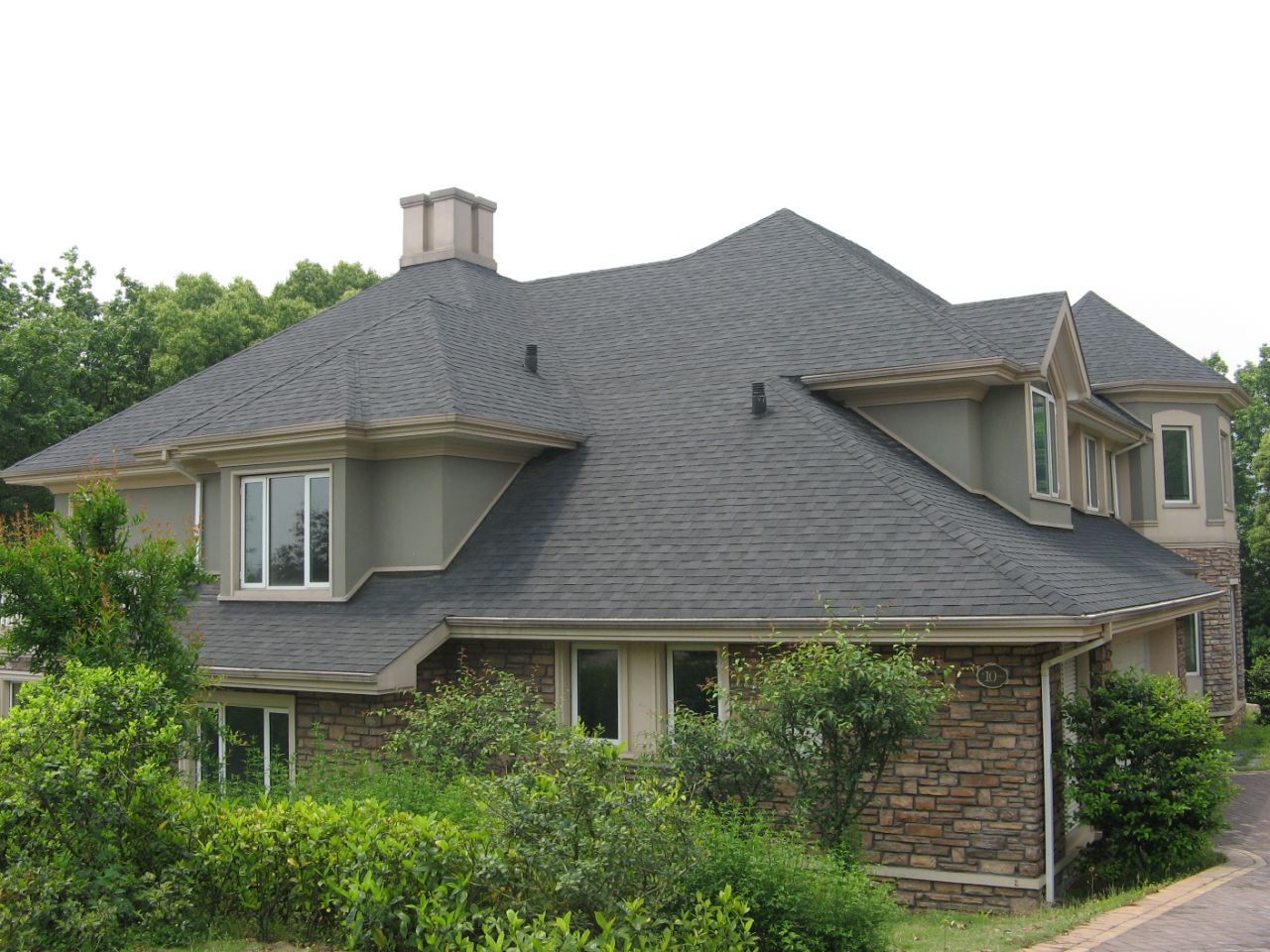
- Charcoal Black
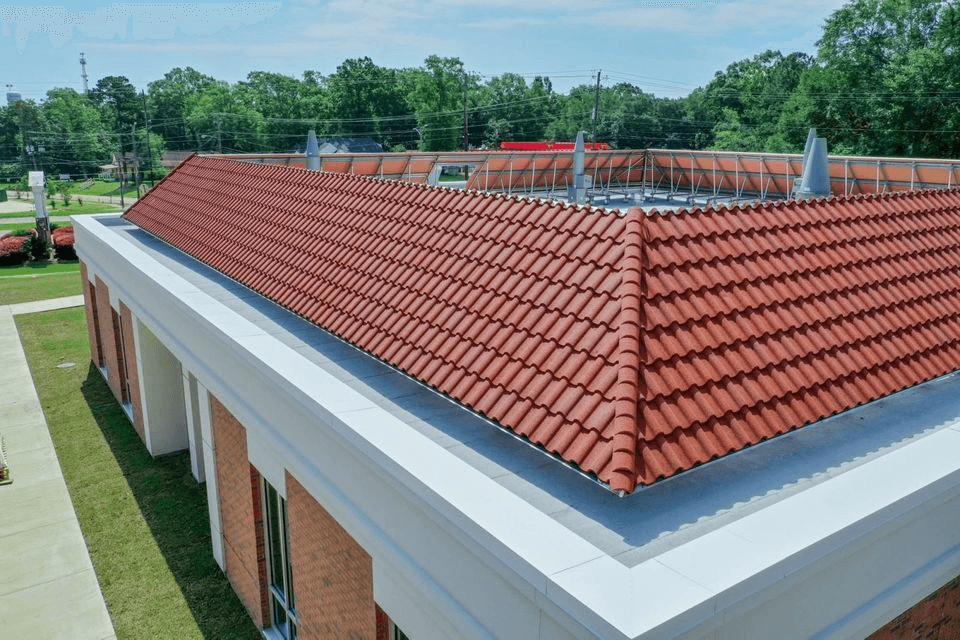
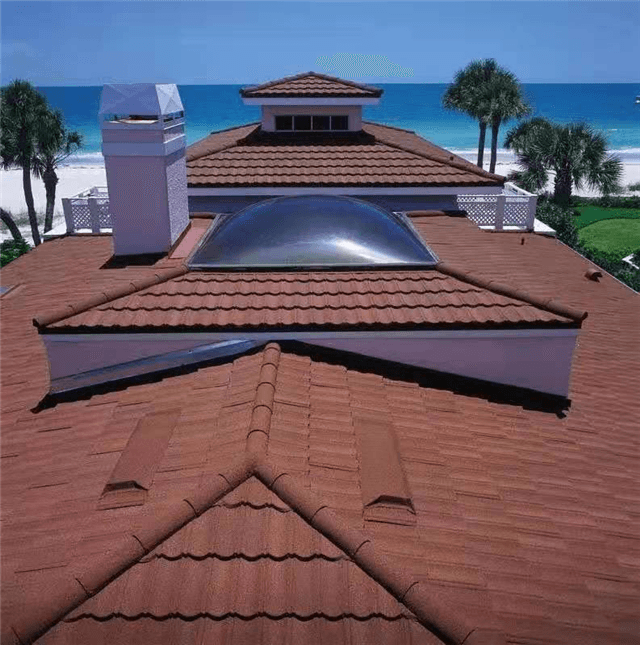
- Terracotta Red
- Forest Green
- Ocean Blue
- Desert Sand
- Earth Brown
These standard colors are widely used because they match most residential and commercial architectural designs.
Multi-tone and blended colors
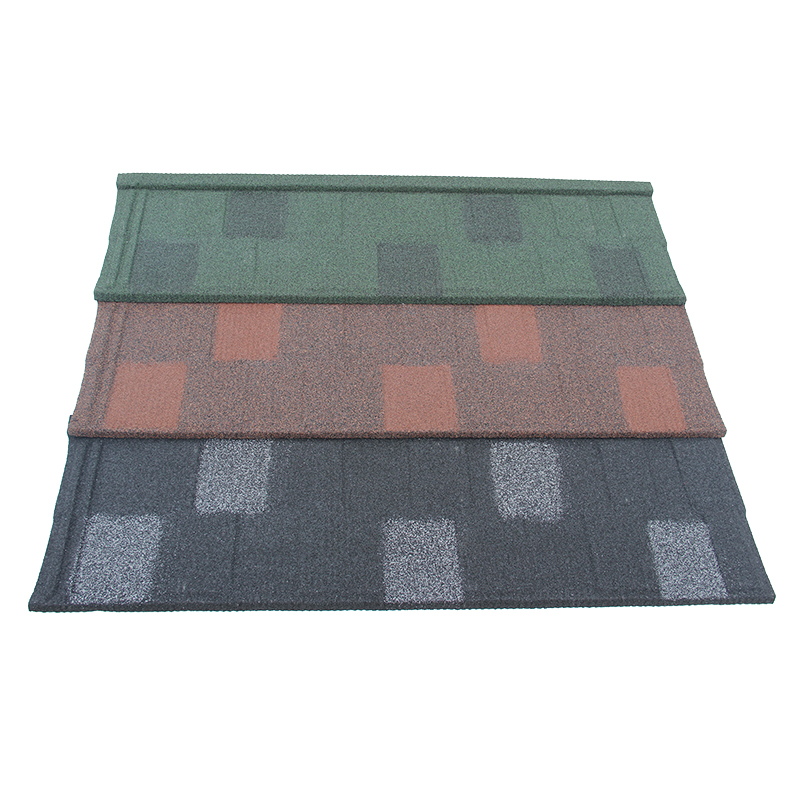
In addition to single colors, manufacturers also produce multi-tone blends that combine different shades to create a more natural roofing appearance.
For example, products such as Shingle Tile often use blended stone granules to achieve a more realistic asphalt-shingle-like visual effect while maintaining steel durability.
Custom Color Development for Global Projects
One of the biggest advantages of modern stone coated roofing manufacturing is the ability to develop custom colors. This is especially important for large-scale construction projects, brand-specific developments, and regional architectural preferences.
How custom colors are developed
First, manufacturers analyze color samples provided by clients or architects. Then, they select matching stone granules and adjust coating formulas to achieve the desired appearance.
After that, sample panels are produced and tested under different lighting and weather conditions to ensure color stability and consistency.
OEM and private label color customization
Many distributors require exclusive color systems to strengthen their brand identity in local markets. Manufacturers support OEM color development by creating dedicated color lines that are not shared with other customers.
For residential projects, products like Bond Tile are often customized with specific color combinations to match regional building styles and market demand.
Factors That Affect Roofing Color Performance
Although stone coated roofing colors are designed for durability, several factors can influence their long-term appearance.
UV exposure and climate conditions
Strong sunlight can gradually affect color intensity over time. However, high-quality stone granules are treated to resist UV fading and maintain color stability for many years.
Material quality of stone granules
The durability of color depends heavily on the quality of natural stone granules used during production. Inferior materials may result in uneven fading or surface discoloration.
Manufacturing process consistency
Factories with automated coating and curing systems ensure more consistent color distribution across production batches.
Architectural roofing systems such as Roman Tile require strict color consistency because visual alignment is critical for large roof surfaces.
Popular Roofing Color Trends in Global Markets
Color preferences vary across regions depending on cultural style, climate, and architectural trends.
North America and Europe
Neutral tones such as charcoal black, gray, and brown are widely preferred due to their modern appearance and compatibility with suburban housing styles.
Africa and Southeast Asia
Warmer colors such as red, terracotta, and earth tones are commonly used because they match traditional architecture and environmental conditions.
Products like Milano Tile are often selected for premium residential projects due to their elegant and modern color options.
How to Choose the Right Roofing Color
Choosing the right roofing color requires balancing aesthetics, climate conditions, and market demand. Buyers should consider both short-term visual impact and long-term performance.
Match color with building design
Roof color should complement wall materials, window frames, and overall architectural style to create a unified appearance.
Consider climate impact
Light colors are more suitable for hot regions, while darker tones perform better in colder climates by absorbing heat.
Evaluate market preferences
Distributors should also consider local market trends to ensure product competitiveness and sales performance.
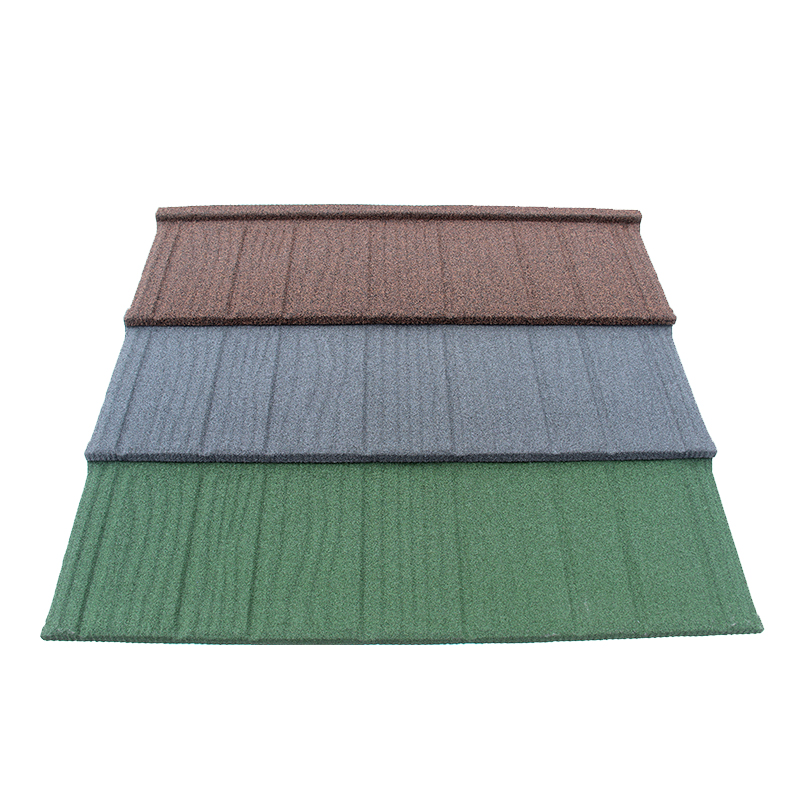
For traditional architectural styles, Shake Tile is often chosen because its natural wood-like texture pairs well with earthy color tones.
Conclusion
Stone coated roofing offers extensive color options and customization capabilities, making it suitable for a wide range of architectural styles and global markets. From standard color palettes to fully customized OEM solutions, manufacturers can meet diverse project requirements while maintaining durability and performance.
By understanding color selection, material quality, and customization processes, buyers can make more informed decisions and improve both product value and market competitiveness.